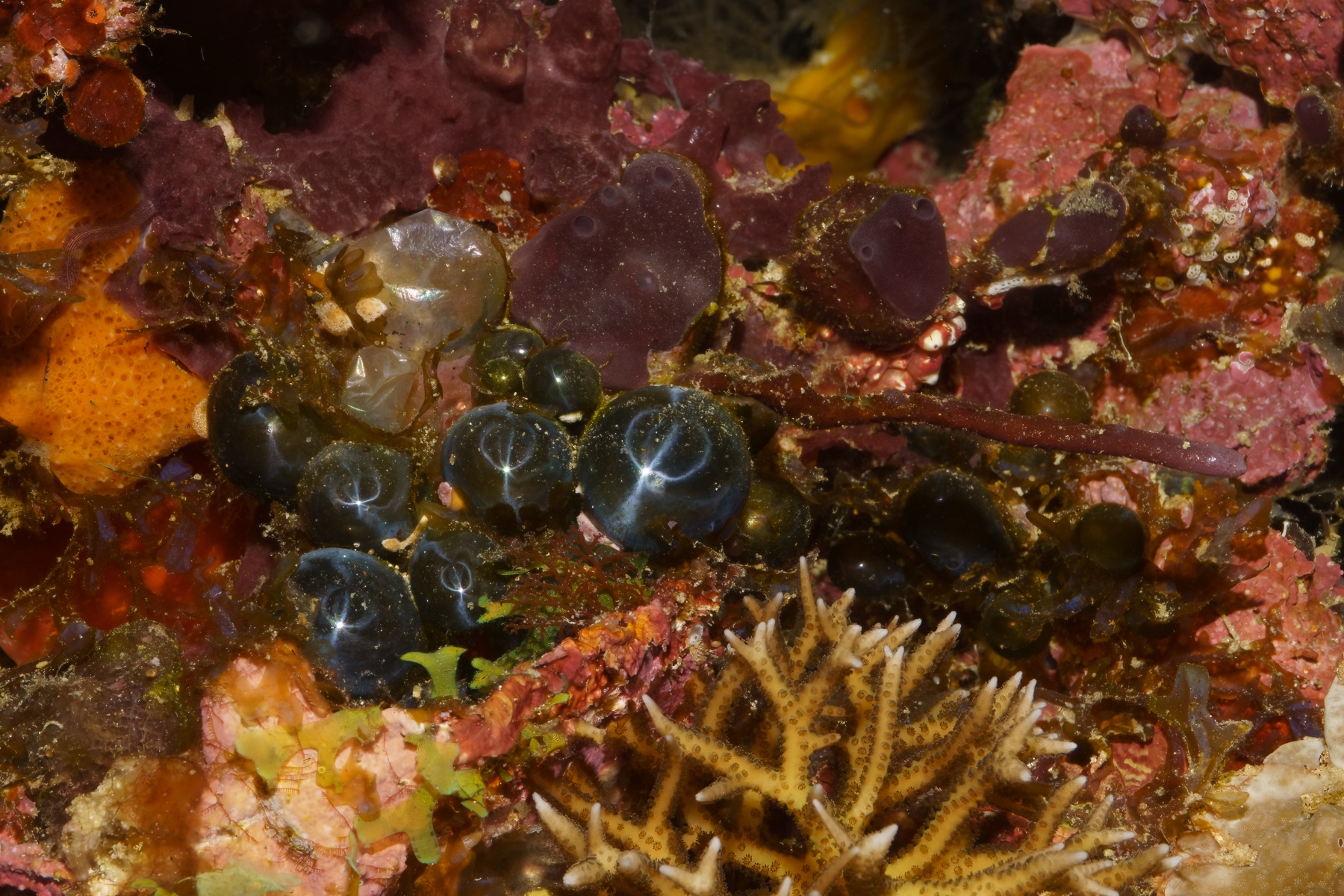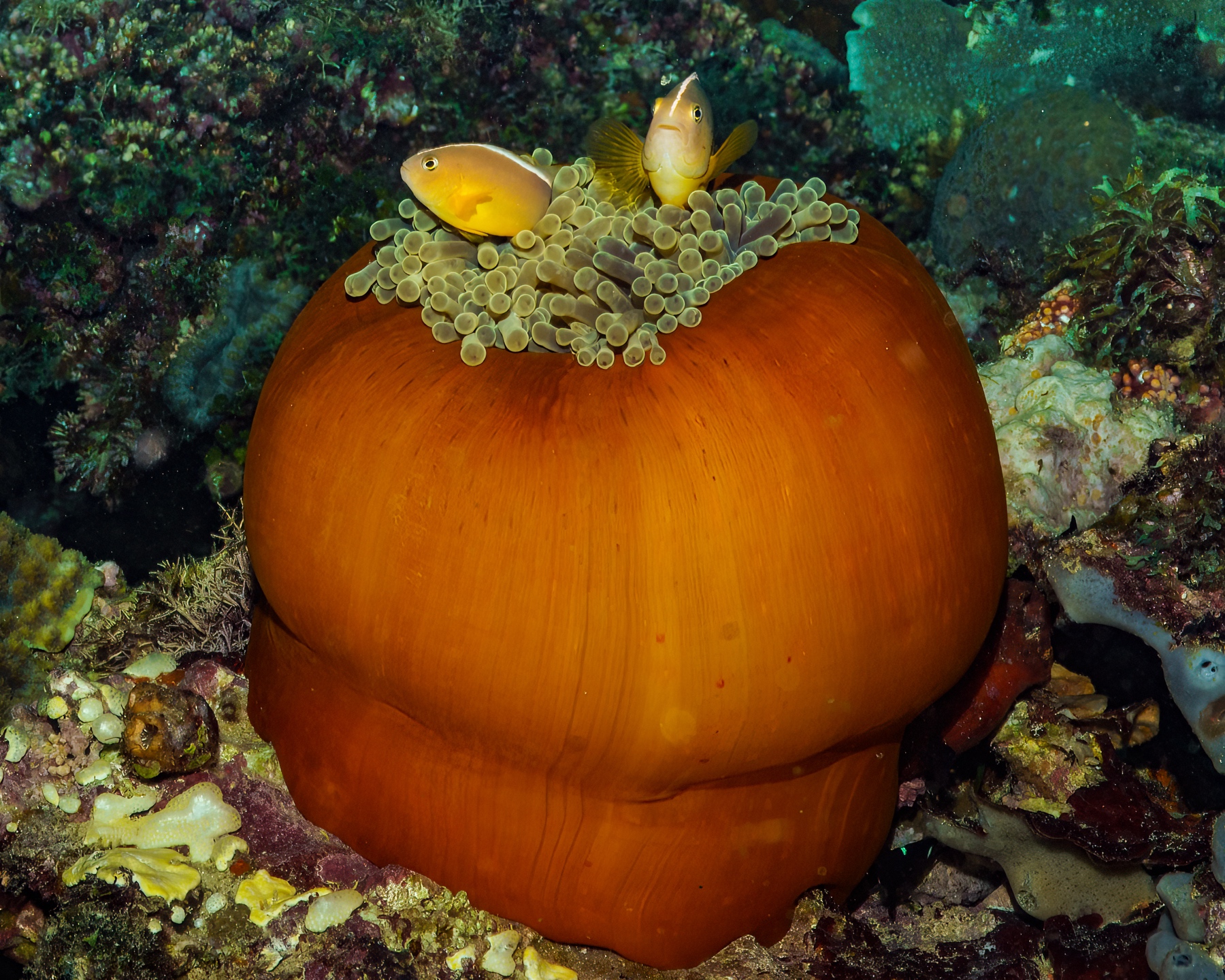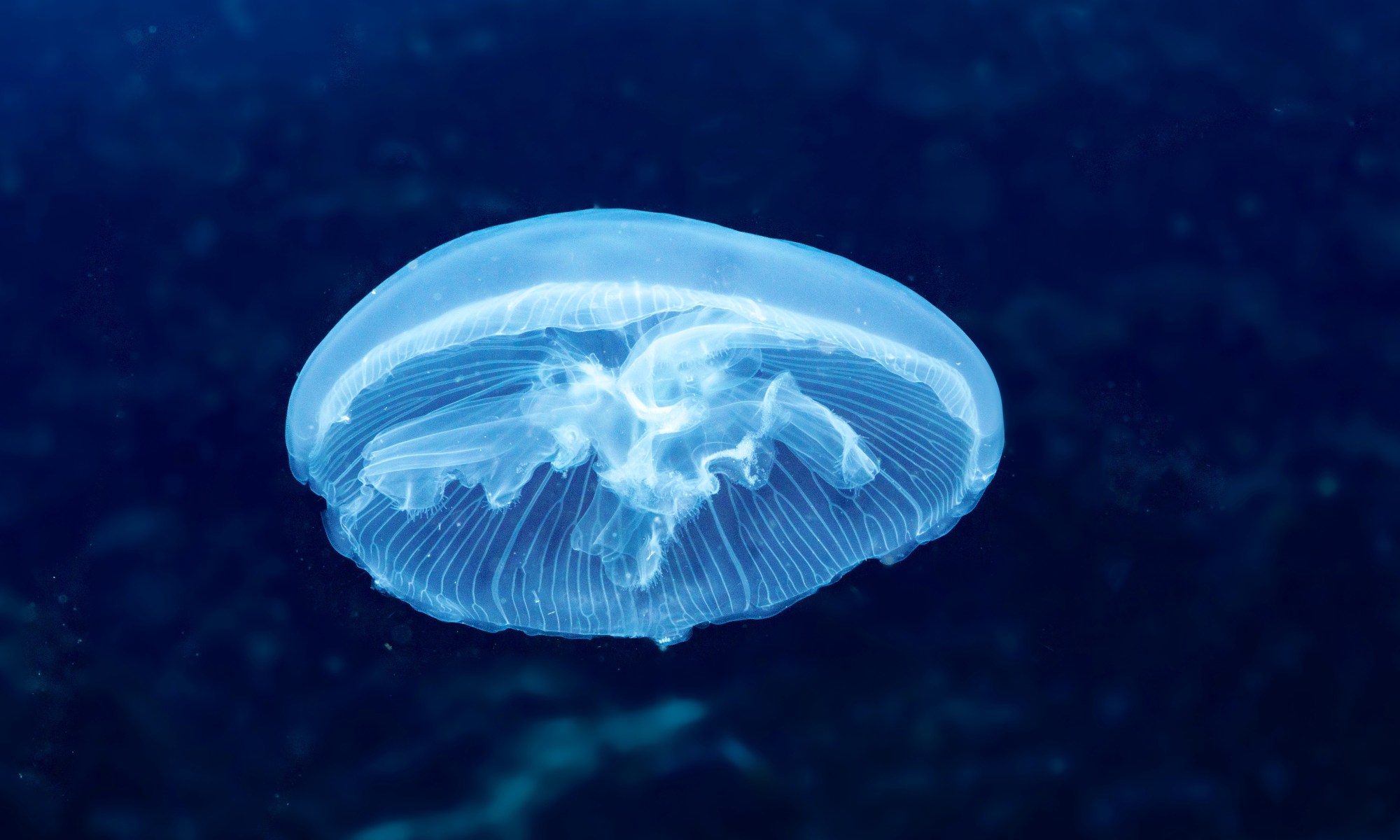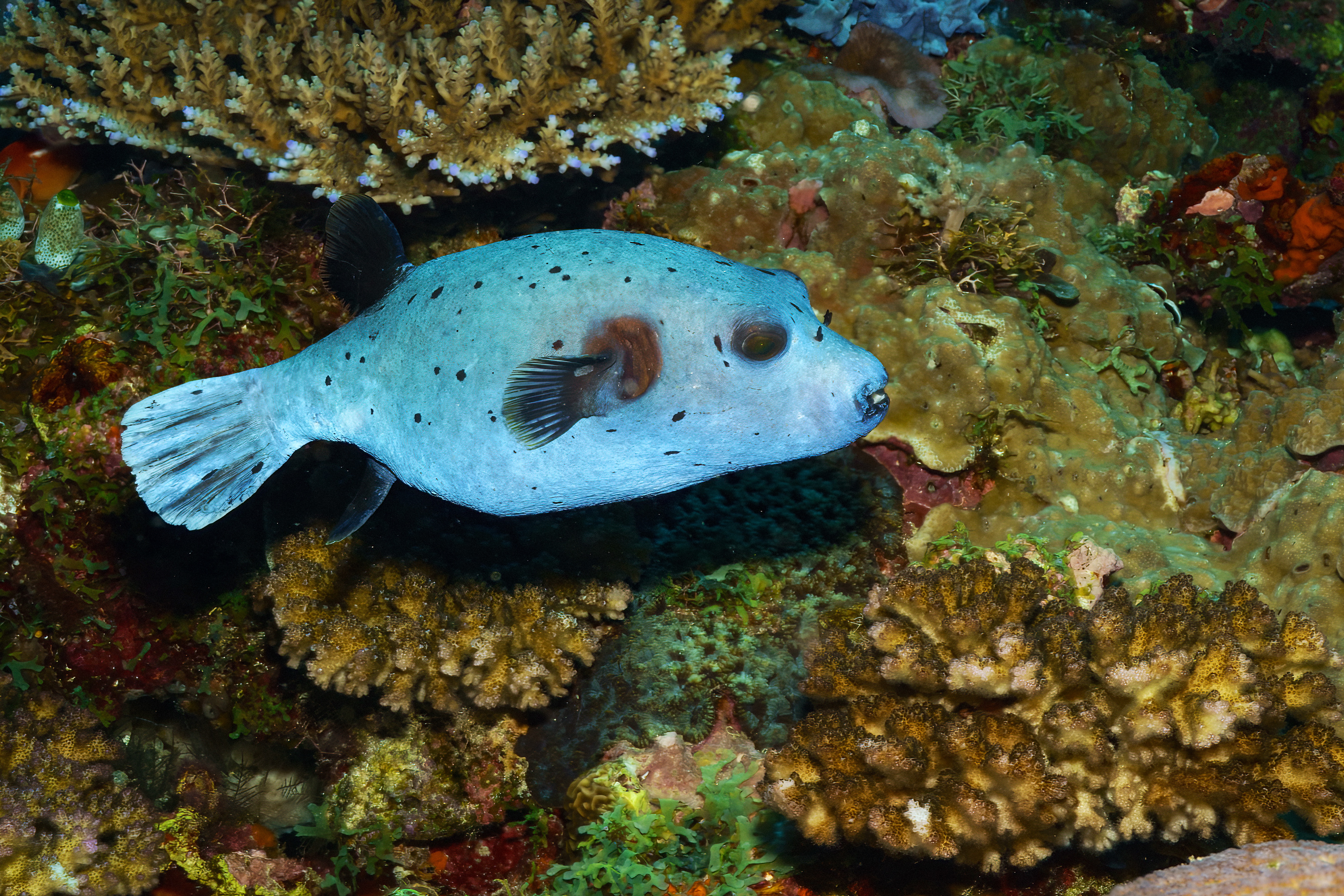
Pemba Island Diving: Day 2, First dives

As I glanced at my dive computer while preparing for this trip and saw “Surface Time: 1035 days,” I was stunned. Could it really have been nearly three years since our last dive adventure in Pemba Island? Time had slipped by faster than I’d realized.

For our first day back underwater after such a long break, we deliberately chose something gentle—just enough to ease ourselves back into the rhythm of diving and rebuild our confidence. Thankfully, the morning greeted us with perfect conditions: windless, glassy calm, the sea like polished glass.
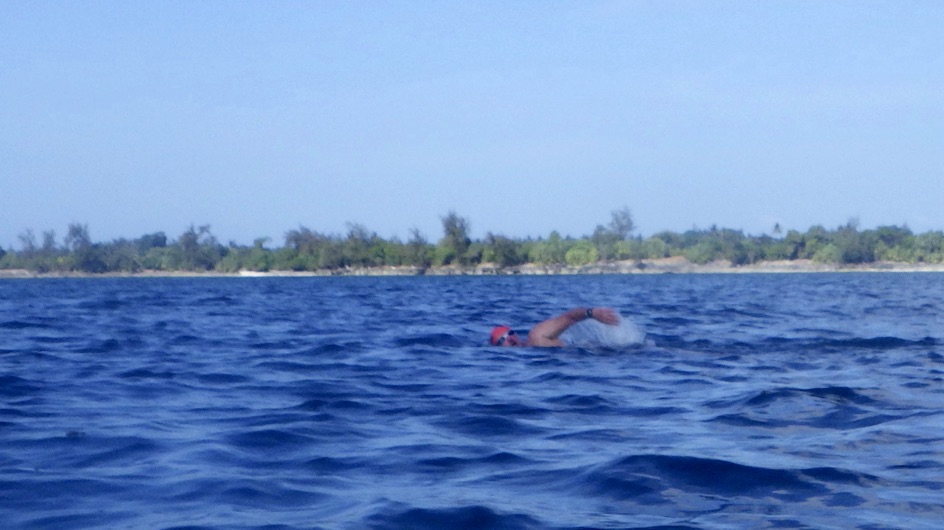
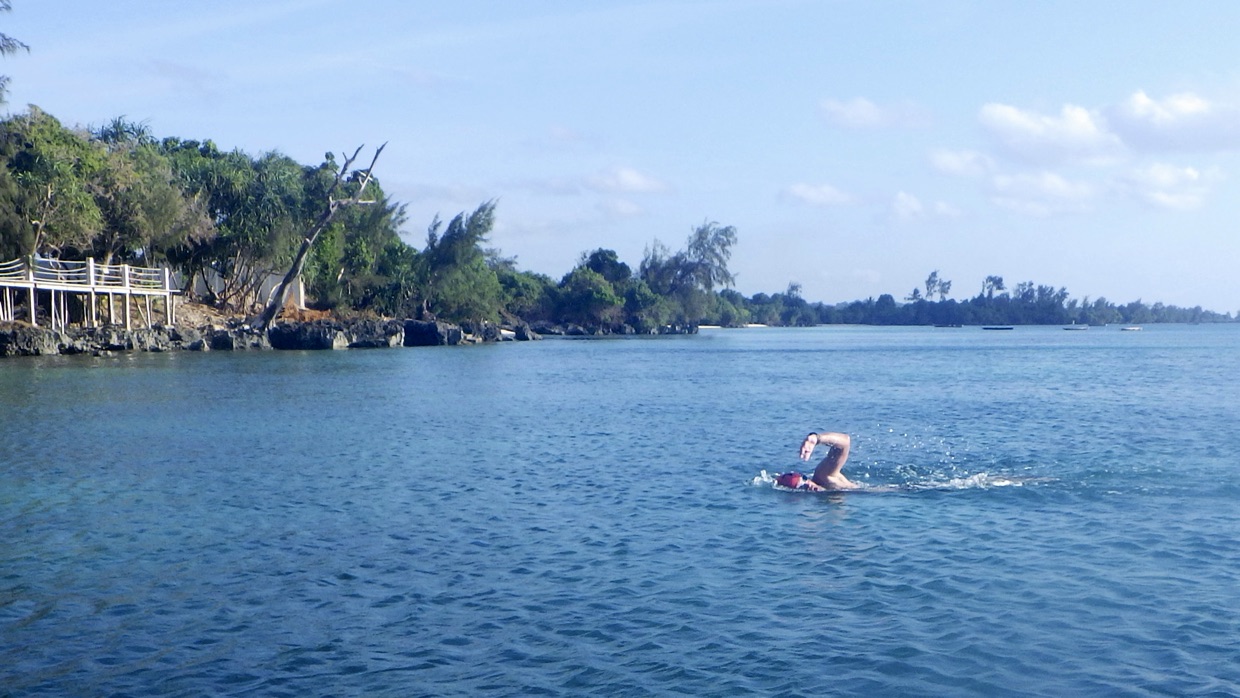
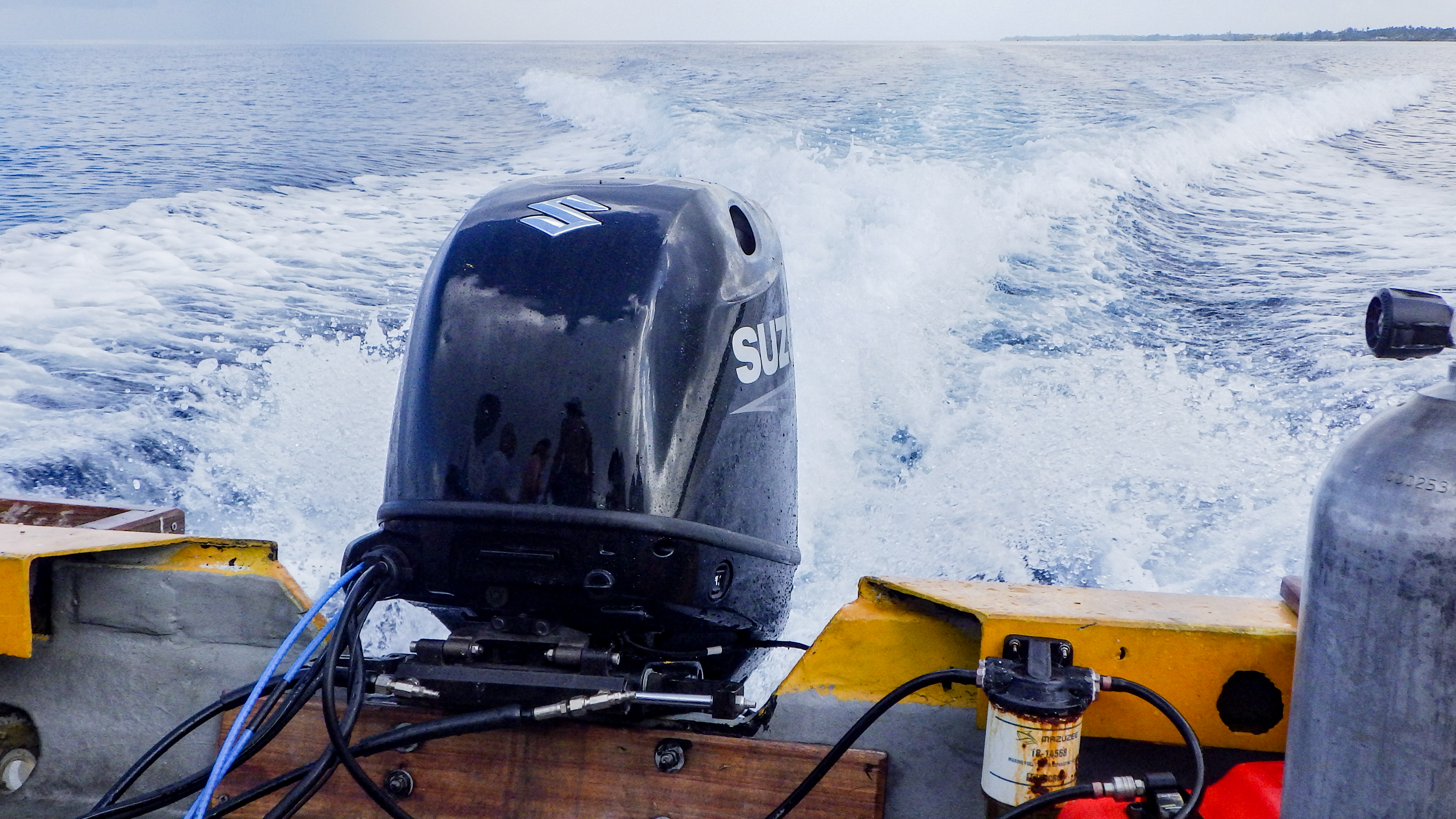
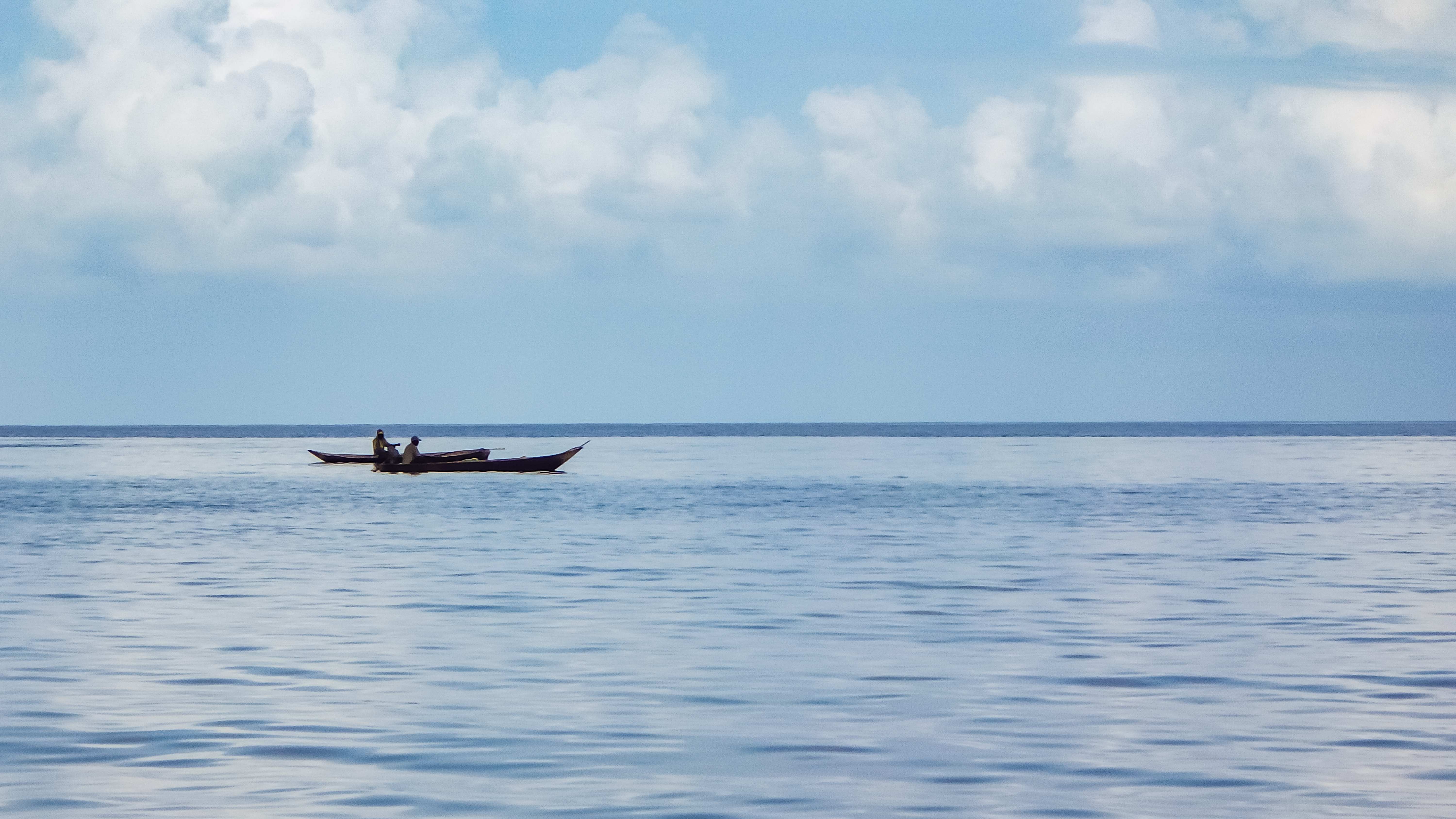
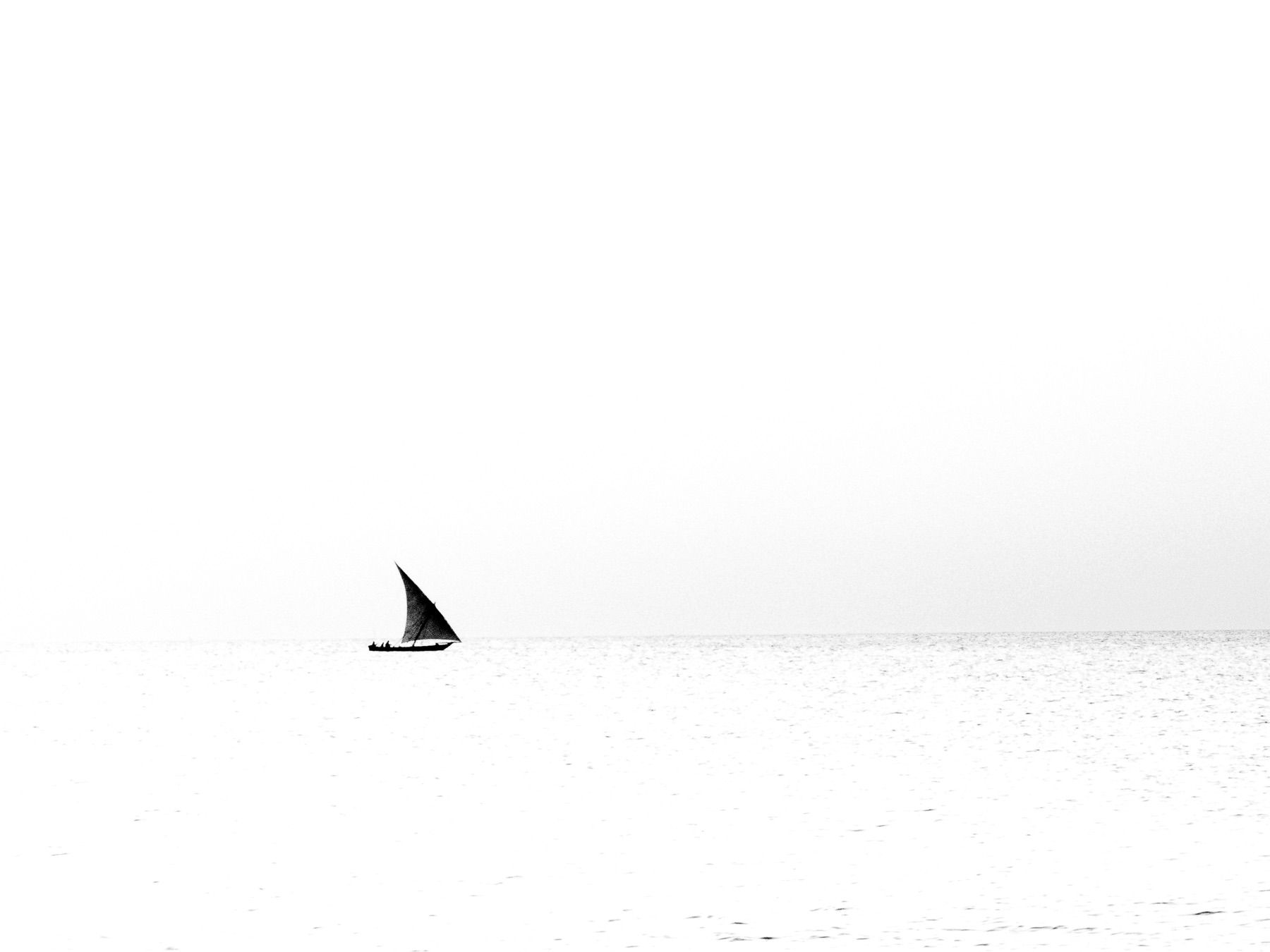
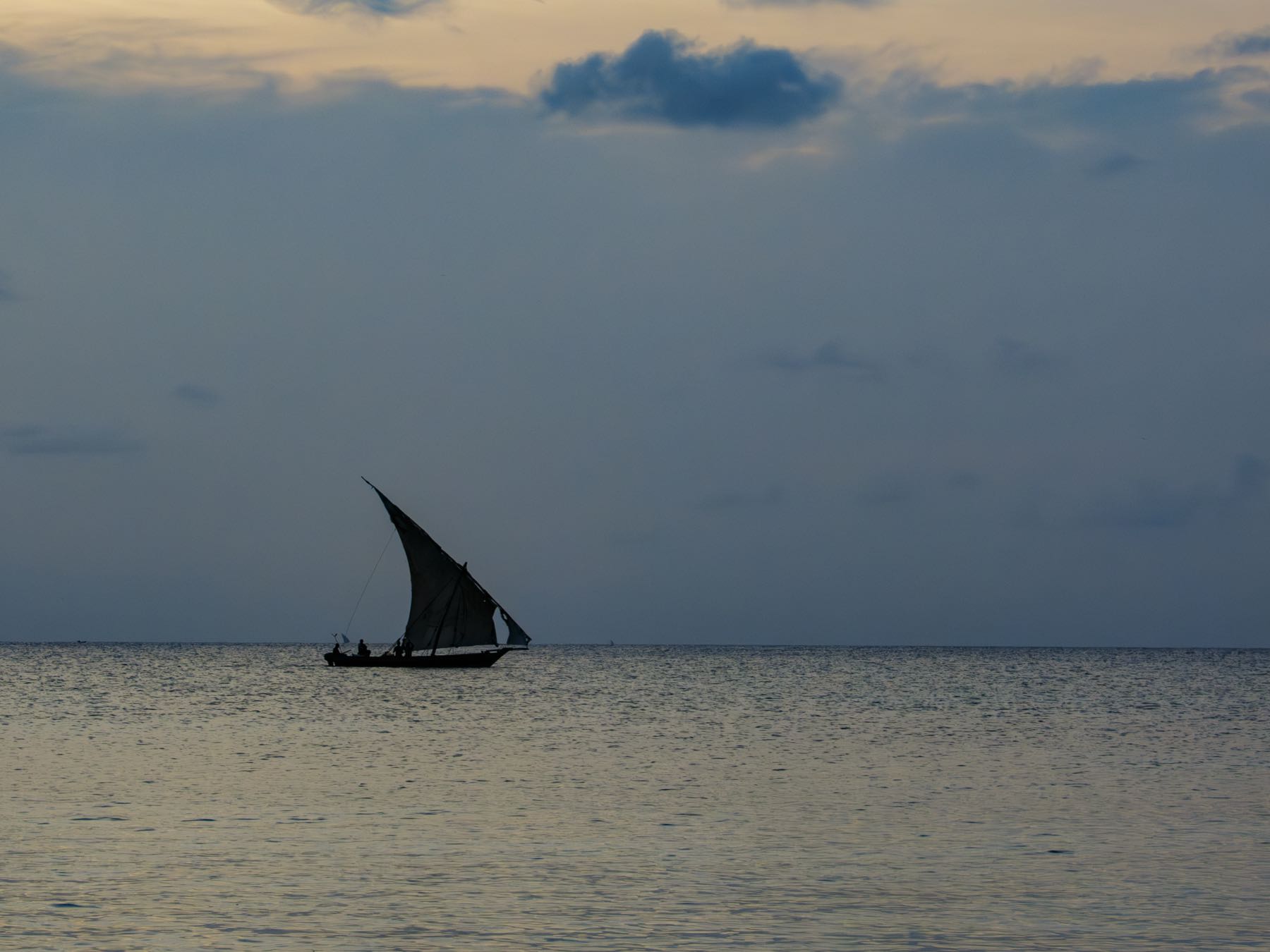
After a relaxed breakfast, we set off, passing a handful of local fishermen gliding quietly in their dugout canoes.

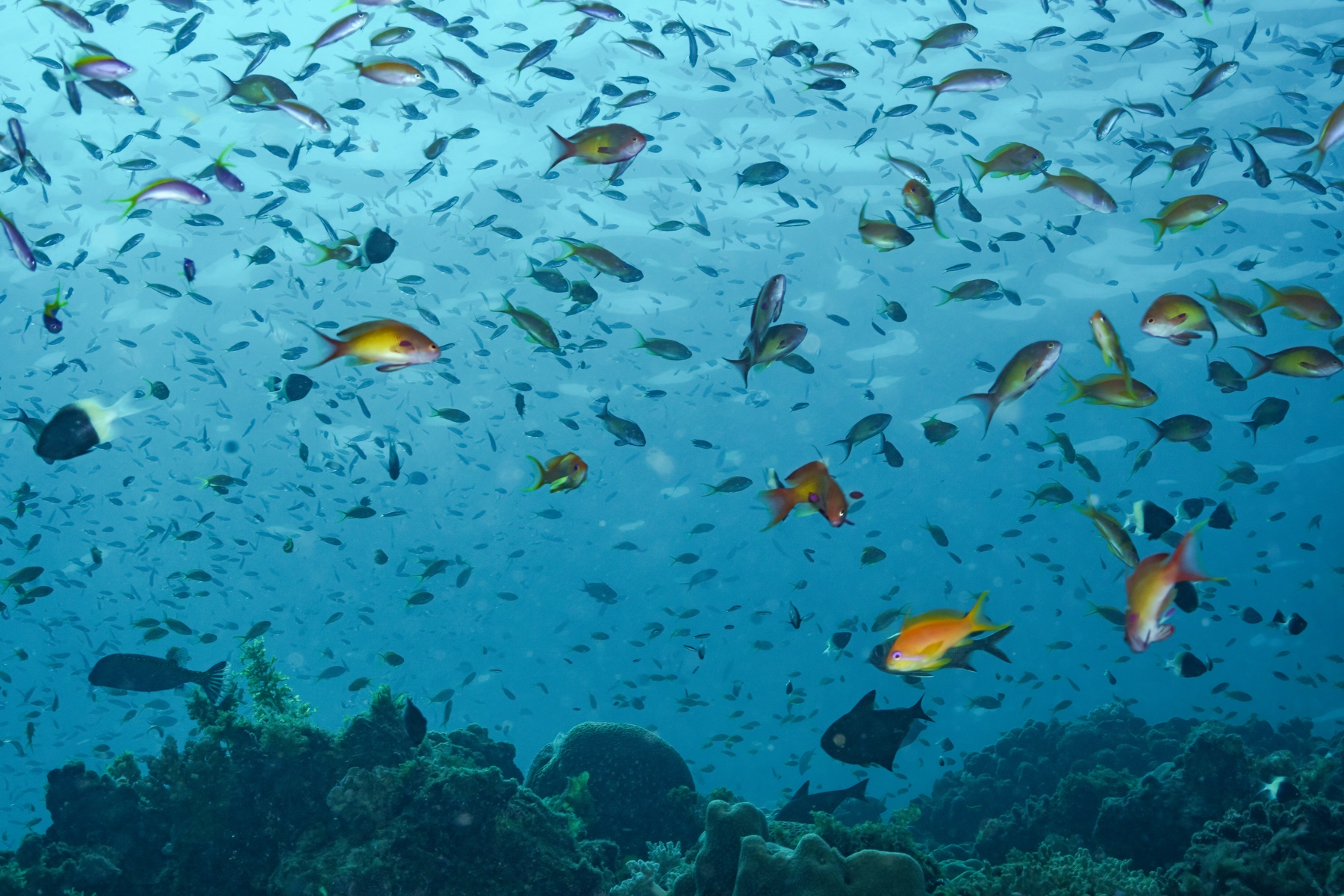
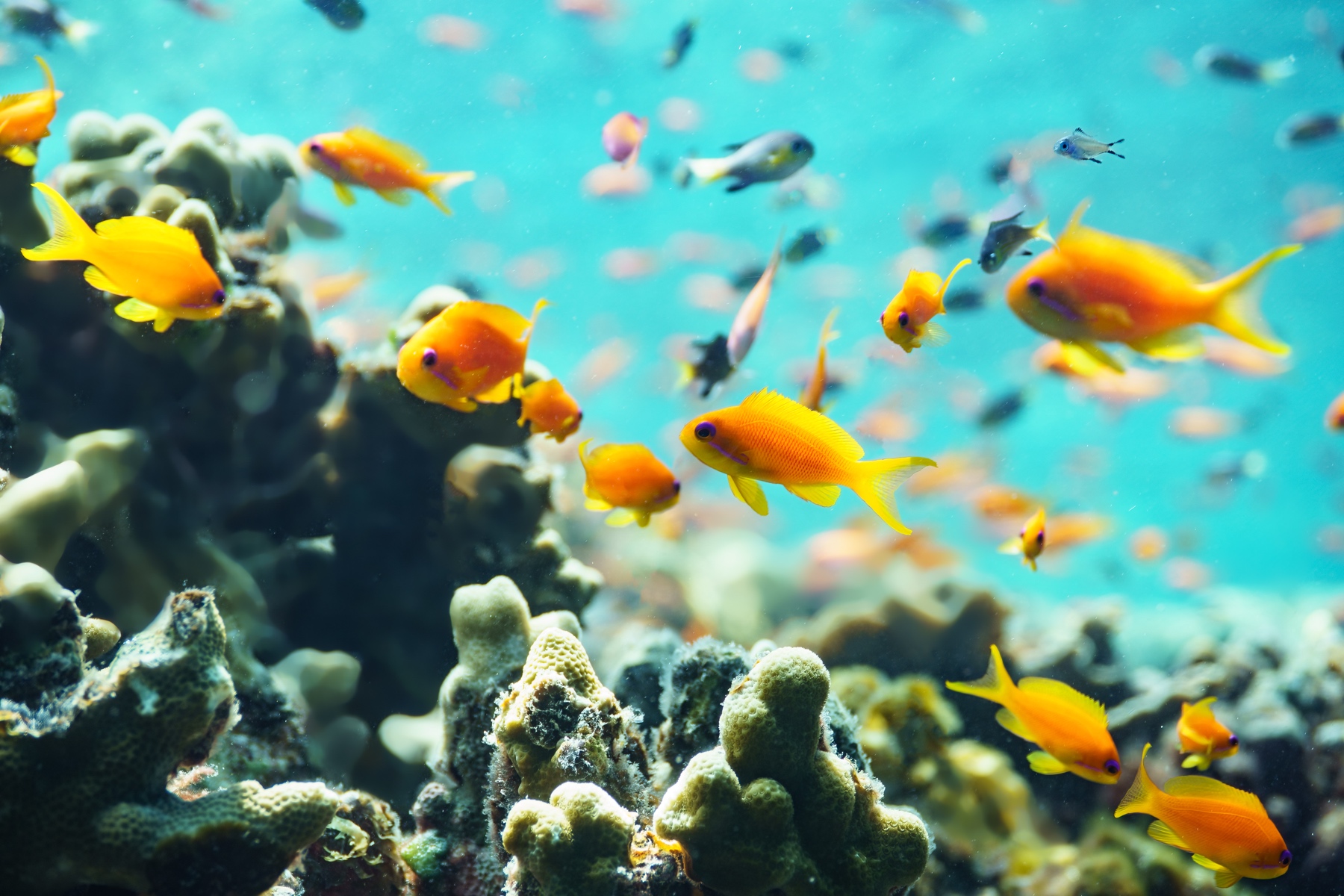
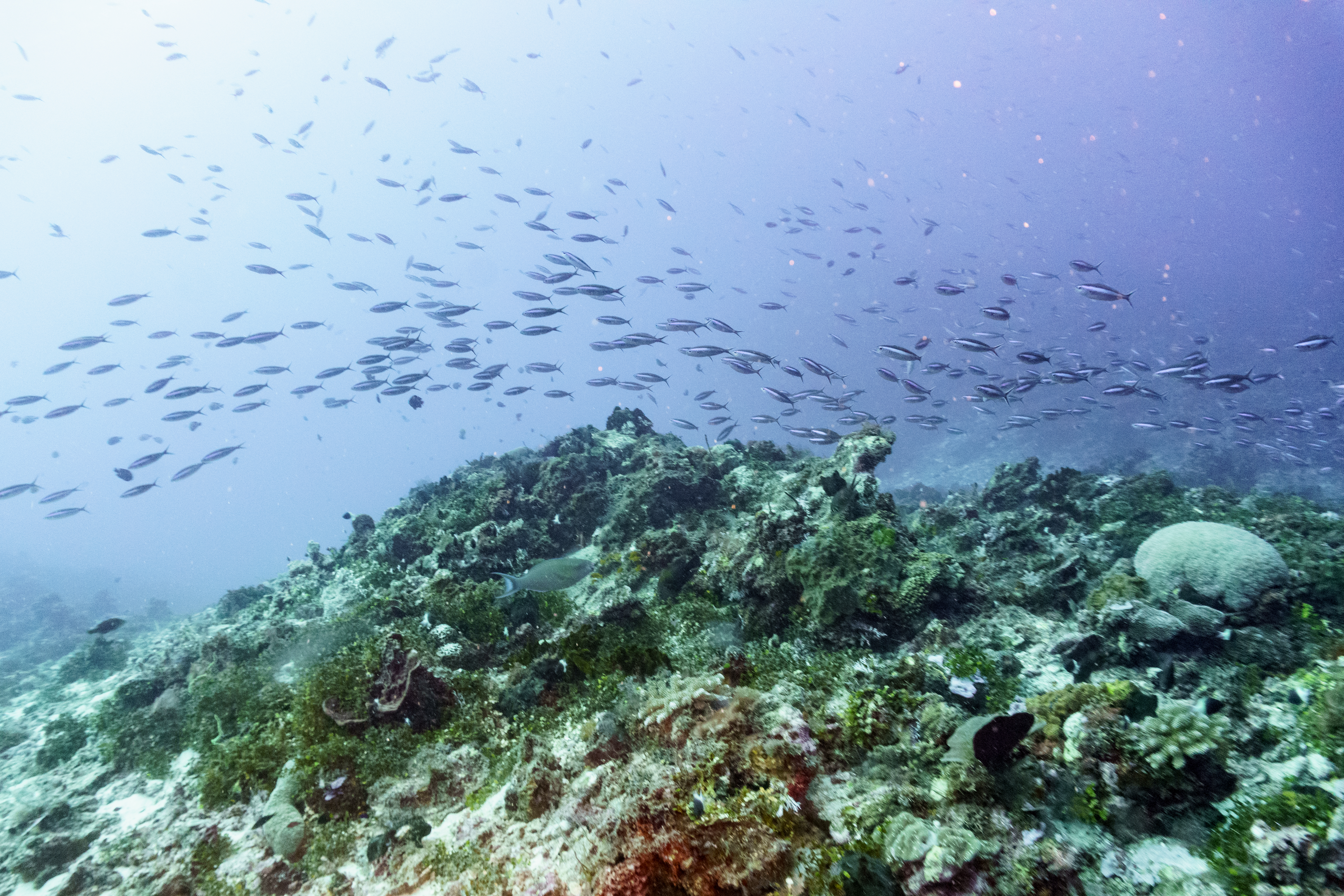
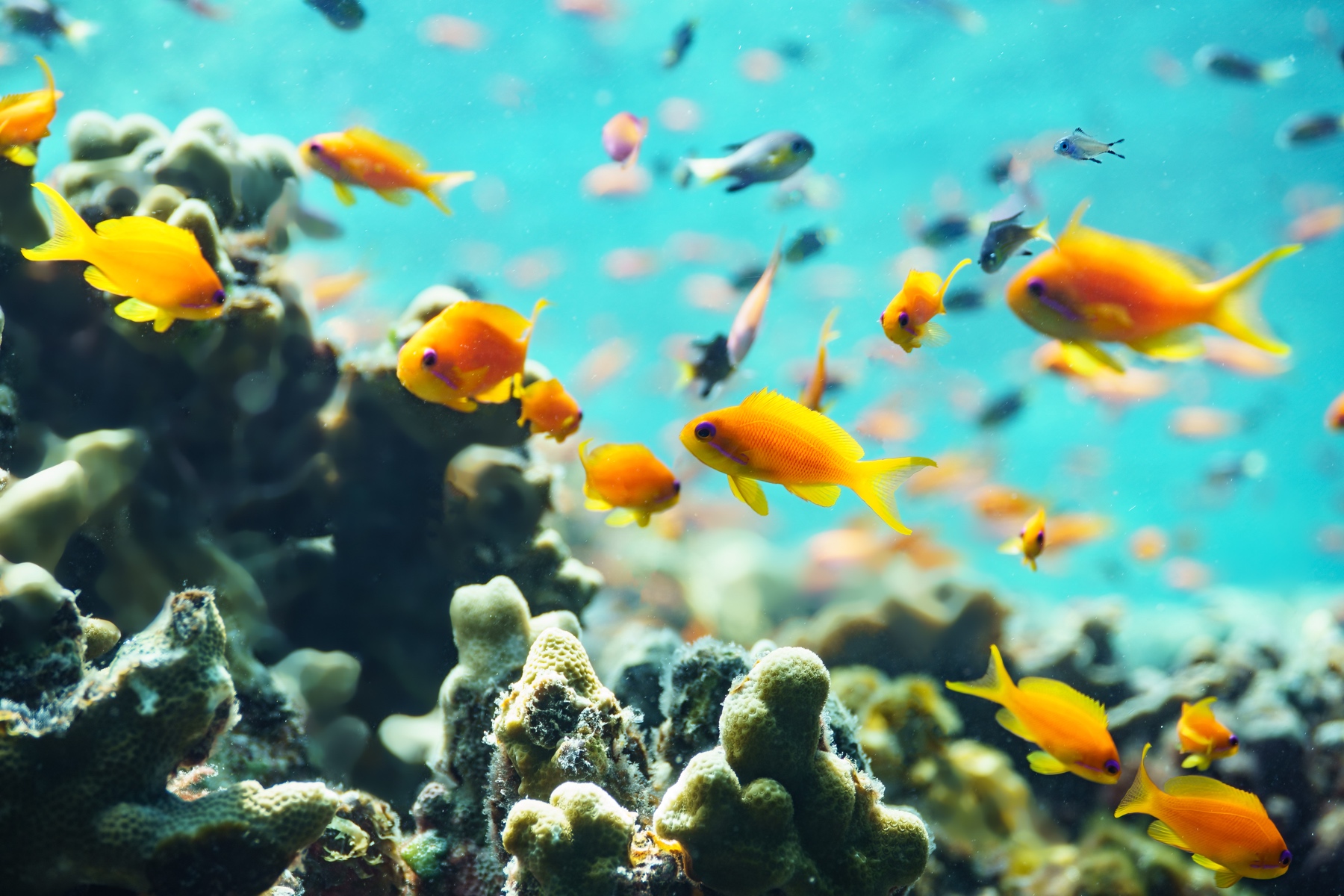
For the opening dive we left the cameras behind on the boat, wanting to focus purely on reacquainting ourselves with the water. We visited the Aquarium site, and it did not disappoint—vibrant, teeming with life, and exactly the kind of gentle, beautiful reintroduction we needed.

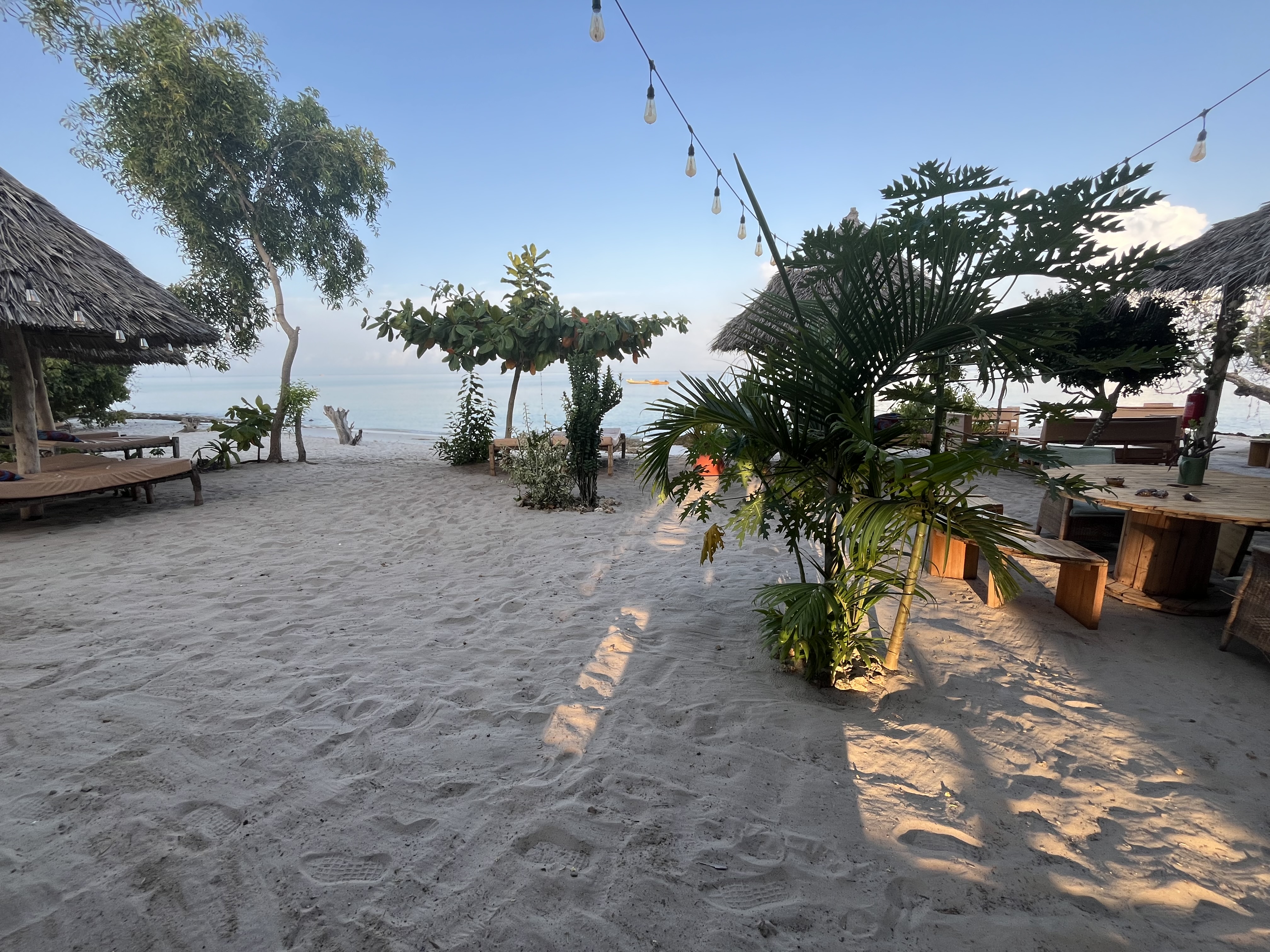
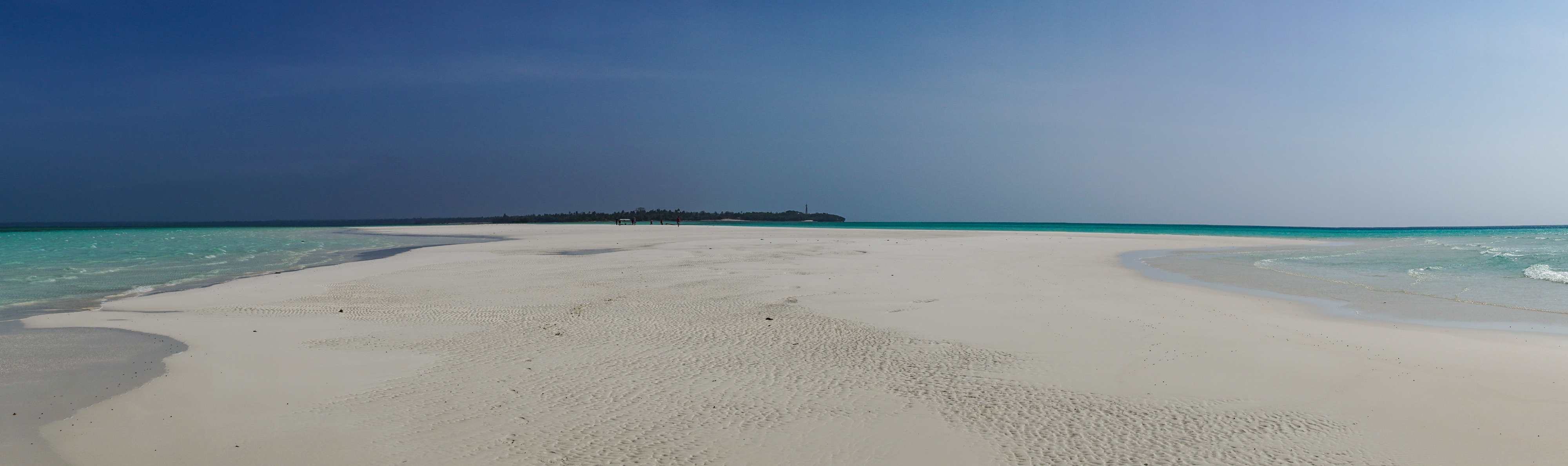
Our surface interval passed on one of Pemba’s countless tiny, secluded beaches lining the shore.

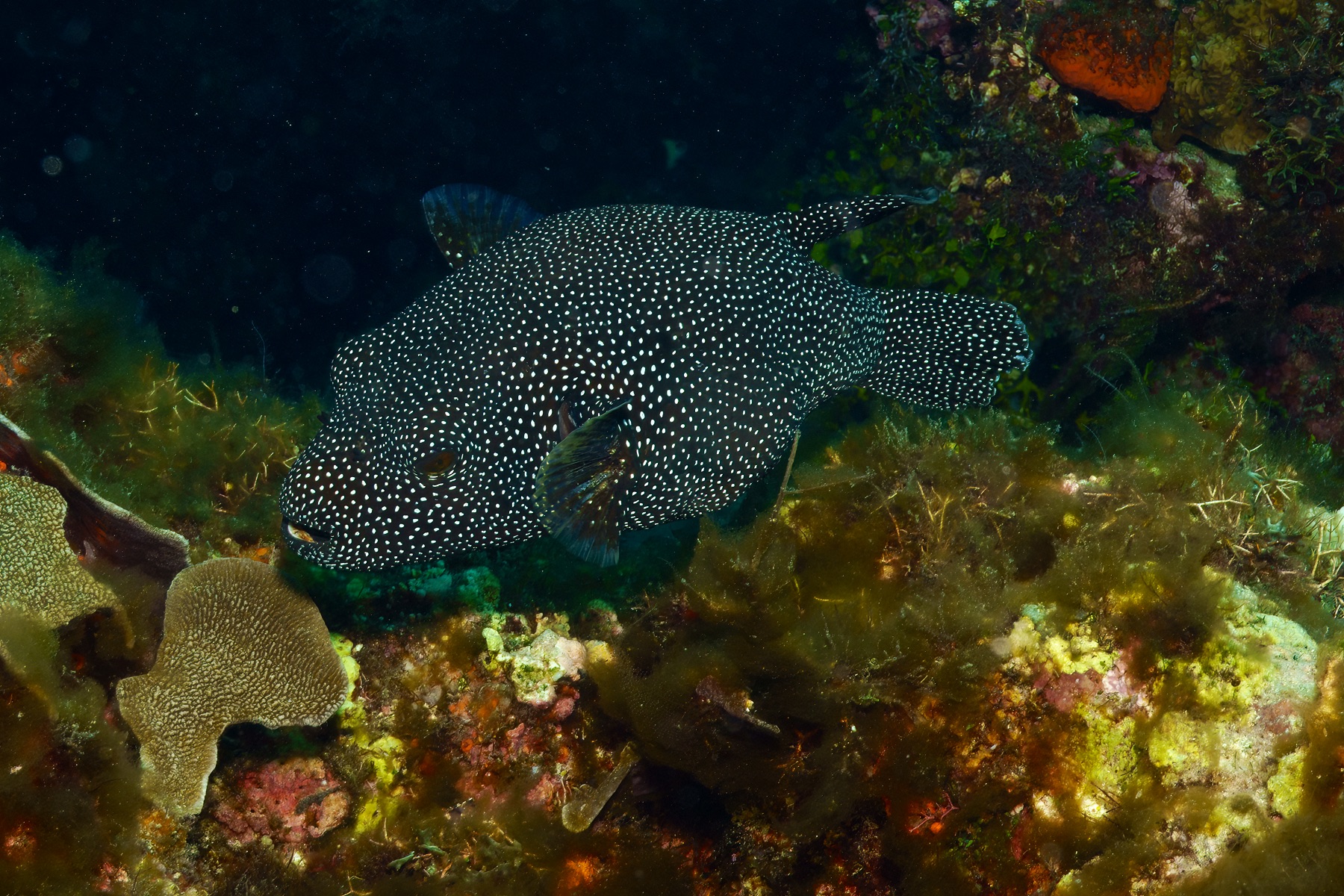
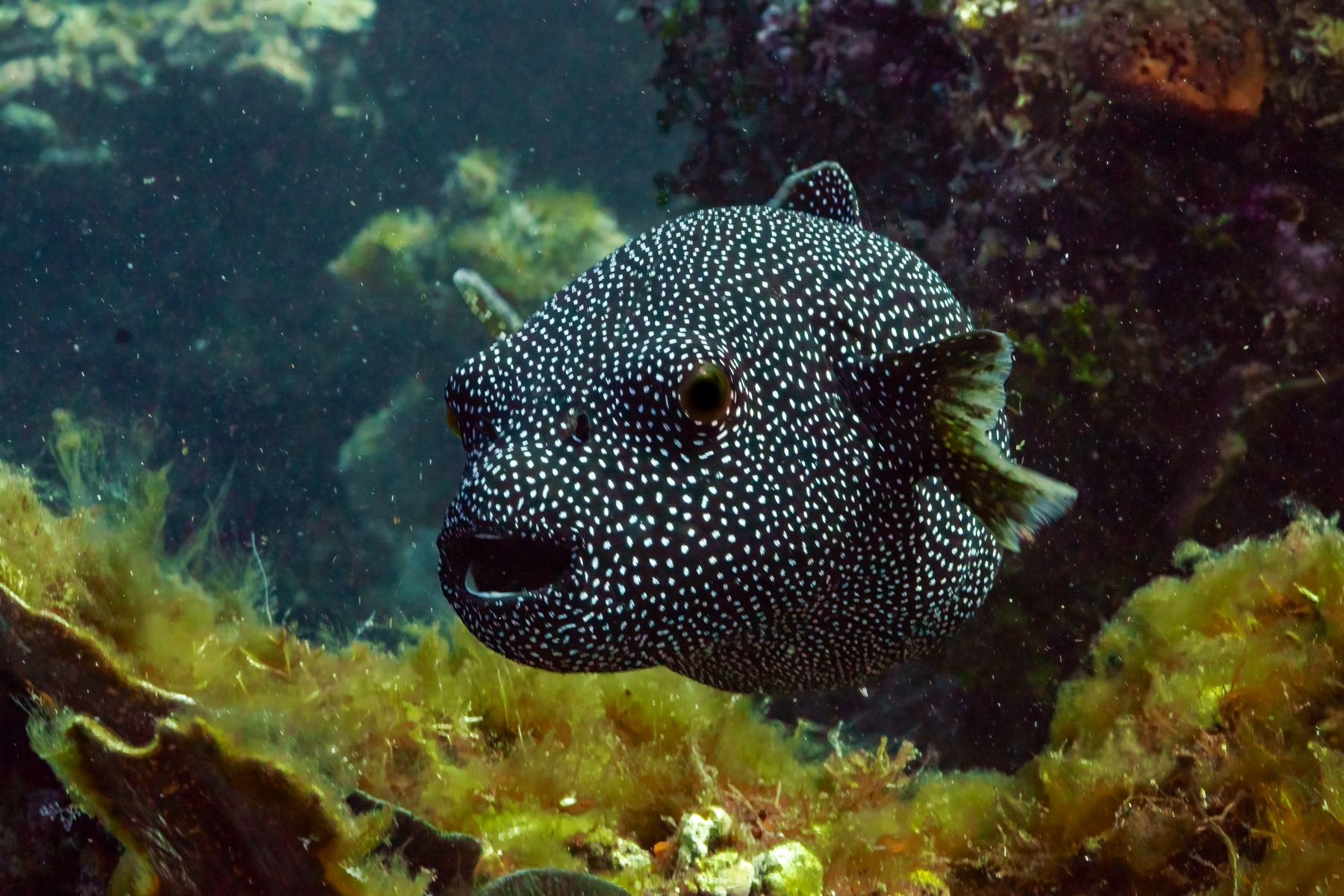
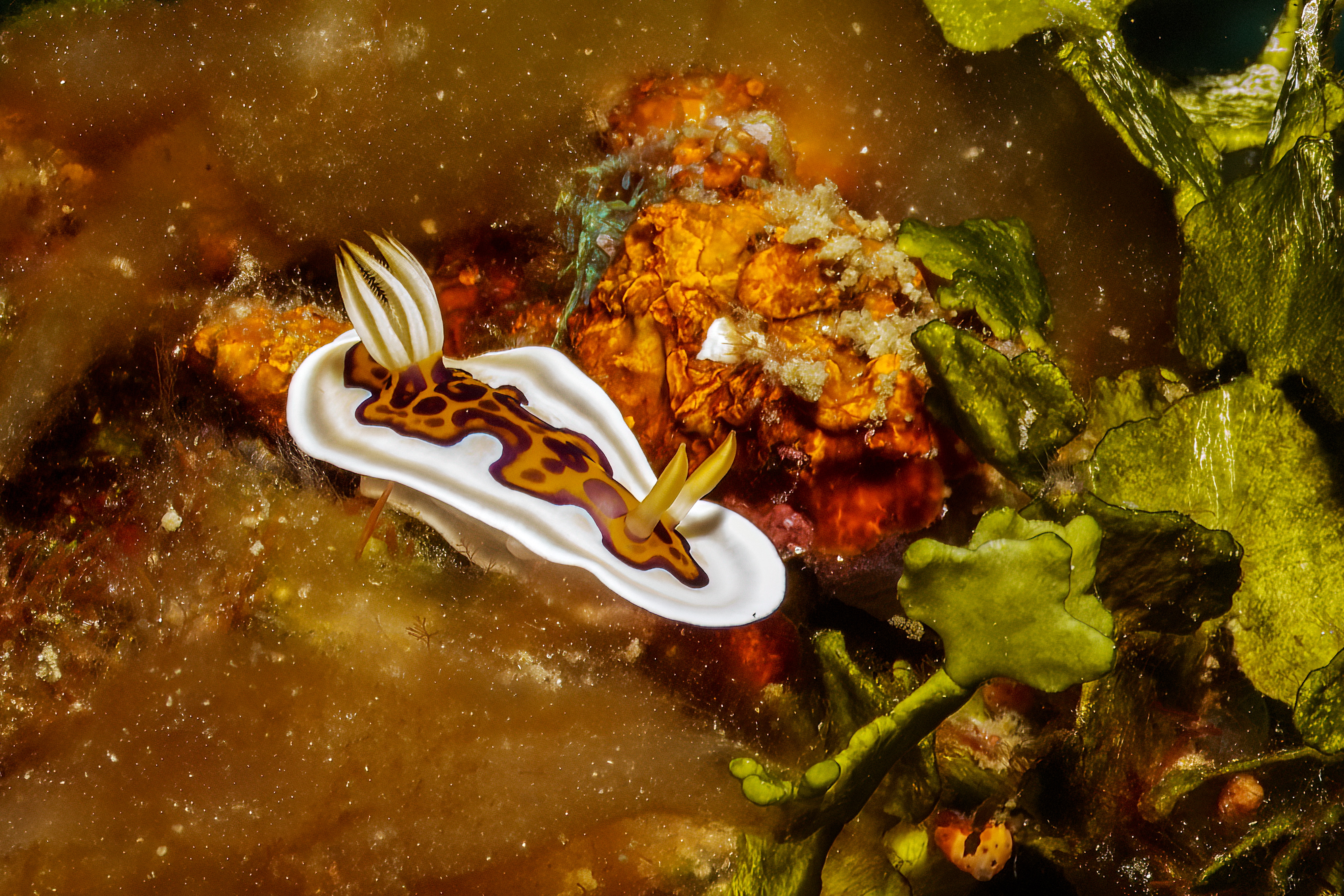
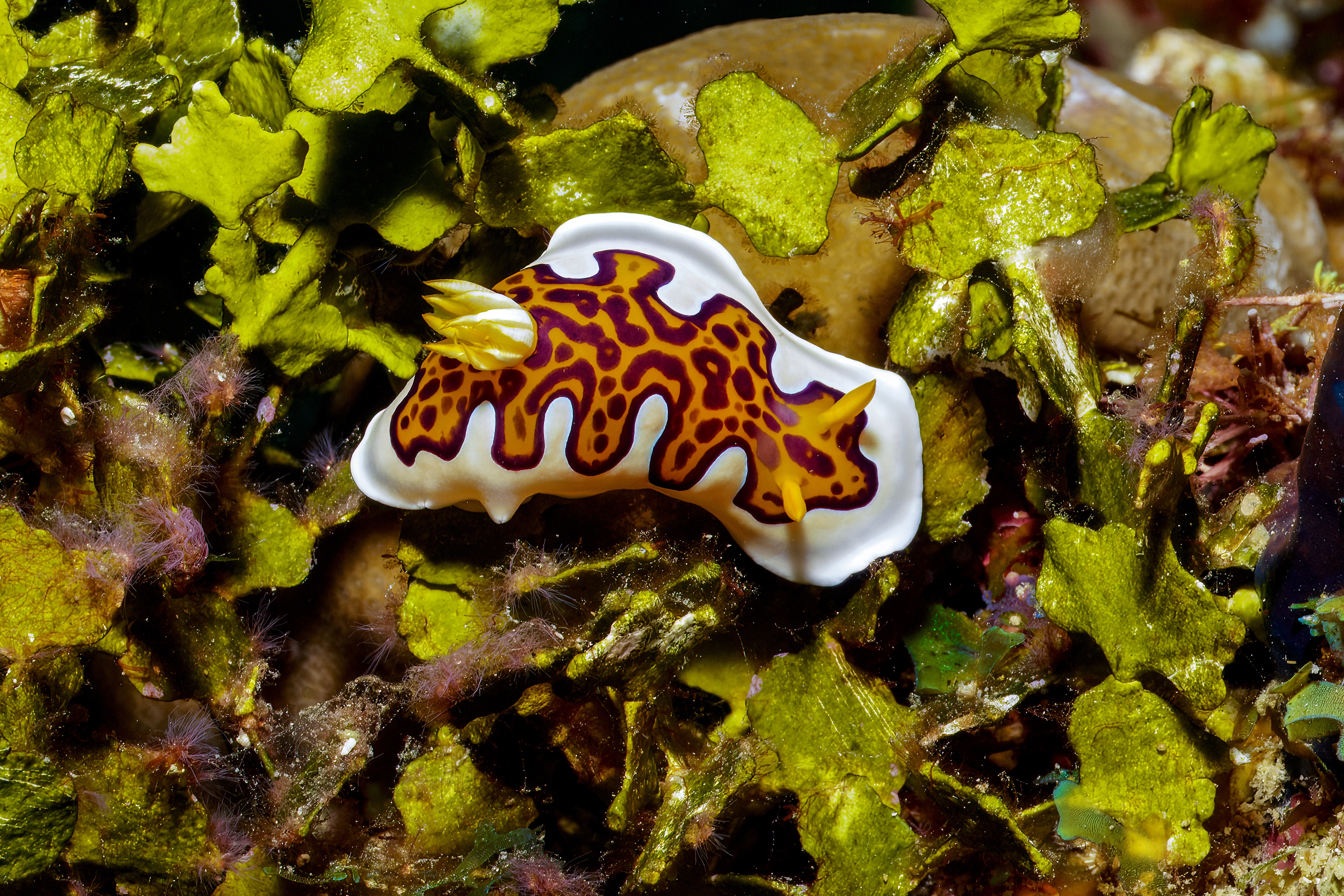
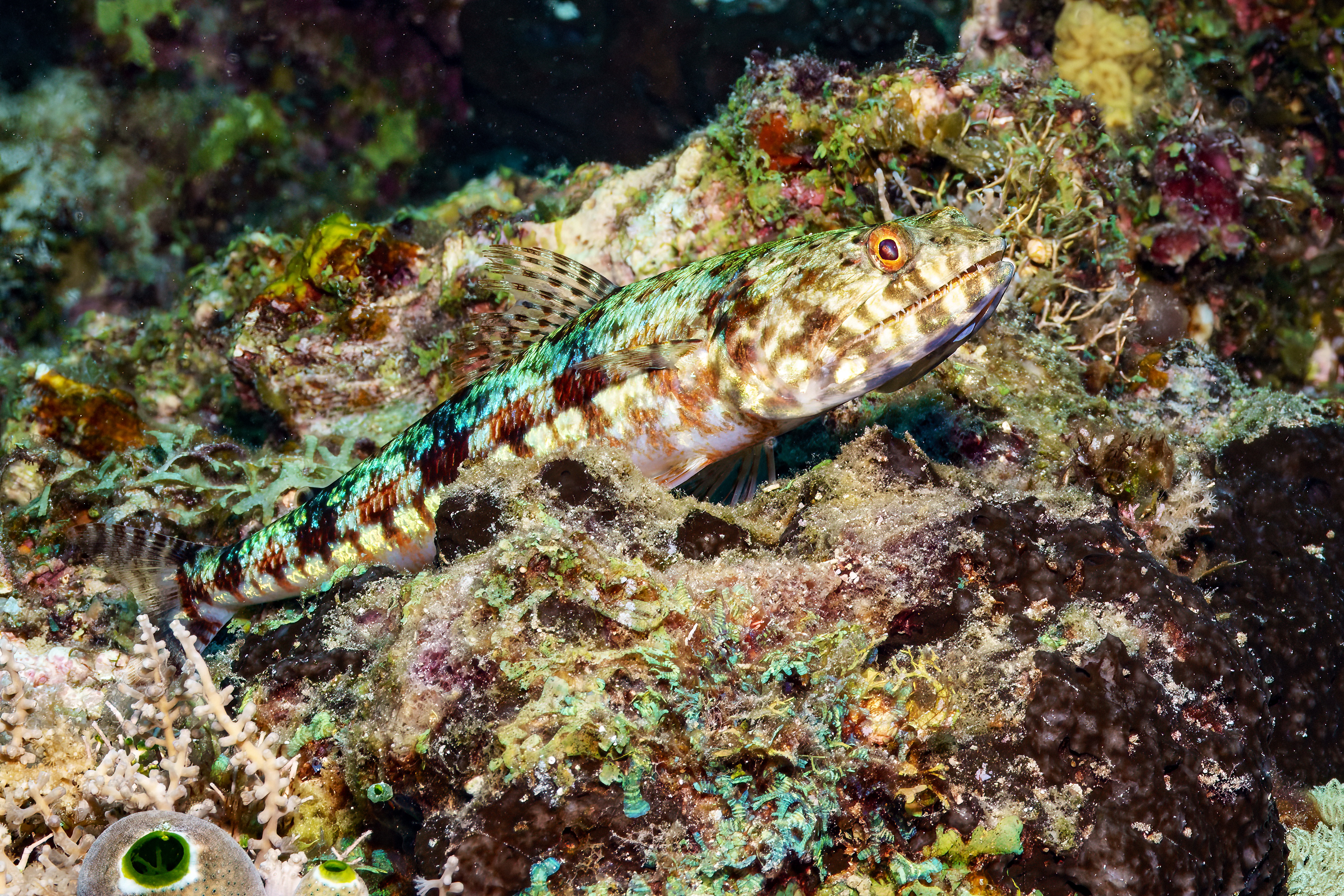
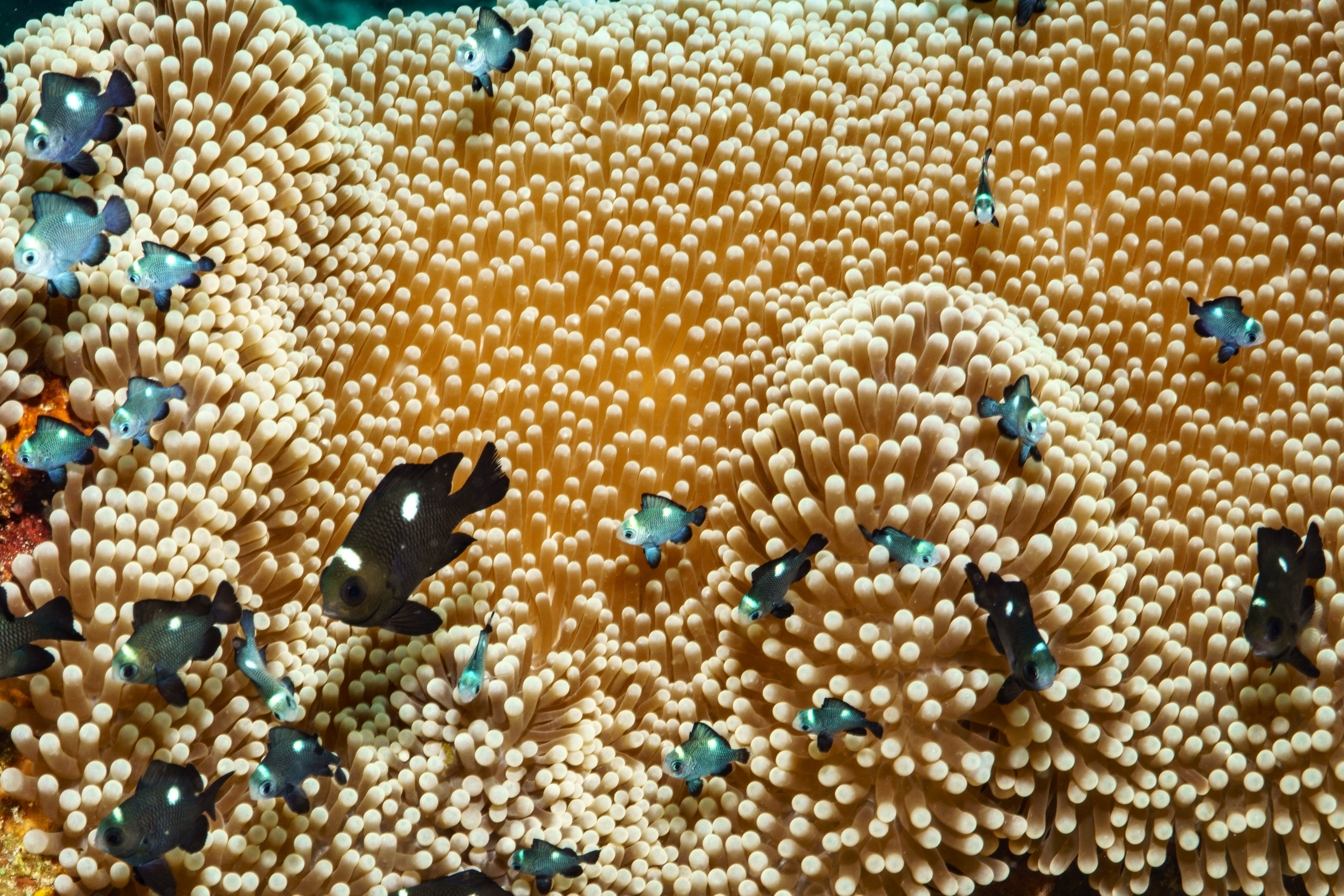
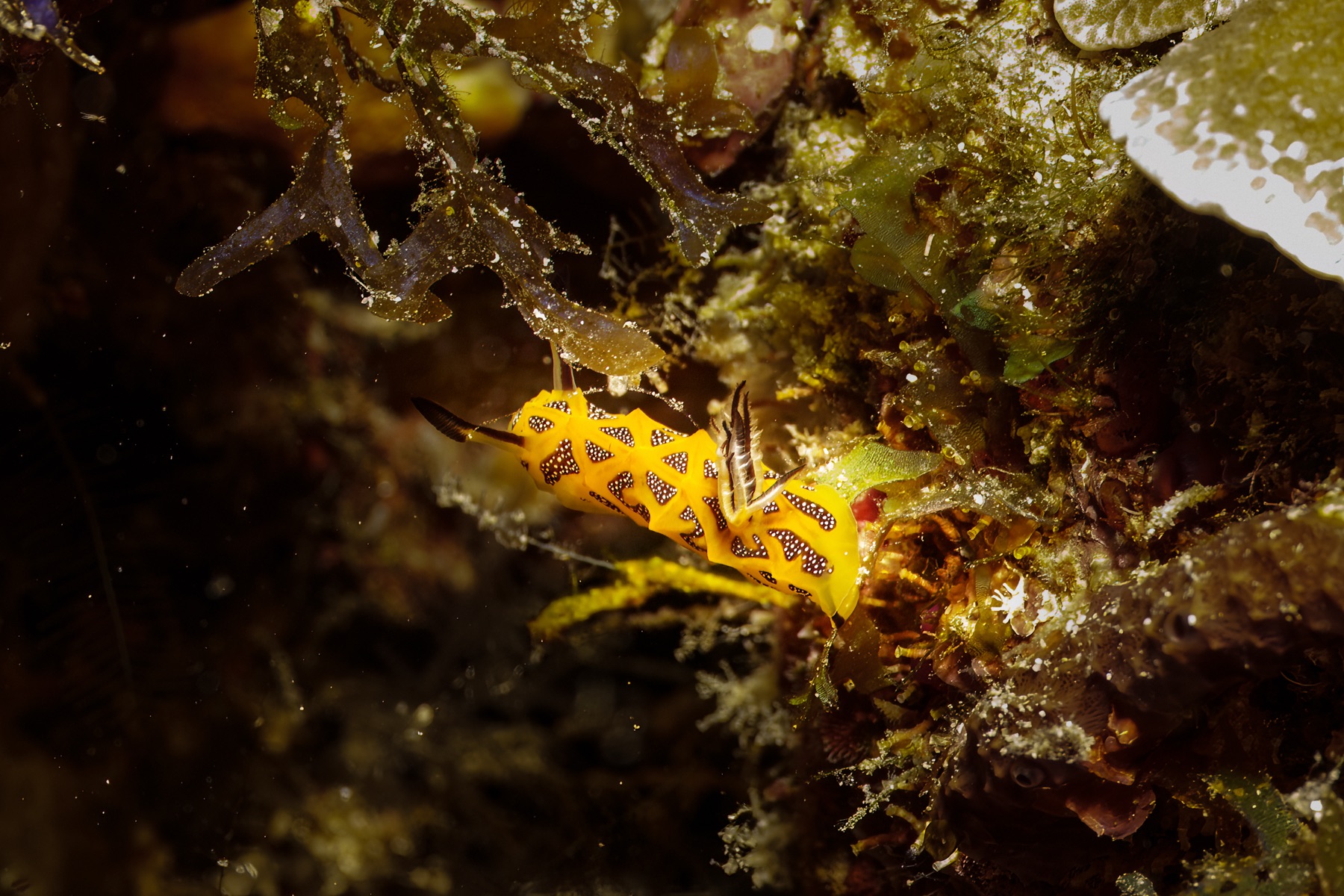
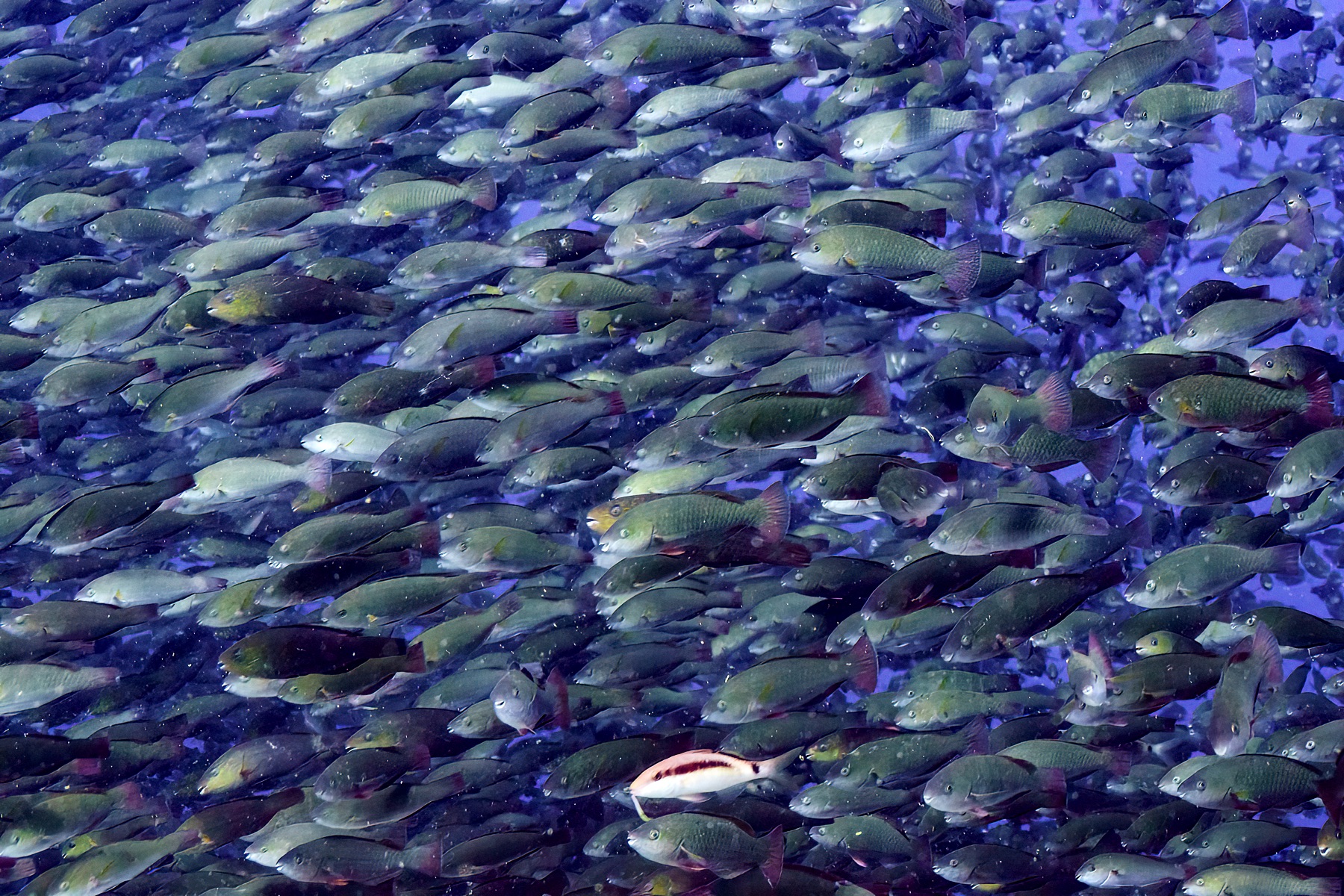
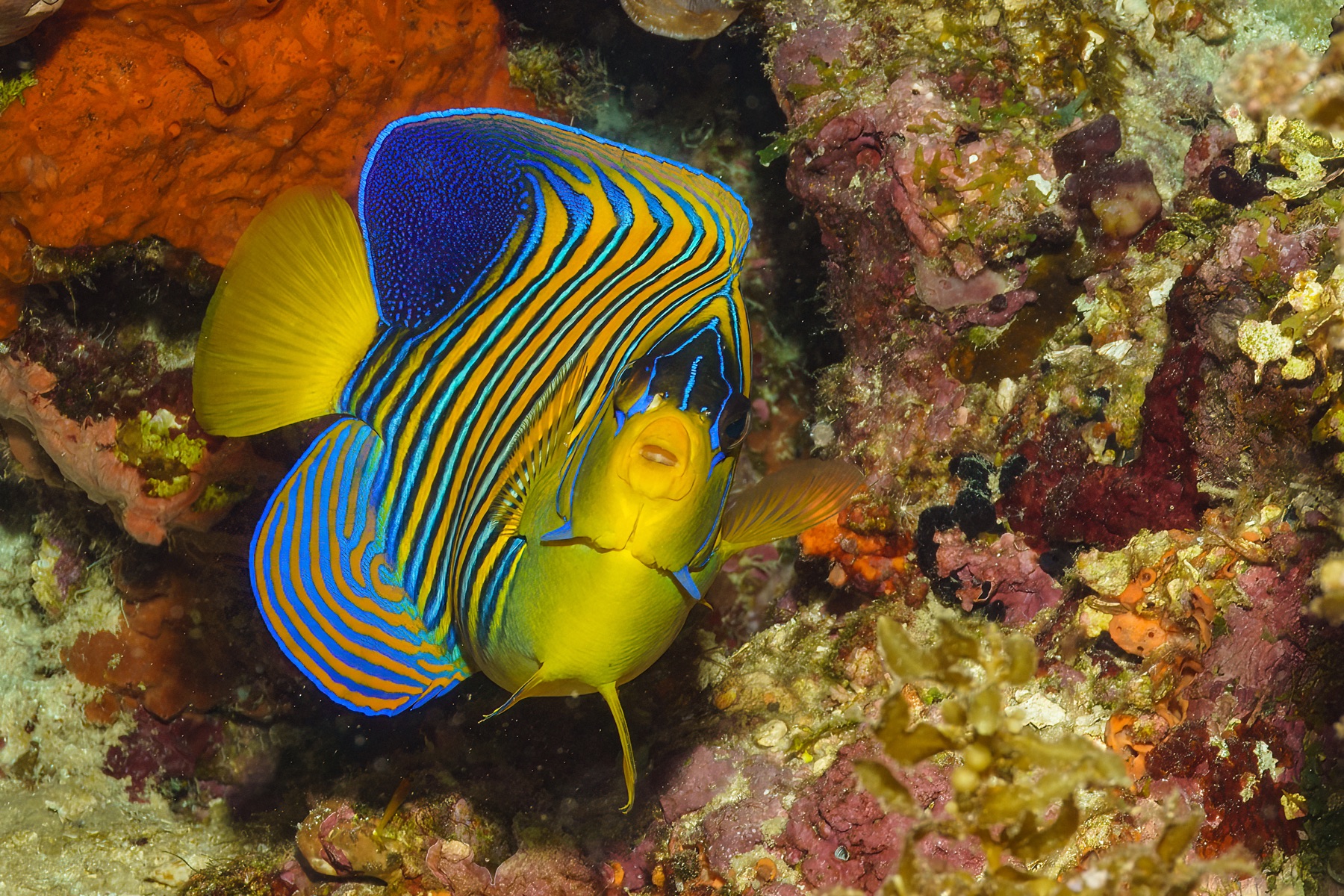
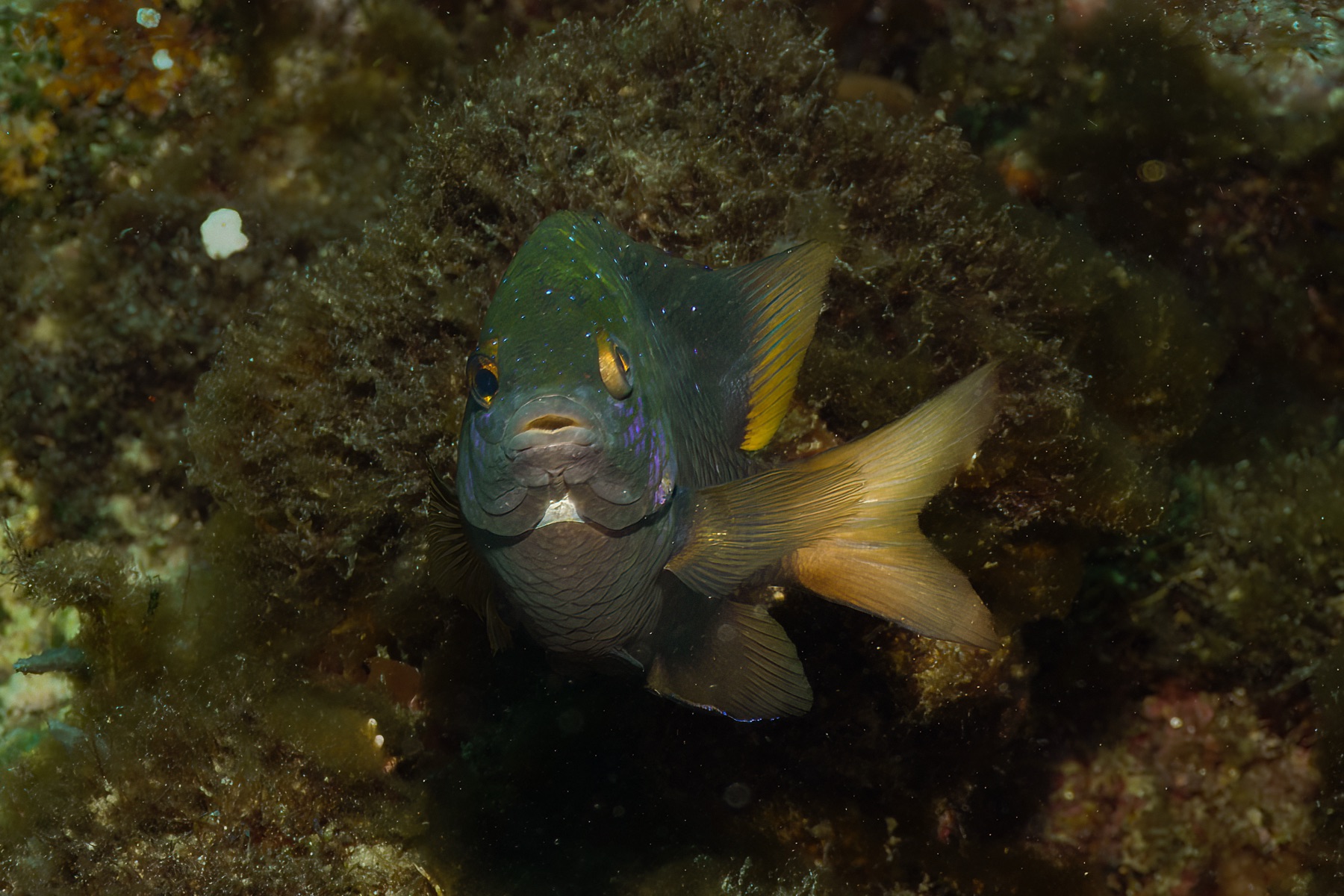
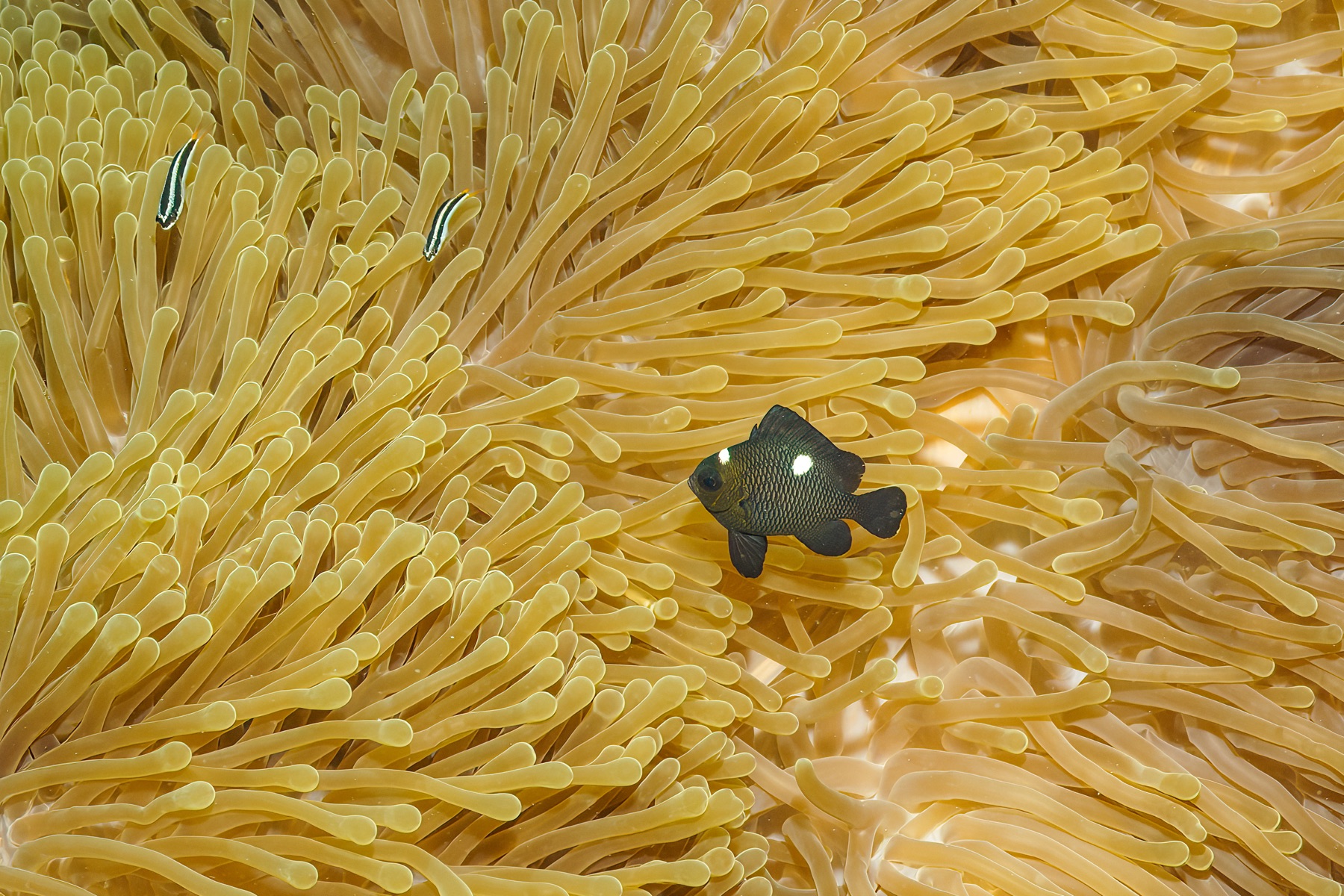
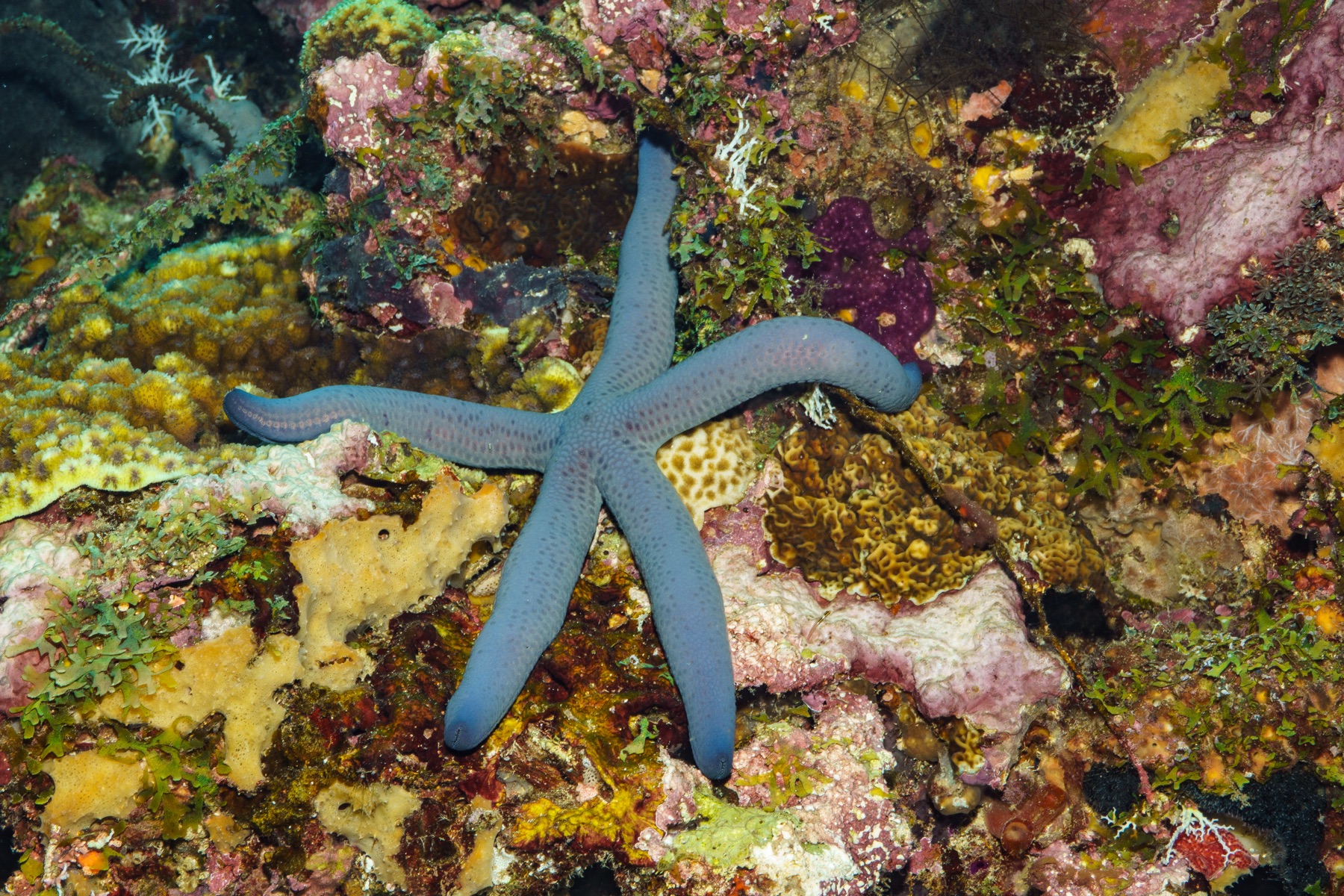
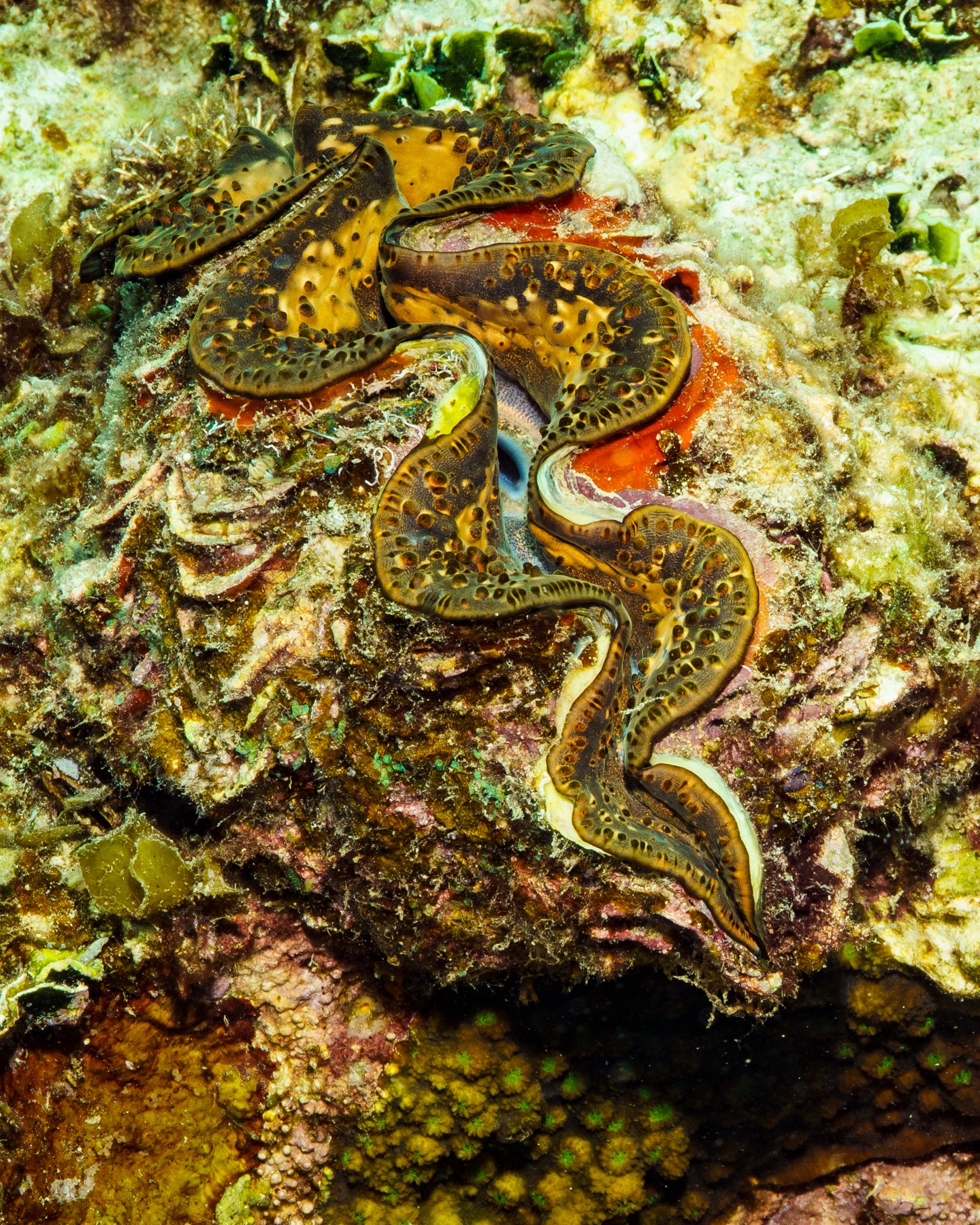
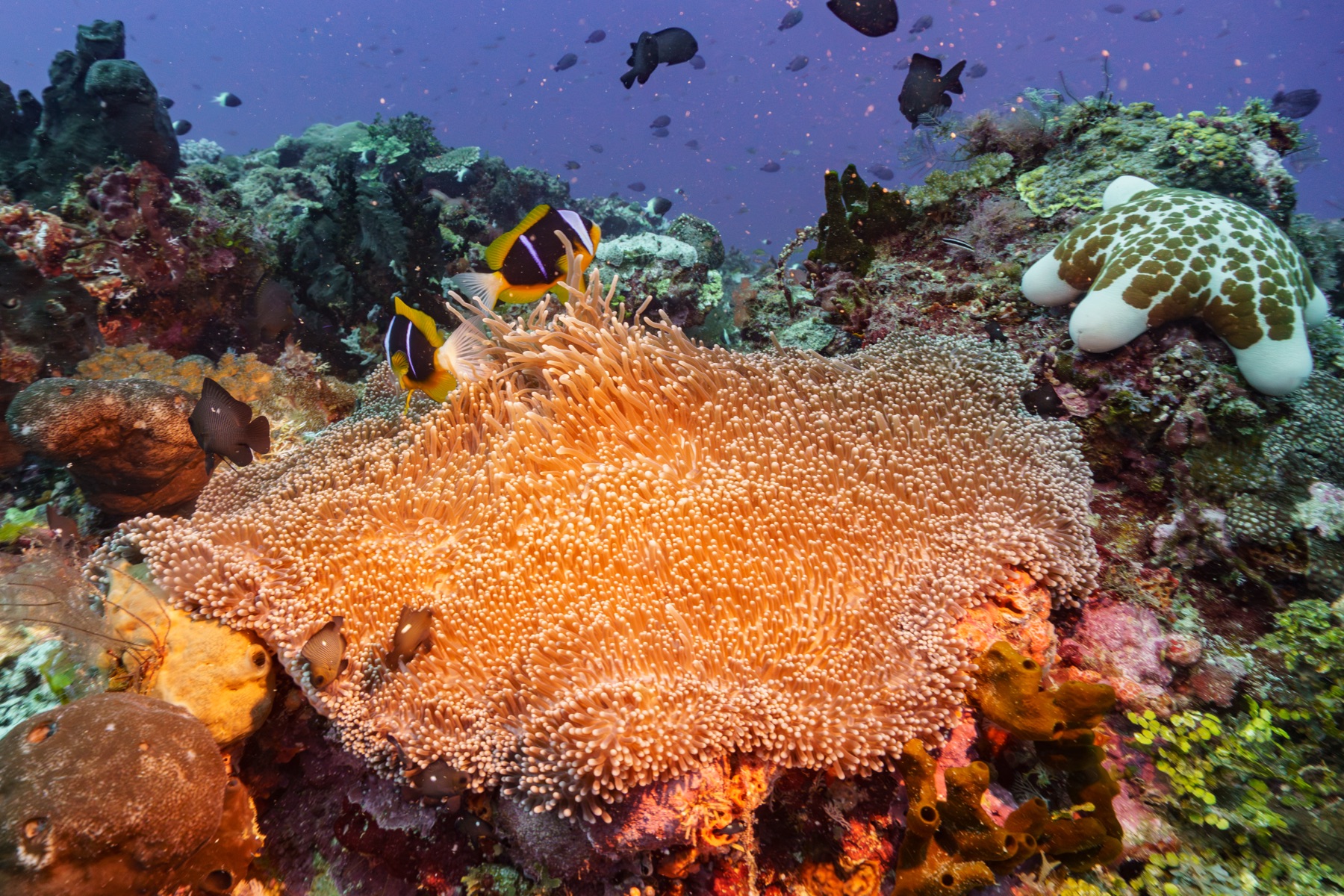
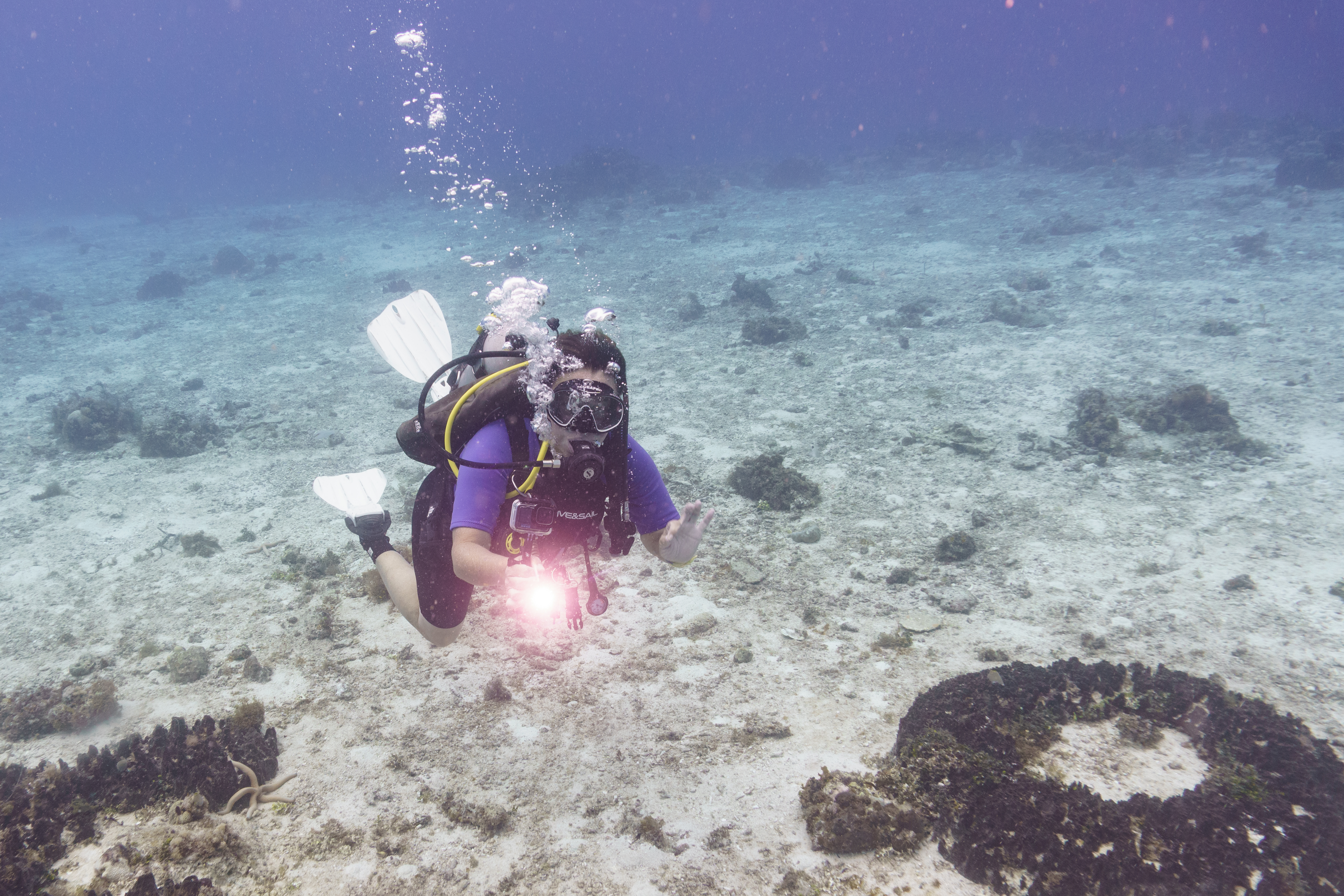
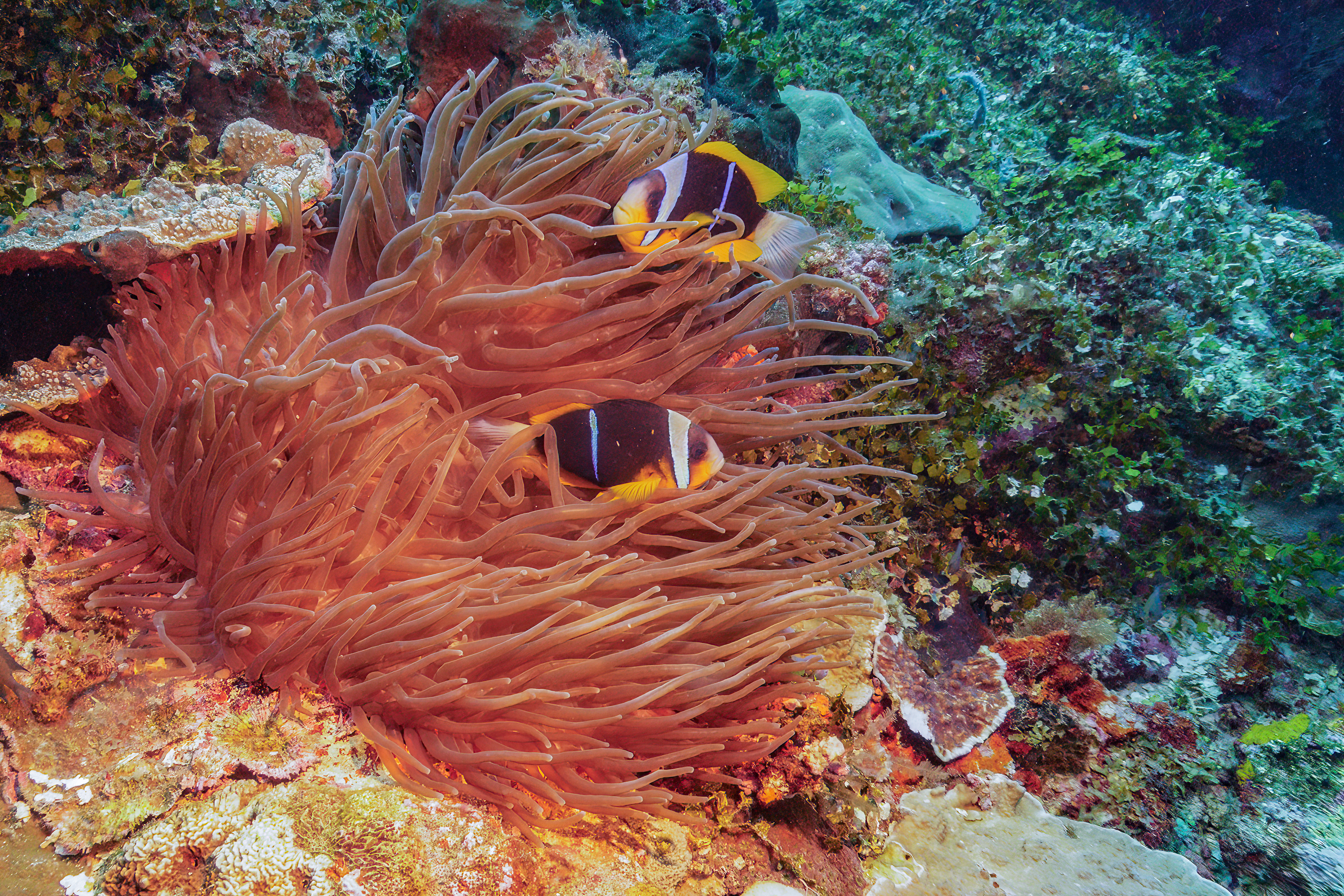
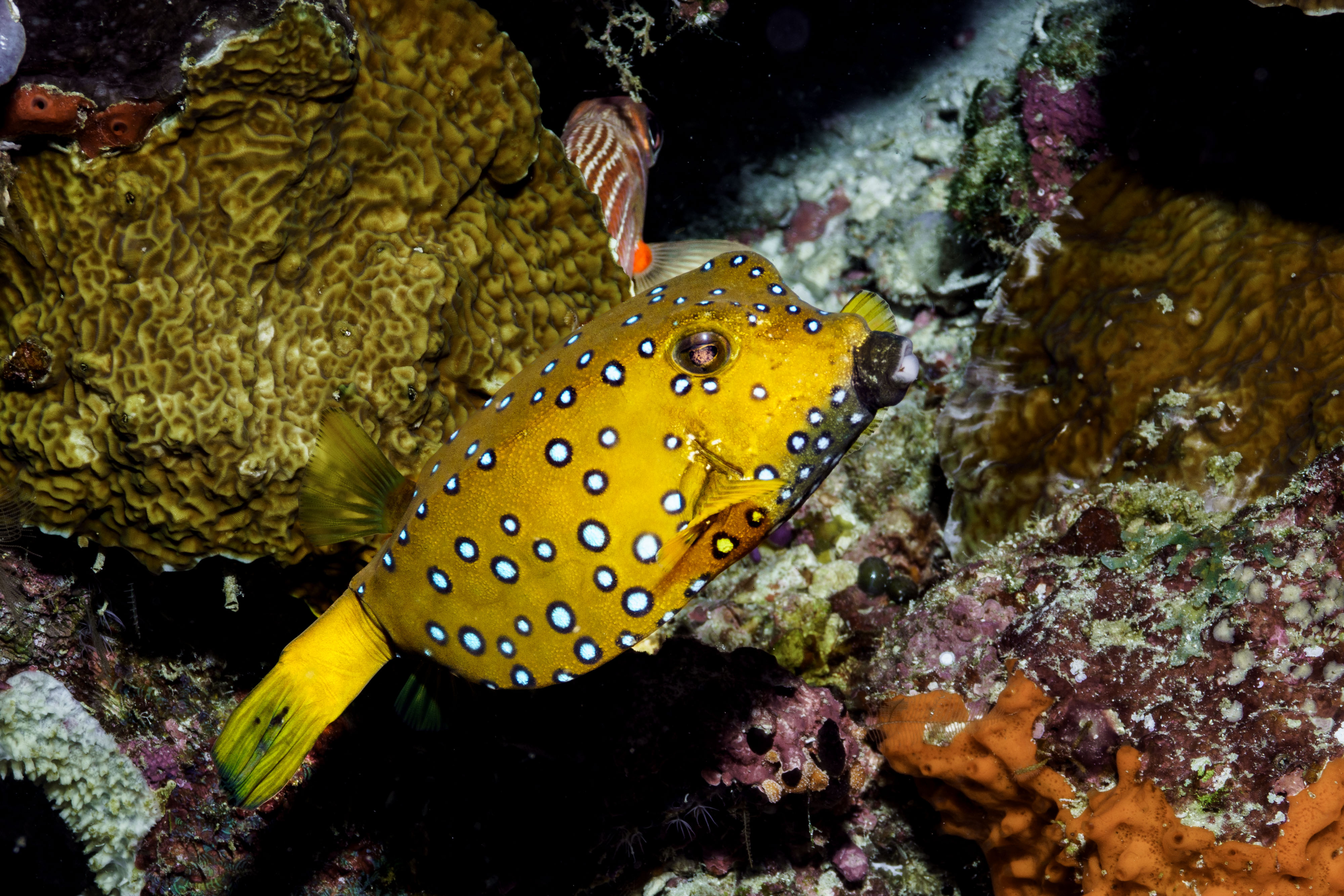
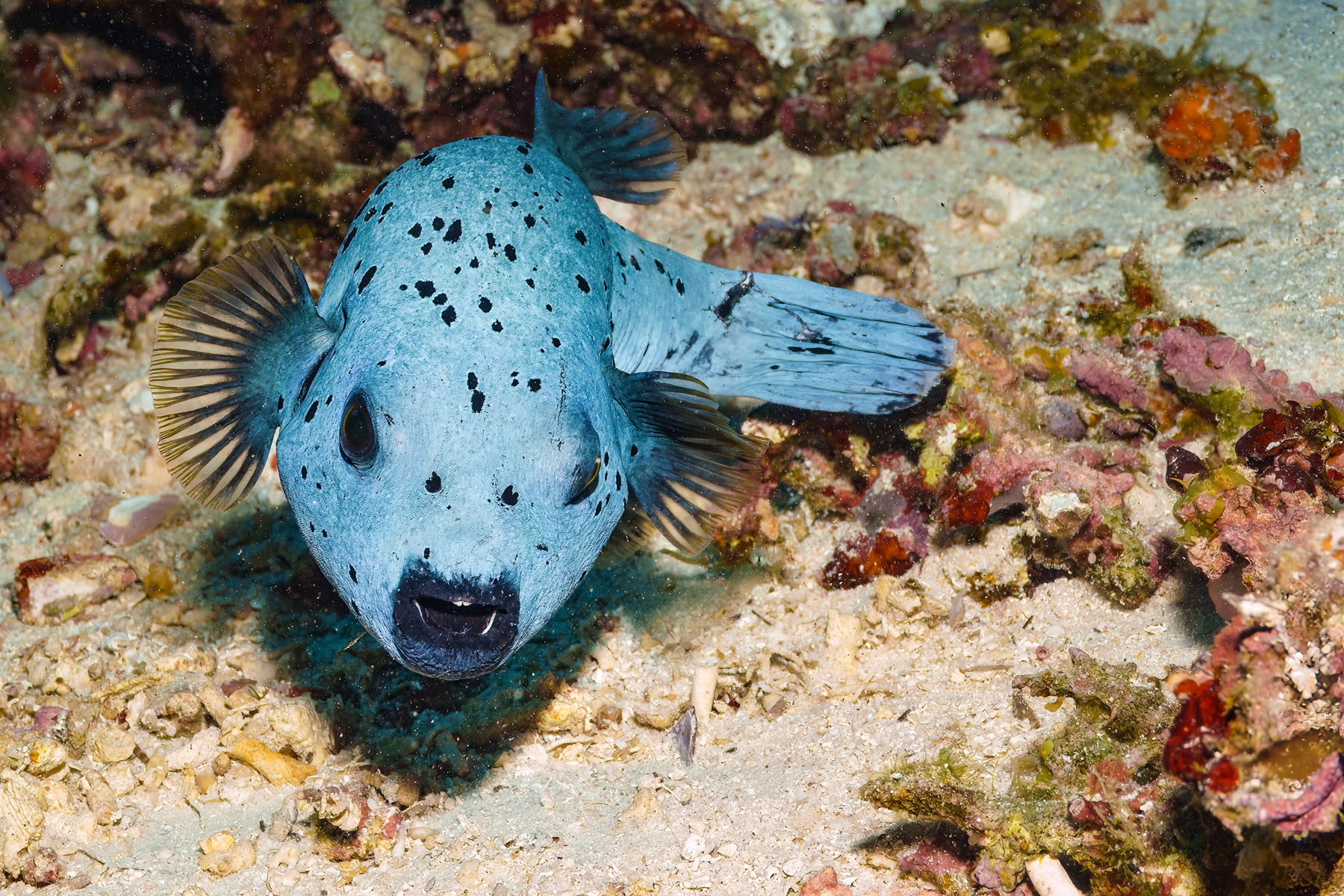
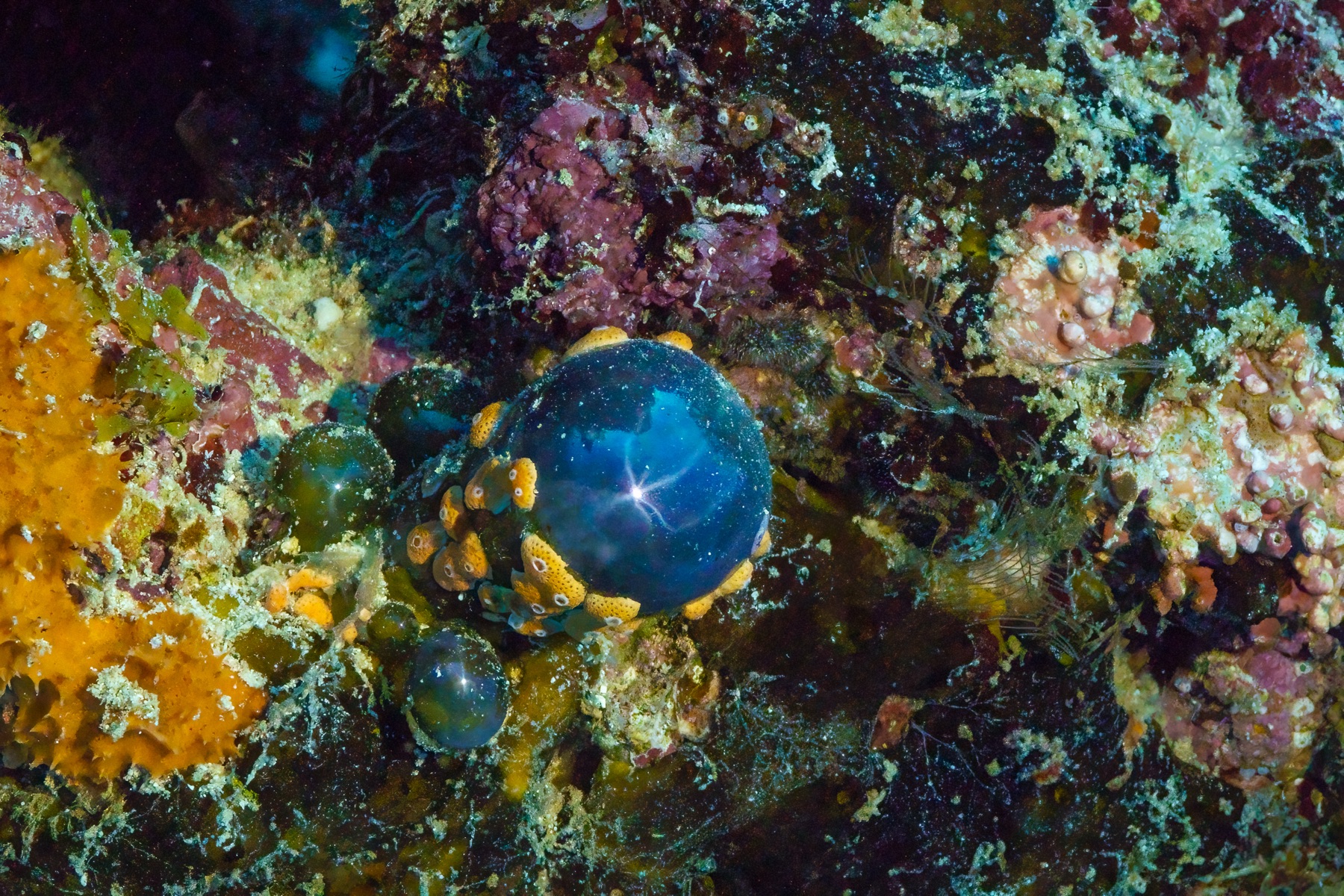
For the second dive I brought along my camera, and Liana her GoPro. Unfortunately, I quickly proved that leaving an underwater camera rig unused for three years is rarely a good idea. First, in my preoccupation with the housing and settings, I neglected to properly prep my mask—it fogged almost immediately underwater. Then I discovered I’d positioned the camera’s built-in flash incorrectly, preventing it from triggering my external strobe, so I was left relying solely on my video light for illumination. To top it off, I’d completely forgotten how much the camera housing affects buoyancy; the extra volume kept pulling me up, turning every moment into a small battle for trim.
Liana faced her own learning curve, diving for the first time with both the GoPro and her new torch, and struggling to get the lighting right.

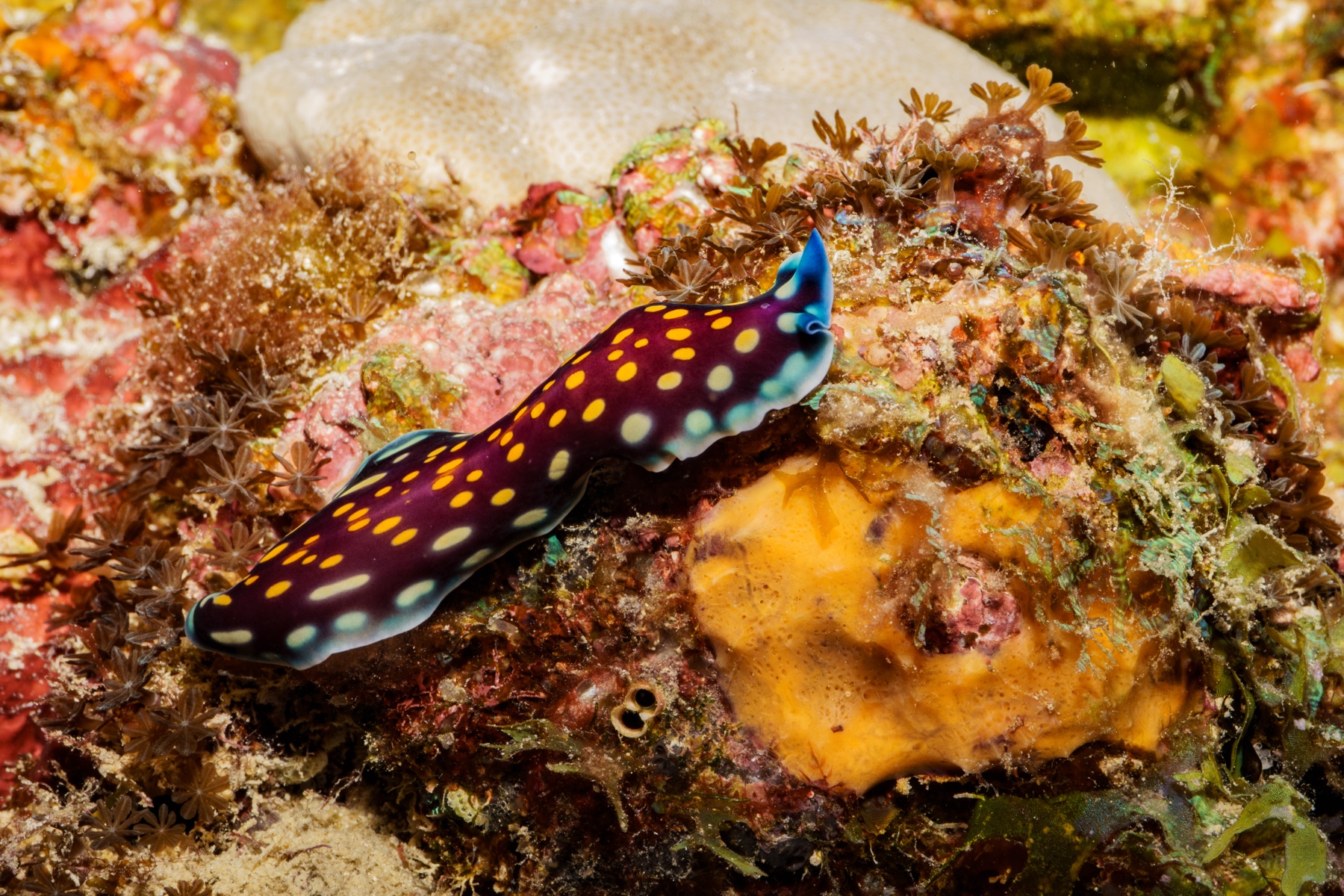
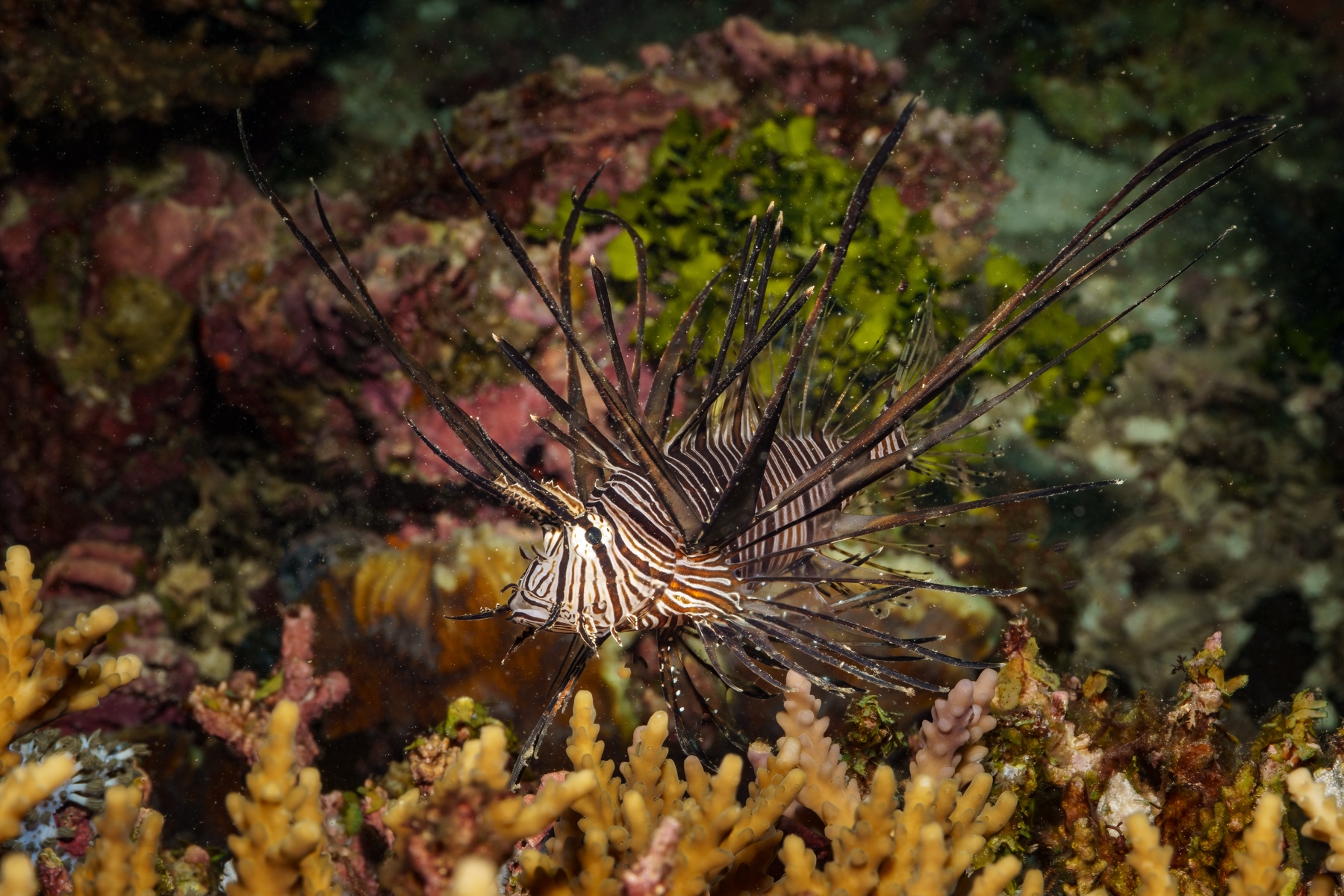
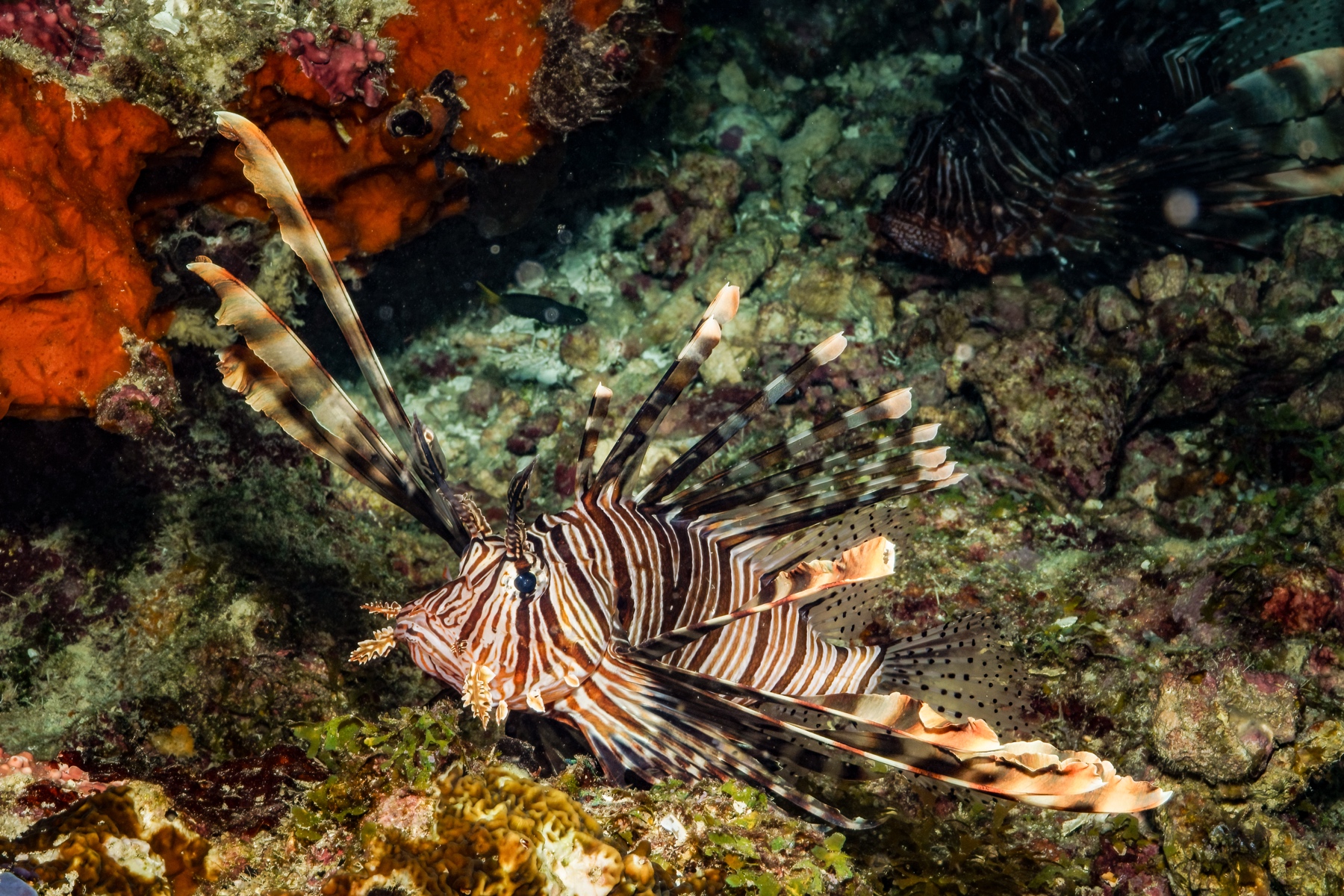
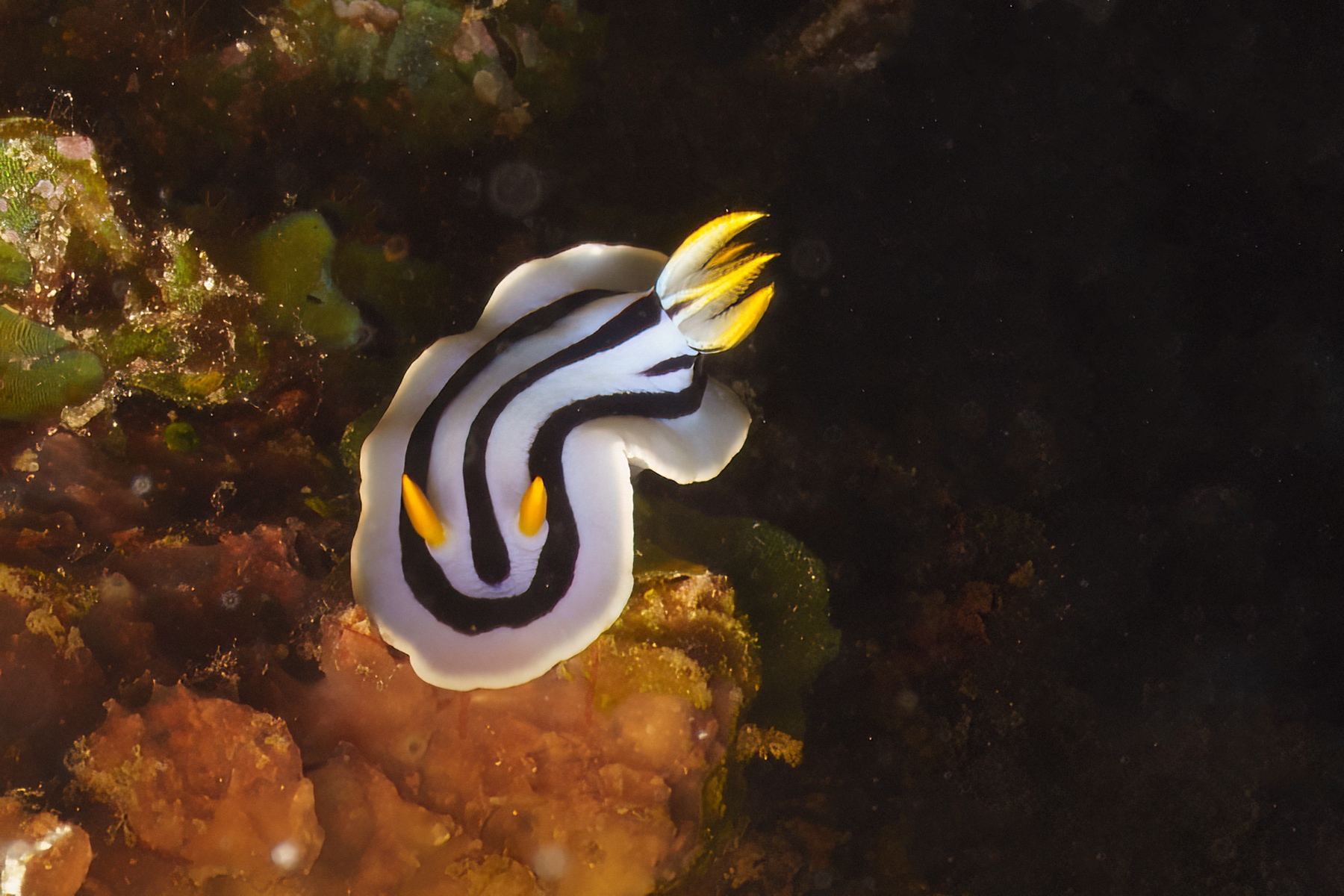
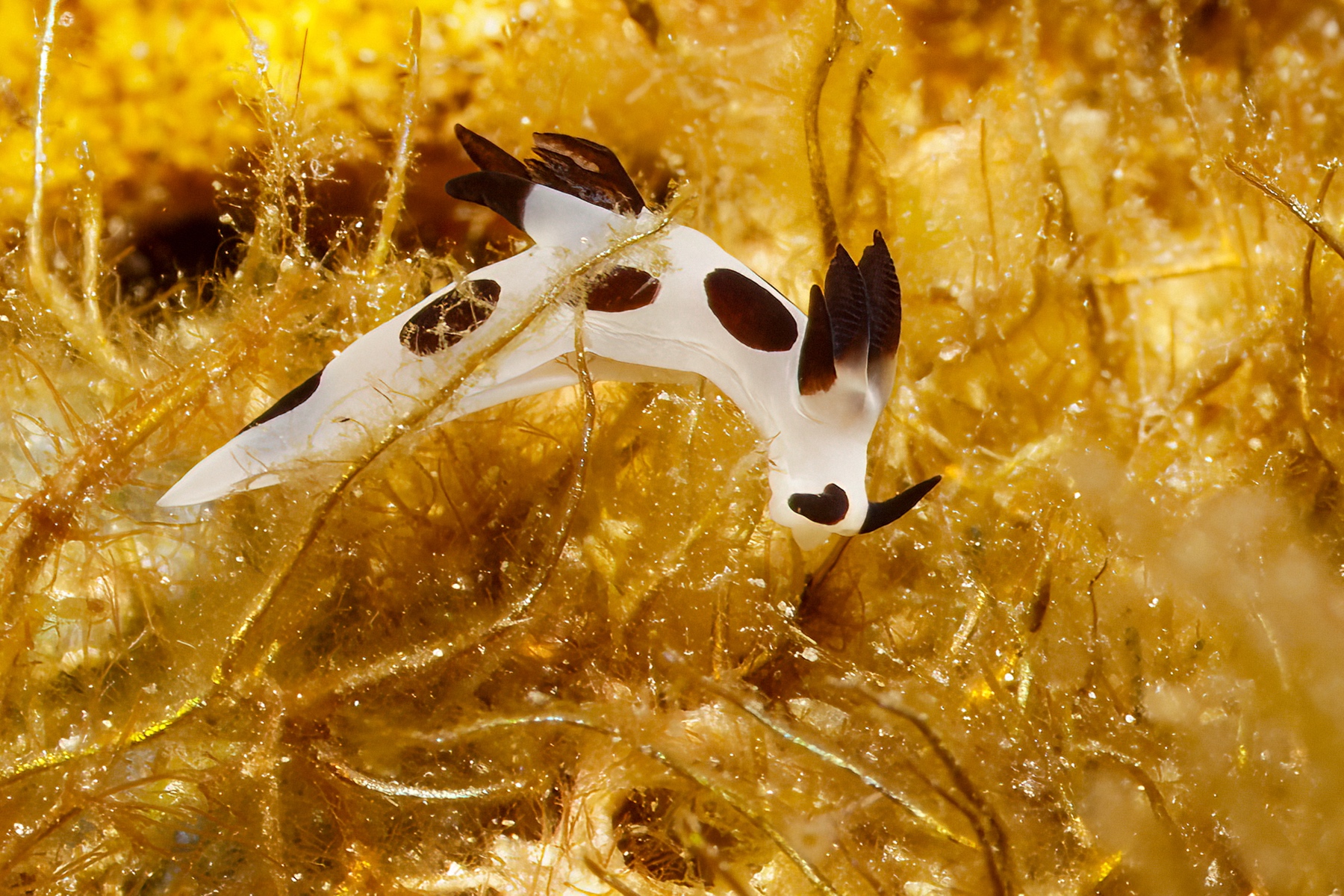
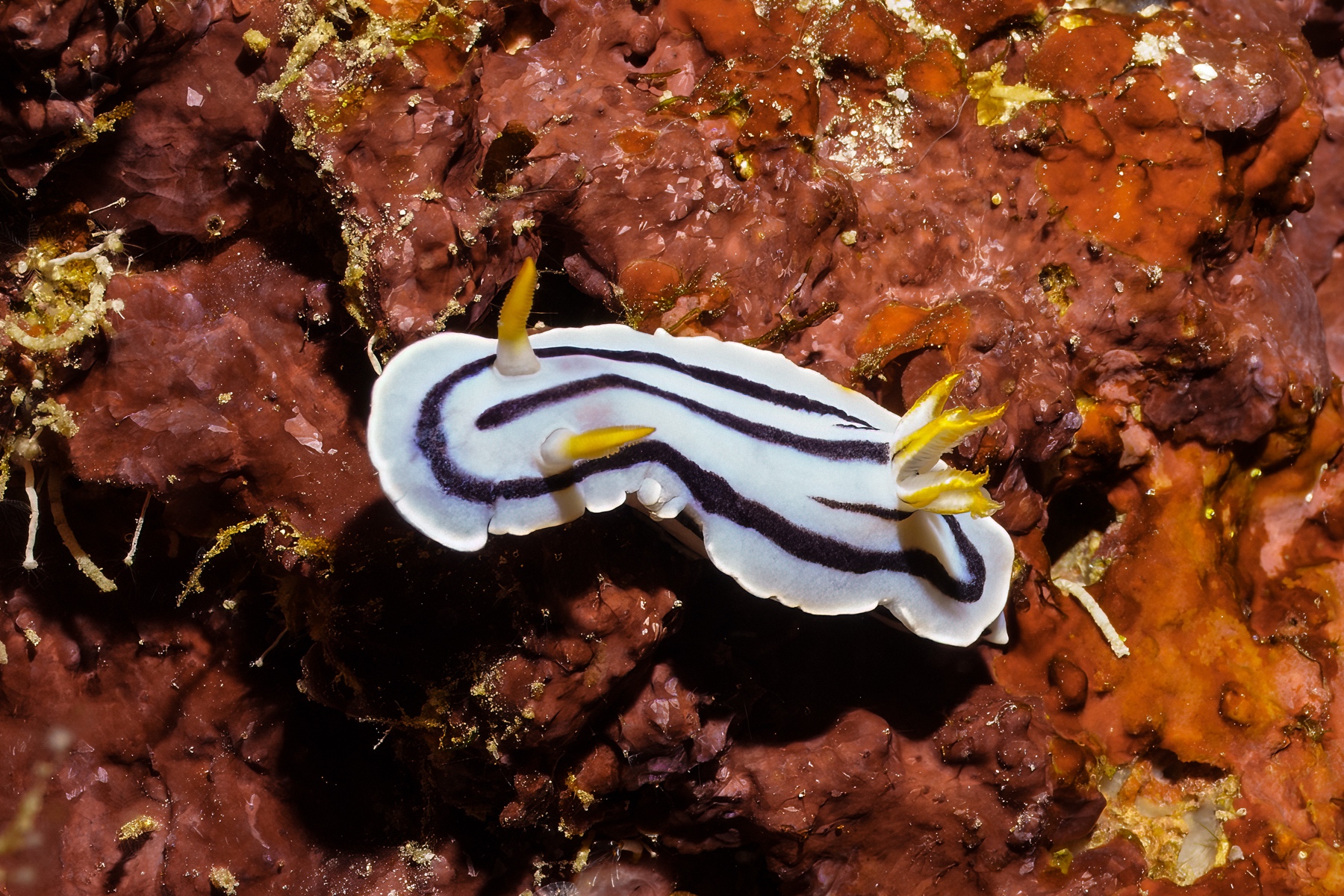
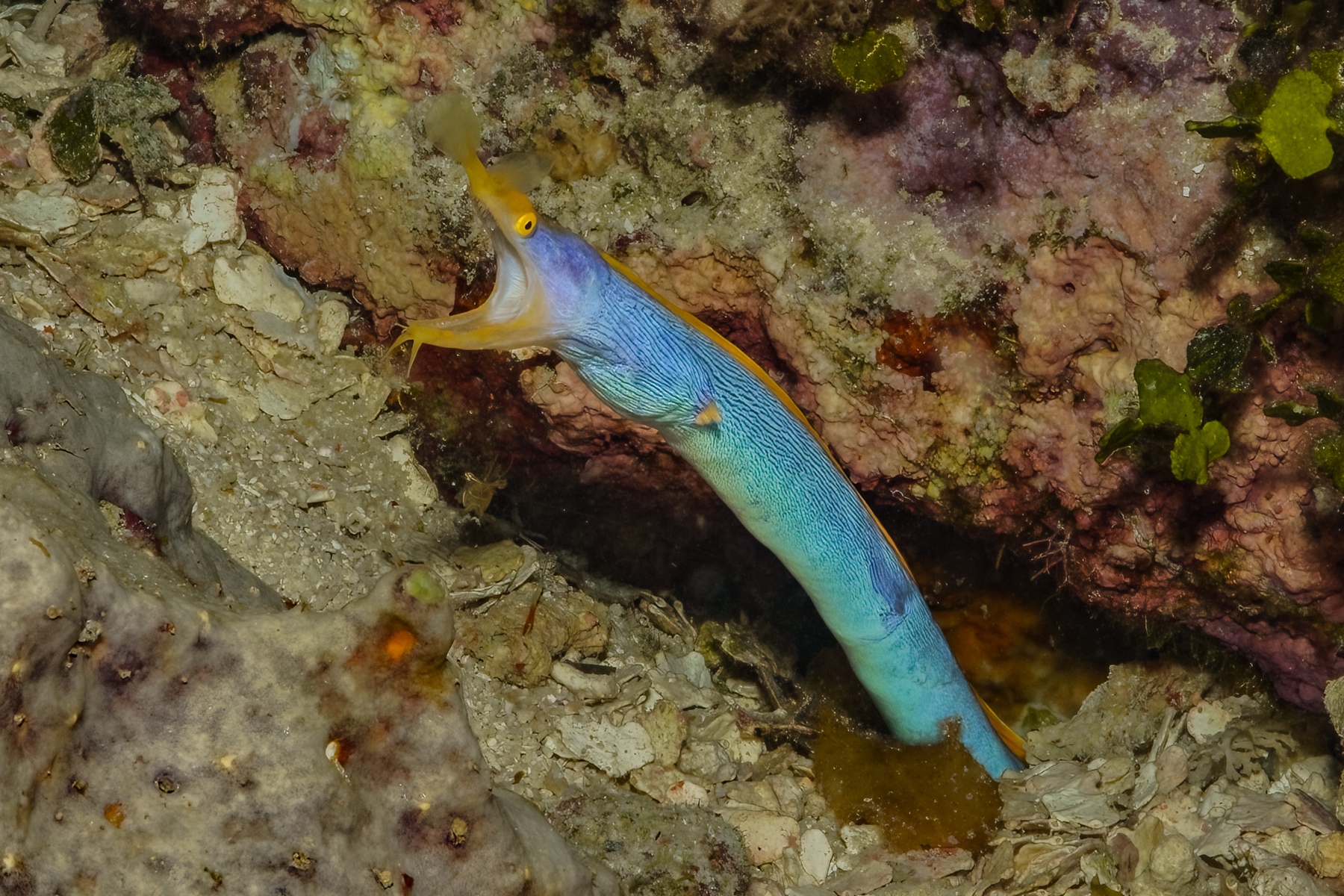
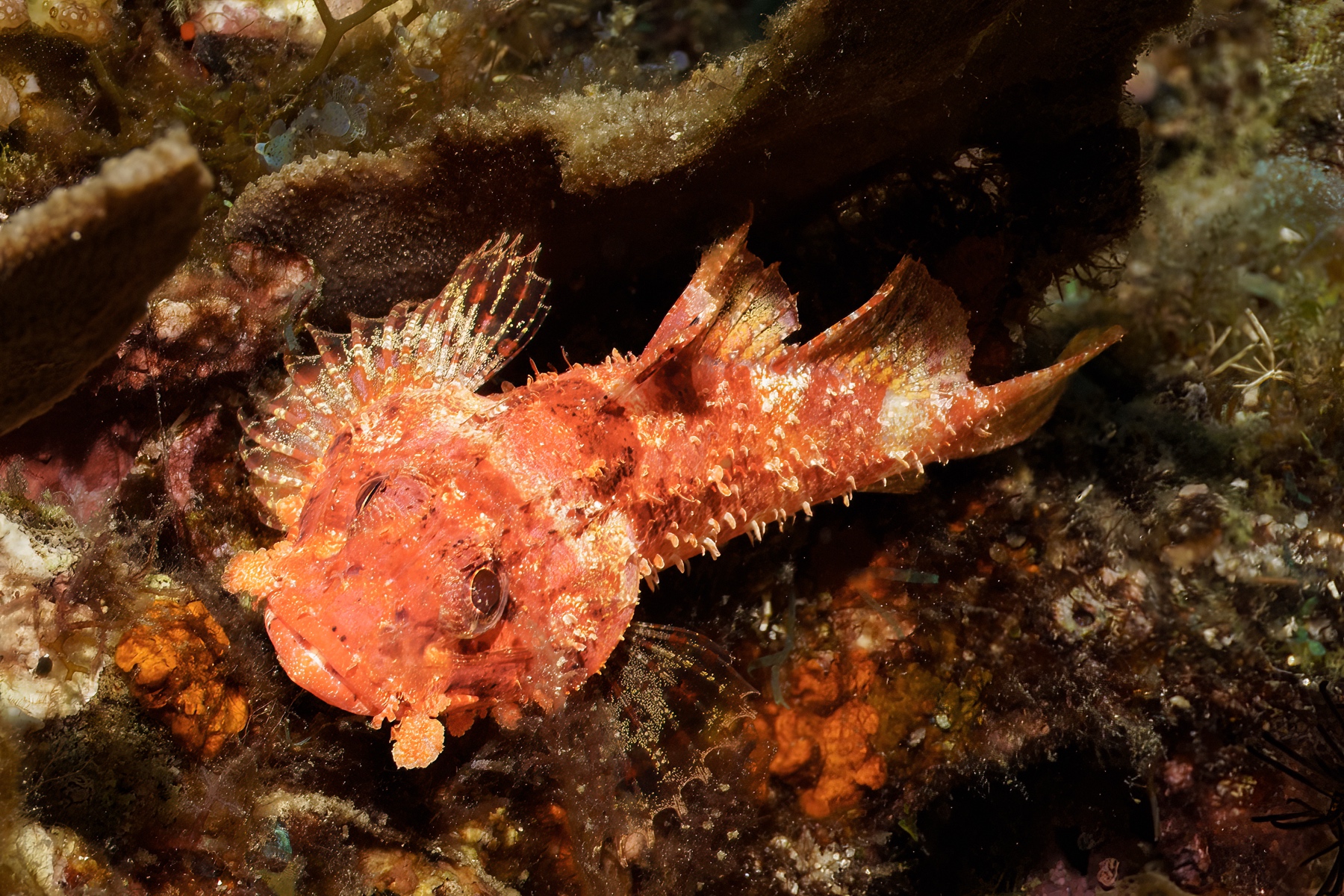
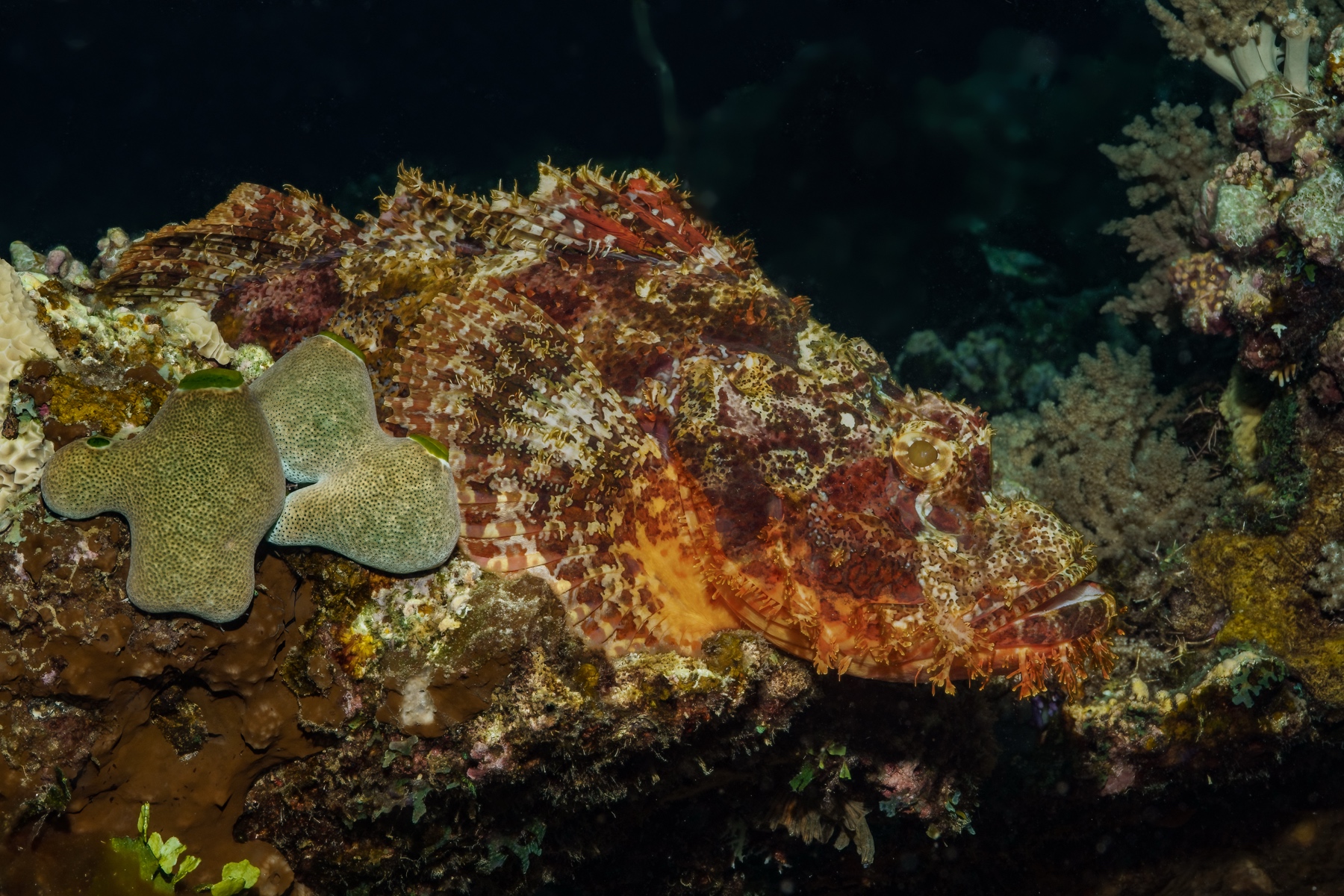
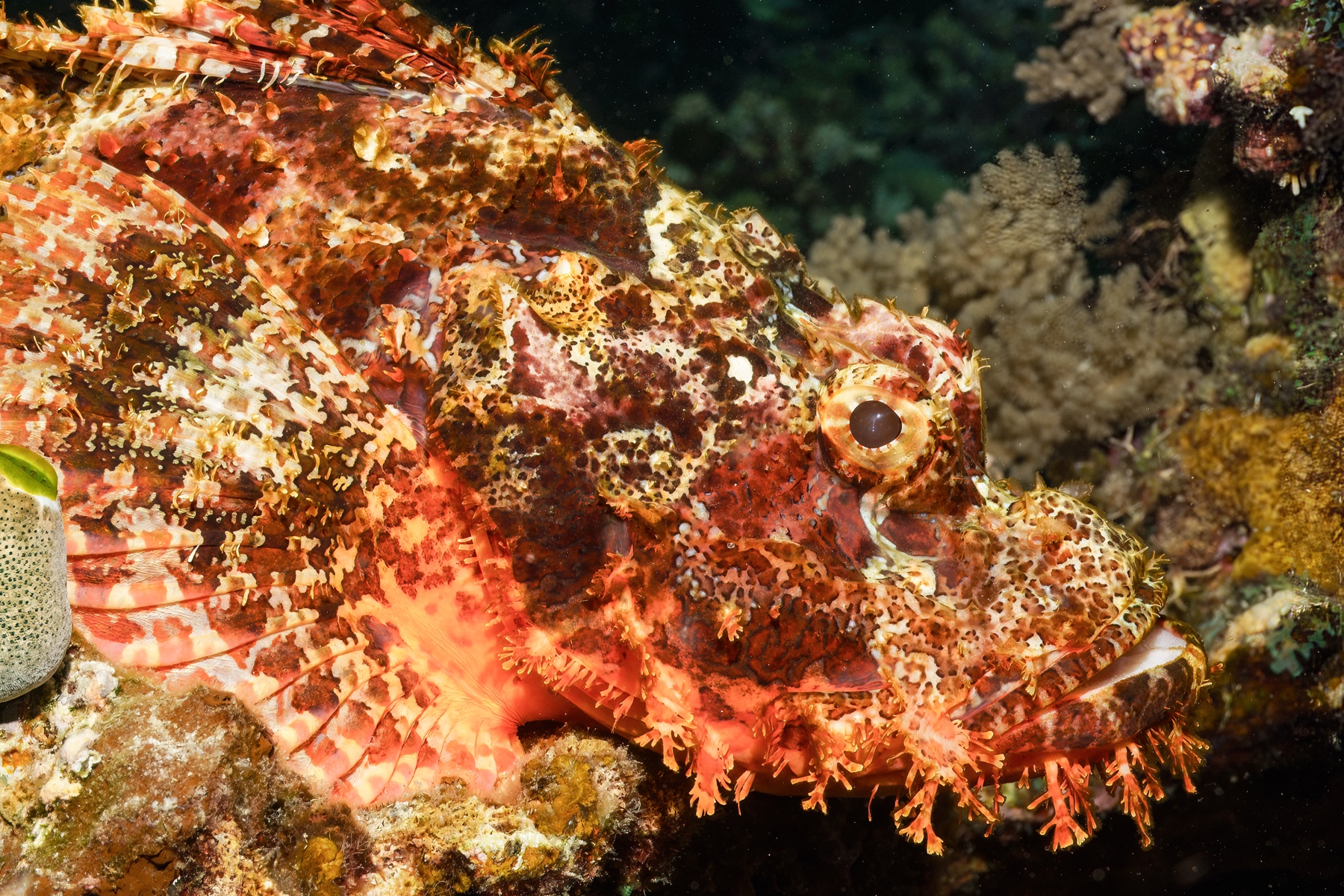
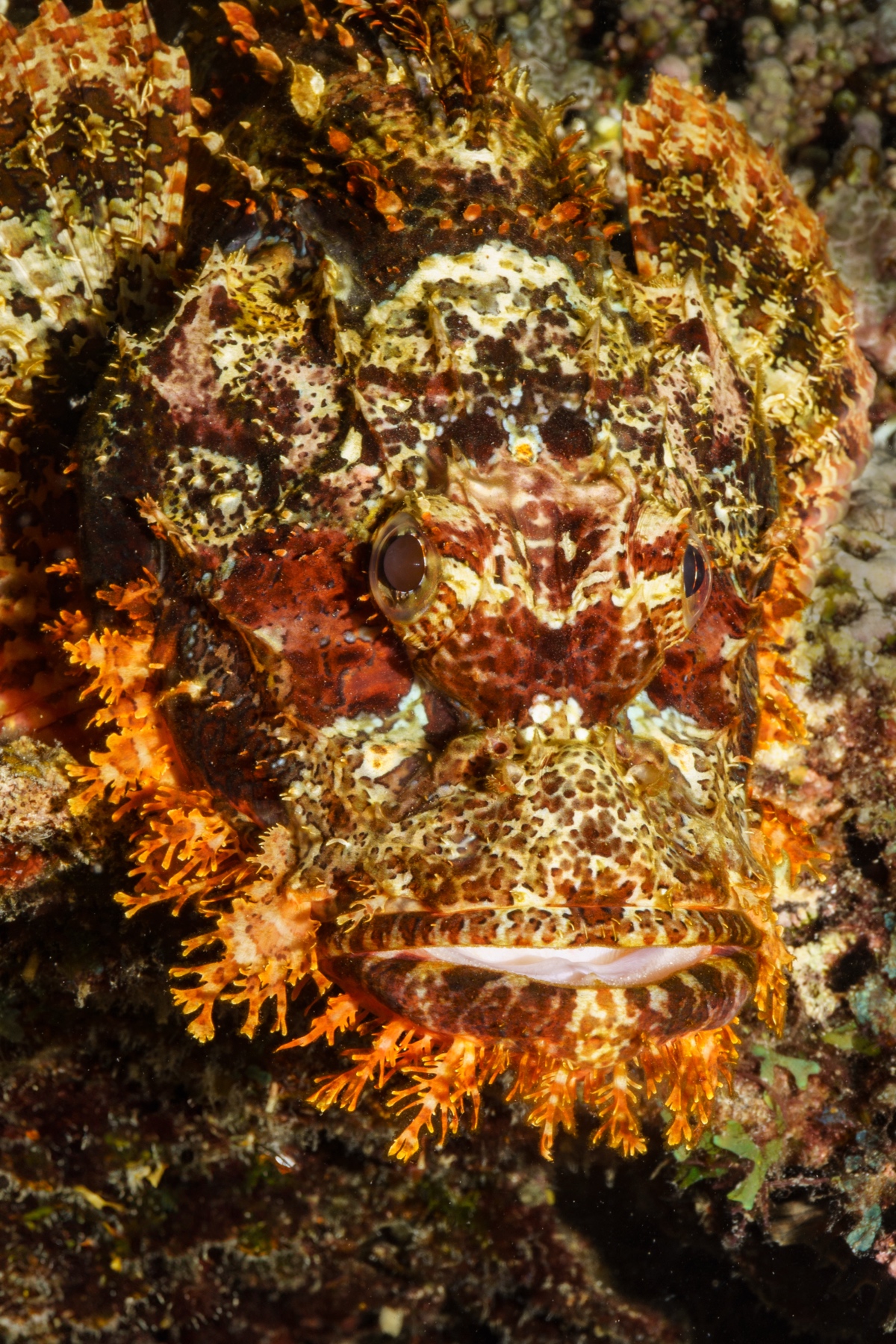
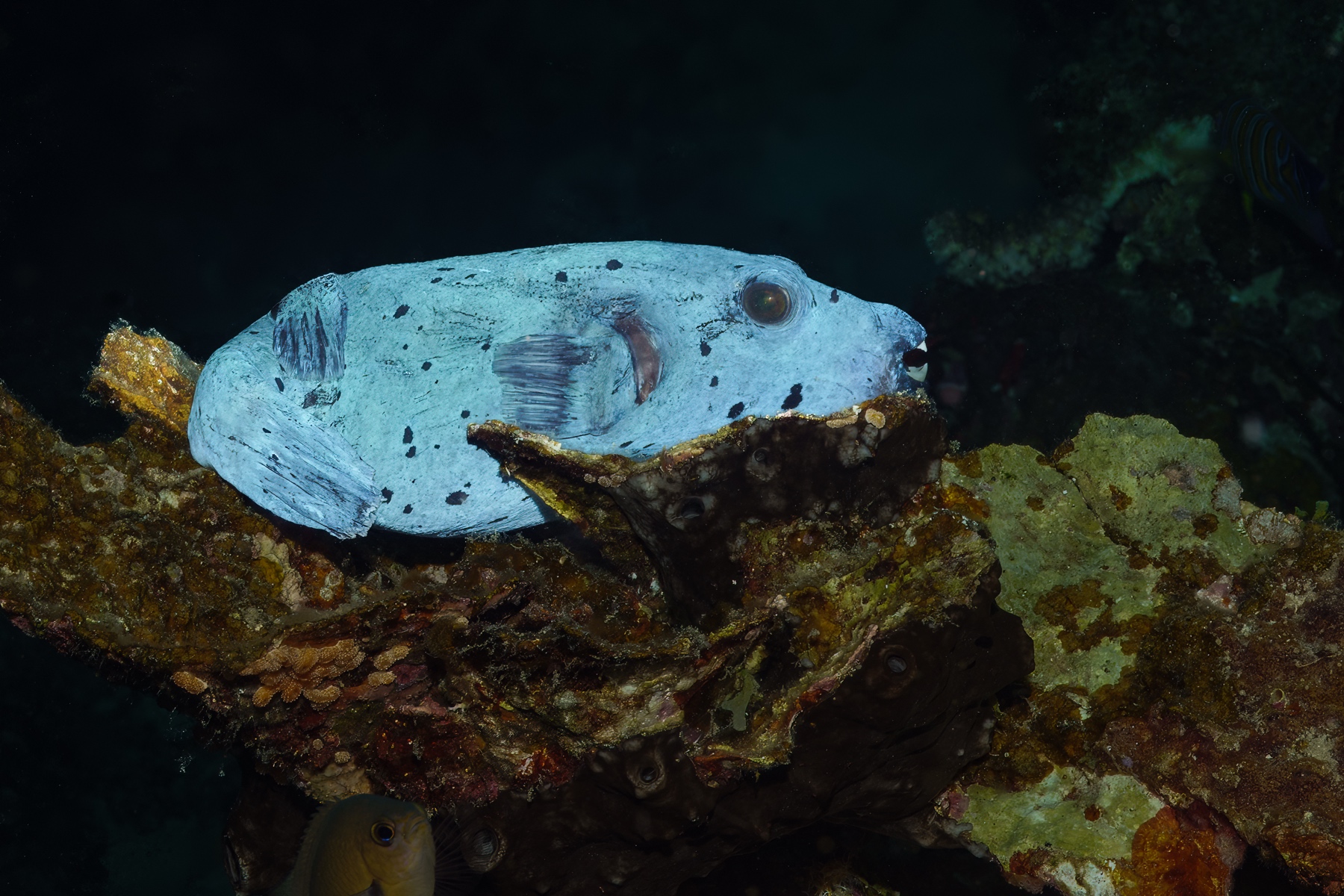
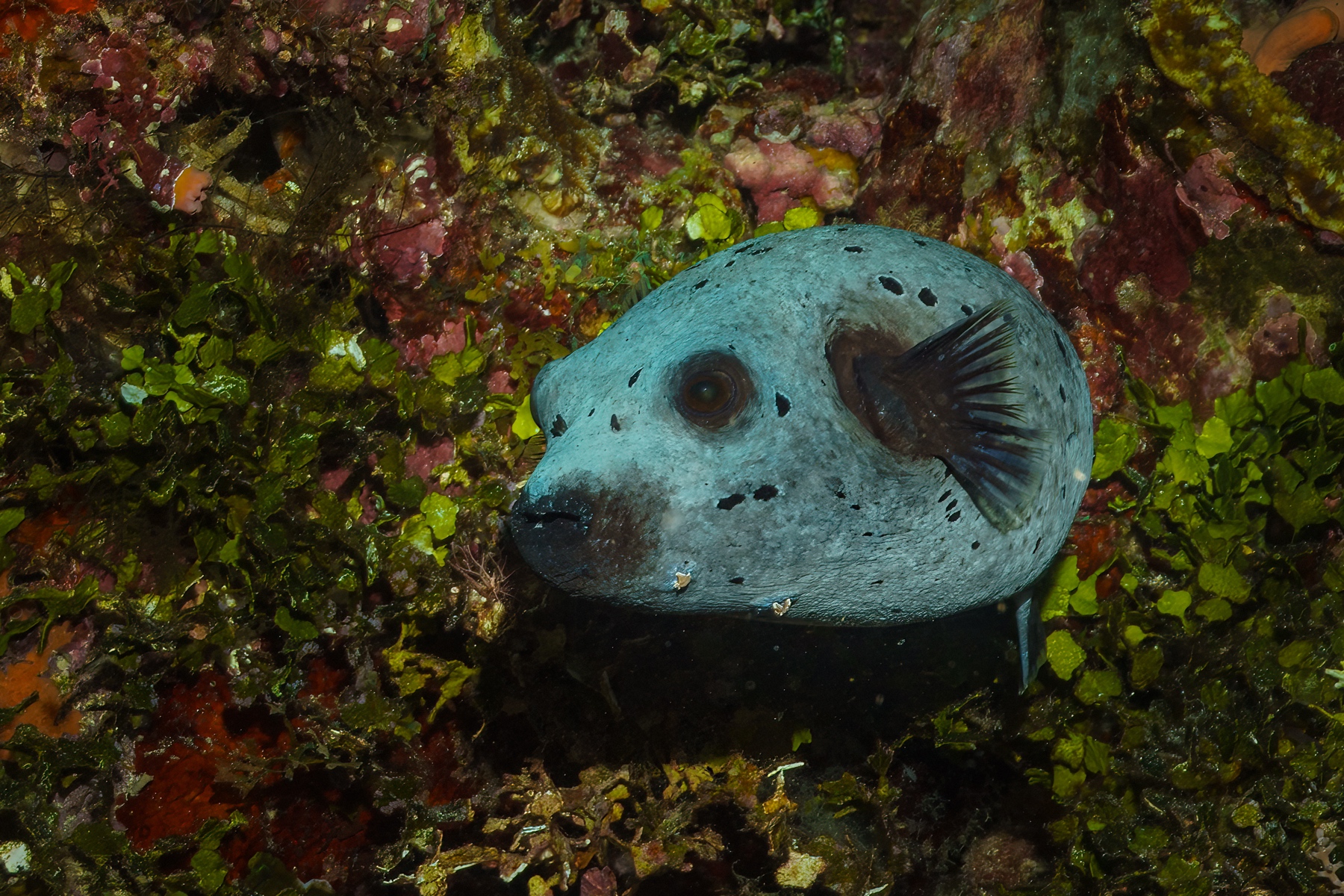
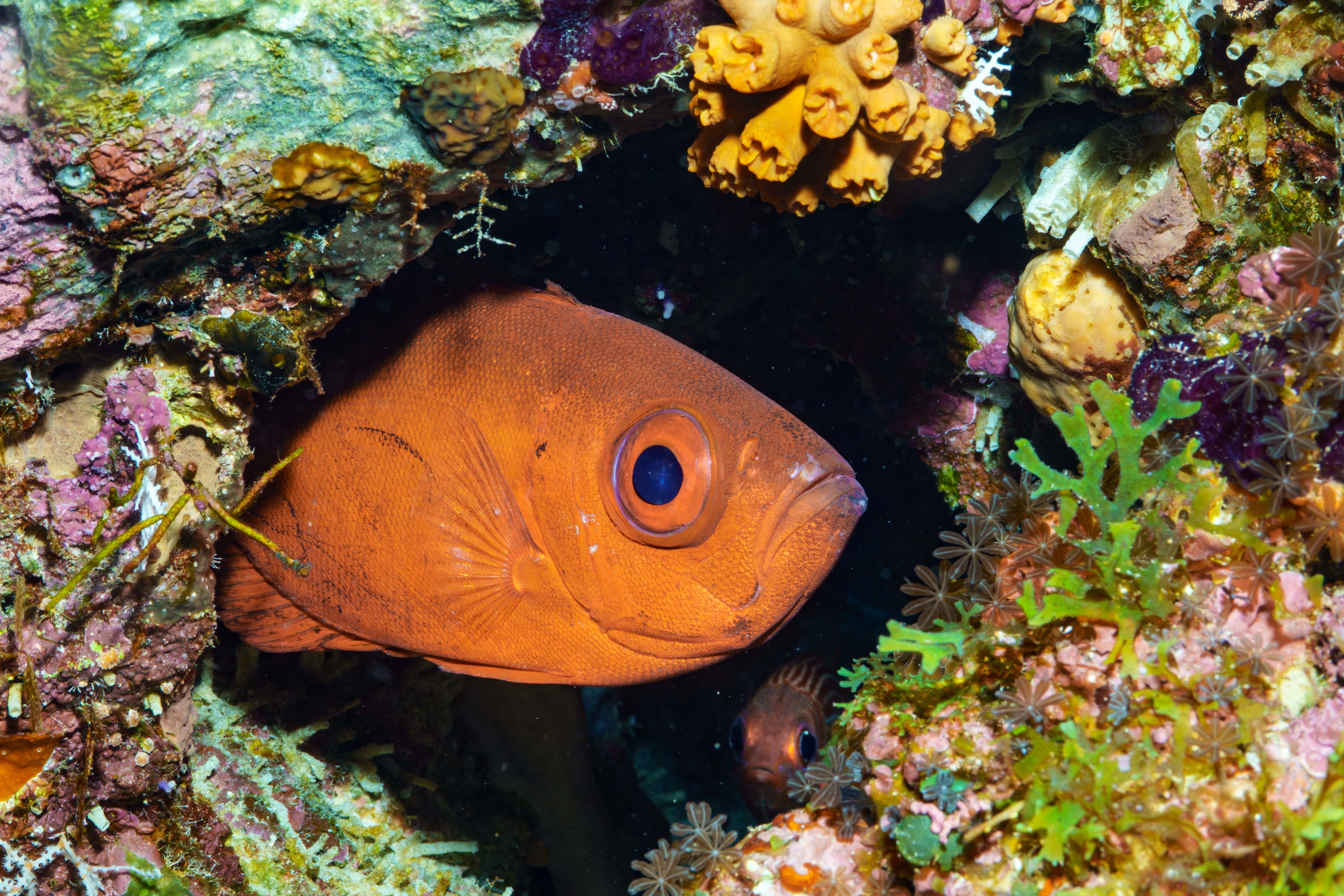
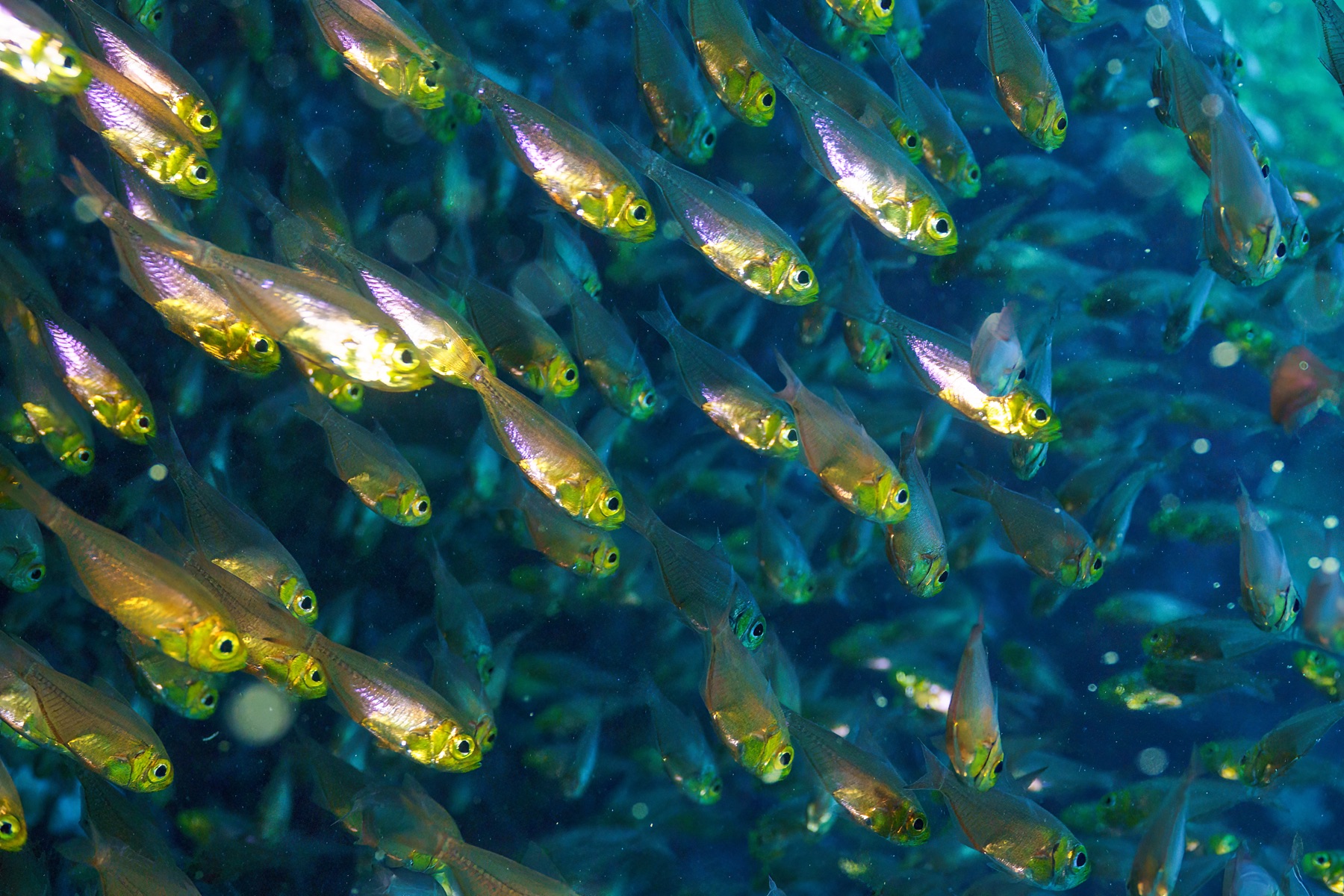
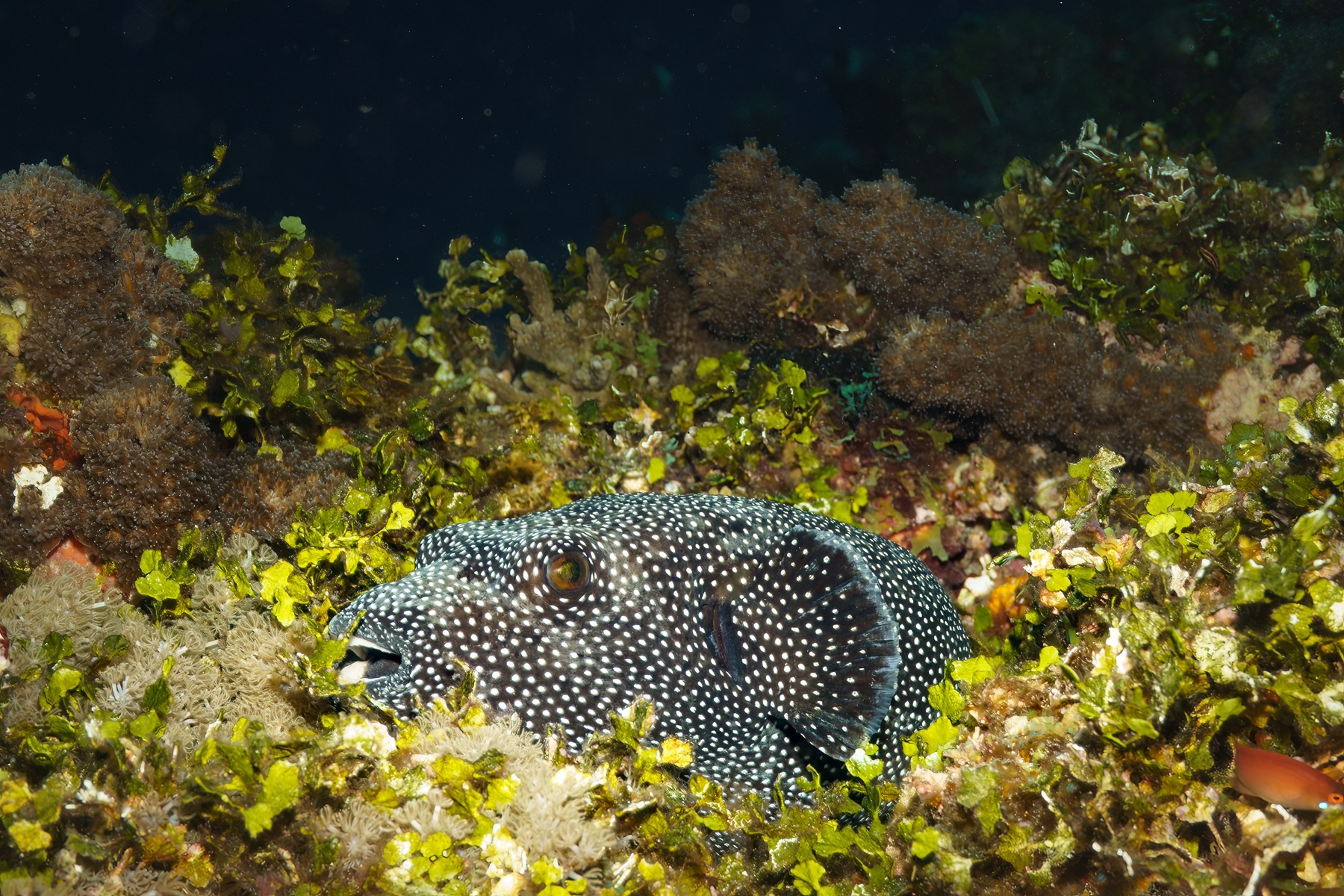
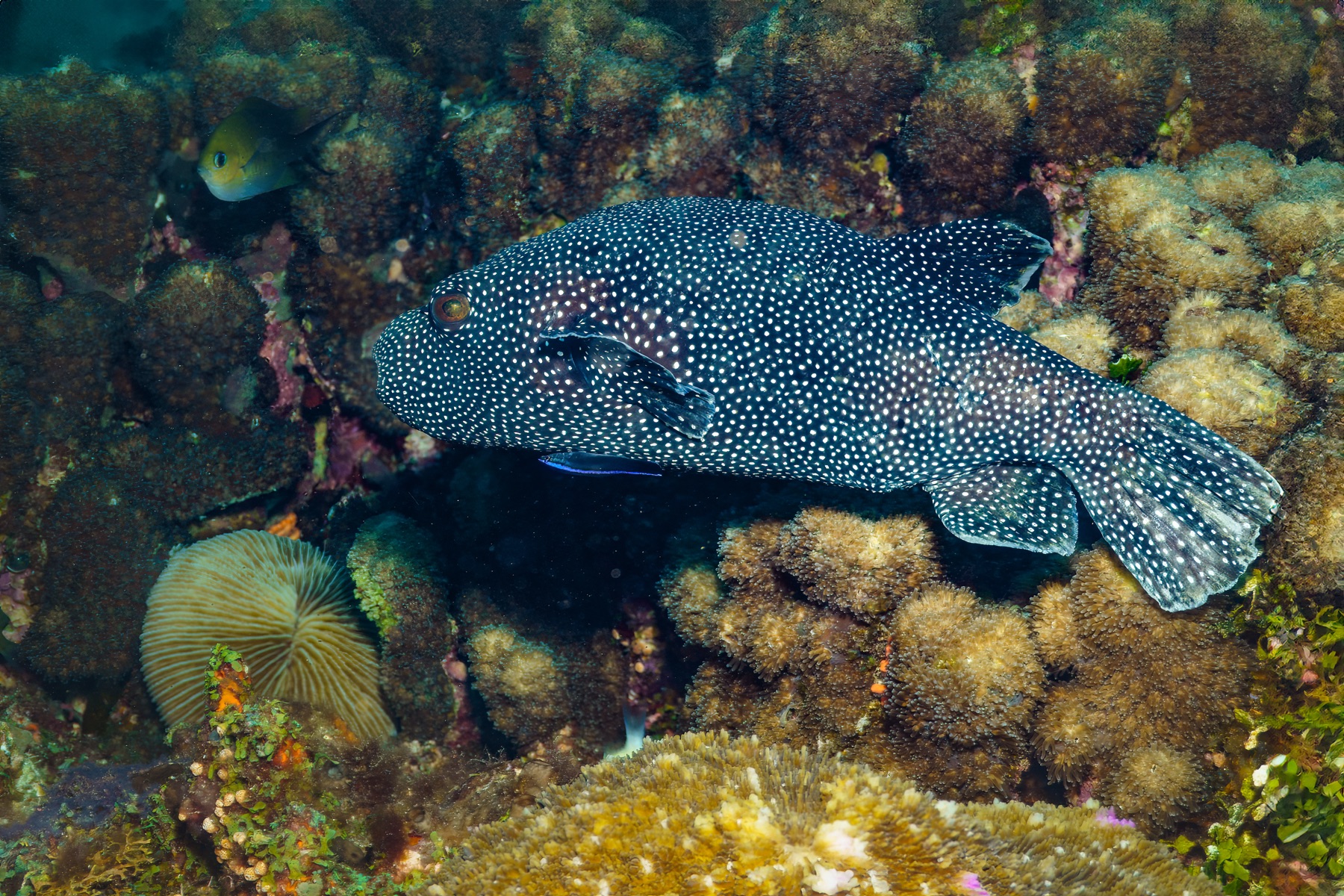
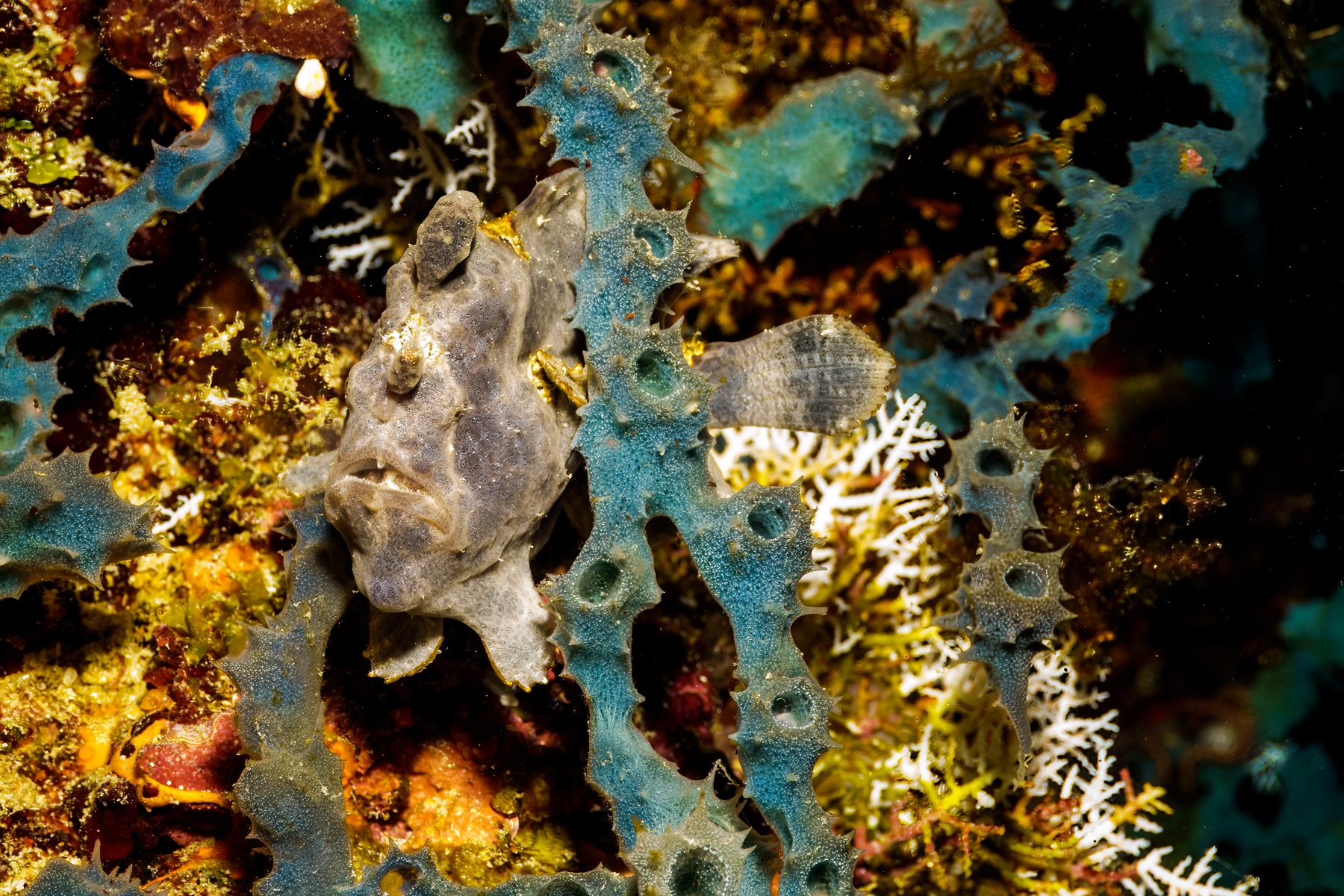
Photography-wise, the dive was frustrating and largely disappointing. Yet in every other respect it remained another stunning Pemba dive—rich, serene, and alive with color and movement. Sometimes the images we capture are secondary to simply being back in the water and enjoying the experience together.

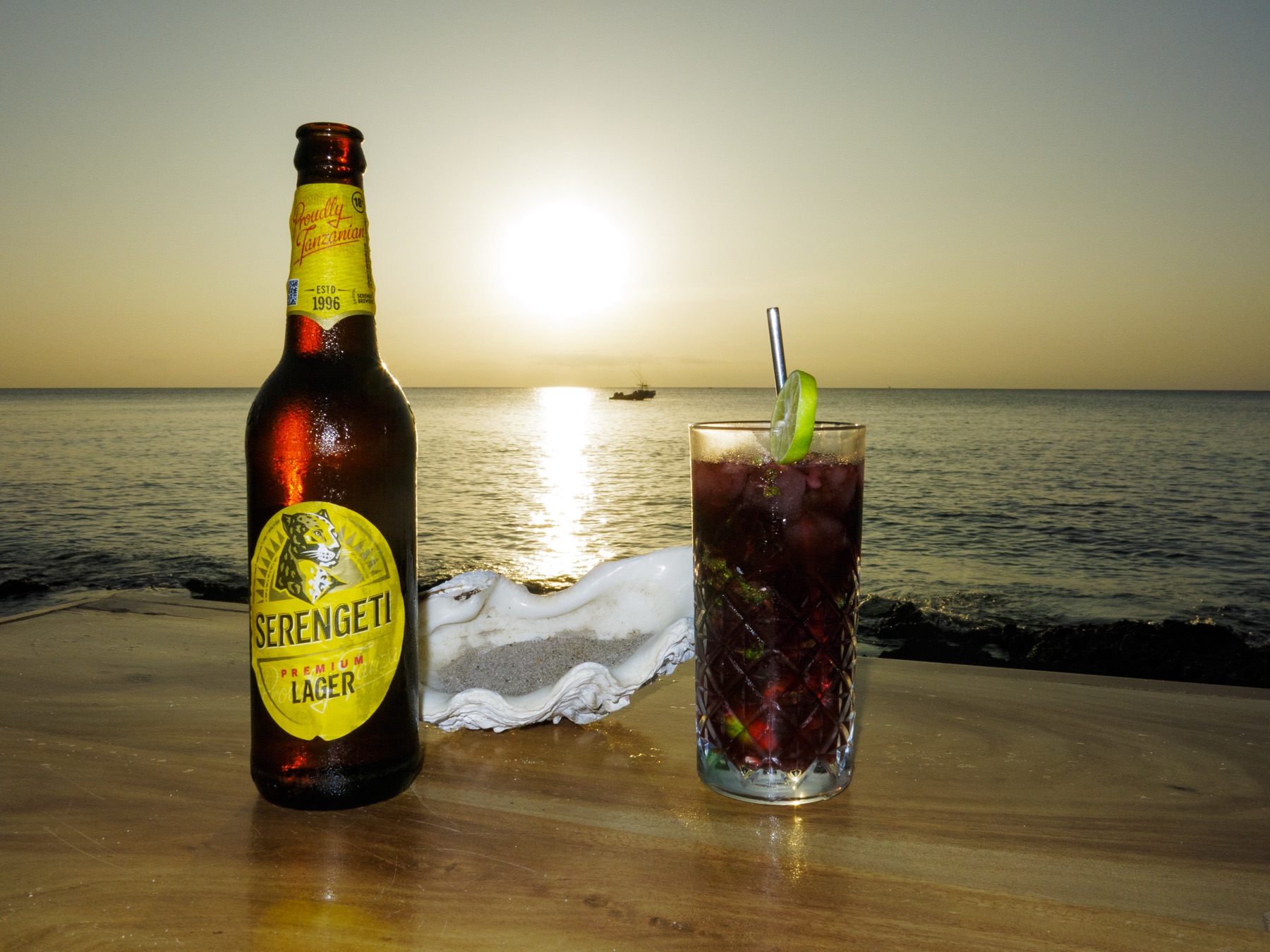
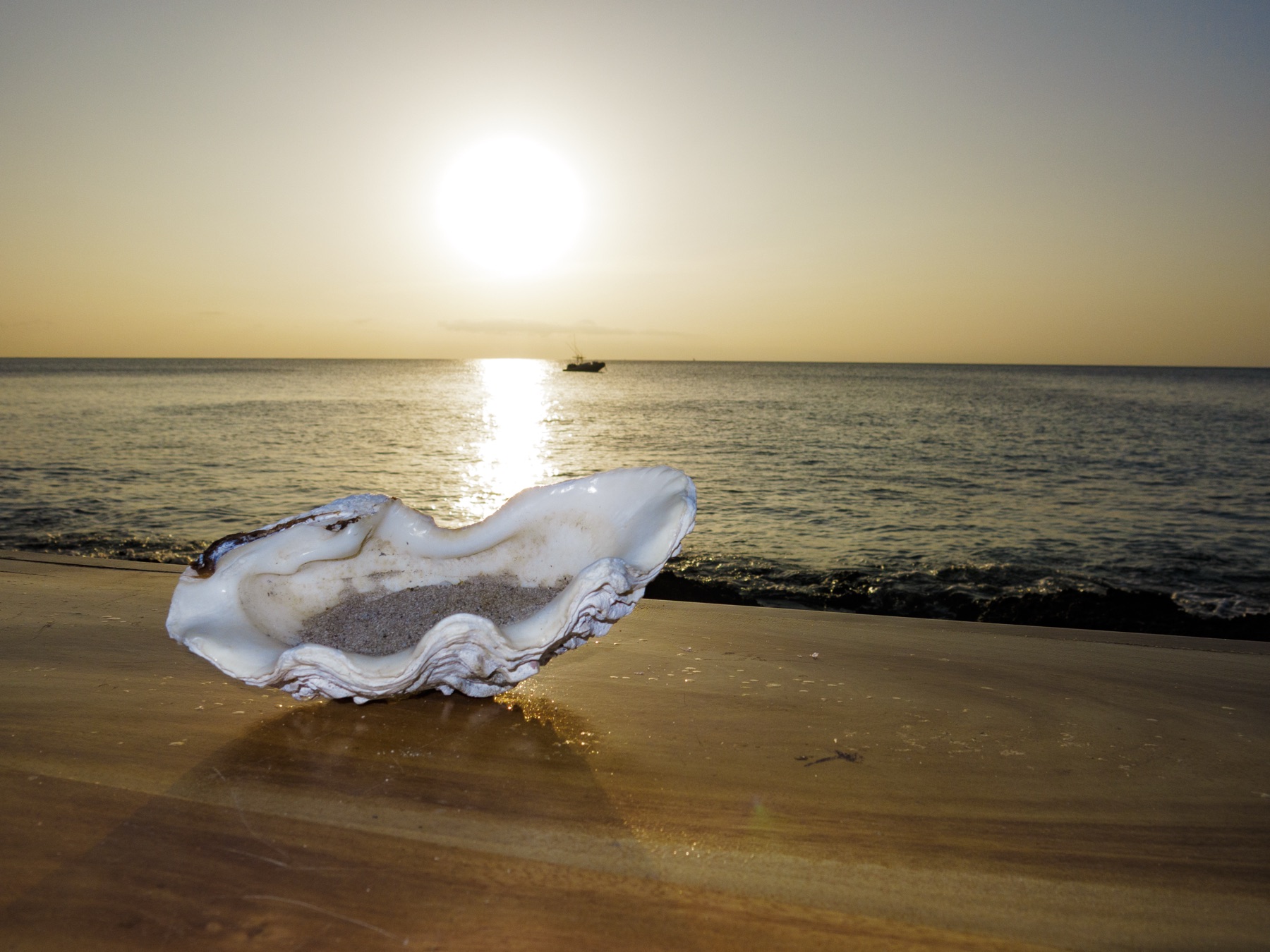
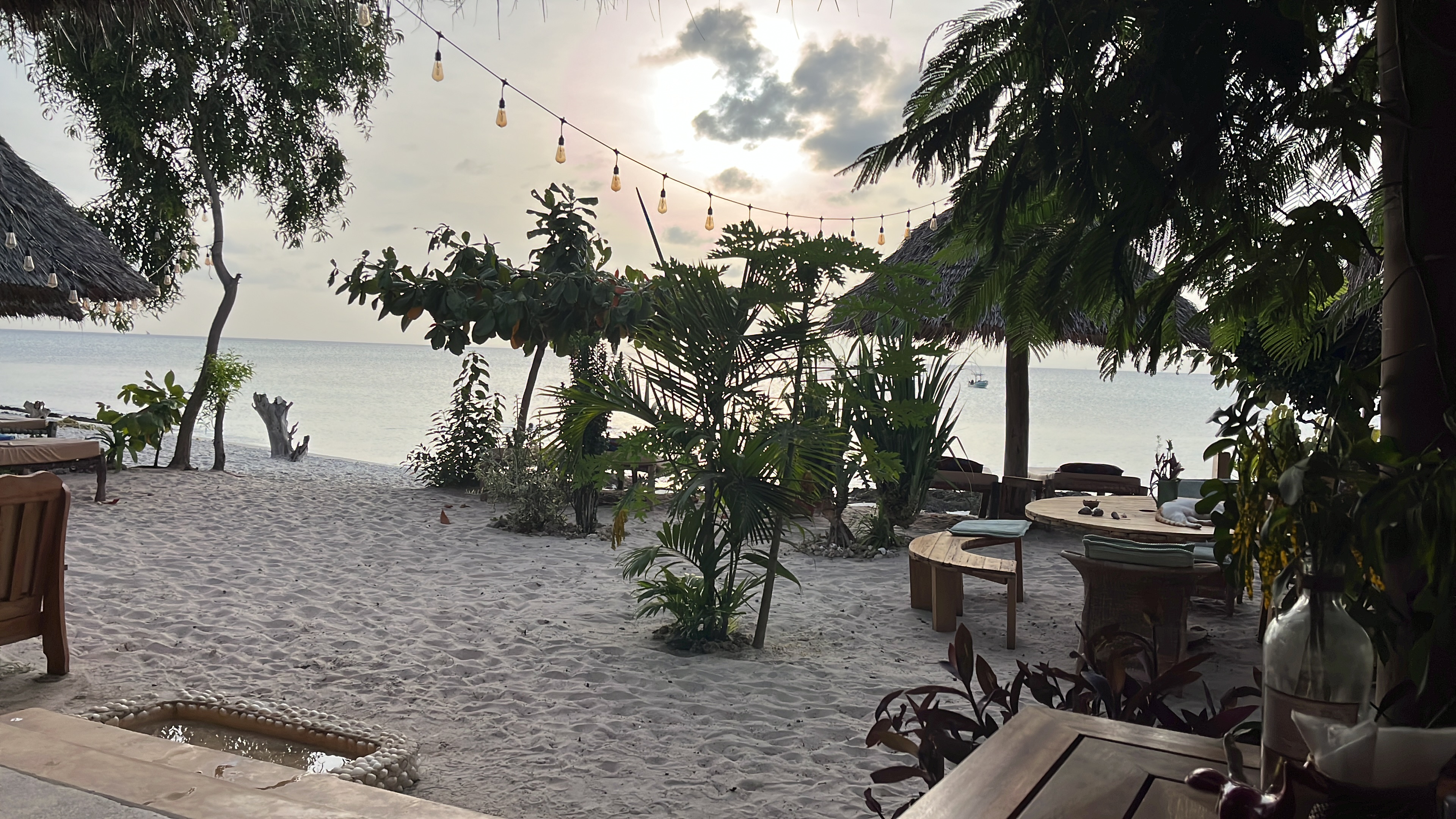
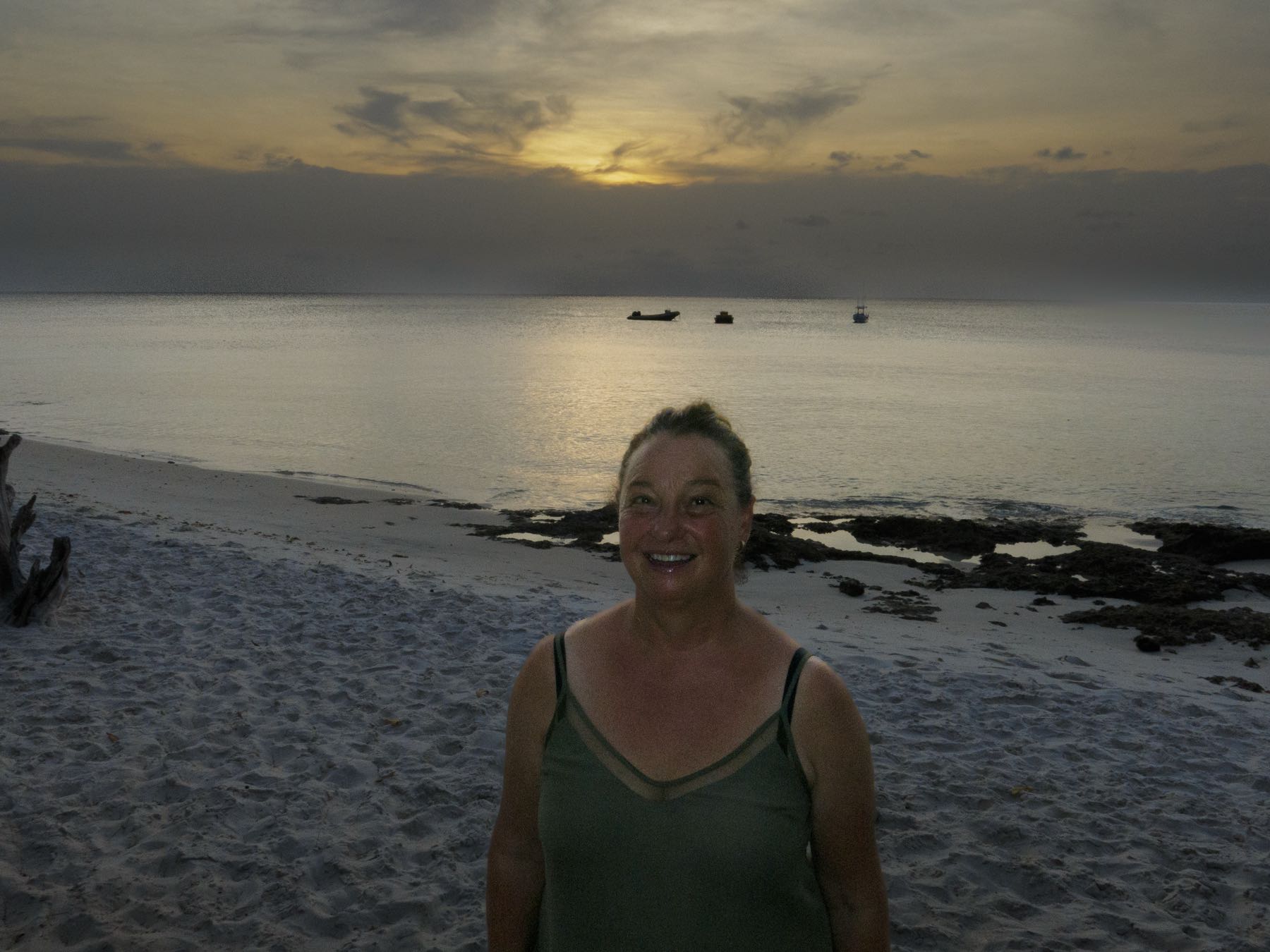
After a relaxing afternoon, we enjoyed sundowners on the beach, followed by an excellent dinner.

Pemba Island Diving: Day 1, Getting There

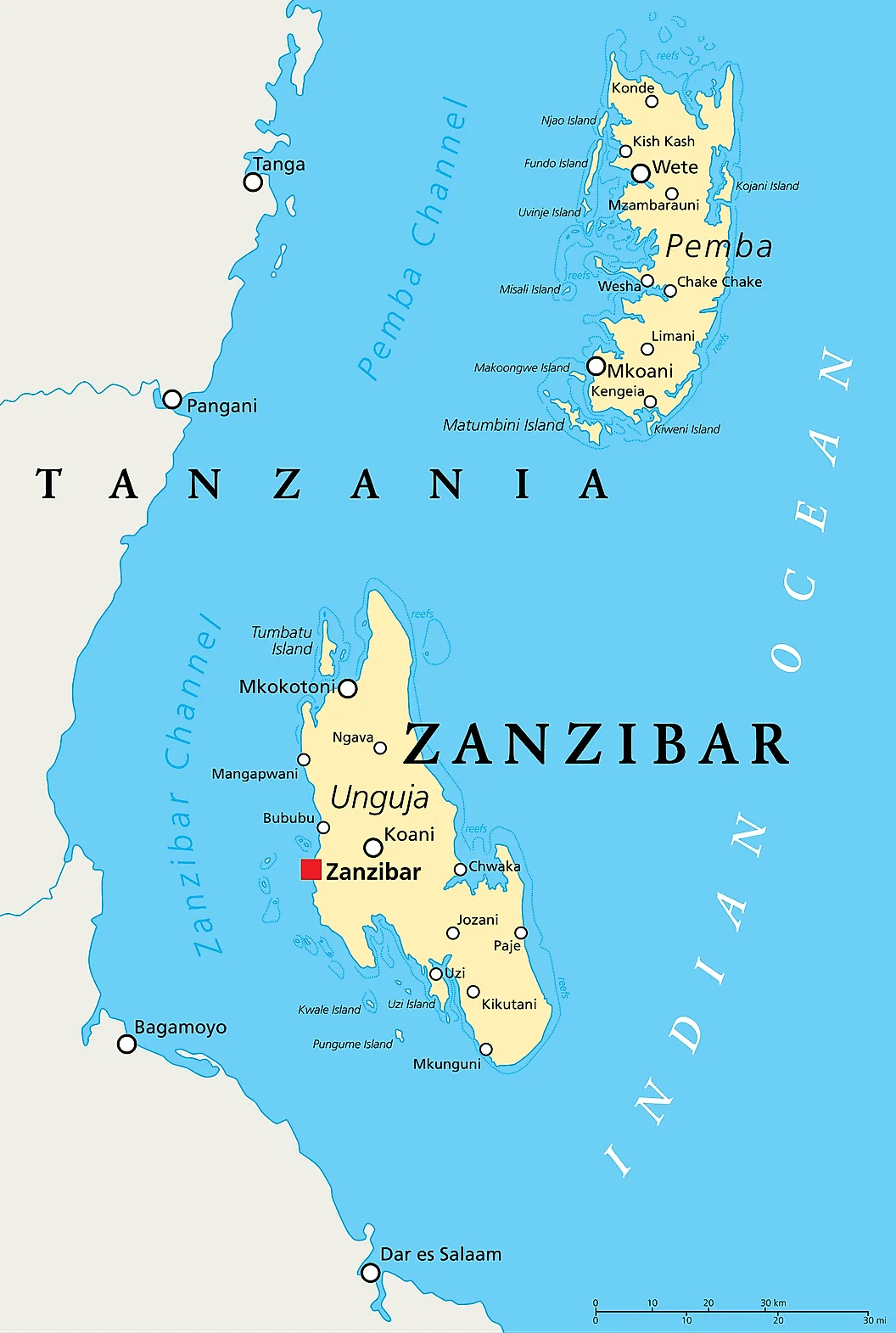
When South Africans hear “Pemba”, they immediately think Mozambique, prompting a little geography lesson. Pemba Island, Tanzania, is part of the Zanzibar archipelago and is situated to the north of Unguja Island, which is the one most people think of when talking about Zanzibar.

Out trip had been in the planning for a long time, ever since we heard that Michael and Carlotta of Afro Divers were building their own lodge. Our initial November 2025 plan had to be postponed due to some logistical problems at the new lodge, but finally we were on our way.

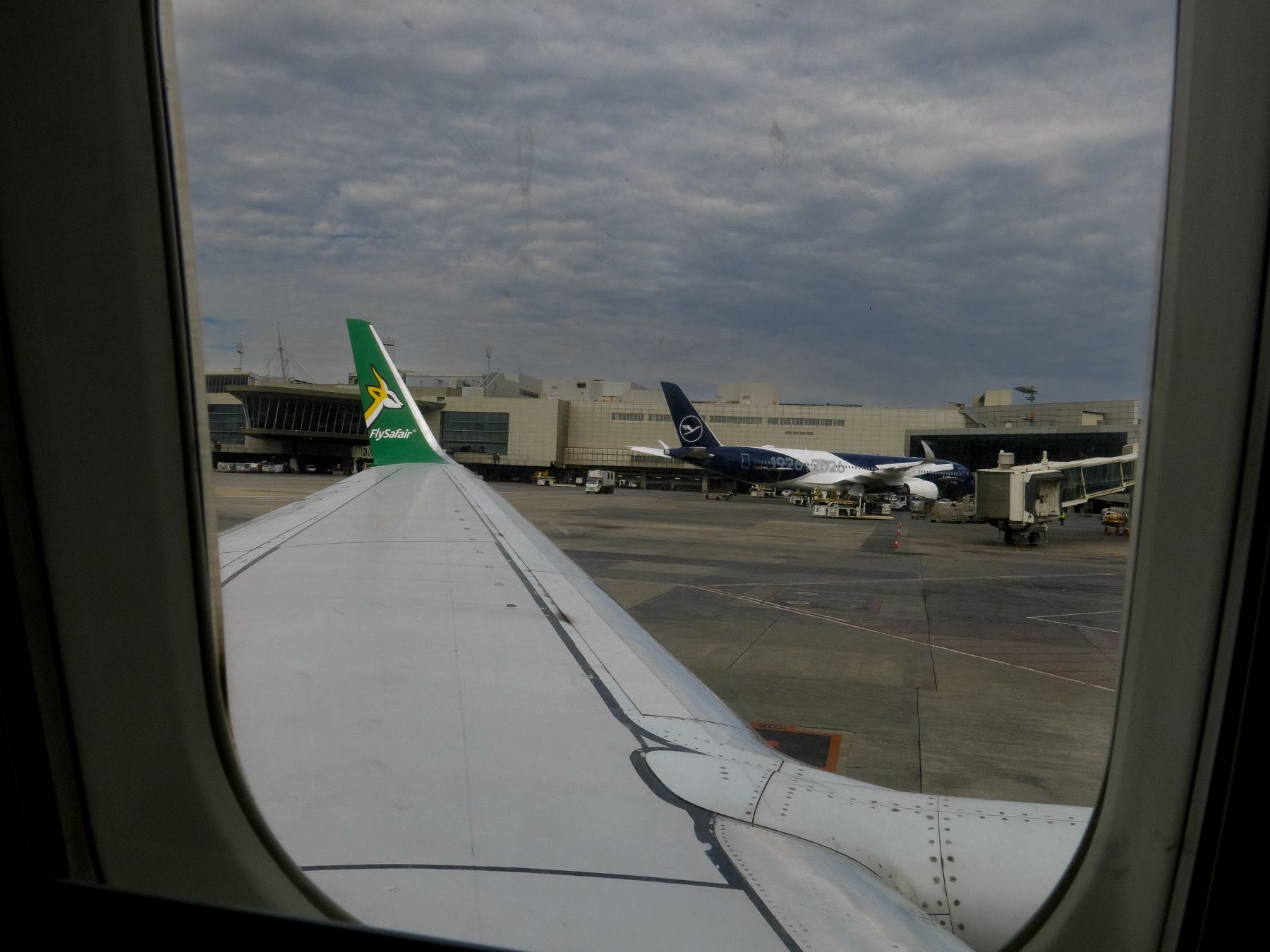
After a night sleepover at the airport City Lodge in Johannesburg, we boarded our early morning Safair flight to Zanzibar.

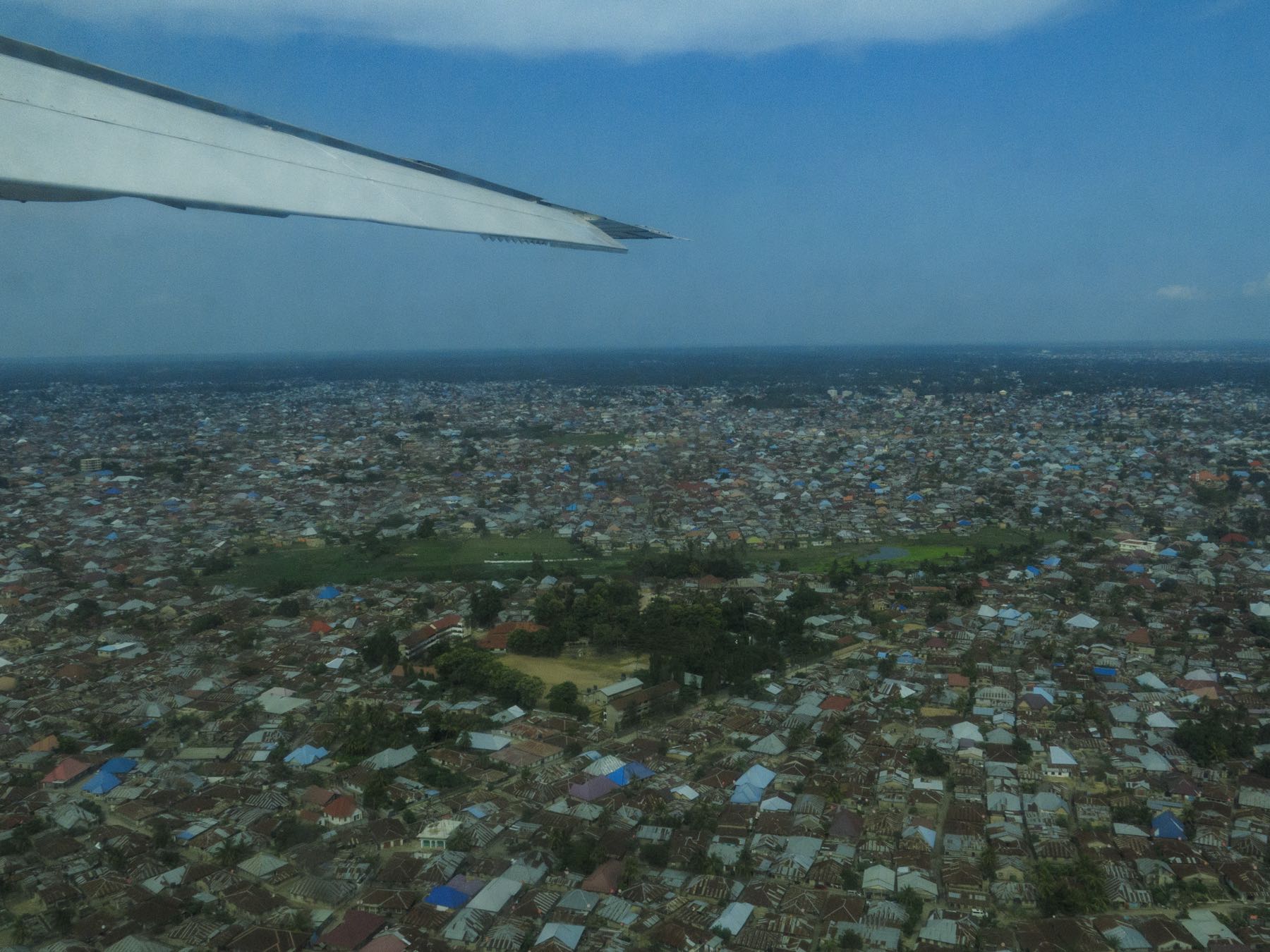
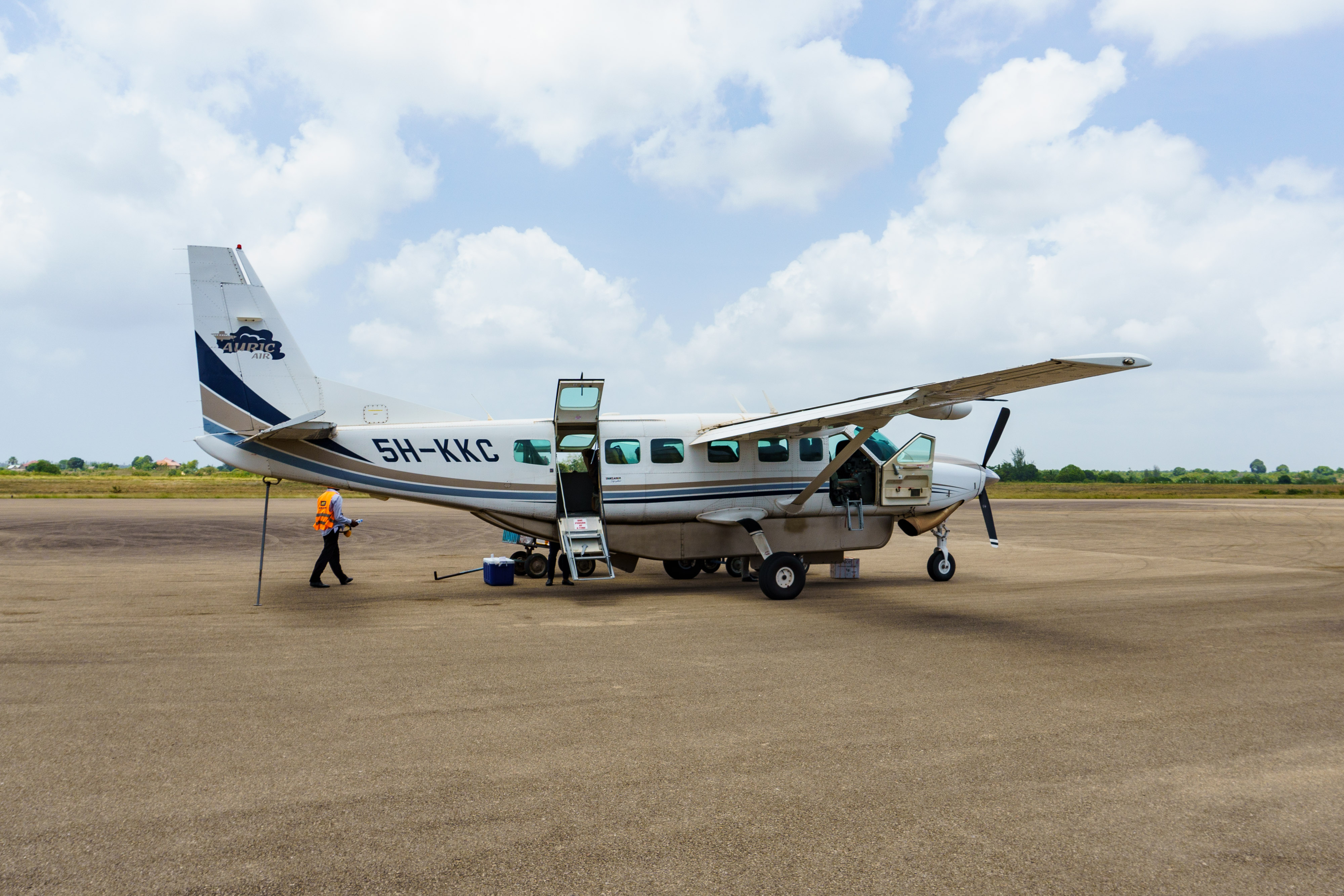
Once through the chaos of Customs & Immigration upon arrival in Zanzibar, we had to find our way to the Domestic terminal for our Auric Air flight to Pemba Island. Fortunately we found a very helpful porter to guide us and help with our luggage, since this would have been quite a mission otherwise.

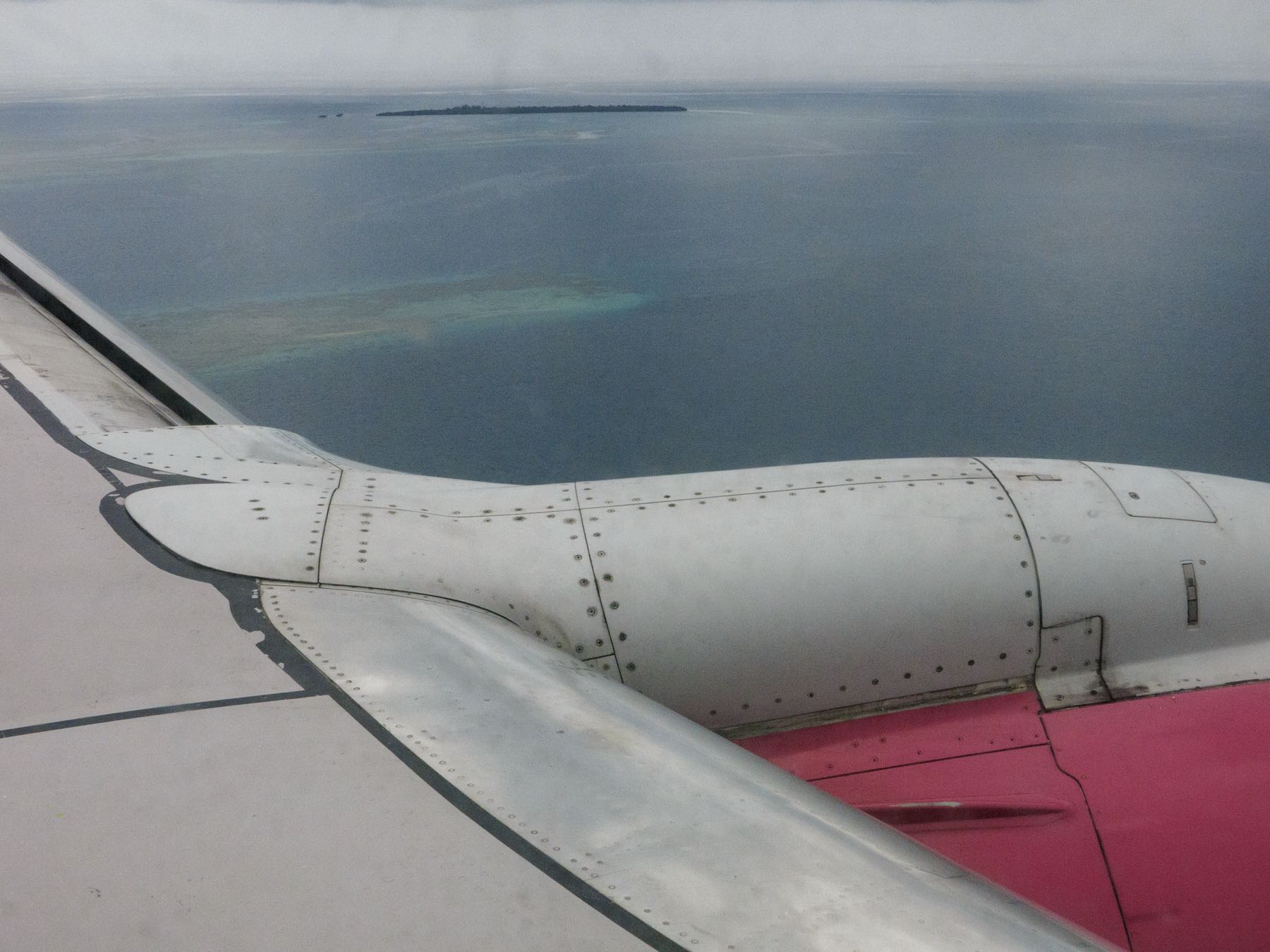
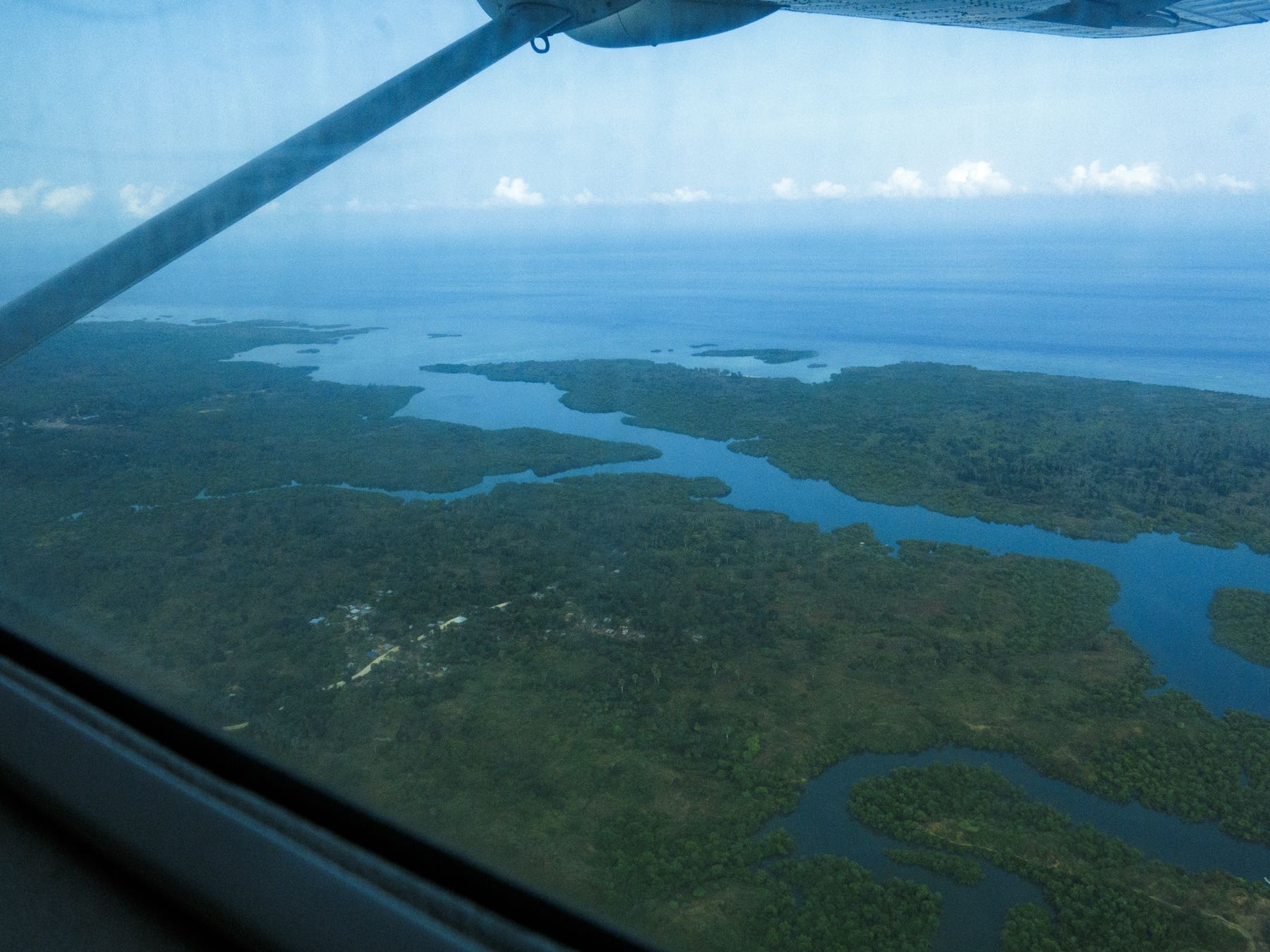
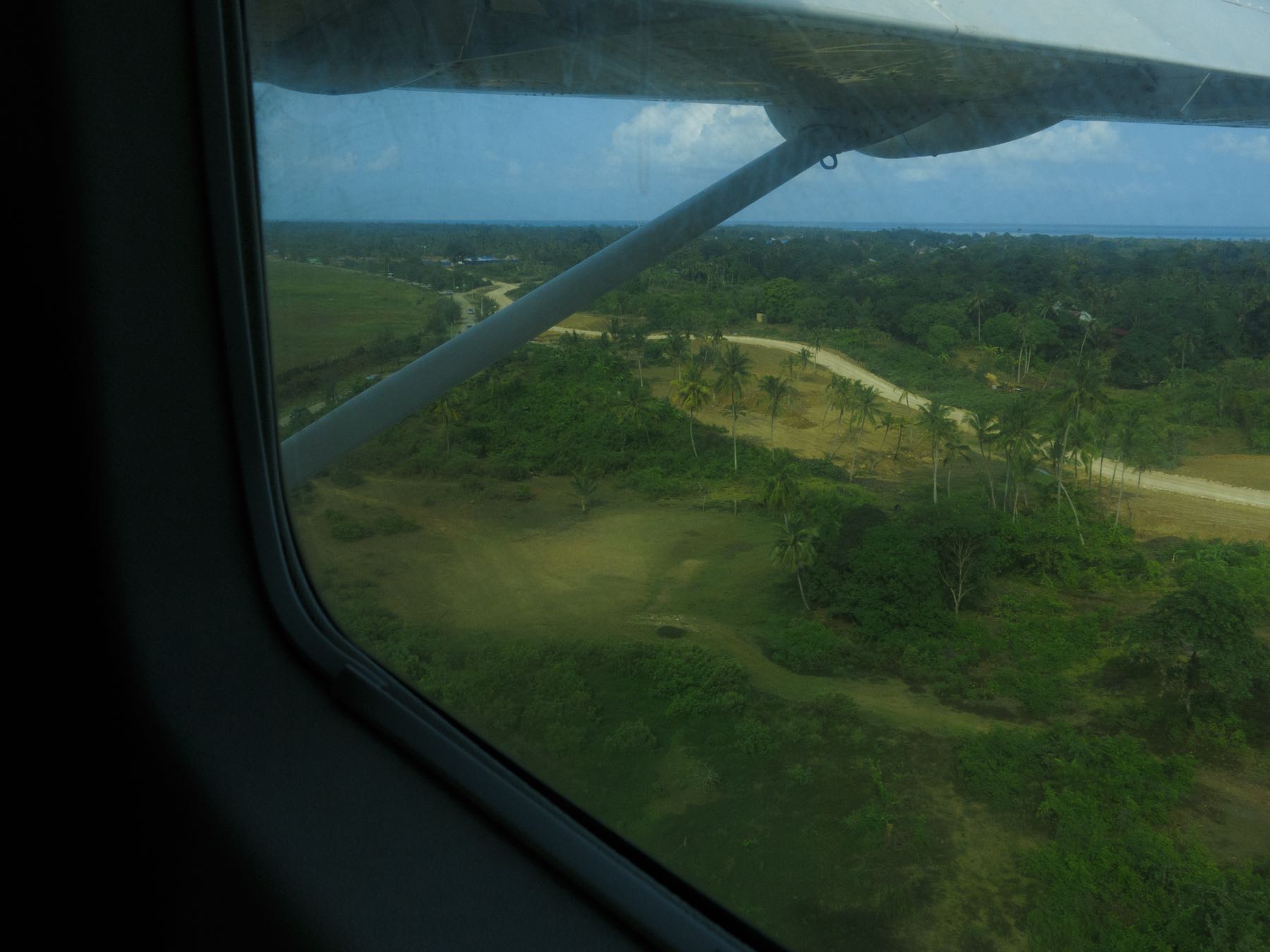
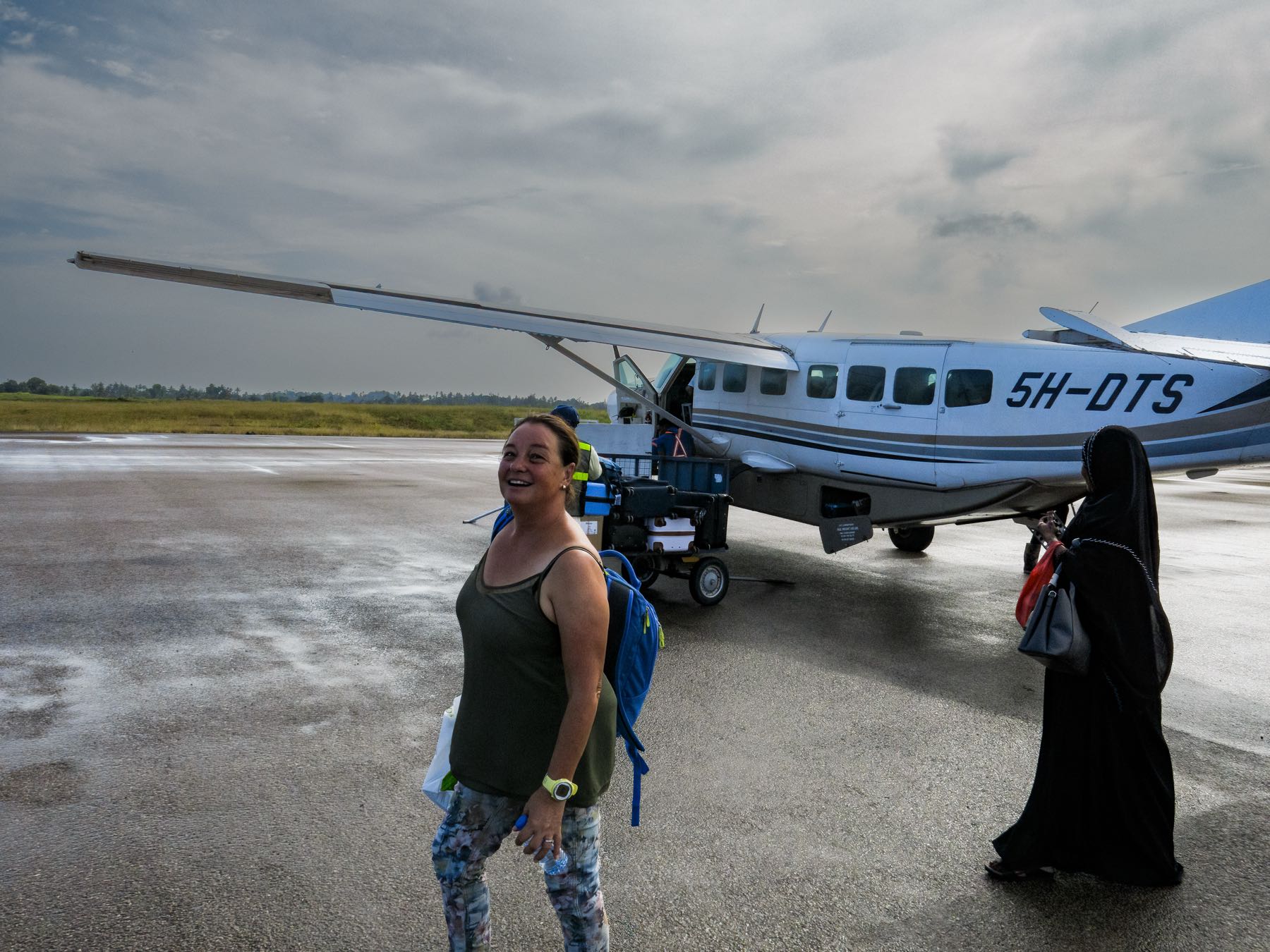
The flight to Pemba, in a Cessna Caravan, carrying a pilot and 13 passengers, took about 35 minutes.

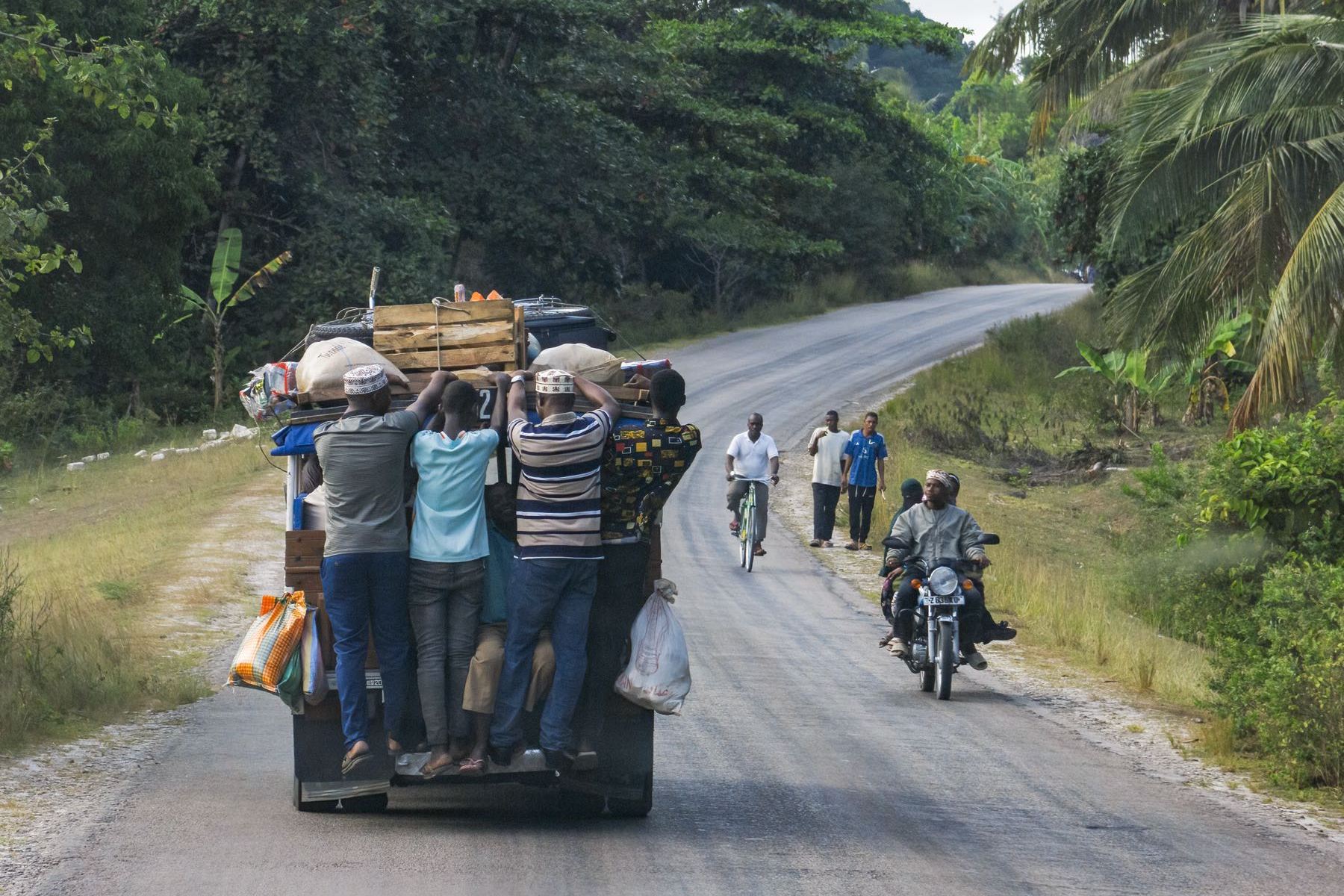
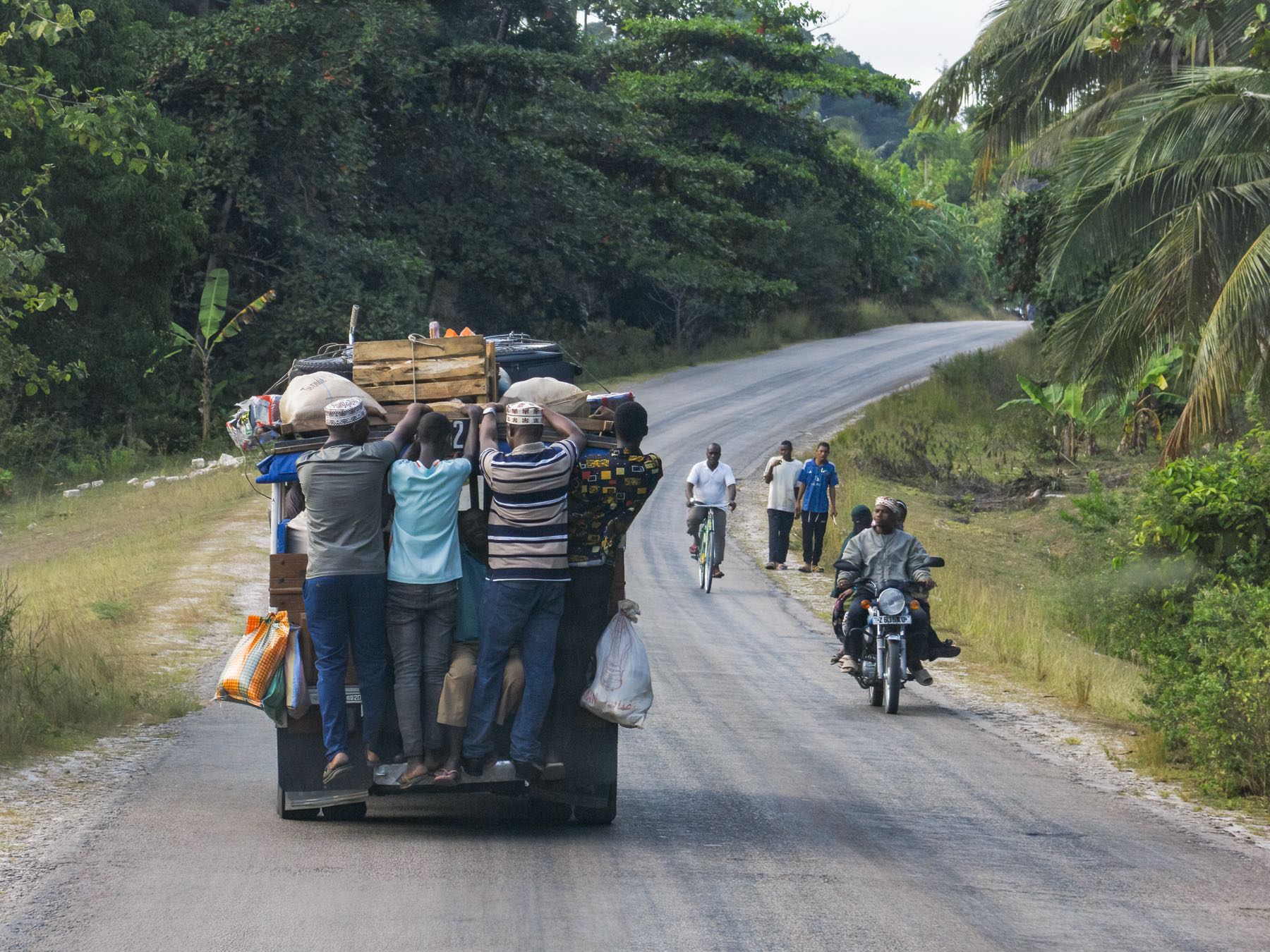
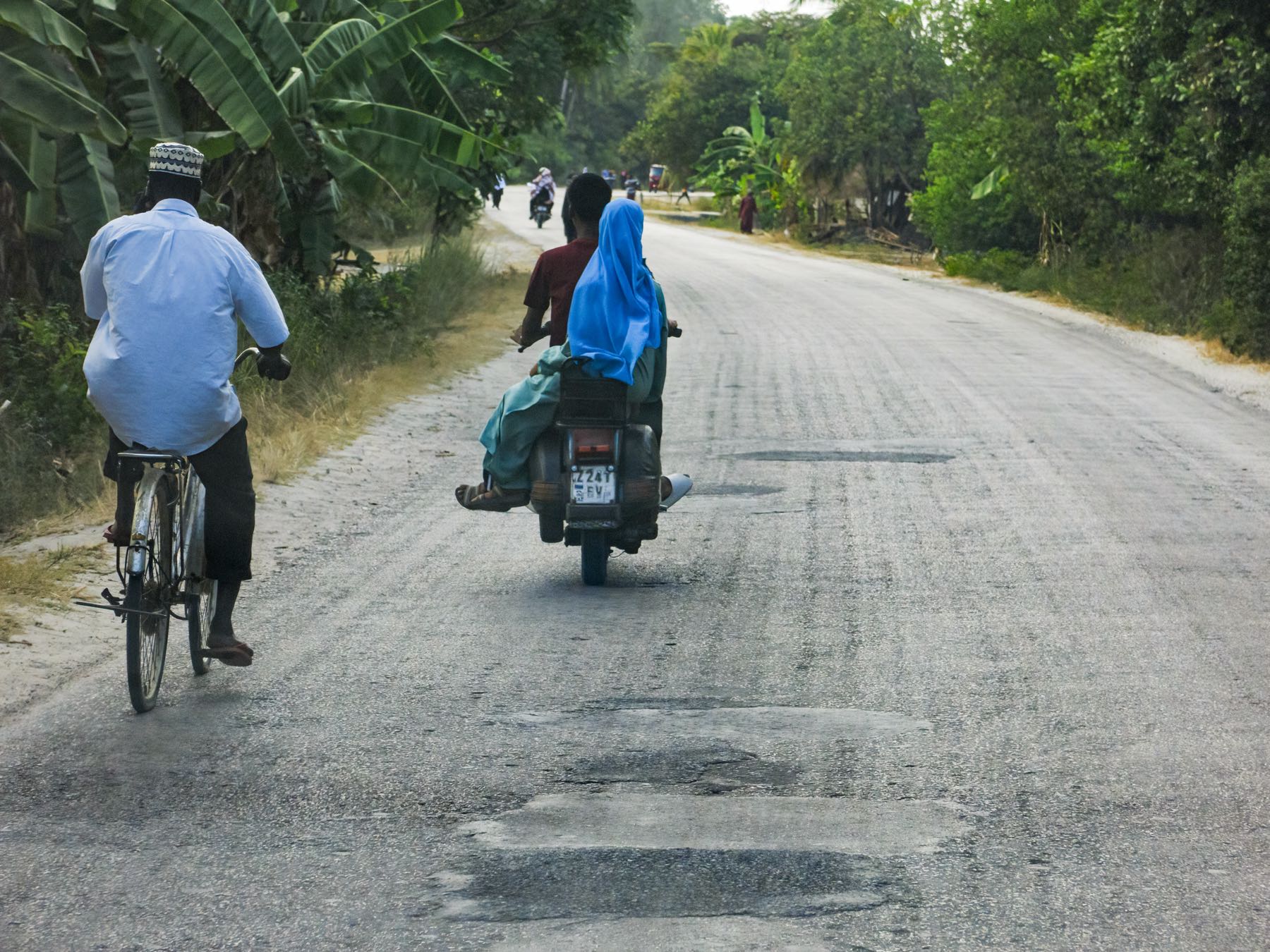
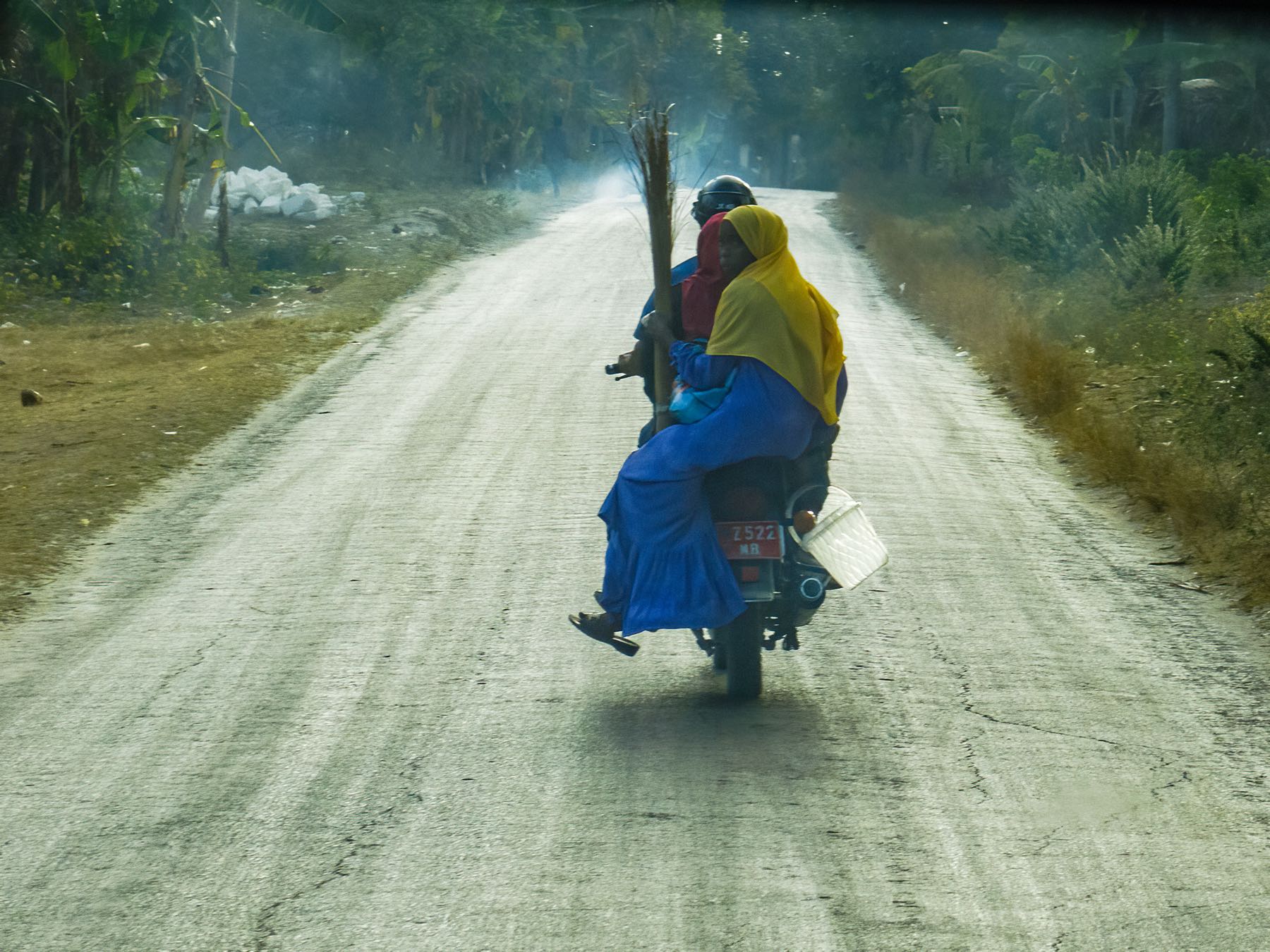
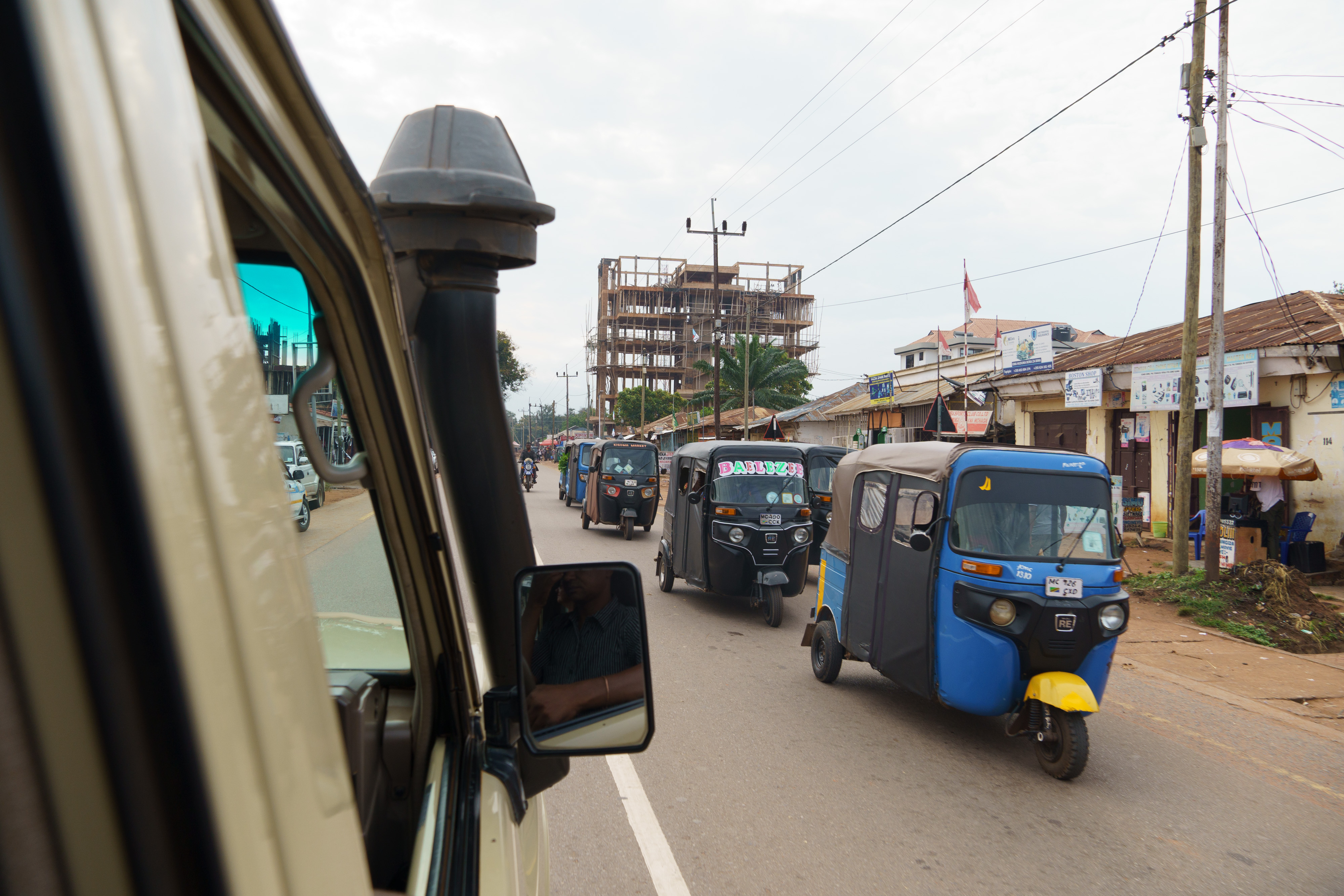
This was followed by an hour’s drive, going progressively more off the beaten track.

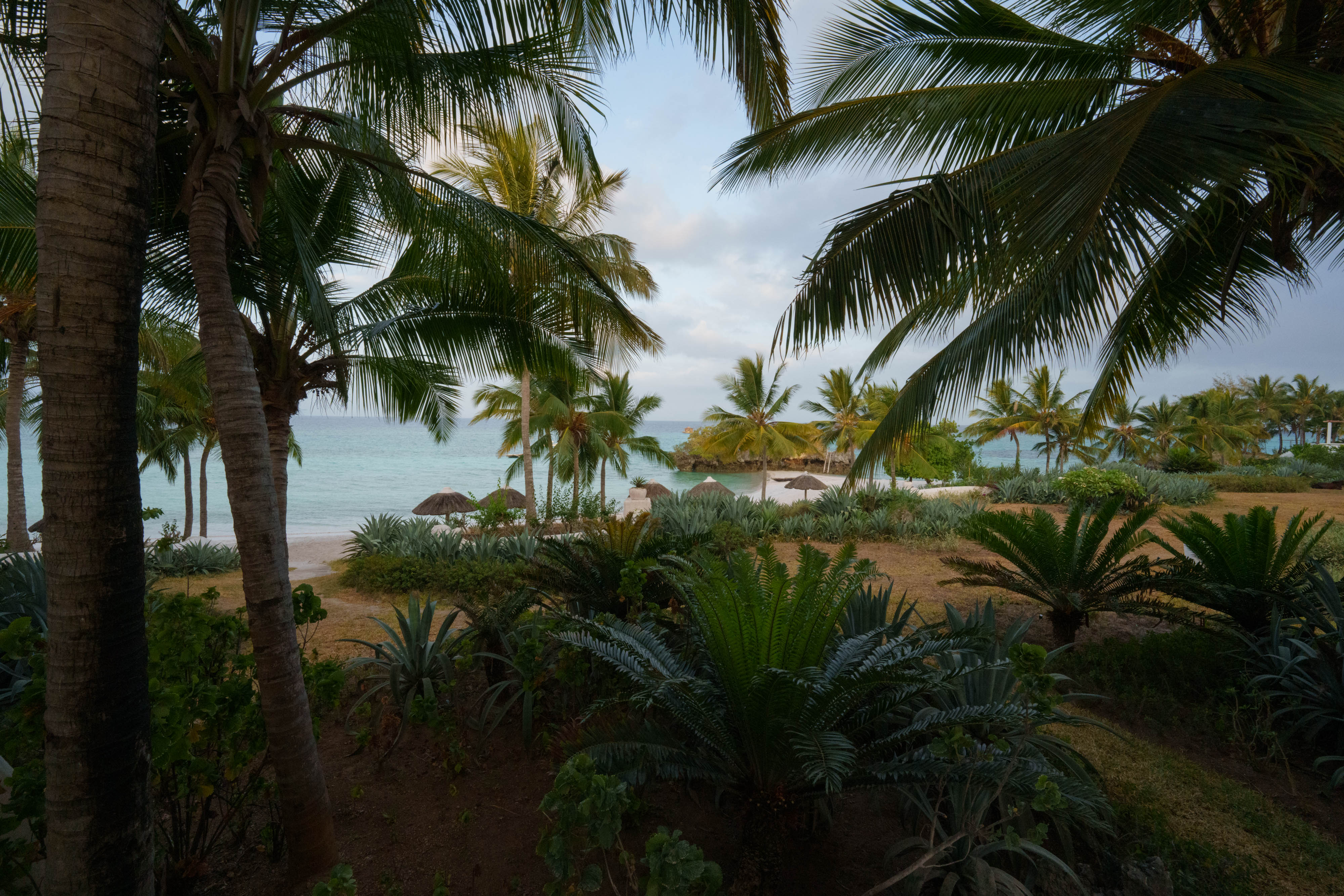
Eventually, 12 hours after we started queuing for check-in at OR Tambo International Airport, we arrived at Afro Divers lodge, to a very friendly reception in Paradise.

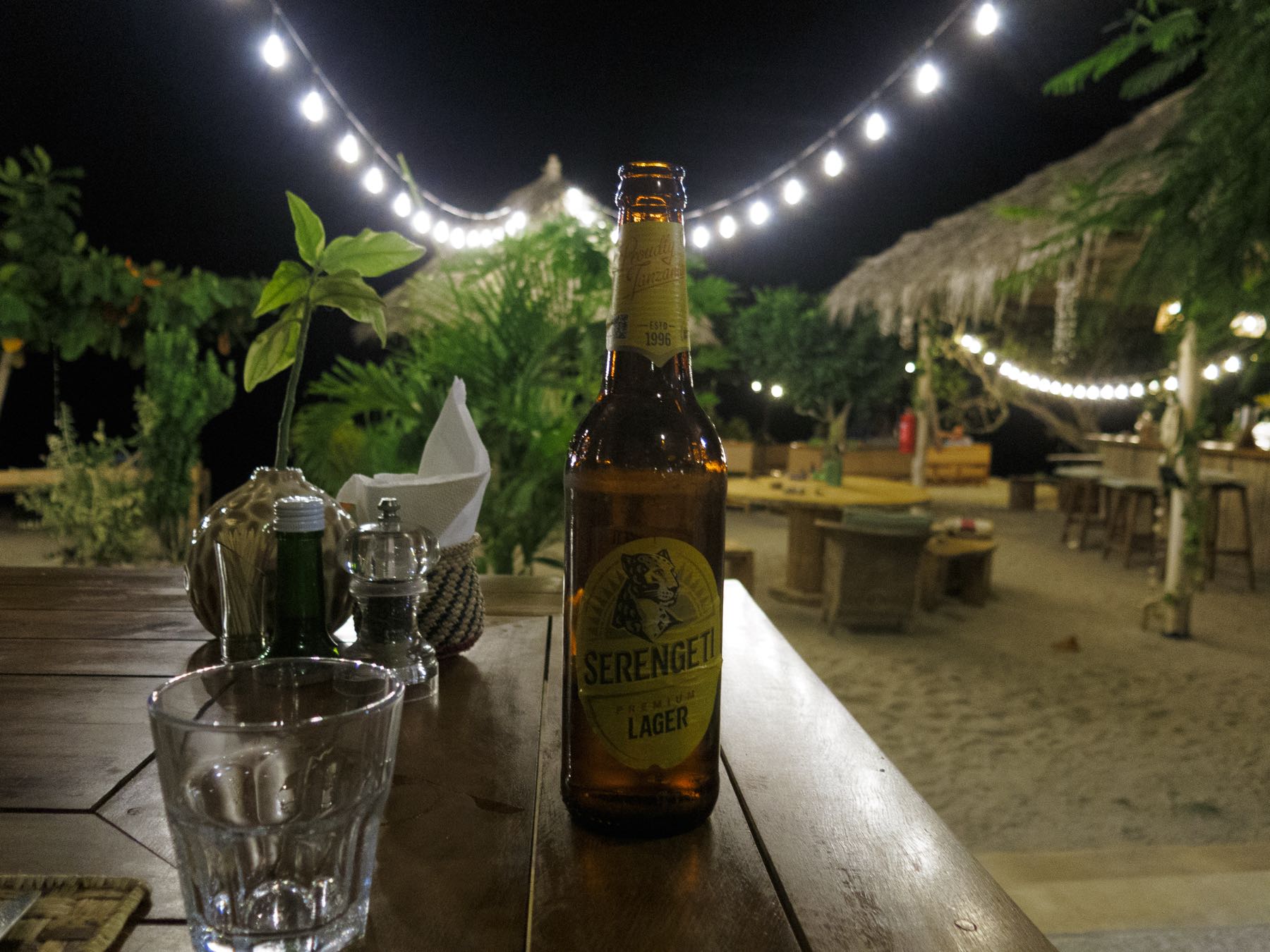
After catching up with Michael and Carlotta over a couple of beers, we sat down to an excellent dinner of Fish Ceviche, followed by a Beef Burger. We decided to skip dessert and opted for an early night in preparation for our first day of scuba diving in three years.

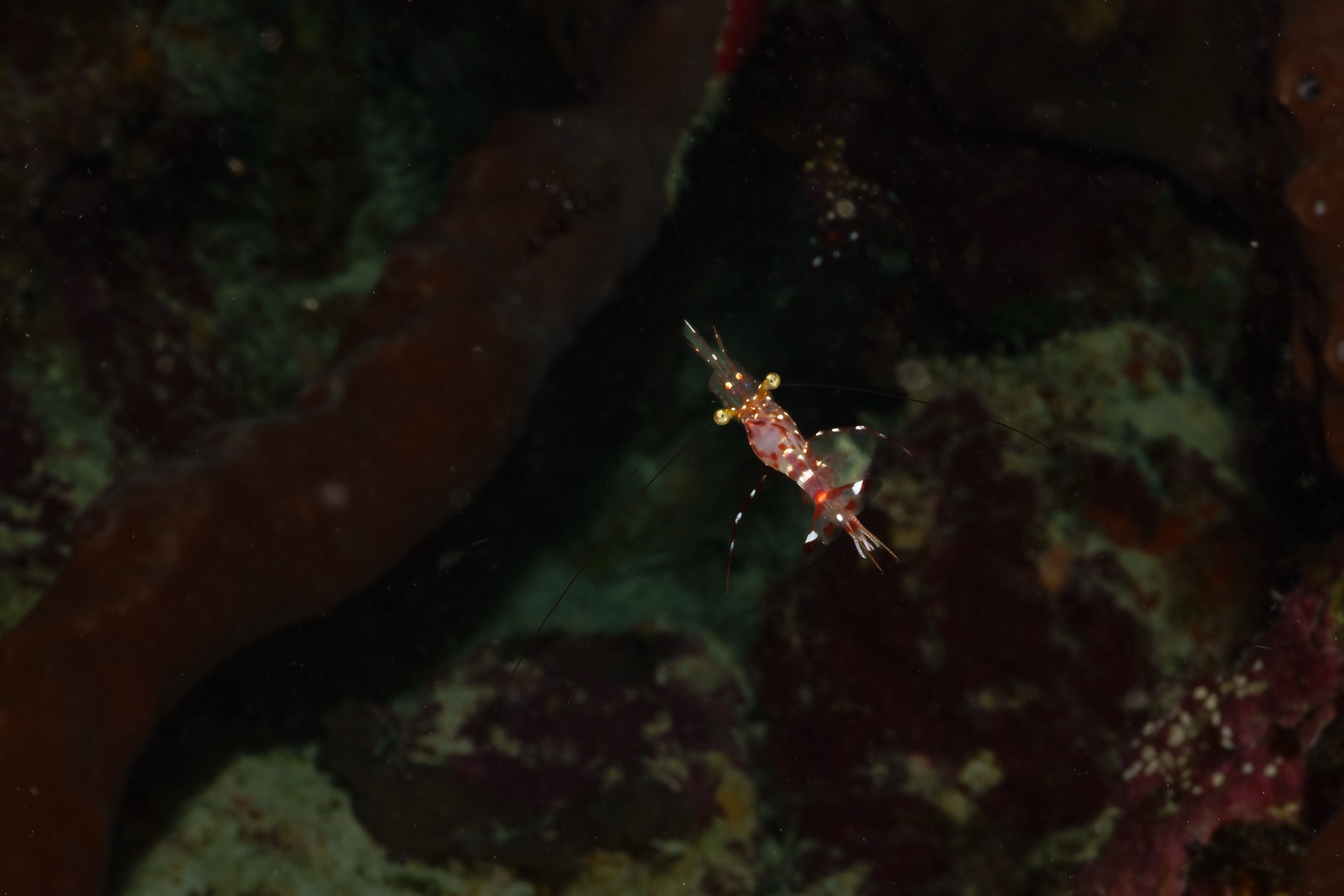
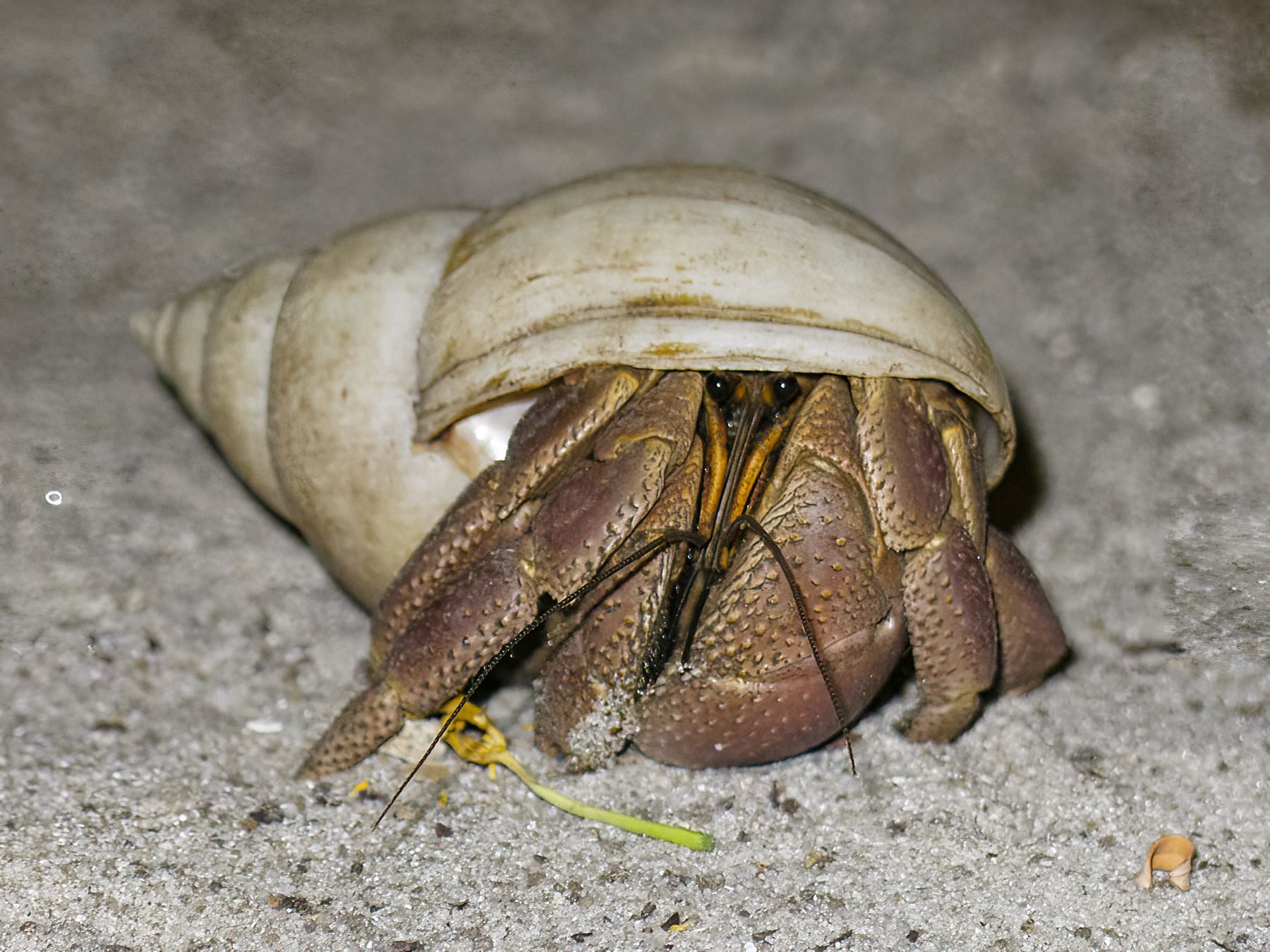
During dinner, we had an interesting visitor to our table.

Tanzania 2023 : Part 3 : Ngorongoro Crater

Post updated with some video links.

Part 1 here

Part 2 here

From Kigoma, it was another trip to Dar es Salaam for an overnight. The next morning we flew to Lake Manyara Airport, followed by a road transfer to The Highlands Lodge in Ngorongoro conservation area.

Along the way we got our first, breathtaking view of the Ngorongoro Crater.

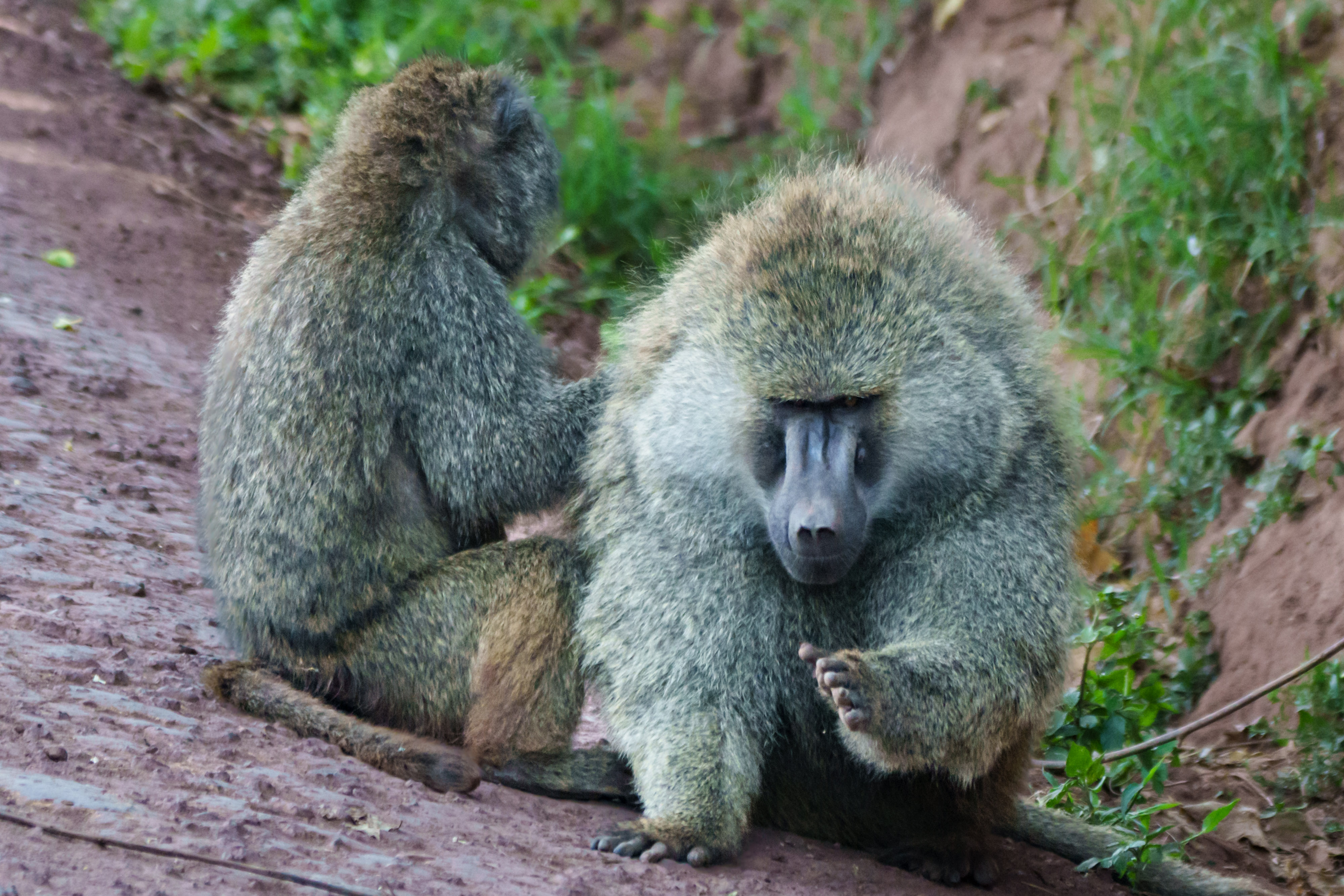
Driving along the crater edge, we saw some Olive baboons. We also stopped for lunch and a hike up to the edge of Olmoti Crater. Along the way to the lodge we drove past several Masai villages.

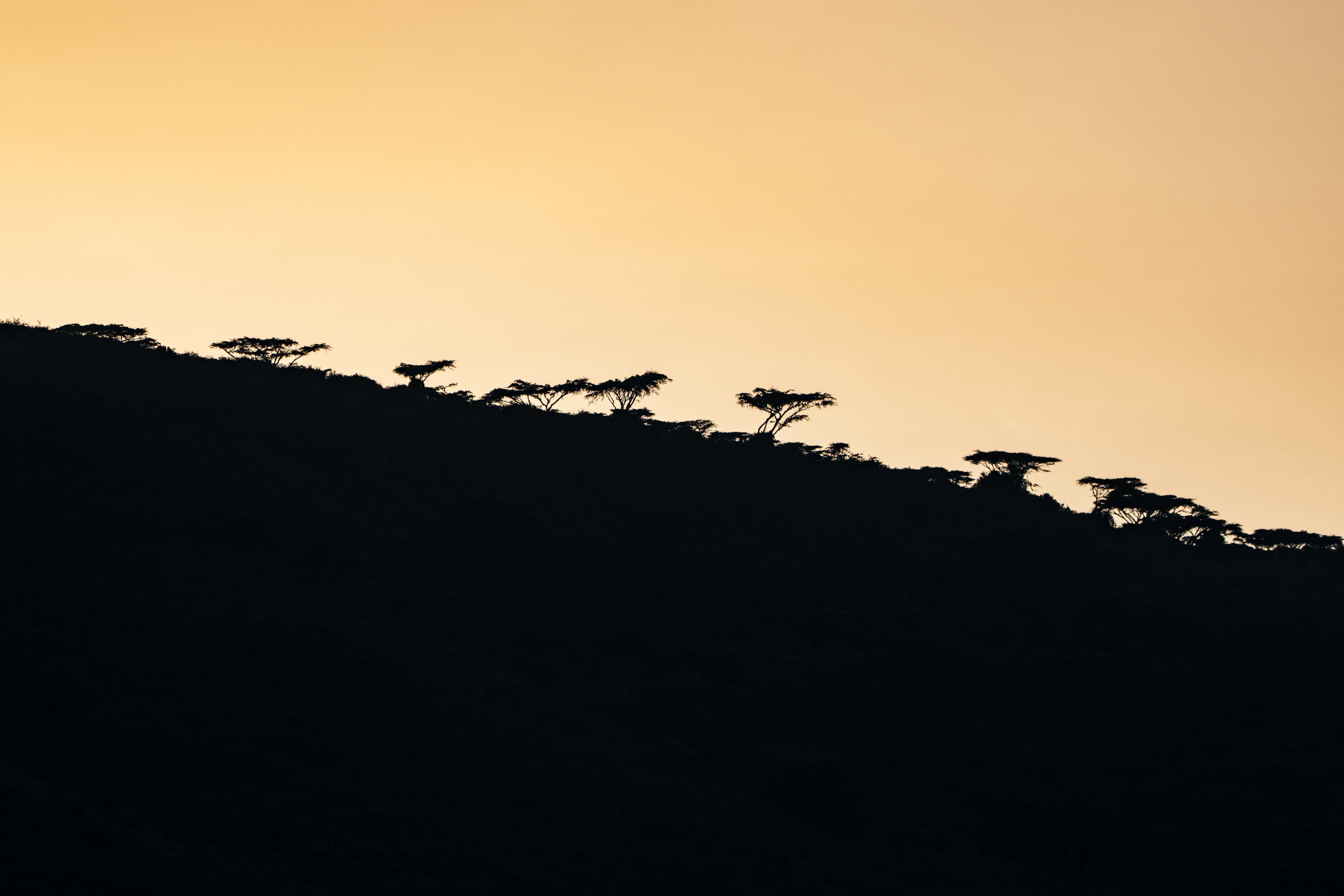
Since we only had one full day in the Ngorongoro area, due to flight schedule changes, we decided to make the most of it and spend the full day exploring the crater. Thus it was a 06:00 start, seeing the sunrise as we descend into the crater.

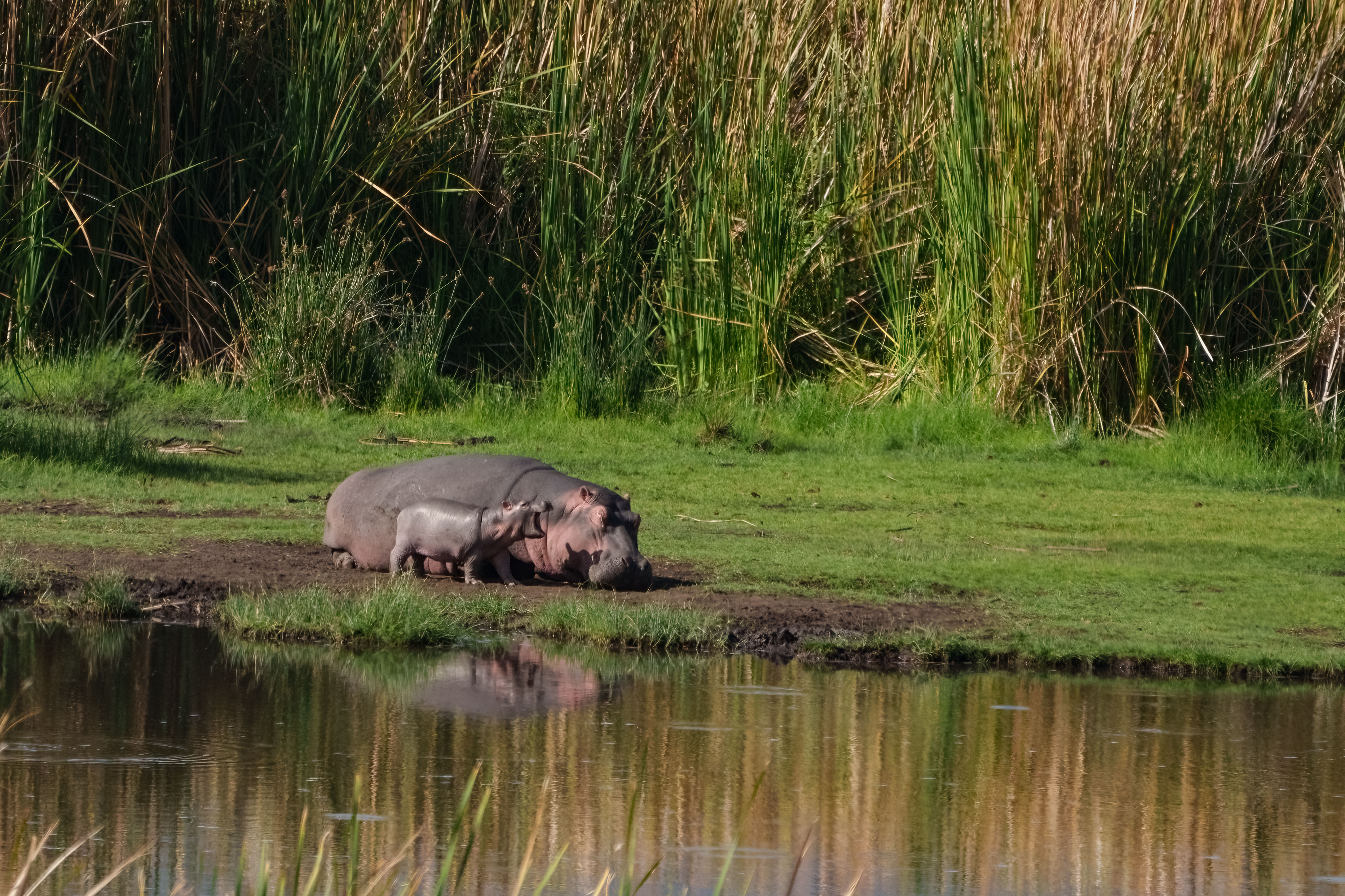
The number of animals in the crater is quite impressive. It is almost impossible to capture the sheer magnificence of the experience on photos.

Video by Liana Steenkamp

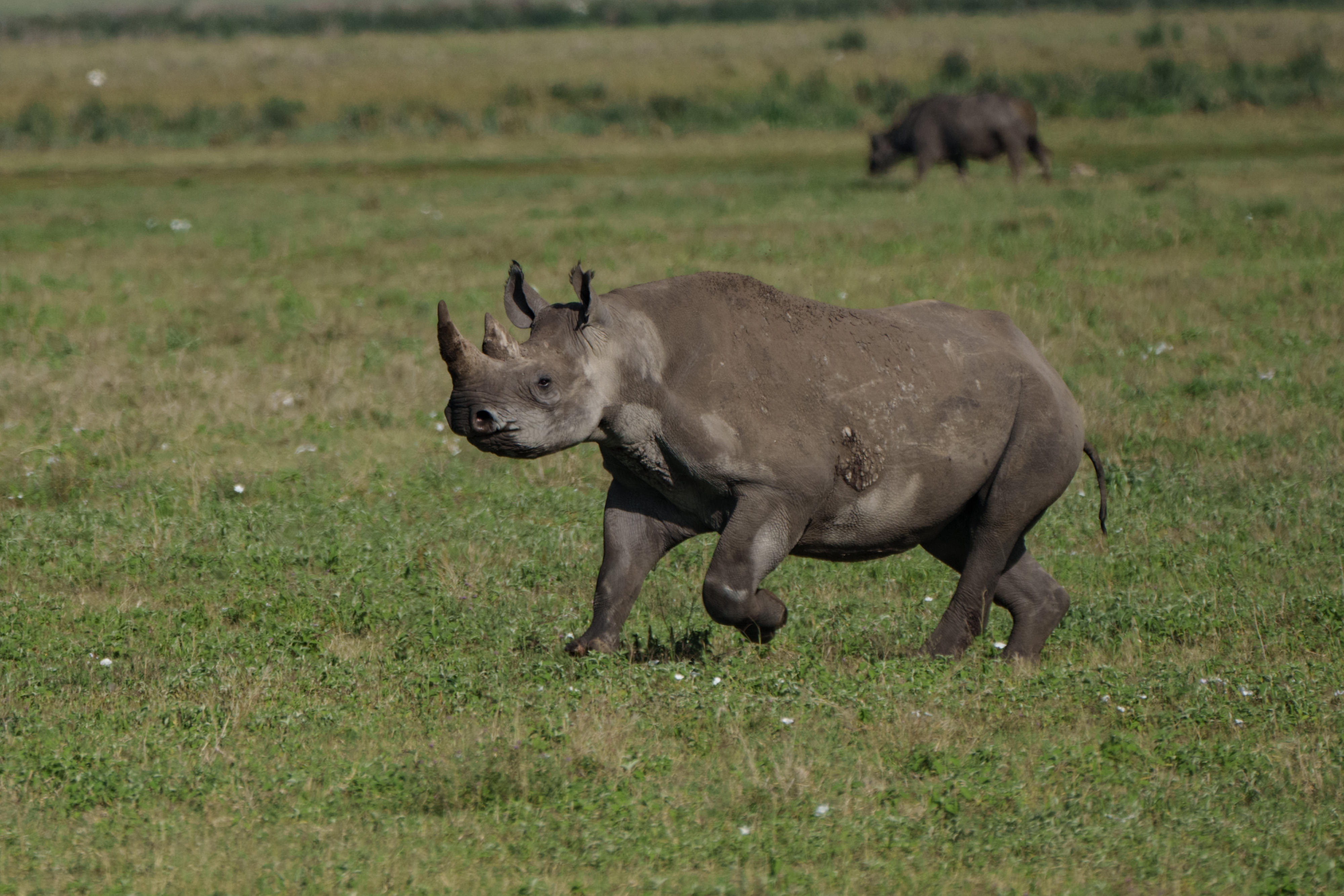
We were entertained by two rhino’s

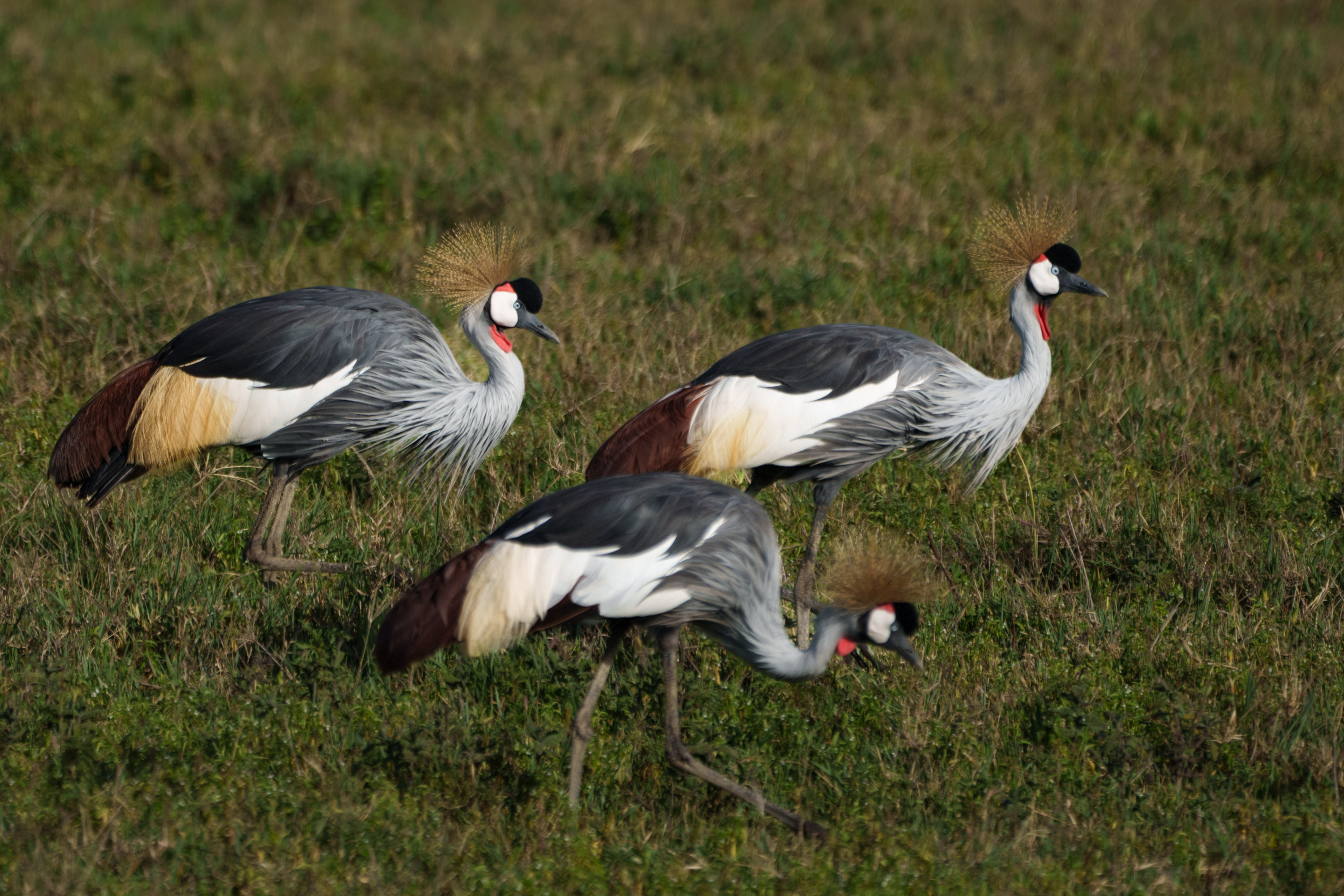
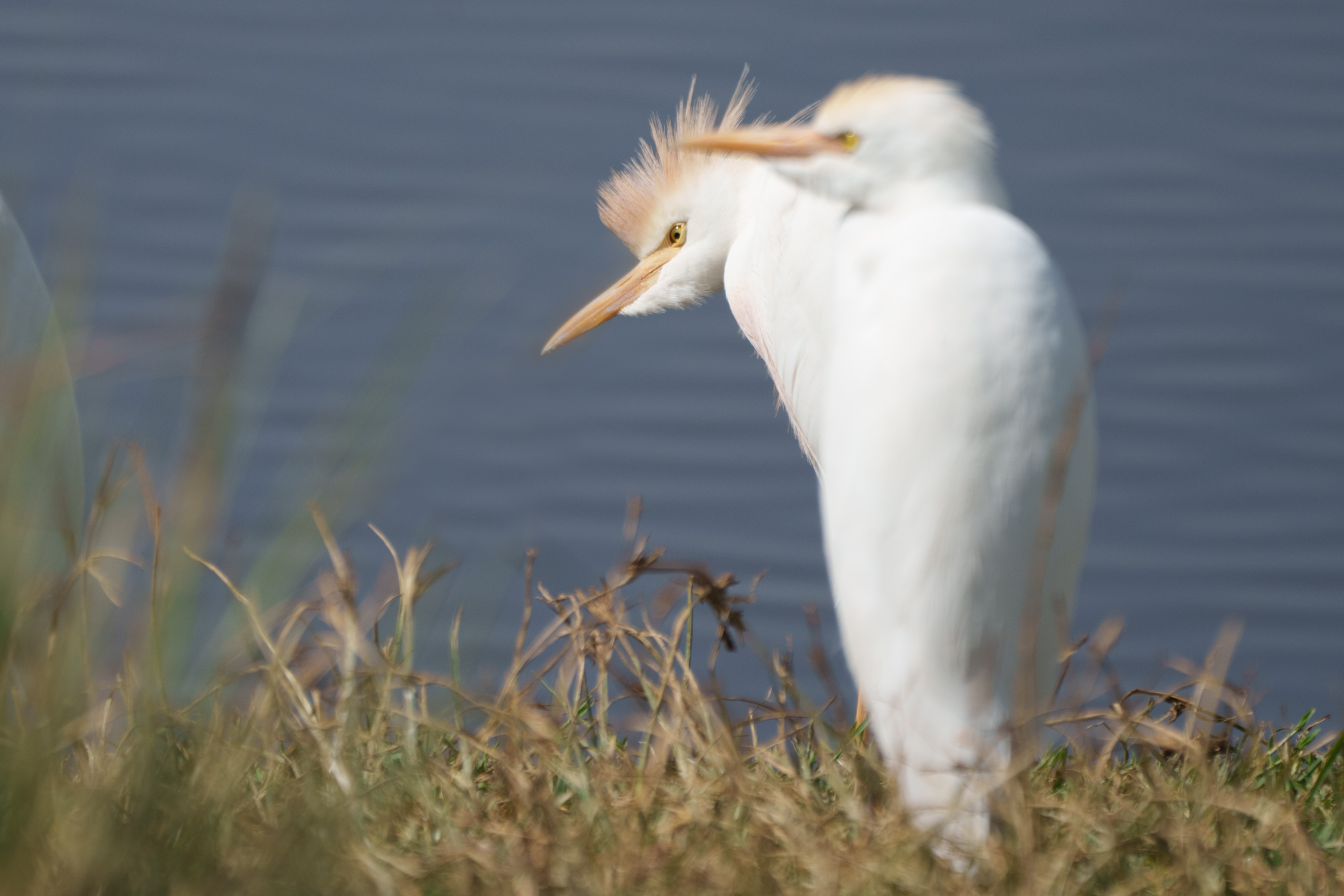
A rich birdlife is also to be seen in the crater. I was lucky to spot a malachite kingfisher while we were having breakfast. Later, during our lunch, a black kite tried its best to steal the food from our plates. Numerous egrets were to be seen all over.

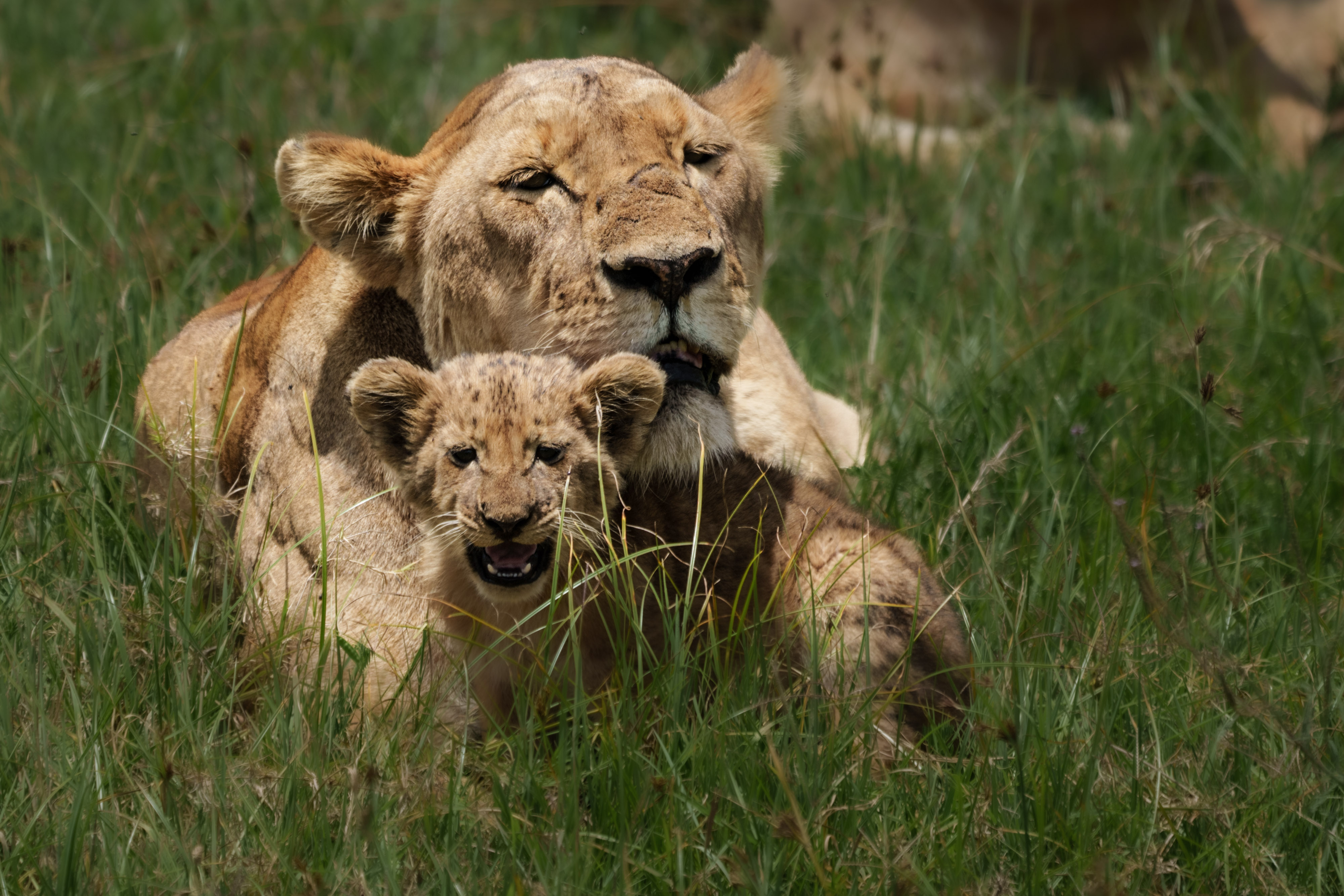
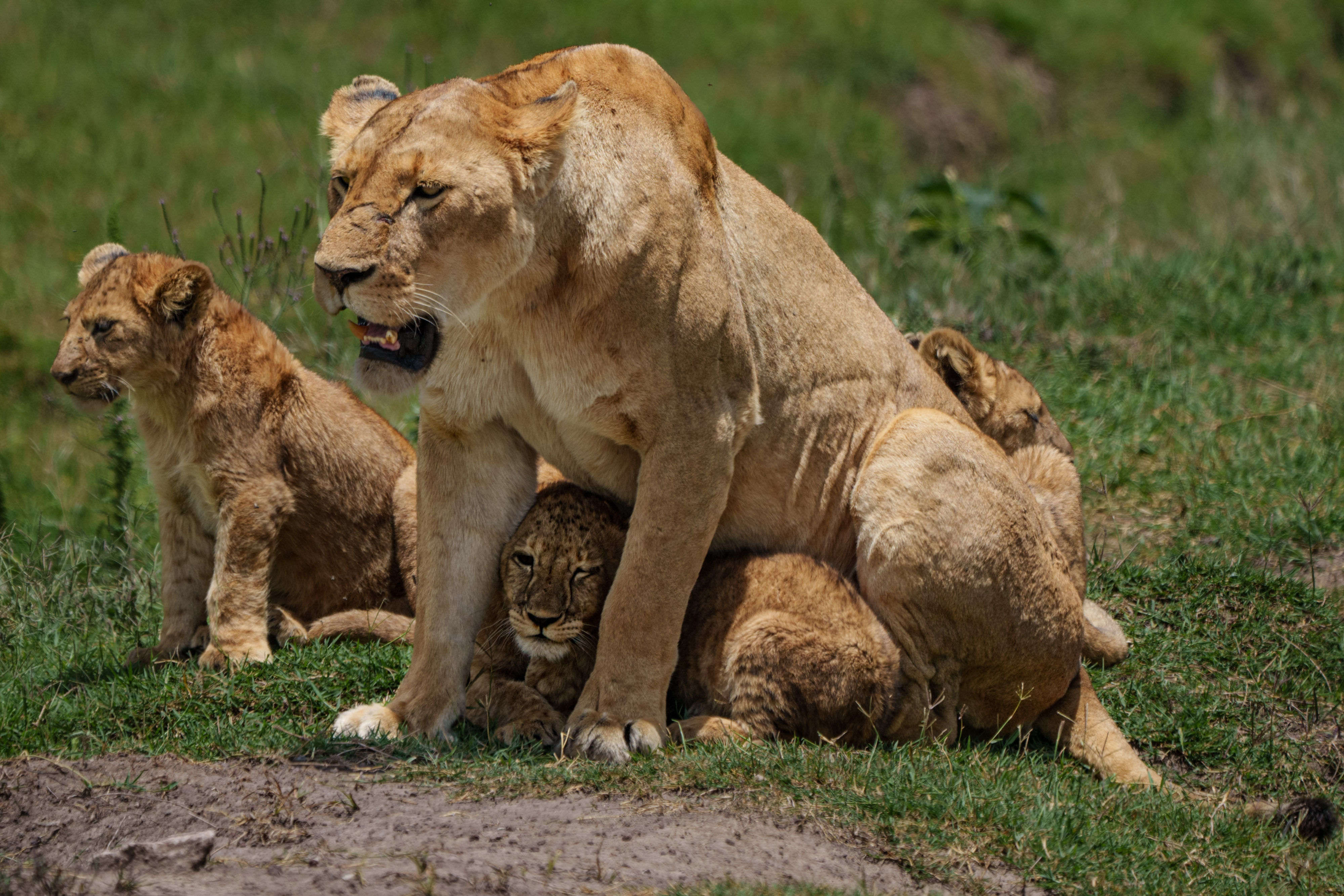
The lions also didn’t disappoint, although they were clearly suffering in the midday heat

Some video of the lion cubs, by Liana Steenkamp

On our way out we got to see a beautiful serval

The next morning it was off back to Dar es Salaam for a short stopover before a middle of the night flight back home. Takeoff from Lake Manyara airport is quite an interesting experience.

Final reflections: Tanzania is a beautiful and very welcoming country, the people friendly and always helpful. The organisational skills of the ground staff at the small airports is amazing.

Tanzania 2023 Part 2: Mahale Mountains National Park: Chimpanzee Trekking

Part 1 here

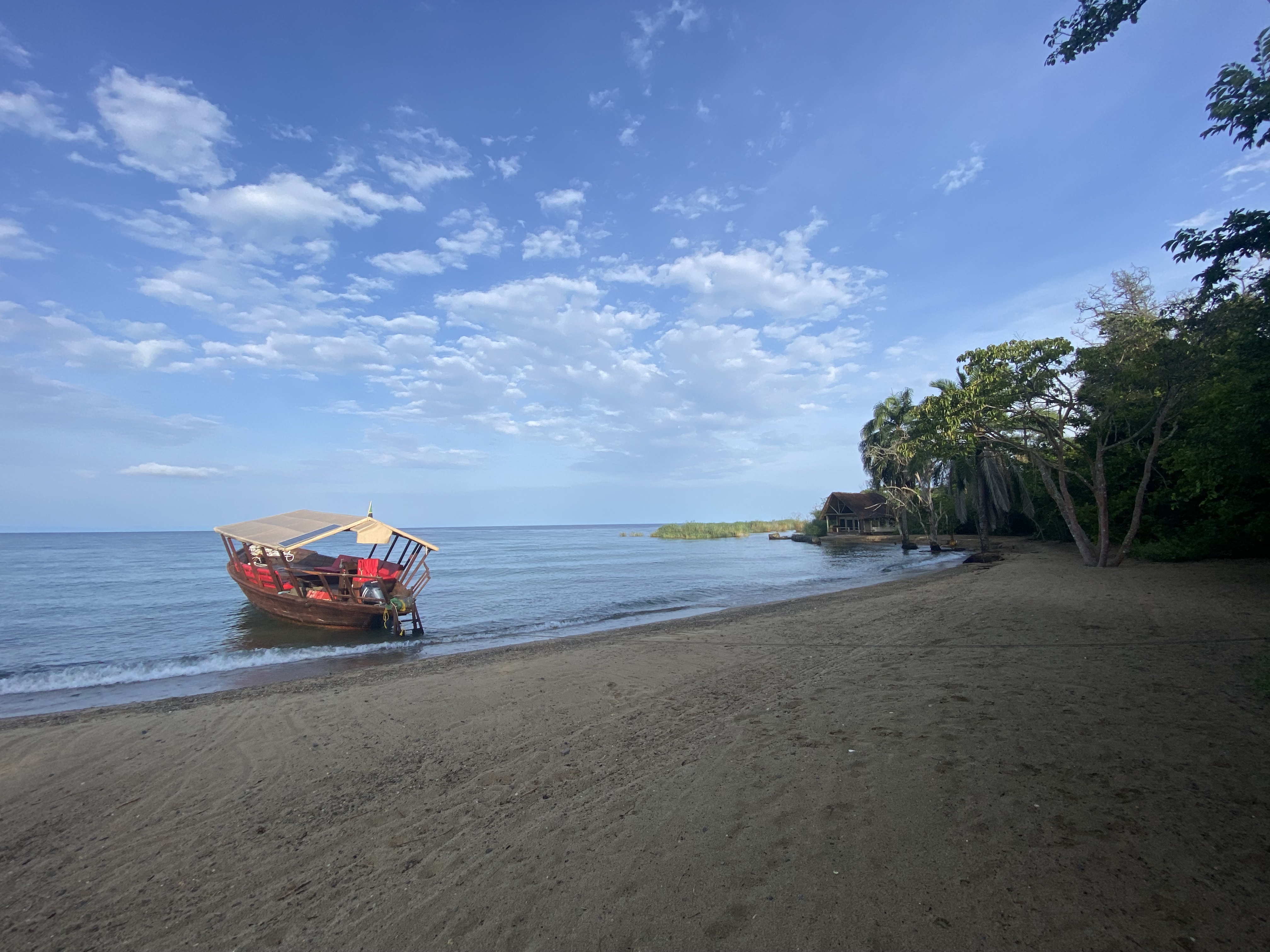
After departing Pemba, we had to spend a day in Dar es Salaam, waiting for a flight to Kigoma. From Kigoma it was a 5 hour road trip over pretty bad roads, including a ferry crossing, to get to Mahale Mountains National Park. Once in the park, an hour boat trip on Lake Tanganyika took us to Mbali Mbali Mahale lodge, a truly magical place.

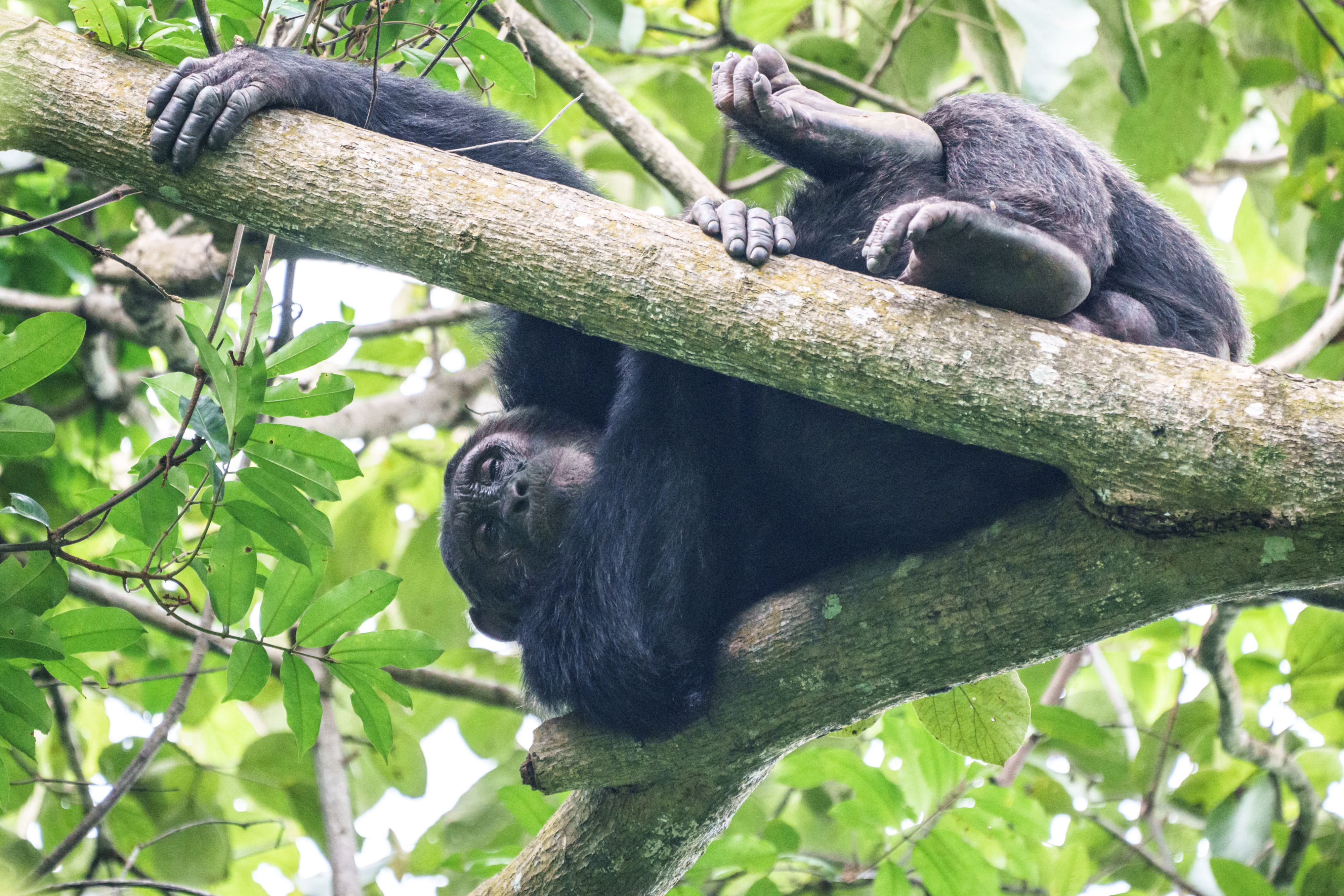
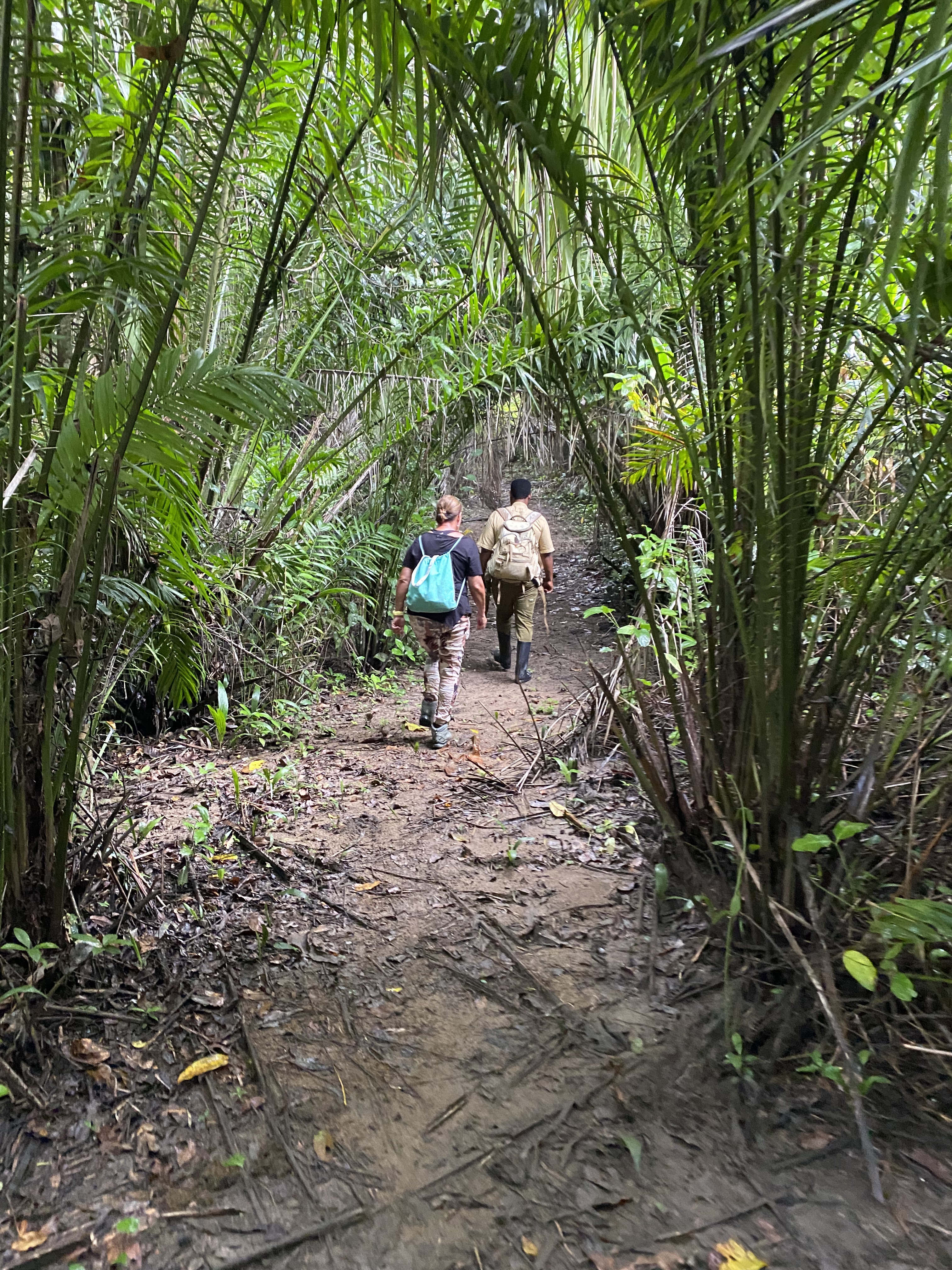
After breakfast the next morning, we went chimpanzee trekking with our guide, Sixtus. Hiking in the forest was and interesting experience. The terrain was not too difficult, but the heat and humidity soon got to us. After an hour we were completely drenched, my clothes looking as if I had been swimming with them. Eventually, after about two hours, we found two large male chimpanzees resting in a tree. Sixtus ensured us that we just had to wait a while and they would come down. An hour later, still waiting, I started to question whether he knew what he was talking about, but not too long after that he was proven right. We were thoroughly entertained by Christmas and Teddy.

Photographing the chimpanzees proved to be quite a challenge due to the light conditions in the forest, with spots of very bright sunlight and areas of deep shadow.

The planned afternoon boat cruise on the lake got cancelled due to a thunderstorm which came through and we were told that the lodge would be closing for the rainy season within the next few days. Being exhausted from the morning hike, we did not really mind and spent the afternoon lazing about.

Next morning we went chimpanzee trekking again.

We soon found a large group, including several youngsters who were quite playful, but then had to follow them as they crossed through dense forest from one trail to the next. Once there, we could sit down and enjoy their antics, spending nearly an hour with them.

Video by Liana: sound on for full appreciation

Once again, that afternoon, a thunderstorm came through, leading to cancellation of the boat cruise on the lake. Fortunately the boat transfers to and from the lodge gave us a decent experience of the world’s longest and second largest (by volume) lake.

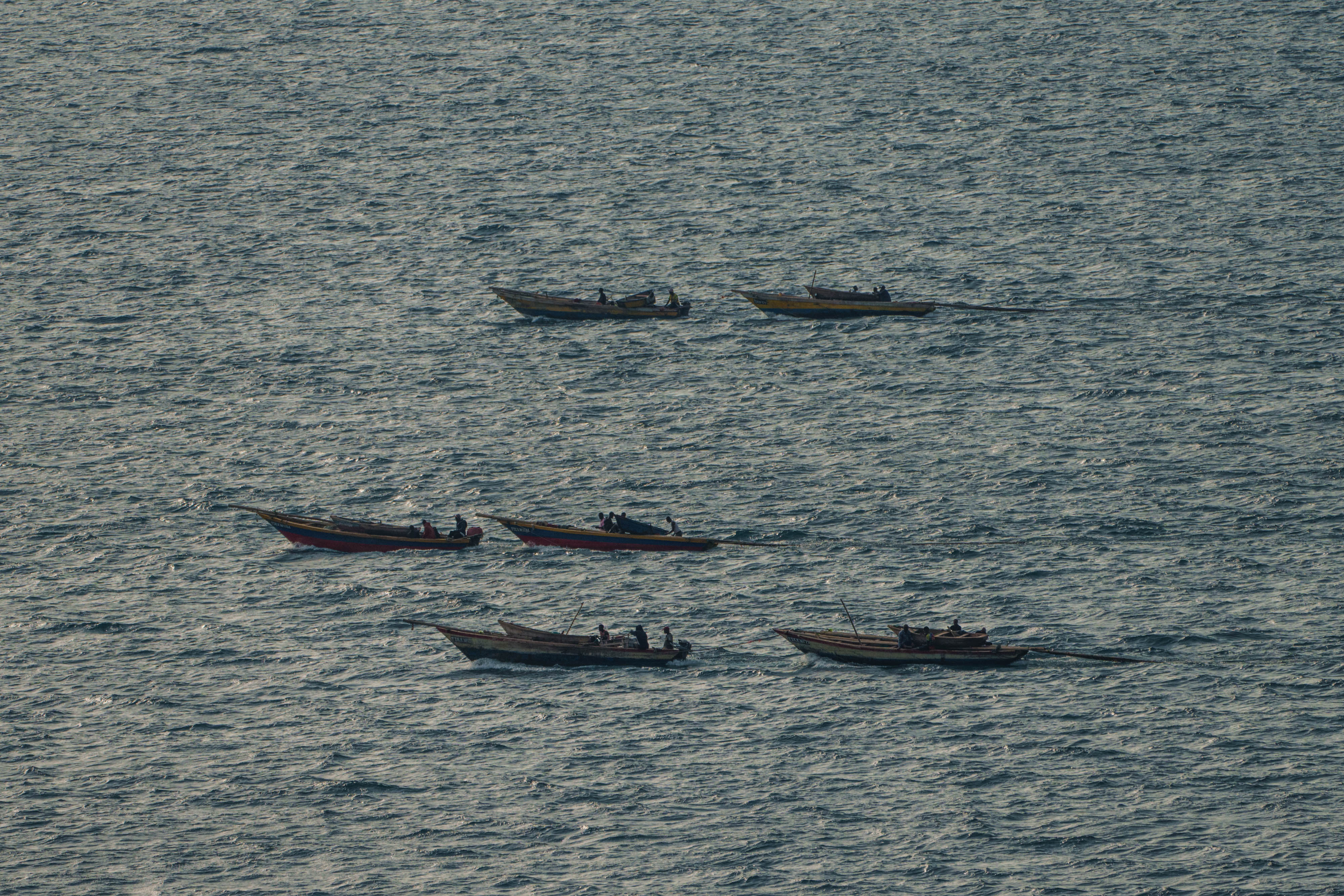
Another 5 hour road trip saw us back in Kigoma the next afternoon. From our hotel we saw the fishing boats going out on the lake for the night. The next morning, while having breakfast, we watched them returning, before going to visit the Livingstone museum in Kigoma.

Tanzania 2023: Part 1: Pemba Island Diving

At last the long anticipated family tropical island holiday arrived. Despite relatively short distances and flight times involved, travel to Zanzibar and Pemba Island from South Africa has become a bit of a challenge. We left home Friday 10 February at around 10:30 and finally arrived at The Aiyana on Pemba Island around 14:00 on Saturday, having had a long layover in Johannesburg, arriving in Dar es Salaam at around 02:00 with about 3 hours sleep in Dar es Salaam Serena Hotel. From Dar es Salaam to Pemba we flew in a Cessna Grand Caravan, a plane which we would eventually spend a lot of time in over the course of the Tanzania trip.

Sunday morning saw us ready to go diving with Afro Divers. After a light breakfast of fruit, croissants and coffee, we were picked up from The Aiyana at 08:00 and transported to the dive centre, where we were welcomed by Michael and his crew and kitted out. A short boat trip got us to our first dive site and for some of the family members who don’t scuba, to a lovely site for snorkelling. The diving off Pemba Island is truly magnificent: warm water, unspoilt coral reefs, easy entry with gradual descents along the walls. This is about as relaxing as diving can get.

More diving was to follow for the next few days.

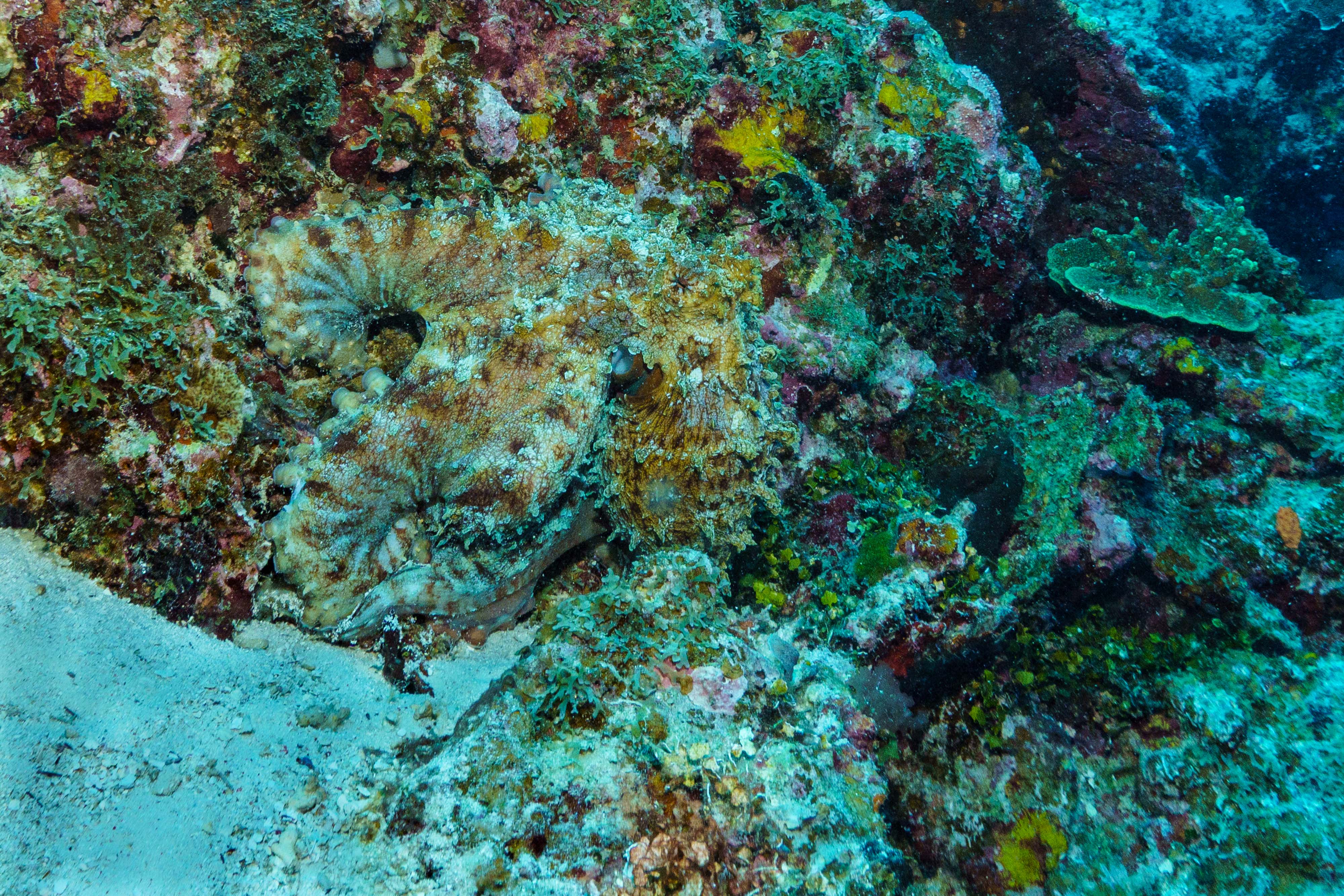
The octopuses and their ability to camouflage themselves by rapidly changing their appearance according to the surroundings never cease to amaze me.

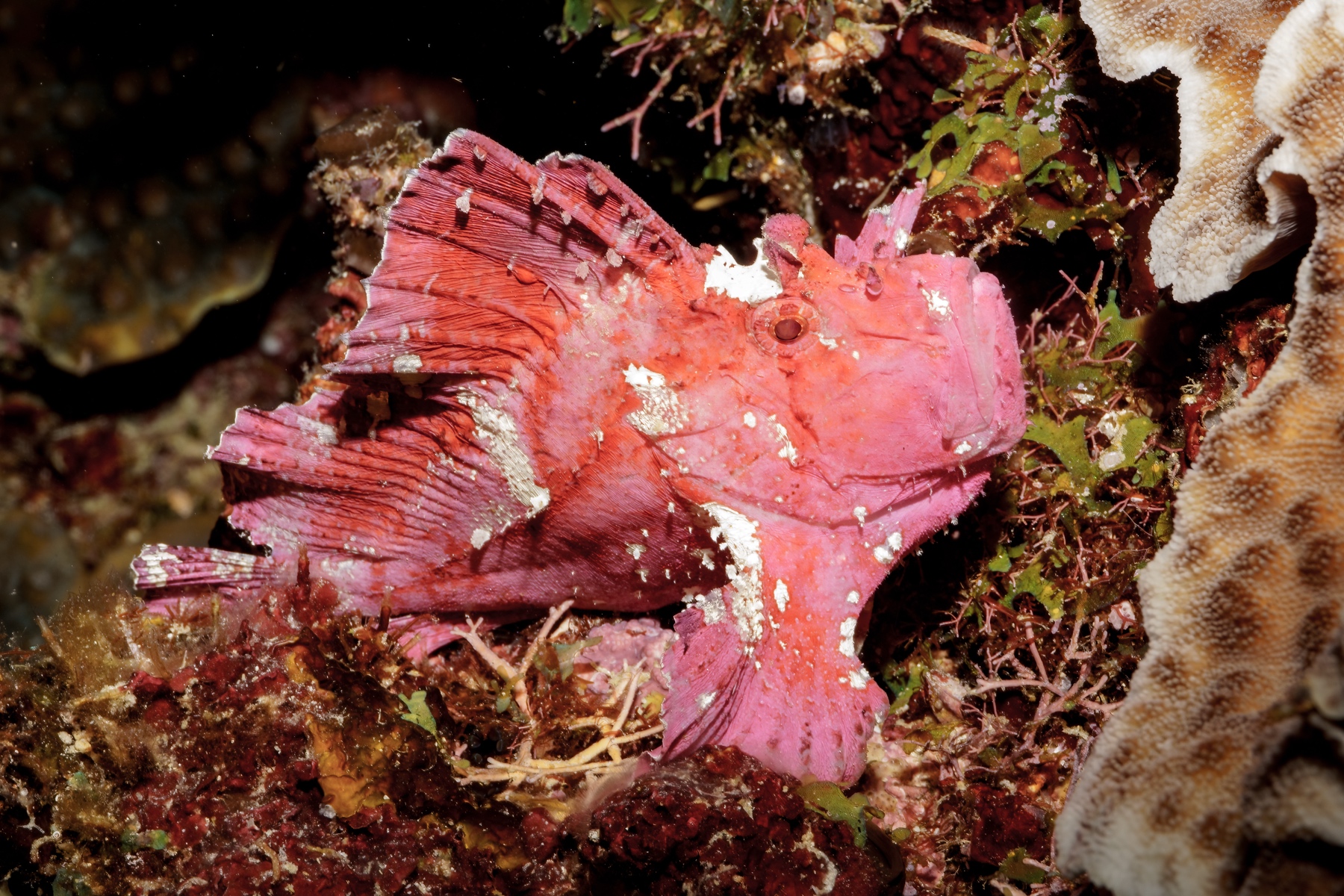
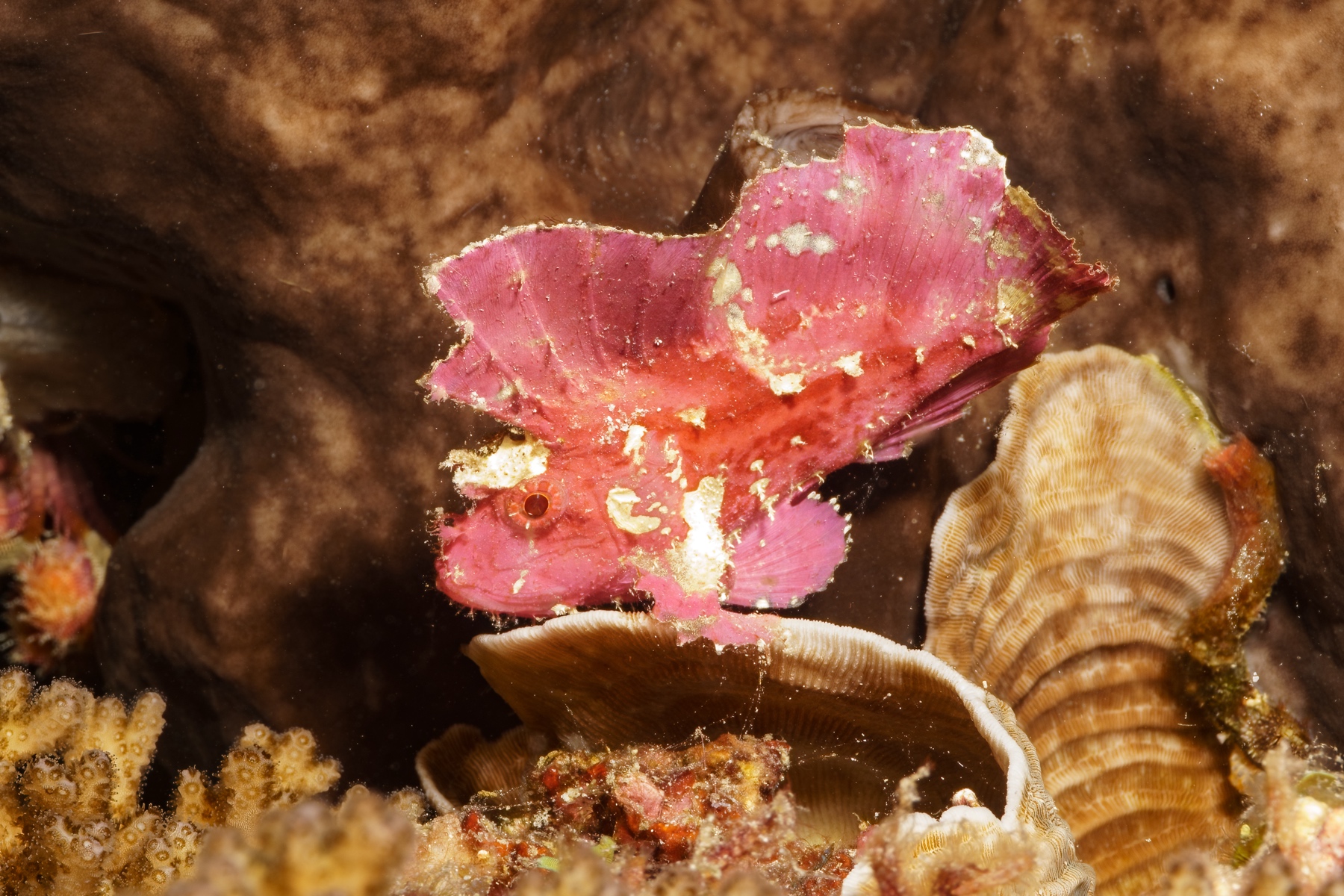
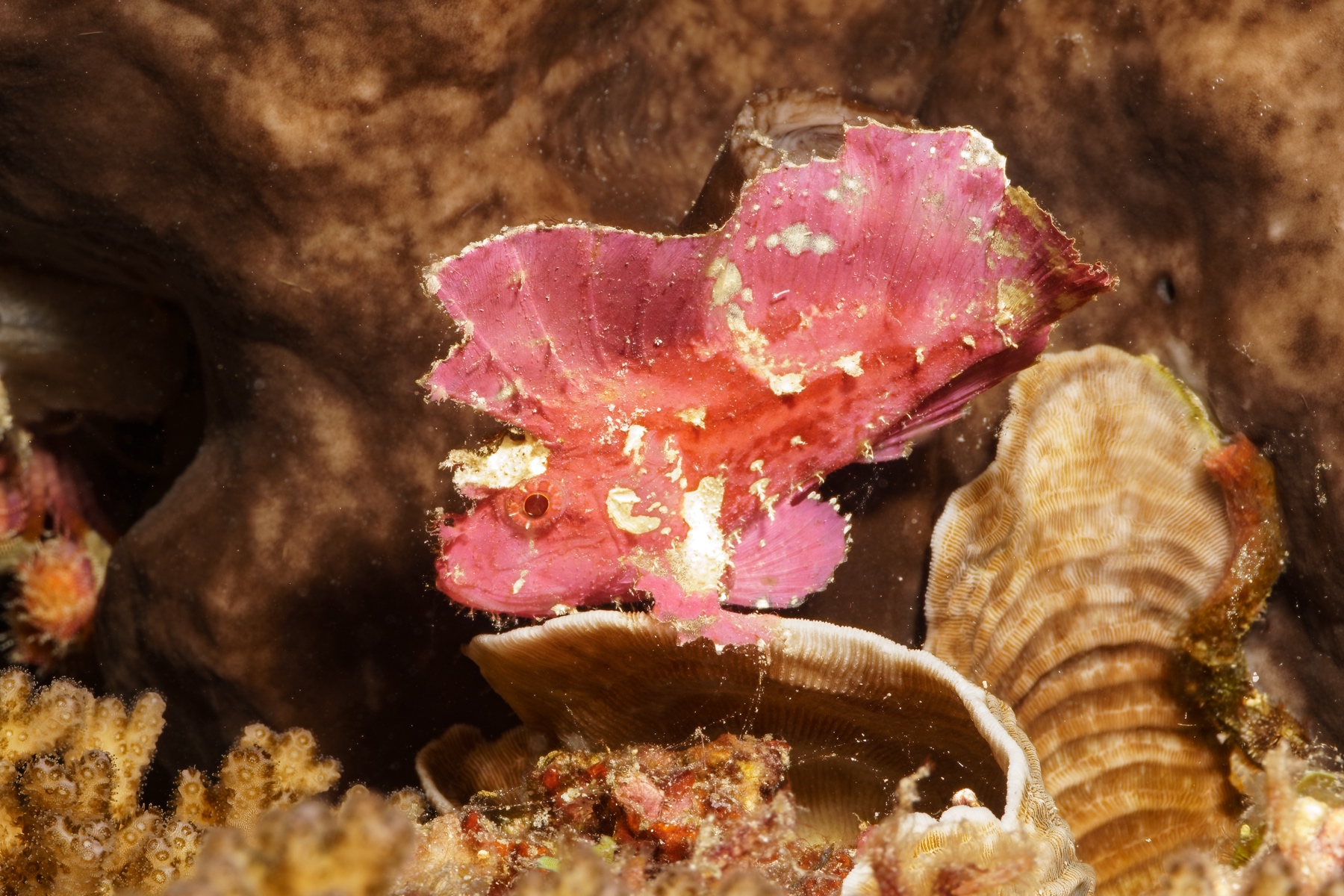
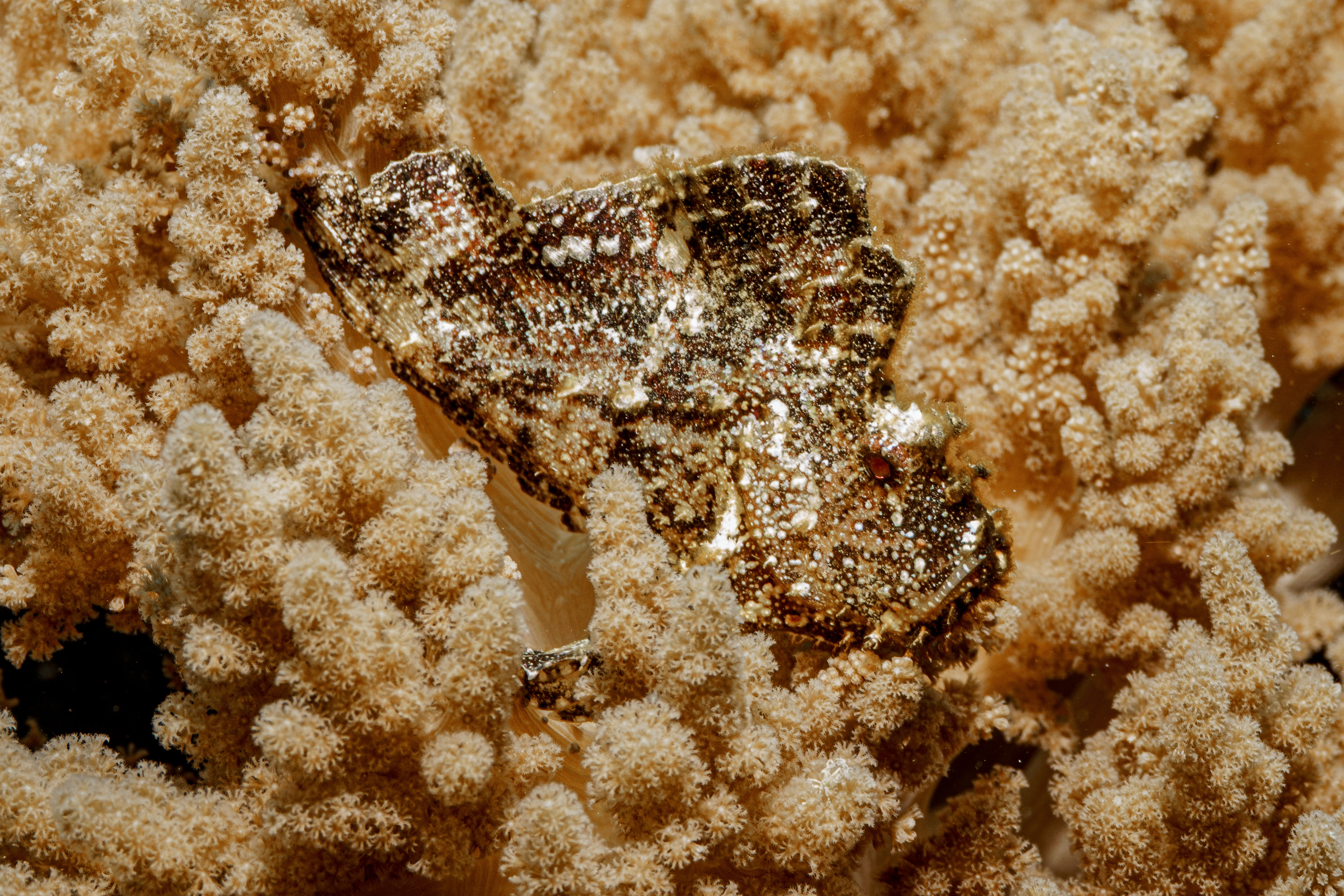
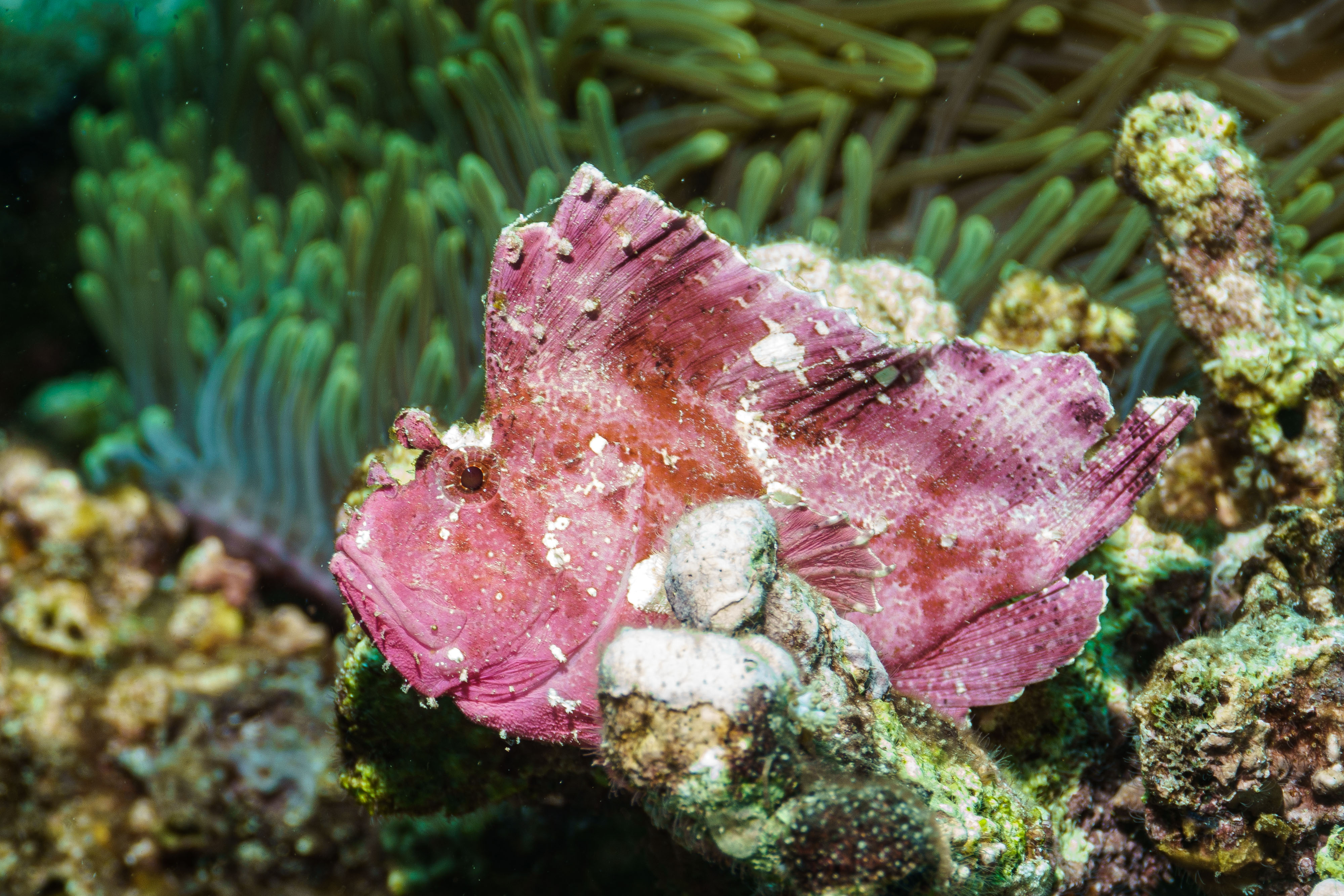
Equally well camouflaged amongst the corals are the leaf scorpionfish.

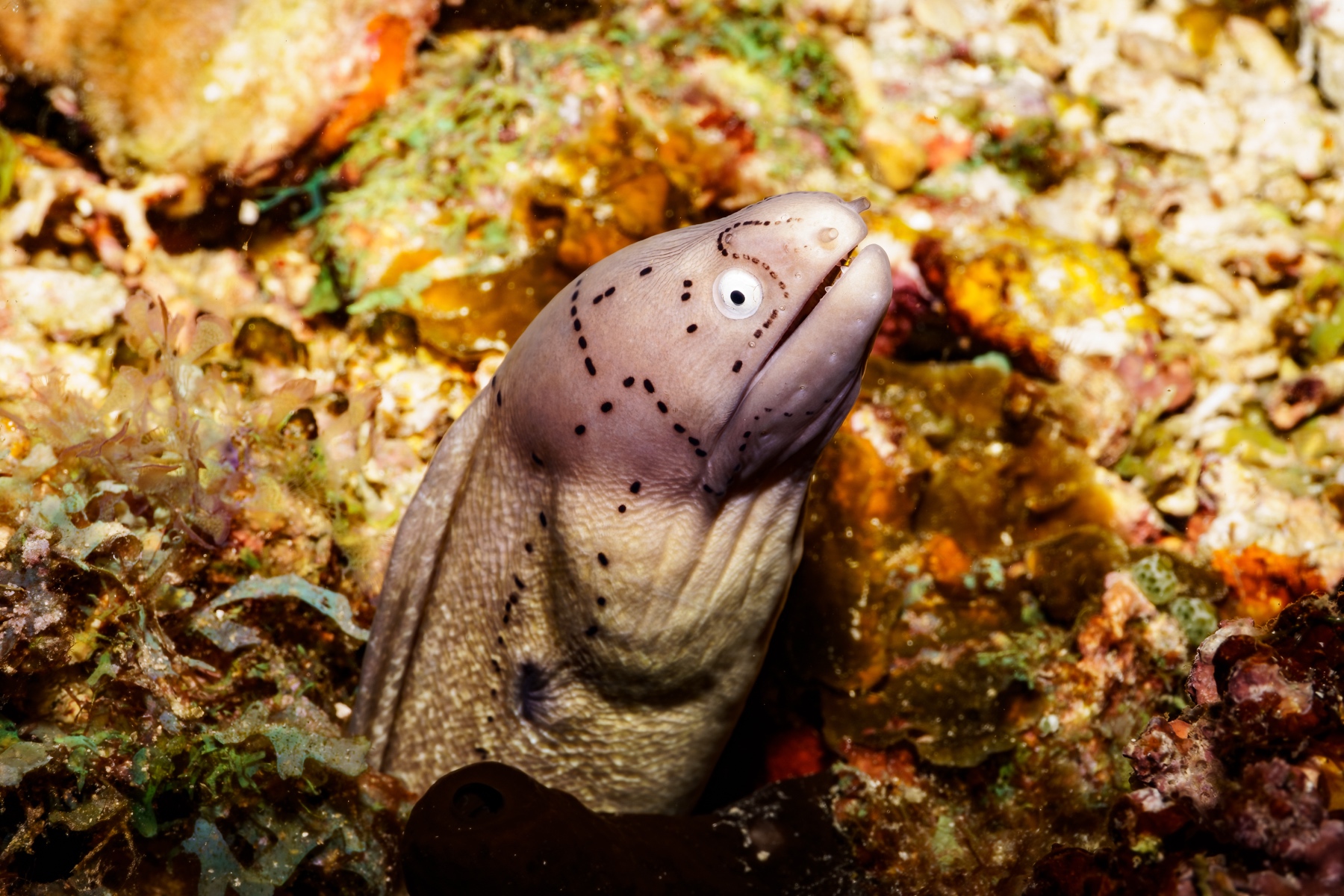
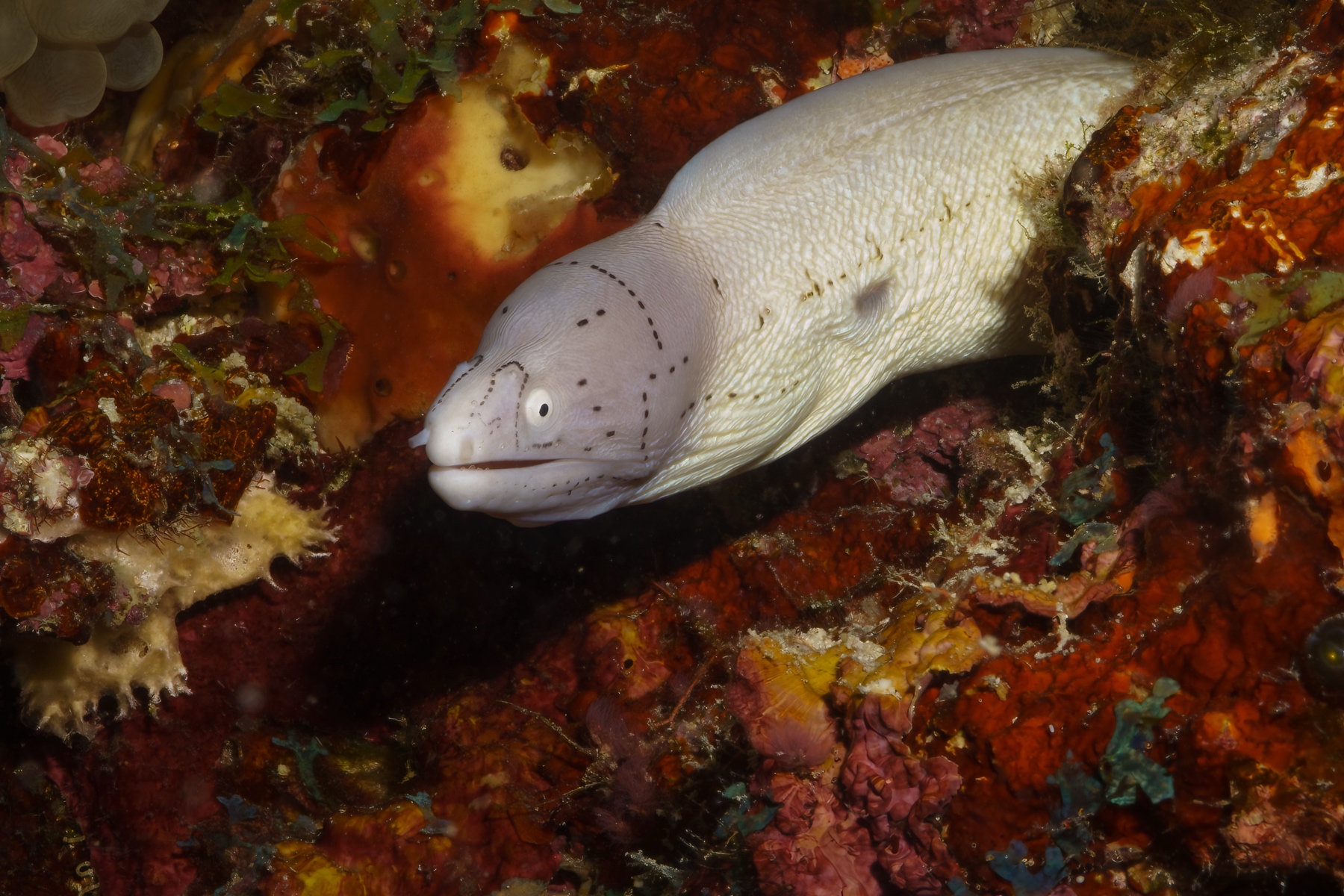
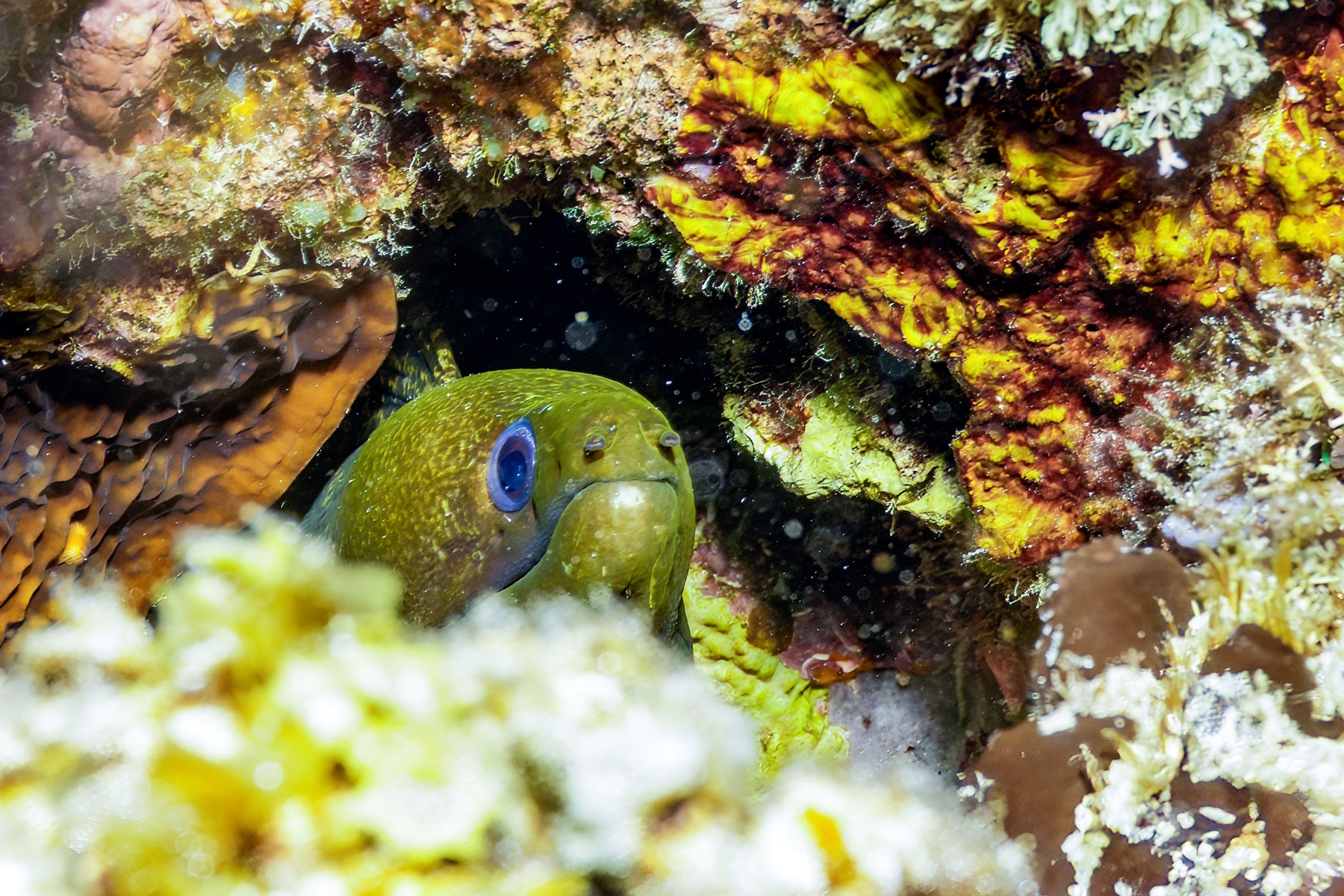
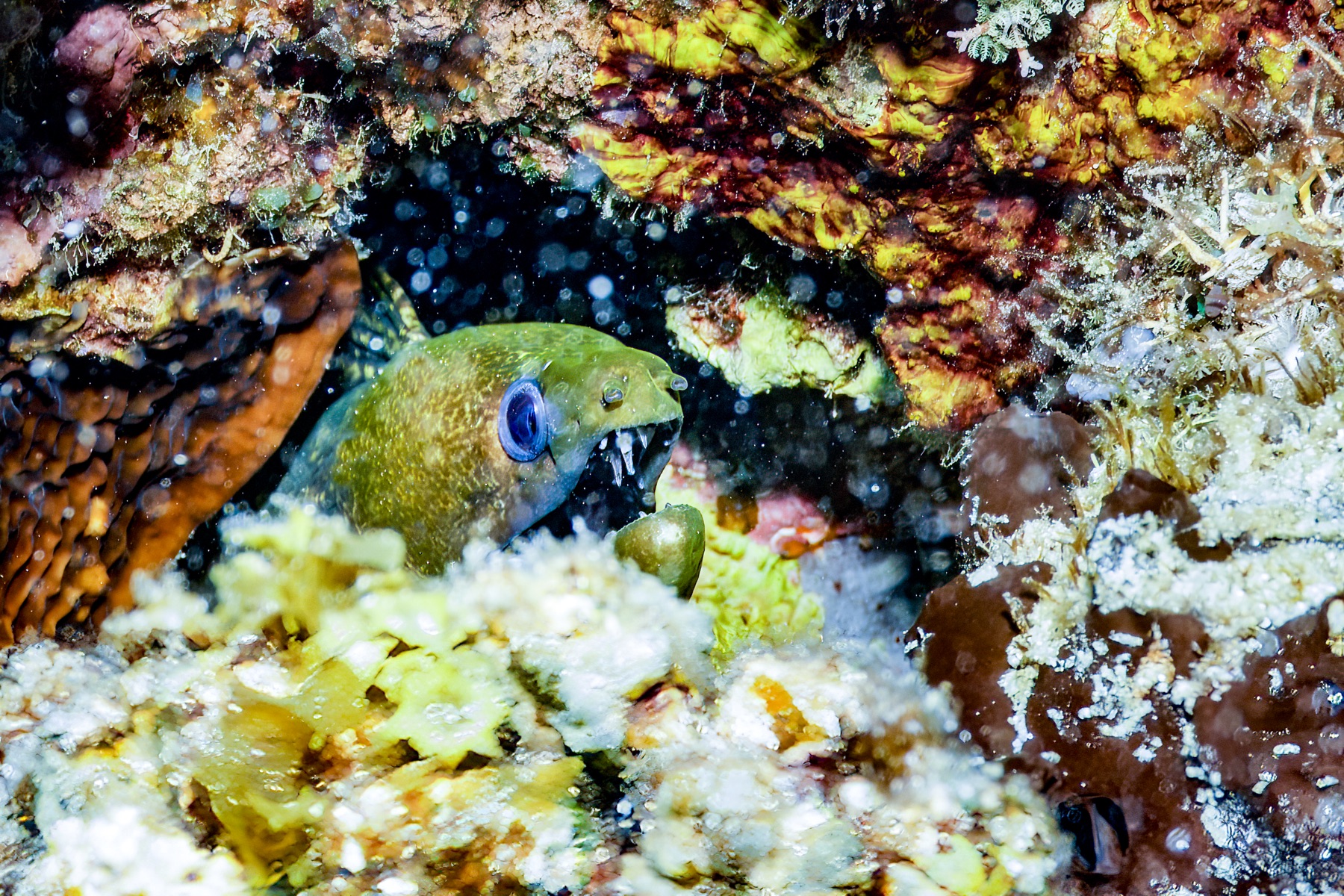
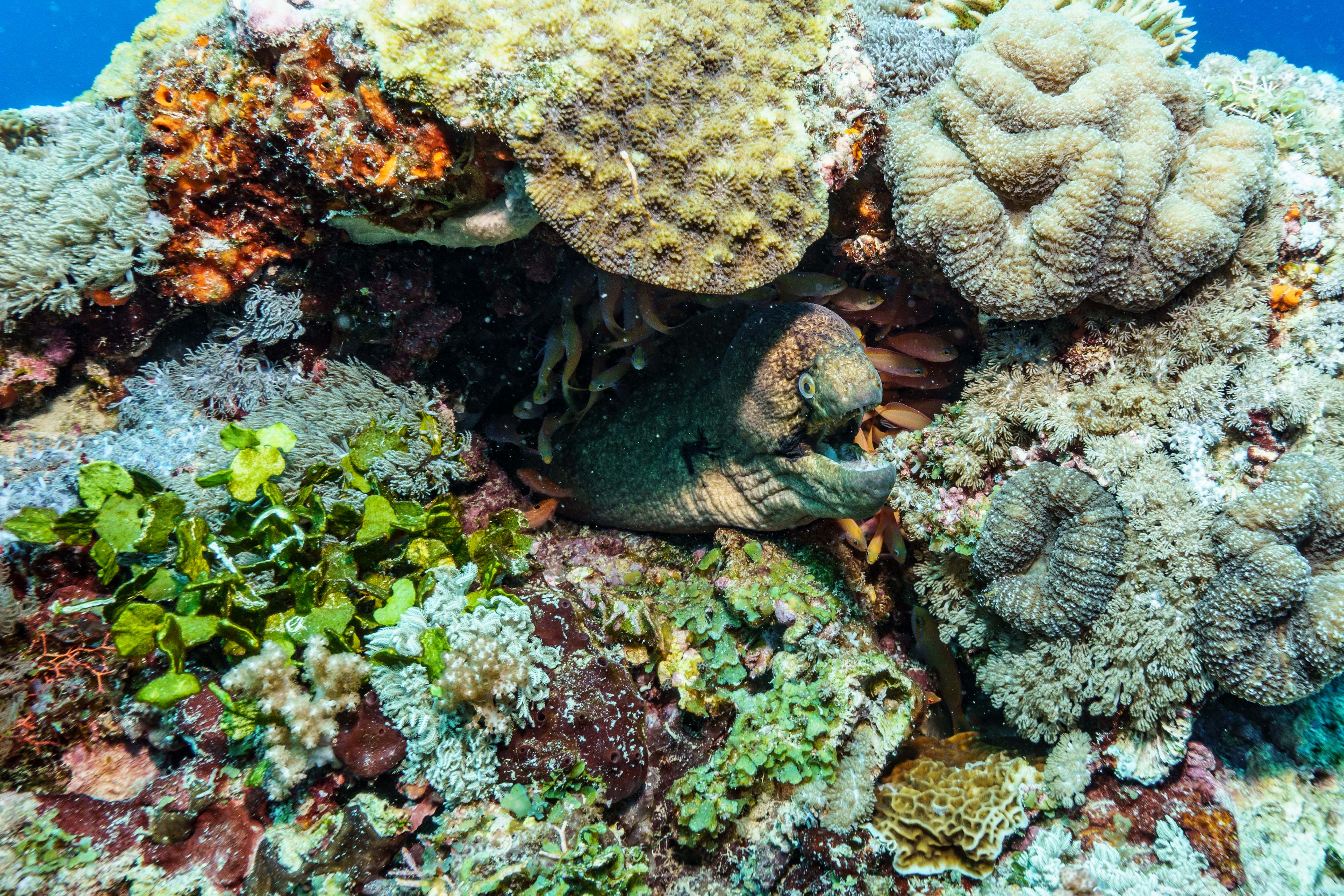
Some beautiful moray eels also poked their heads out.

We took a day off from diving to explore some other attractions on Pemba Island. A visit to the mangroves was followed by lunch in a small local restaurant in Makangale town and an afternoon boat ride to the sandbank north of the island. These were all organised by Sija of Pemba Tours

Finally some more diving to end off the first part of our trip.

Part 2 : Mahale Mountains National Park : Chimpanzee trekking here

Part 3 : Ngorongoro Crater here