Road tripping: Cederberg, Richtersveld & West Coast : Part 4

Links here to Part 1 , Part 2 and Part 3 or our trip.

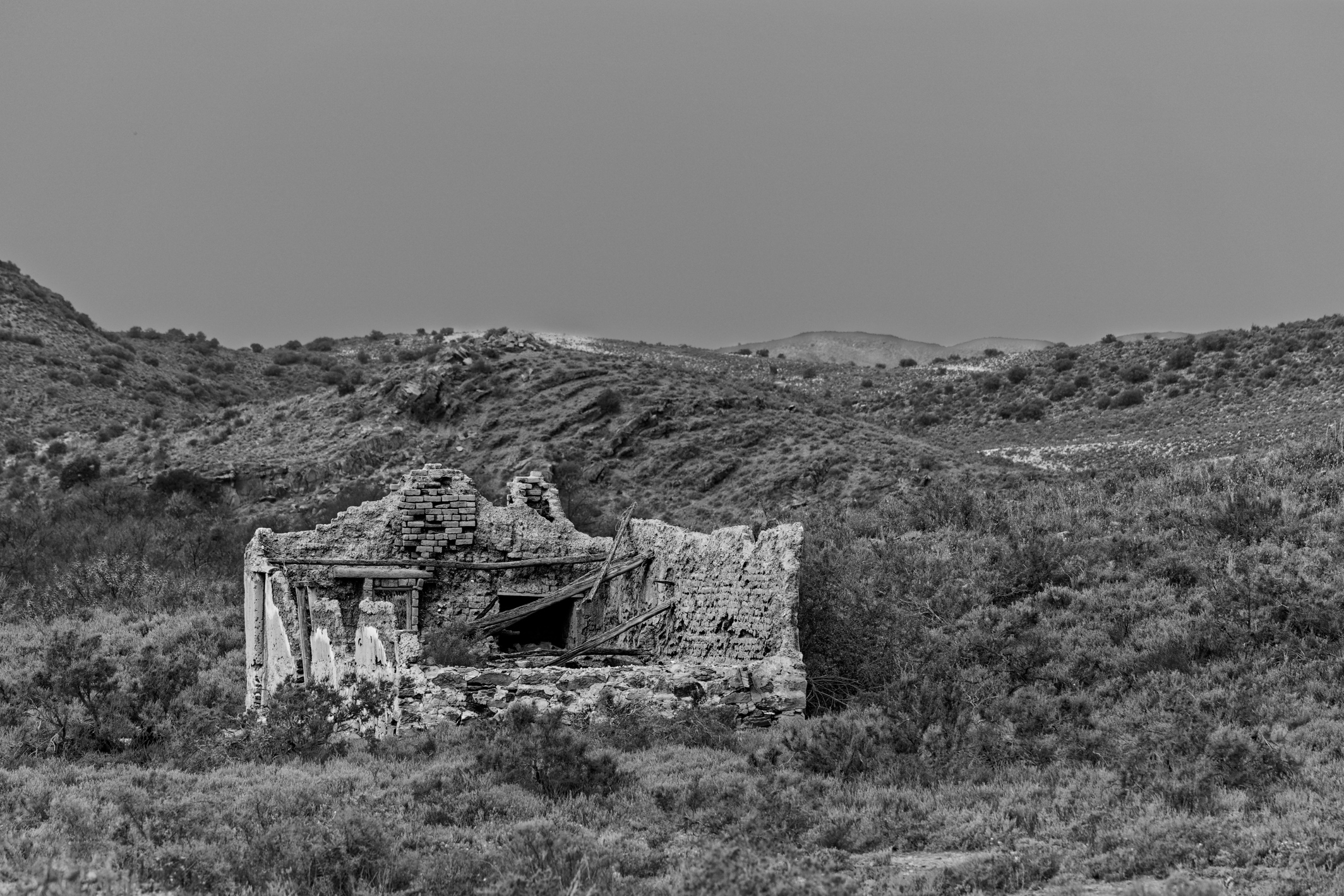
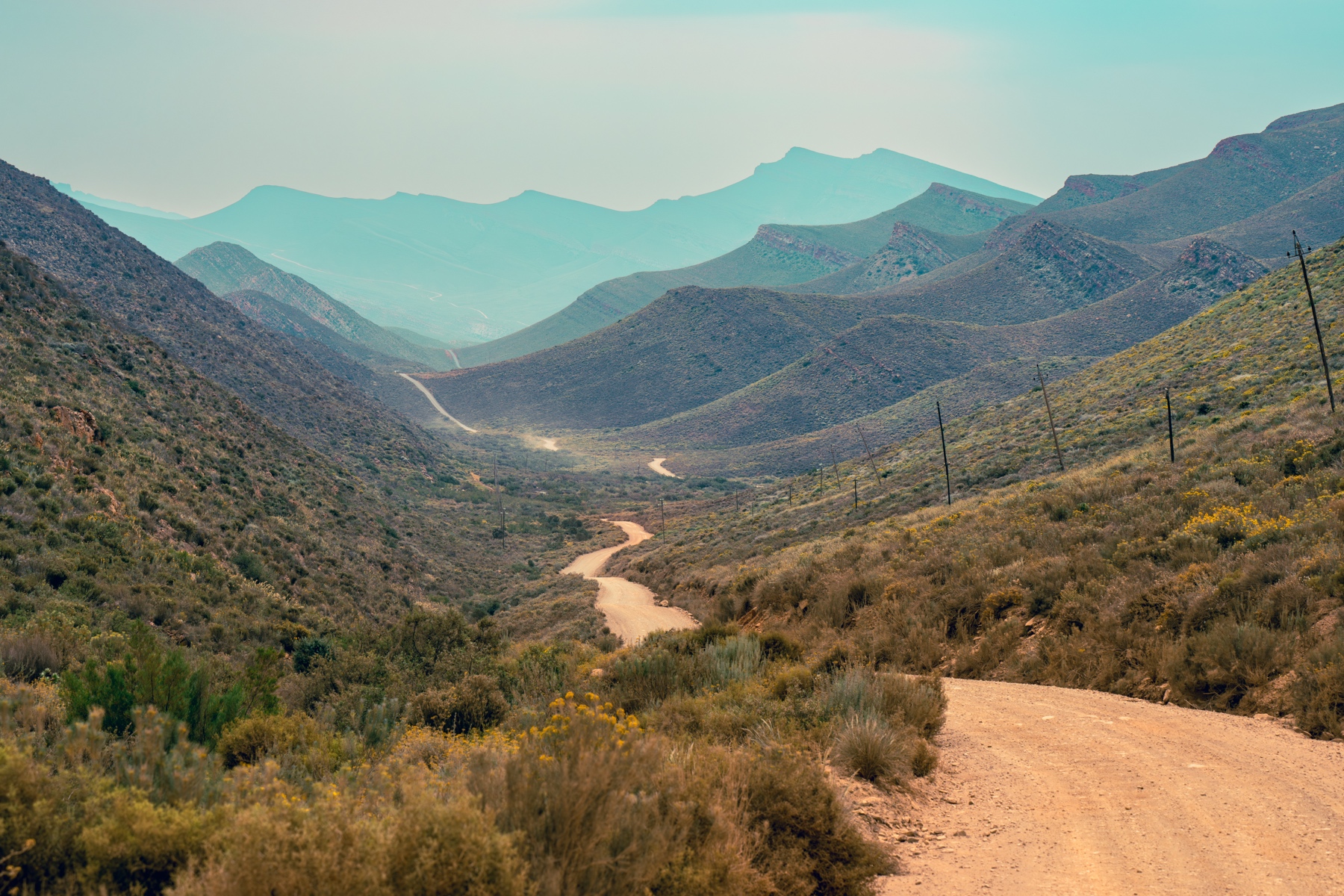
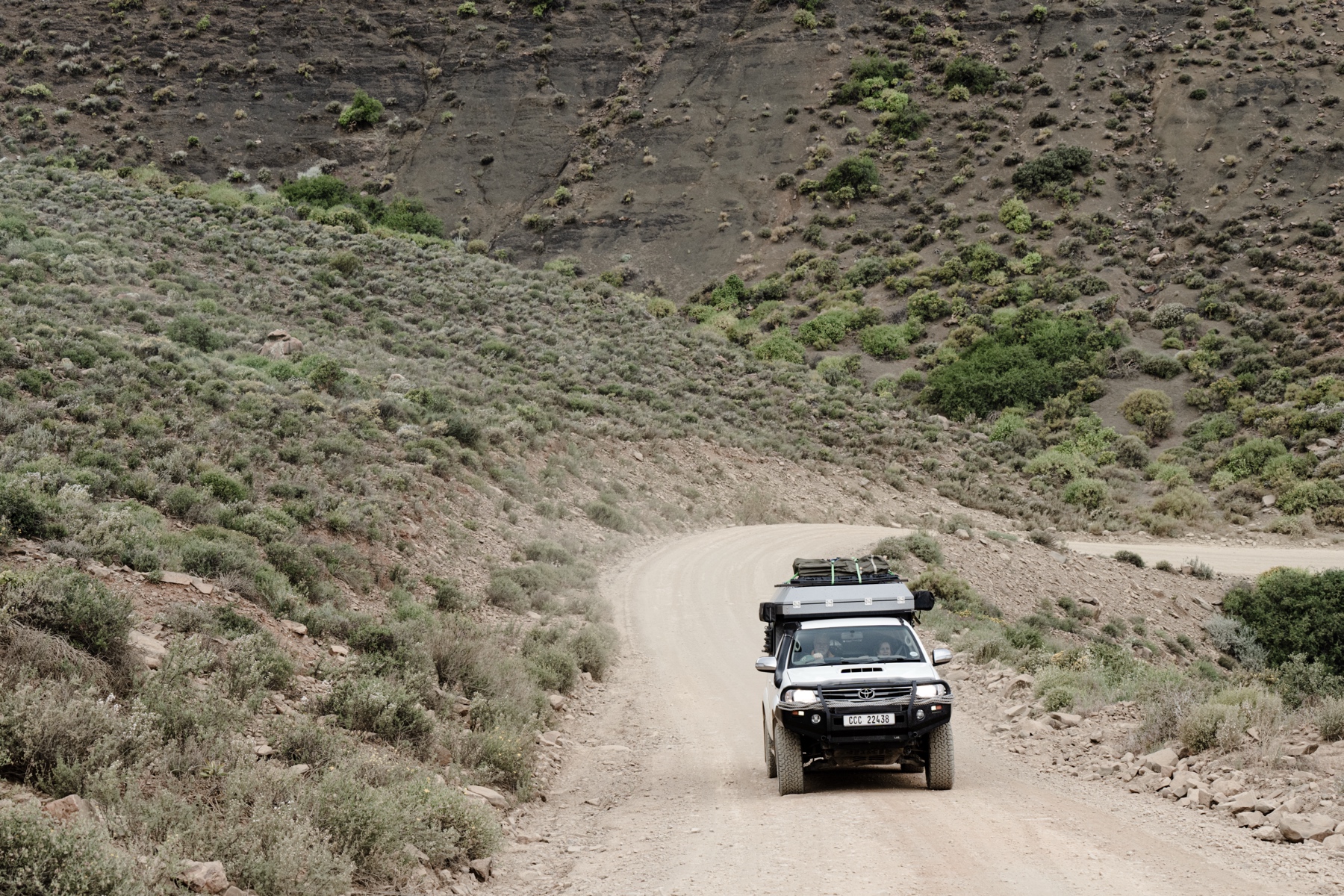
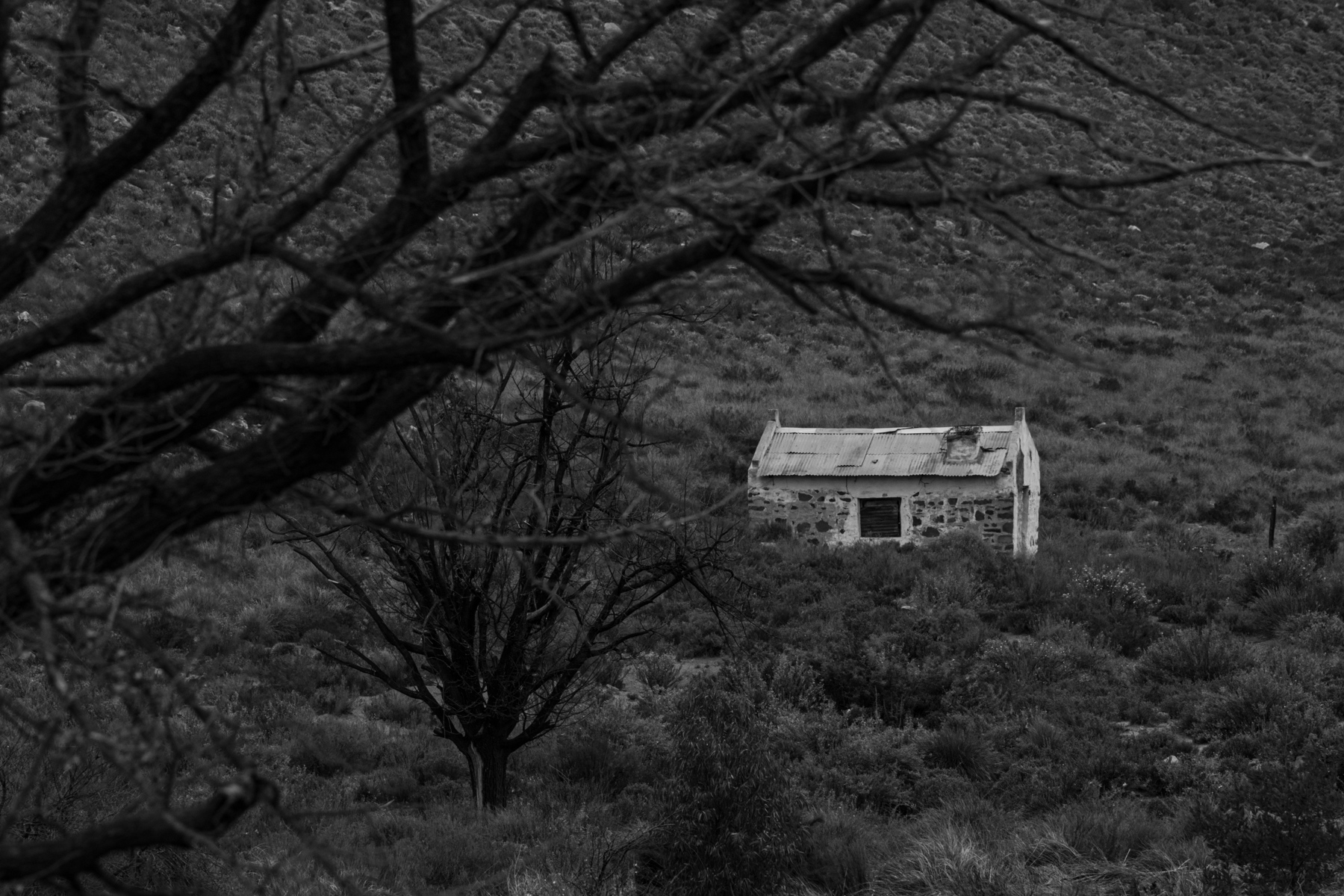
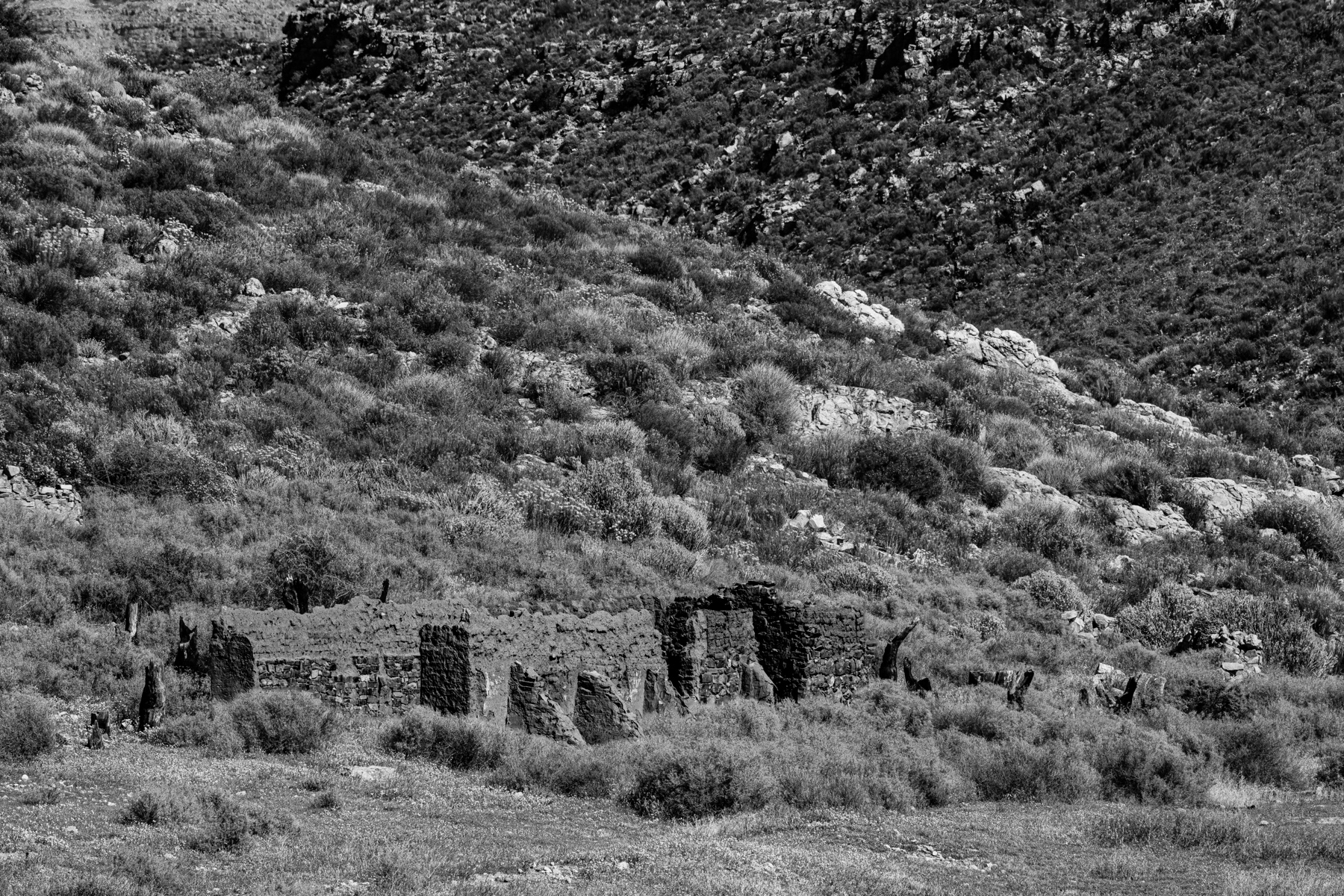
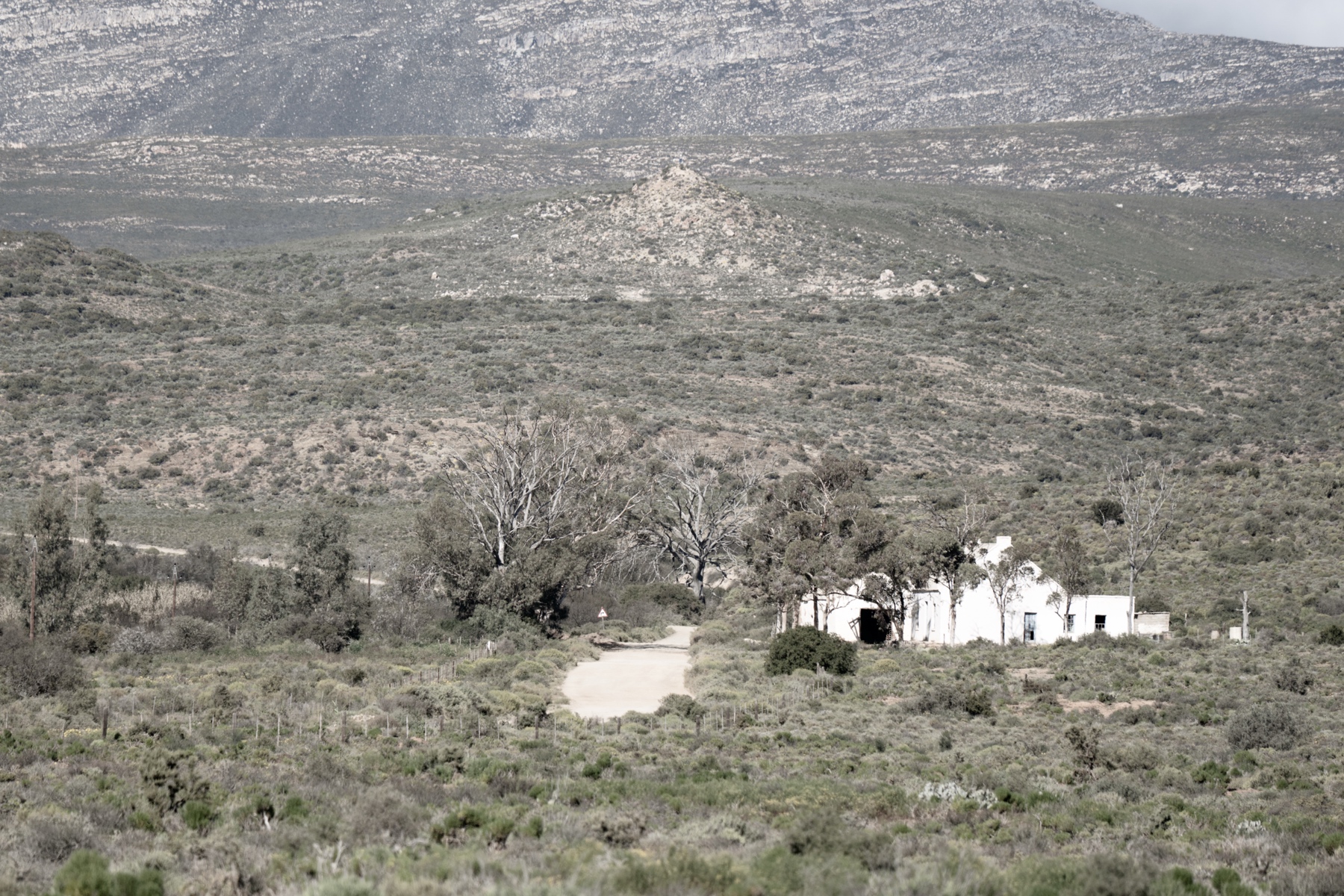
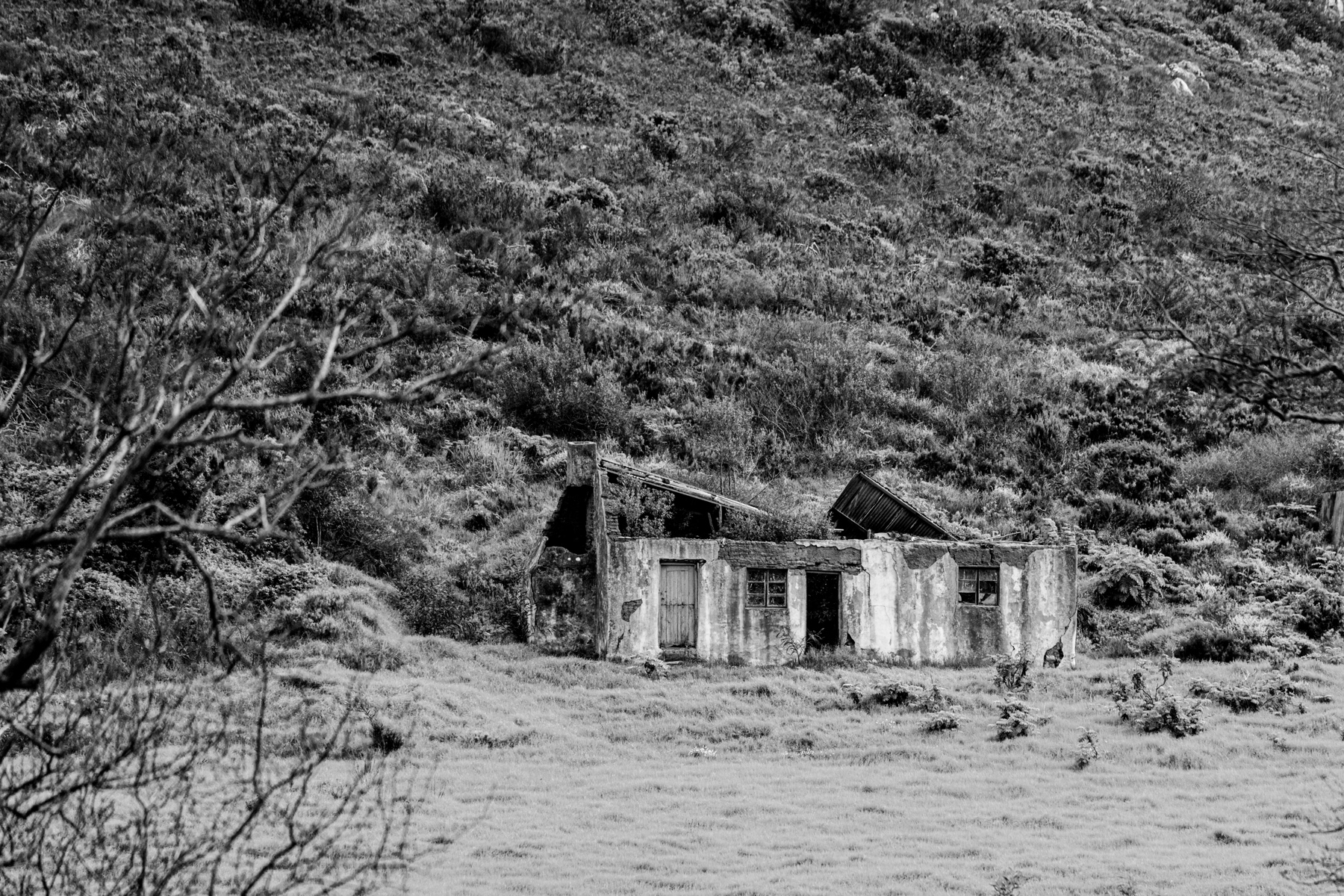
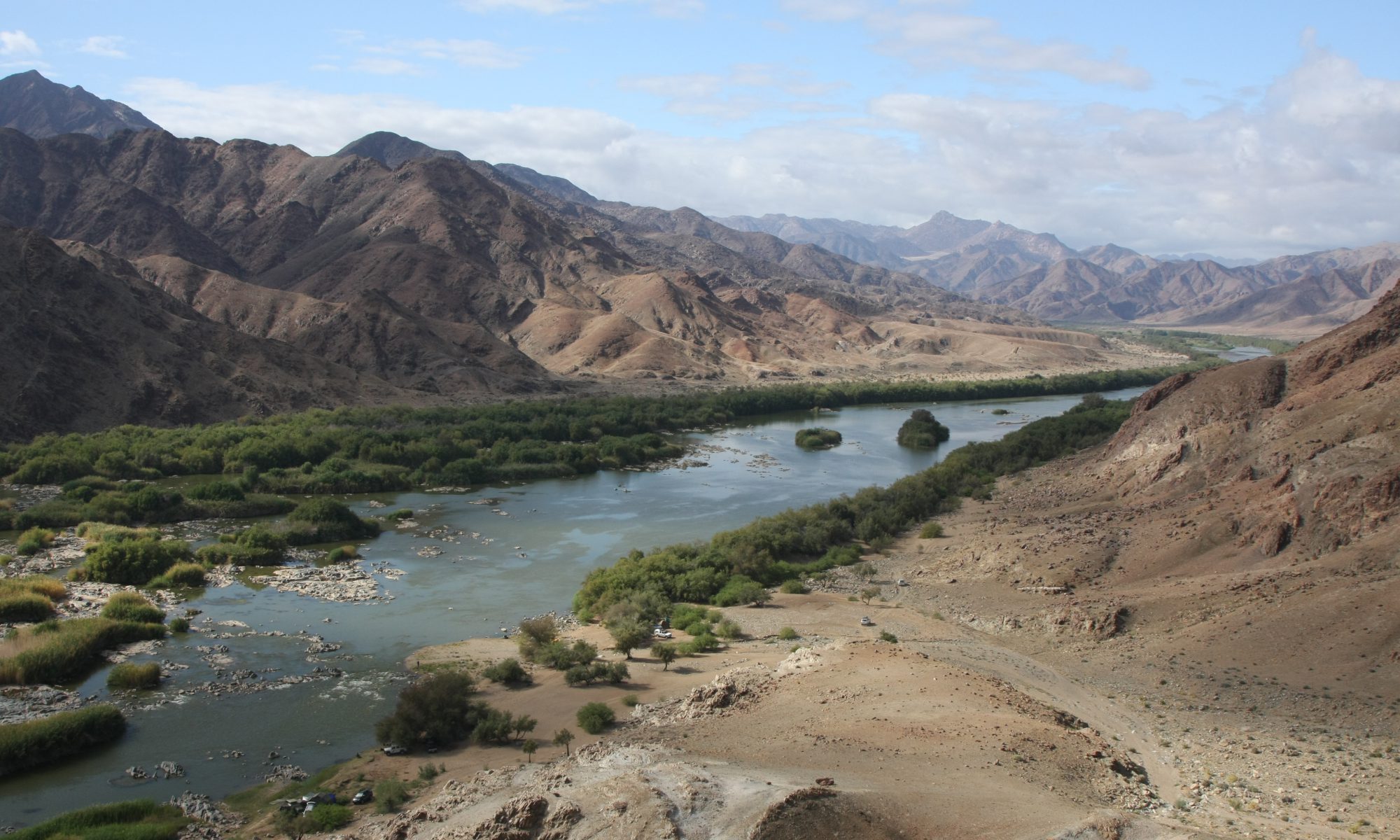
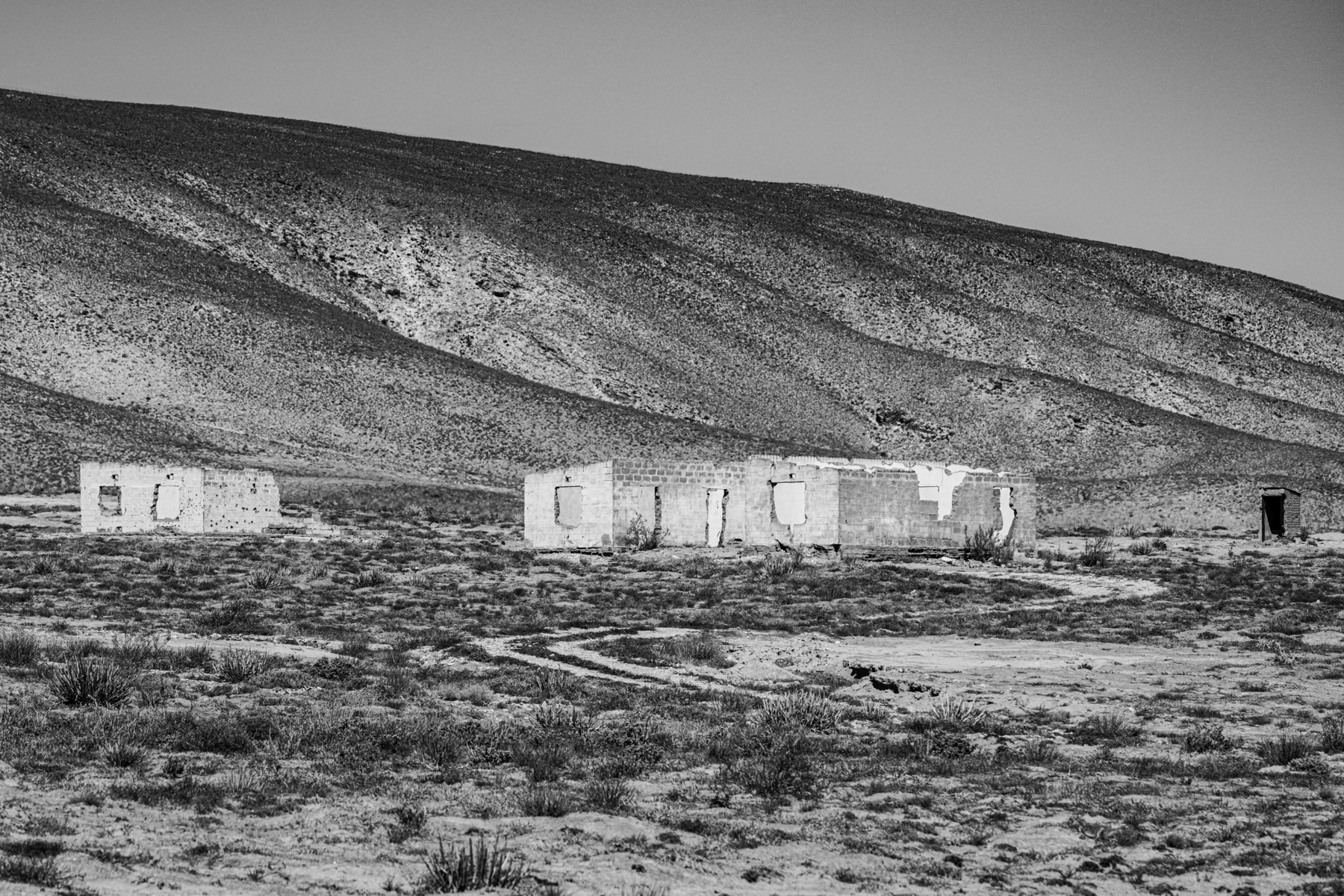
We departed the Ai-Ais/Richtersveld Transfrontier Park via Helskloof Pass. Although not particularly technical, the pass proved to be hard driving, largely because of the poor condition of the road surface. Turning south, we chose the route via Lekkersing, which was generally in good condition, apart from a short stretch near Lekkersing that was badly corrugated. Along the way, I was pleased to have another opportunity to indulge my fascination with the ruins that punctuate this remote landscape.
By the time we reached our campsite at Modderfontein, just outside Springbok, we were thoroughly exhausted and had little energy left to explore the local attractions. We had also been forewarned that the wildflower season was particularly poor this year, so there seemed little reason to venture further afield.

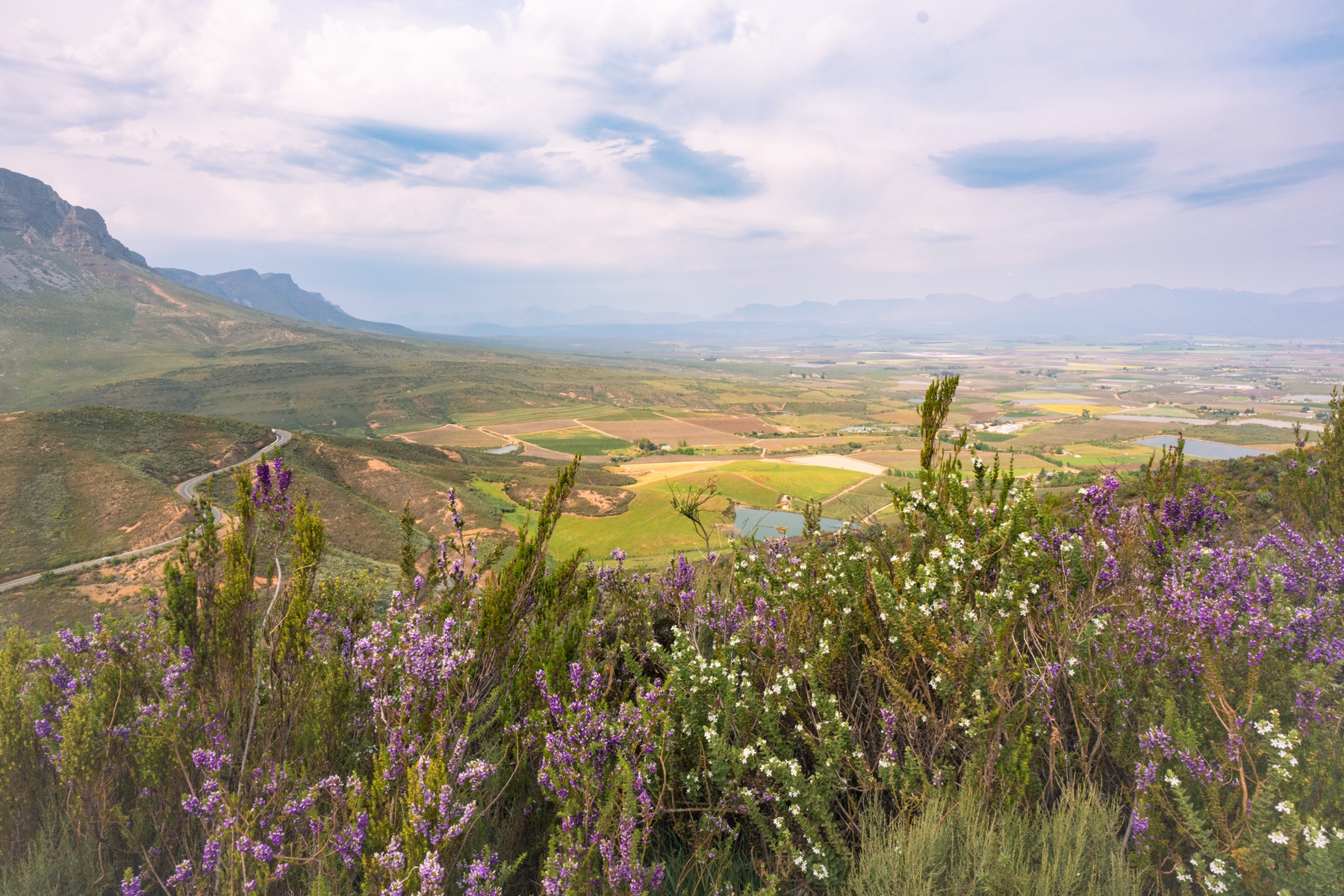
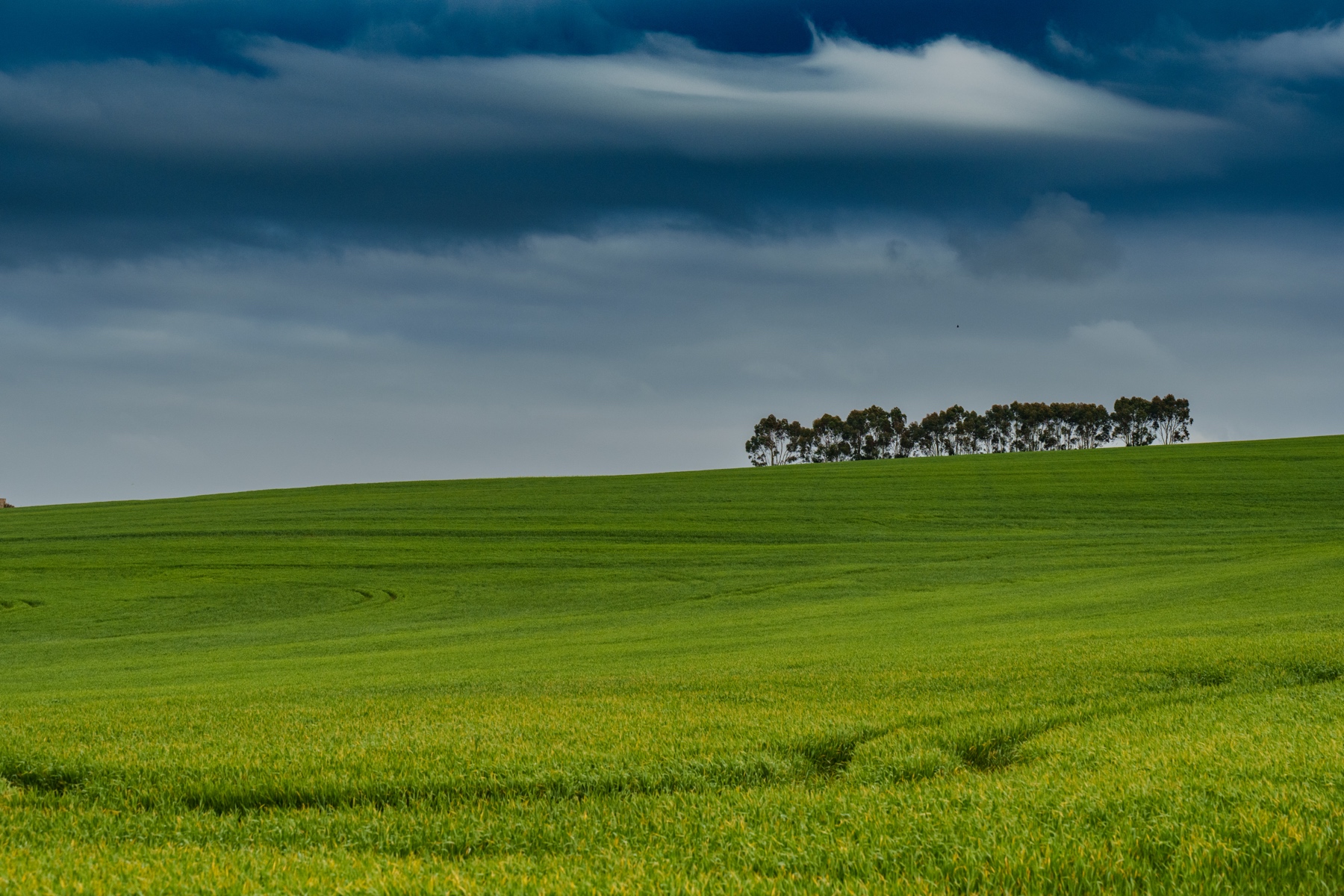
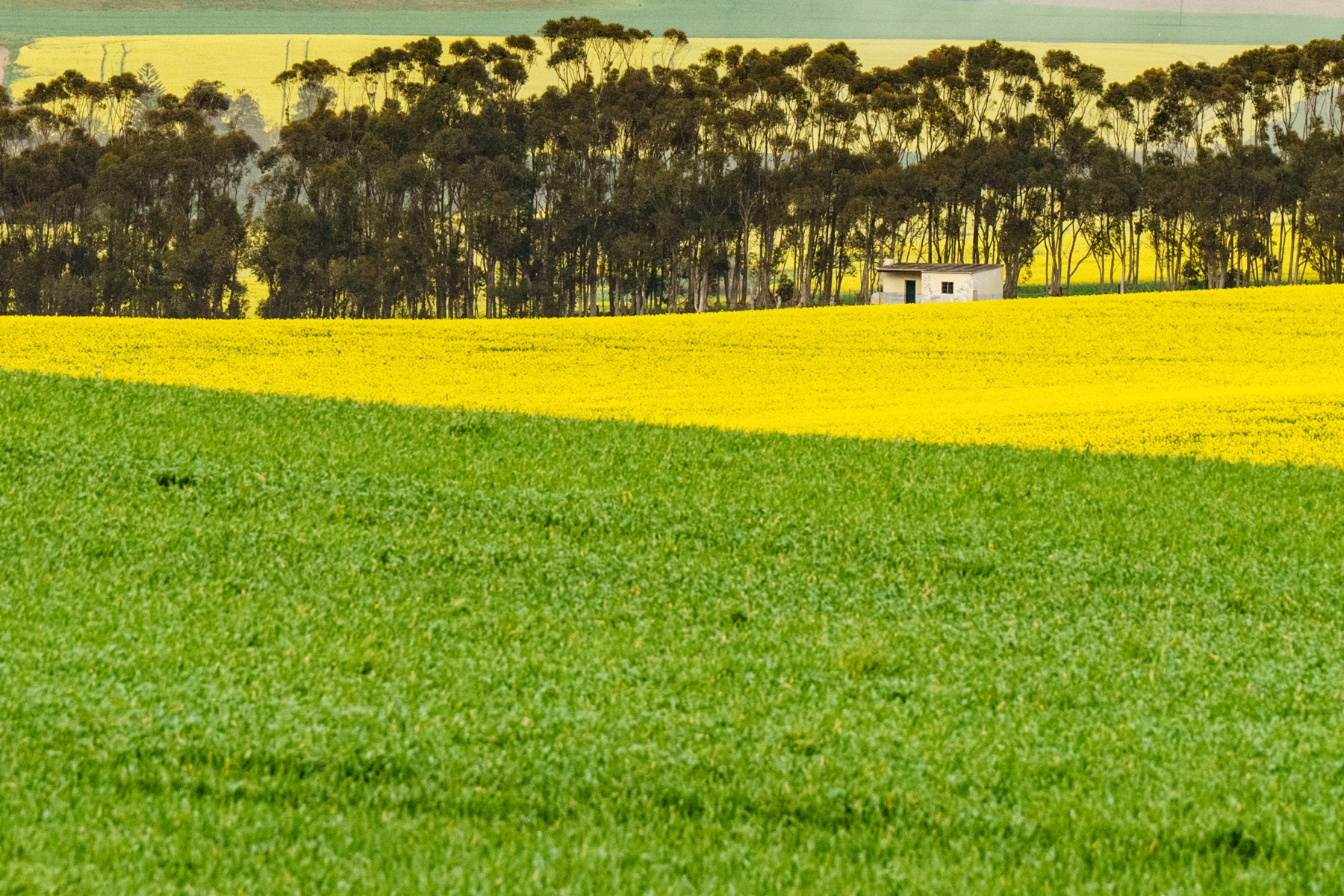
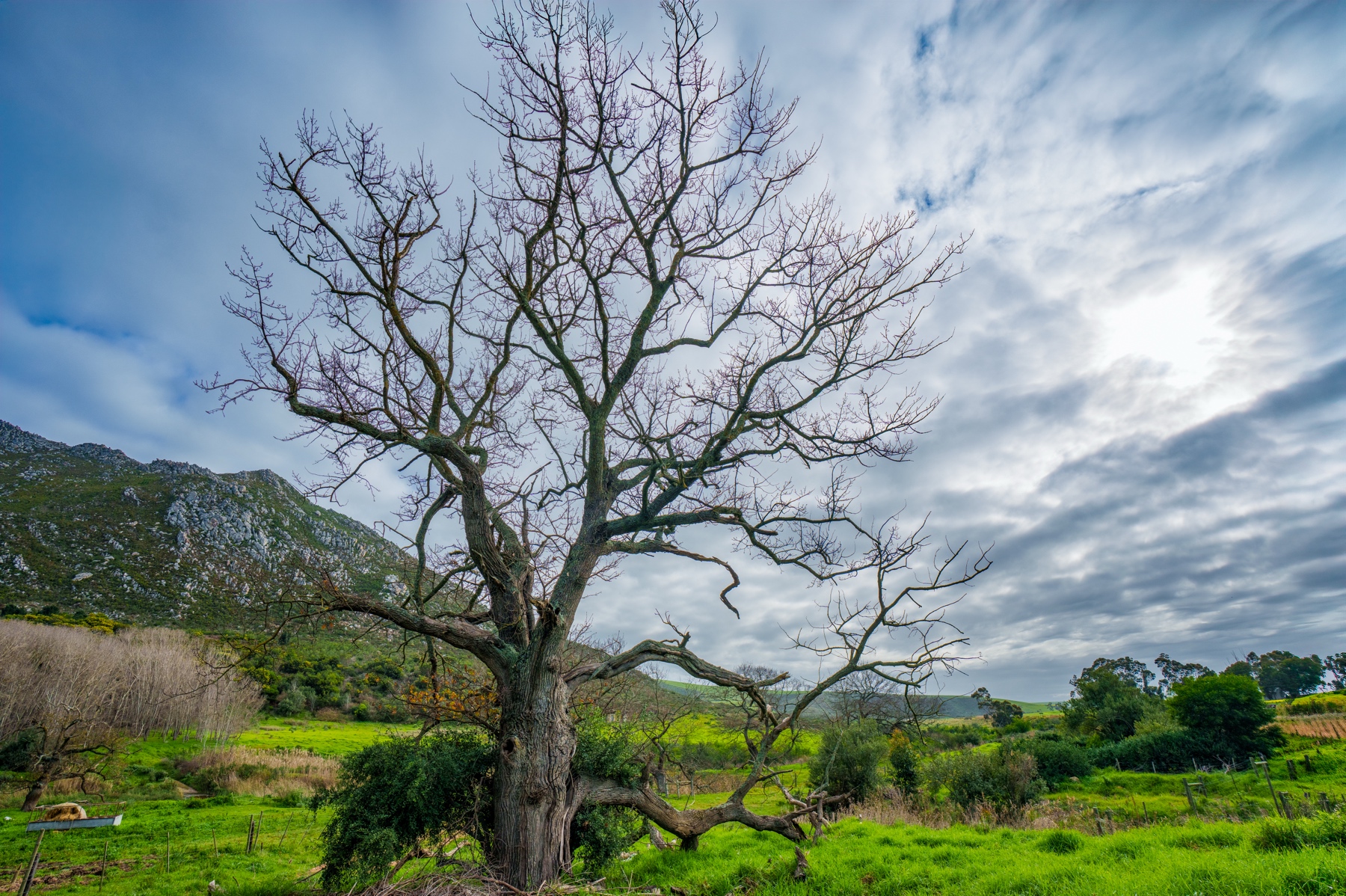
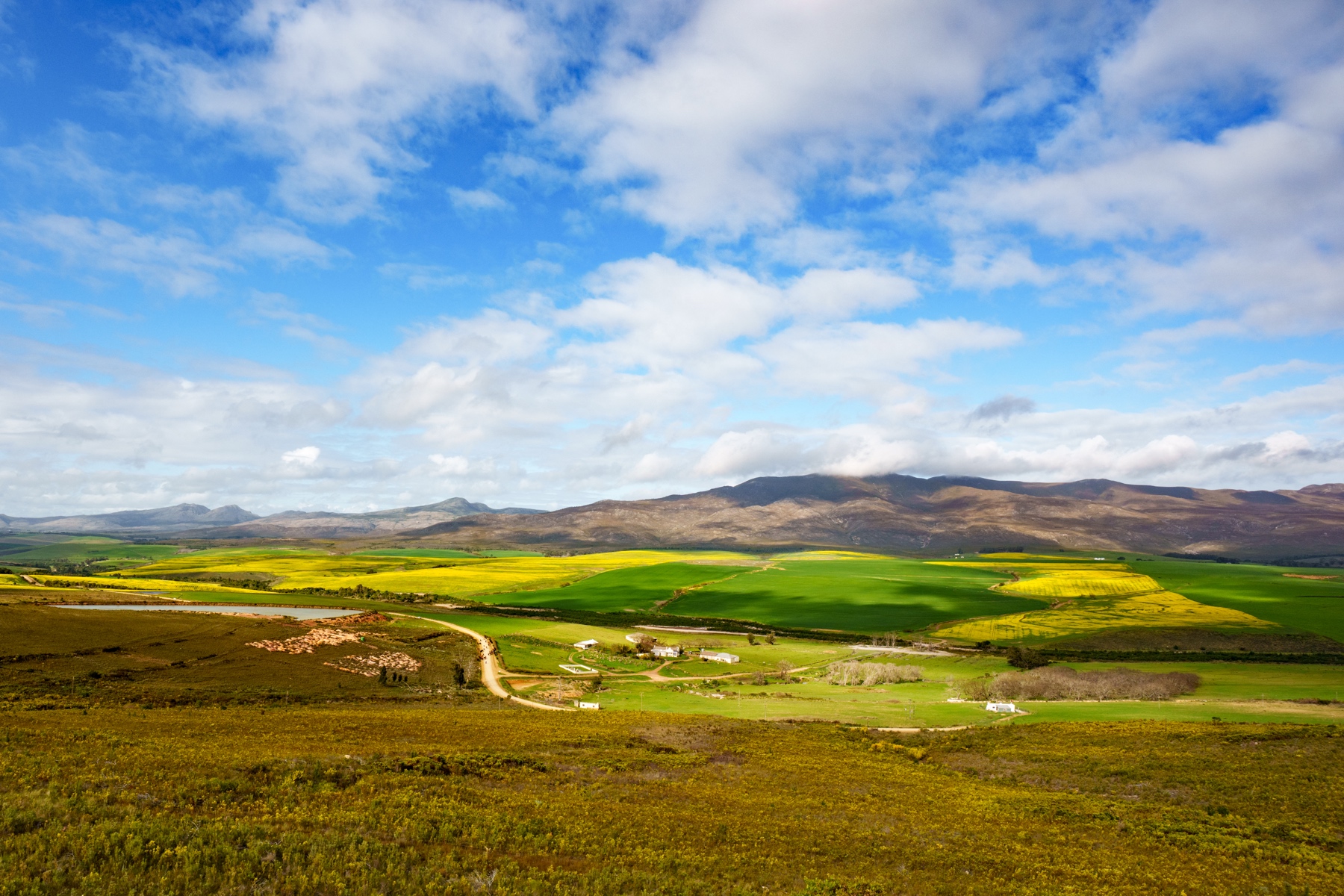
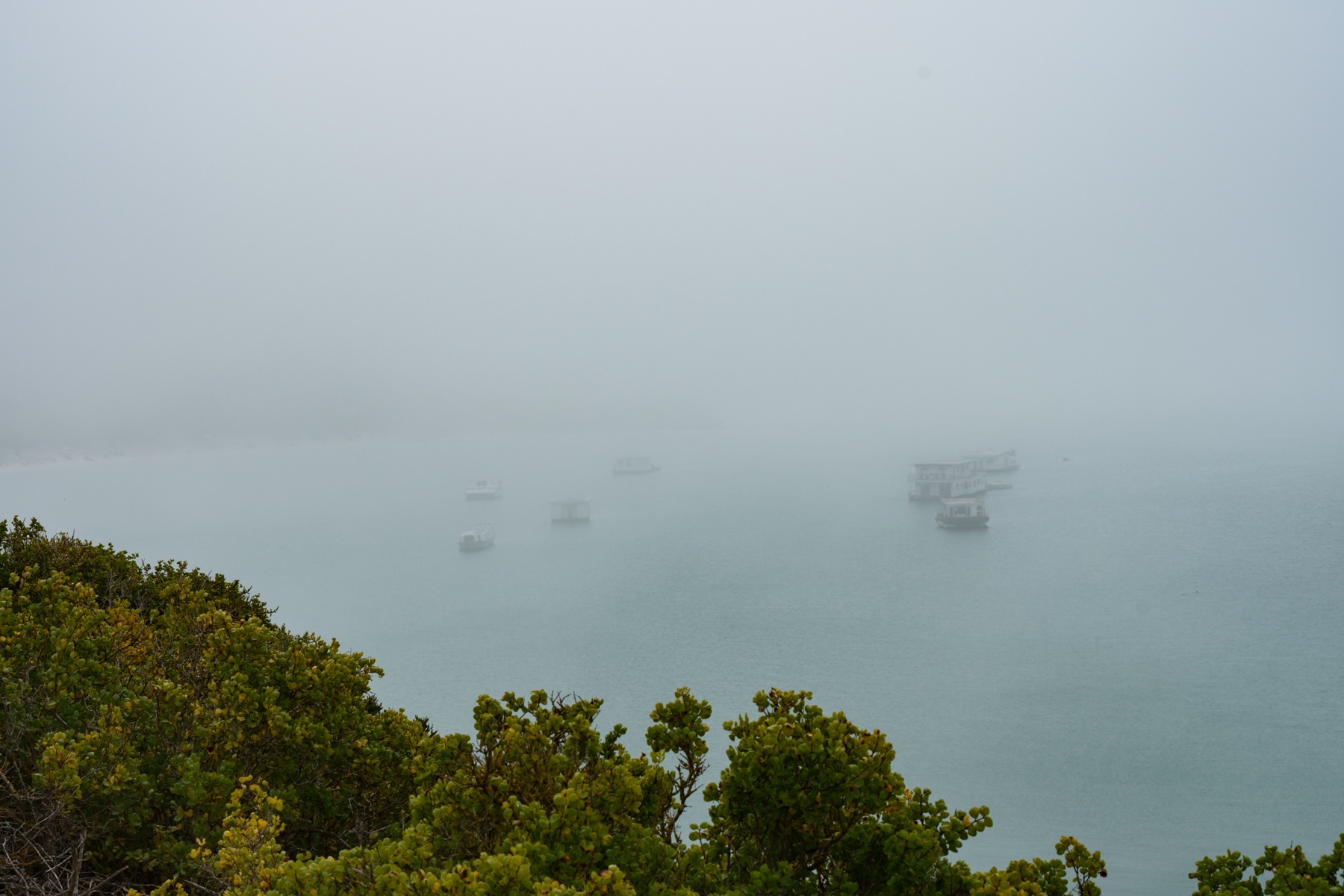
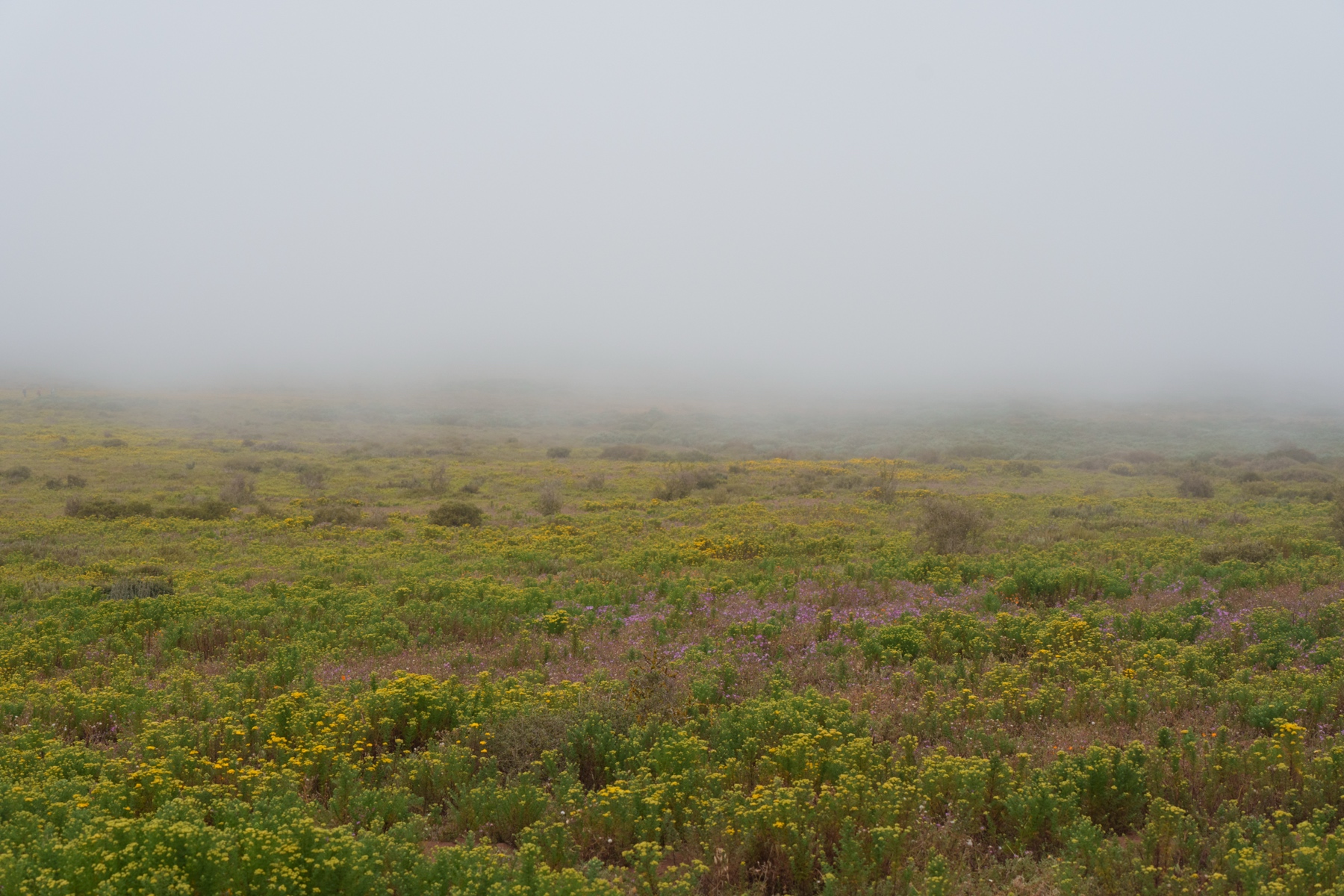
The following morning, we said goodbye to our friends, who had travelled with us up to this point, and continued south towards Kraalbaai in the West Coast National Park, hoping that we might still find a few flowers in bloom. Late that afternoon, we boarded our houseboat under beautiful sunny skies. It was a very different story the following morning, however, when we awoke to find ourselves completely enveloped in thick fog.
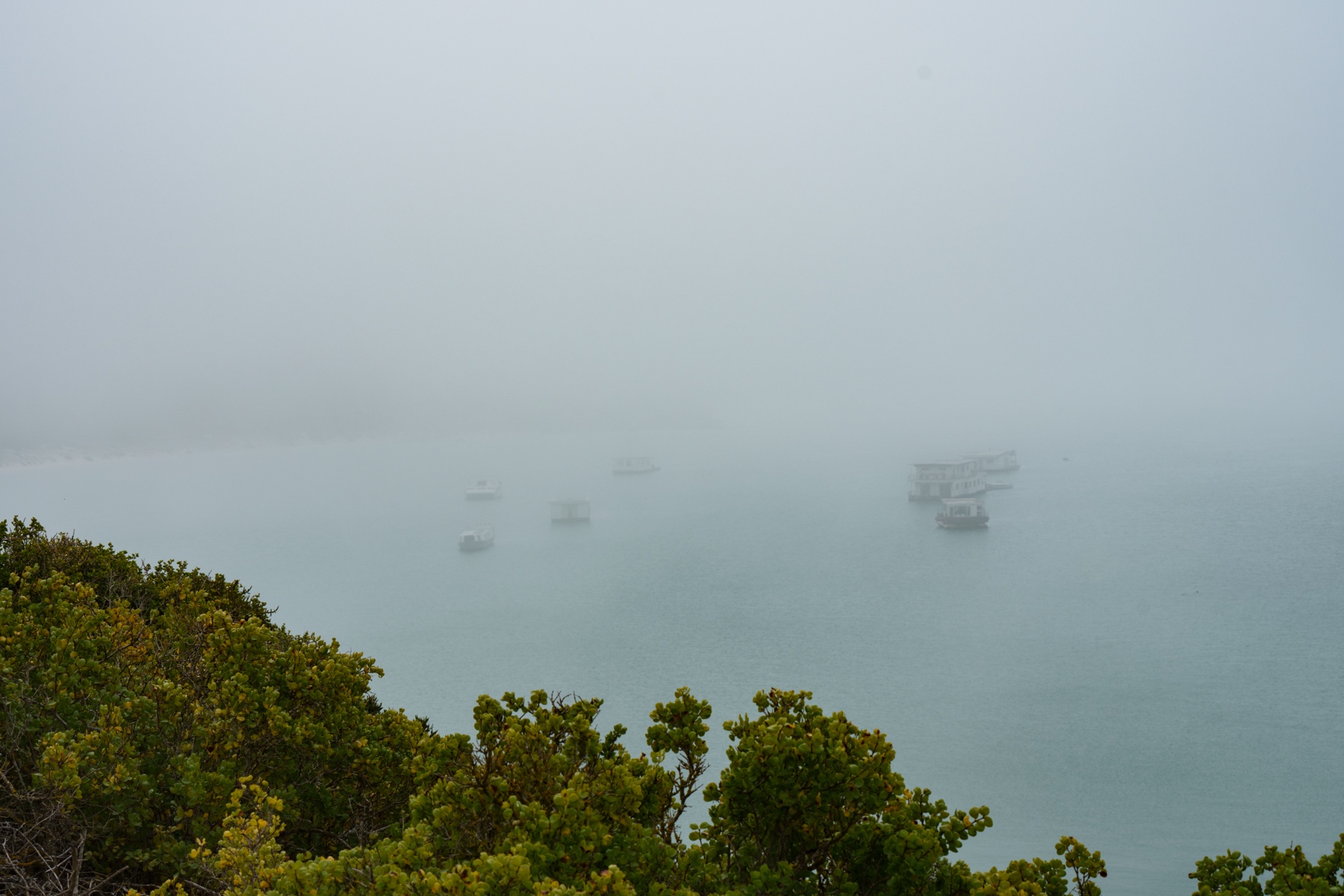
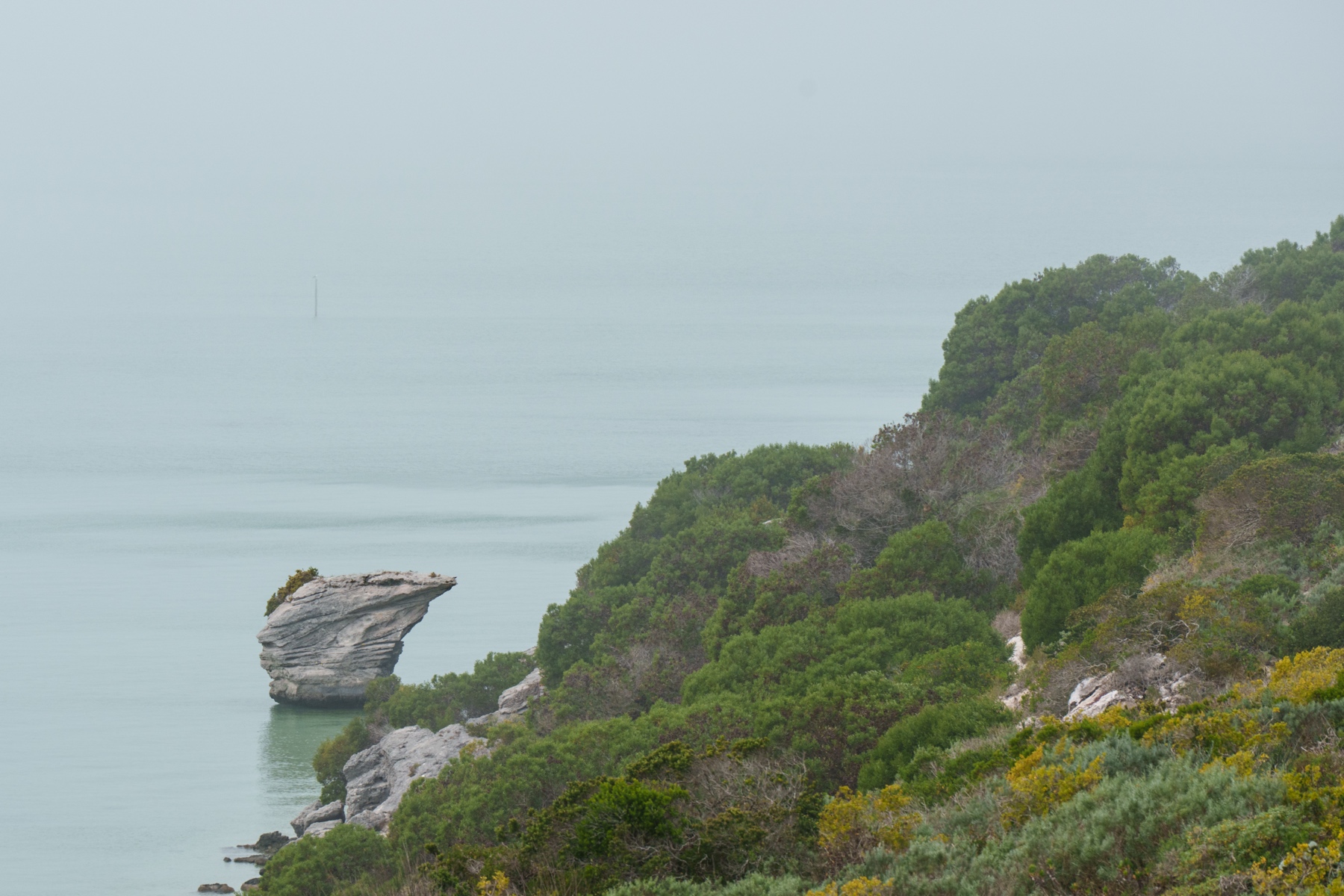
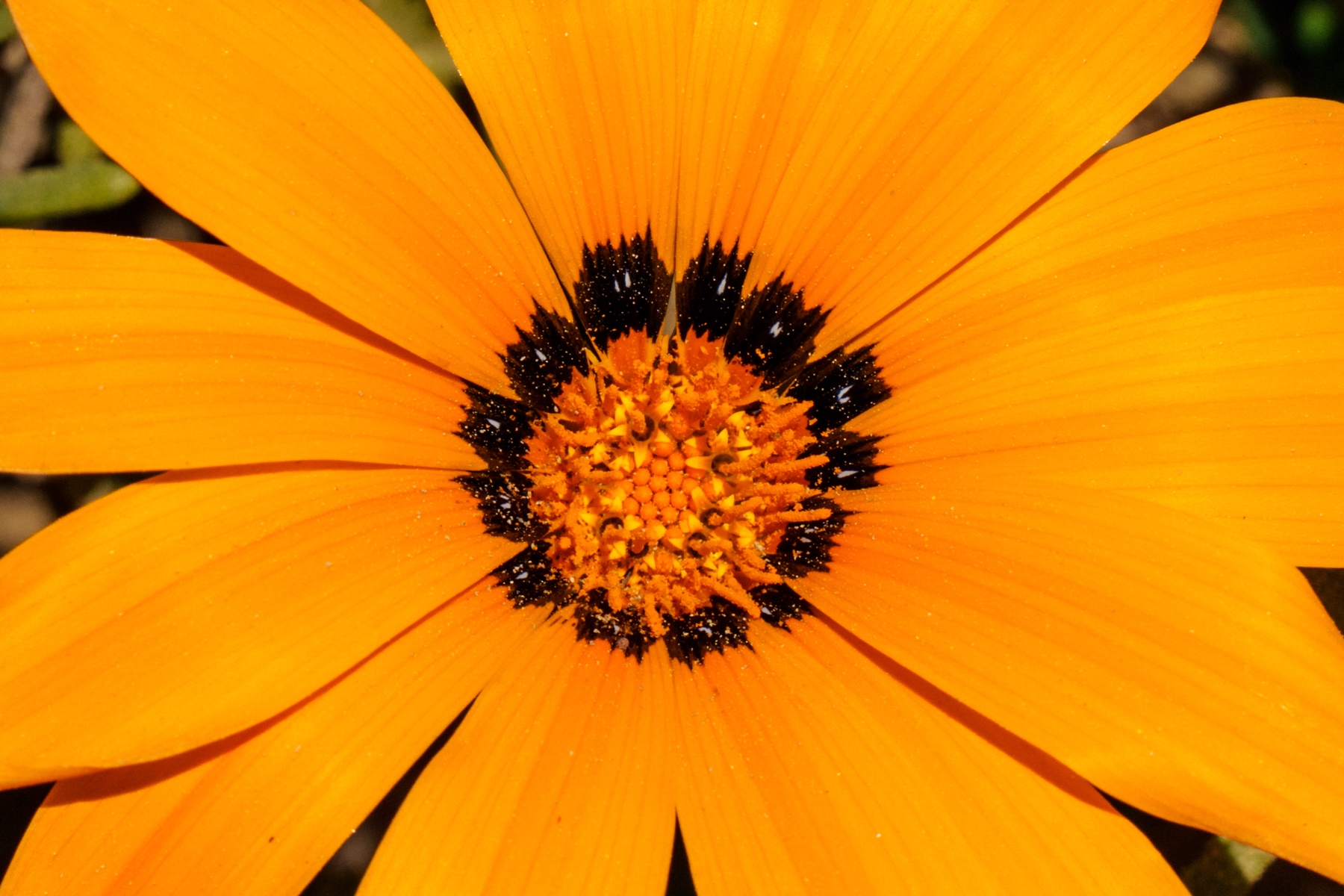
Without the warmth of the sun, the few flowers we encountered in the Park remained tightly closed, refusing to show us their faces.
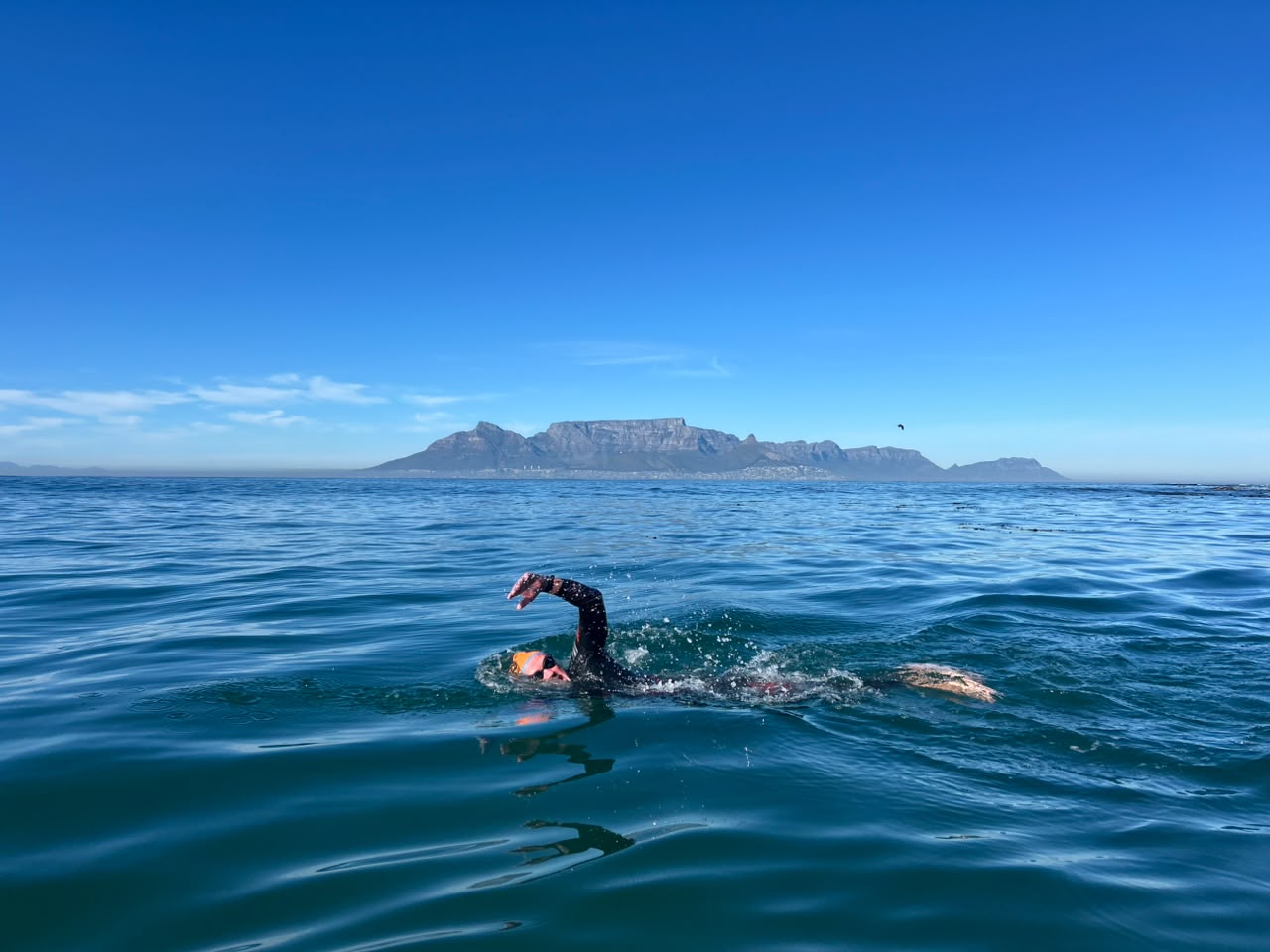
Nonetheless, we thoroughly enjoyed our time on the houseboat at Kraalbaai, and, despite the less-than-ideal weather, I at least managed to fit in two swimming sessions.

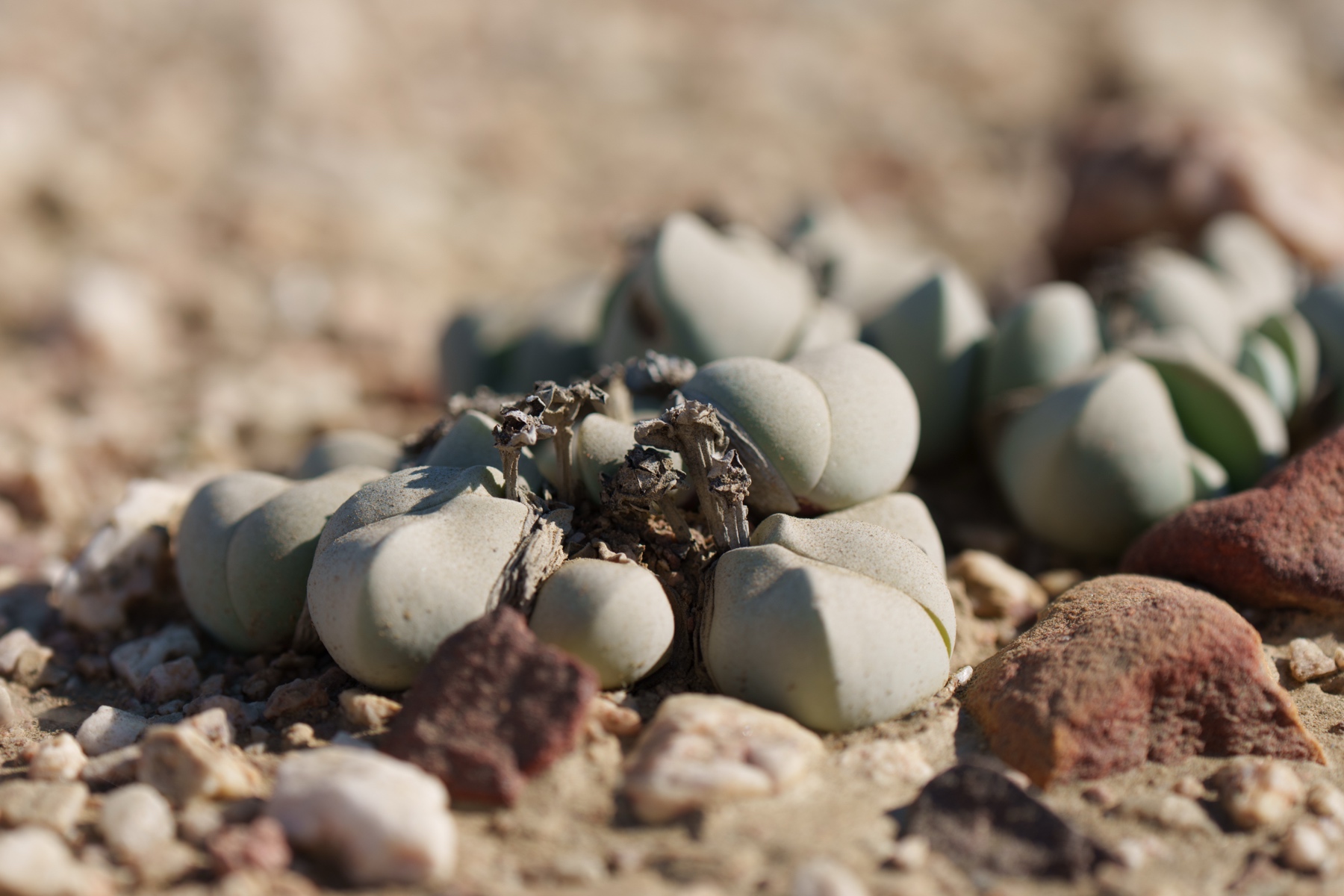
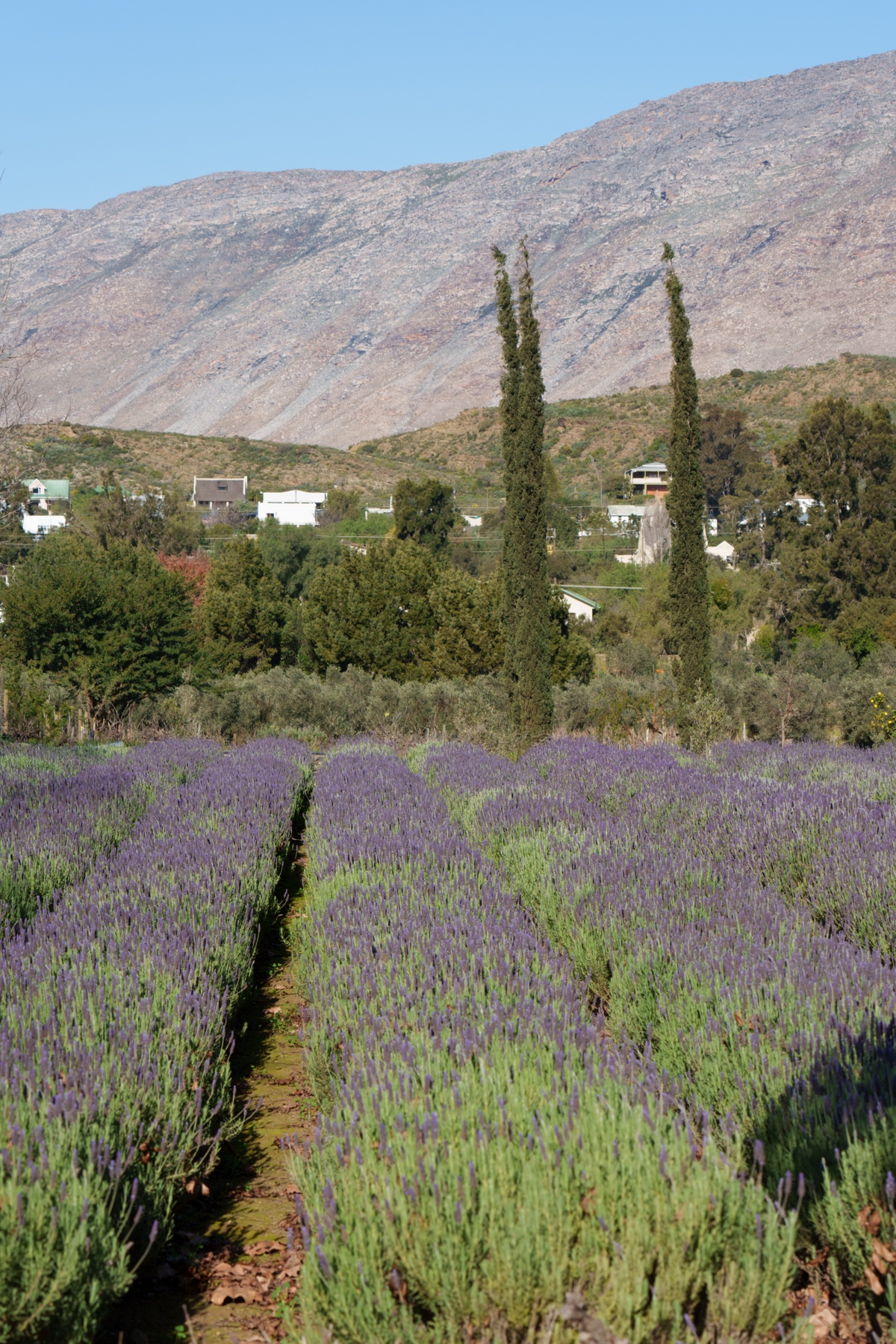
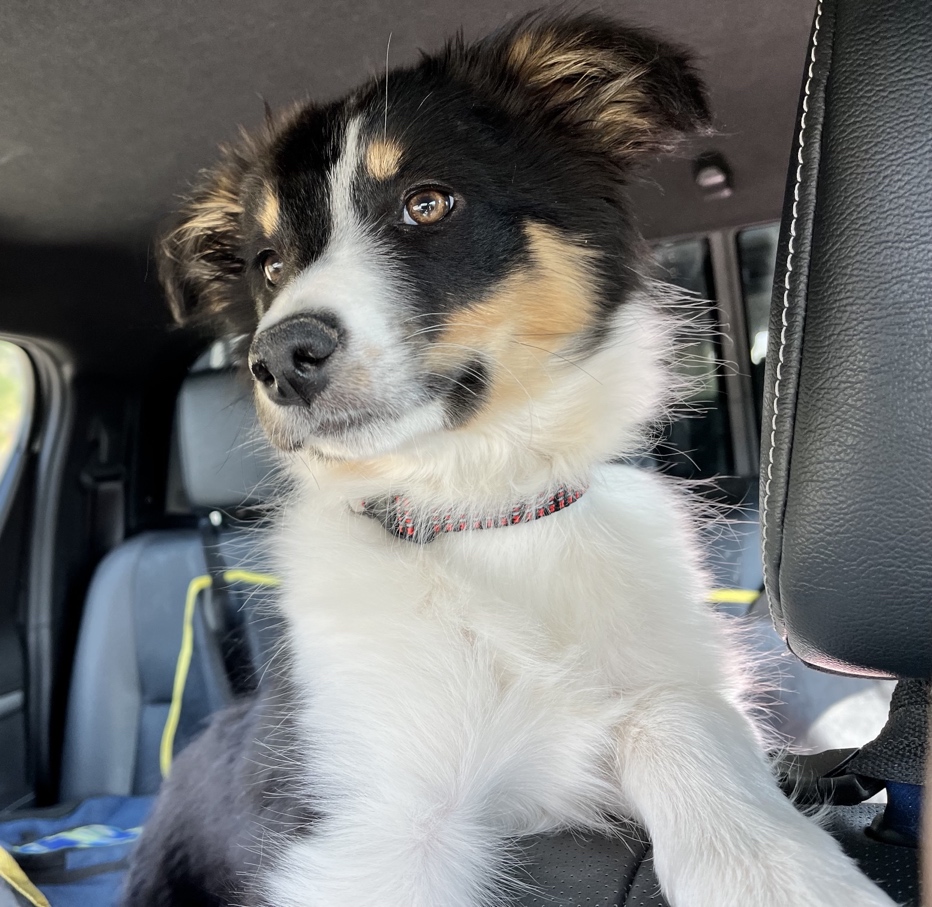
Rather than taking the direct route home, we made a long detour along the Karoo Highland Route, passing through Nieuwoudtville, Calvinia and Williston, and spending a night in Oudam Cottage at Konka Guest Farm outside Carnarvon. The detour was partly to explore an area that was new to us and partly to avoid having to make a separate trip to Douglas to collect a Border Collie puppy. Our brief introduction to this fascinating region has certainly left us wanting to return and explore it in greater detail.

After collecting our new puppy, Fudge, we finally turned for home, spending a pleasant last night of our journey at Sweetfontein Farm Lodge outside Britstown.
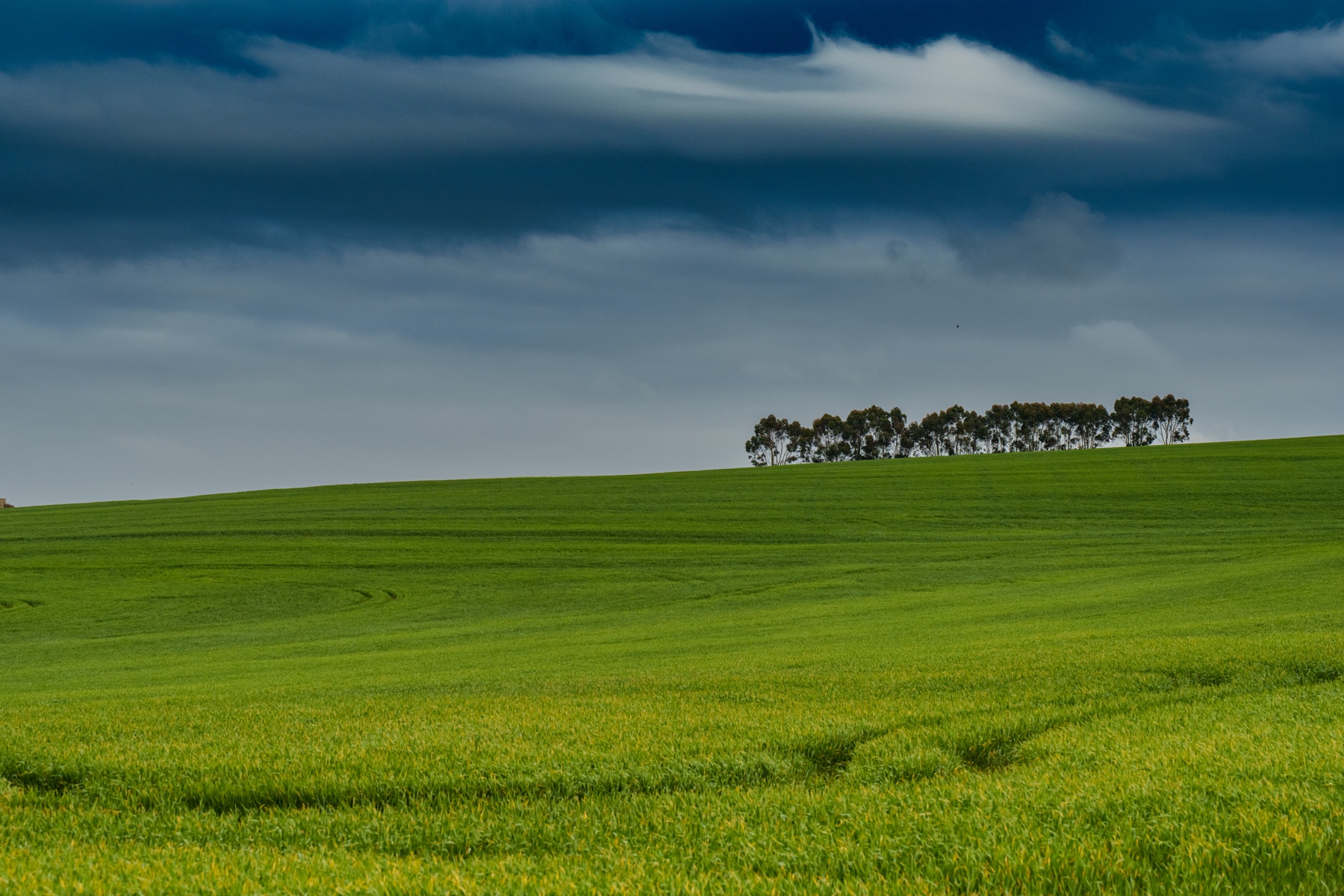
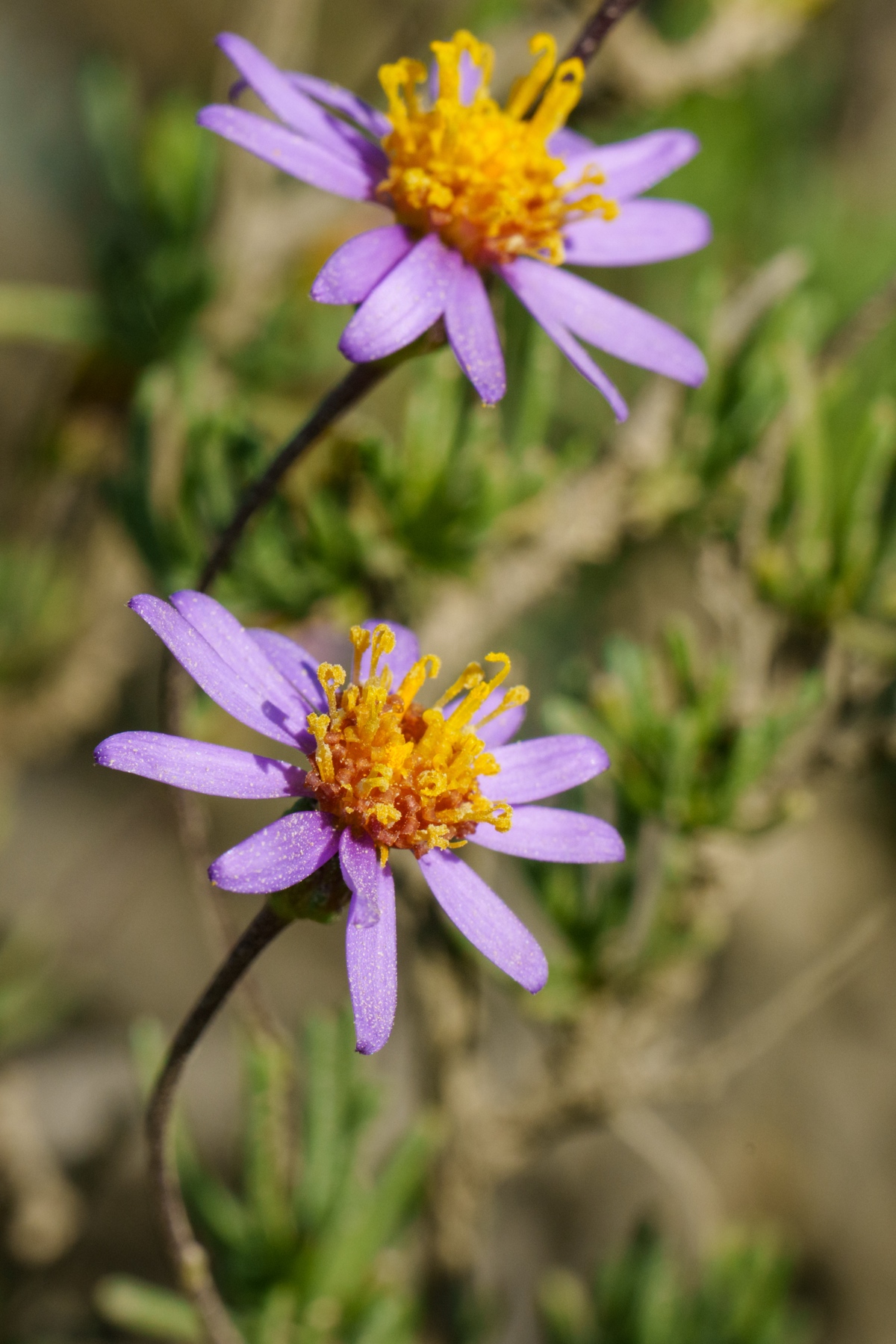
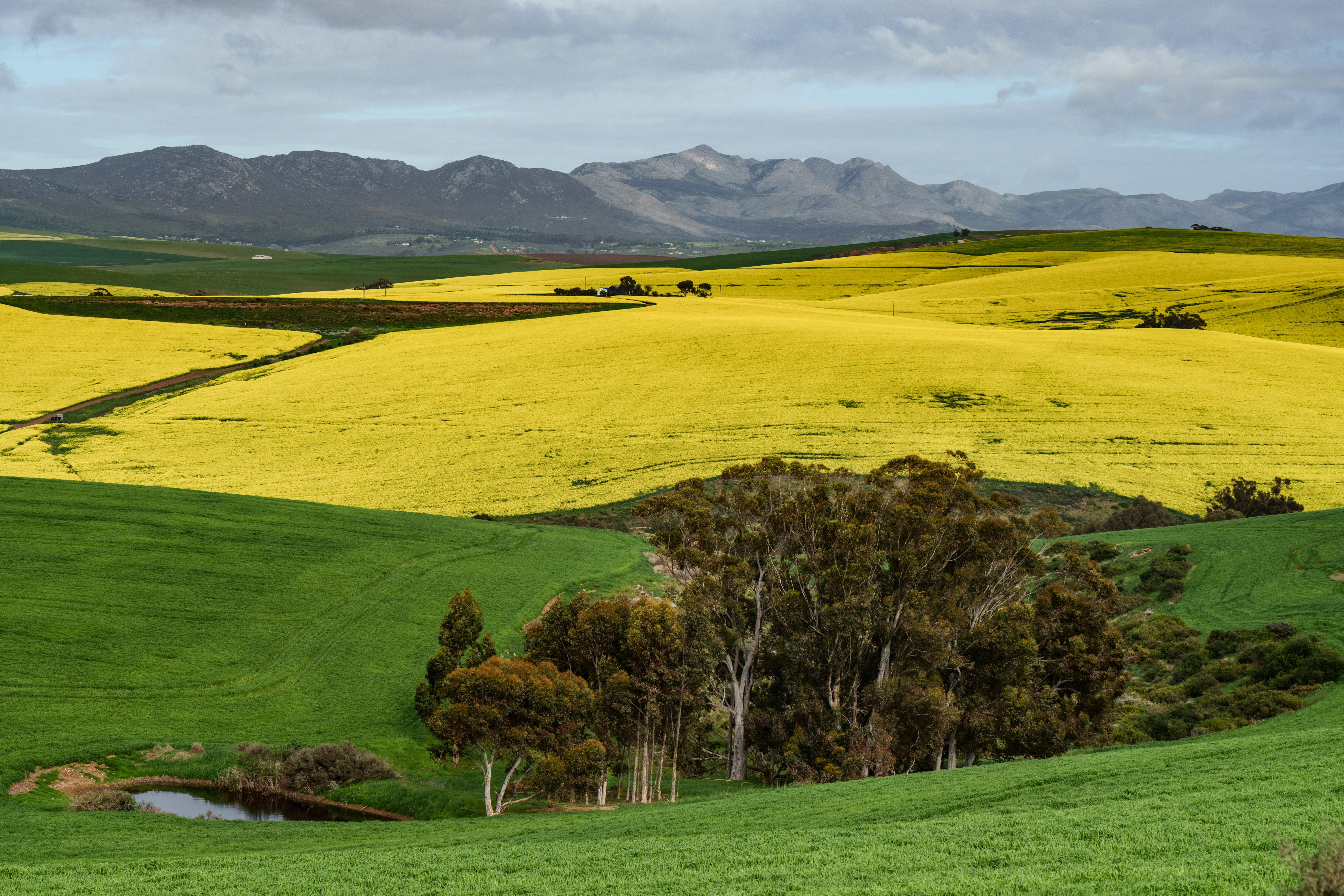
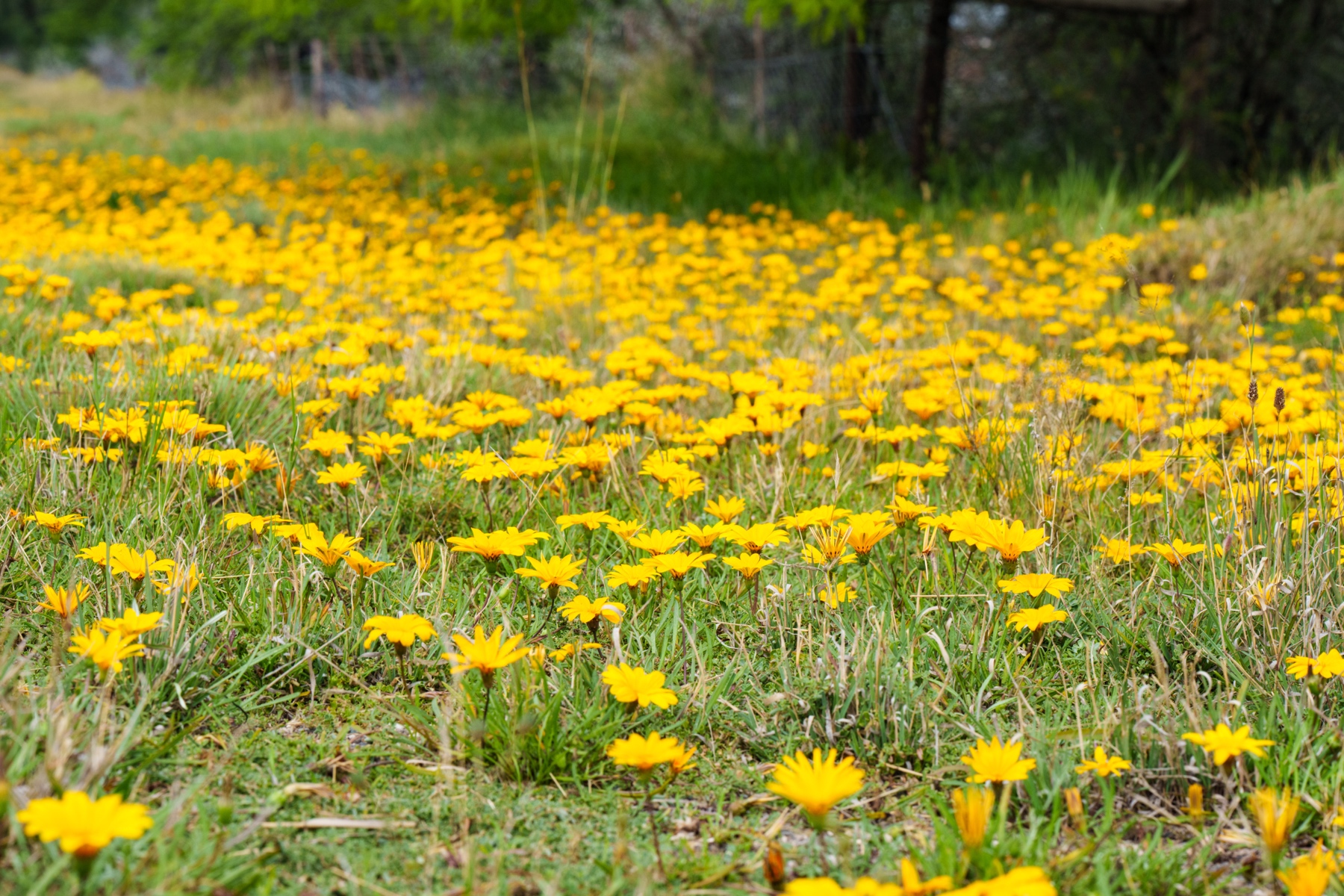
Ironically, the Karoo surprised us with more flowers than we had seen anywhere in Namaqualand or along the West Coast.
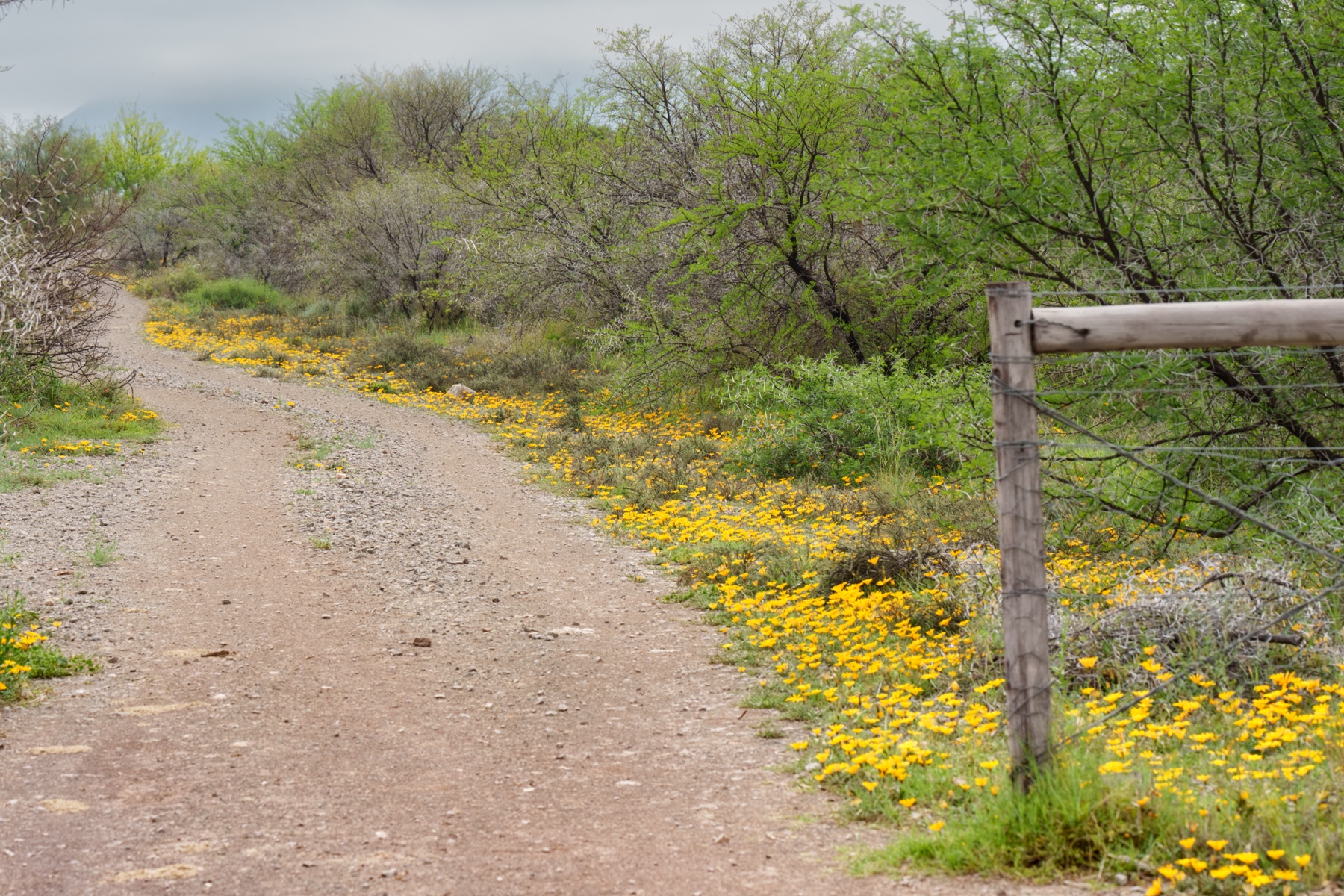
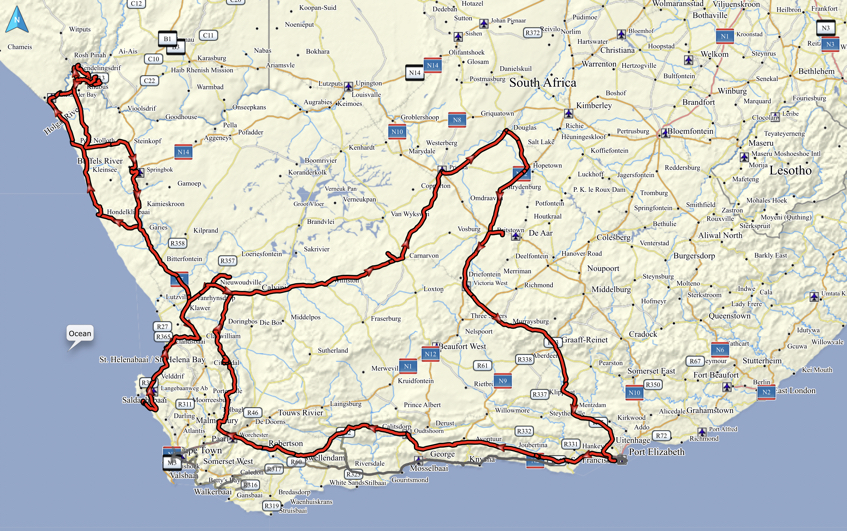
And so, after 16 days and 4,675 km, our journey finally came to an end. It had been a trip of contrasts, shared with good companions, and we returned home with a wealth of memories, photographs and stories to tell.
Road tripping: Cederberg, Richtersveld & West Coast : Part 2

Link to Part 1 here

Next, we set off for Gannabos, near Nieuwoudtville. The route took us over the Eselbank Pass, a beautiful but challenging drive for which a 4×4 is recommended. Along the way lies the Eselbank Waterfall, with two viewing points. The better of the two is not signposted, but fortunately it was clearly indicated on our Tracks4Africa GPS map, allowing us to find our way to it.

To better appreciate the terrain, look at Liana’s video on YouTube.

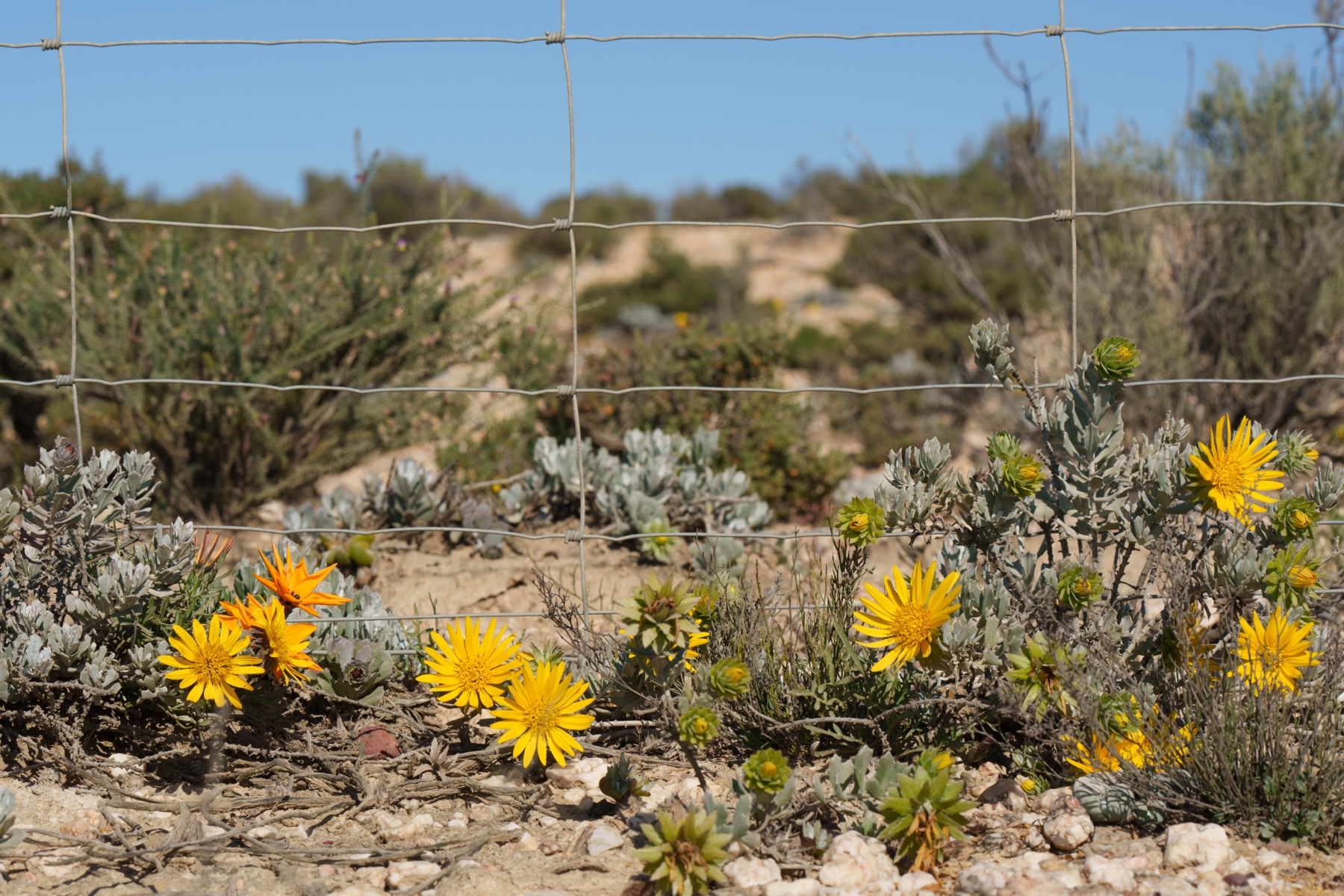
The route passed through the rooibos tea plantations between the villages of Eselbank and Wupperthal, before continuing through the Biedouw Valley, renowned for its spectacular annual display of wildflowers. Sadly, this year the season had arrived early and been unusually brief, and we encountered only a few scattered flowers.

I did get to see some more ruins, surrounded by flowers.

Our campsites at Gannabos guest farm were luxurious, with each site having its own very spacious ablution facility and kitchenette area.

Gannabos also boasts the largest quiver tree forest in the world, which we visited for sundowners.

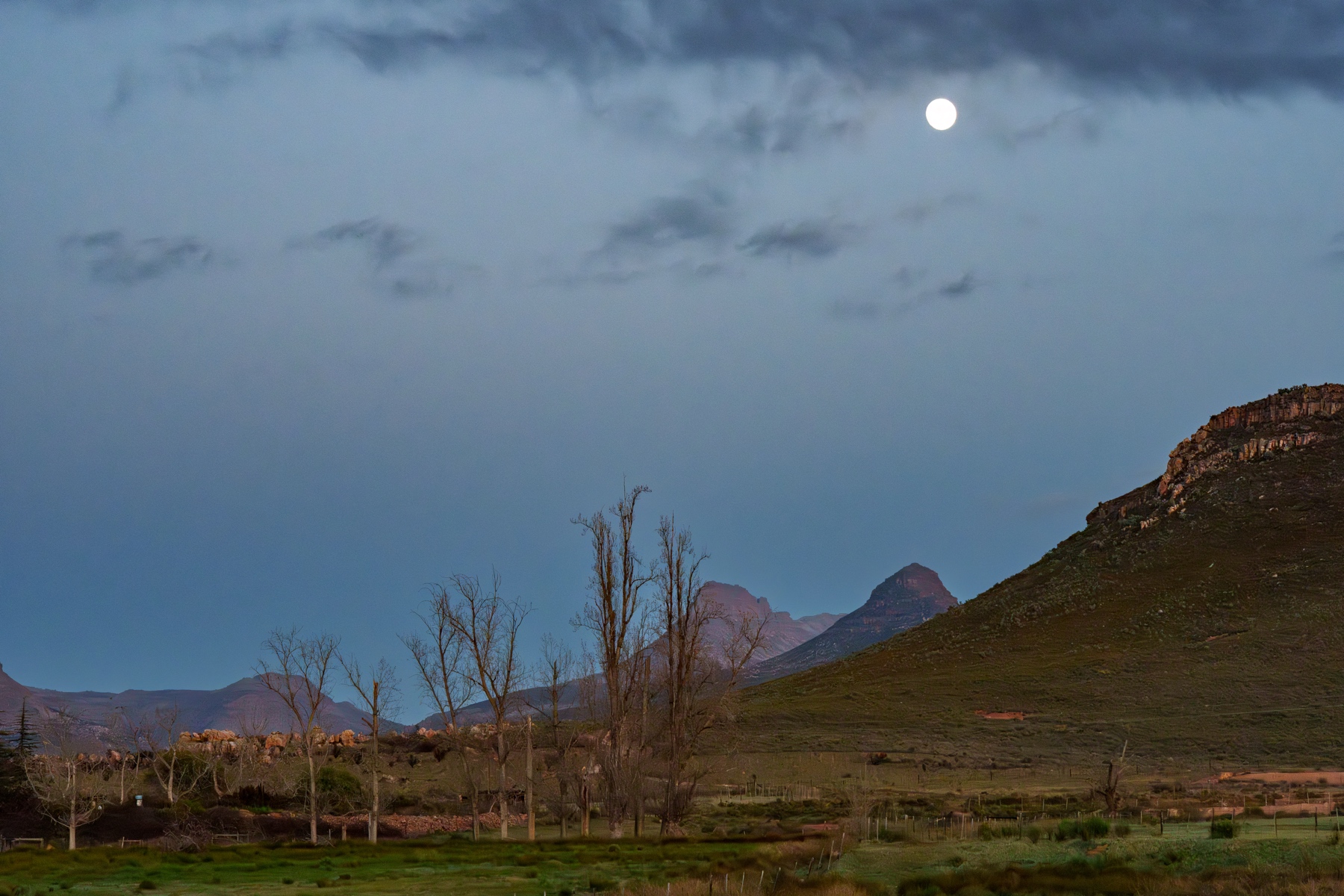
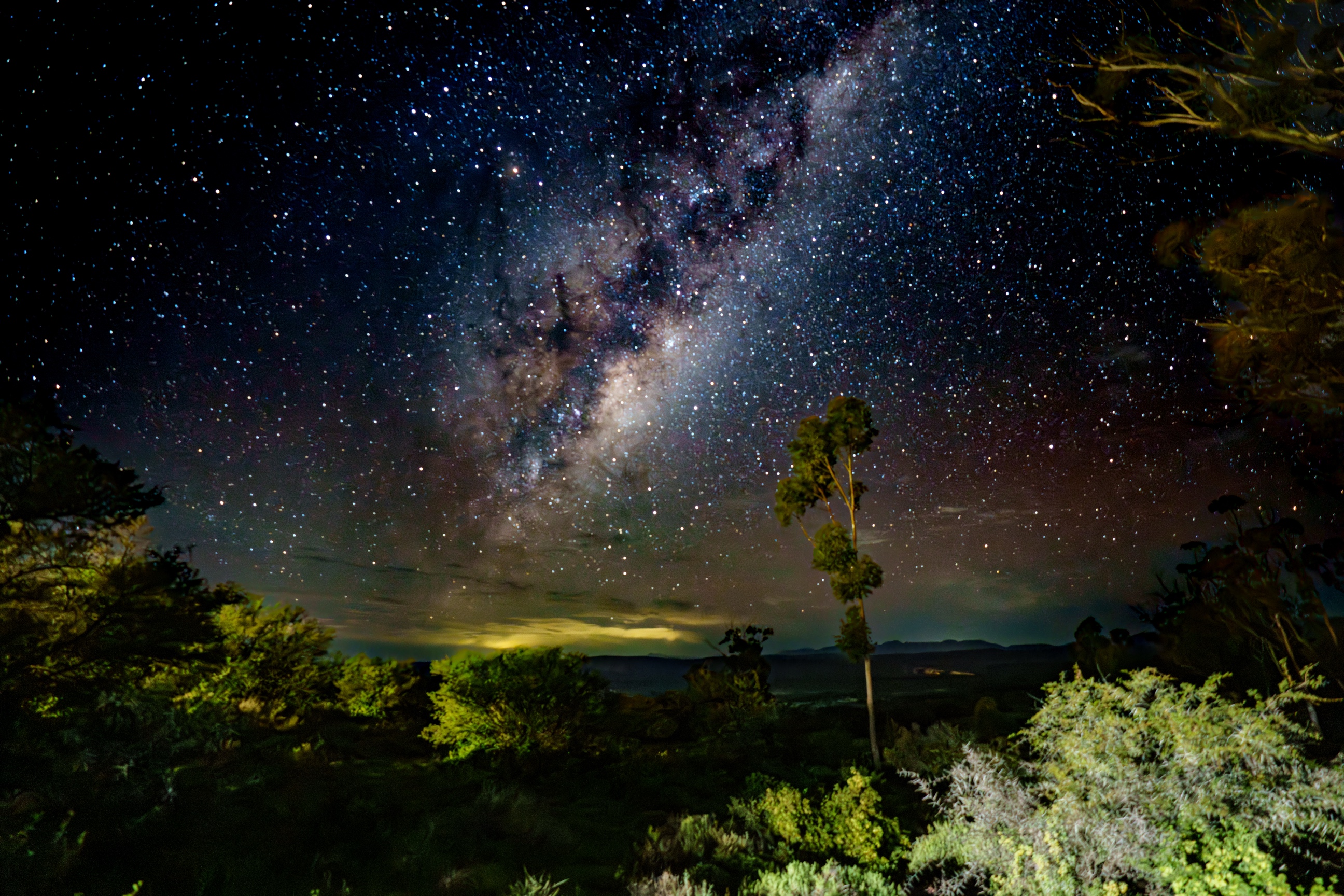
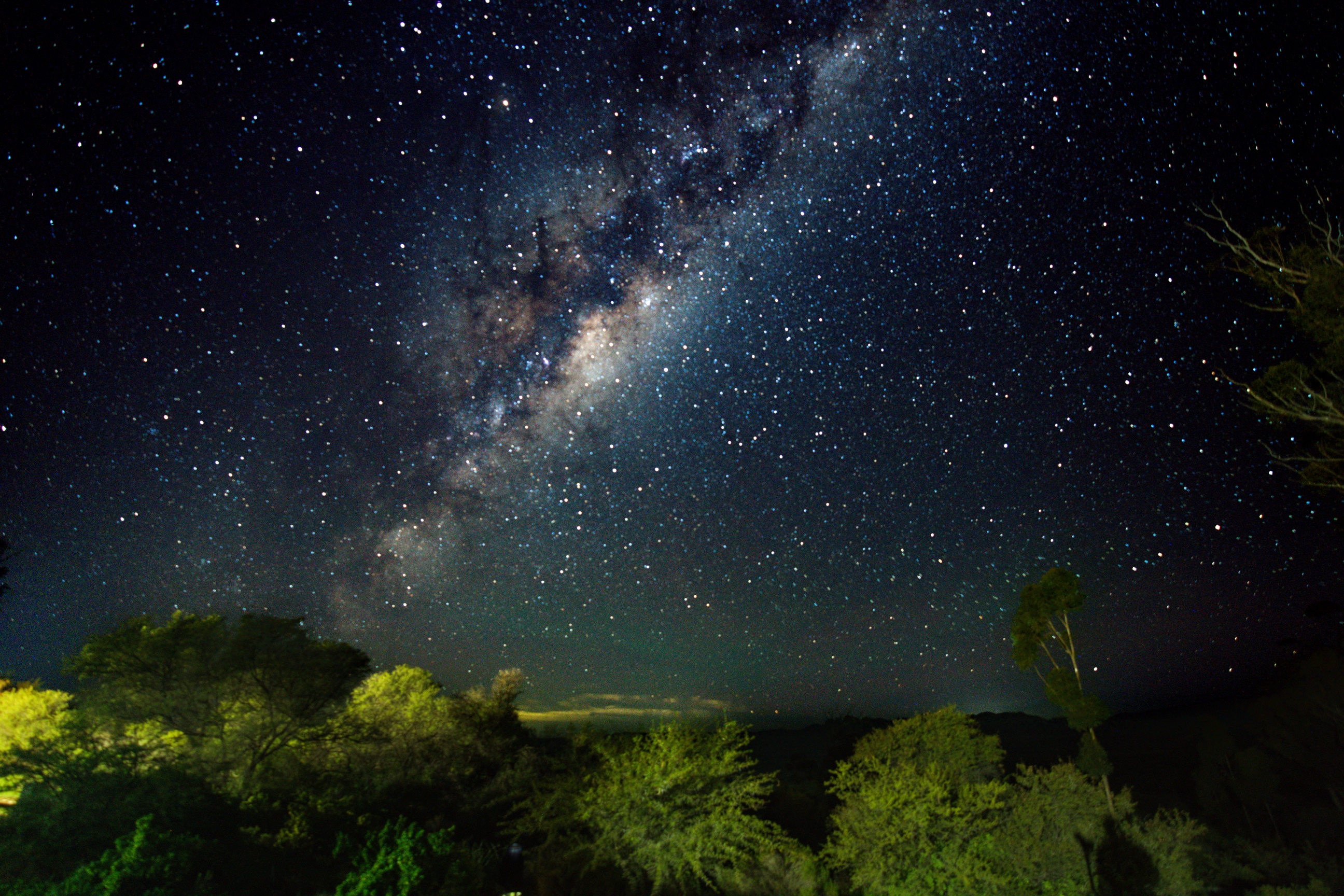
An area closer to our campsite gave me access to do some landscape astrophotography.

With new knowledge and ideas gained from this outing, I would like to return here to improve on these.

After two lovely days at Gannabos, it was time to move on to Hondeklipbaai, where we were booked to spend the night. En route, we came across yet another lovely old ruin.

Our friends were greatly relieved to discover that the accommodation we had booked was considerably better than its name, Honne Pondokkies (literally, “Dog Shacks”), might suggest. As on our previous visit, supper at the Rooi Spinnekop Restaurant did not disappoint. Unfortunately, the heavily overcast conditions put paid to my plans for some astrophotography on the beach and around the lighthouse. I did, however, manage to capture a few late-afternoon images before the clouds rolled in.

Road tripping: Cederberg, Richtersveld & West Coast : Part 1

On a trip like this, I usually try to post daily updates, or at least keep them fairly regular. This time, however, I was hampered by a distinct lack of decent internet access. I had expected to be completely cut off from cellphone and internet connectivity in the Richtersveld, but I certainly hadn’t anticipated the poor connectivity we encountered during the rest of the trip. Even when we were in Wi-Fi zones at campsites or accommodation, or when my cellphone showed a full 3G signal, the connection was often so slow and unreliable that posting to my blog was virtually impossible.

As a result, I have decided to write up the trip retrospectively, in a few posts covering the journey as a whole.

This had been a long-anticipated and carefully planned road trip. With the Hilux — it’s not a bakkie — heavily laden, we finally set off. Day 1 involved a fairly long drive from GQ to a farm stay somewhere between Barrydale and Montagu. Rather than taking the busy N2, we opted for the more scenic R62.

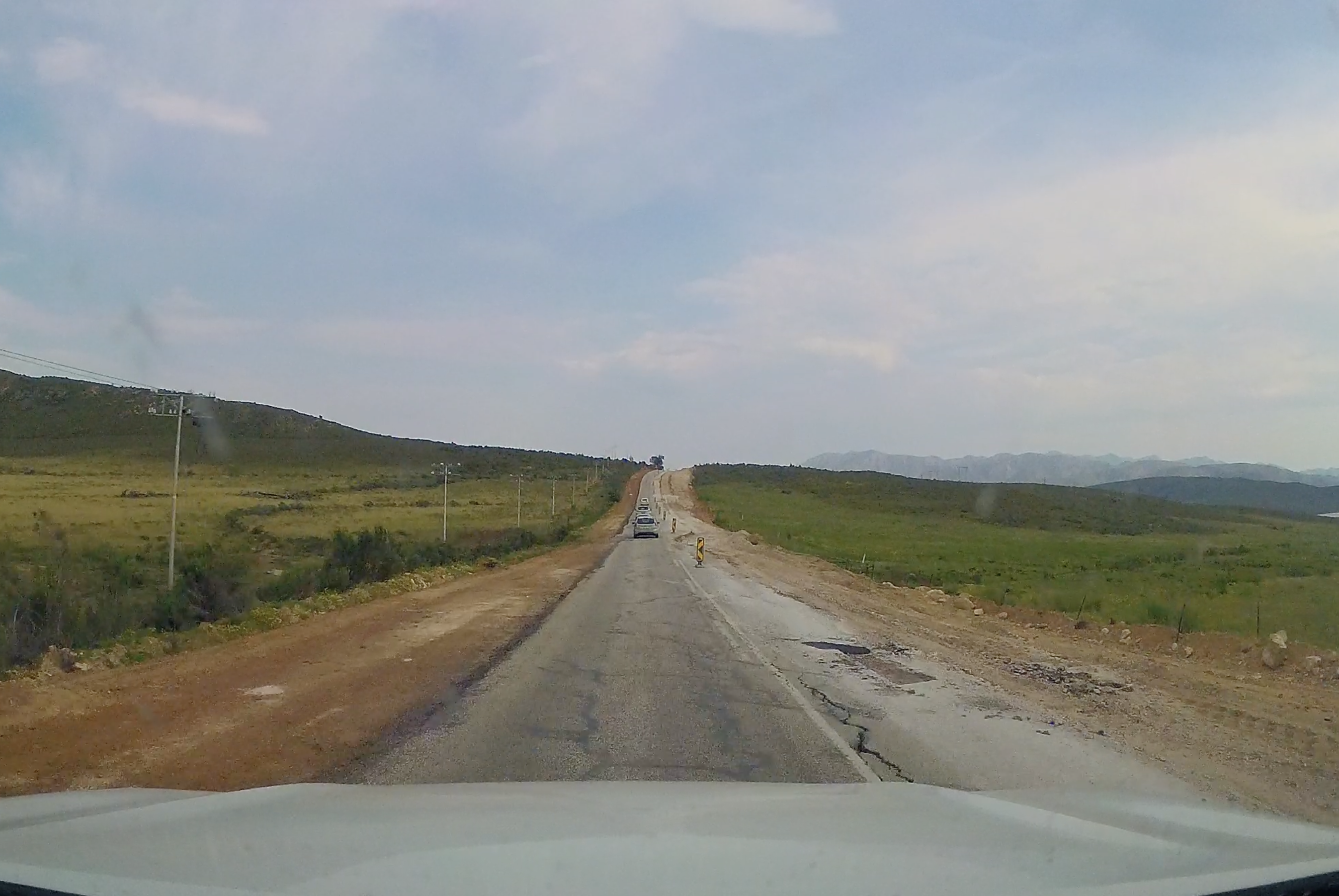
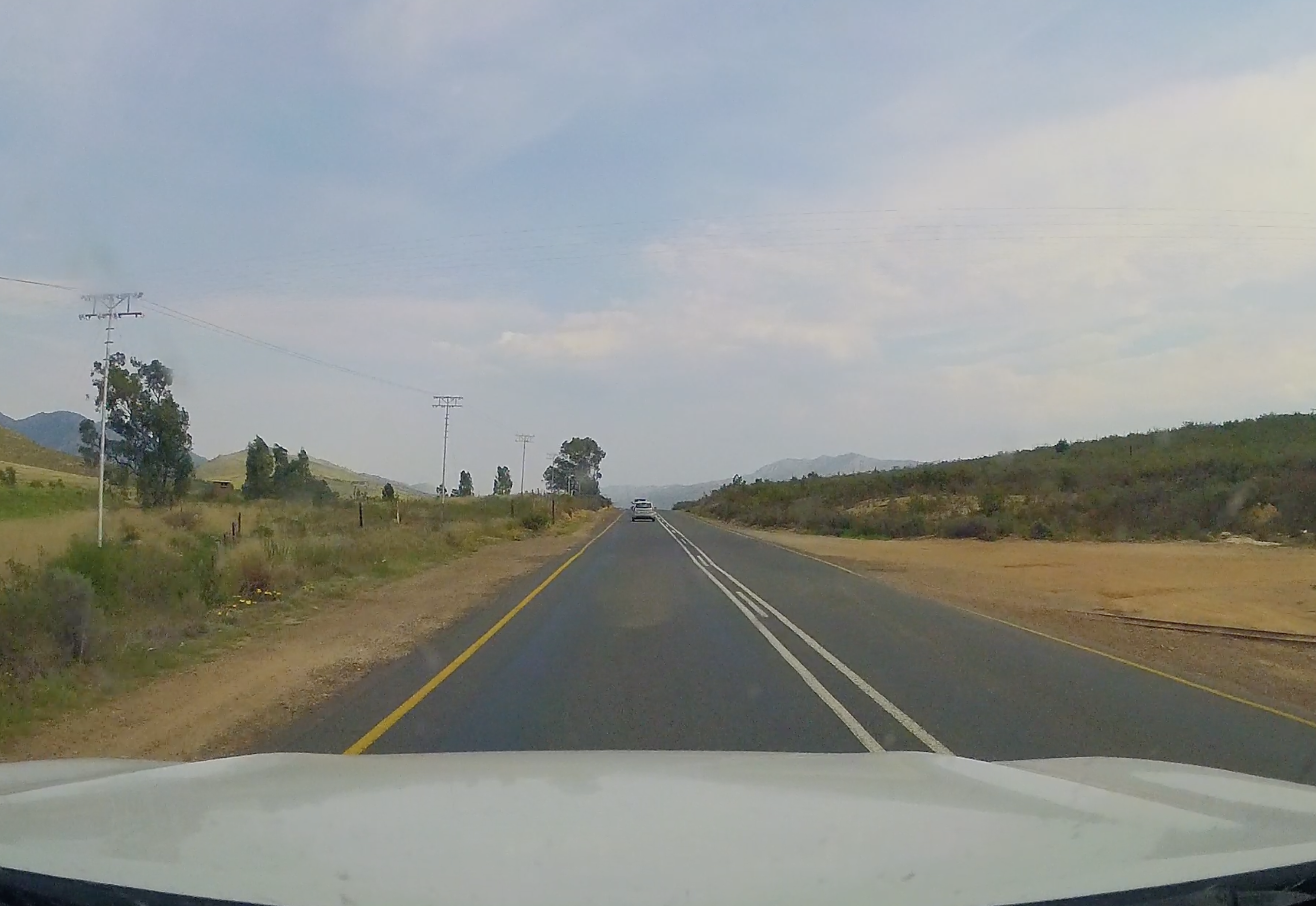
I don’t think there can be a more striking illustration of the difference between the Eastern and Western Cape than the point where the R62 crosses from one province into the other. The contrast is almost immediate. The following dashcam photographs were taken less than a kilometre apart:

During our travels, I have found myself developing a growing fascination with the ruins that appear unexpectedly beside the road — remnants of lives, homes and places that have long since slipped into the past.

On Day 2, we met up with our friends in Robertson before continuing on towards the Cederberg. At the summit of Gydo Pass, we were rewarded with this stunning view.

The gravel road through the southern Cederberg region remains one of the most scenic roads in South Africa.

My fascination with ruins next to the road continues.

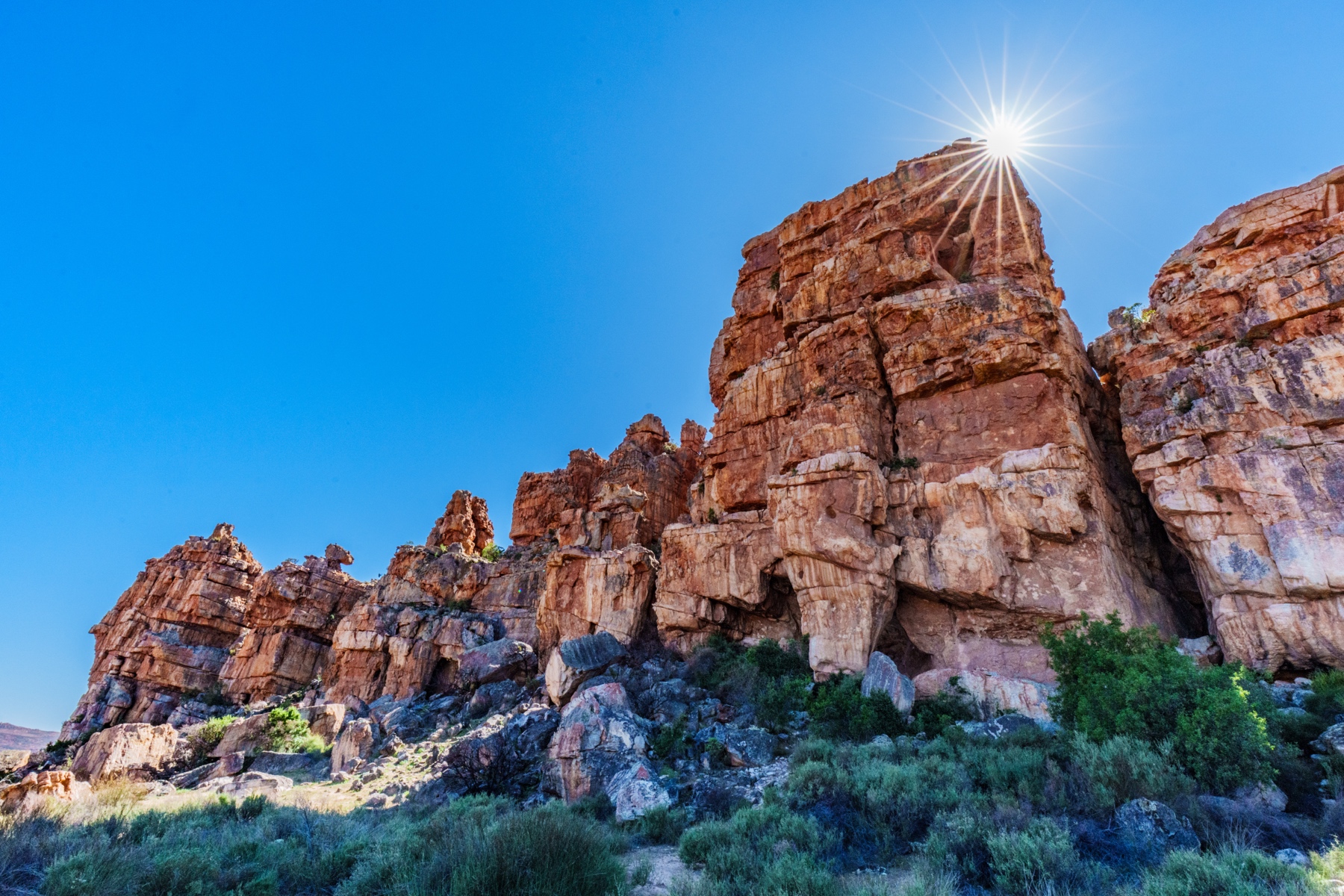
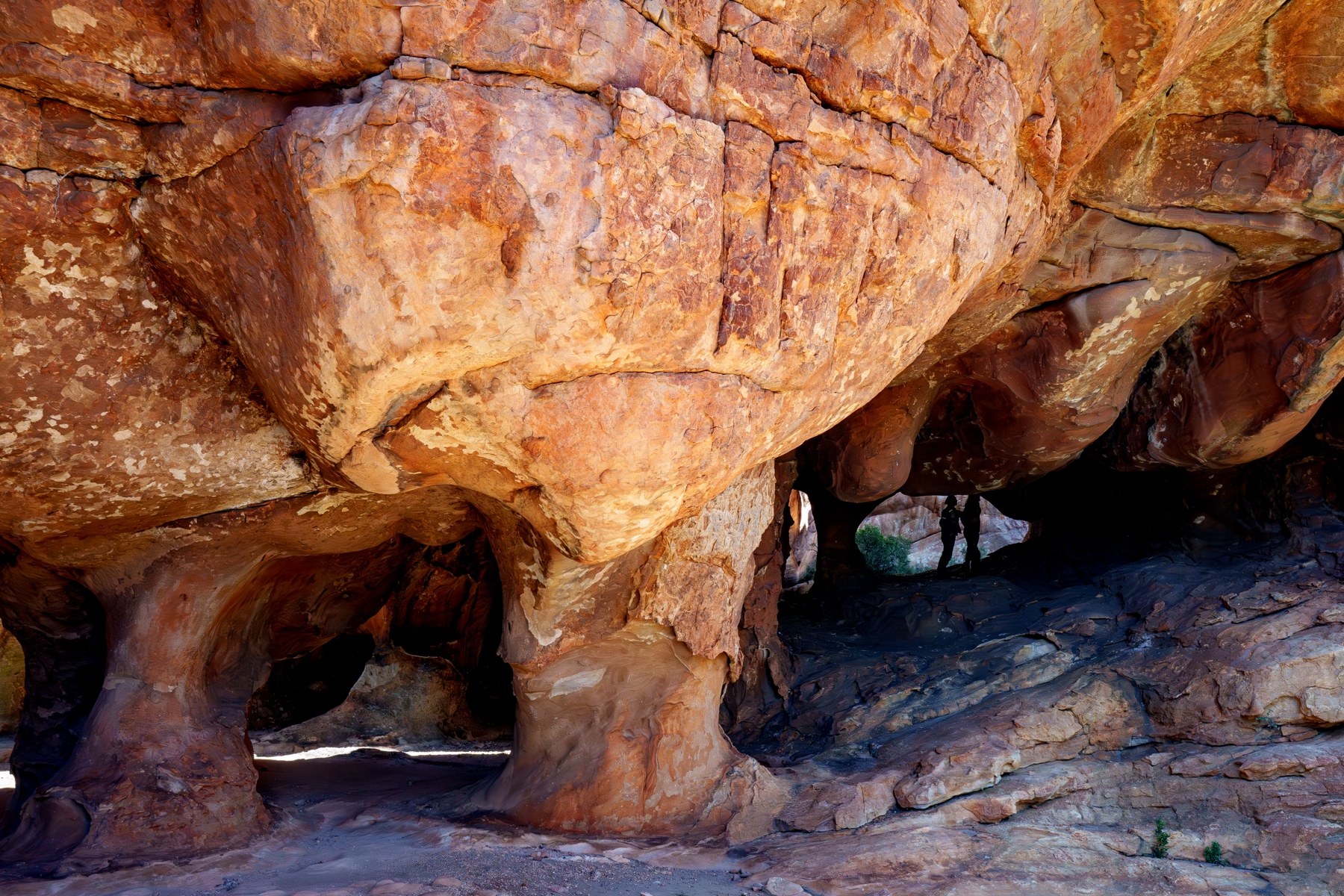
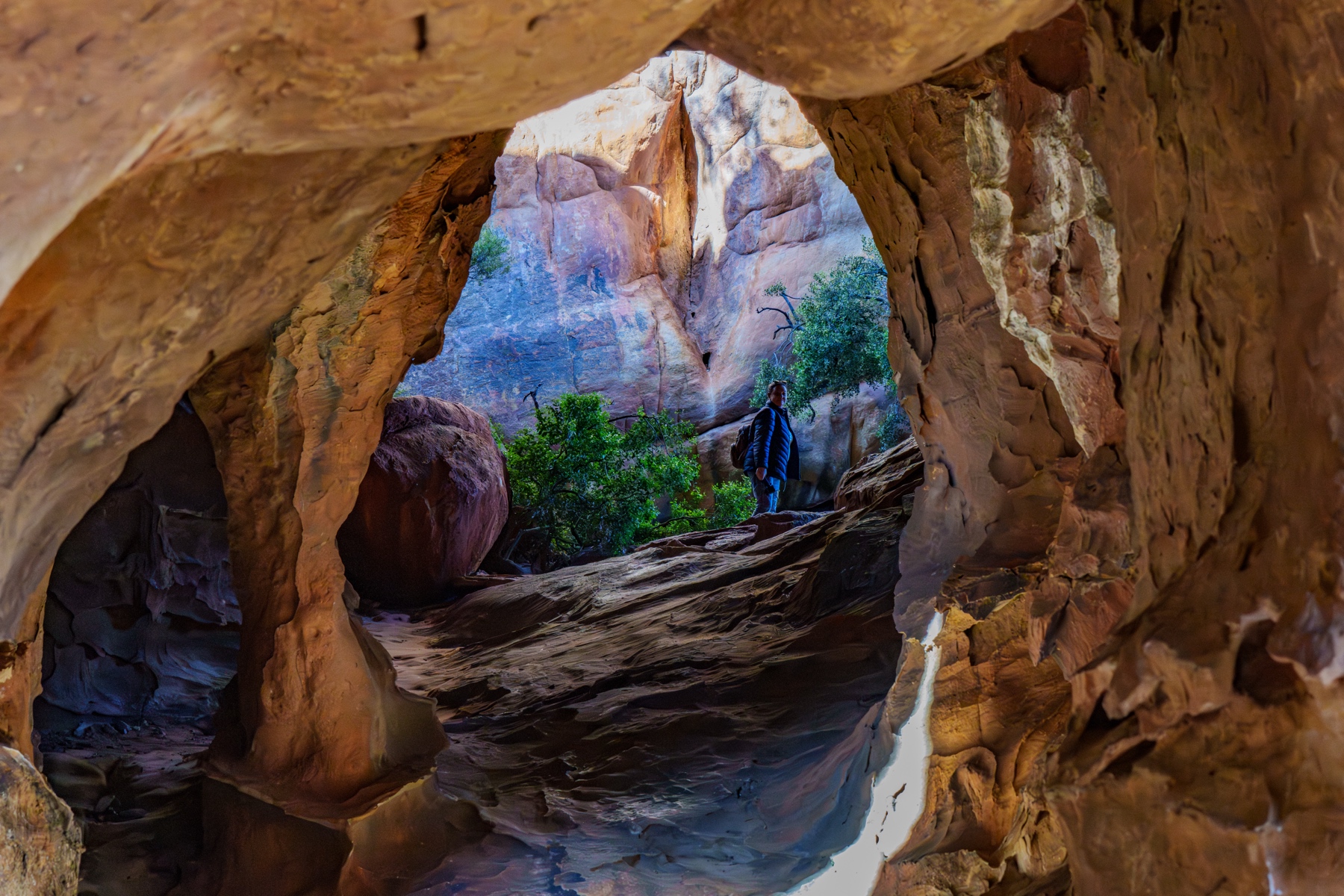
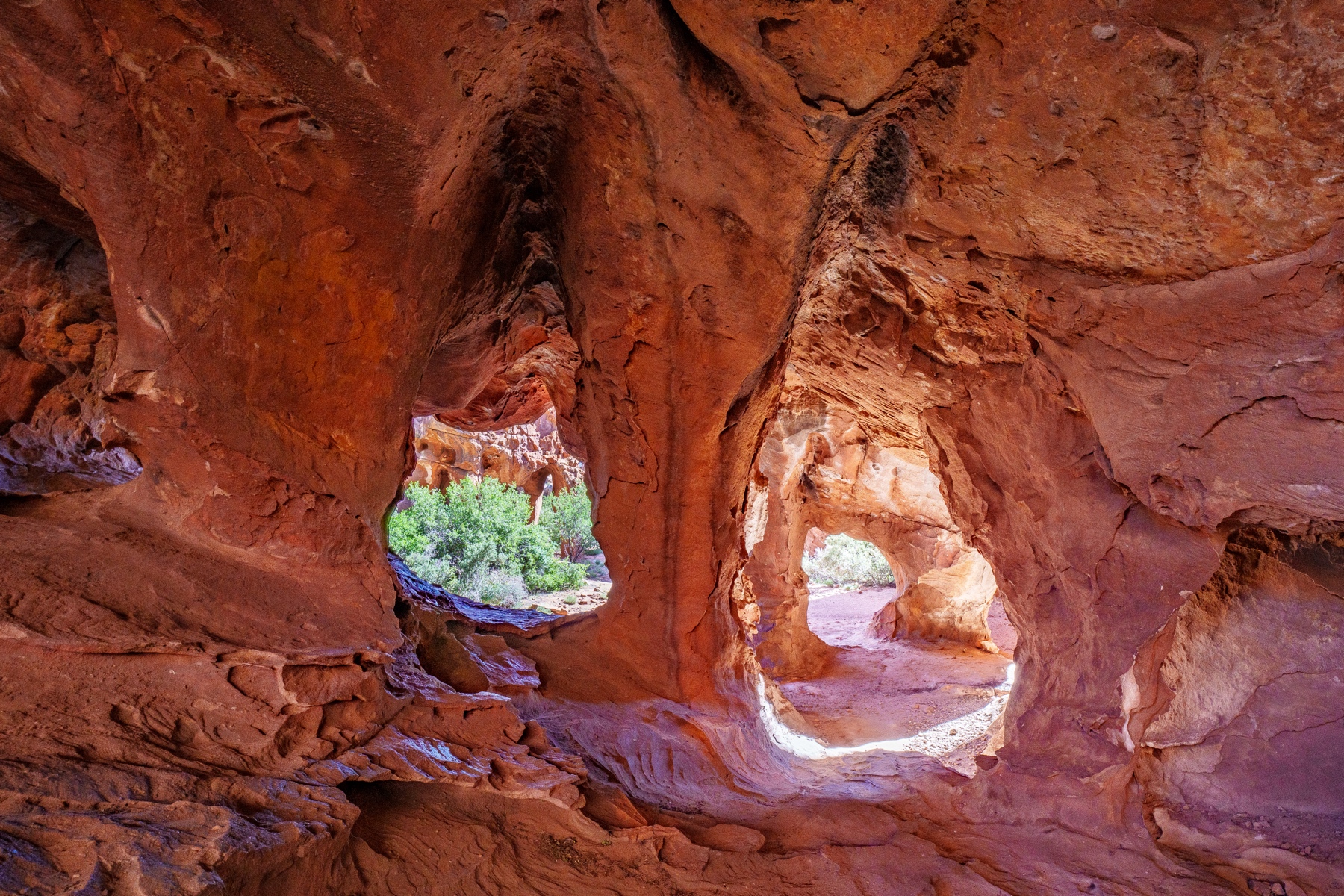
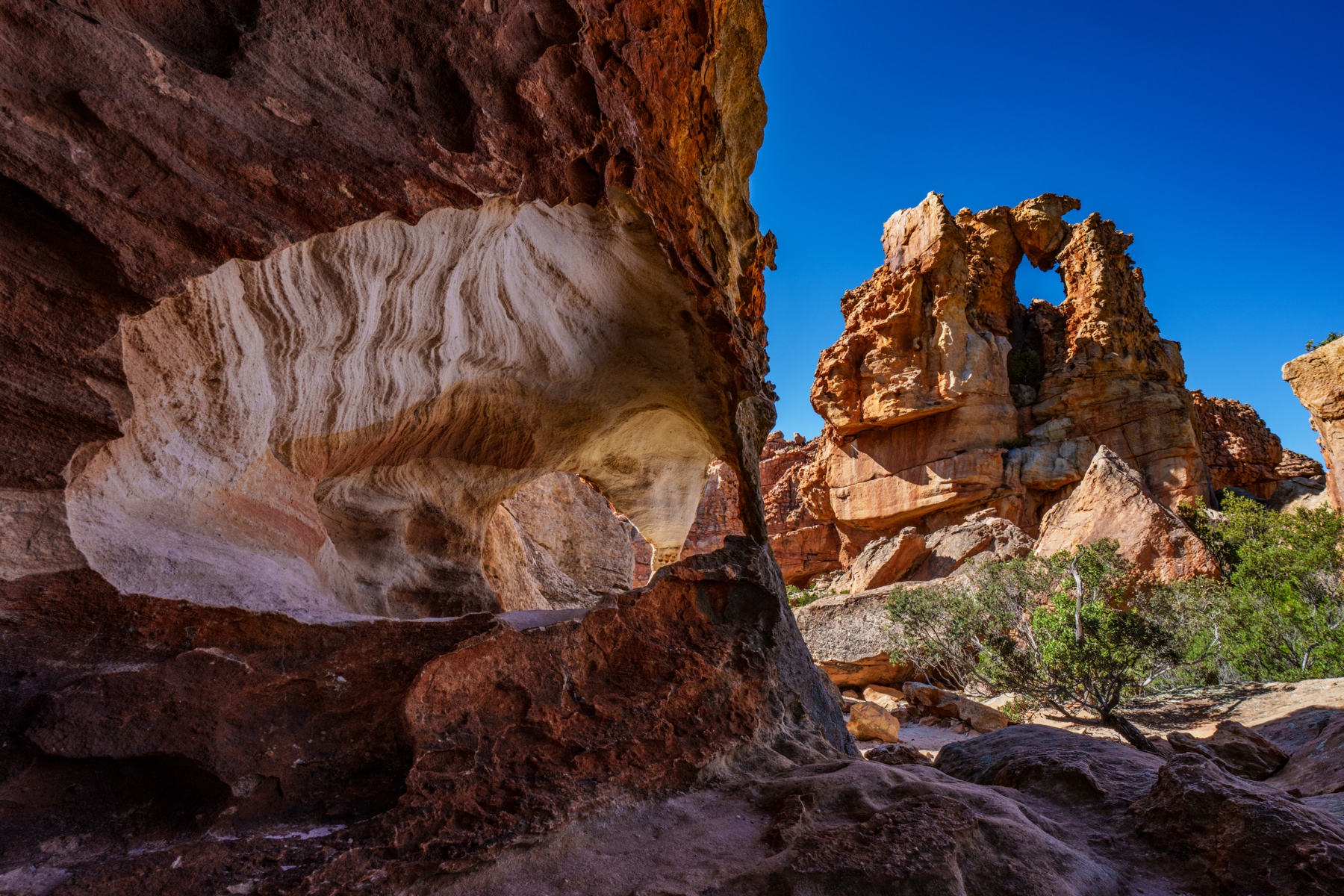
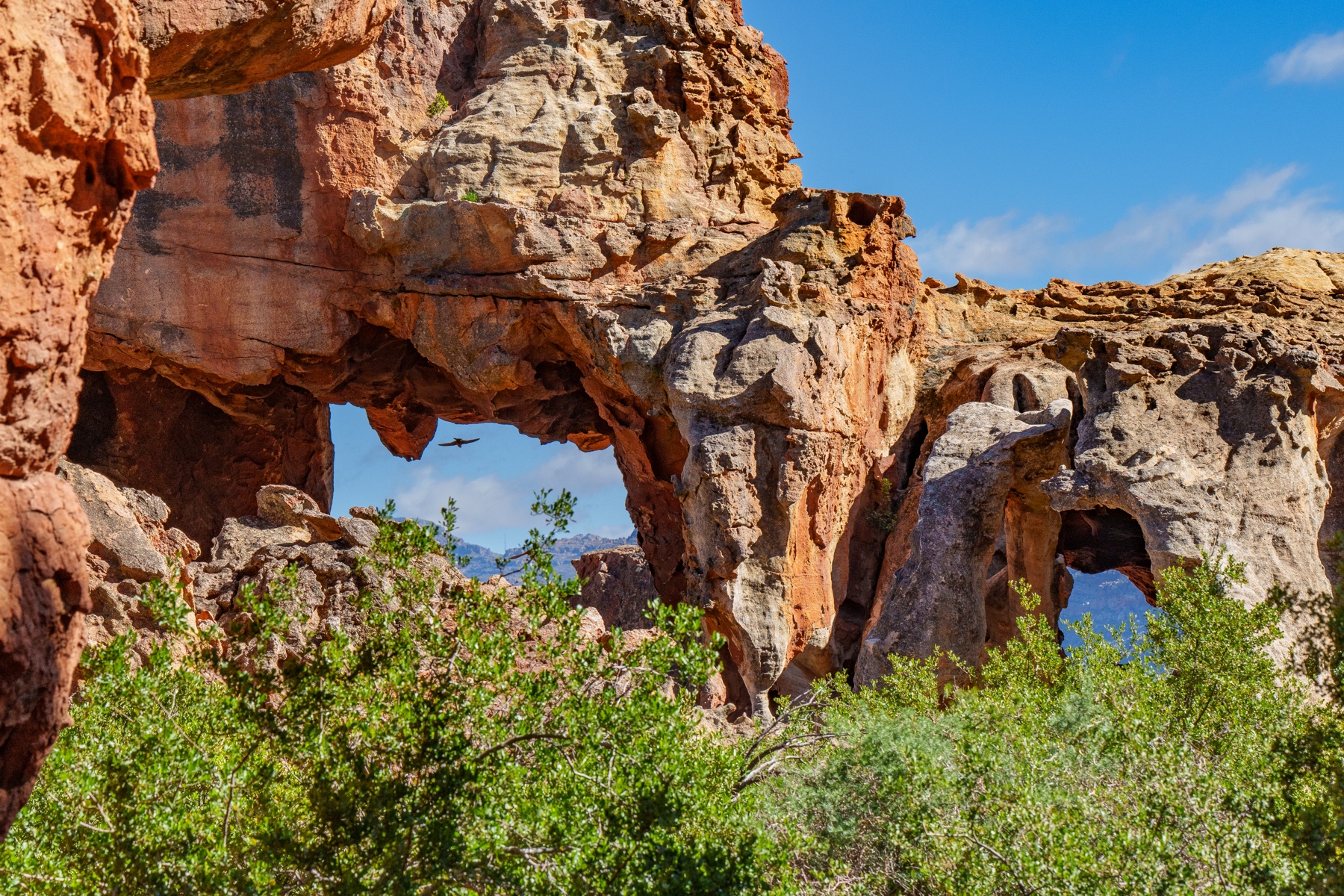
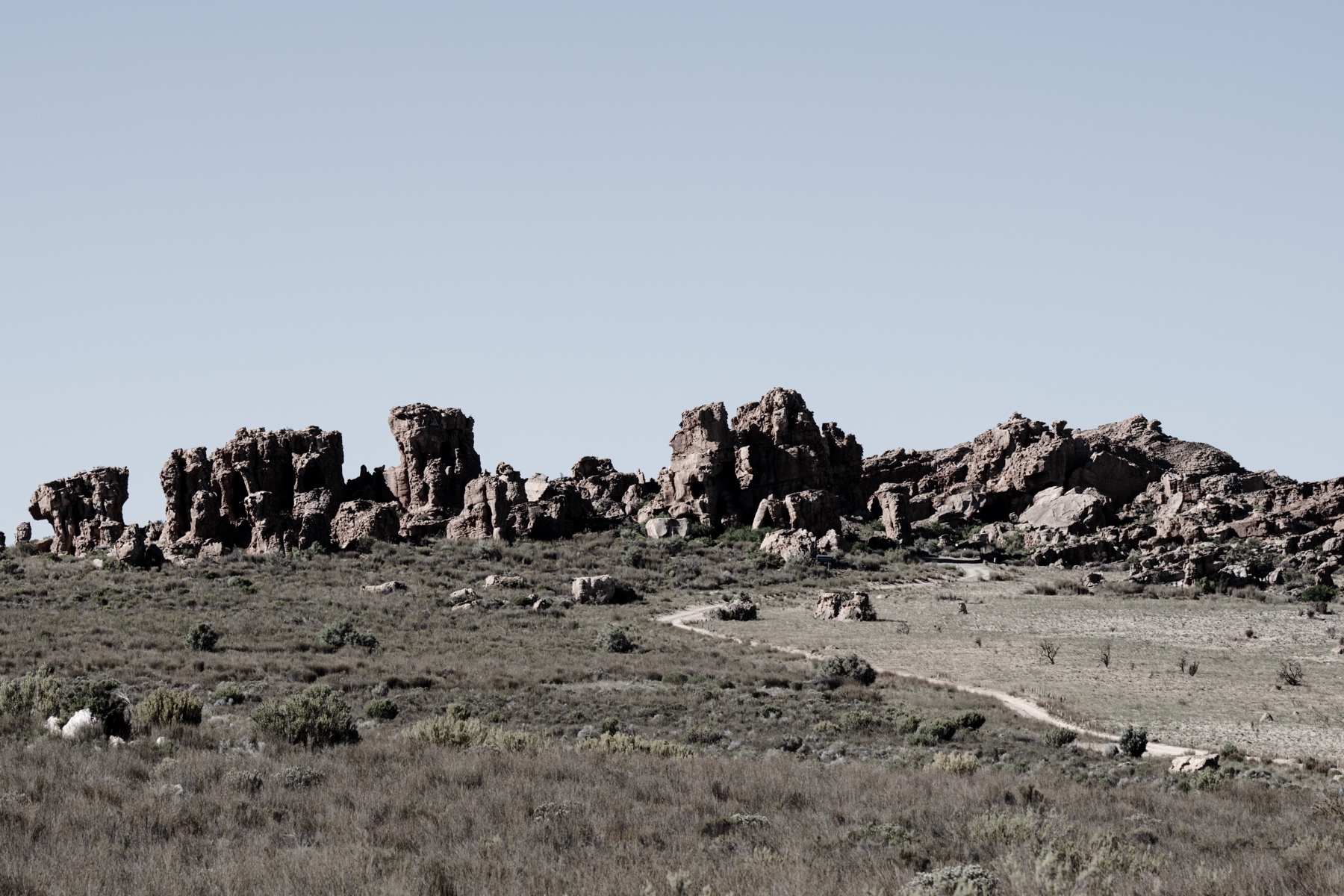
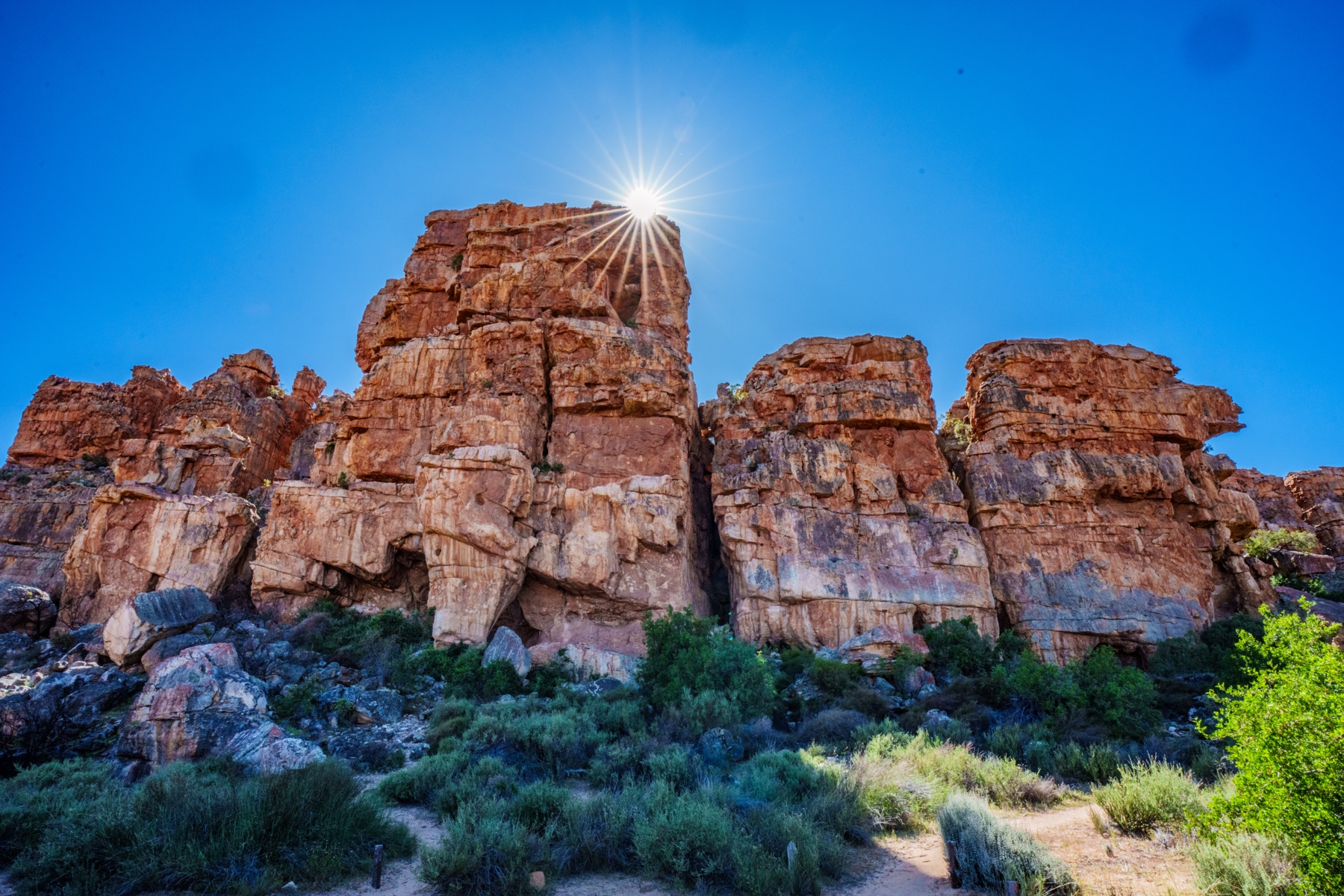
Camping at Kromrivier Cederberg Park, we spent the following day exploring the surrounding area. A visit to the Stadsaal (Town Hall) Caves was followed by an excursion to Truitjieskraal. Both offered spectacular examples of the distinctive rock formations for which the Cederberg is renowned.

Some more ruins along the way.

Road tripping through the Klein Karoo and Overberg

As we set out to visit our children in Cape Town, we decided that, rather than making our customary headlong dash to arrive as quickly as possible, we would turn the journey into an unhurried road trip. It would be an opportunity to explore and appreciate the beautiful corners of our country that we have so often rushed past without stopping.

At Riversdale, we turned inland towards Barrydale, crossing the Garcia Pass, Muiskraal Pass, and Kliphoogte—a route of ever-changing scenery that offered a striking contrast to the coastal landscape we had left behind.

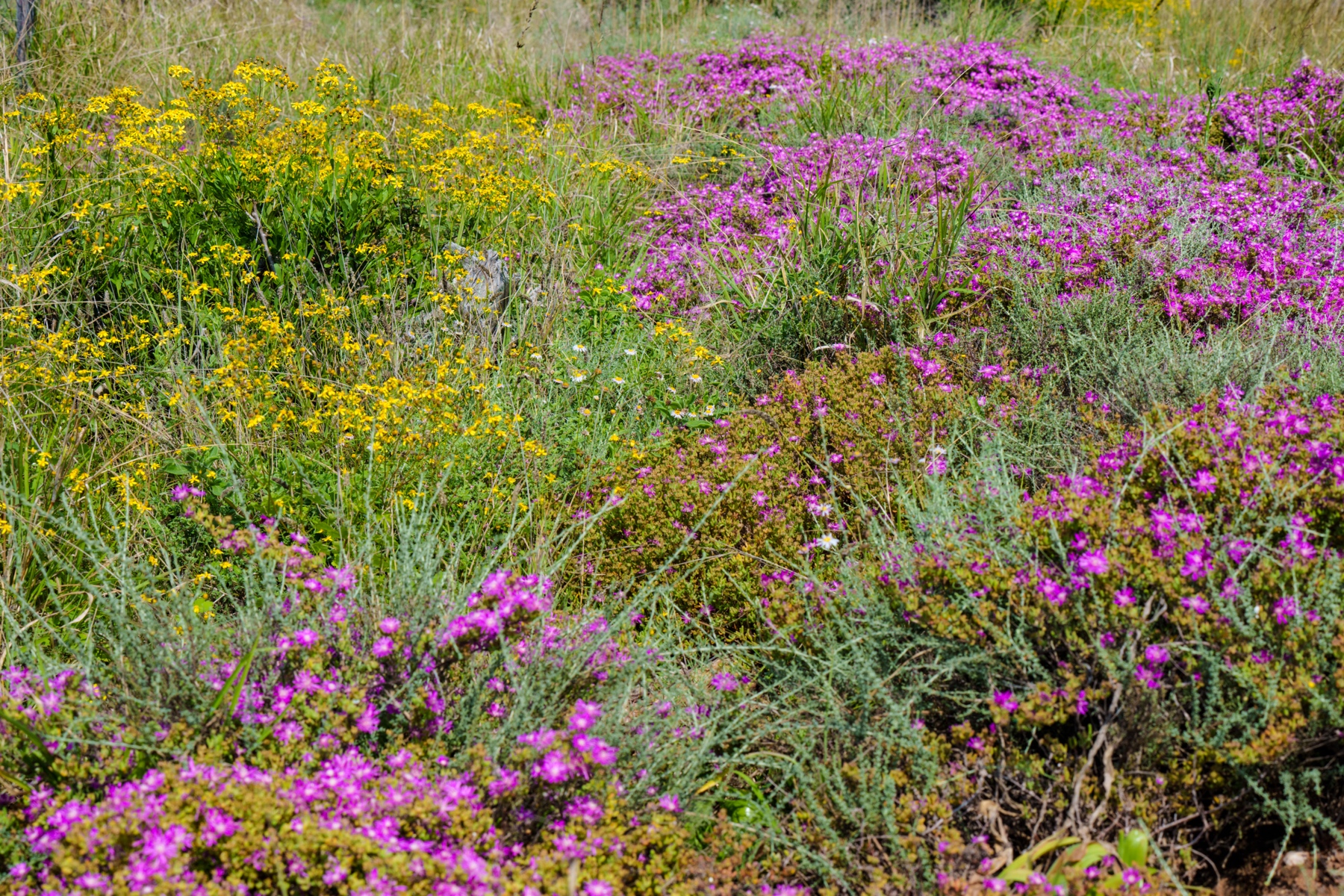
Along the way, we came across beautiful wildflowers in the veld. Naturally, we stopped to photograph them, only to be approached by a concerned local who suspected we were there to steal succulents. Apparently, the area has suffered several such thefts. Once we had reassured him that the only things we were taking were photographs, he wished us well and left us to continue capturing the beauty of the landscape through our lenses.

Barrydale is a quaint little town with plenty of character. After visiting the Barrydale Hand Weavers, we called in at the Joseph Barry Distillery for a brandy tasting. Although their brandy is produced in the Cognac style, it cannot, of course, bear that name. Interestingly, the distillery and the hand weavers share the same premises.

From there, we checked into the Karoo Art Hotel before setting off on foot to explore the town. We stopped to photograph the charming church and made our way to the local bookshop, only to find it closed and securely locked.

The day’s biggest surprise came after supper, when we unexpectedly ran into friends. They were returning home from Cape Town but had been delayed and left later than planned, resulting in an overnight stay in Barrydale. What had begun as an ordinary evening turned into a delightful opportunity to catch up over good conversation.

The following morning began with an invigorating—some might say foolhardy—plunge into a 9°C rock pool in the Tradouw River, a ritual that, according to the hotel owner, he faithfully observes every day. It was certainly an unforgettable way to start the morning.

From Barrydale, we enjoyed a leisurely drive to Cape Town, where we spent several wonderful days with our children.

While in Cape Town, I decided to take advantage of the exceptionally calm conditions to tackle a swim from Robben Island to Blouberg. With the weather providing an almost perfect window of opportunity, it was an opportunity not to be missed.

On our way home, we used the opportunity to explore the Overberg, staying over with a friend in Hermanus.

Interrupted Camping Trip: some Astrophotography

Our original plan was to go camping at Anysberg Nature Reserve from 13 to 16 June. However, due to the severe weather over the previous two months and a notice on their website stating that the reserve would be closed until 10 June for repairs and maintenance, we phoned them on 5 June to confirm whether they would be open. We were told that they would probably remain closed for another two weeks, although we would receive an update during the following week. Unwilling to take any chances, we decided to look for an alternative destination. The group eventually agreed on Warmwaterberg Spa.

Unfortunately, I developed a nasty intestinal infection just two days before our departure. On the morning we were due to leave, I felt that I was over the worst of it and starting to improve, so I decided to join the trip anyway.

We arrived in the late afternoon and quickly set up camp in the beautiful campsite. After a relaxed and enjoyable braai, I headed out to find good spots for photographing the stars. It was a perfect, cloudless night, and I managed to capture a few lovely photos.

The next morning we enjoyed lounging in the warm mineral pools, followed by a refreshing plunge into the cold pool — a dramatic contrast from approximately 40 °C to 16 °C.

That evening the sky was overcast, ruling out any chance of astrophotography. Unfortunately, my intestinal infection flared up again, forcing us to cut the trip short and head home early the following morning. The drive back took us through stunning landscapes, but I was in no condition to take photographs. I will definitely have to return another time.

Exploring Madikwe Game Reserve: Day 5

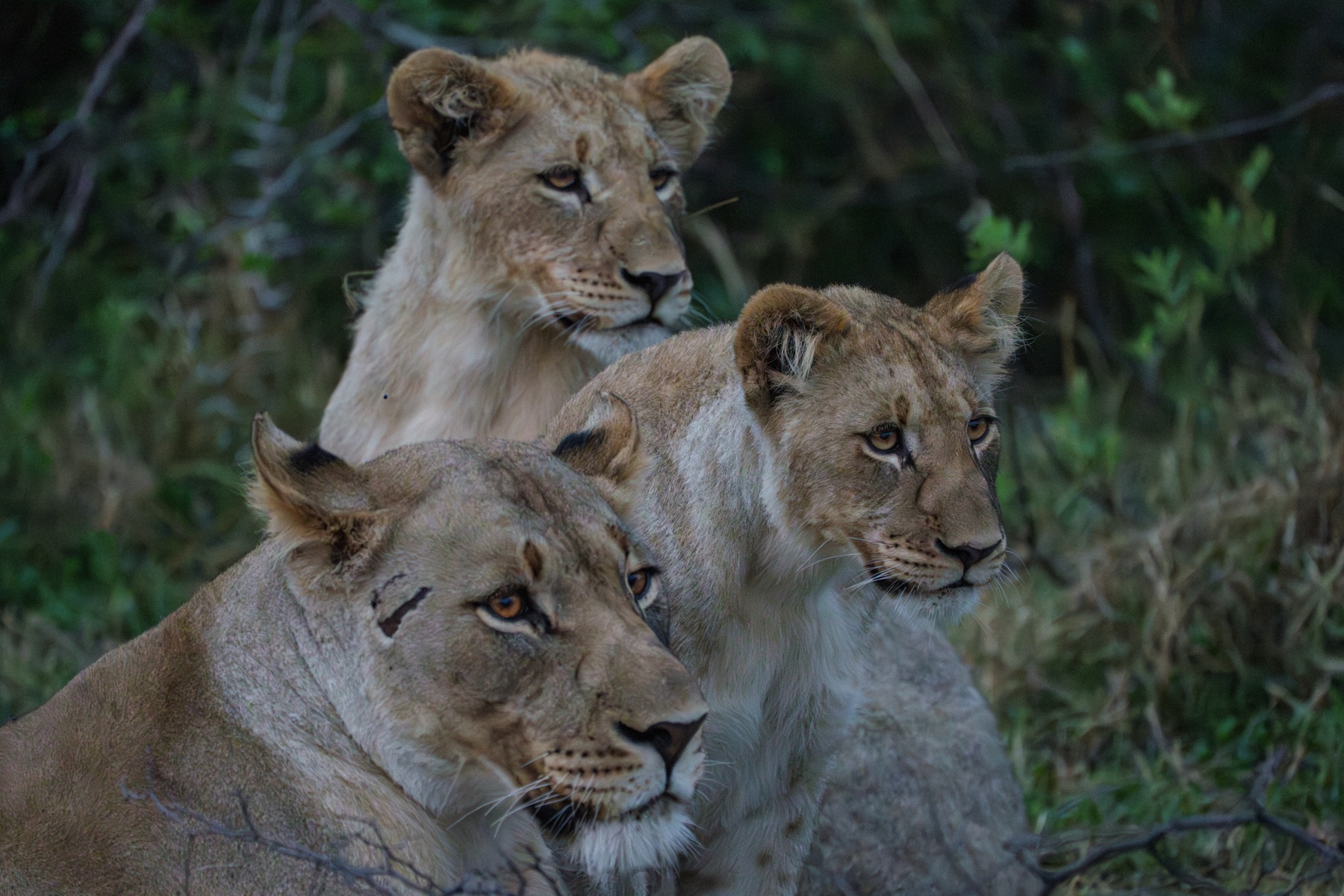
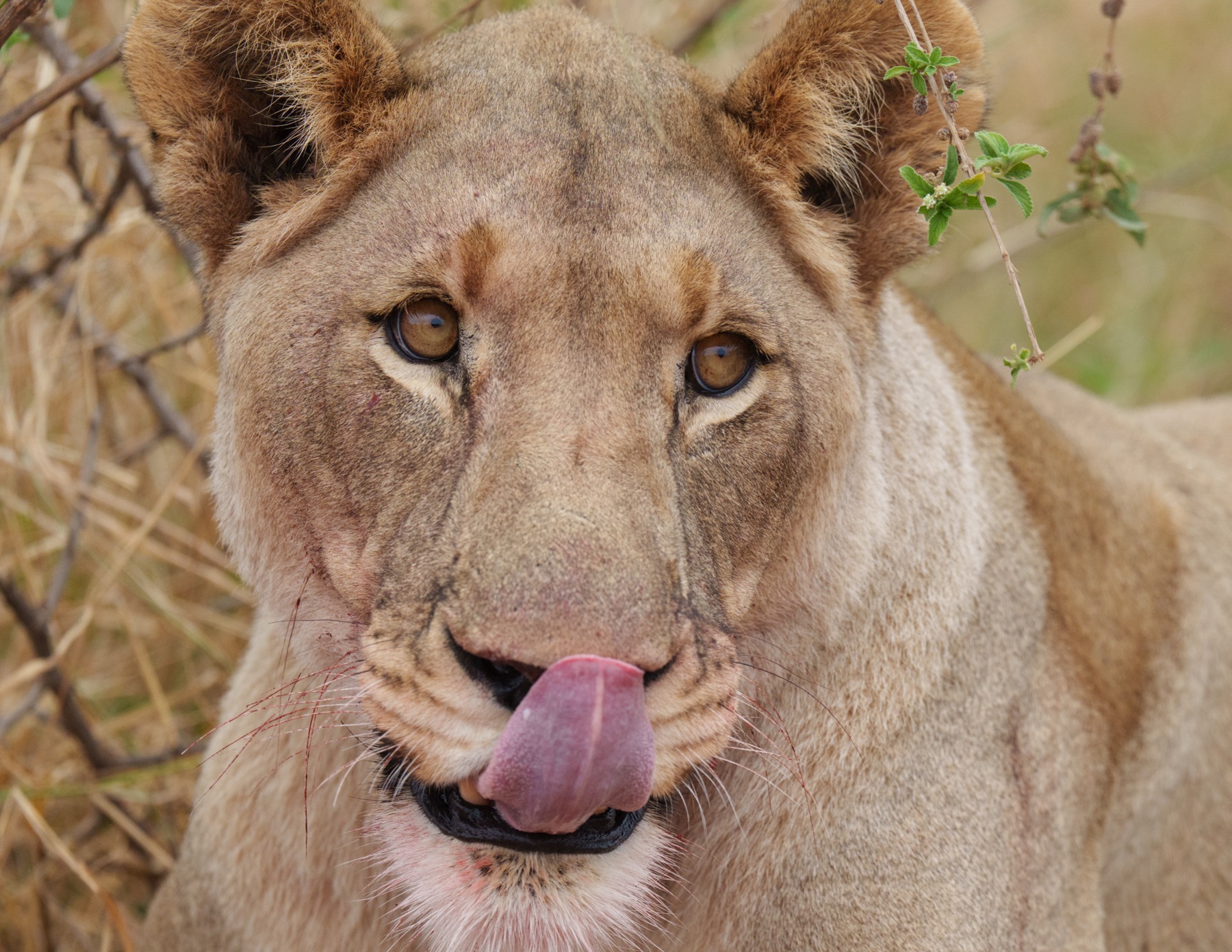
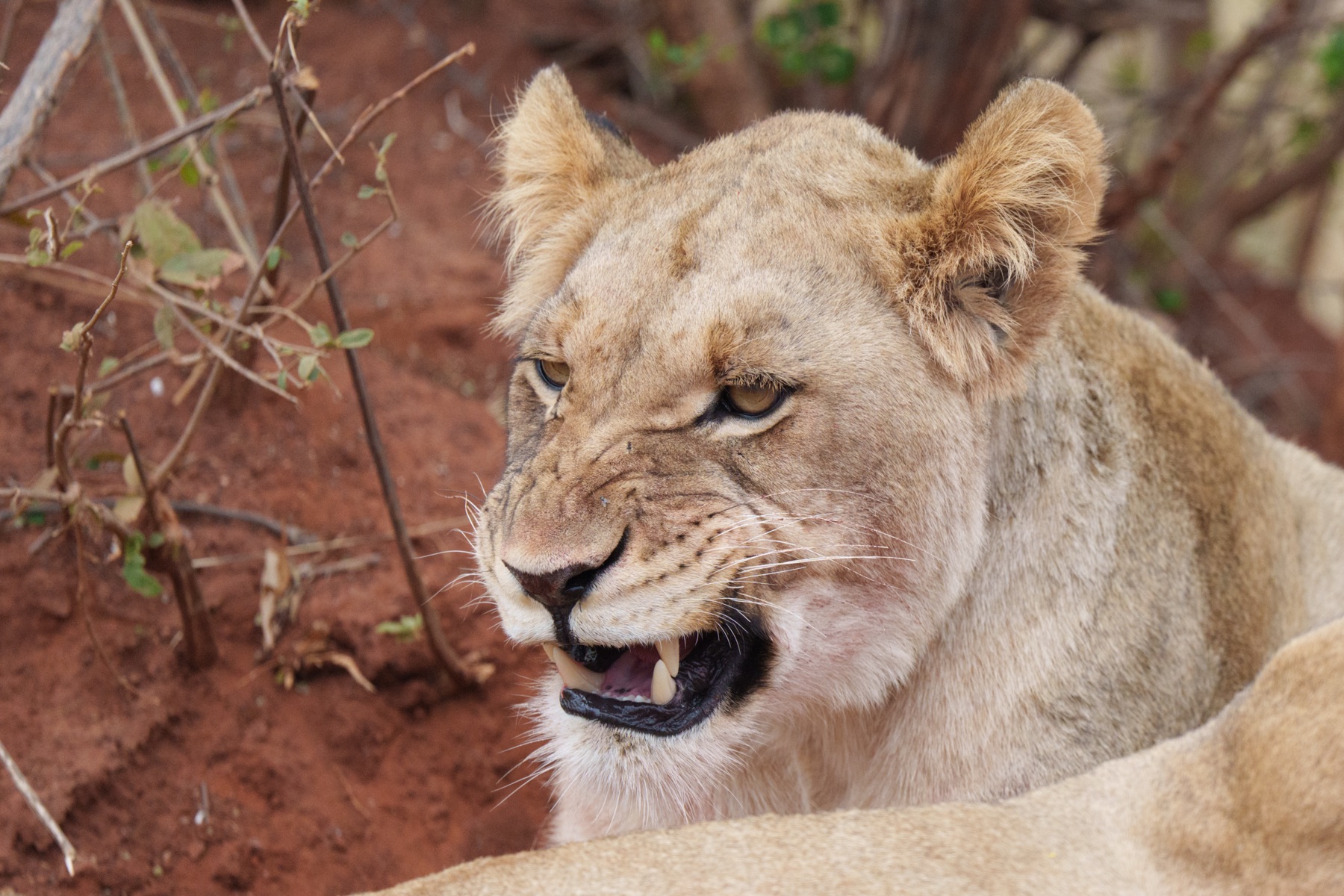
Our last morning game drive was done in cold, overcast and windy conditions, with the animals inactive and hiding from us. We did get to see a group of three lionesses with one young male with them, eyeing the wildebeest before stalking away in the long grass. They were so well camouflaged that you would not see them if you didn’t know where to look.

The bravery of the trackers never ceases to amaze me.

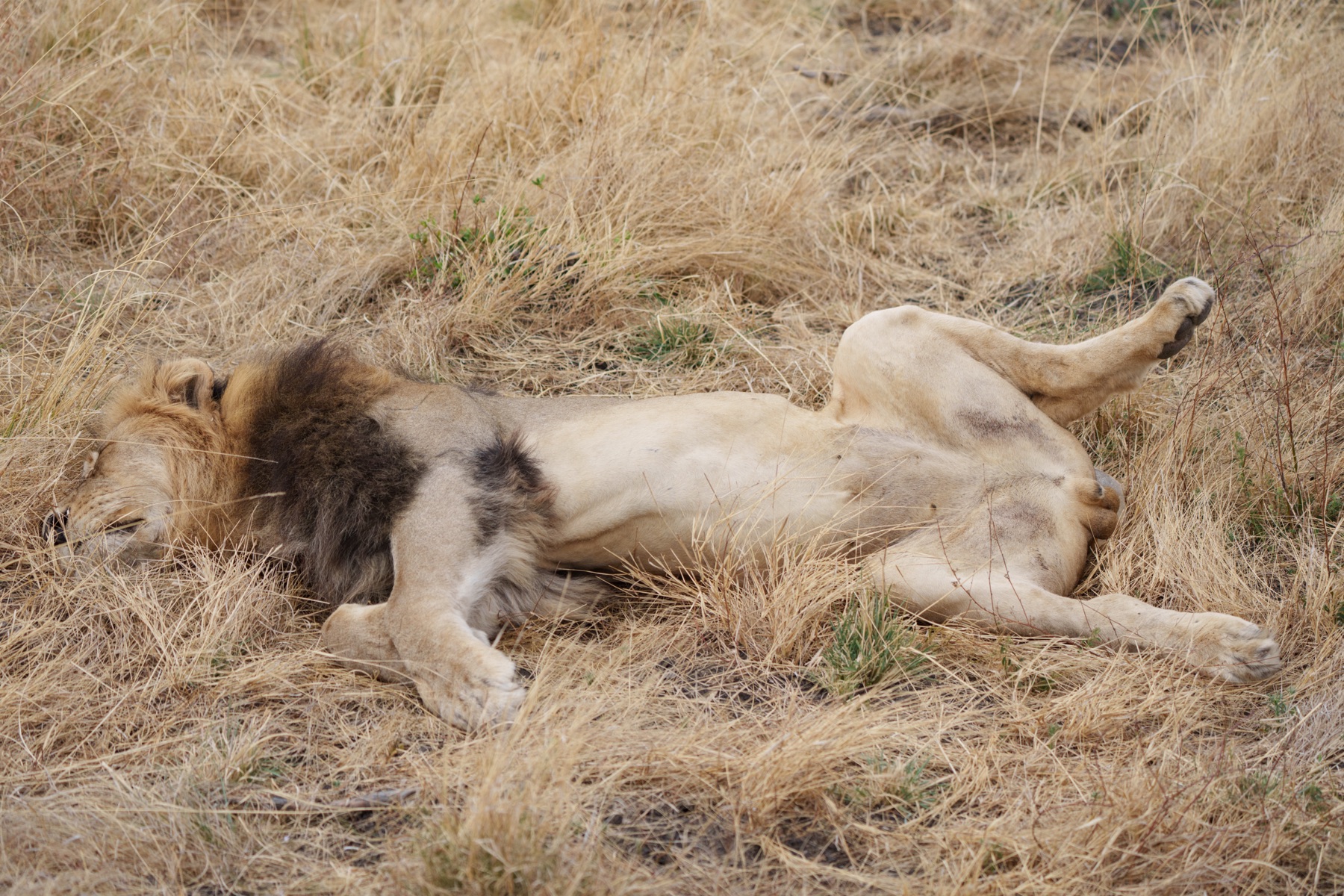
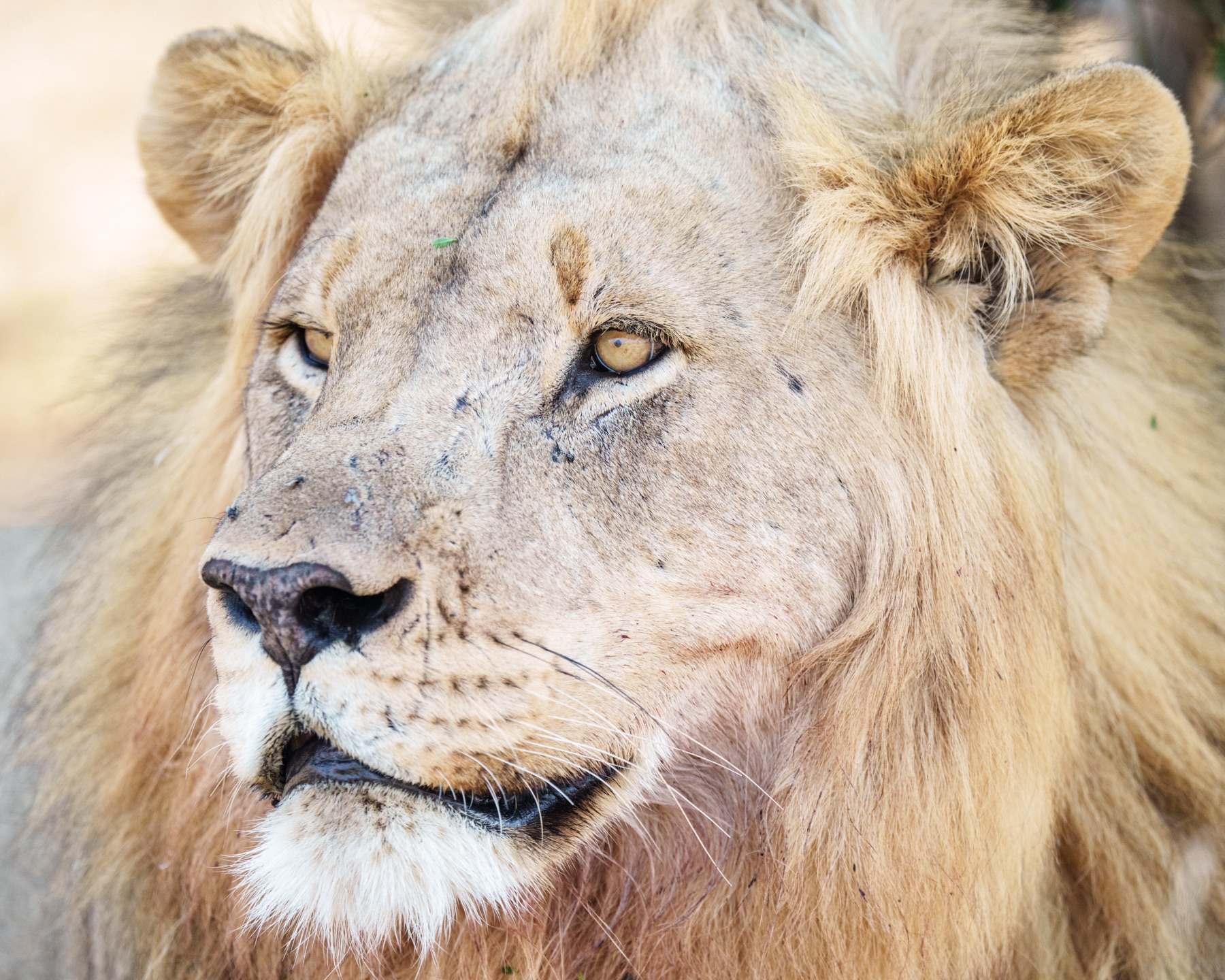
We saw one more sleeping adult male lion on our way back to the lodge.

Our flight from Madikwe to OR Tambo ended up being 90 minutes late, resulting in a mad rush to make it in time for our flight back home. Fortunately Federal Air, who were responsible for our lateness, arranged to have us fast tracked through bag drop and security, resulting in us arriving at our boarding gate for the flight home with 10 minutes to spare.

Exploring Madikwe Game Reserve: Day 4

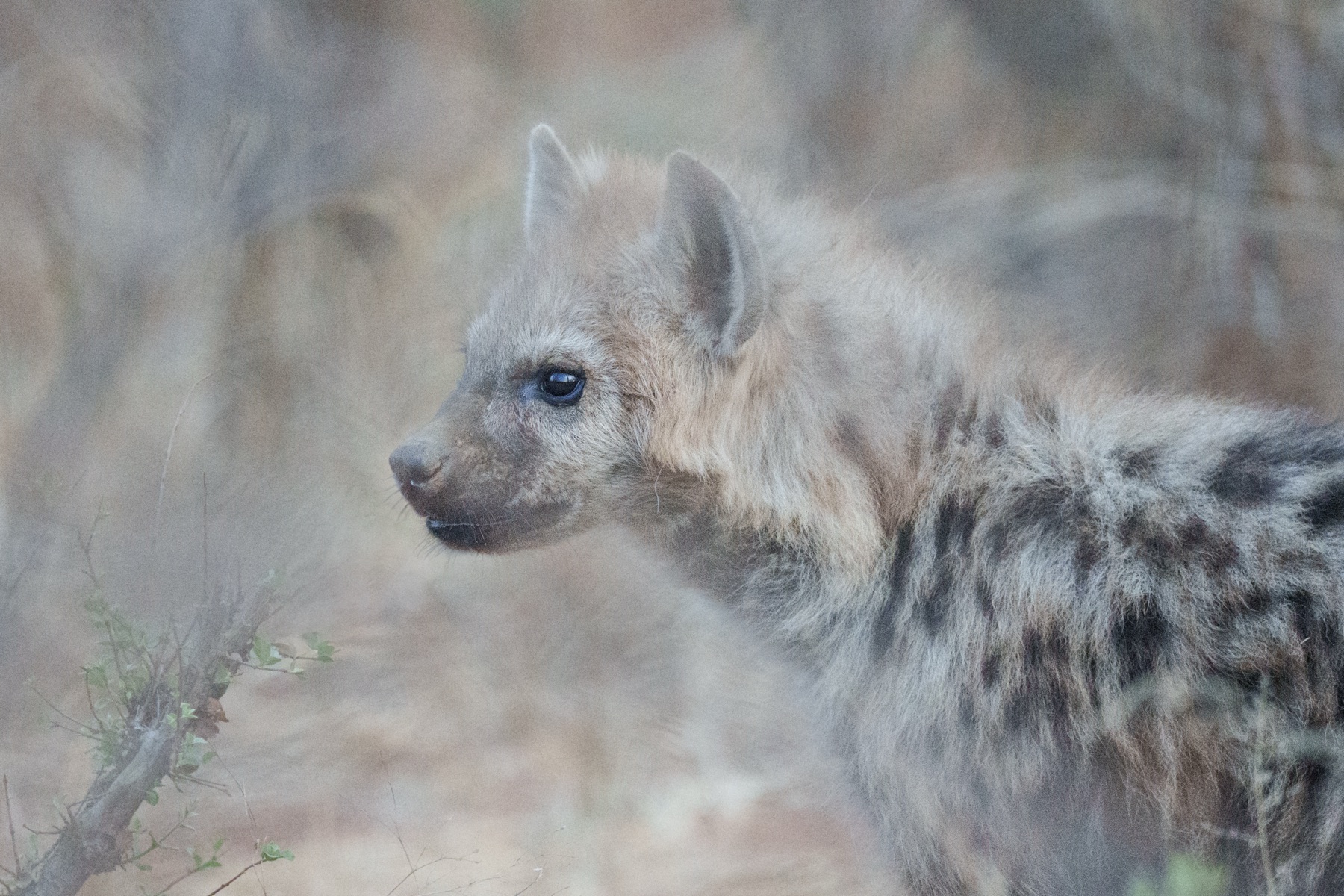
We had our usual early morning start. Sam decided to take us to a spot close to where hyenas with their cubs were known to den. According to him, the curious cubs would often come out to look, when they heard a vehicle stop nearby. We could see them lying under a bush, but after waiting a while, we thought that they were not going to come out and we decided to leave. Soon Sam got a call on the radio, informing him that they had emerged when another vehicle stopped there, as we were leaving. This led to us making a U-turn and returning to the site.

Adult hyenas may be considered part of the “ugly five”, but their cubs are extremely cute.

After this we drove north to an area with open plains, where we saw some Springbok

and also found the lions we had seen at the zebra kill on our second day, now relaxing and sleeping in the grass. One male briefly acknowledged our presence, before lying down again.

The afternoon was cold, windy and overcast, the animals pretty much hiding from the elements and from us. My attempt at photographing a Wahlberg eagle in flight was not a great success, the dark eagle against the white clouds not photographing well. I did take my obligatory Lilac Breasted Roller shot though.
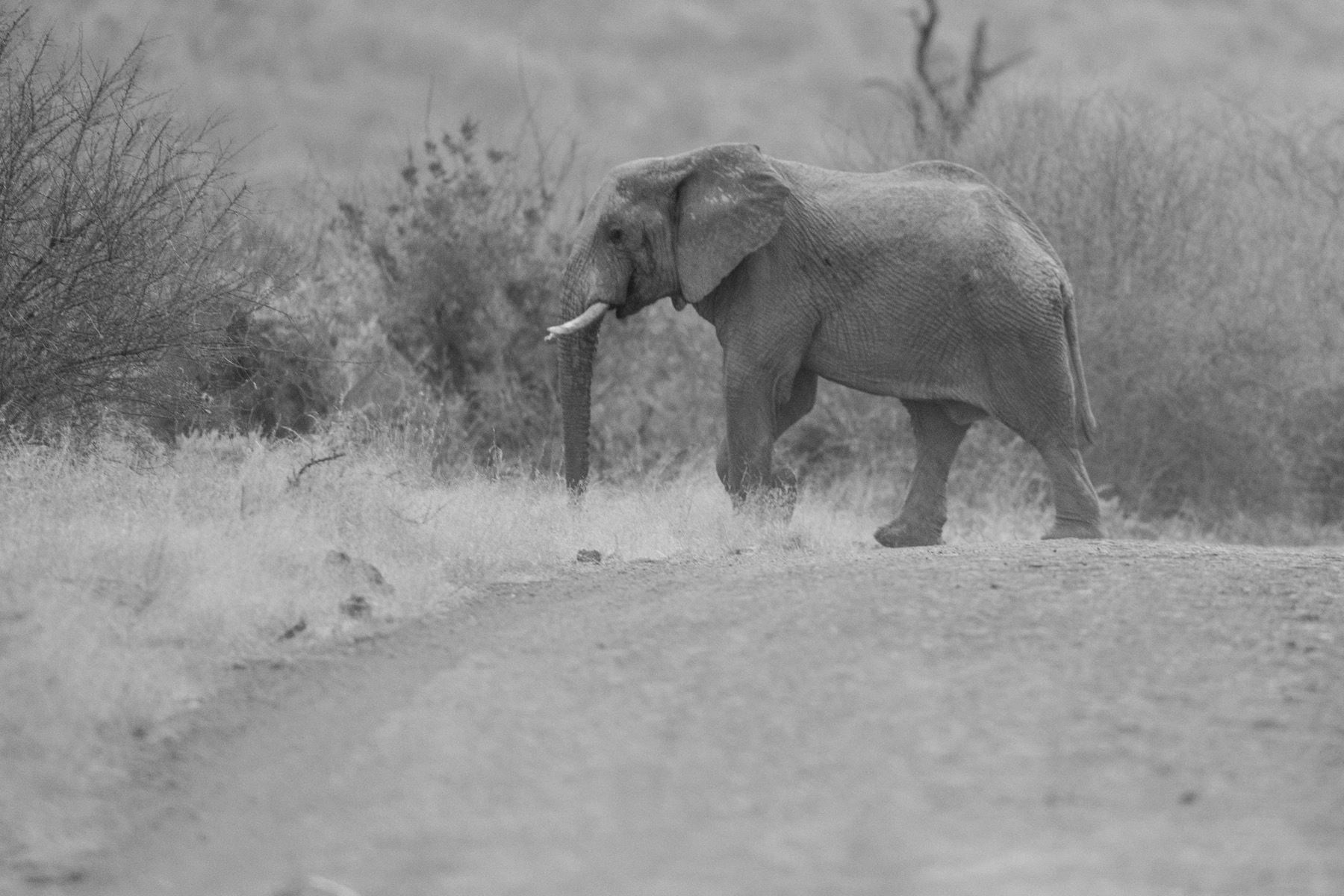
Once again, we saw numerous elephants and Wildebeest (Gnu).

In the overcast conditions, darkness arrived rather quickly, with none of the previous days’ spectacular sunsets. Just before dark, we found a group of two lionesses with 8 cubs. With aperture wide open, shutter speed as slow as I was comfortable with while shooting handheld and ISO as high as I was comfortable with, the photos were still very dark and some work in Lightroom and Topaz Denoise was required afterwards to make them usable.

This day was also an unfortunate reminder that things do not always go to plan during traveling. First there was an unfortunate little incident, resulting in my one camera meeting with a sharp edge on the floor of the game drive vehicle. This rendered the camera inoperable, but at least it was at the end of the day and I did not lose any photography opportunities due to this.

As if this wasn’t enough, when we arrived back at the lodge, we were informed that our flight out of Madikwe the next day, was going to be at least an hour delayed, causing concern about our ability to still be in time for our flight home. Not much one can do about that except wait and see.

Exploring Madikwe Game Reserve: Day 3

The usual early morning start, after a quick cup of coffee, had us out on our game drive as the sun was rising, providing a lovely background for a shot of a Pale Chanting Goshawk in a dead tree.

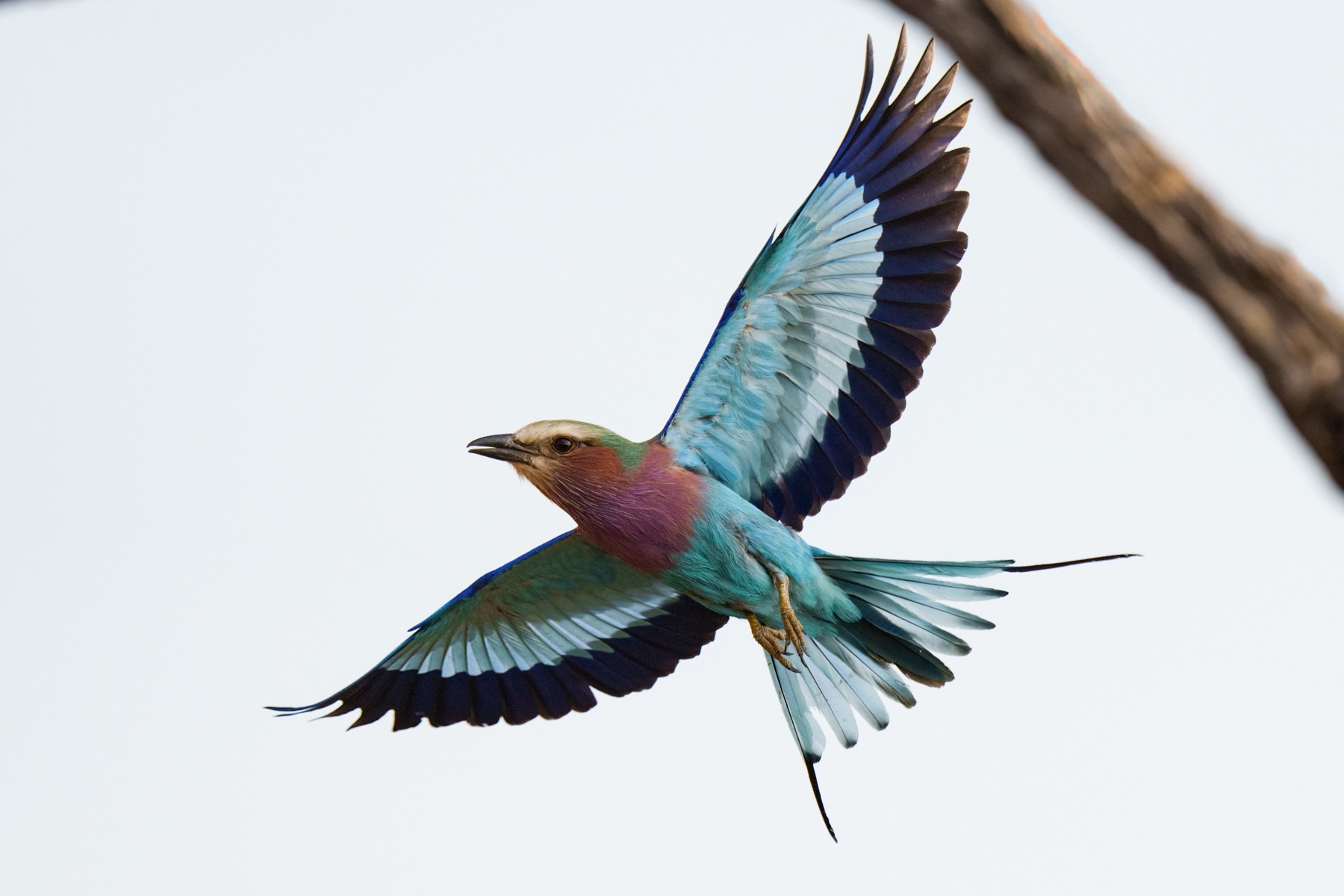
My pursuit of the perfect Lilac Breasted Roller shot (as mentioned in a few of my older blog posts) continued.

You cannot move far in Madikwe without seeing elephants. Sadly, elephant conservation in Madikwe is a victim of its own success, with the number of elephants now exceeding the carrying capacity of the reserve, resulting in significant destruction of vegetation. While debates about the management of this problem are ongoing, the size of the problem just seems to be increasing.

There was much activity at a nearby water hole.

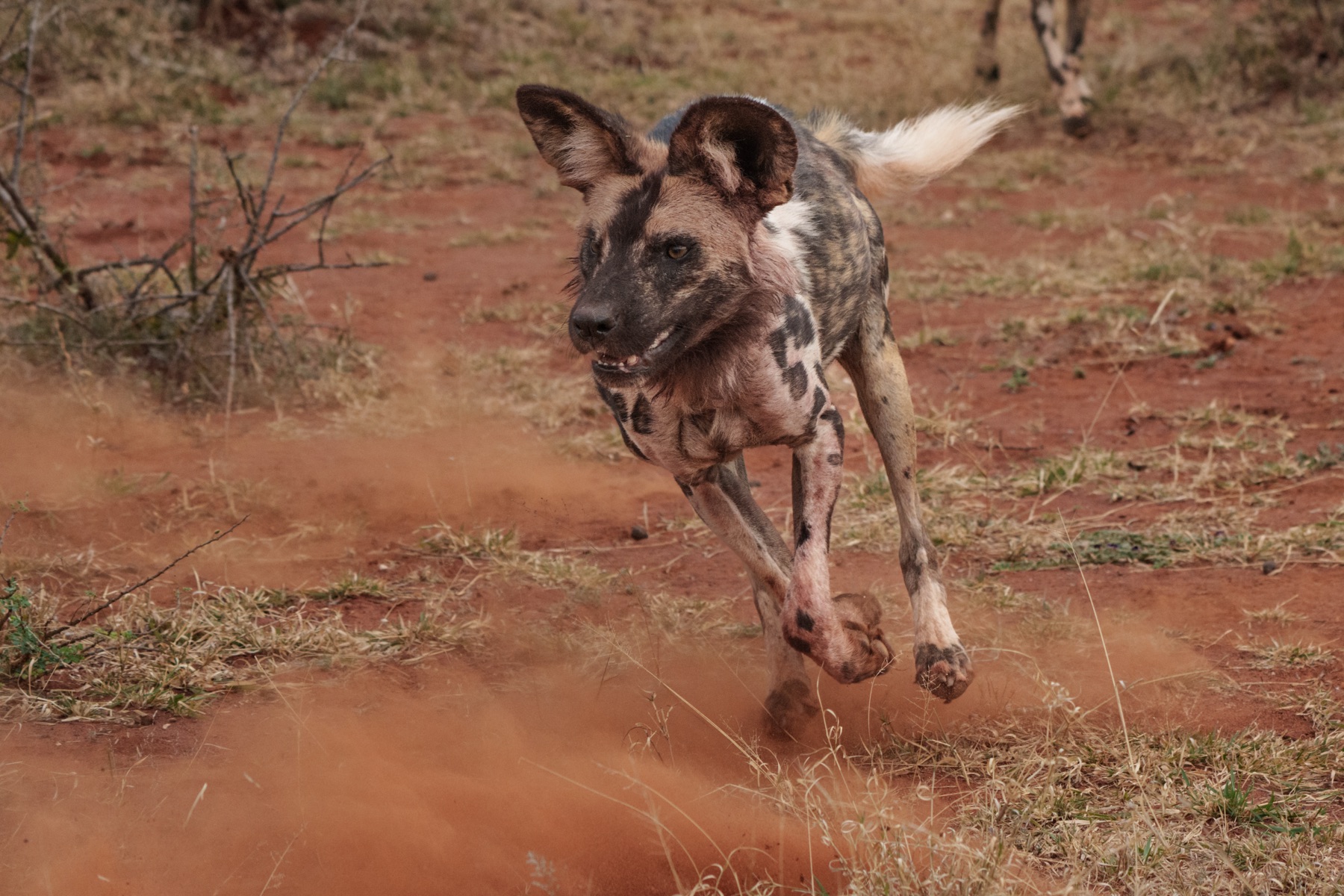
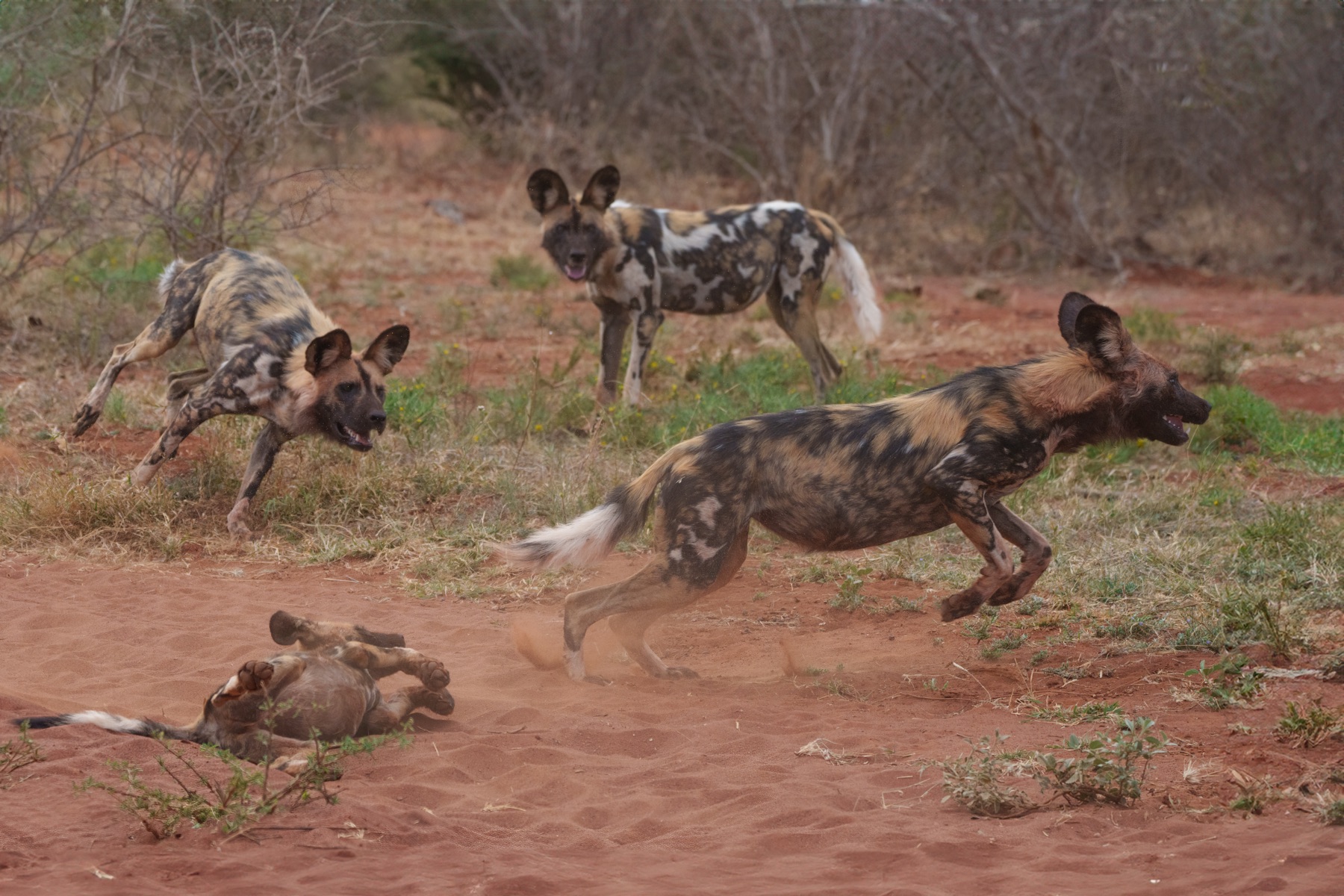
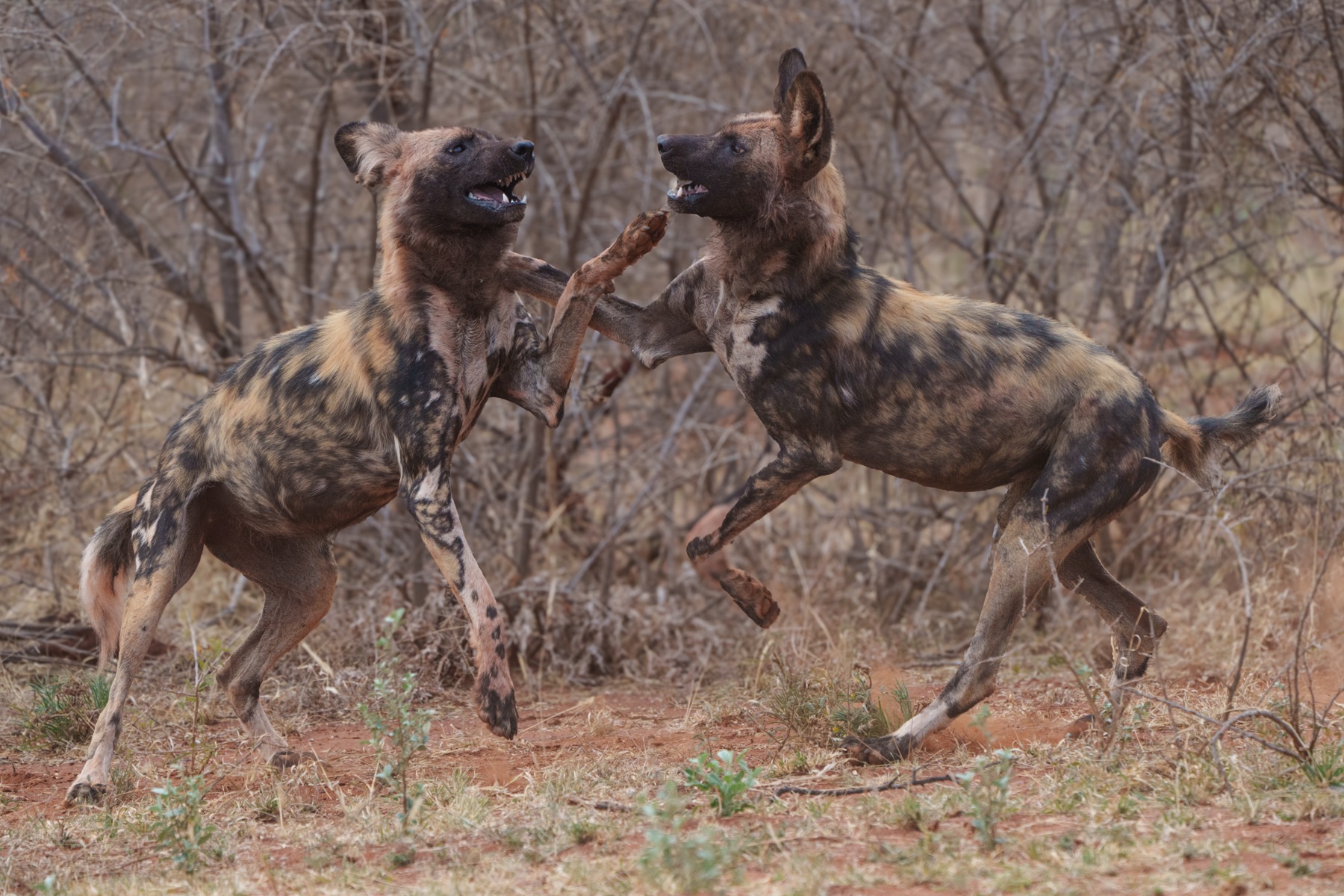
About 90 minutes into our game drive, Sam received a radio message that the Wild Dogs had been seen in the far eastern part of the reserve, where they had caught an impala. Obviously we wanted to go there despite the distance and time involved. After another long drive to the east, we arrived close to the sighting, where we had to wait a while for our turn, since only 3 vehicles at a time are allowed at a sighting. But it was absolutely worth the wait. A pack of 14 Painted Wolves, including six pups of about 5 months old, with full tummies and in a playful mood, greeted us.

Liana got some lovely video

All too soon we had to move along and allow others their turn at the sighting. Driving along on our way back to the lodge and aware that we were going to be quite late for brunch, we just had to make a brief stop when we saw a group of four lions chewing on the remains of a wildebeest right next to the road.

After an action packed and exciting morning, the afternoon game drive was a somewhat more uneventful affair, but I did continue my pursuit of the perfect Lilac Breasted Roller shot

Exploring Madikwe Game Reserve: Day 2

After our 5:30 am wake-up call and a quick cup of coffee, we were off at 6 am for our morning game drive. Soon Sam, our guide, received an update about a sighting of lions feasting on a zebra kill and we proceeded in that direction. Upon arriving, we saw a group of two adult males and several females and youngsters feasting on what remained of the zebra.

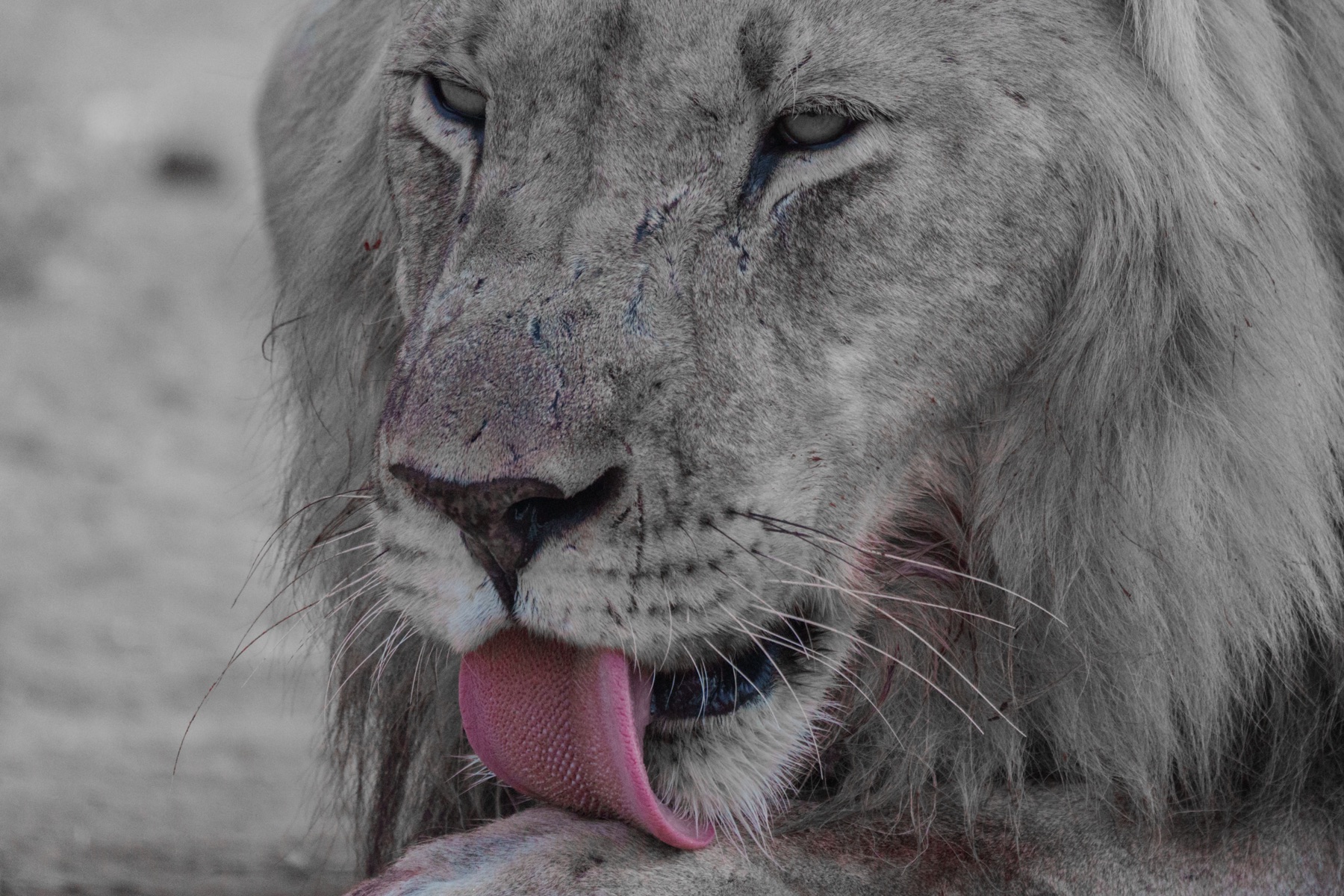
Some had already finished eating and one male moved away to go and drink at a nearby water hole, then returned to start grooming himself.

He seemed a bit irritated by our close attention, but soon decided to ignore us.

Leaving the lions to finish their breakfast, we returned to the lodge to enjoy our breakfast, after which we did some photo downloading and editing.

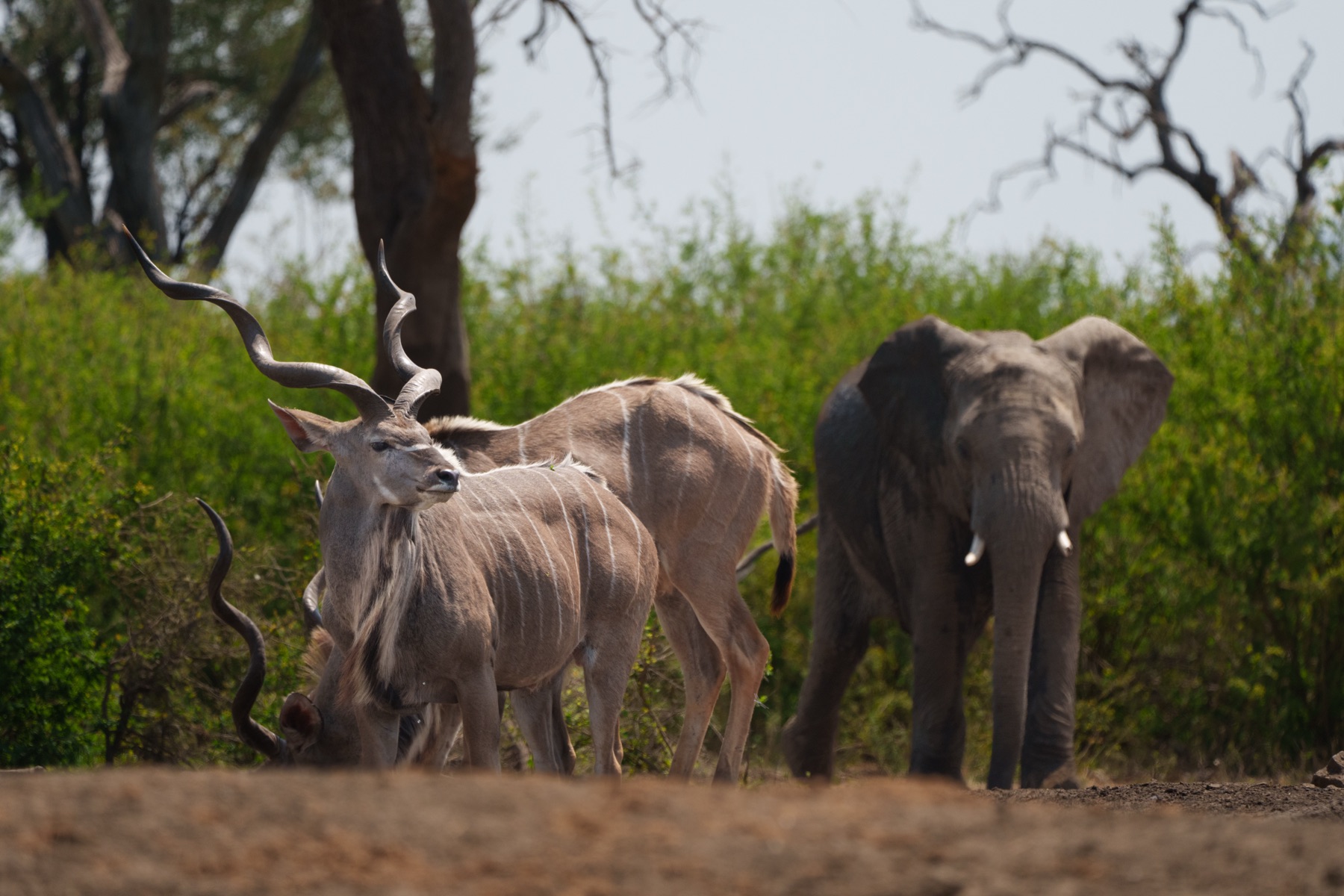
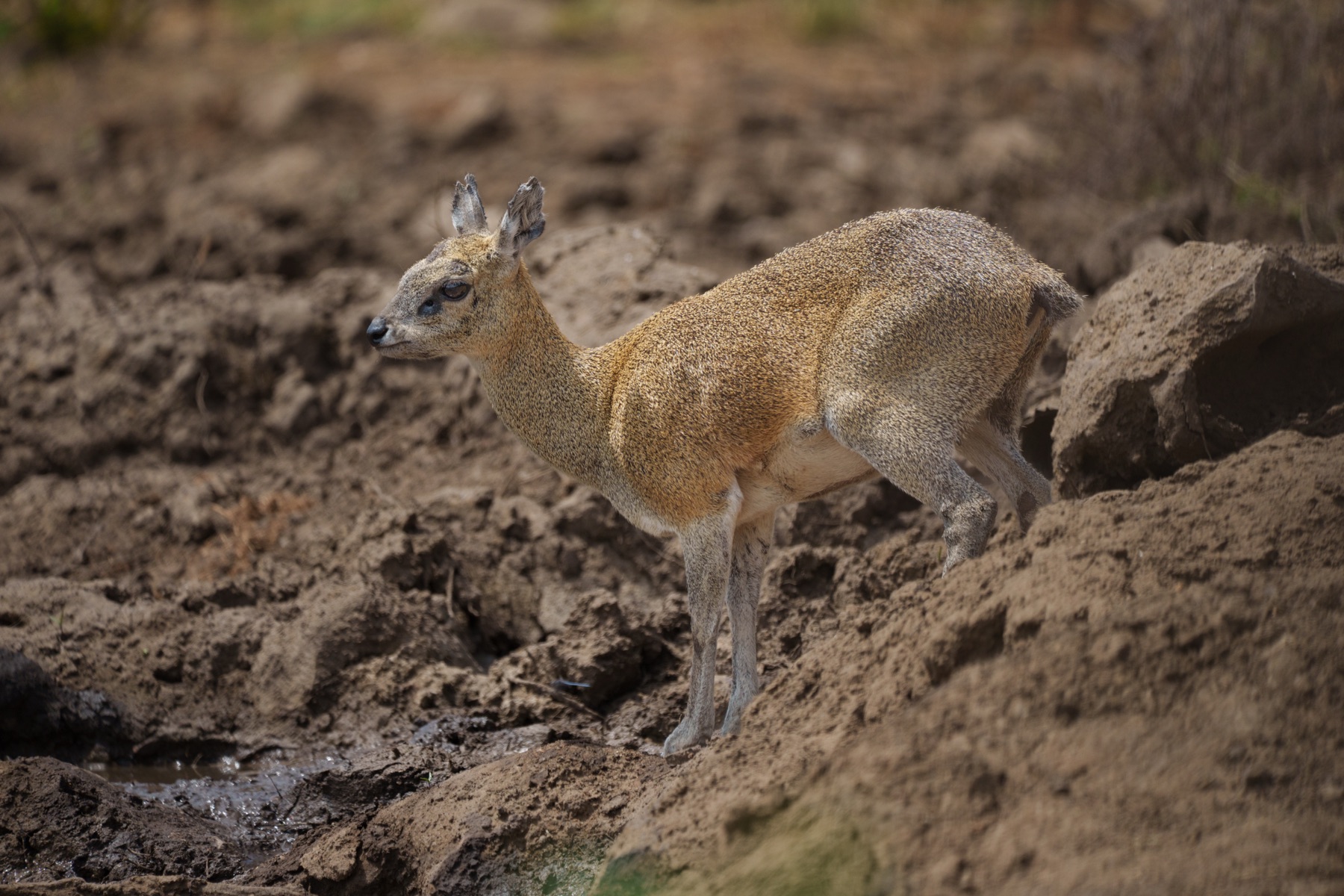
During the afternoon we spent some time in the hide, seeing elephants, kudu and a klipspringer visit the water hole.

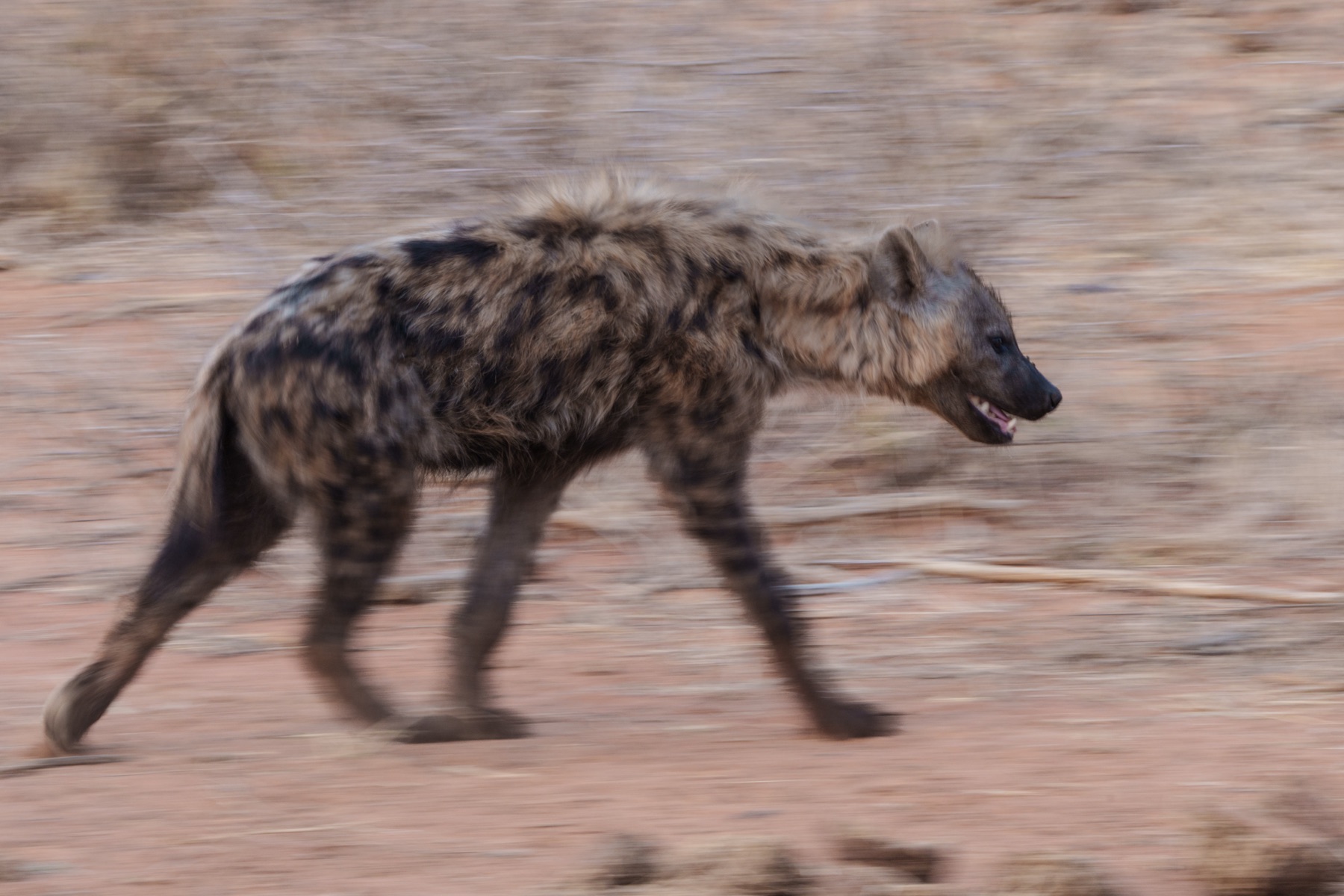
After high tea, we set of on a game drive to look for the Painted Wolves, whose tracks had been spotted in the eastern part of the reserve that morning. This was a pretty long drive, during which we saw a few Black-backed jackal, a spotted hyena and many elephants, but, unfortunately no Wild Dogs.

During our afternoon drinks stop, we were mesmerised by a beautiful sunset.

Despite spending a long afternoon, not finding the Wild Dogs, it had been a very pleasant game drive. Back at the lodge, we had another excellent dinner, after which we tried to catch up on some sleep.

Exploring Madikwe Game Reserve : Day 1

This story has a few twists and turns even before we arrive in Madikwe Game Reserve. Shortly after our 2024 Okavango trip (links to all posts for that trip in my Archives), we started researching our next destination. Many South Africans are unaware of Madikwe, in Northwest Province, close to the Botswana border, despite this being the fifth largest game reserve in South Africa. One of the big attractions of this reserve, as far as I am concerned, is that it boasts a healthy African Wild Dog population. The reserve is run as a partnership between government, private lodge owners and local population. Since some of the lodges offer SADC specials, we decided to make use of on of these offers. Bookings were handled by Biggestleaf Travel, who had also organised our Okavango trip.

Soon we had decided on a suitable lodge, one of our major requirements being that it had to have a photography hide. Jaci’s Tree Lodge seemed like a great option, with good SADC specials and a lovely hide. However, no sooner had we paid our deposit, than we received an email informing us that the lodge had suffered severe flood damage and all bookings were being canceled, leaving us with three options: cancel and get a refund, postpone until an unknown date when they would be ready to receive guests again or book another, more expensive lodge where the SADC specials were not nearly as good as Jaci’s. Since we had made up our minds that we wanted to visit Madikwe and had already arranged leave for our intended dates, we opted for the third choice.

On the morning of our departure from Gqeberha, the weather forecast was for heavy winds. Our Airlink flight was luckily able to take off before the wind picked up too much. Arriving in Johannesburg, I saw that the flight meant to arrive in Gqeberha 20 minutes after our scheduled departure, could not land due to the severe wind.

A 3 hour wait at OR Tambo, followed by a short hop in the ubiquitous Cessna Caravan, saw us arriving at Impodimo lodge just in time for High Tea.

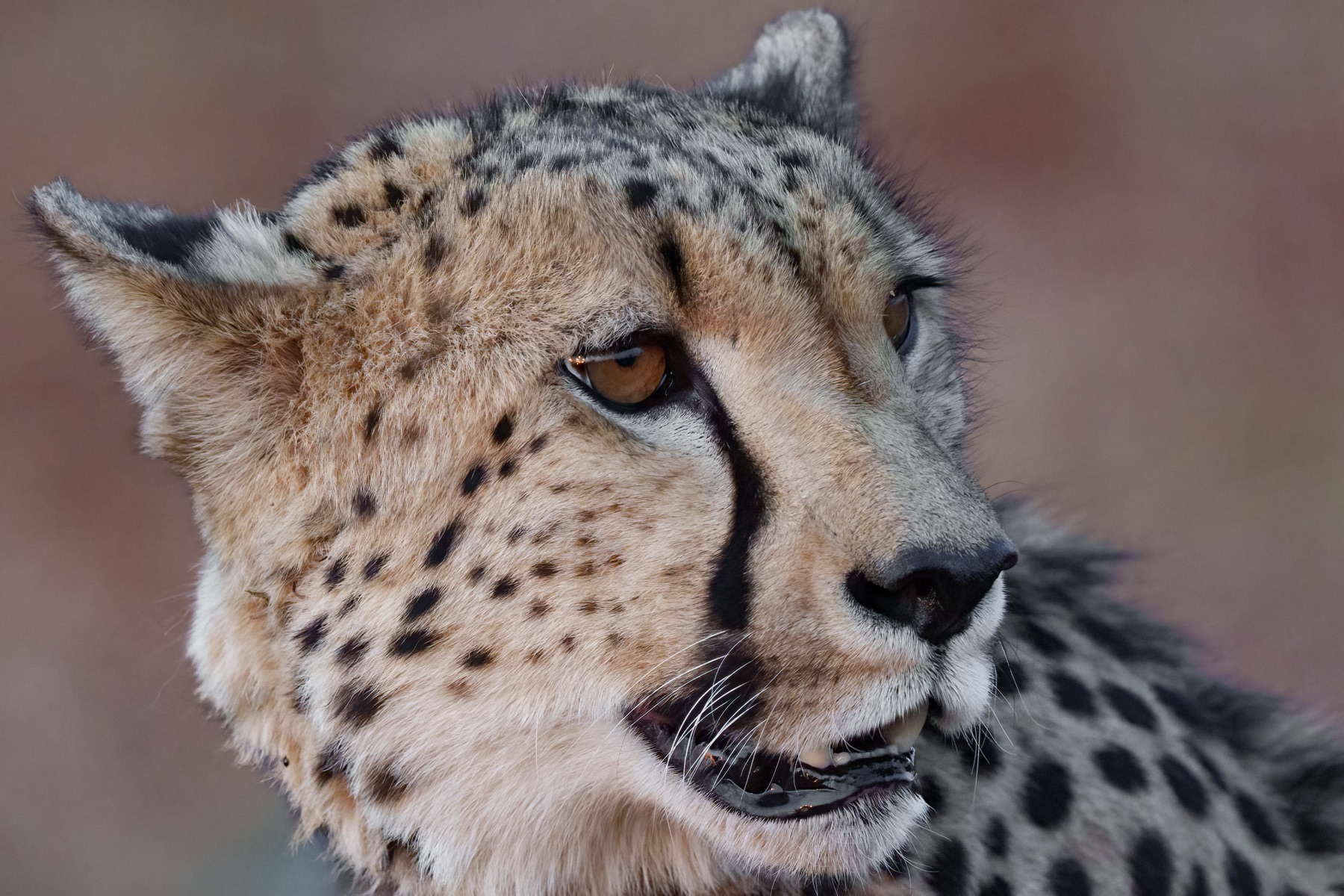
After tea, we set out on our first game drive. Our guide, Sam, informed us that the cheetahs had been spotted at the opposite end of the reserve and that we could choose between a hard drive to get there in time, or a leisurely game drive which would not allow us enough time to get to see them. Since we were keen to see them and one other couple on the vehicle, who were on their last day at Madikwe, were equally keen, the choice was made to go for the cheetahs. Having found them, I was slightly disappointed to notice that both were collared. This was understandably necessary from a conservation perspective, since the reserve had recently lost two females, only had four males left and were trying to study their behaviour before reintroduction of more females. From a photography perspective, this meant that I had to stick to tightly framed and cropped head shots if I did not want the unsightly collars in my photos.

We stuck around with them as long as possible. Having seen them launch an unsuccessful hunting attempt, we decided that it was time to return to the lodge, arriving back well after dark and just in time for an excellent dinner.