On 19 August 2024 we had a blue moon and supermoon occuring simultaneously, normally a rare occurrence, but this the second within a 12 month period.
A supermoon occurs when the full moon is closer than usual to earth, resulting in the moon appearing larger than normal.
A blue moon can be either a second full moon within a calendar month or the third of four full moons in a given season, since there are normally only three full moons in a season.
Since moon rise would be occurring within minutes of sunset, I decided that this would be a good occasion to visit Cape Recife Lighthouse for a few photos.
The sunset was beautiful and I managed to get a sunburst photo over the lighthouse, while a few African Black Oystercatchers were enjoying the last light on the beach.
Soon the moon started rising over the sea.
With the sky still tinted pink and orange, the moon completed the picture beautifully.
As darkness set in, the moon appeared progressively brighter.
Since returning from our trip to Chobe, I have been keeping myself busy with a few other photography projects, not wildlife related, but my other major interest, sport.
One of the worst promoted/advertised events in PE, was the World P750 Inflatable Powerboat Championship. I missed the first rounds, which were held on North End Lake, but luckily I heard about the ocean event and managed to get there to take a few photos.
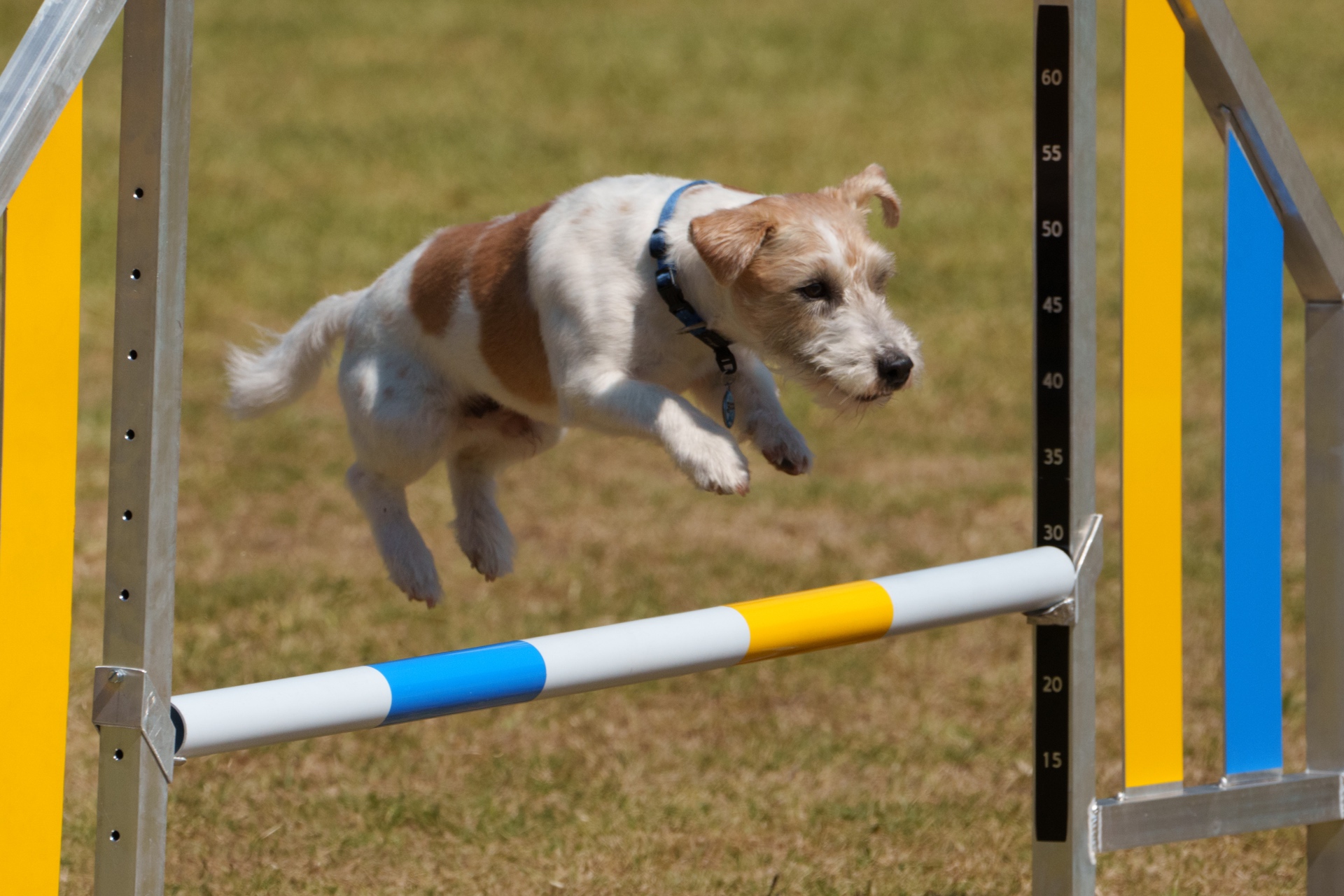
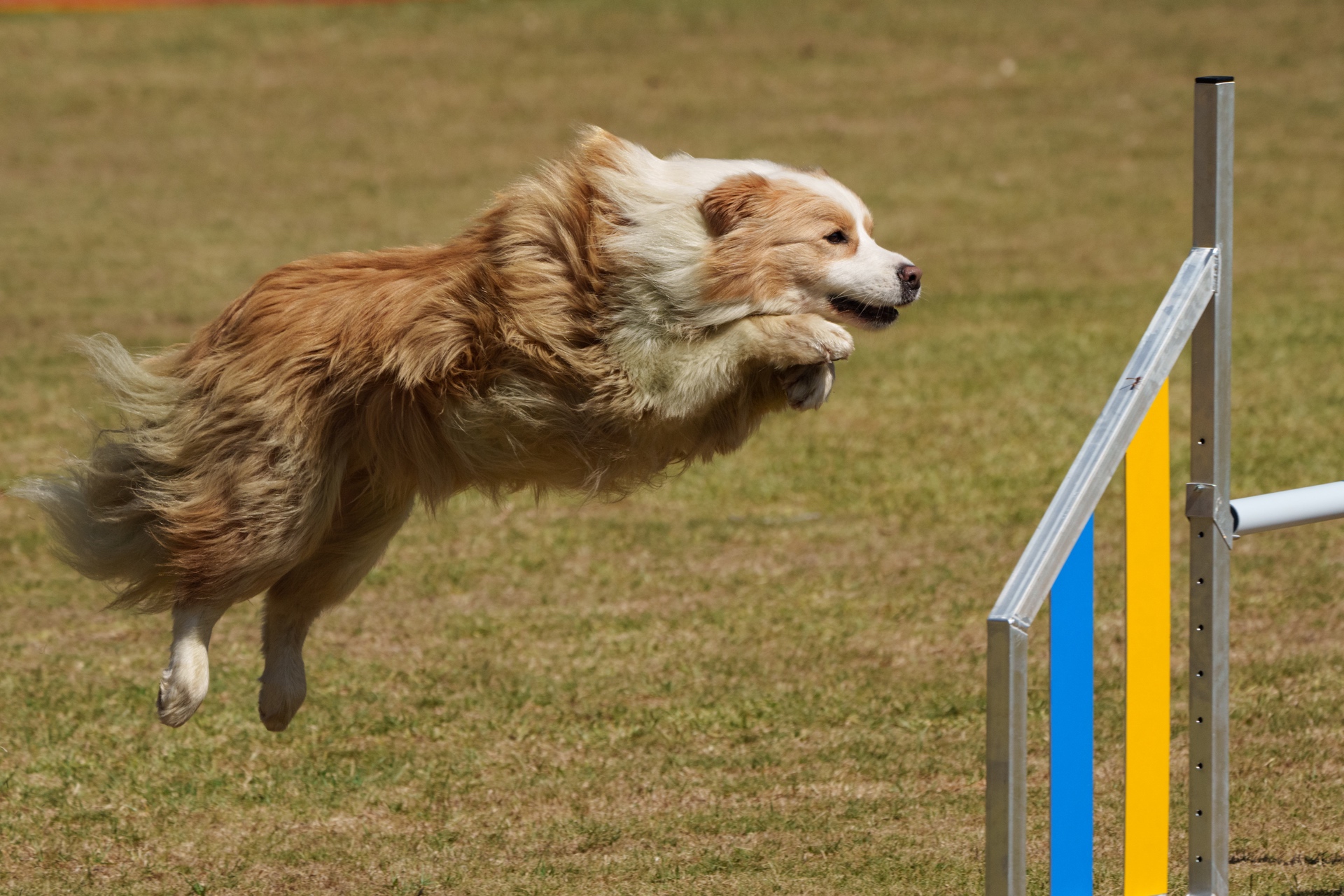
Dog jumping and agility events always give some great opportunities to practice my action photography skills. This one, held at Baakens Valley, was great fun to photograph and I got to support Liana and Yoda and even got to see Boo participate.
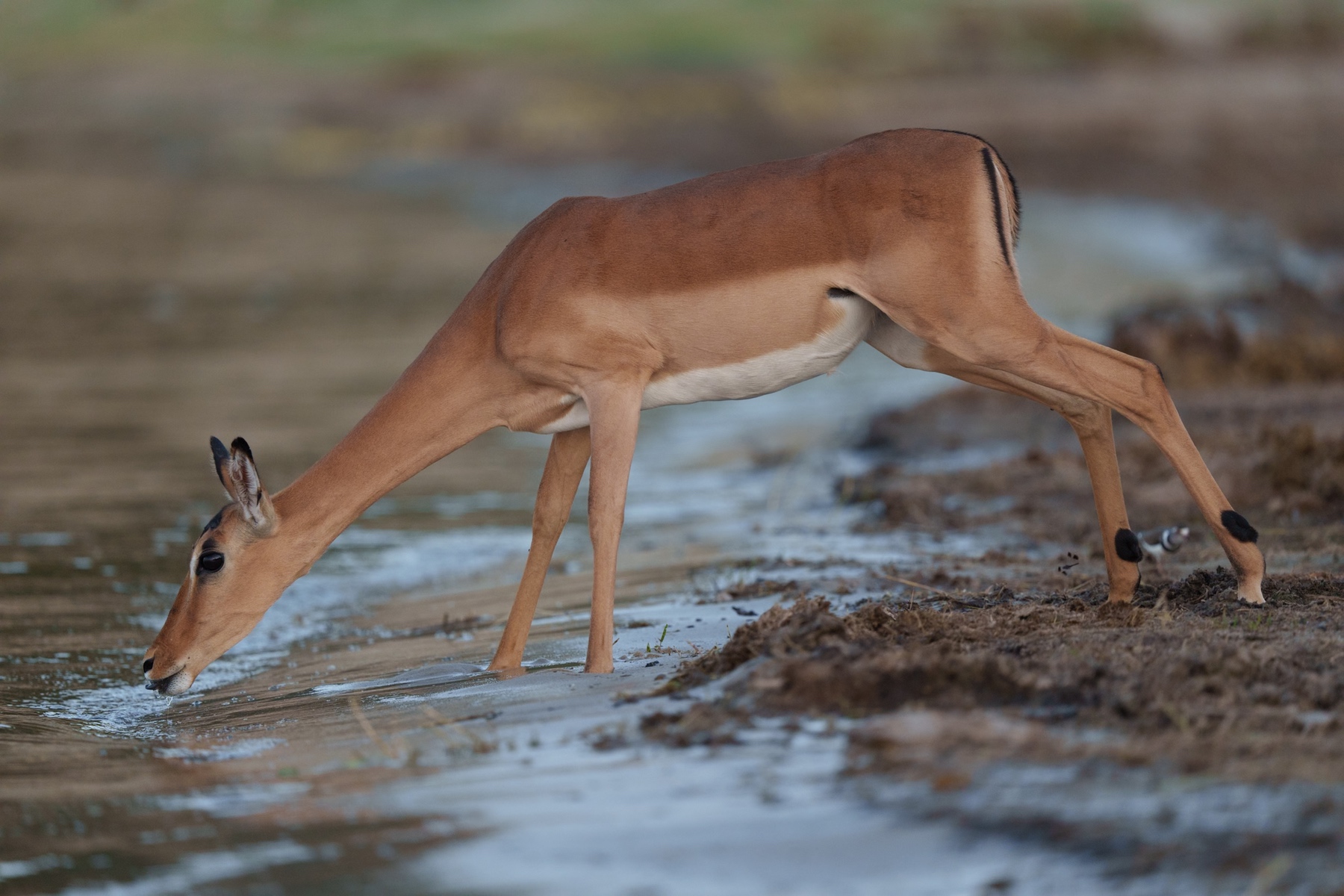
All too soon, our last day at Pangolin Chobe Hotel arrived. We had one last early morning excursion on the river. The impalas seemed frisky this morning
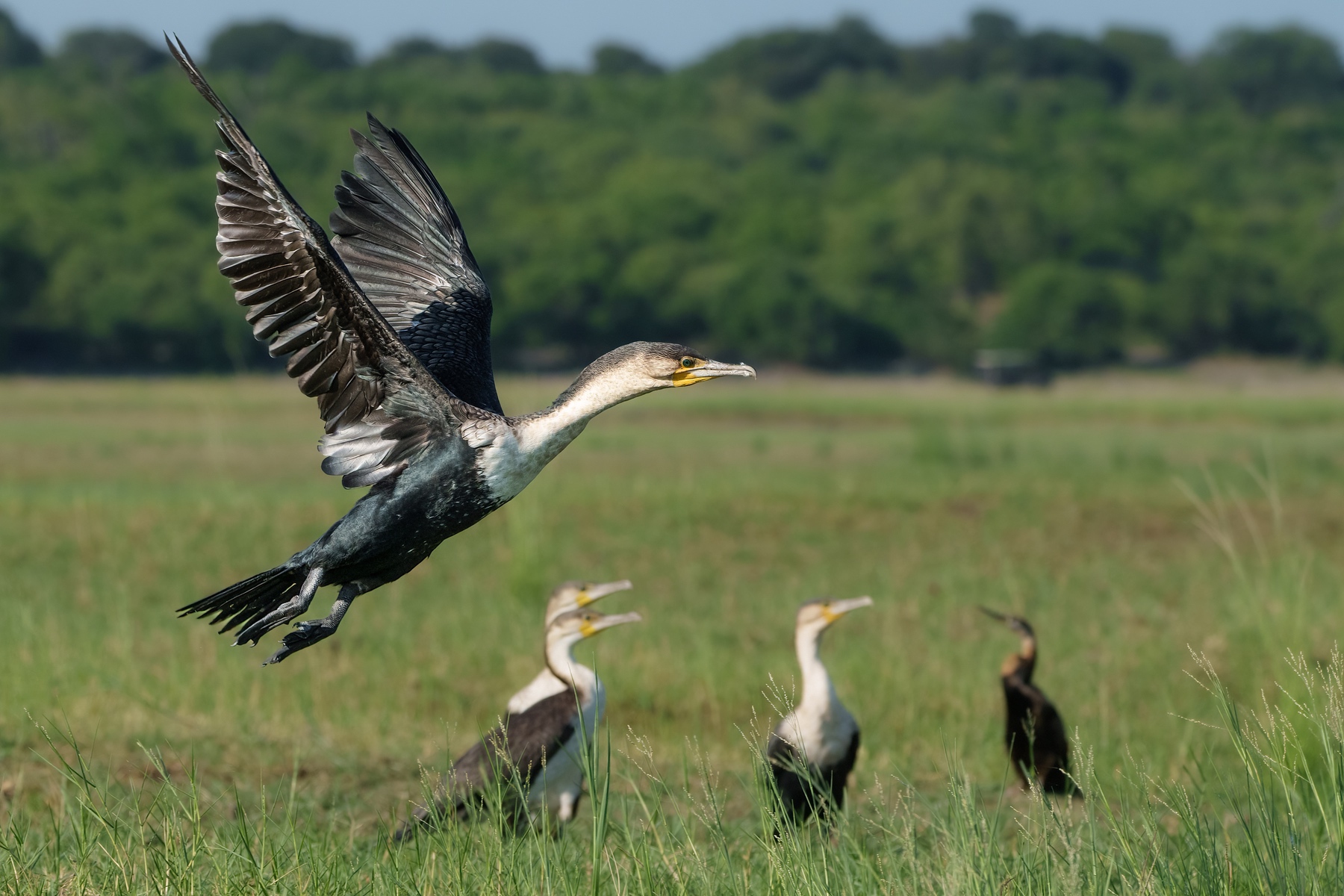
White-breasted cormorants gave a flying display, taking off one at a time
A pair of African fish eagles were regally surveying their kingdom from their perch high above the river
We stopped at Elephant bay for our morning coffee, sharing the space with Impala, Crocodiles, and elephants
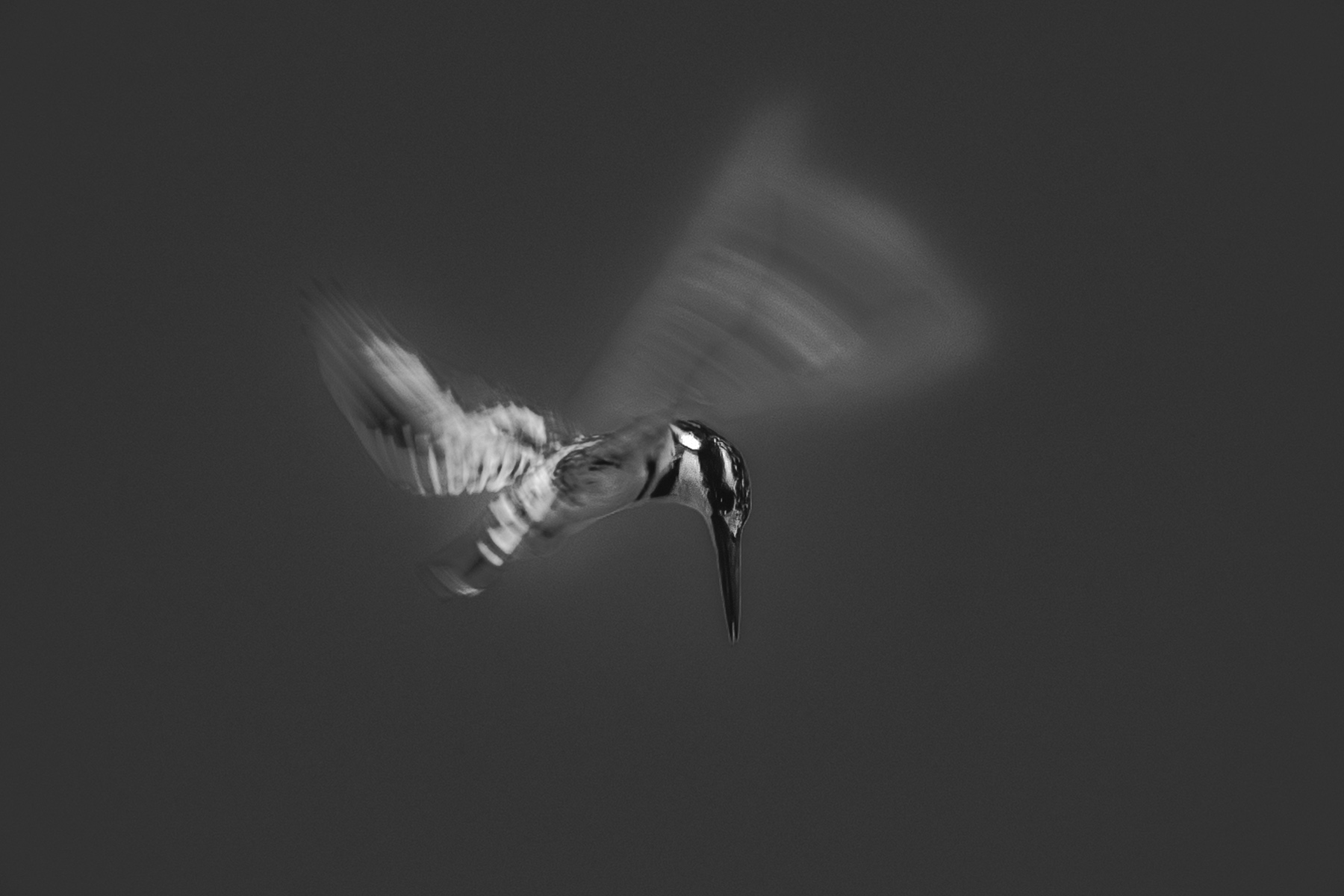
A Pied kingfisher gave a hovering display, which I tried to photograph at slow shutter speed, more practice needed
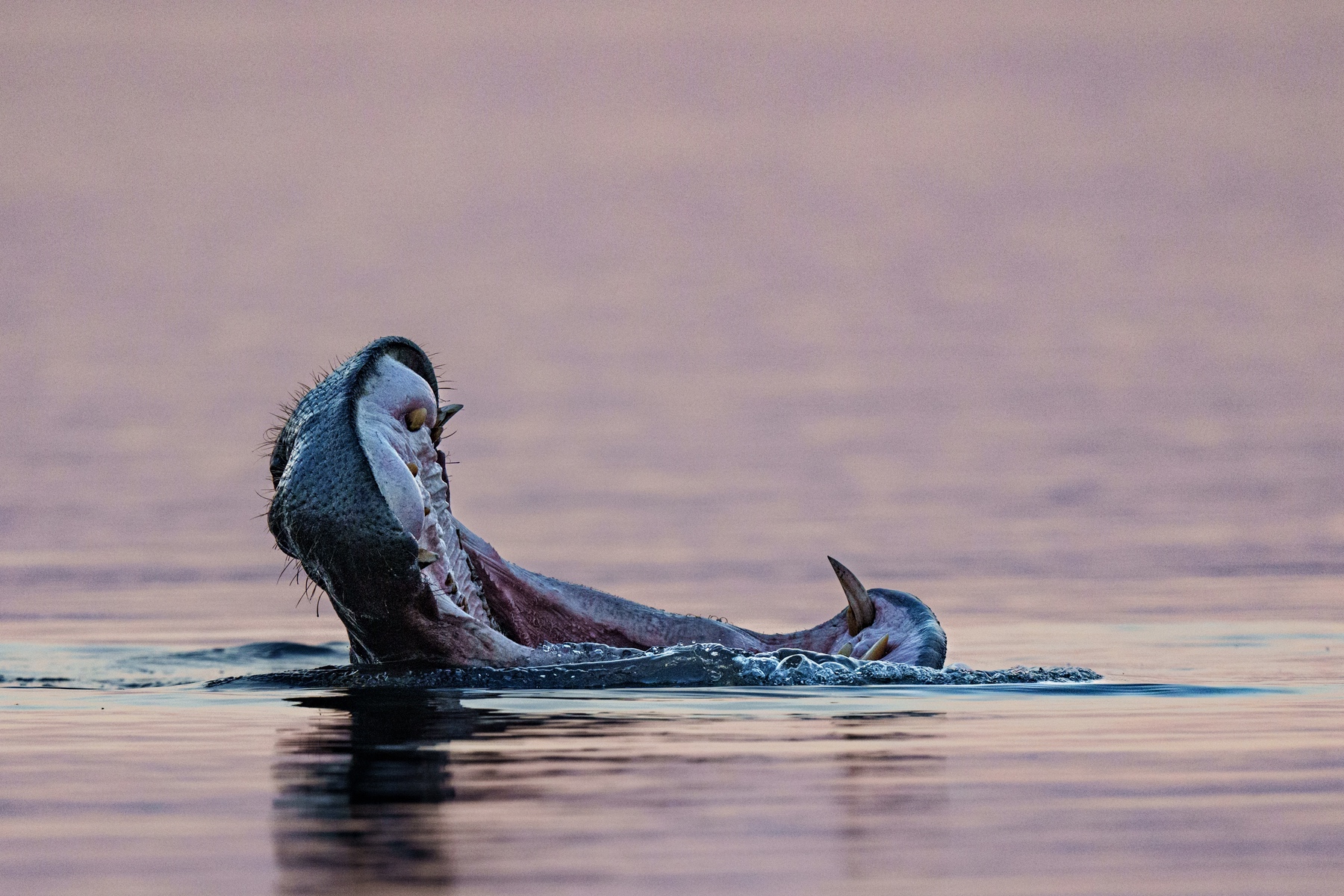
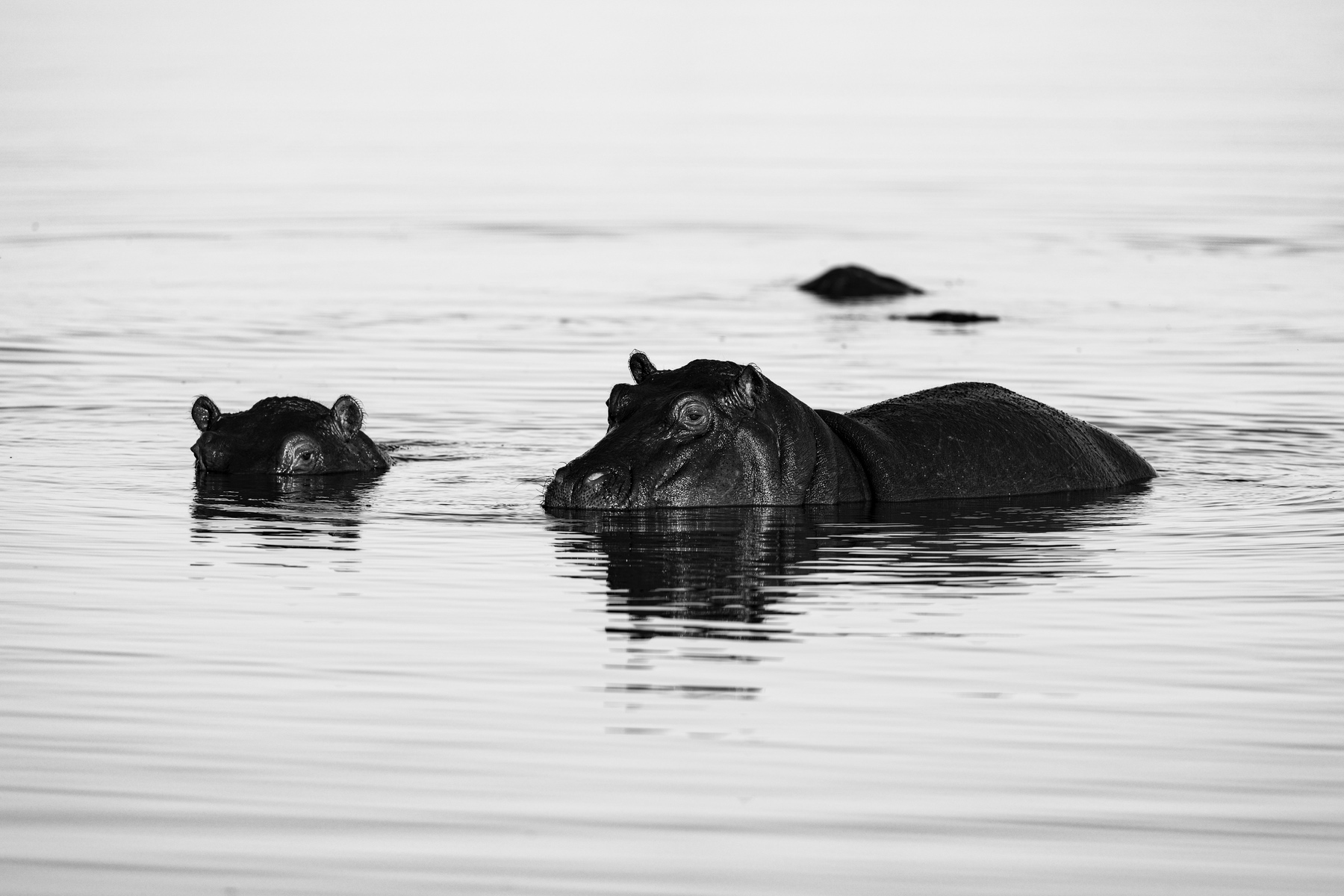
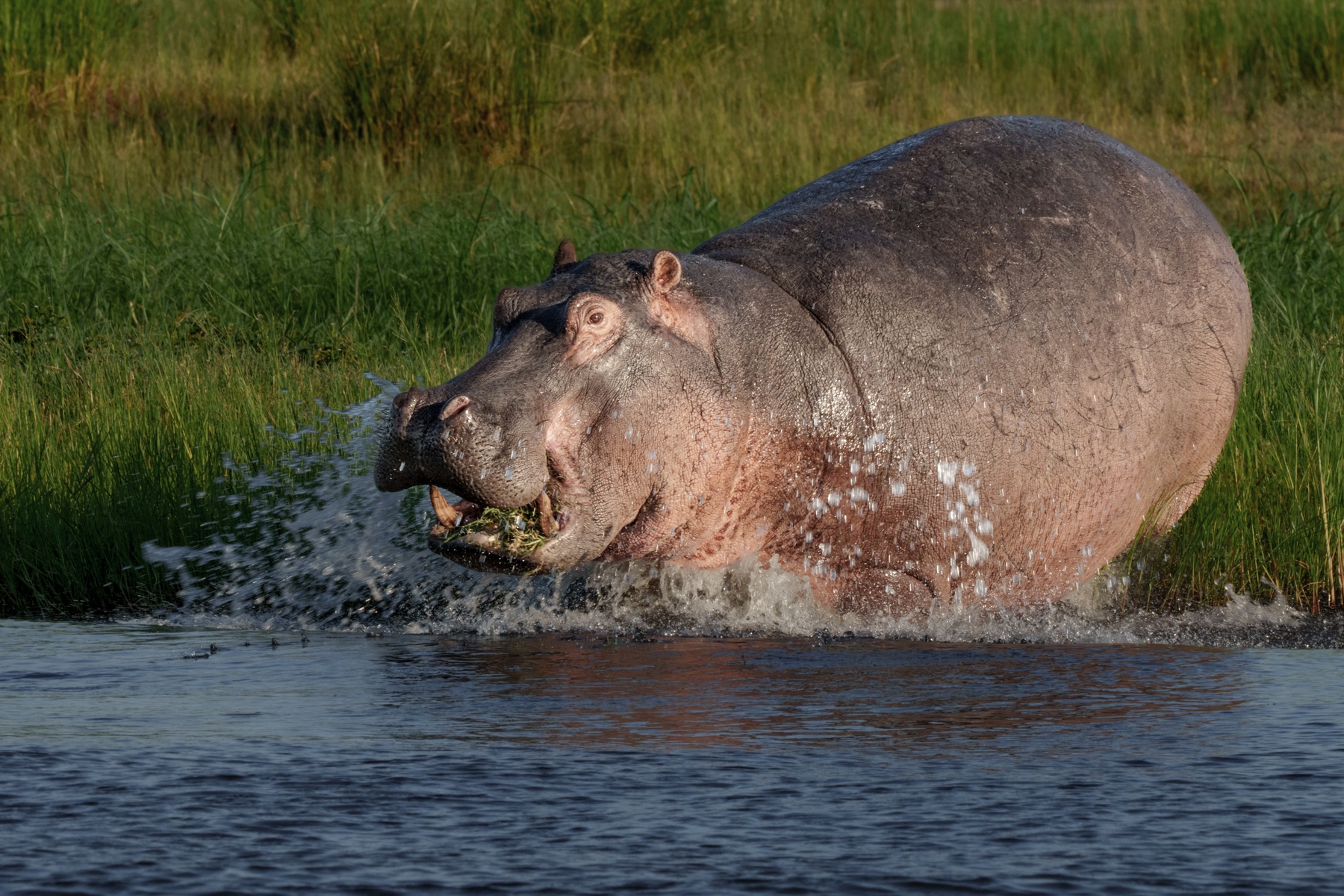
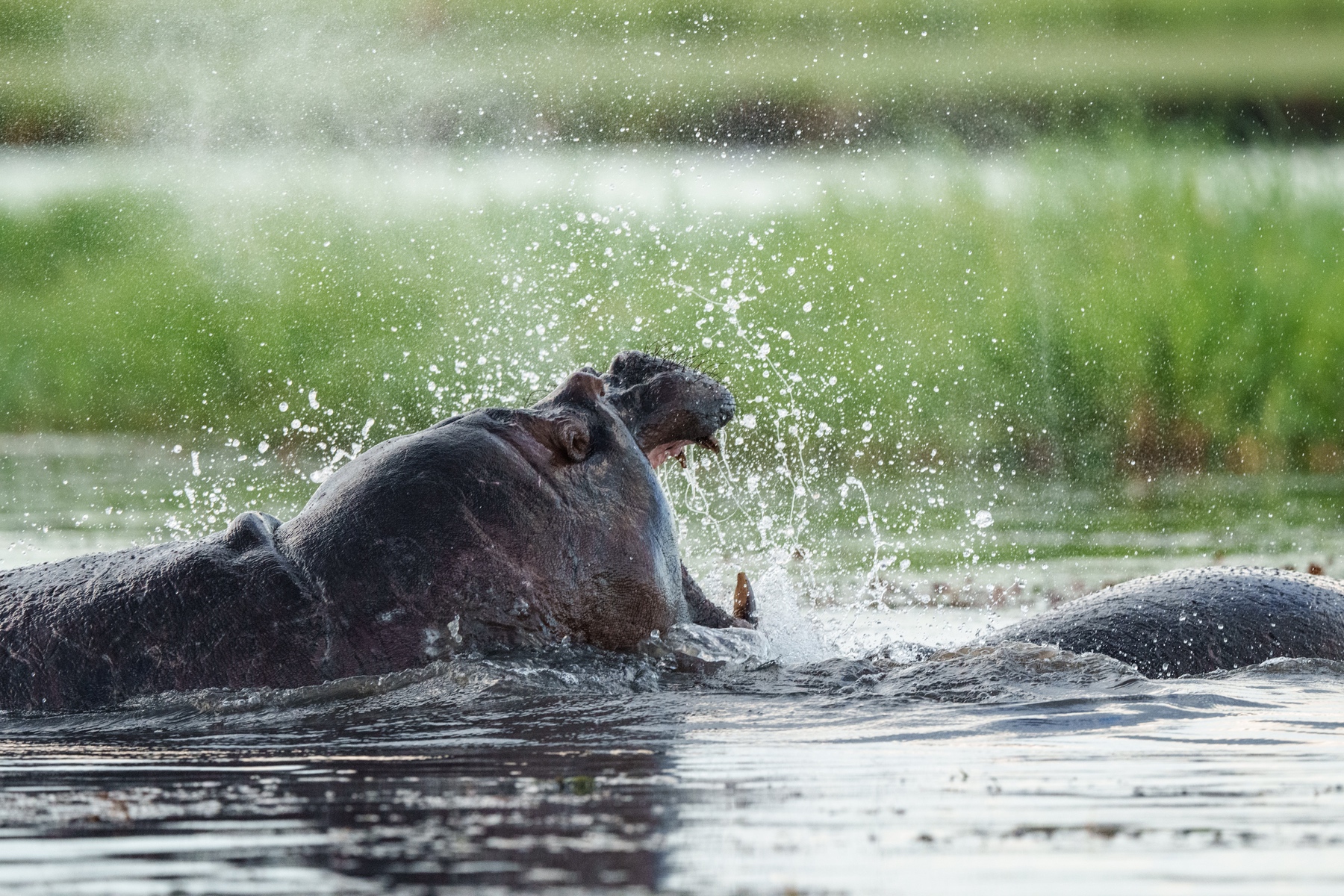
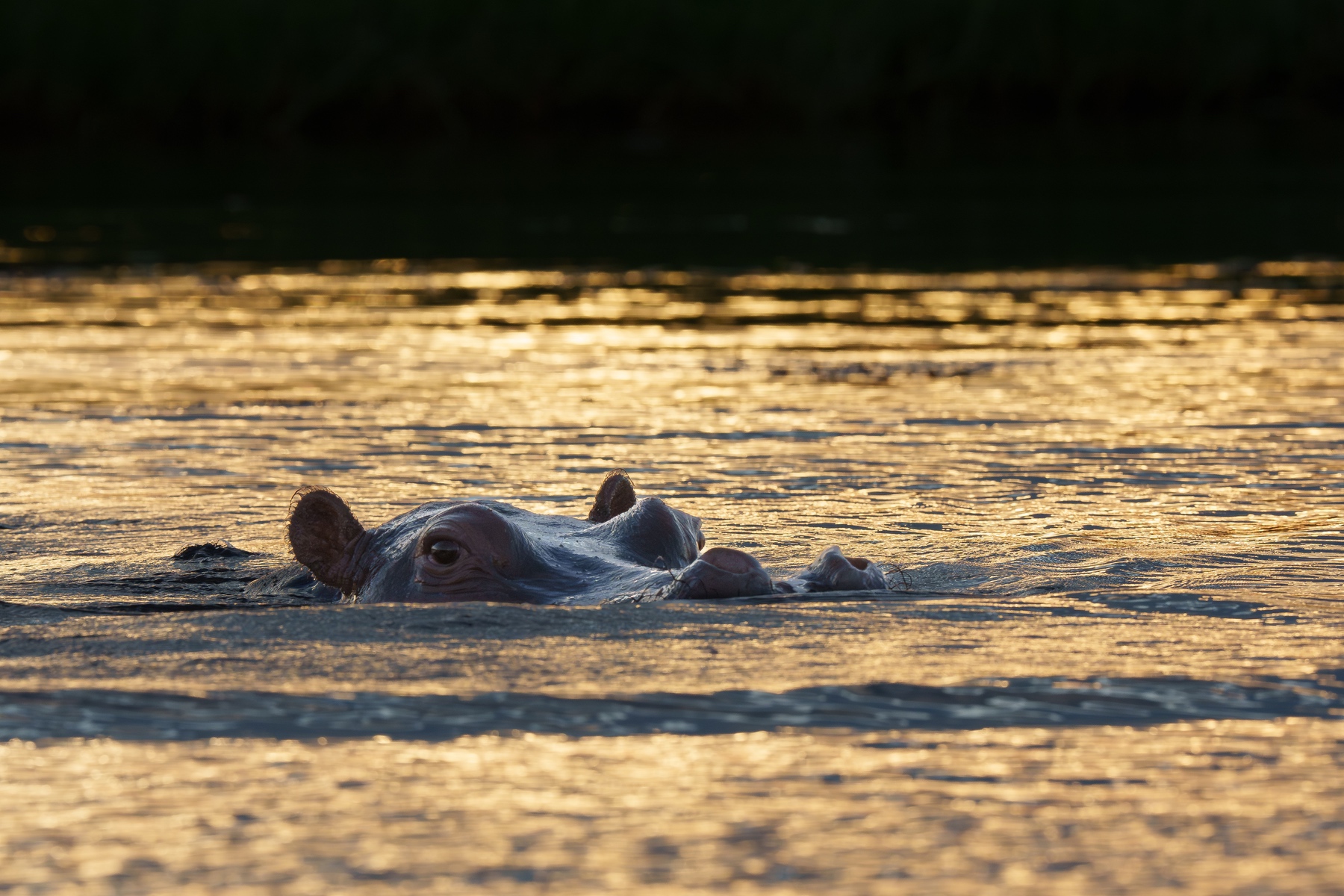
By this time we had to rush back to the hotel in order to catch our flights. Along the way, someone on the boat spotted a baby hippo and we had to make a quick U-turn to grab a few last minute photos. Mamma hippo didn’t seem too impressed with us.
At the airport, we were told that our flight was delayed by 30-40 minutes, which ended up being 90 minutes. While waiting, we started chatting to two brothers who had also been on our flight coming to Chobe. This turned out to be a very interesting and enlightening chat and their photography websites are certainly worth a visit. Dave does wildlife, while Peter is a master at black and white landscape photography.
Back home, lots of editing work awaited us, especially for Liana with her videos. A few quick ones below, with more to follow
On our last full day, we once again had an early start, leaving the hotel at 5:30. We entered the park by a different route to the previous times. First stopping by a group of zebra for a few photos, we continued on to a watering hole, where we saw a Kori bustard, browsing in the tall grass, with beautiful golden light from the rising sun.
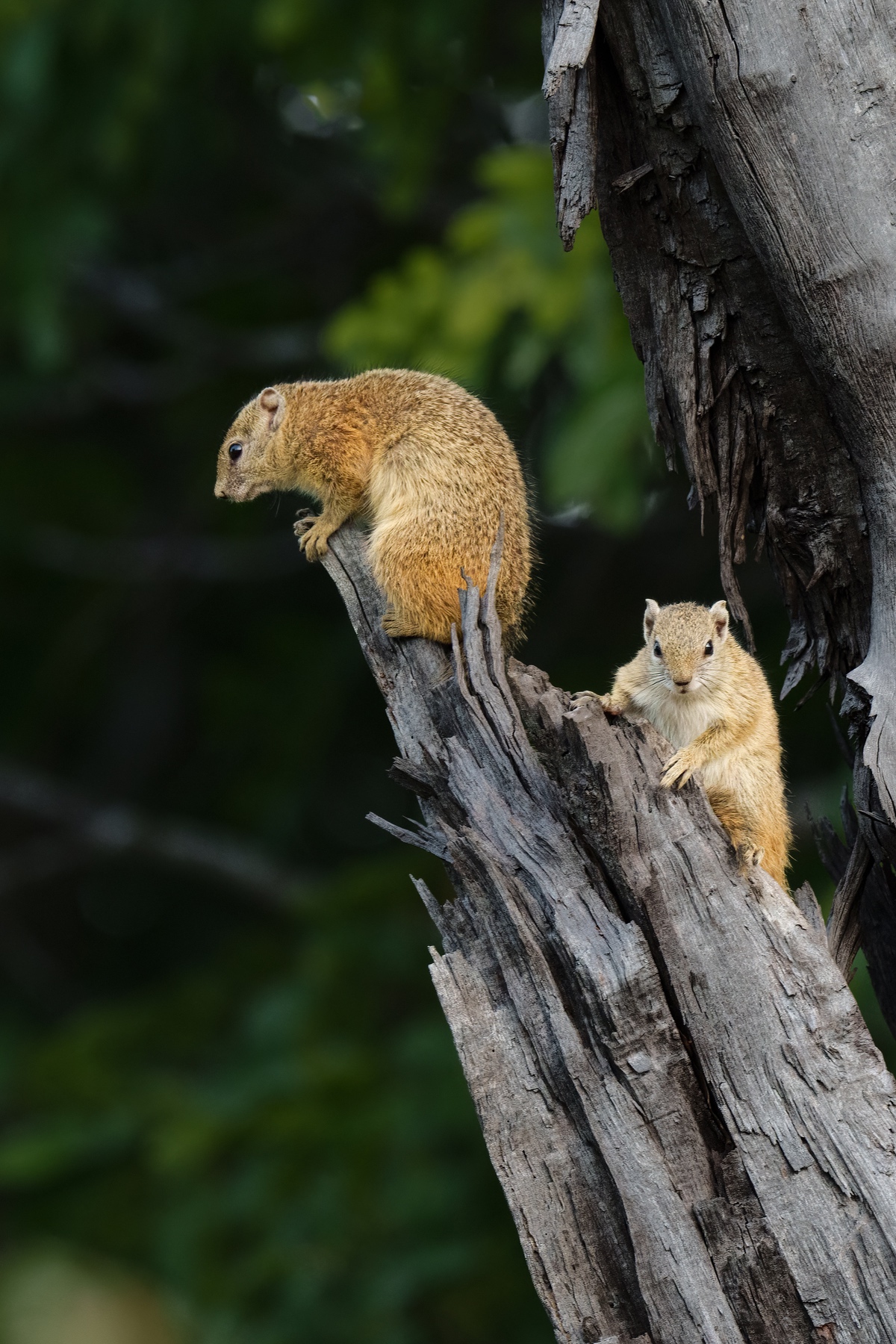
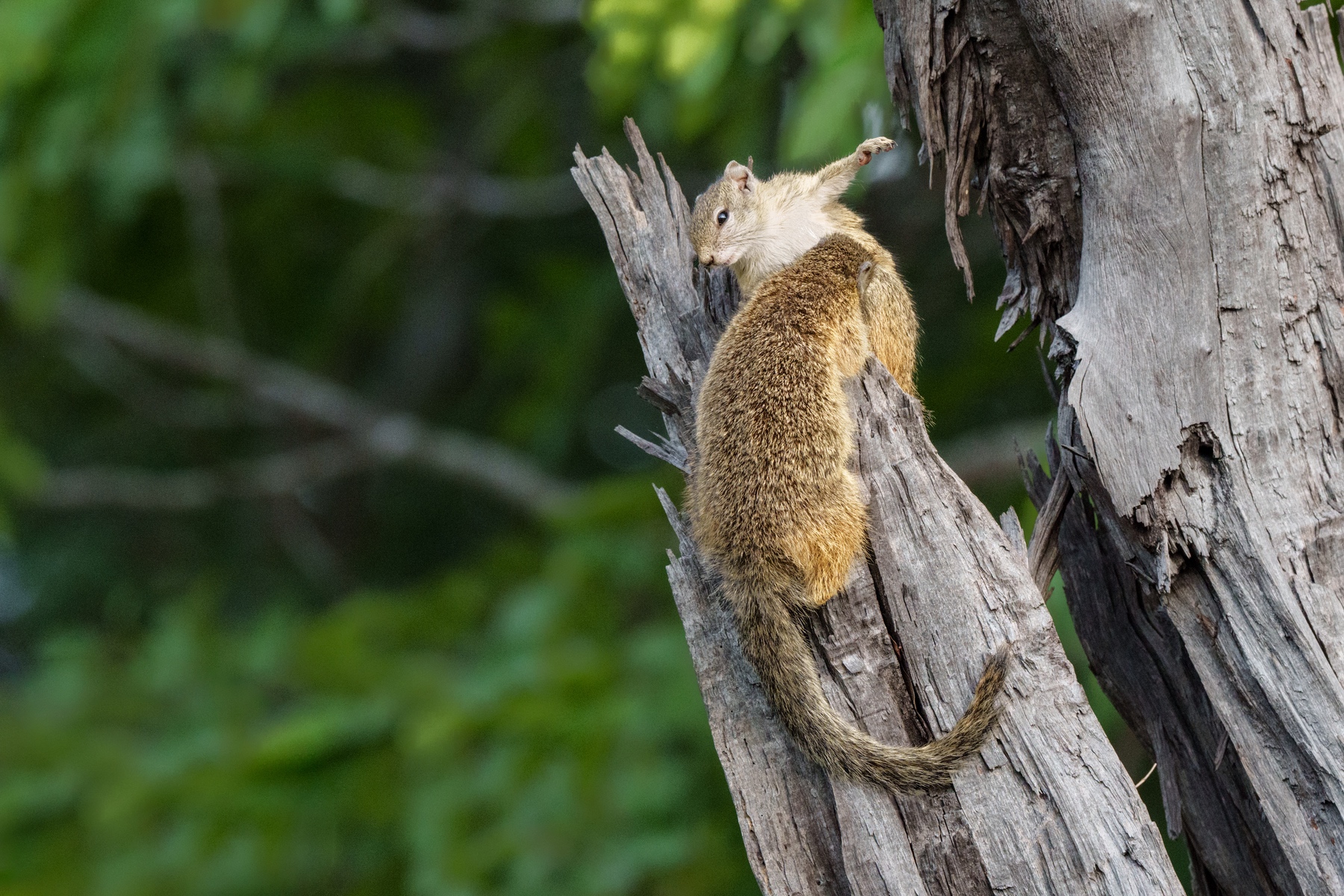
A long, sandy road followed, where the main attraction was a couple of squirrels in a tree stump, who kept us entertained for a while
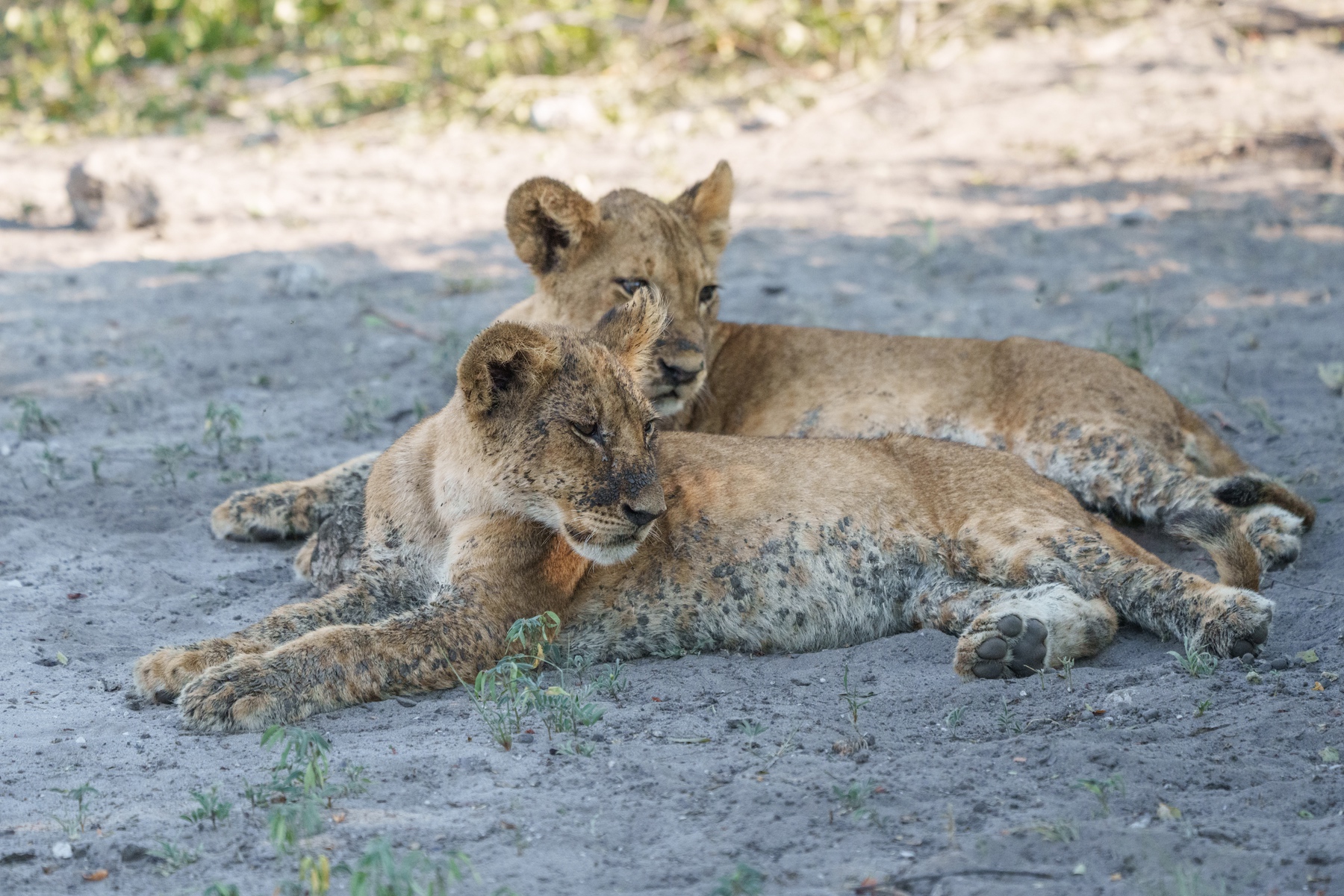
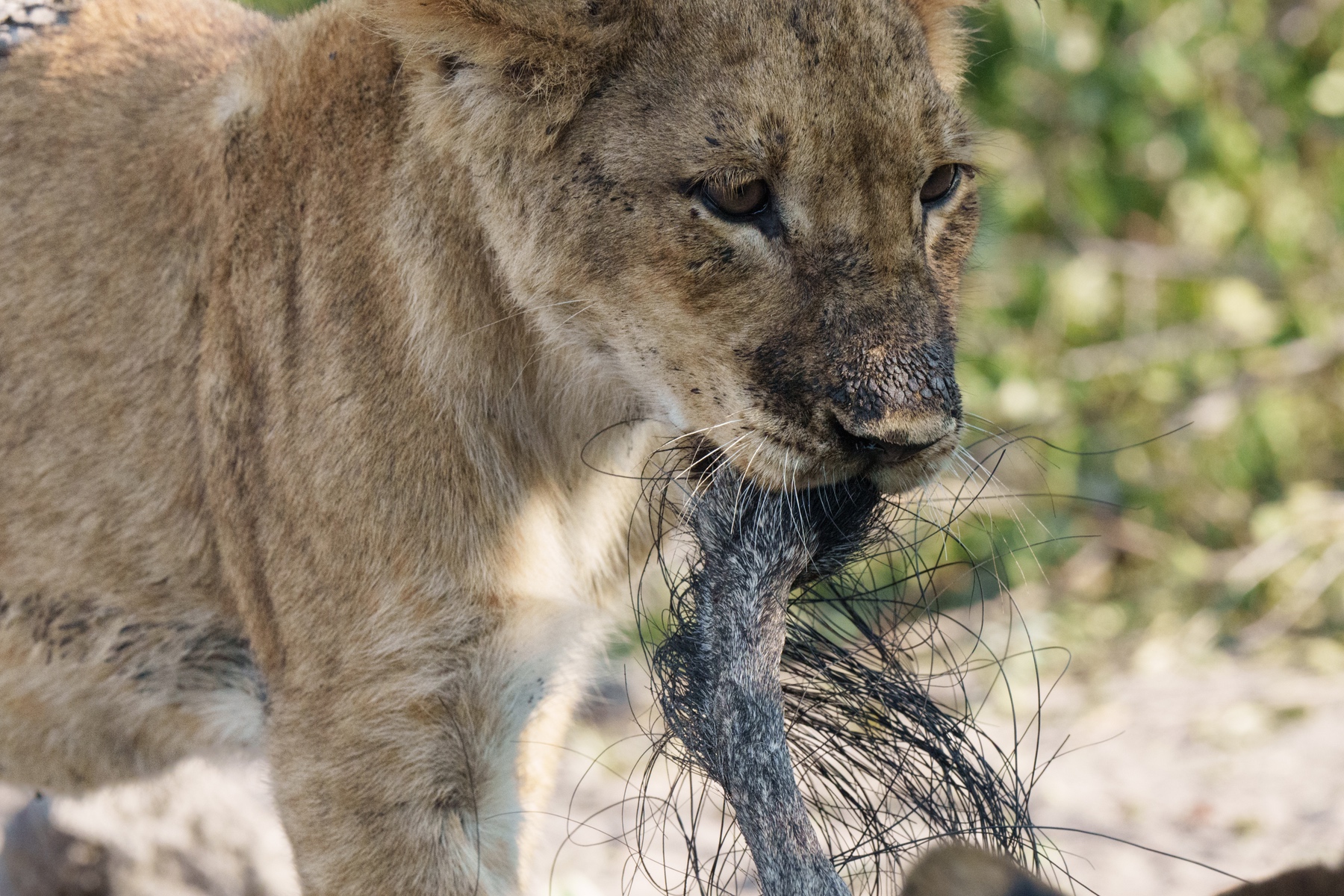
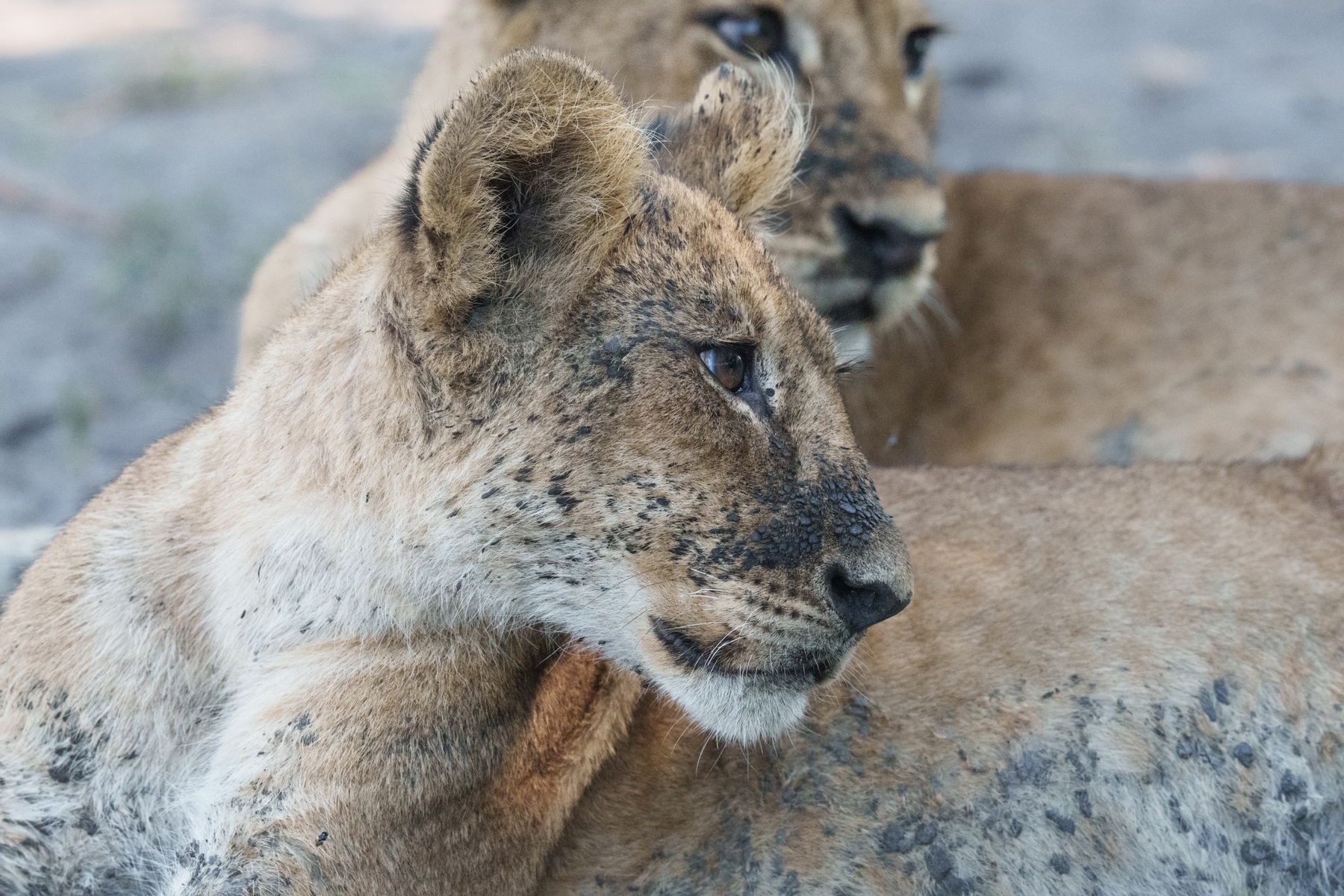
We had heard the previous day that there were lions around a giraffe kill and went in search. Most of the lions had clearly already eaten their fill and departed. From the smell, it was clear that this was no fresh kill, but a lioness and her cubs were still hanging around, while all around, vultures were patiently waiting in the trees
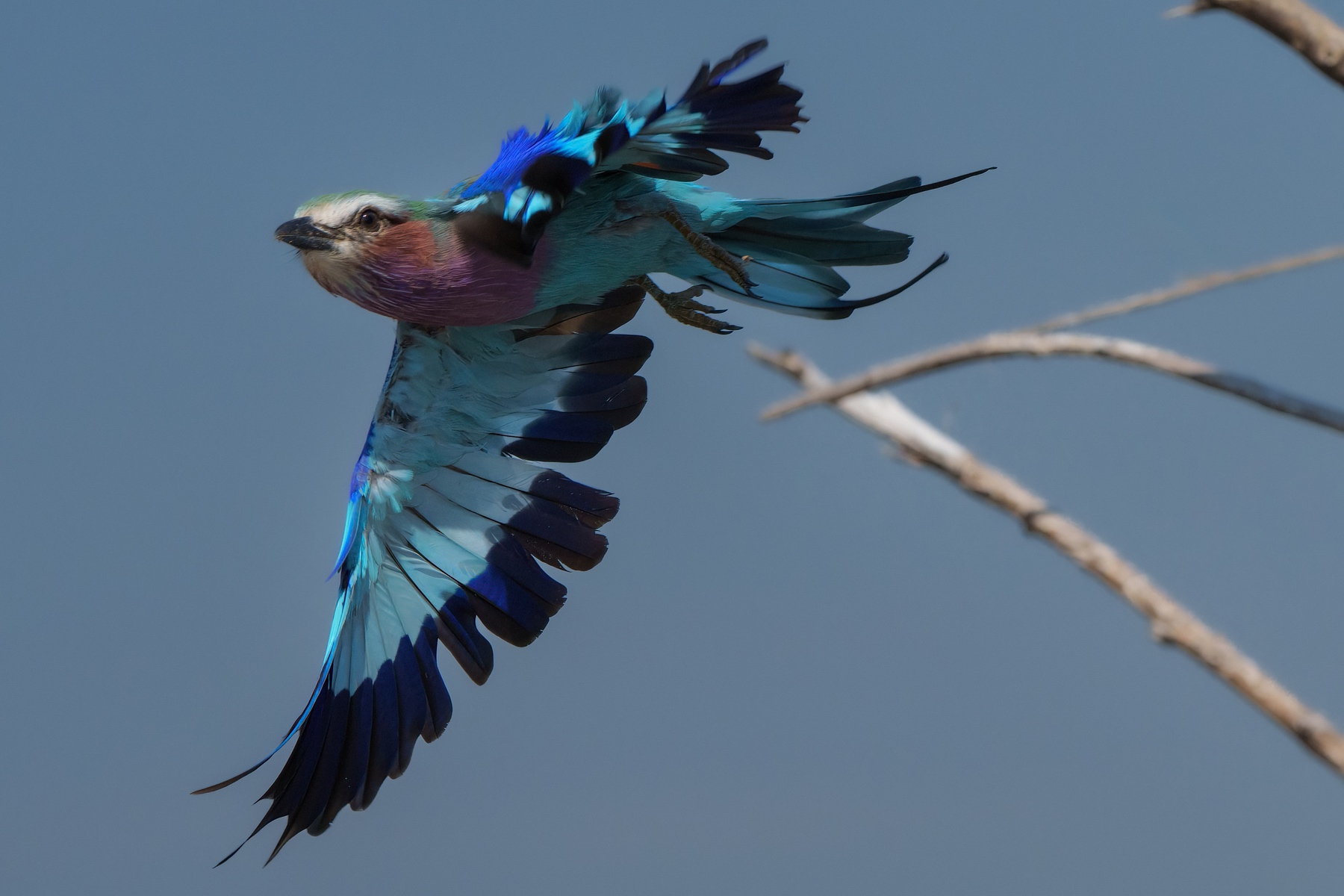
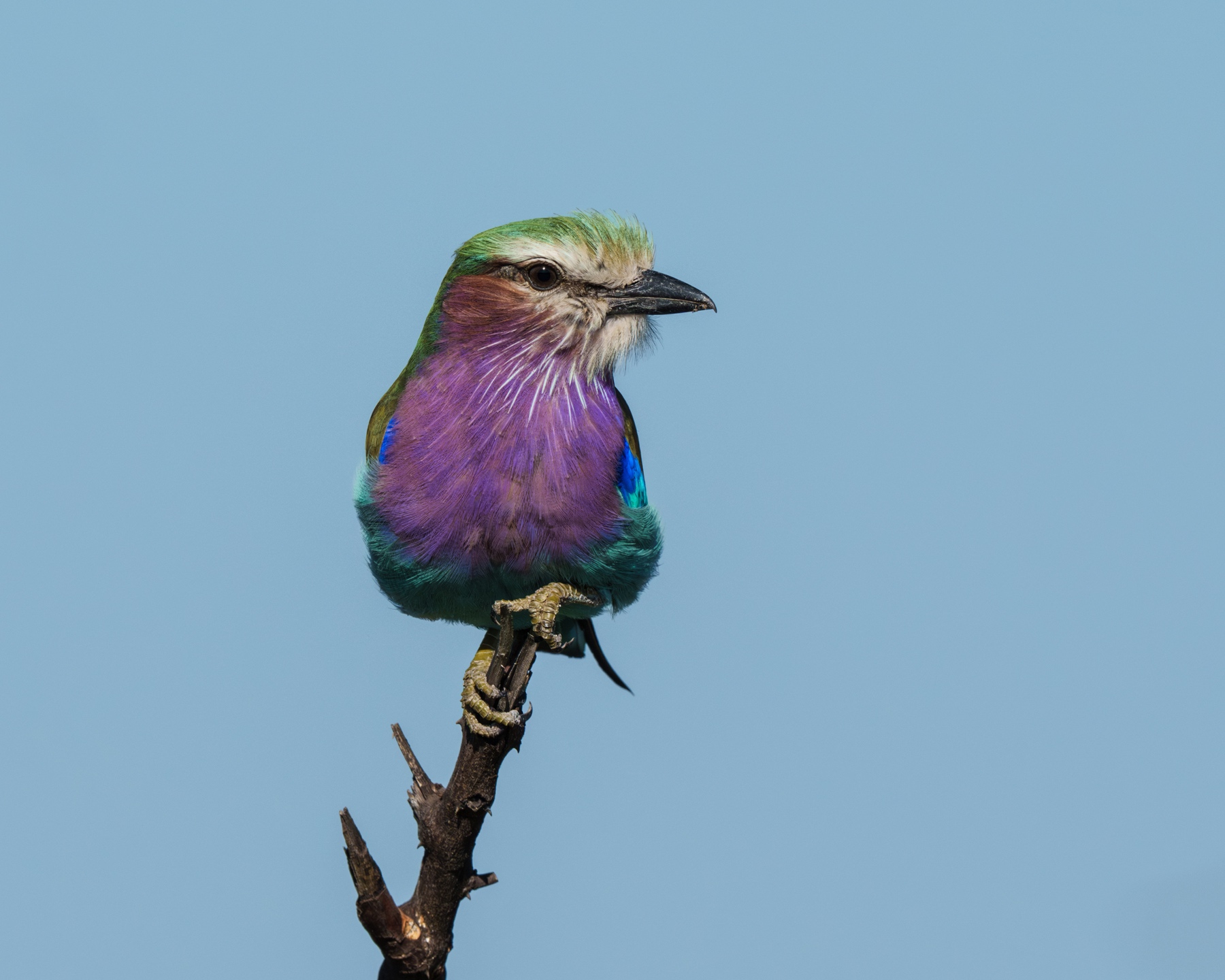
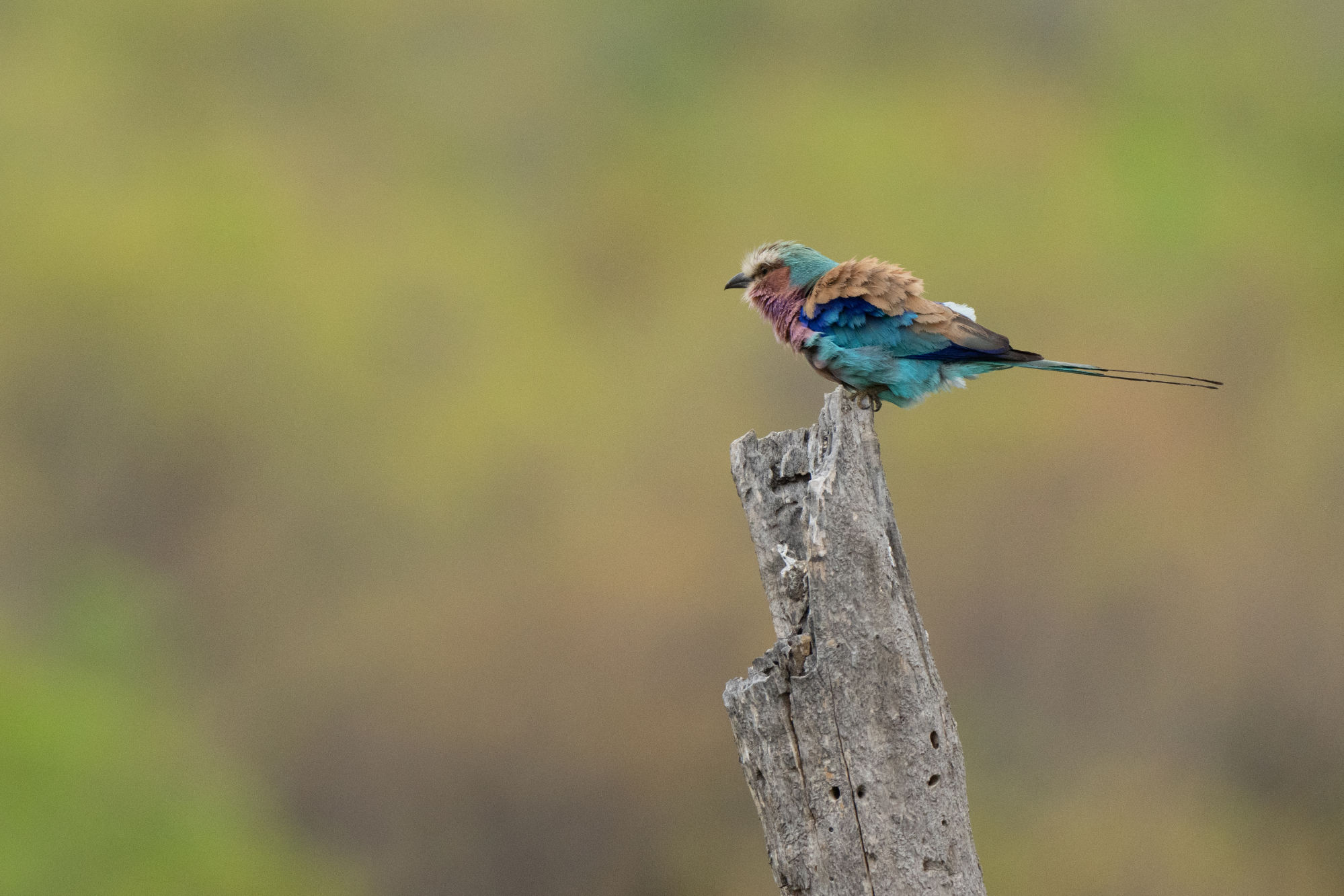
After a coffee stop, I got to practice some more lilac-breasted roller shots. One day I will get the perfect one…
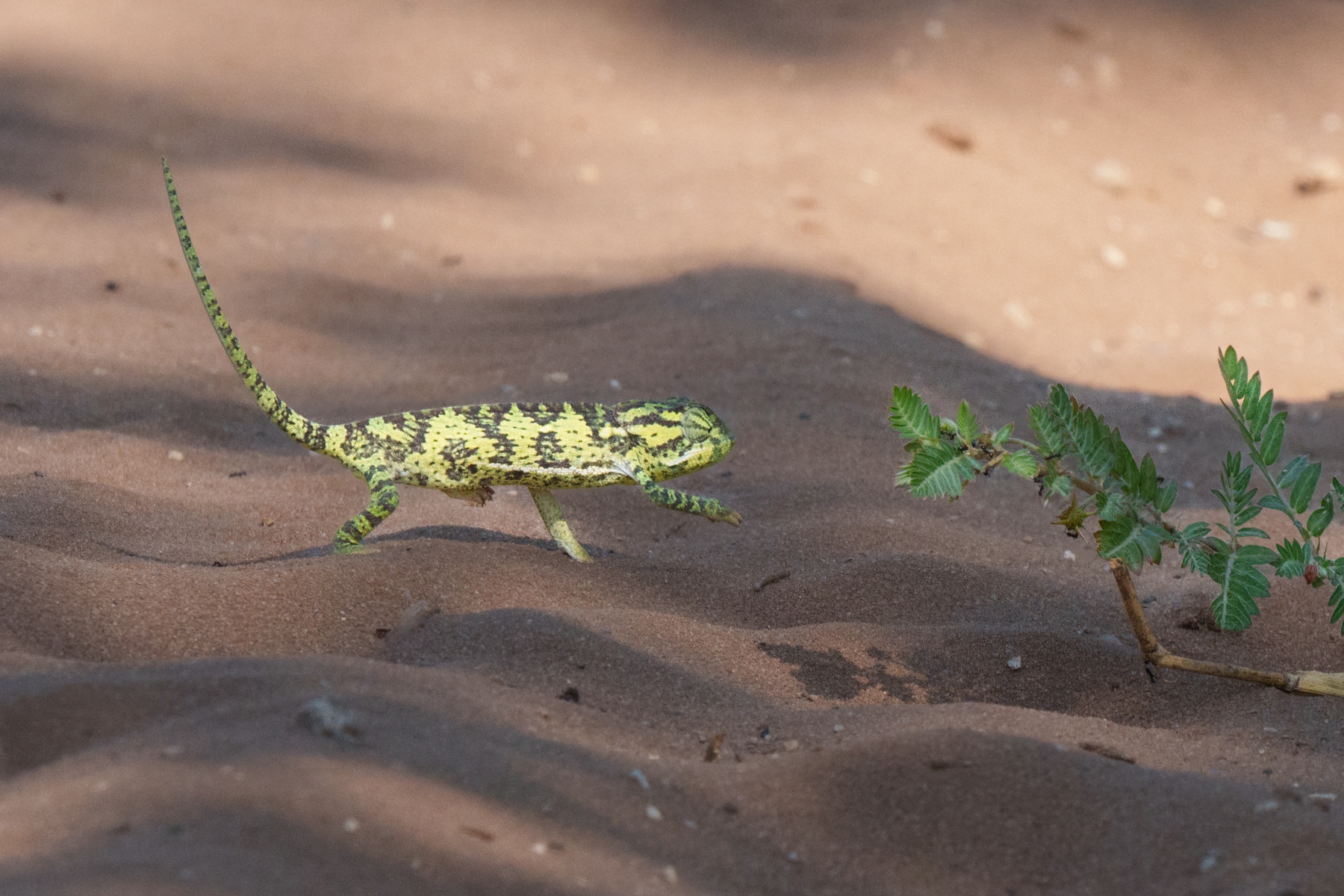
A chameleon showed unexpected speed and we just managed to grab a few quick shots before it disappeared into the vegetation
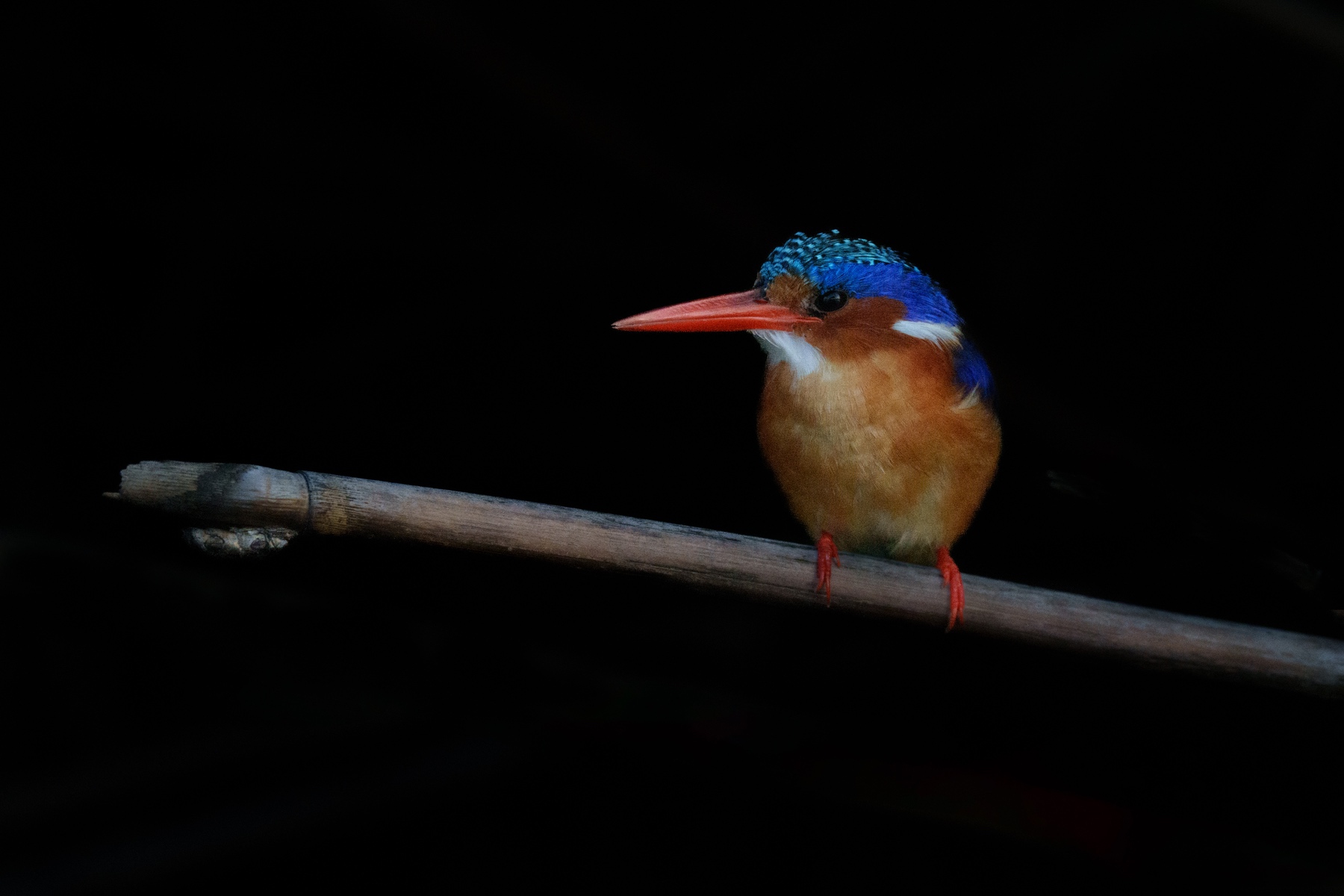
The afternoon session on the river started with a search for Jacanas. Along the way we also found another Malachite kingfisher
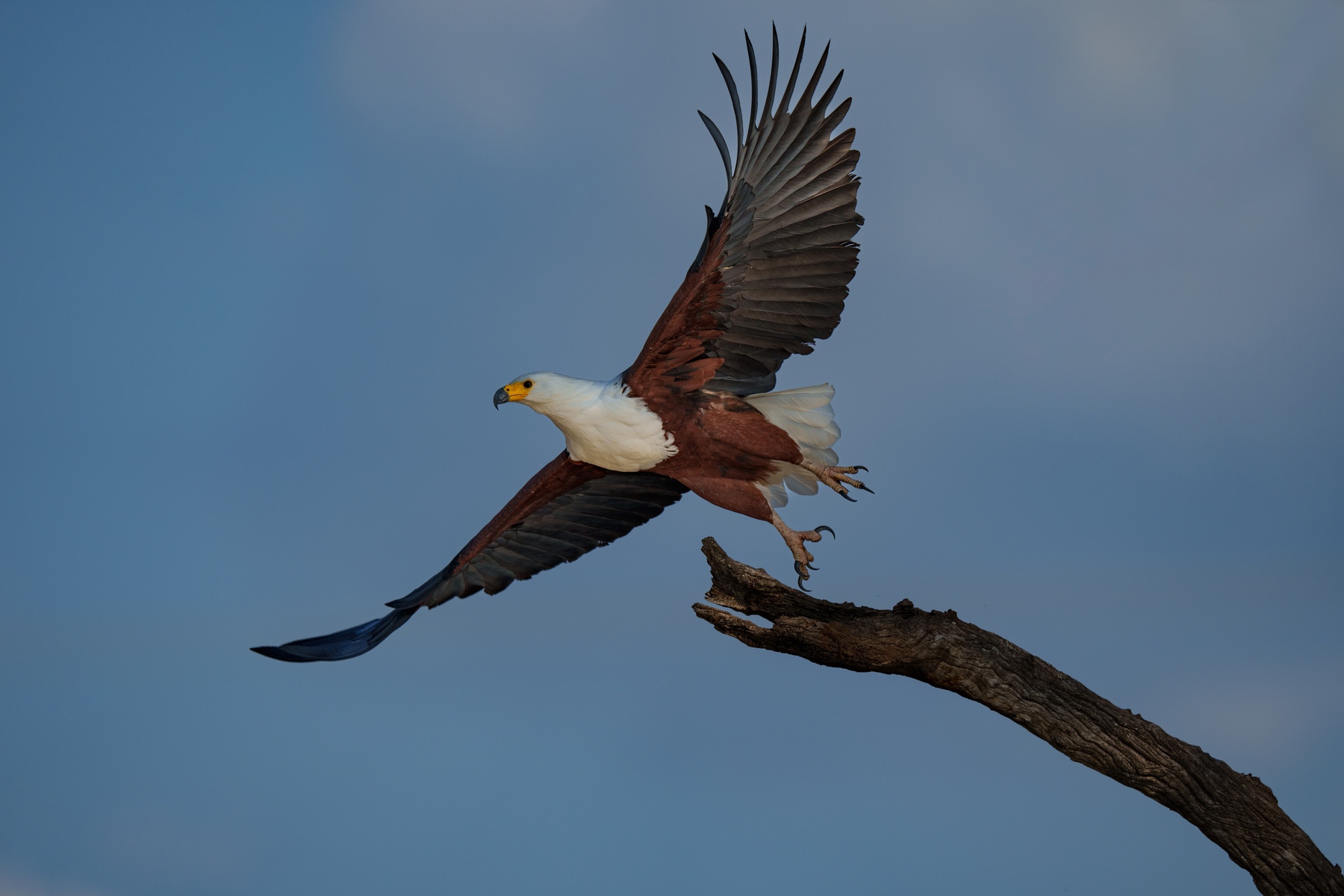
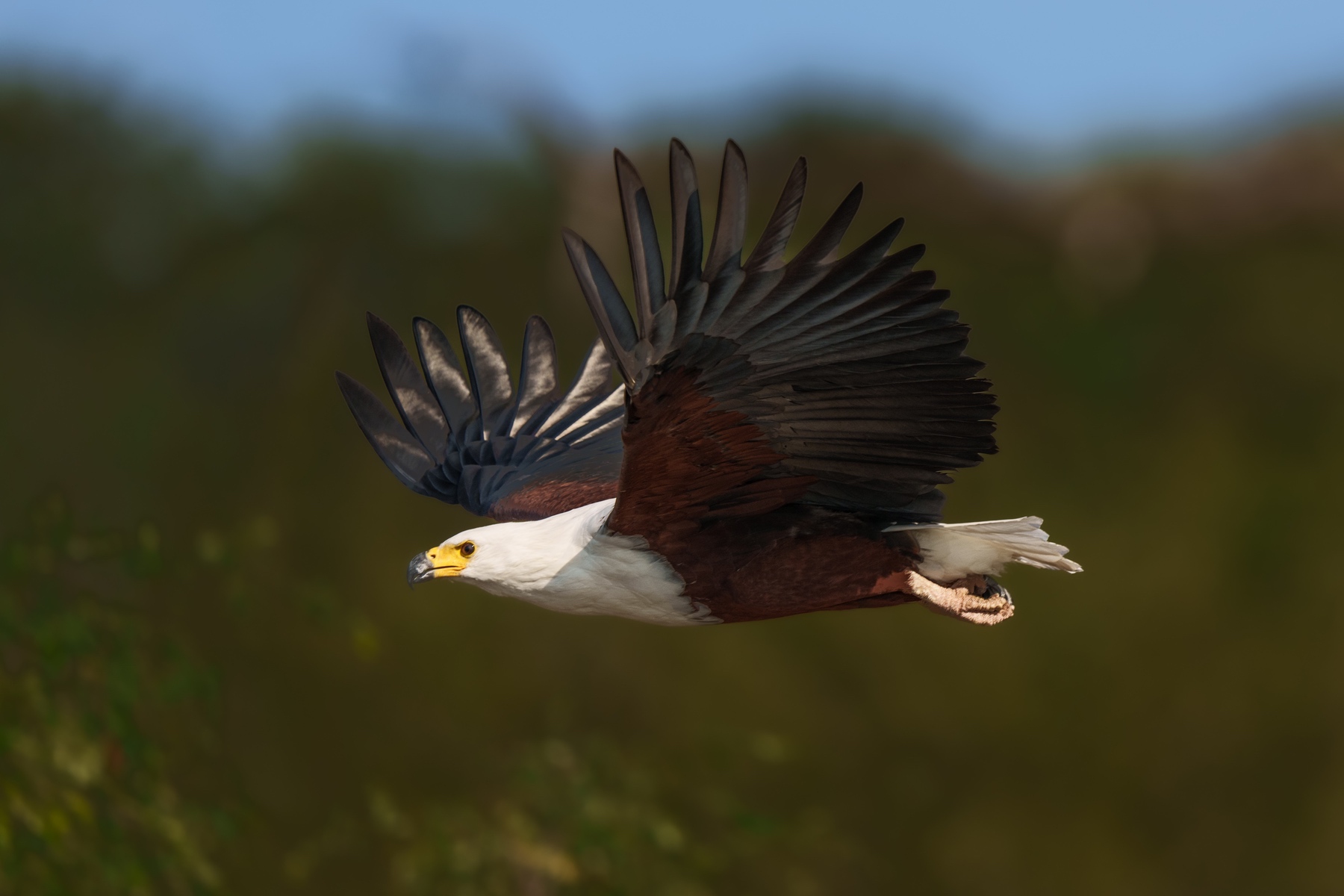
I can never get enough of the African fish eagles, such impressive birds
A Woodland kingfisher was a pleasant surprise
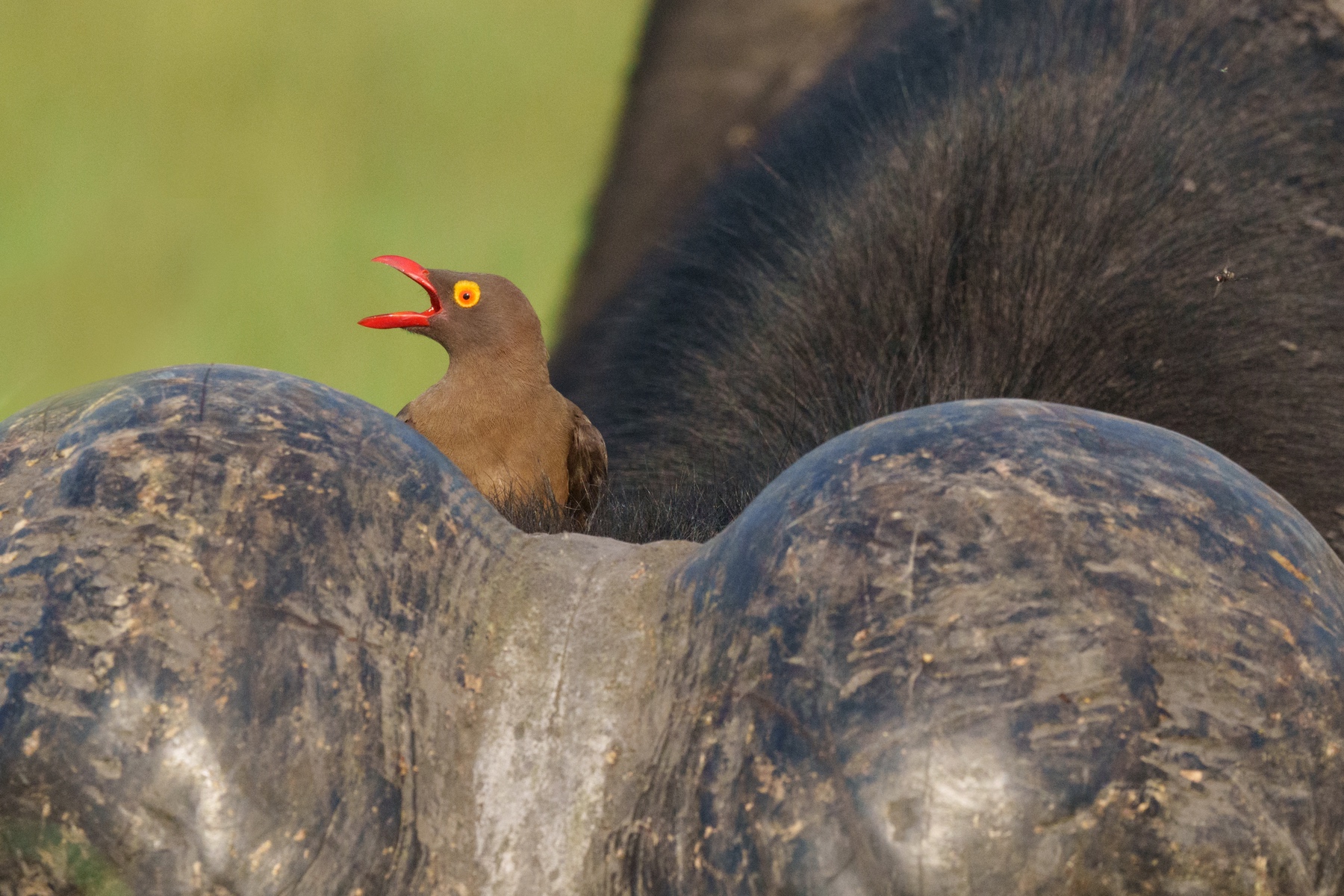
Red-billed oxpeckers were playing on the buffaloes
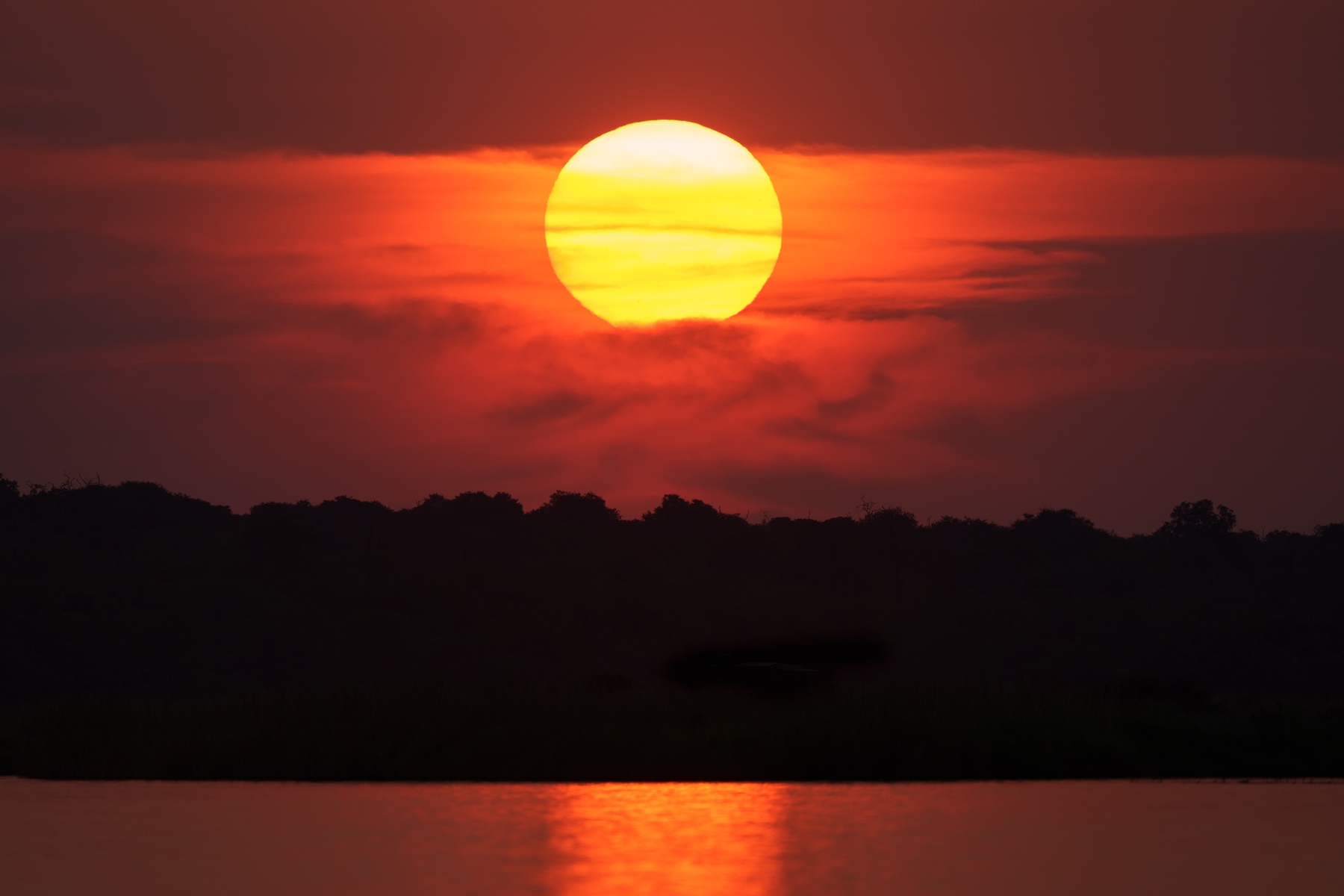
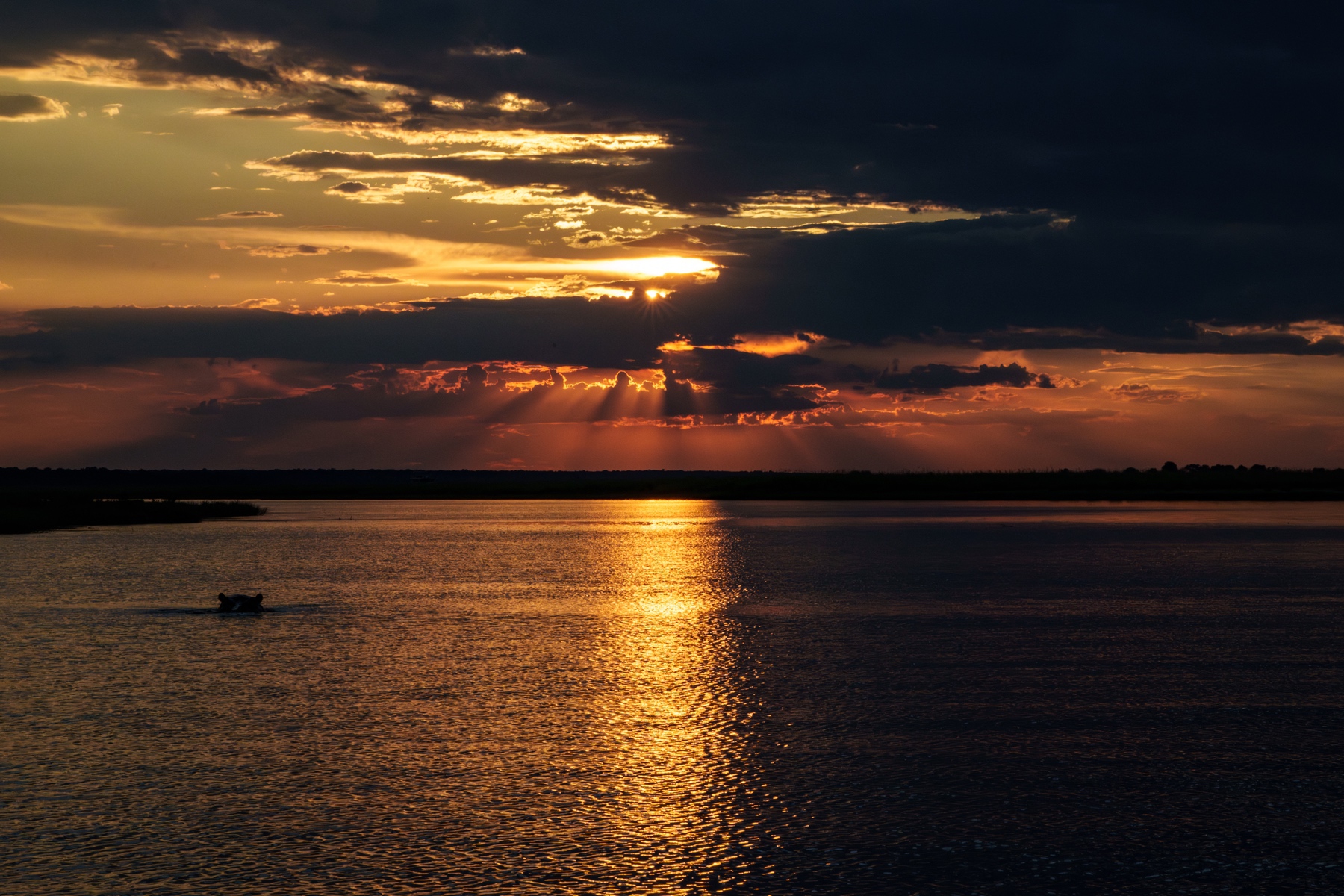
Once again, the Chobe sunset delivered, with elephants, crocodiles and hippos all playing their part
Another day on which we could get an extra half hour sleep, with coffee at 5:30 and a 6:00am departure to the river.
On the boat, cameras mounted and everything ready (photo credit Tom Williams), we first went in search of the birds in the reeds.
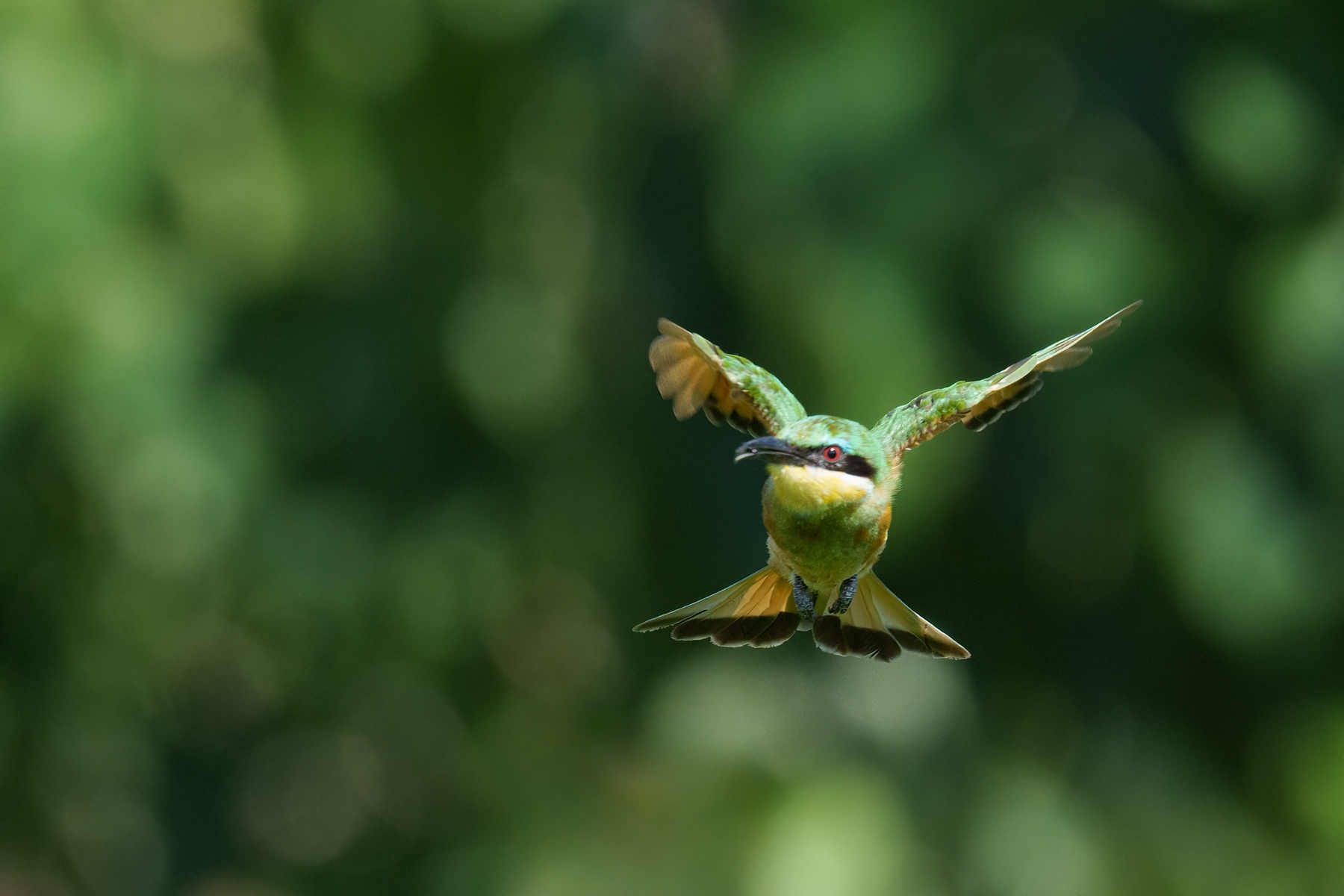
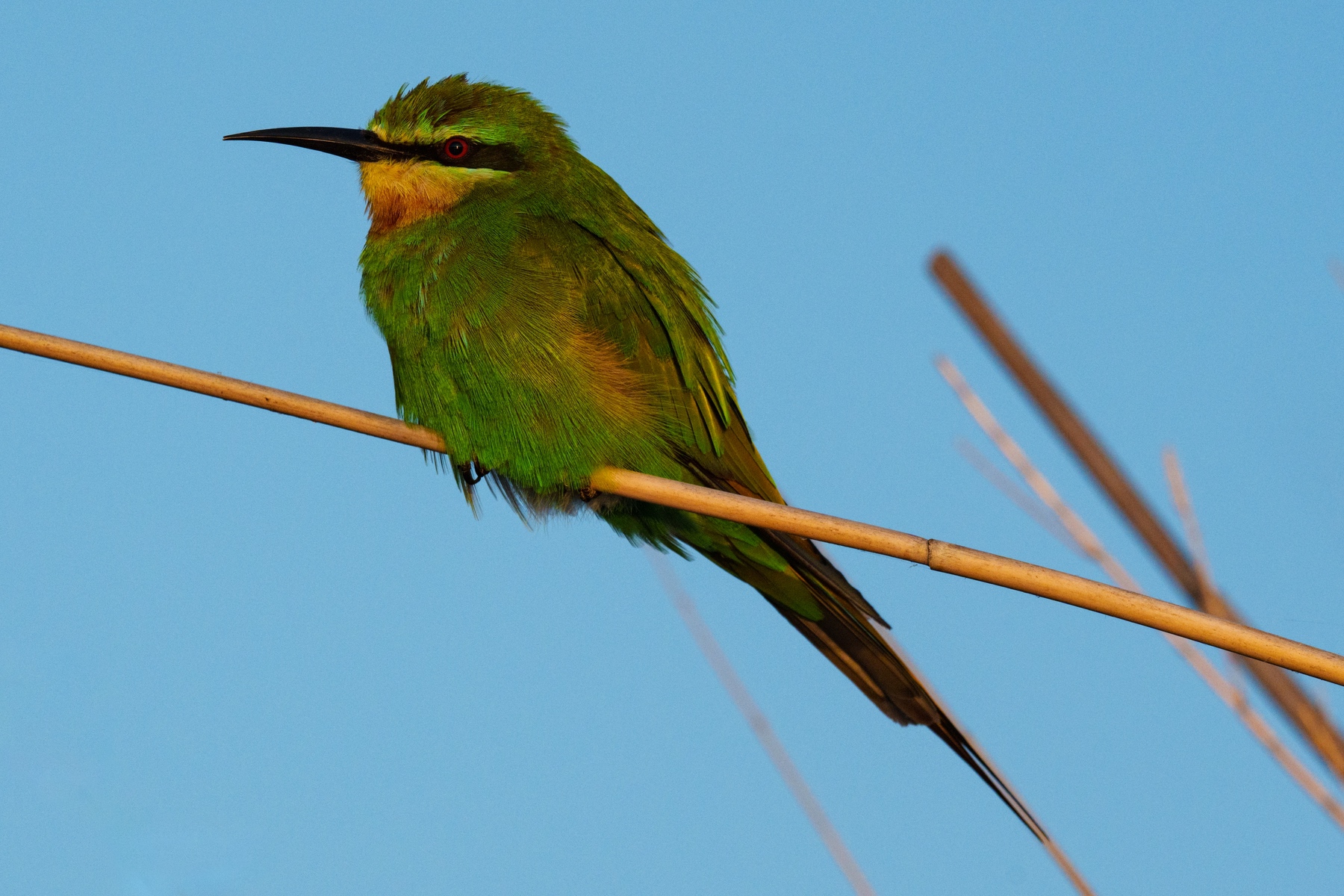
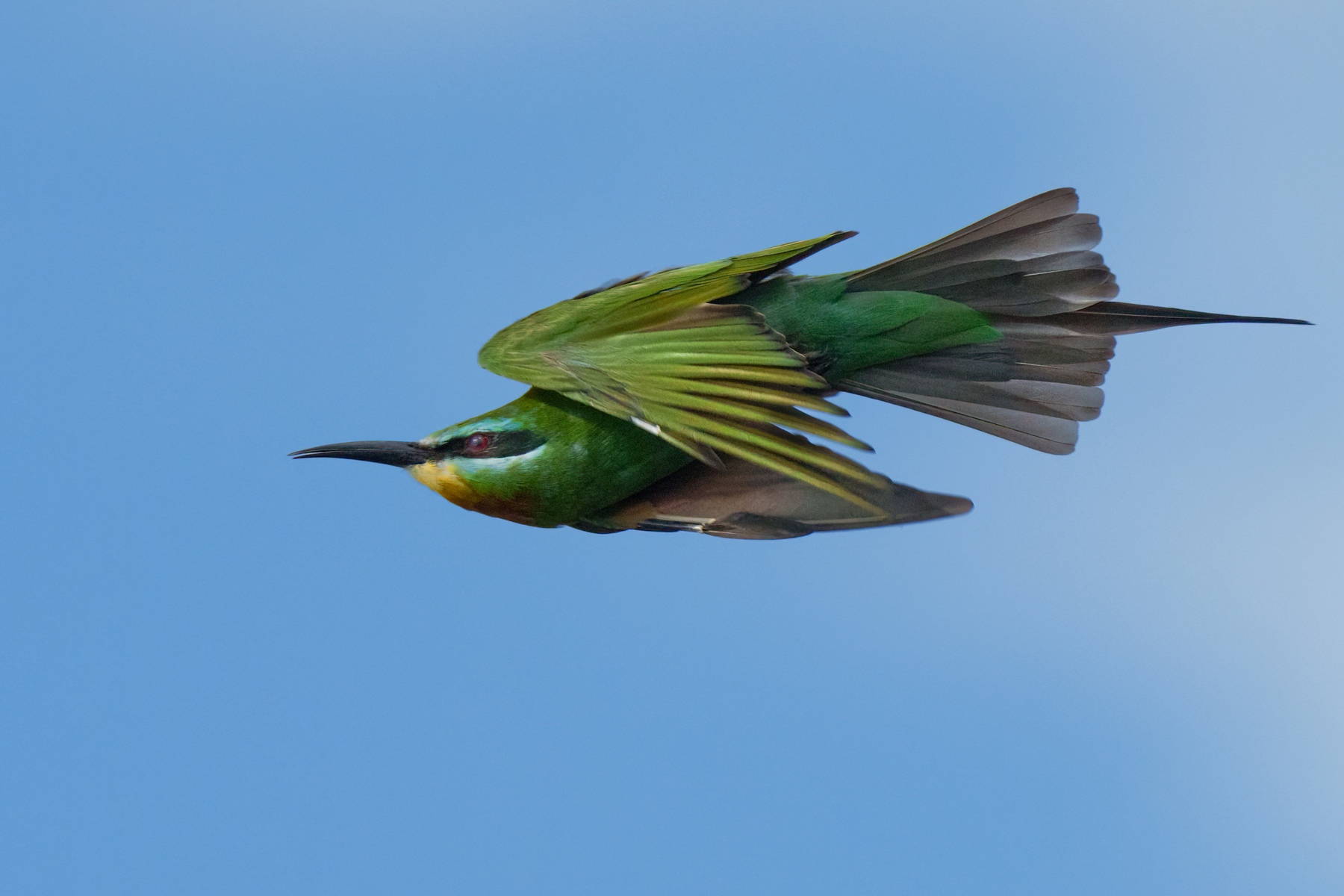
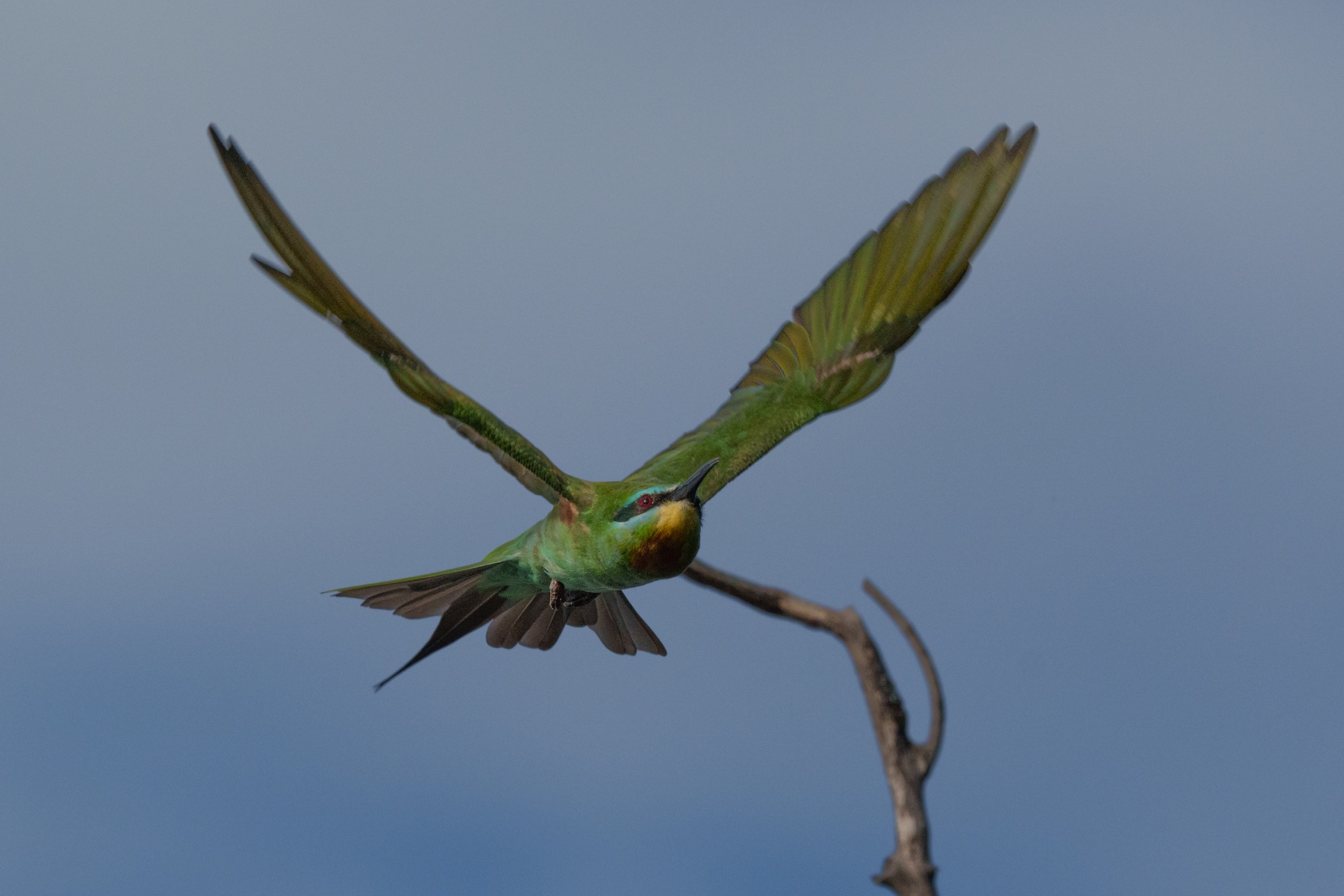
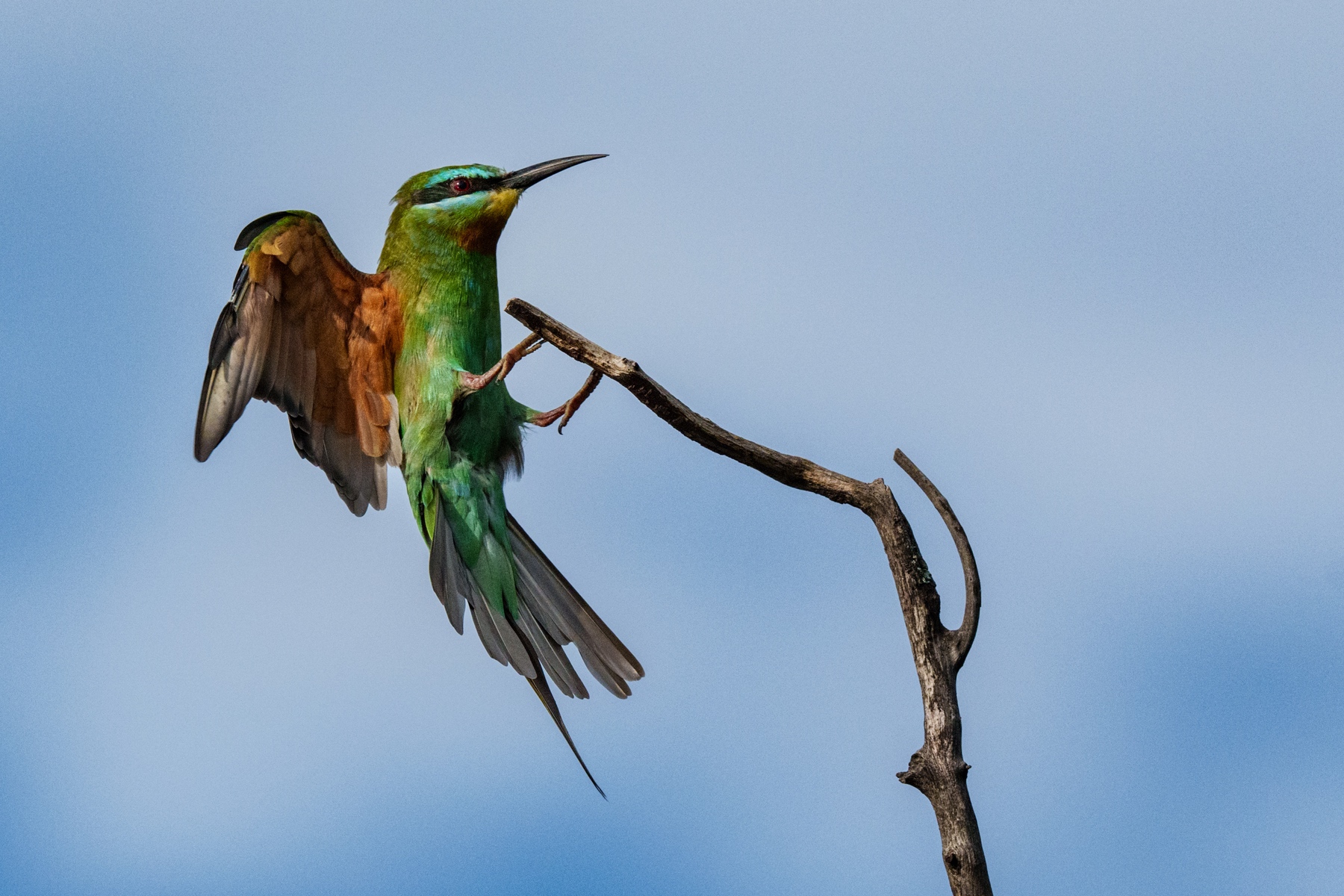
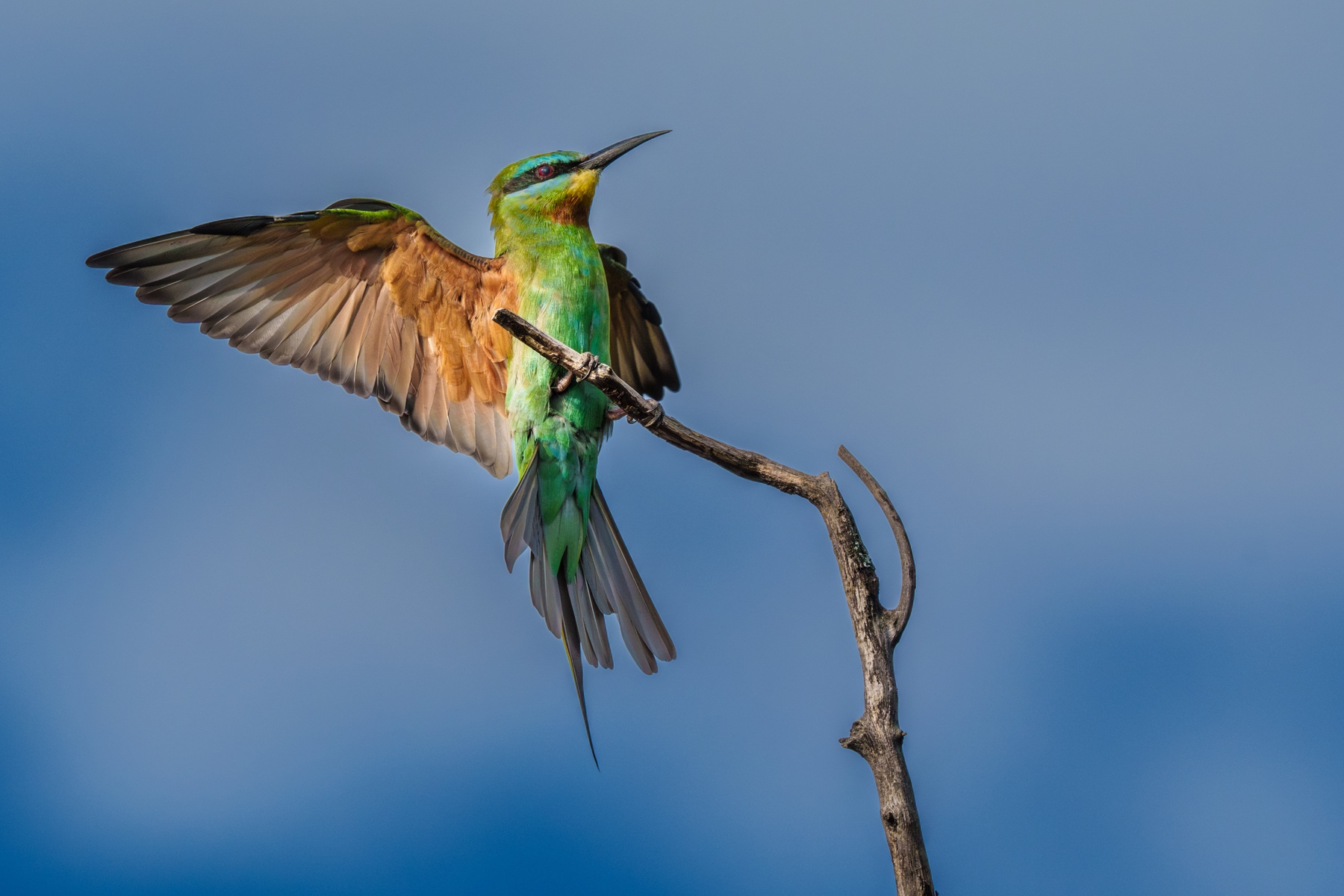
We were greeted by a Malachite Kingfisher and multiple Blue-cheeked bee-eaters.
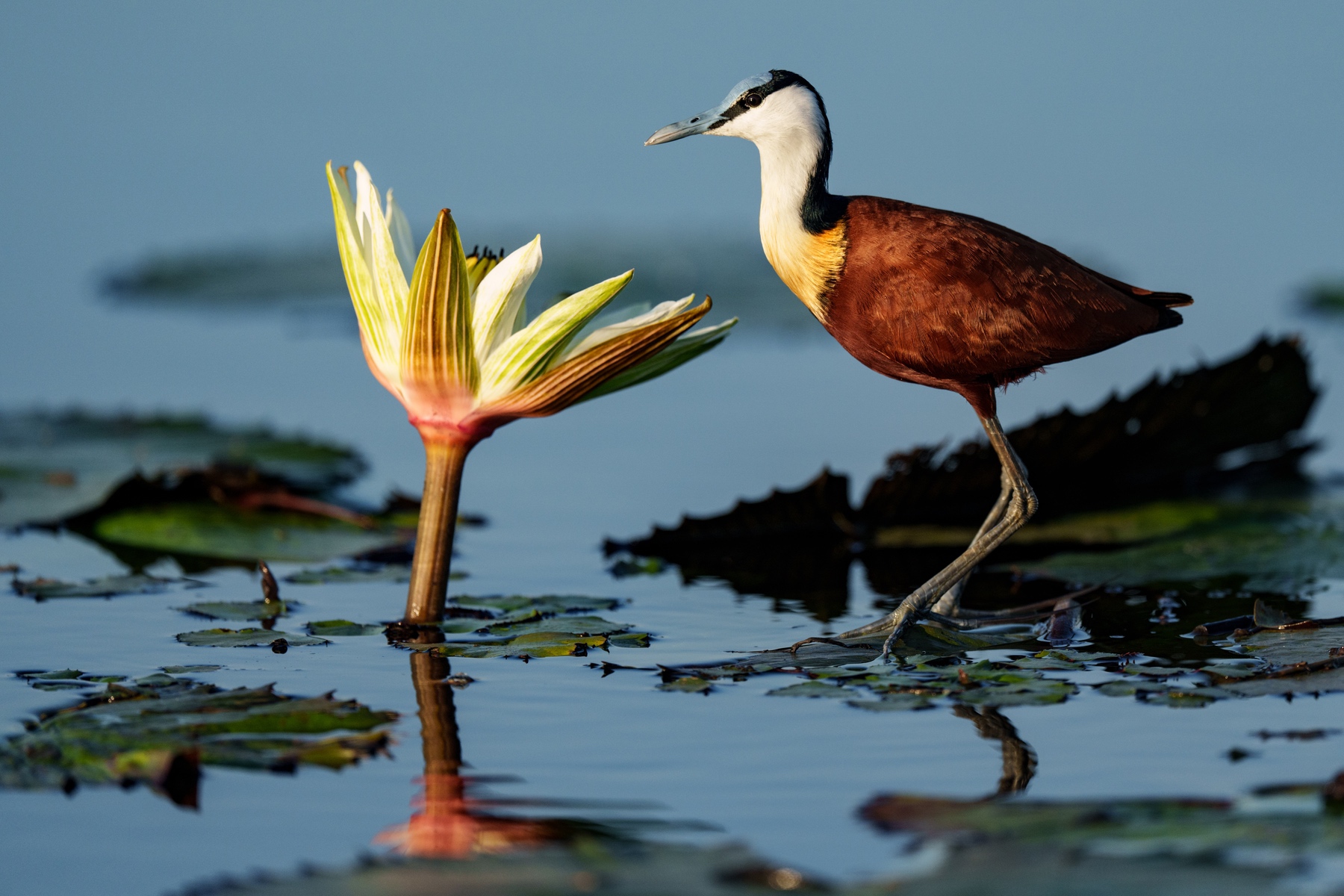
Next up, African Jacanas walking on the water lilies
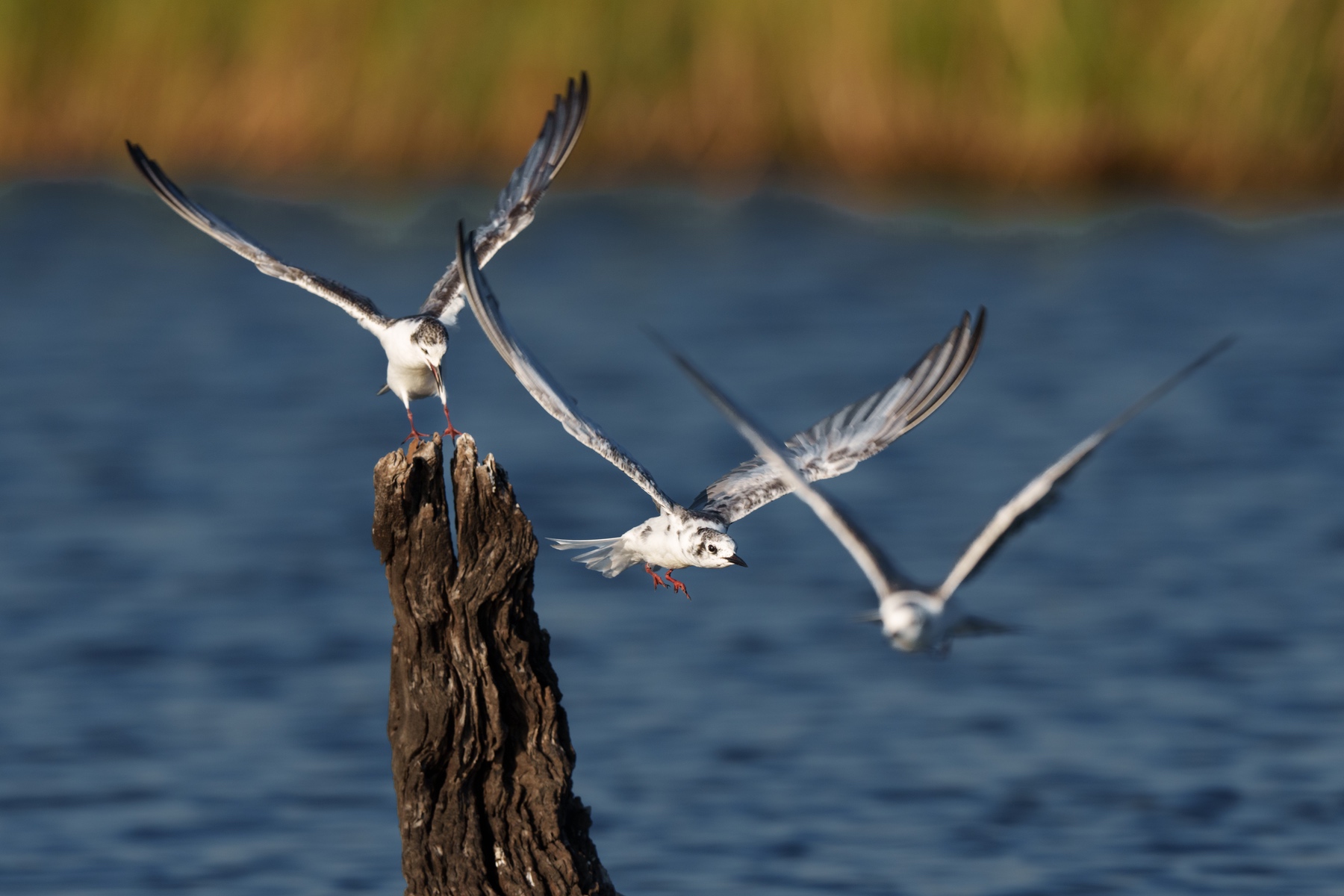
Terns were giving a flying display
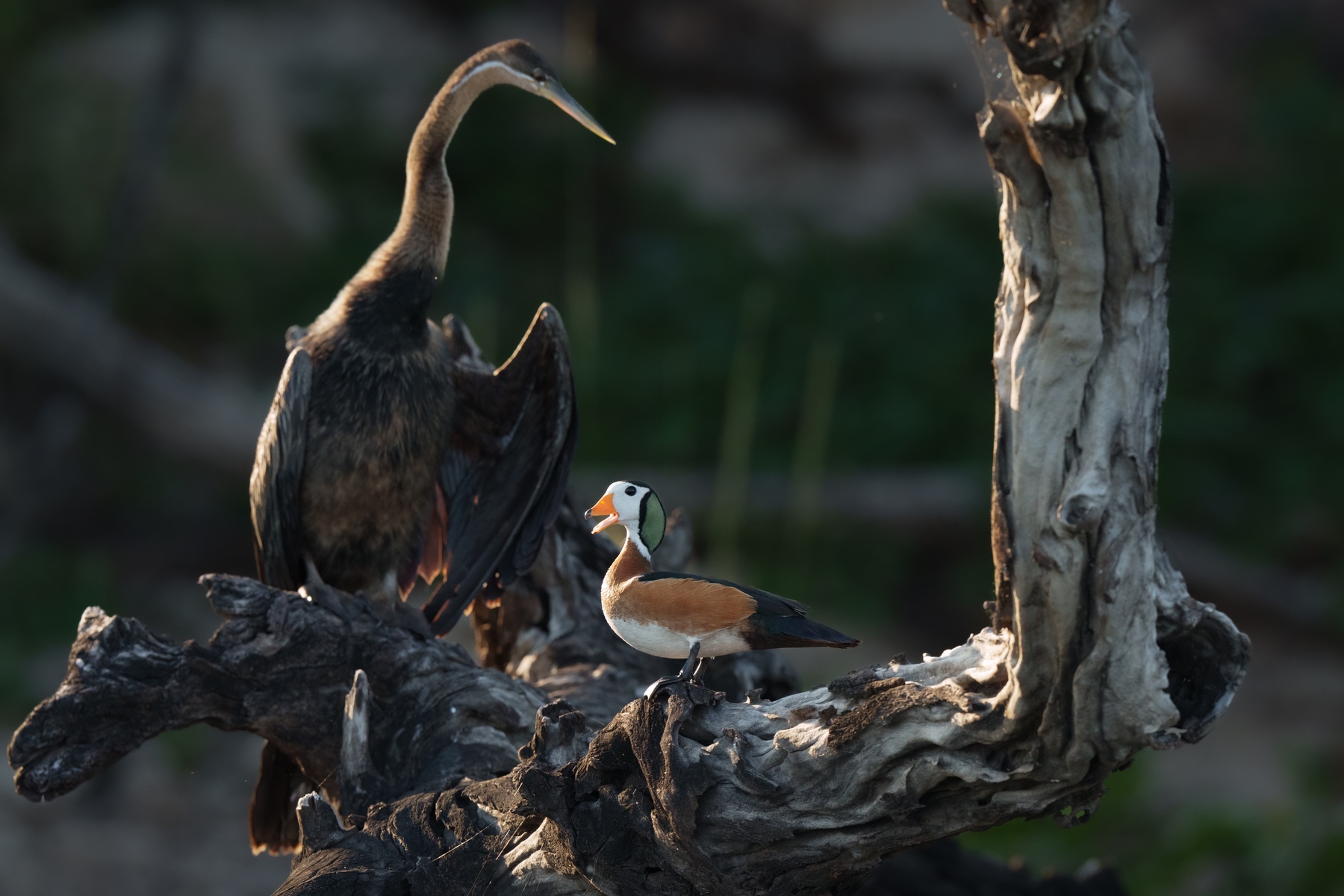
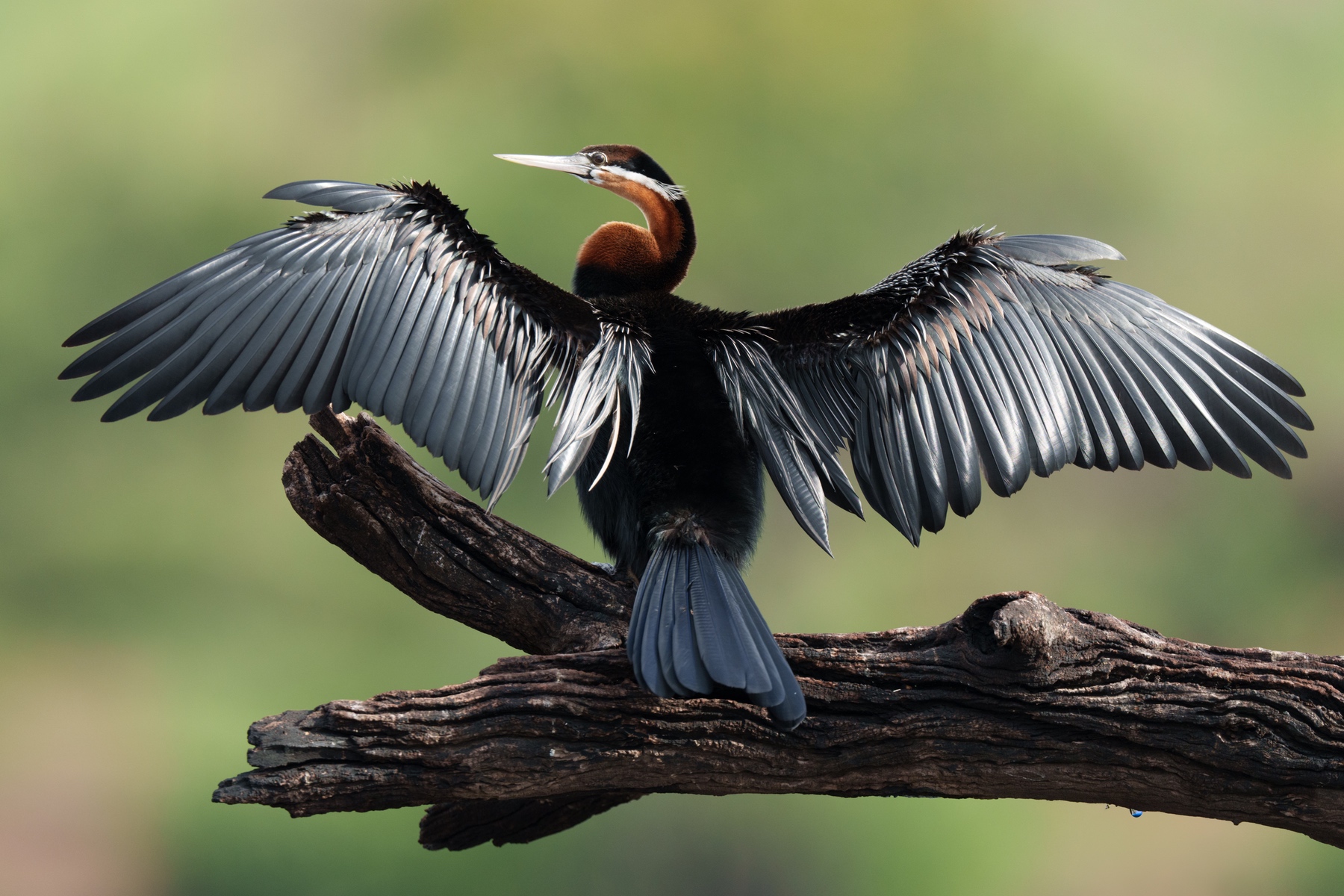
A Pygmy Goose was sitting on a tree stump, appearing to be having a discussion with an African Darter
A Red-billed oxpecker was doing its thing on a buffalo’s nose
Just to remind us that this was indeed World Hippo Day, a hippo decided to photobomb the elephants
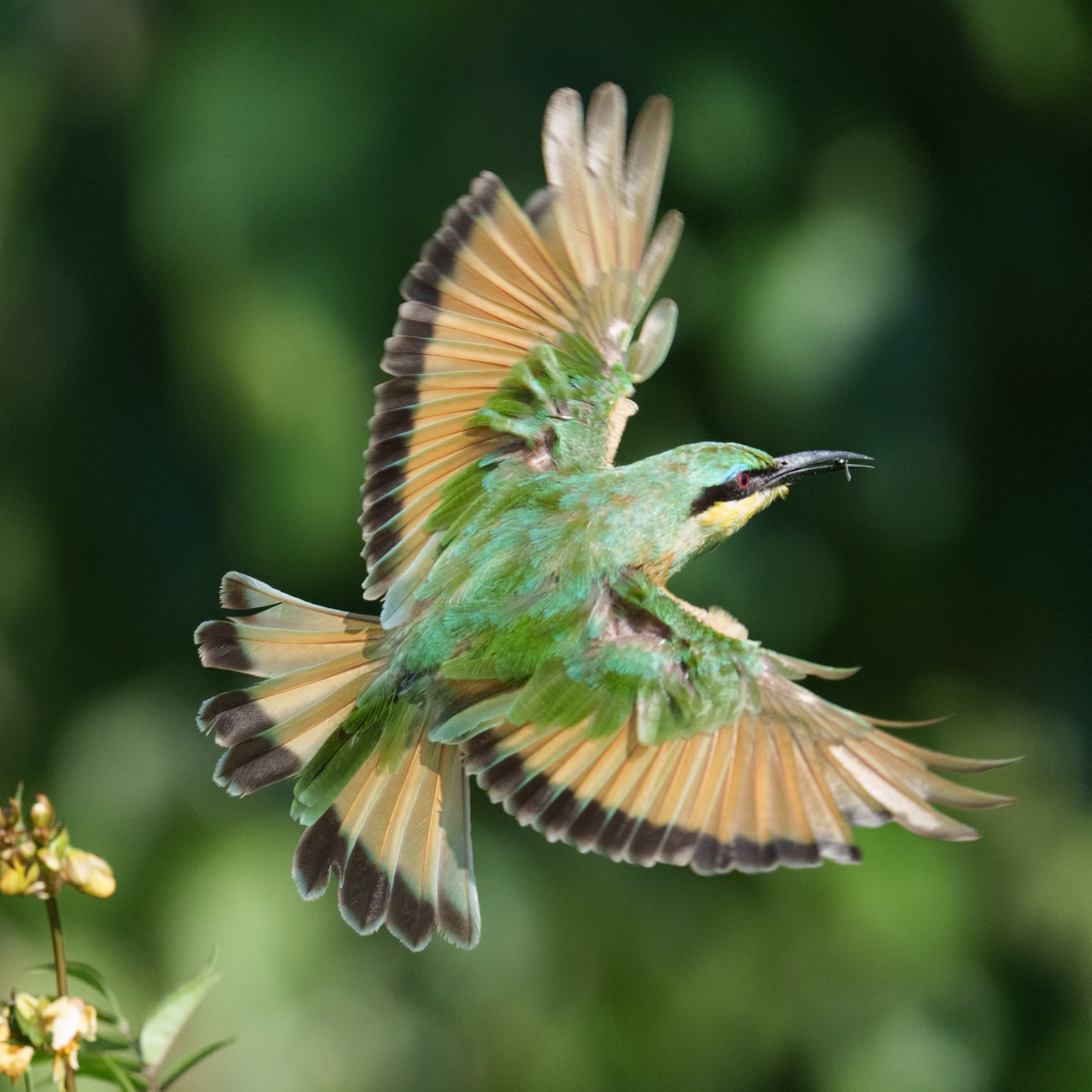
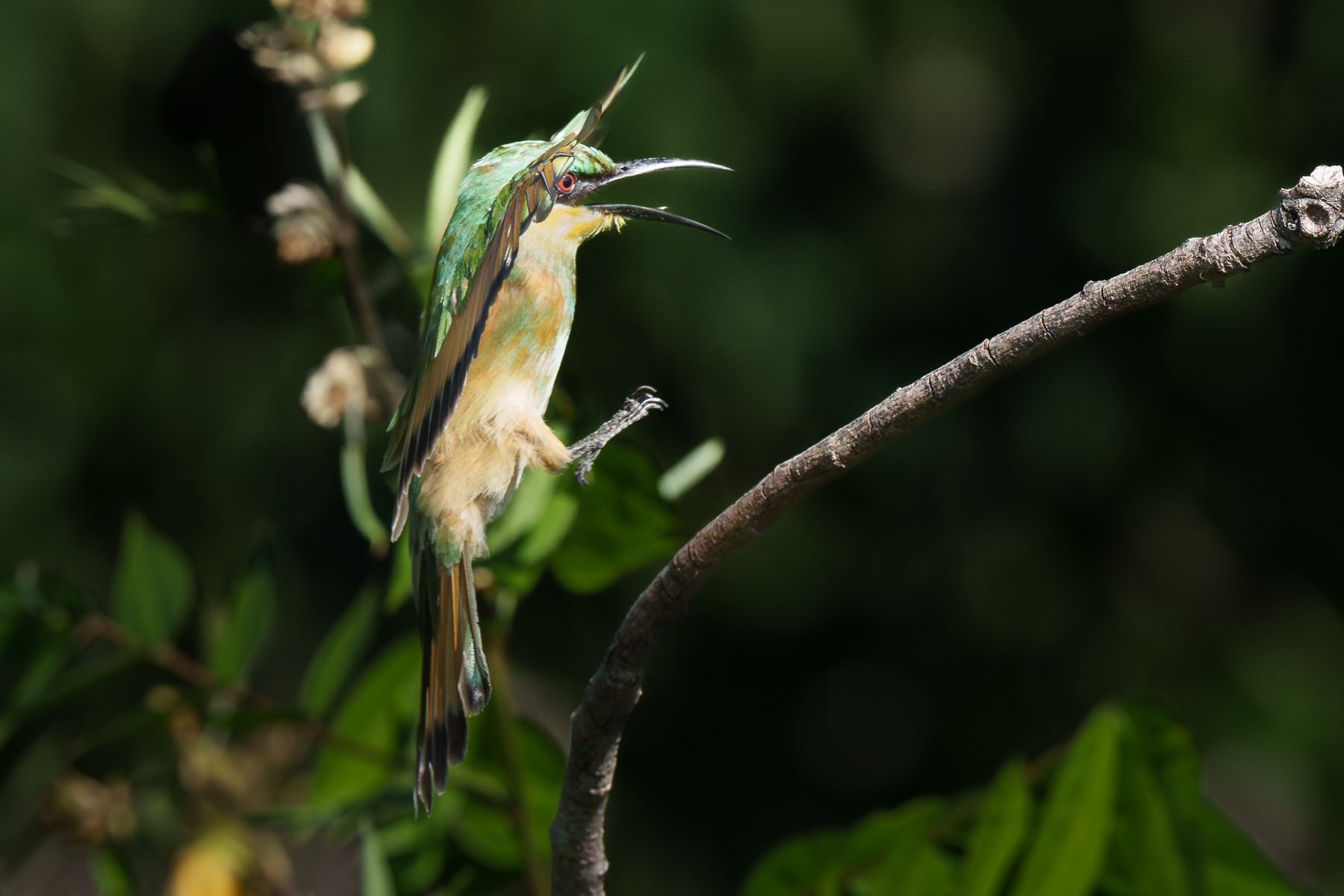
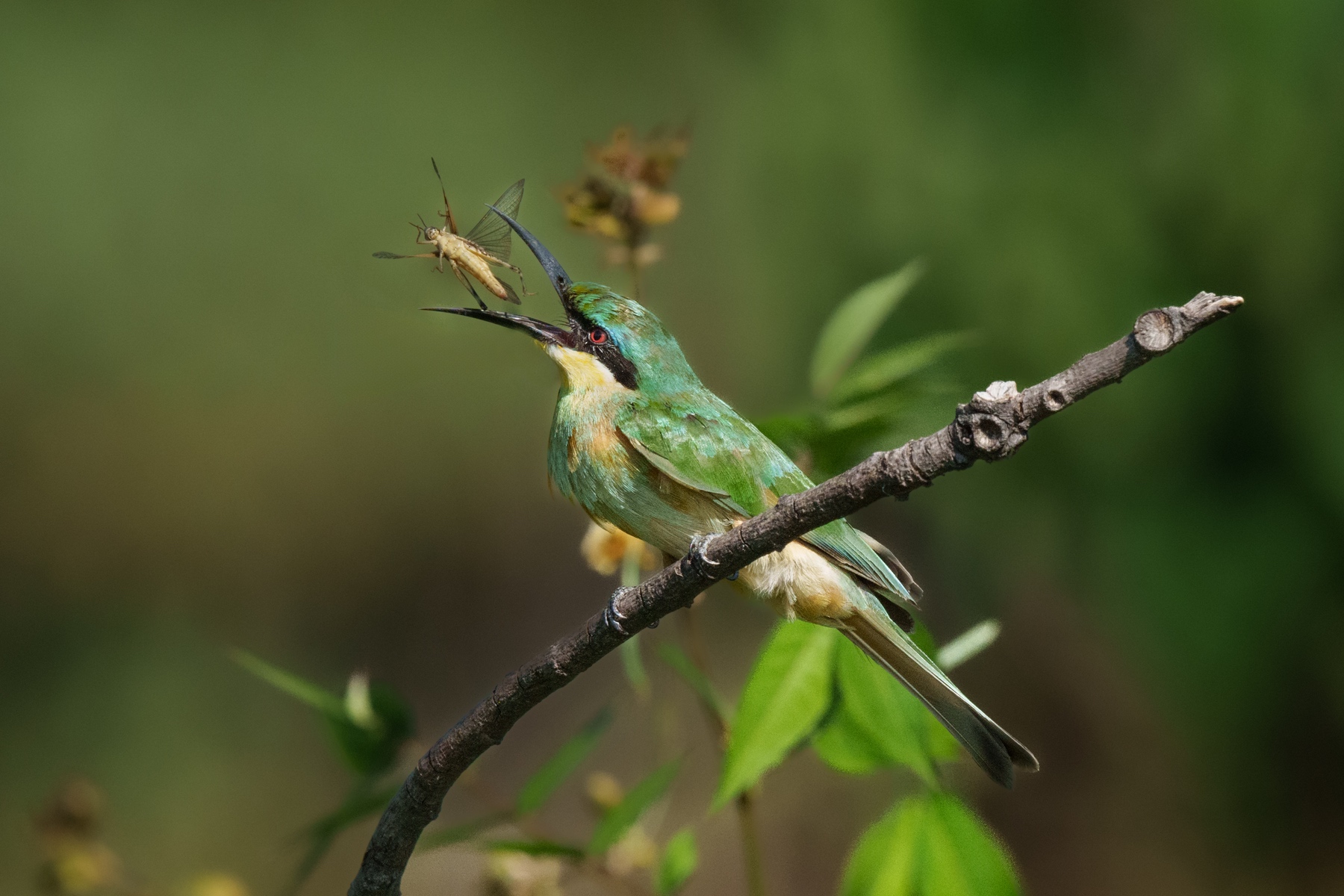
In the afternoon we saw some more bee-eaters hunting
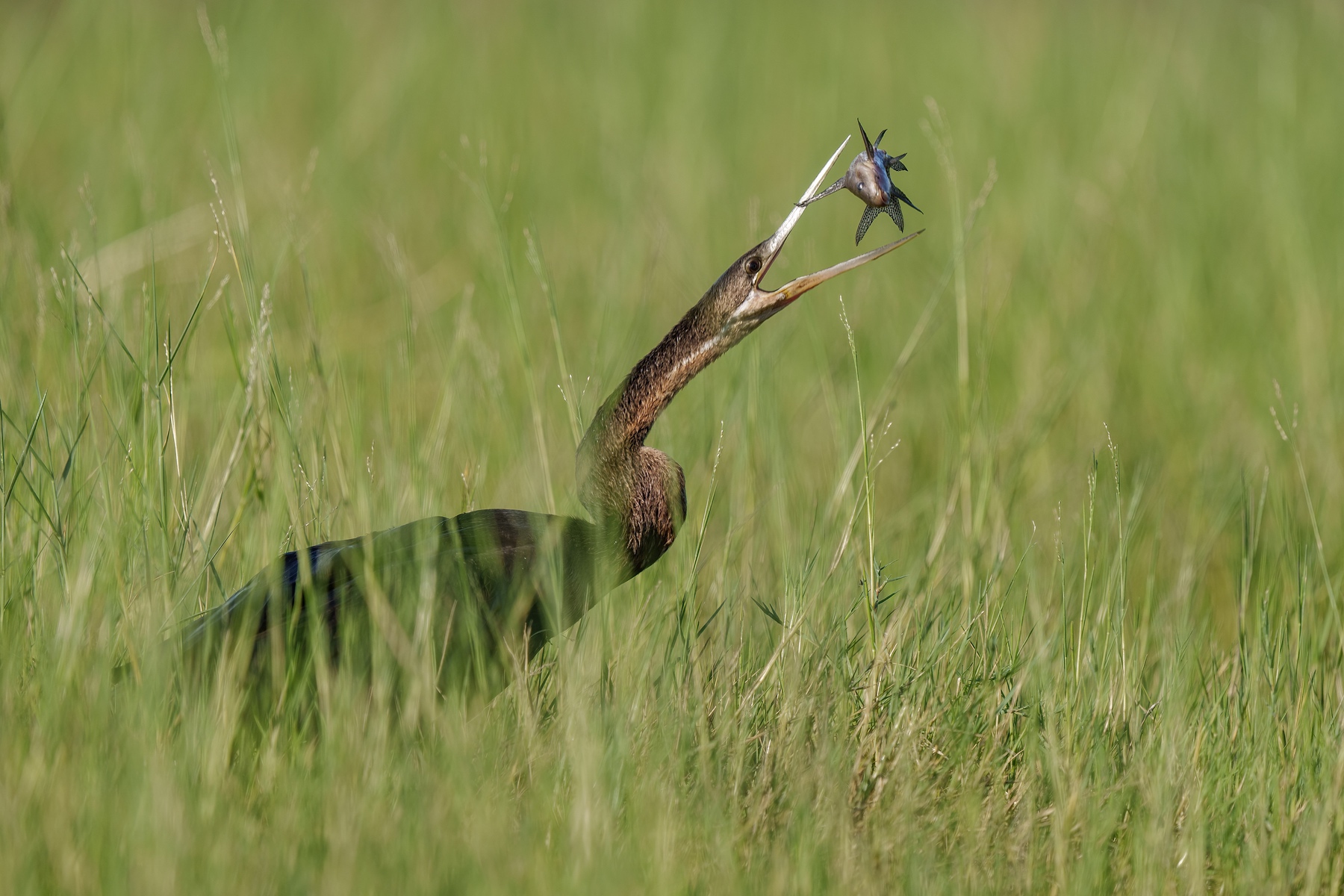
An African Darter was struggling with a fish it had caught
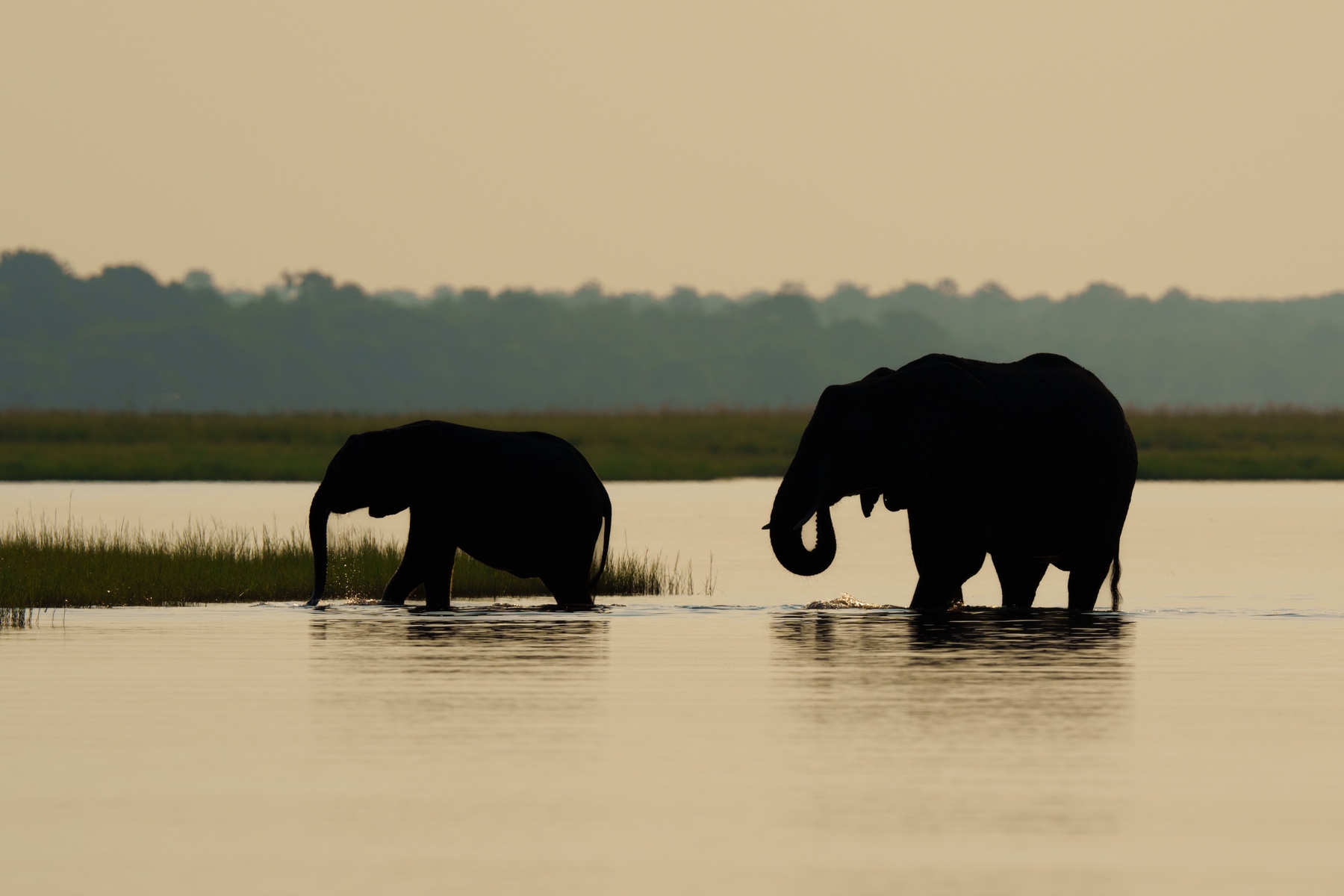
Elephants were clearly feeling the heat and cooling off in the river
The sunset was once again a spectacular affair
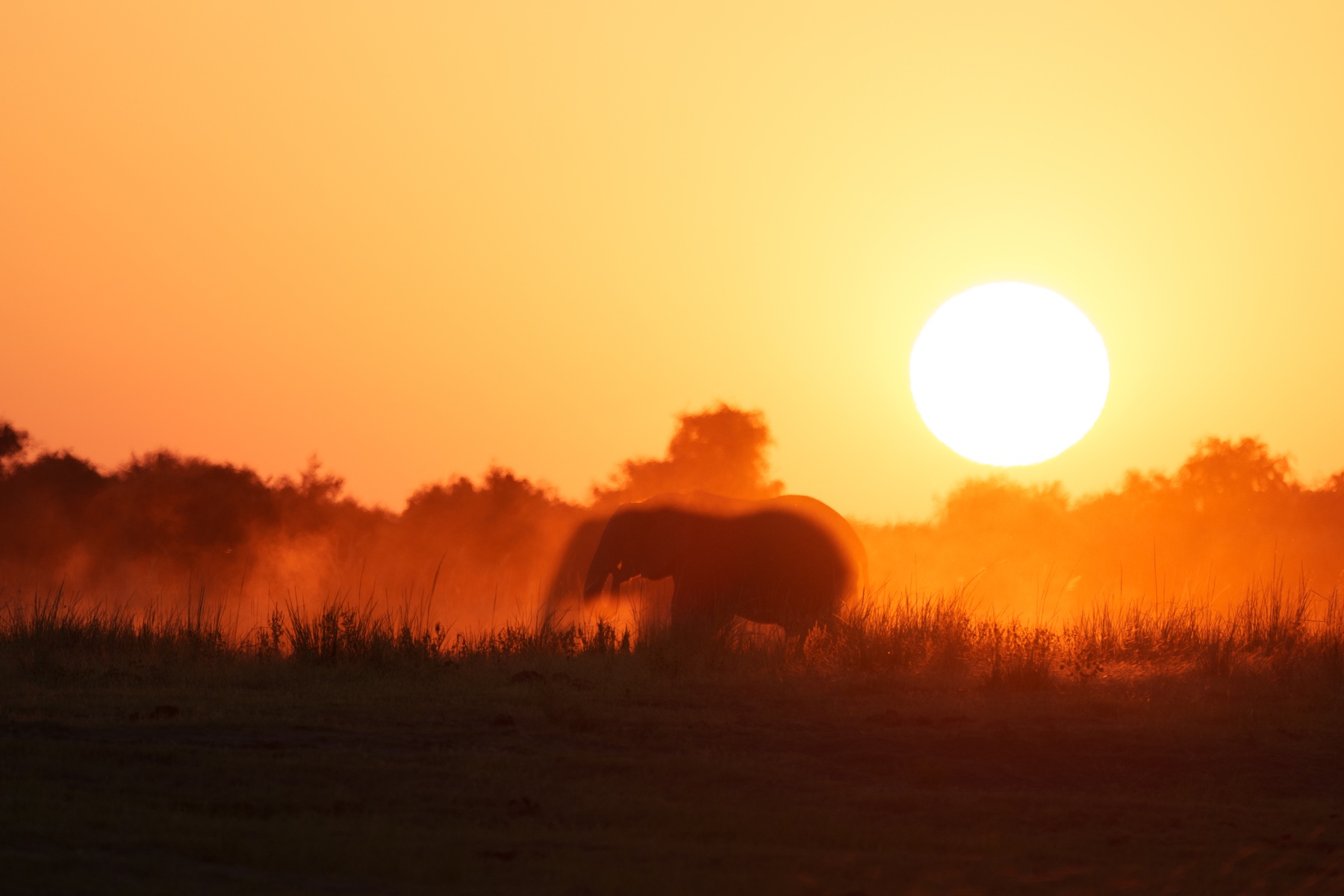
The dust kicked up by the elephants, combined with the light from the setting sun, created some interesting effects
The day ended with another excellent supper created by chef Robson and his team, enjoyed in the company of strangers from across the world who had, by now, become friends, sharing their day’s experiences.
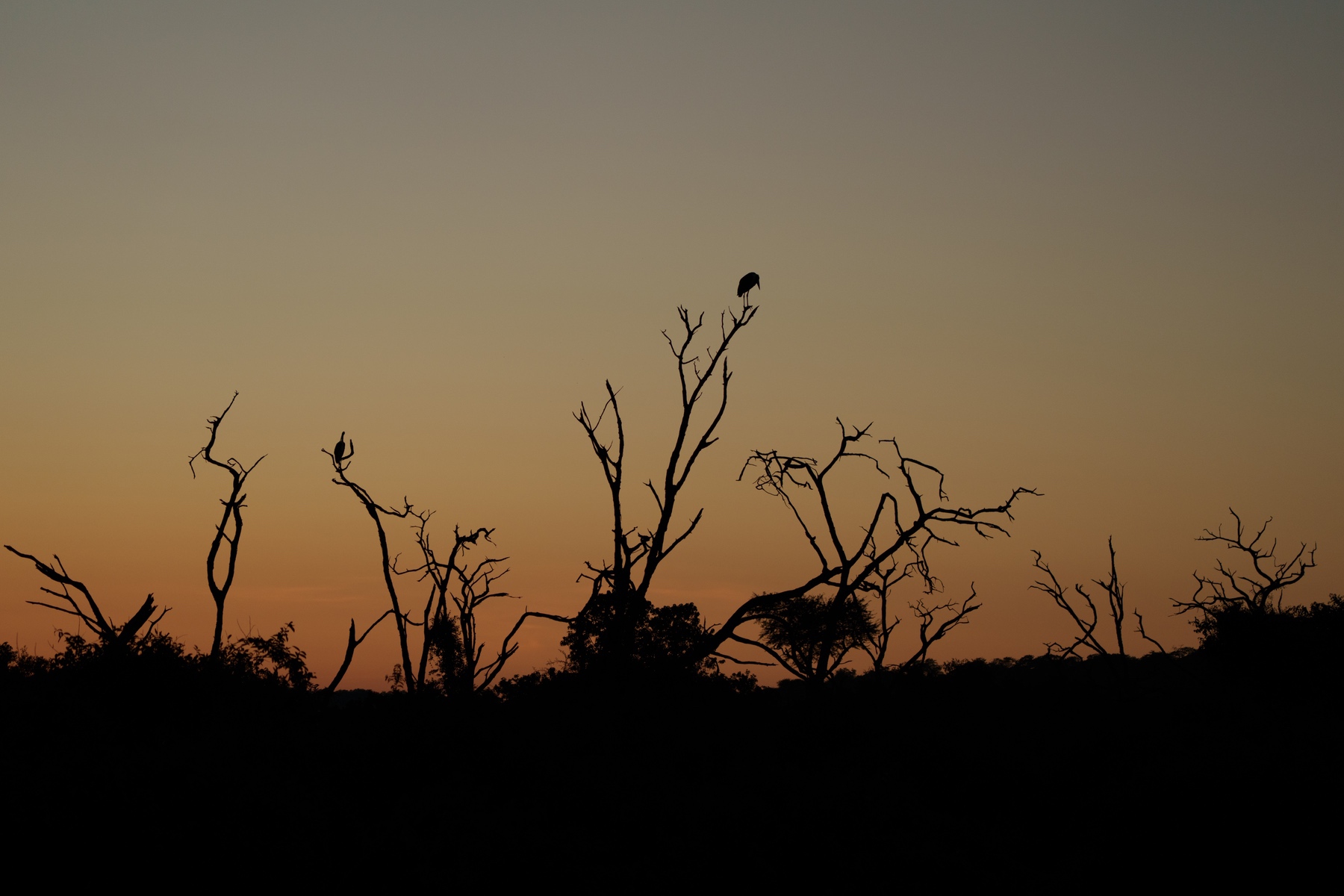
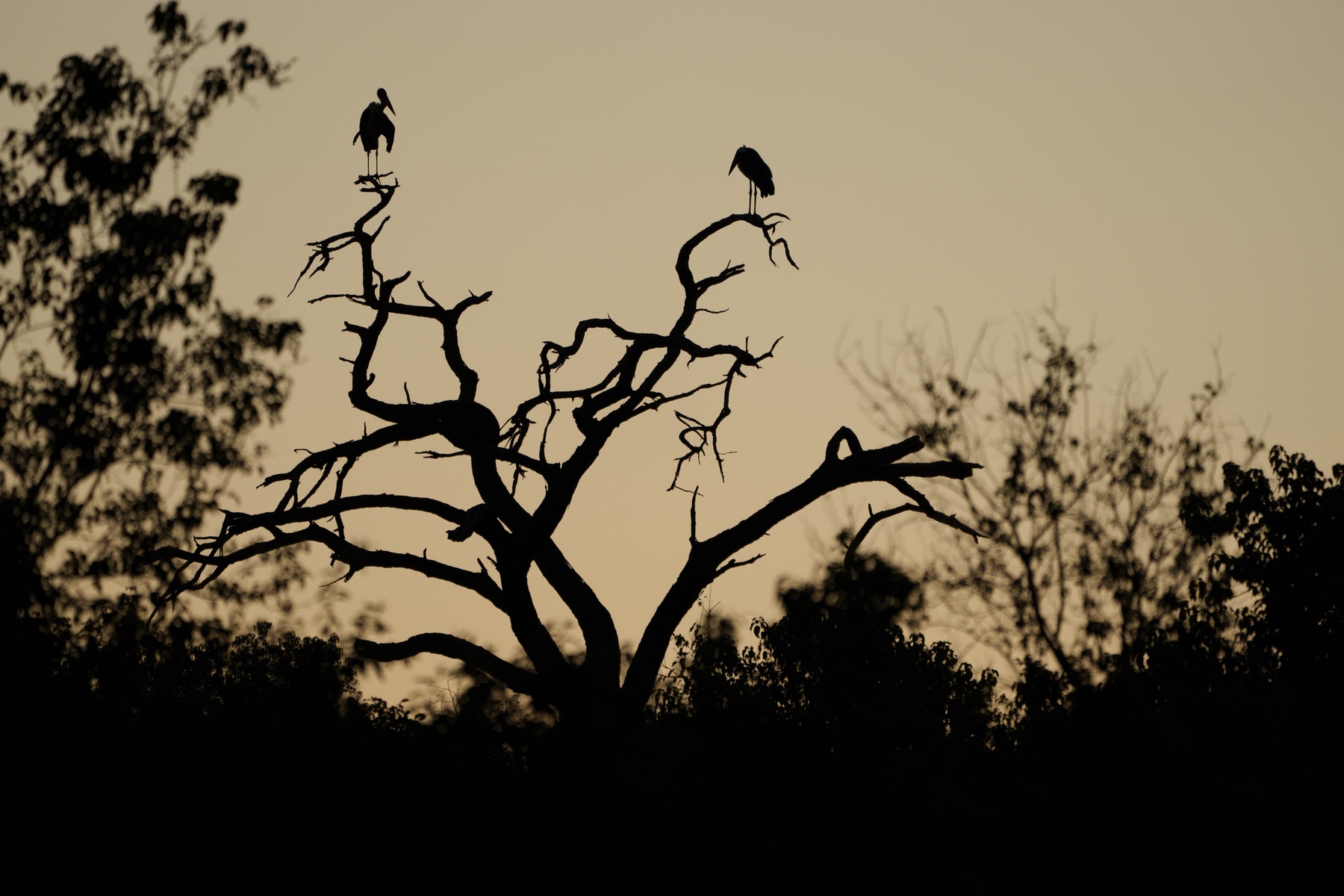
This is the day on which the lack of sleep finally caught up to me, thus the delayed blog post. Once again we had a very early start, coffee at 5: 00, with a 5:30 departure to the Chobe National Park entrance gate. Entering the park just before sunrise, we were greeted by the eerie silhouettes of Marabou storks sleeping high in the dead trees
Soon they started waking up and taking off. These birds, truly magnificent in their ugliness, are surprisingly elegant in flight
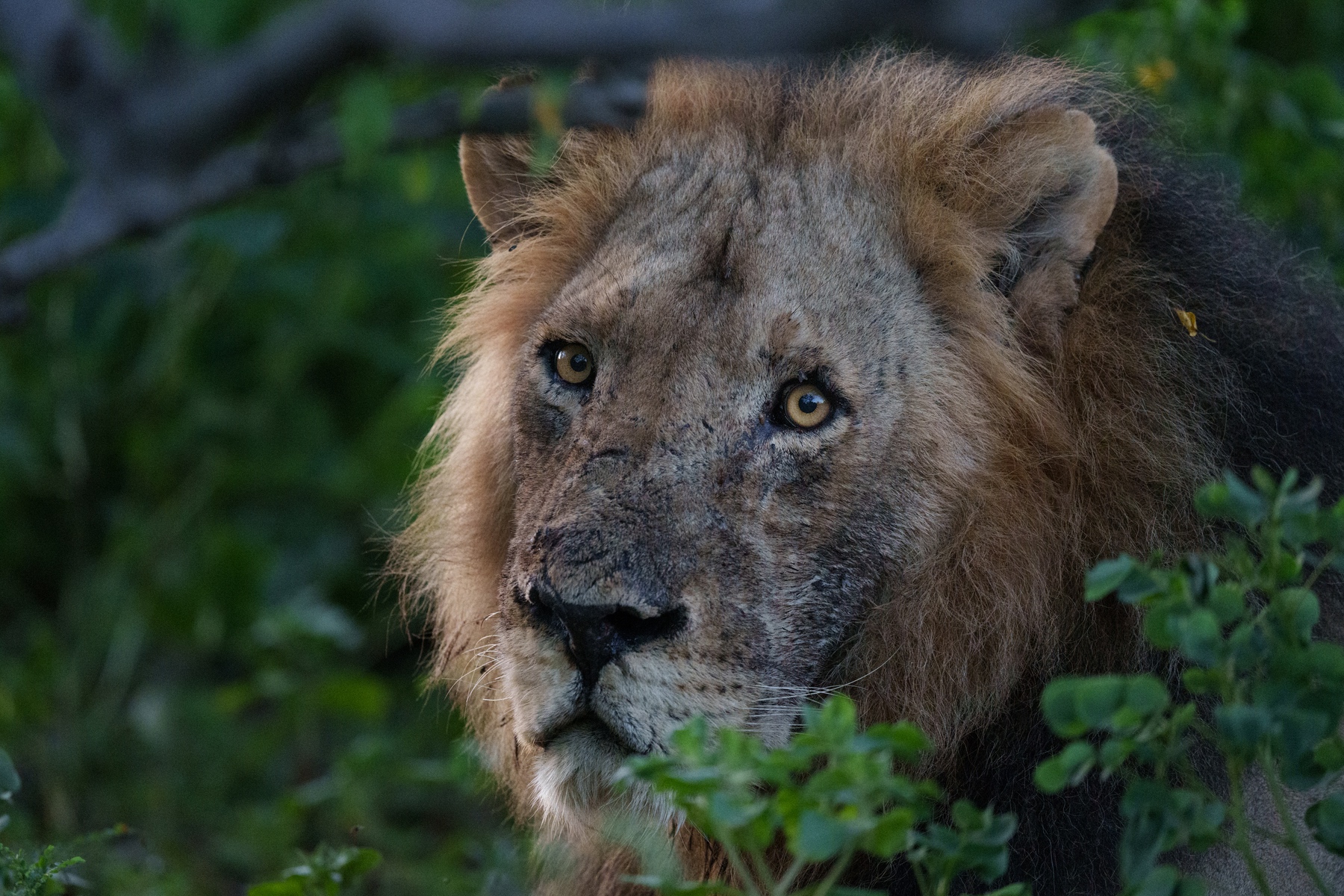
Up next, was a group of lions, lazing about in the middle of the road and causing a traffic congestion, which unfortunately made photography rather difficult
Driving along the river bank, we saw Little Bee-eaters hunting
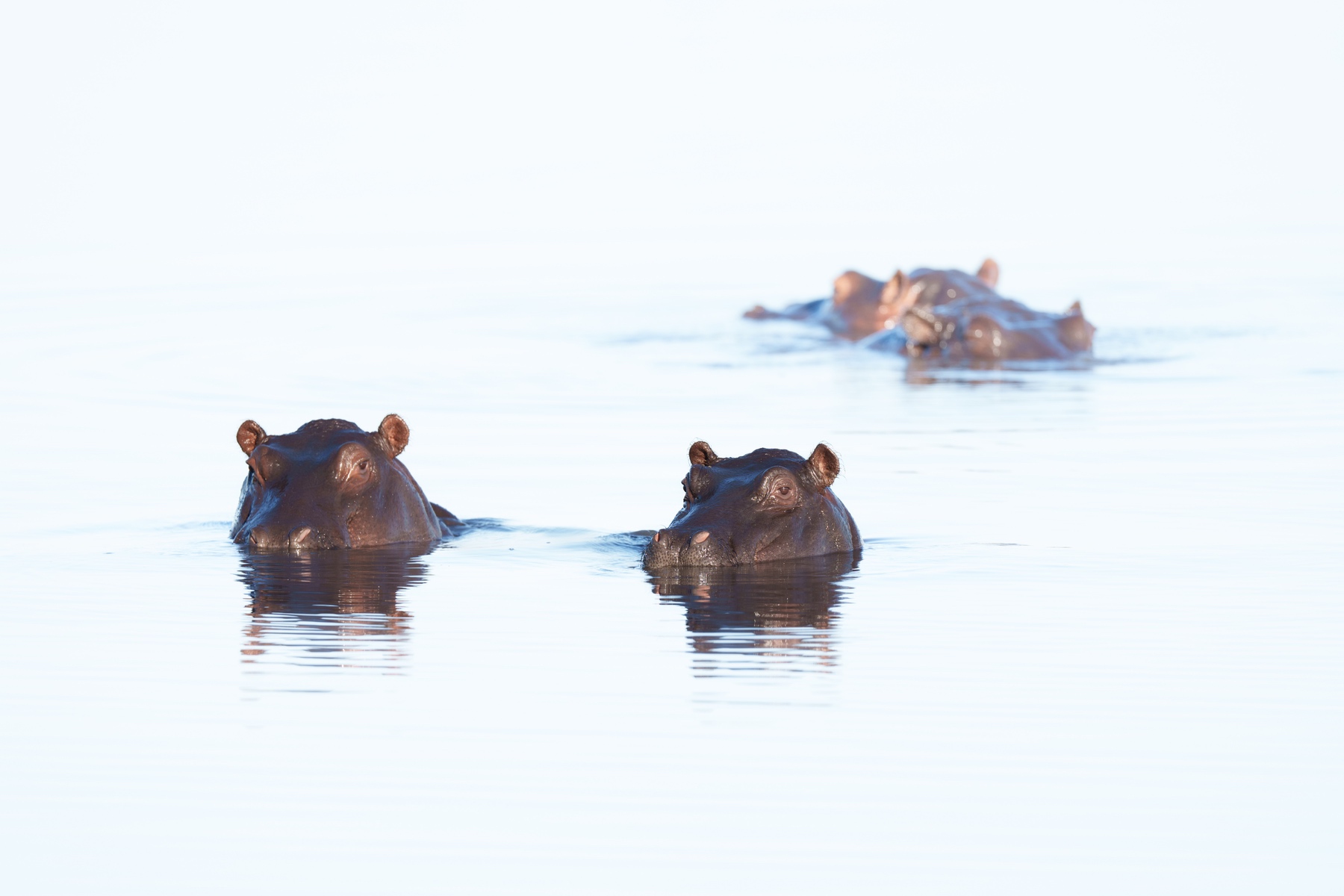
Hippos were seen lazing about in the shallow water, where the water lilies could also be seen in the early morning light
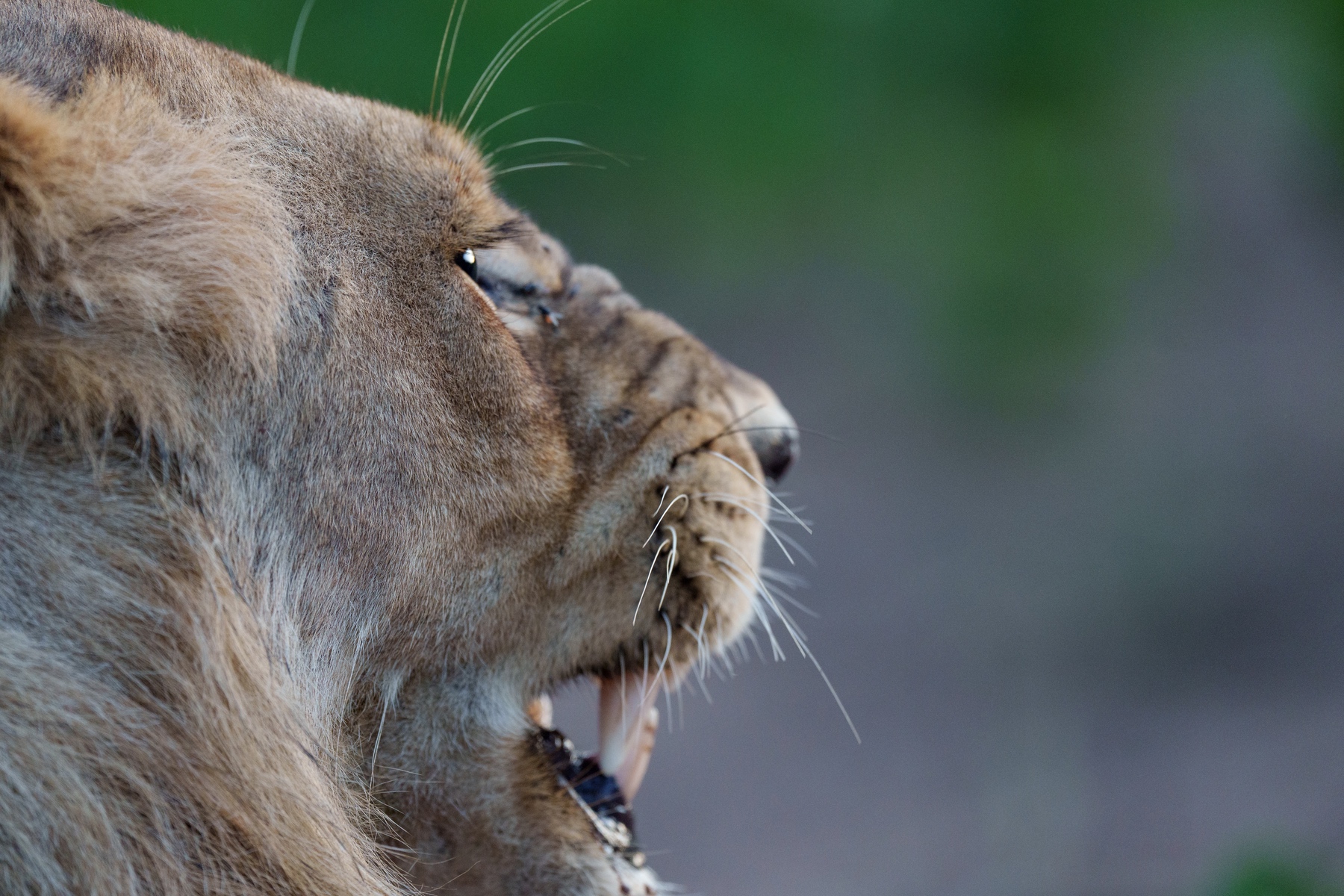
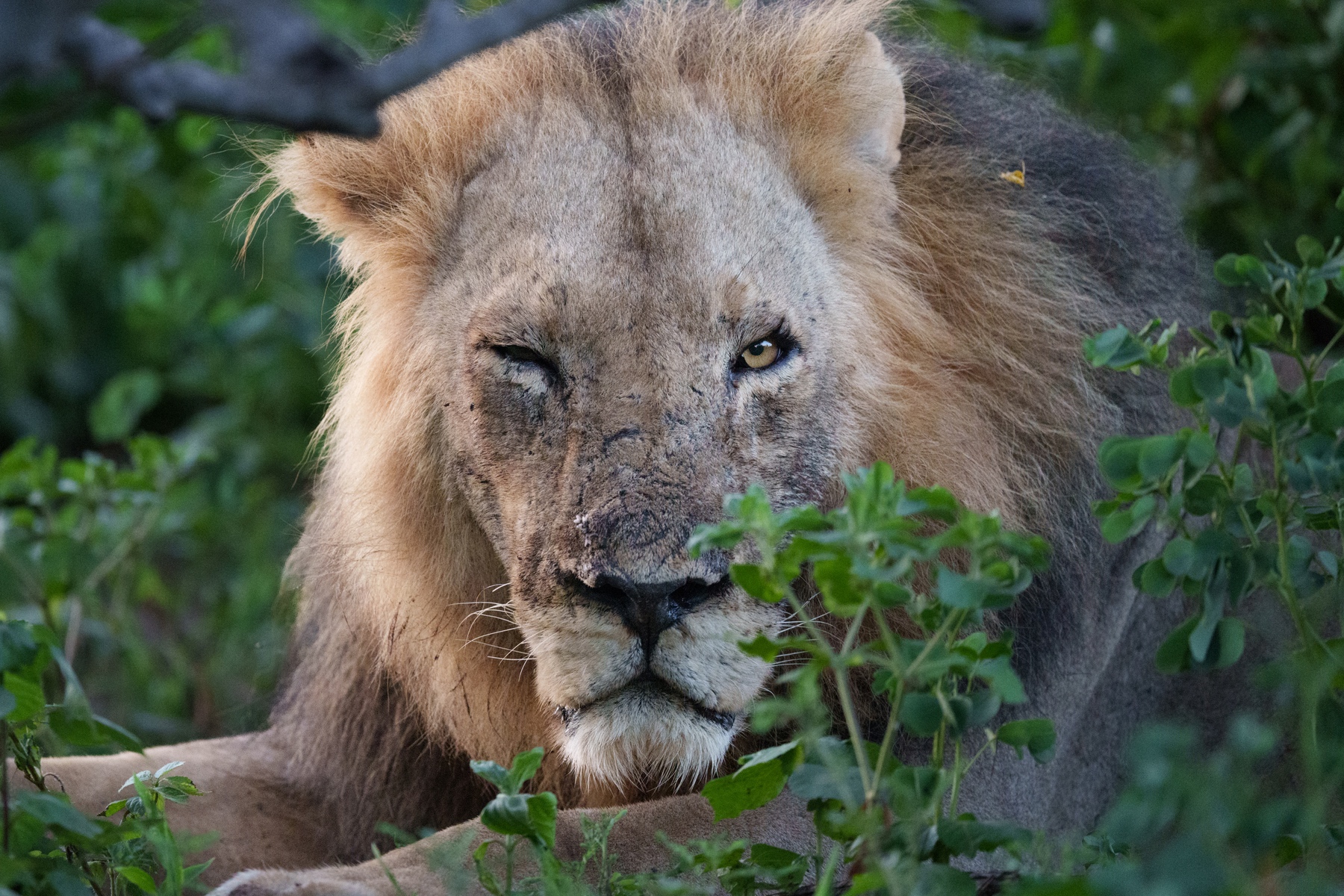
Next up, was a very lazy lion, clearly having recently eaten his fill and now just lying under a tree, occasionally opening one eye to look at us, but otherwise barely moving
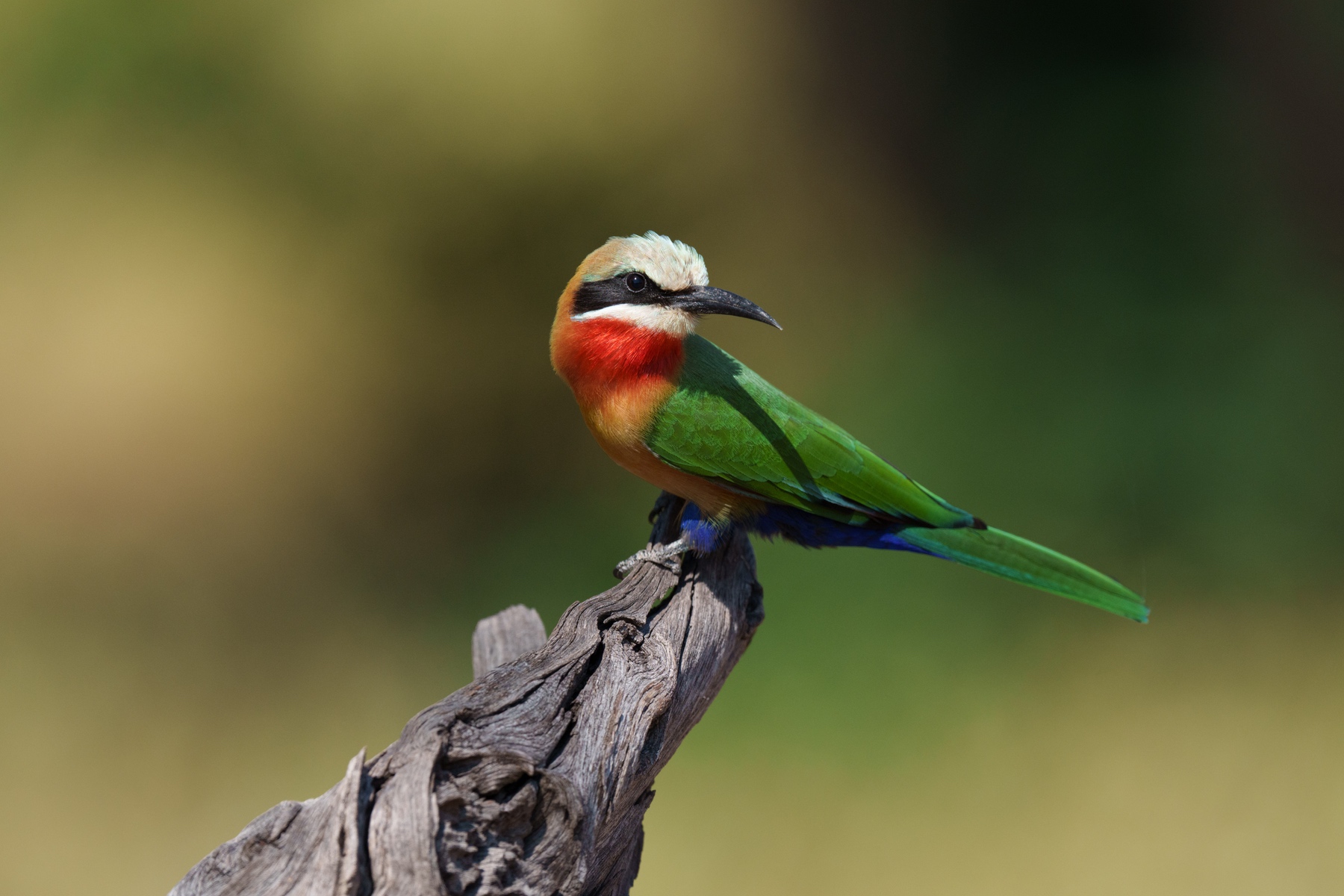
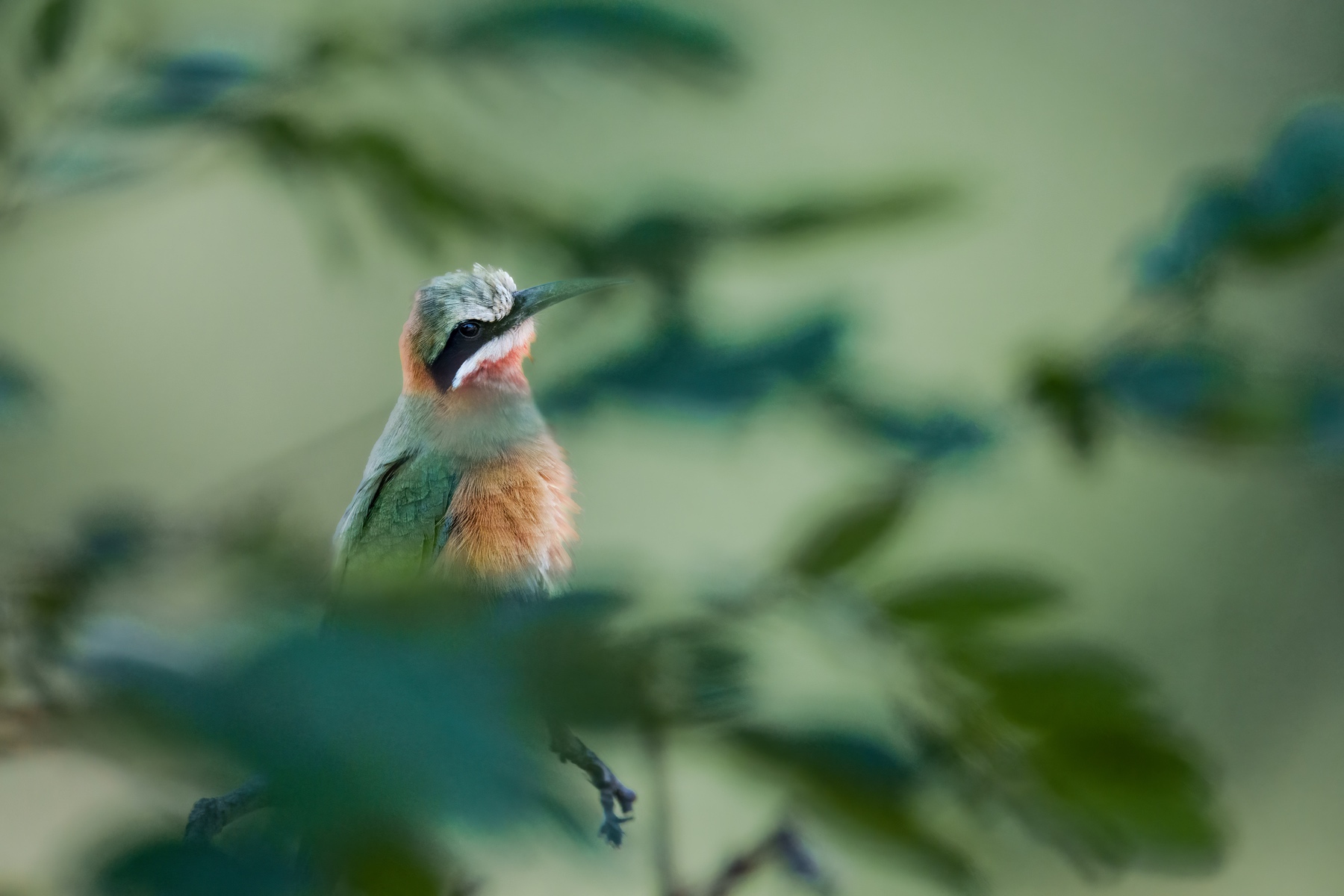
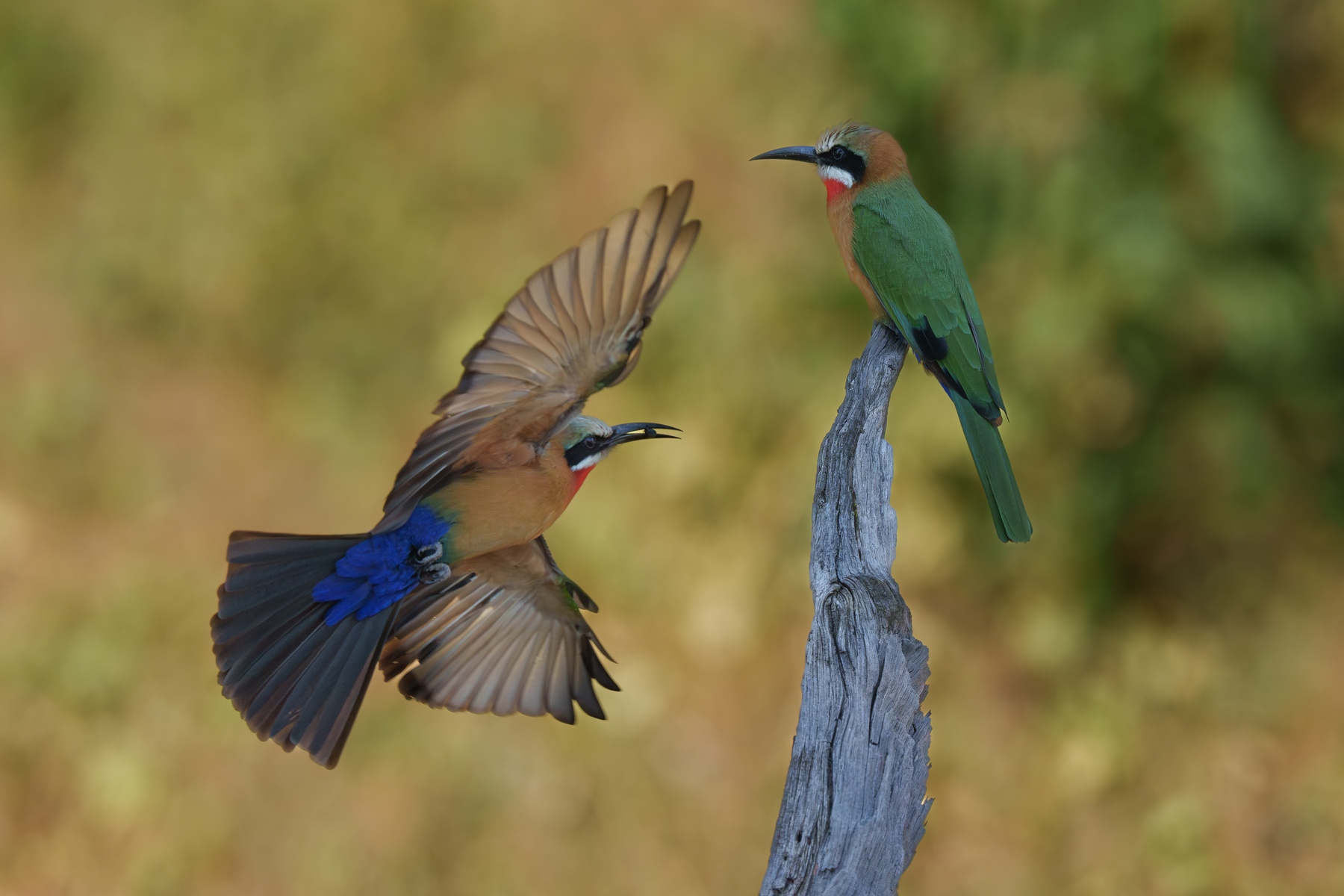
After a stop for morning coffee, we started making our way back, stopping to photograph White-fronted Bee-eaters hunting
Getting back to the hotel just in time for brunch, we then had a few hours available to look through our morning’s photos and video. As usual, I tried culling as many as possible of the unwanted photos immediately, in order to leave me with a manageable number to finally go through and select my favourites.
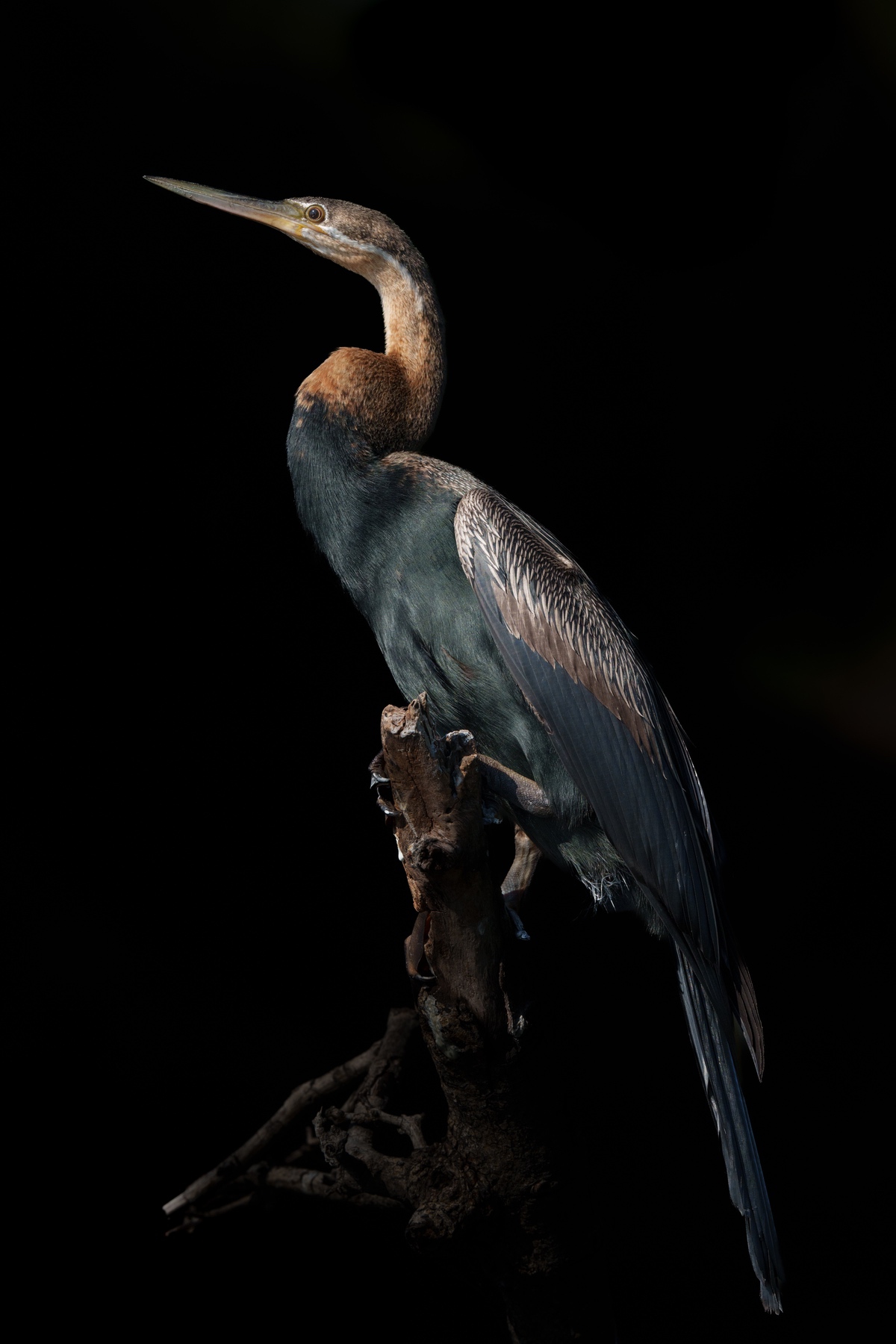
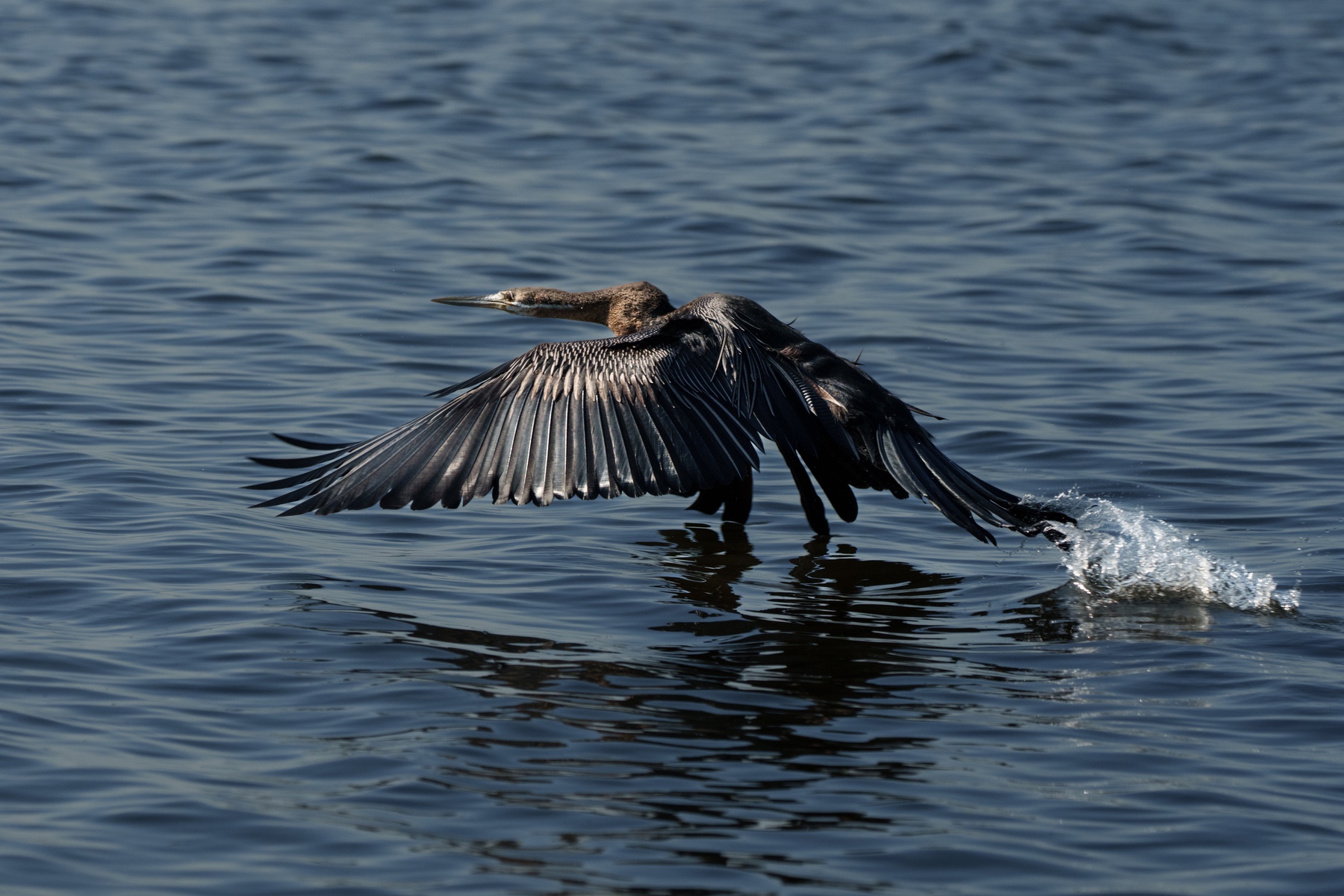
In the afternoon, after high tea, we were back on the river. An African darter, sitting on a log against a dark background, gave us opportunity to experiment with low key photography, before flying off, giving us further opportunity to photograph it in flight
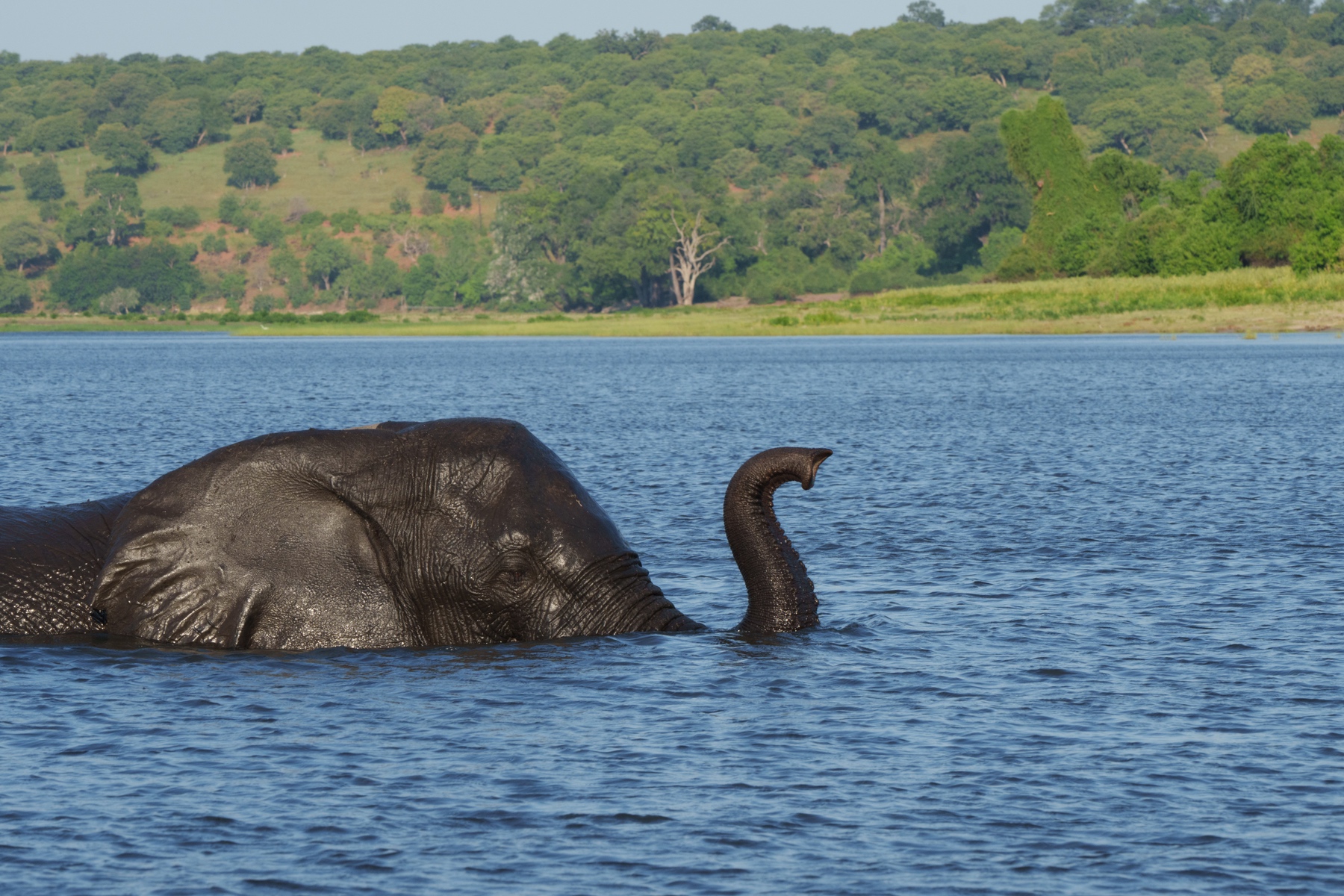
Elephants and hippos are always interesting to observe and photograph.
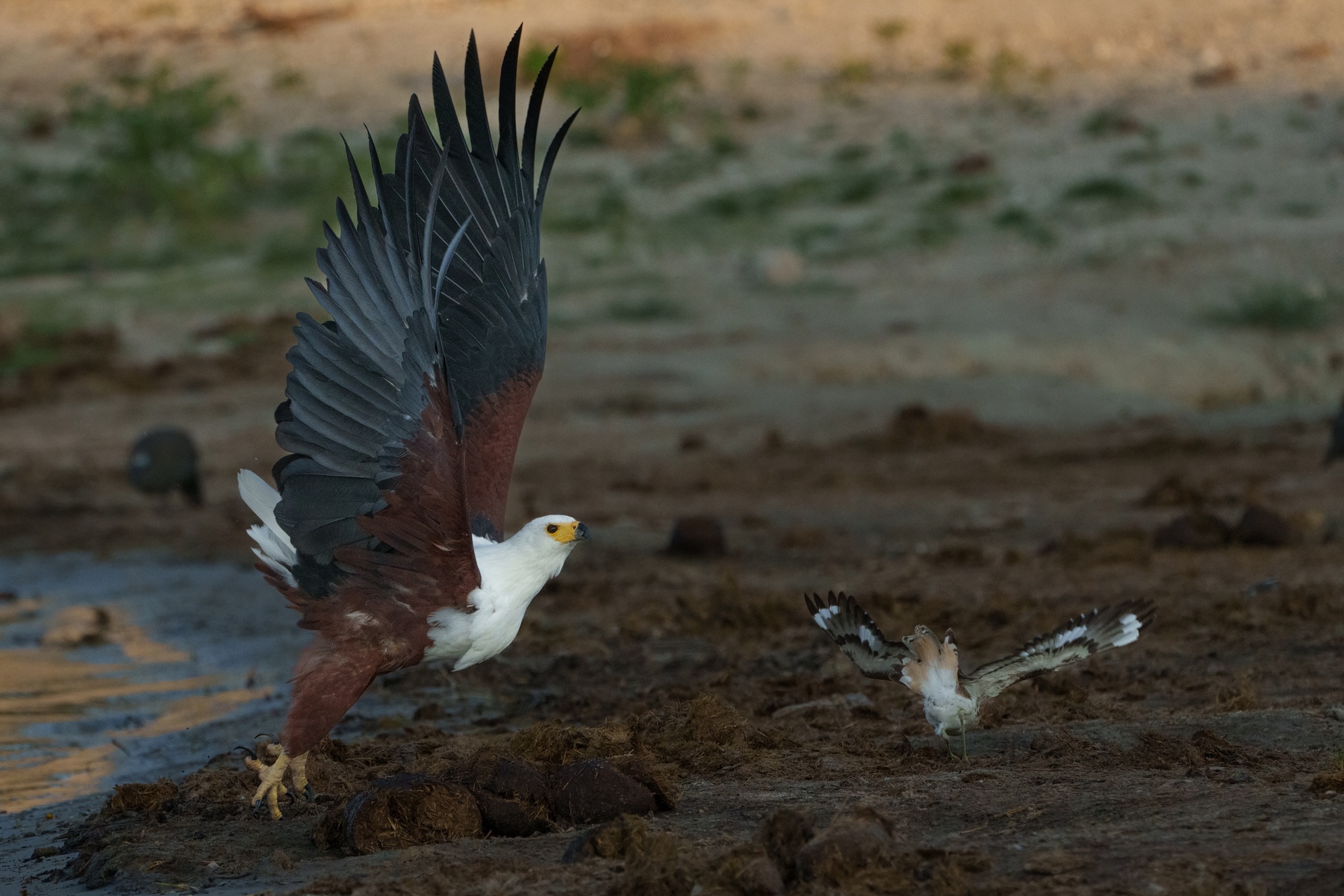
As the sun was getting low on the horizon, a Fish Eagle came to the water’s edge for a drink, giving a smaller bird quite the fright when it decided to take off again
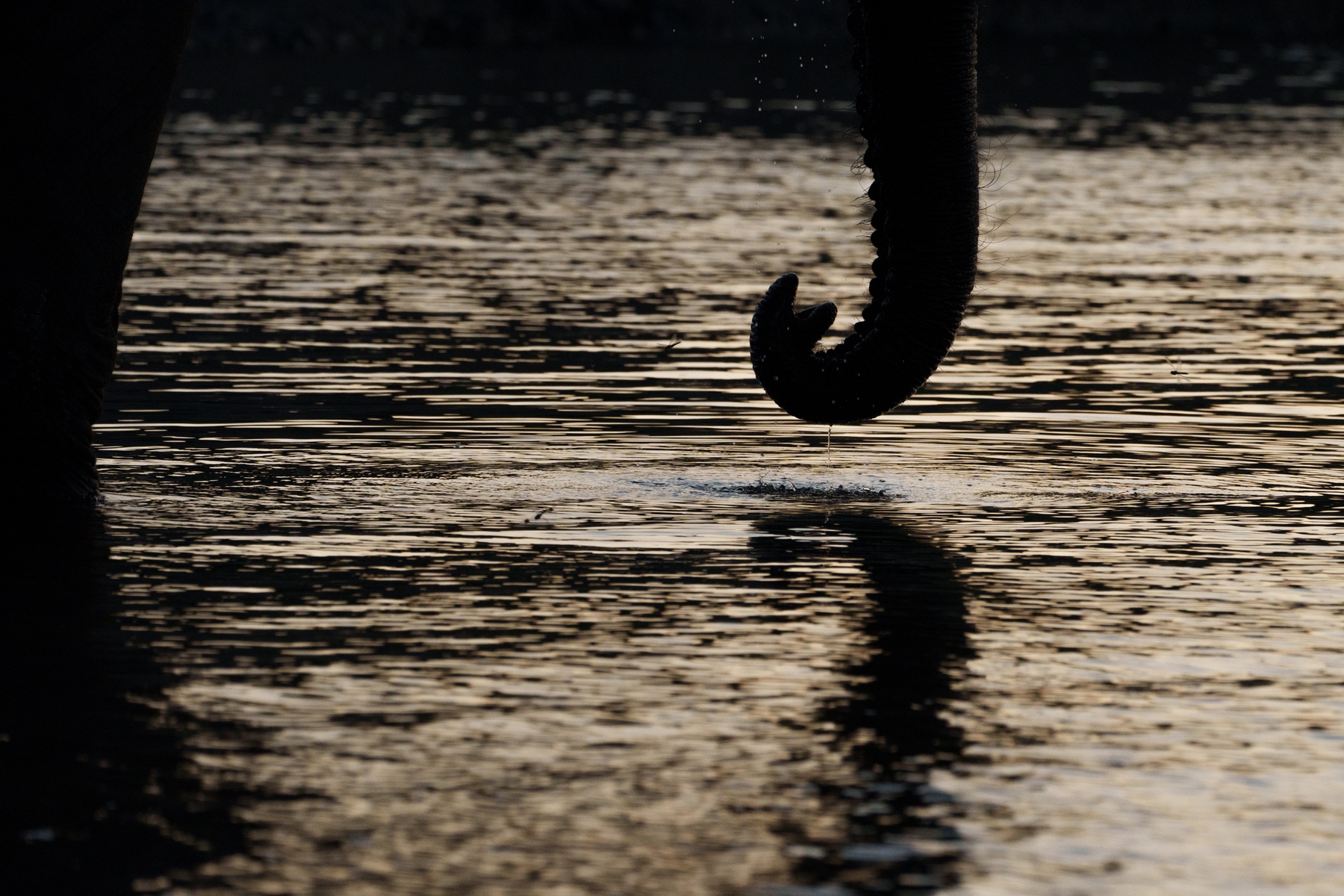
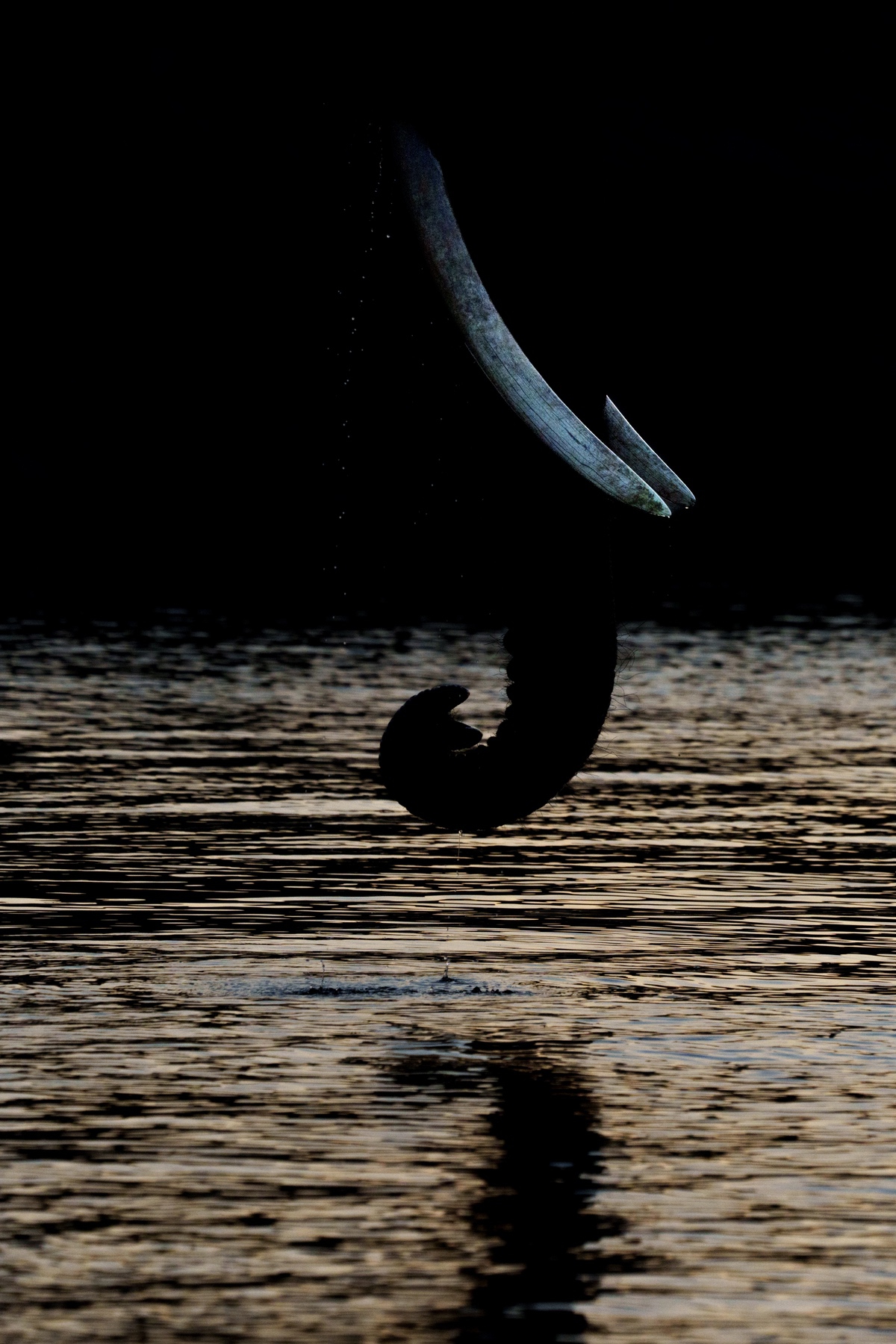
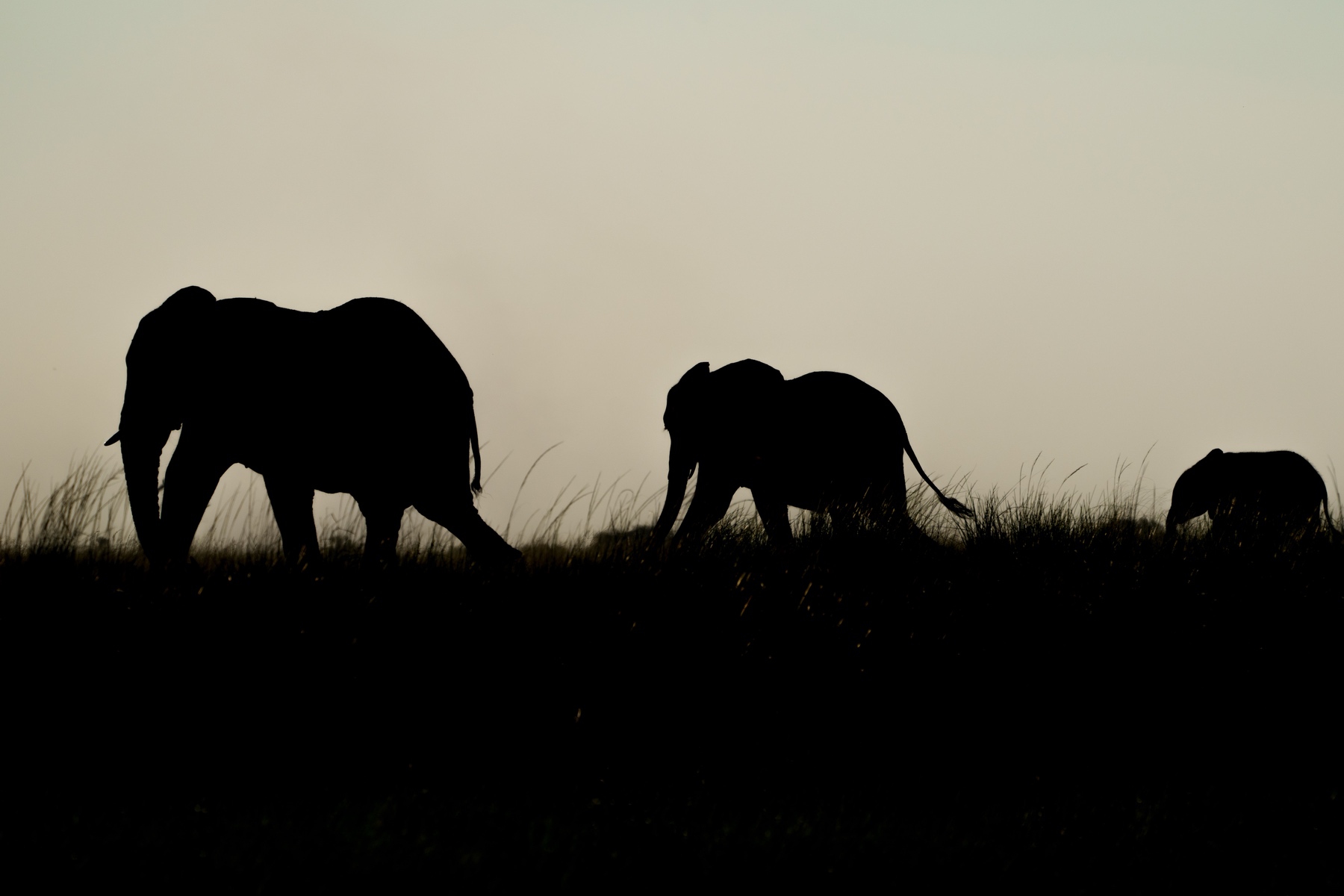
With the setting sun behind them, a herd of elephants also came down to the water’s edge to drink, with a lazy crocodile looking on
We arrived back at the hotel just in time for a quick shower before dinner. After dinner it was back to downloading and culling photos and charging batteries. At this point my own battery also needed some charging and I decided to get an extra hour sleep, rather than writing my blog post.
If you thought that a visit to Pangolin Photo Safaris is a relaxing holiday, you are in for a big surprise. On day 3 we were allowed to sleep in: coffee at 5:30, depart for a photographic activity on the river at 6:00am. We started off with a sighting of a Half-collared Kingfisher
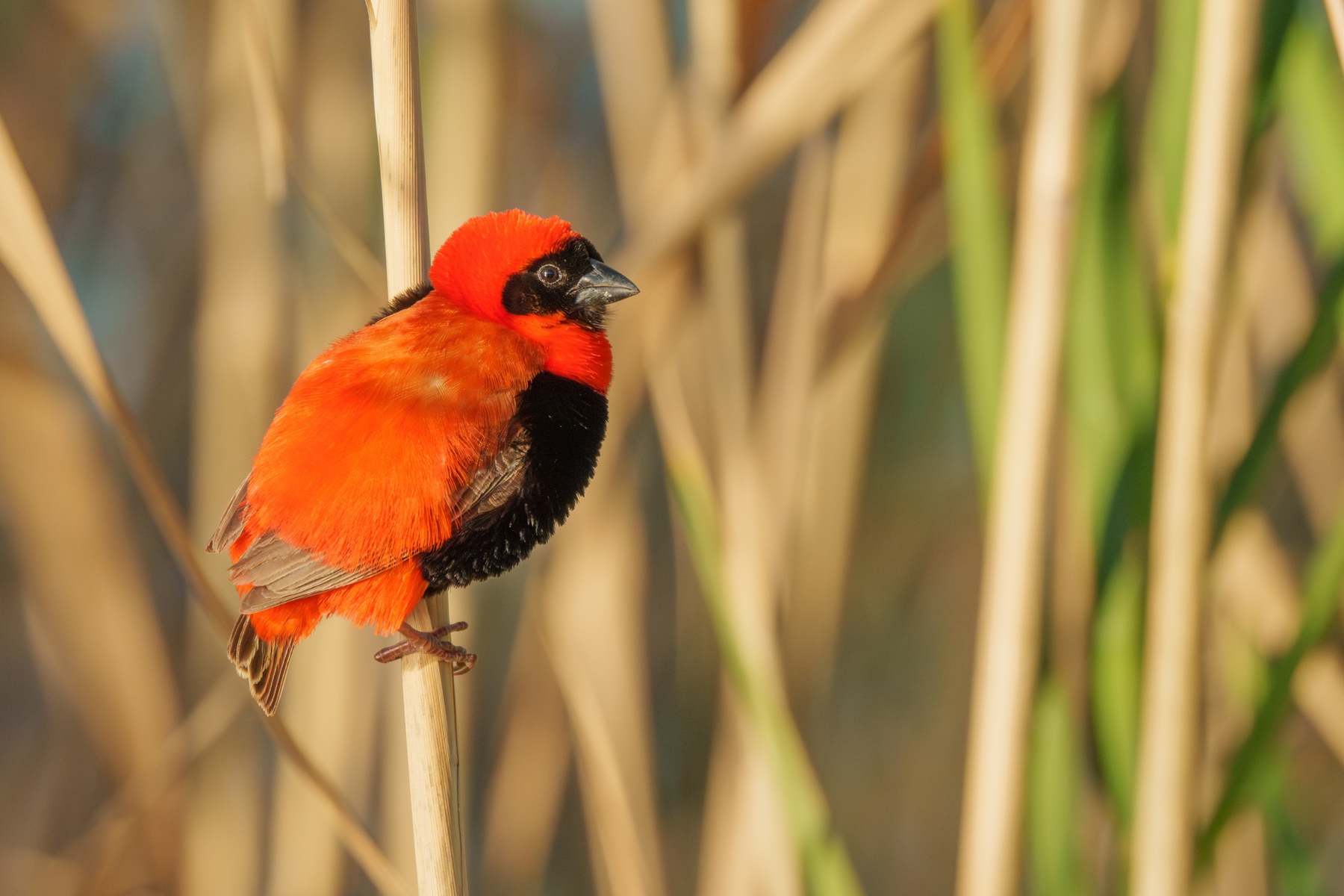
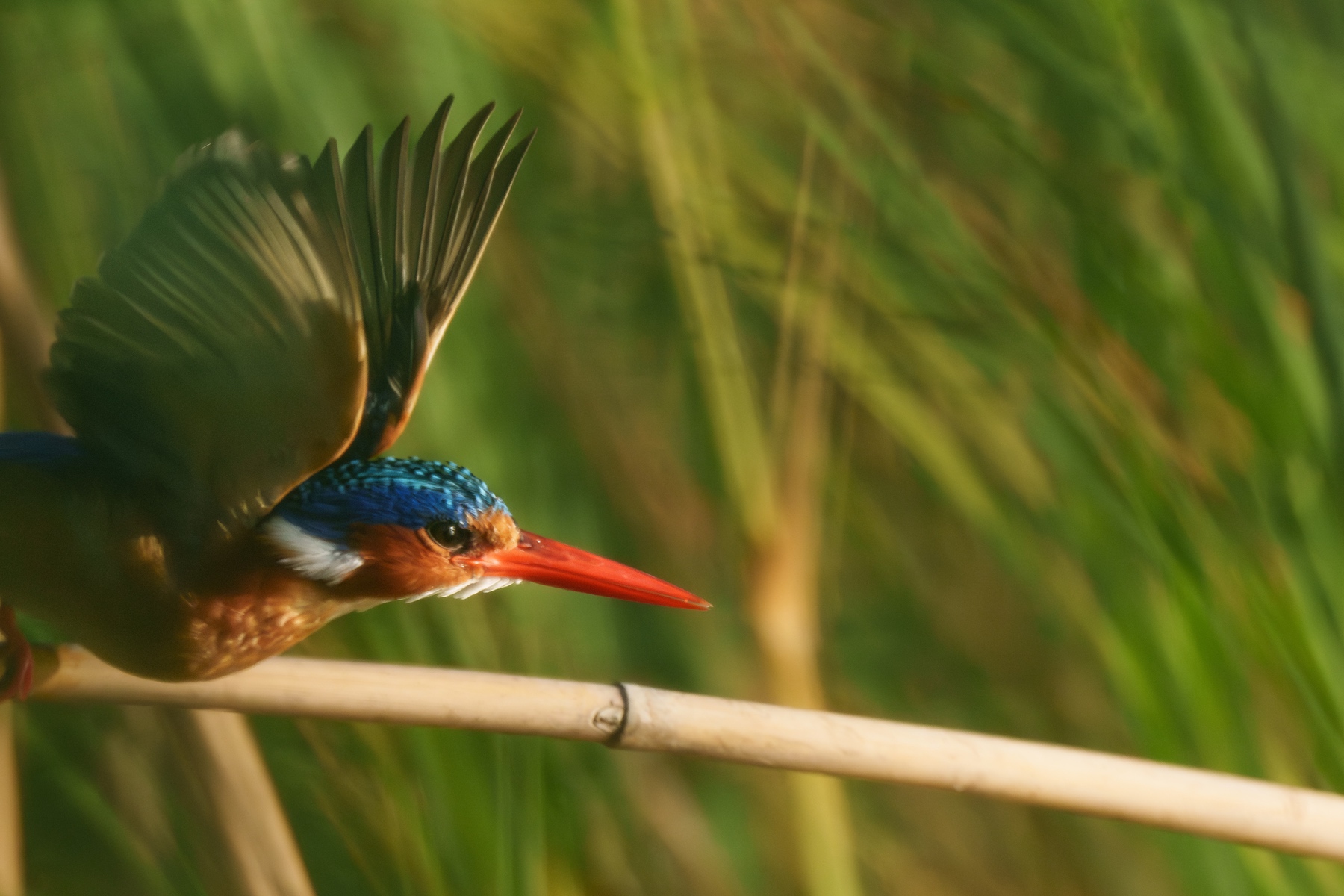
This was followed by some Blue-cheeked Bee-eaters, a Southern Red Bishop and a Malachite Kingfisher
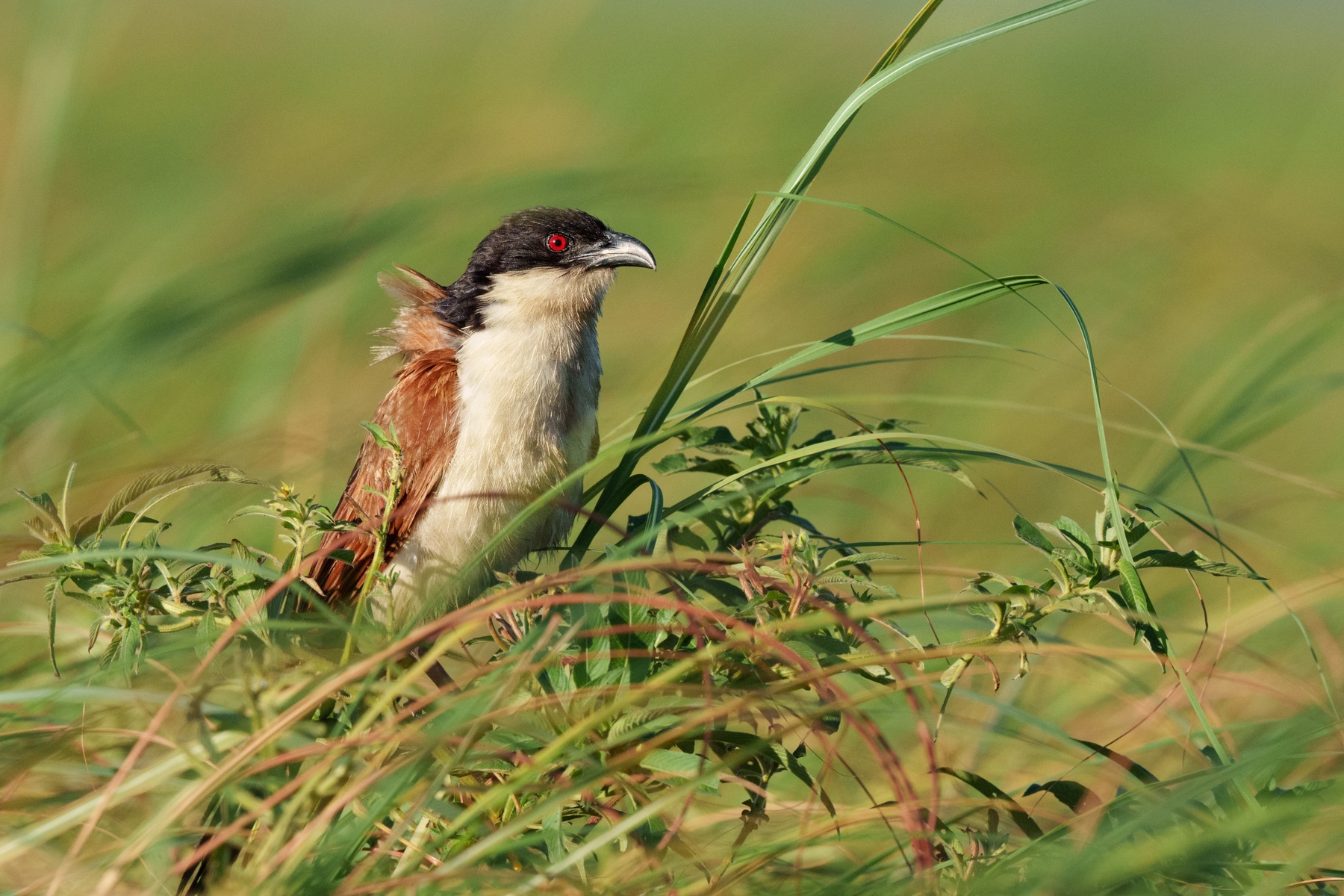
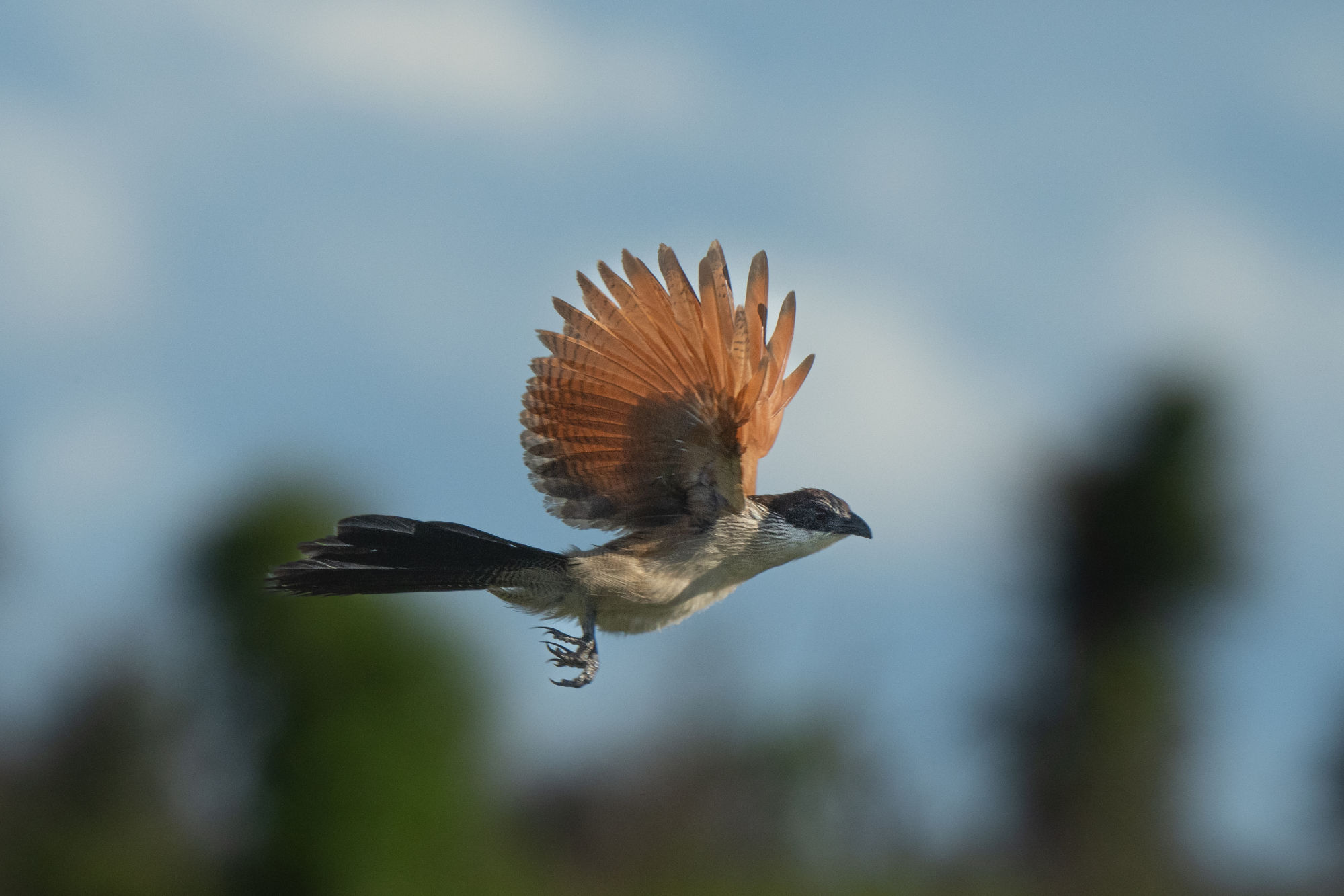
Two otters popped their heads out, but we were too far and too slow to get any photos. Next up were a Coppery-tailed Coucal, a Goliath Heron, some Terns and Cormorants
No outing on the Chobe river is complete without crocodiles, but also don’t forget the Water Monitor lizard
My favourite, the African Fish Eagle, was seen in a tree, eating something, none of us able to figure out what exactly
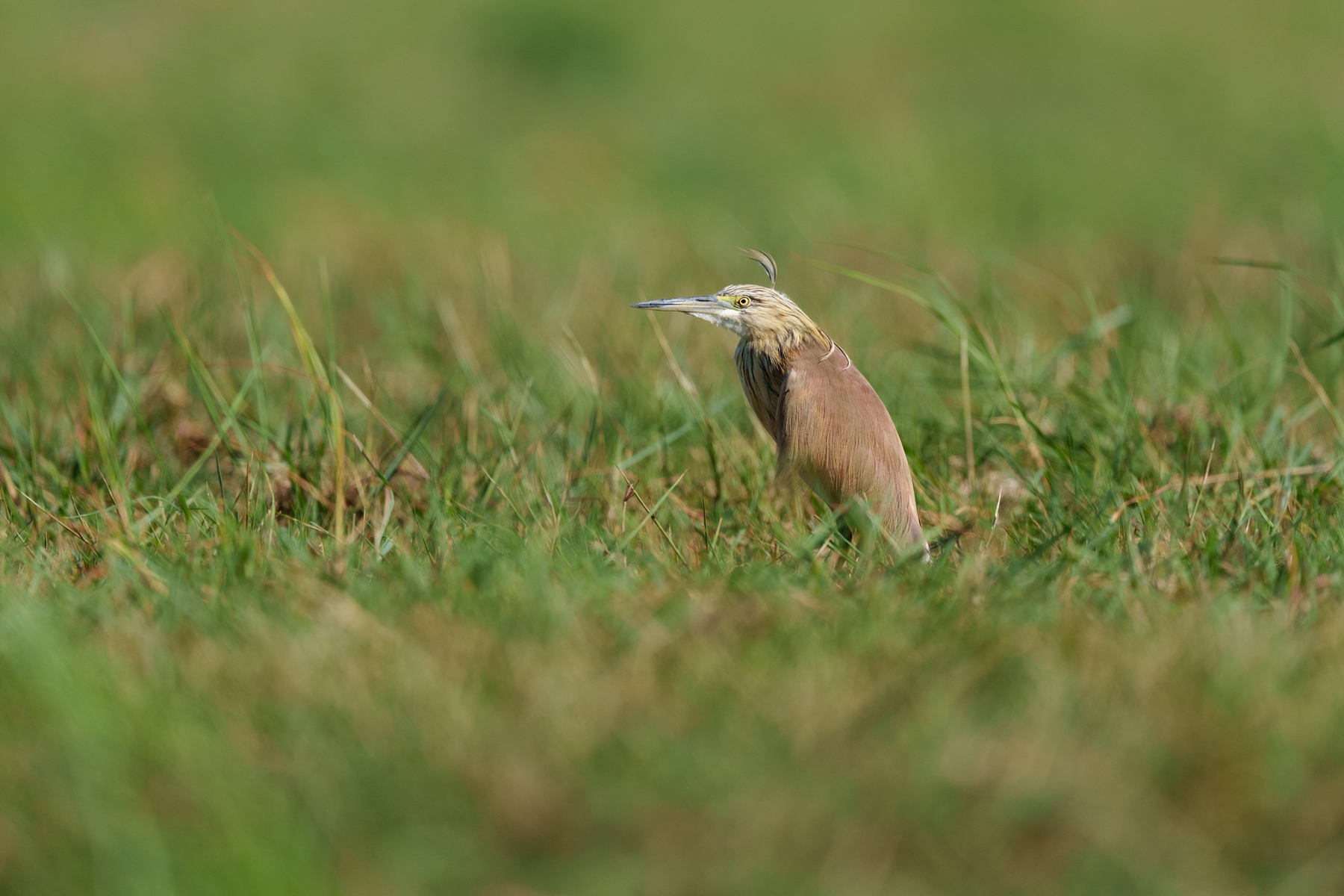
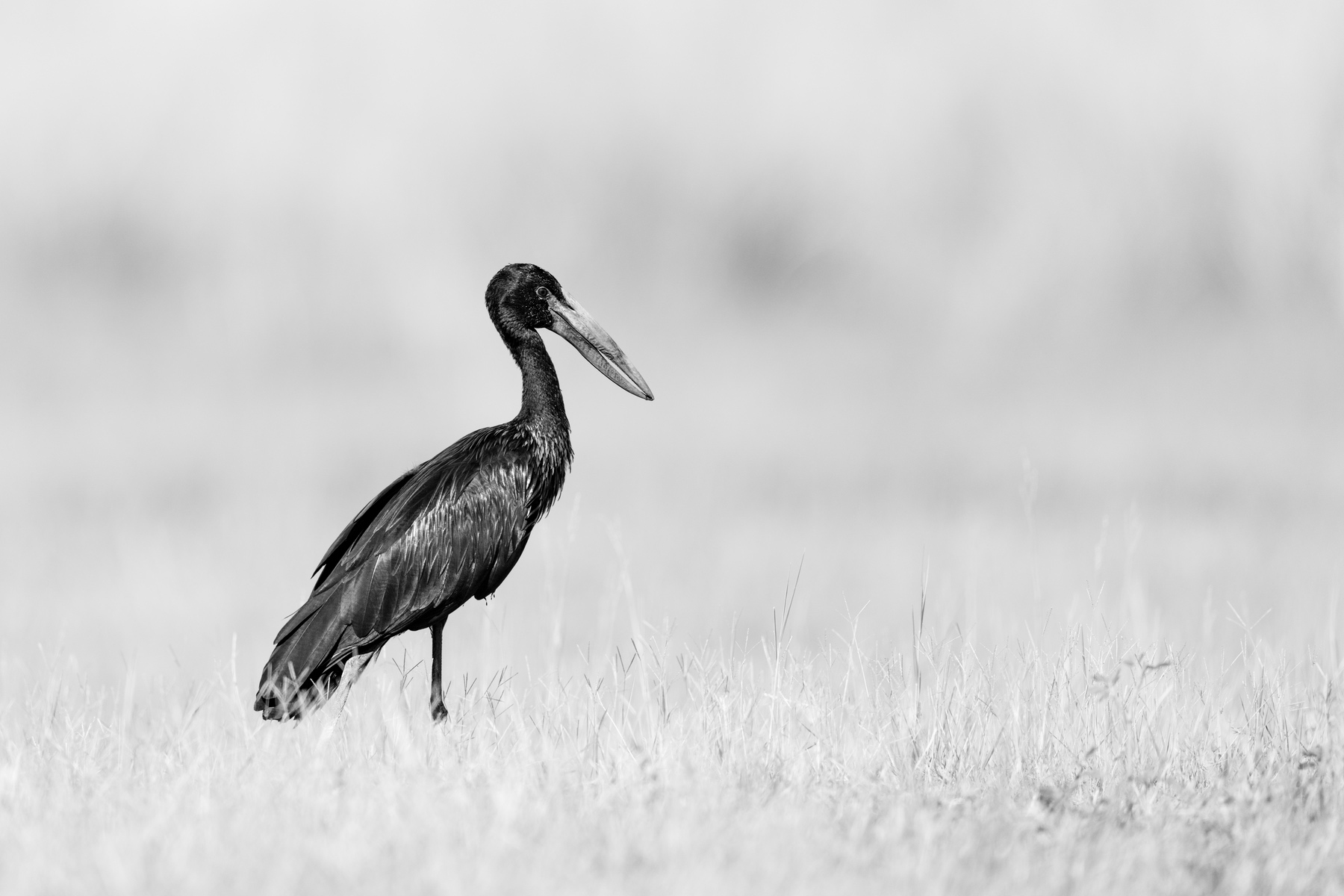
A few others bird sightings followed: Squacco Heron and Open-billed Stork
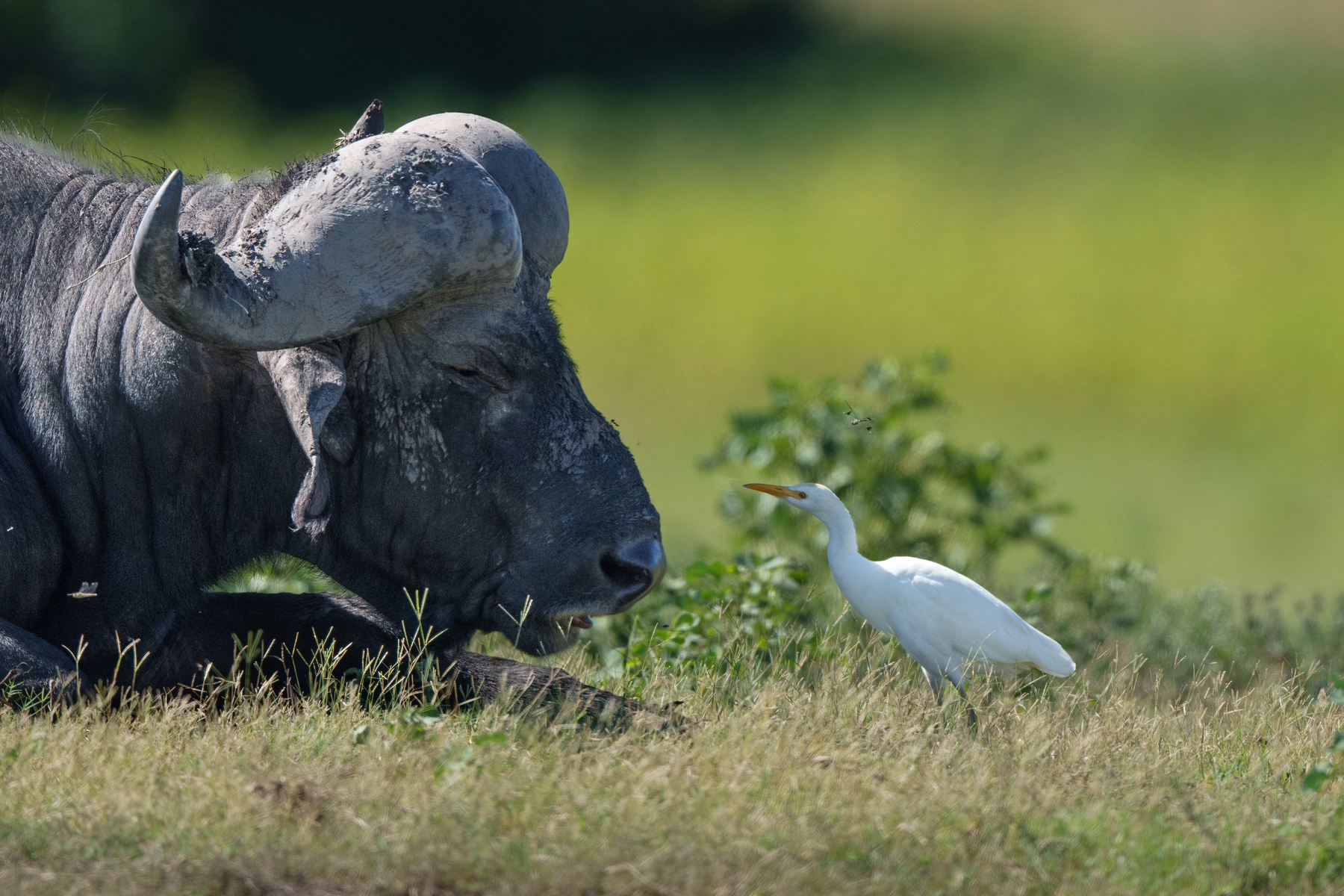
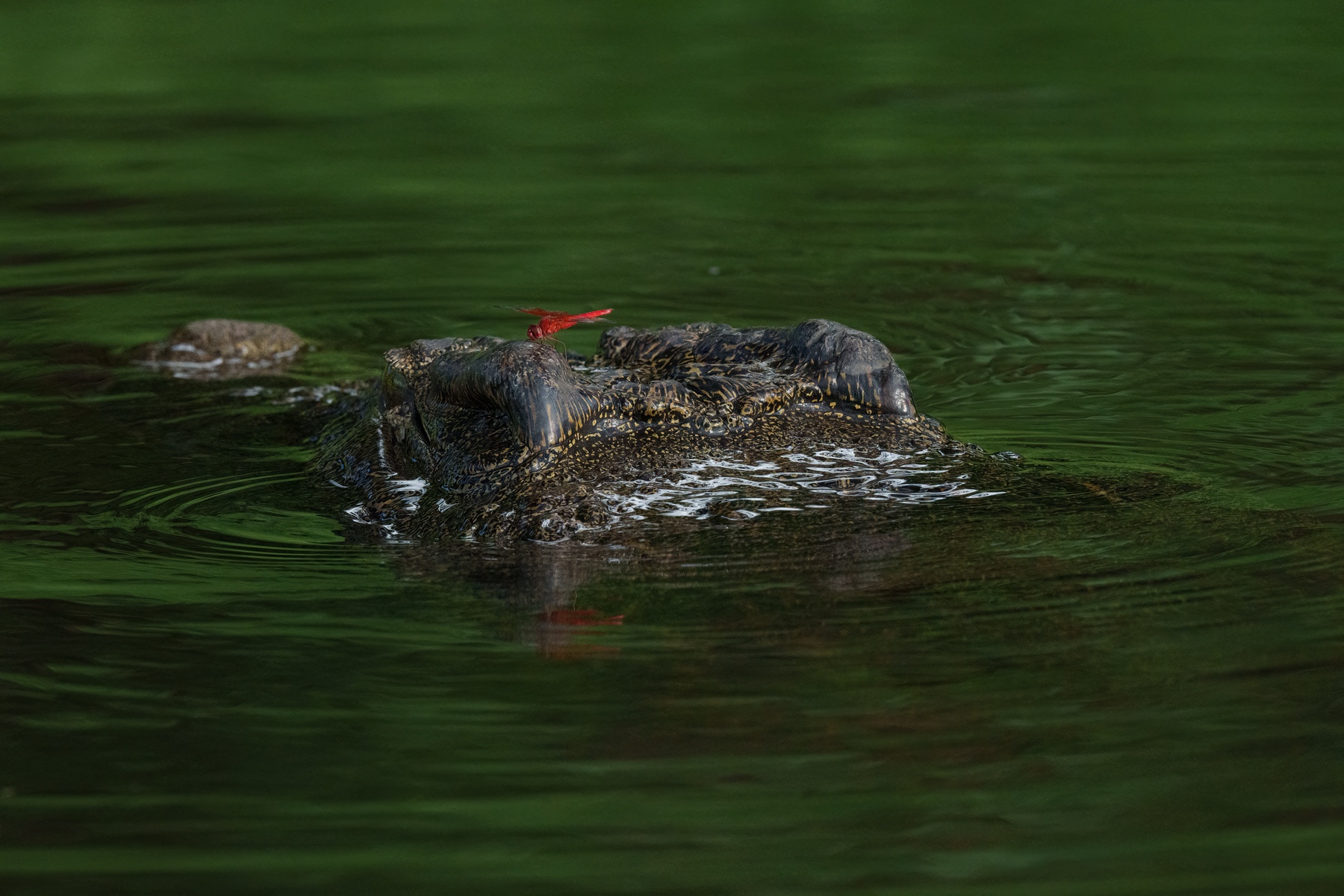
What did the Egret say to the Buffalo? I guess only the dragonfly overheard, but he’s not telling.
On our way back for brunch, we saw a few Red Lechwe under the Botswana flag.
Brunch was followed by the usual camera battery charging, photos download and backup, an editing tutorial by Sabine and having to forego the planned afternoon nap. By 15:00 we were preparing to go back to the river for the afternoon session.
The afternoon started with excitement of watching an Egret having to repeatedly evade a Heron, which was trying to steal its lunch
We saw several kudu along the riverbank
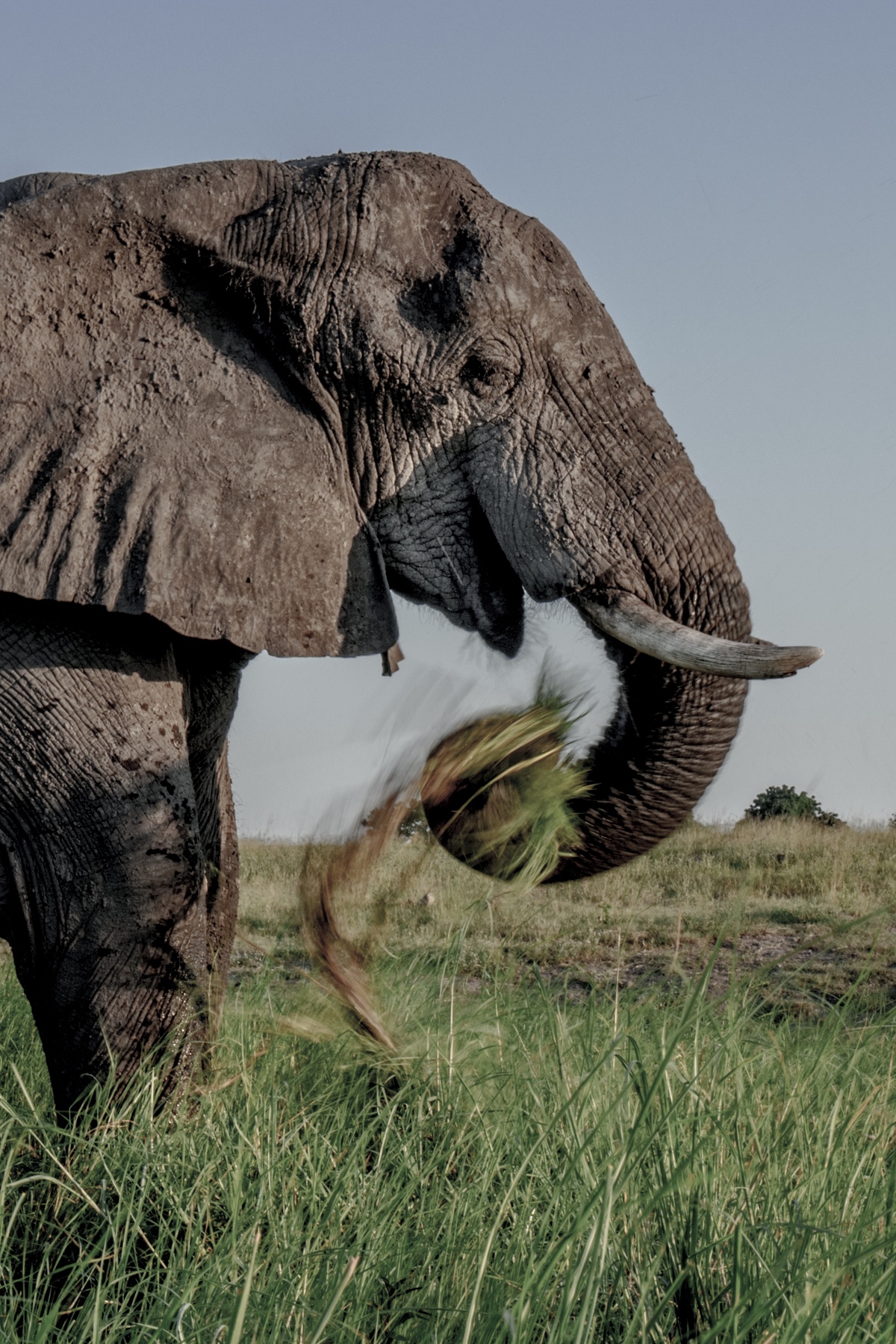
However, the main focus of the afternoon, was elephants
By this time, it was almost dark and, while an impala was seen very nervously drinking at the water’s edge, carefully keeping an eye out for crocodiles, we had to rush to get back to our mooring before dark.
An excellent dinner was once again followed by downloading, culling, backup, editing and getting to bed way too late, but I just cannot help myself, I have to go through my day’s photos every evening to see what I managed to get.
Day 2 saw us making a very early start, awake at 4:15 in the morning, editing some photos and video from Day 1, coffee and a light breakfast at 5:00 and a 5:30 departure to Chobe National Park gate in the game drive vehicle.
Our first sighting of the day, was a group of Southern ground hornbills. It was still quite dark, but we did manage to get a shot or two
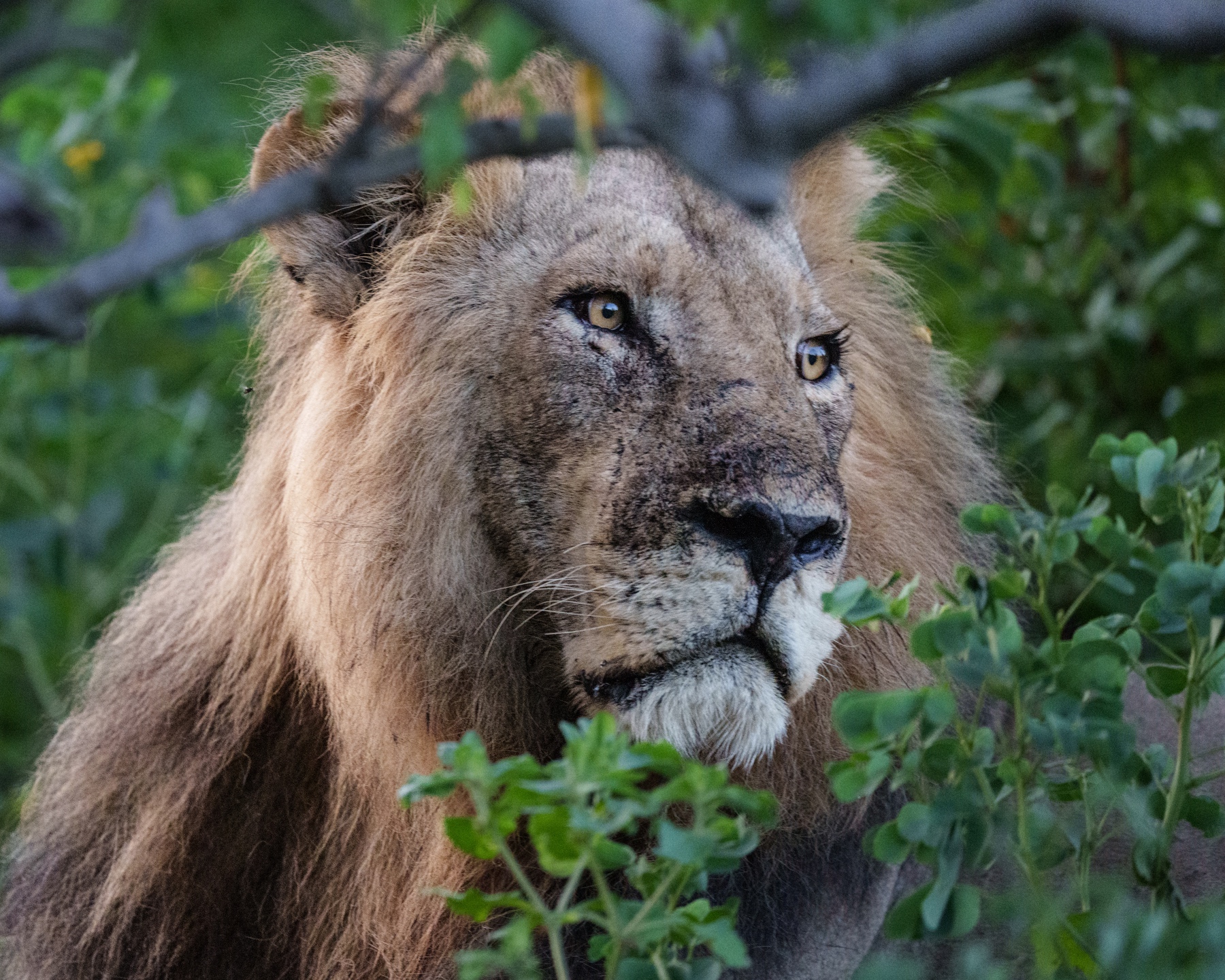
Next up, was a pretty grumpy looking lion, who wasn’t overly impressed with the vehicles filled with humans, crowding him and soon disappeared into the bush
We saw numerous Marabou storks, not the prettiest birds, probably best looked at in black & white
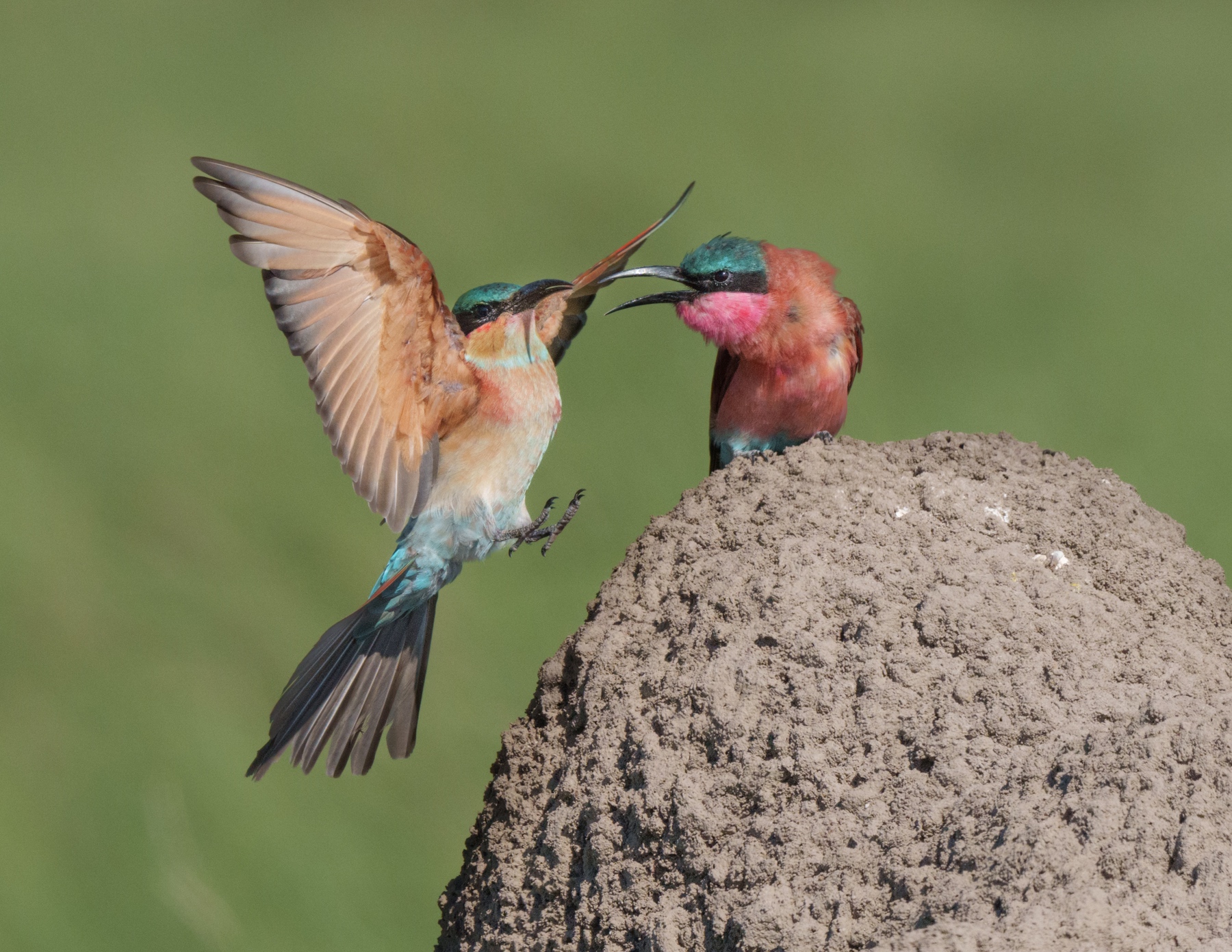
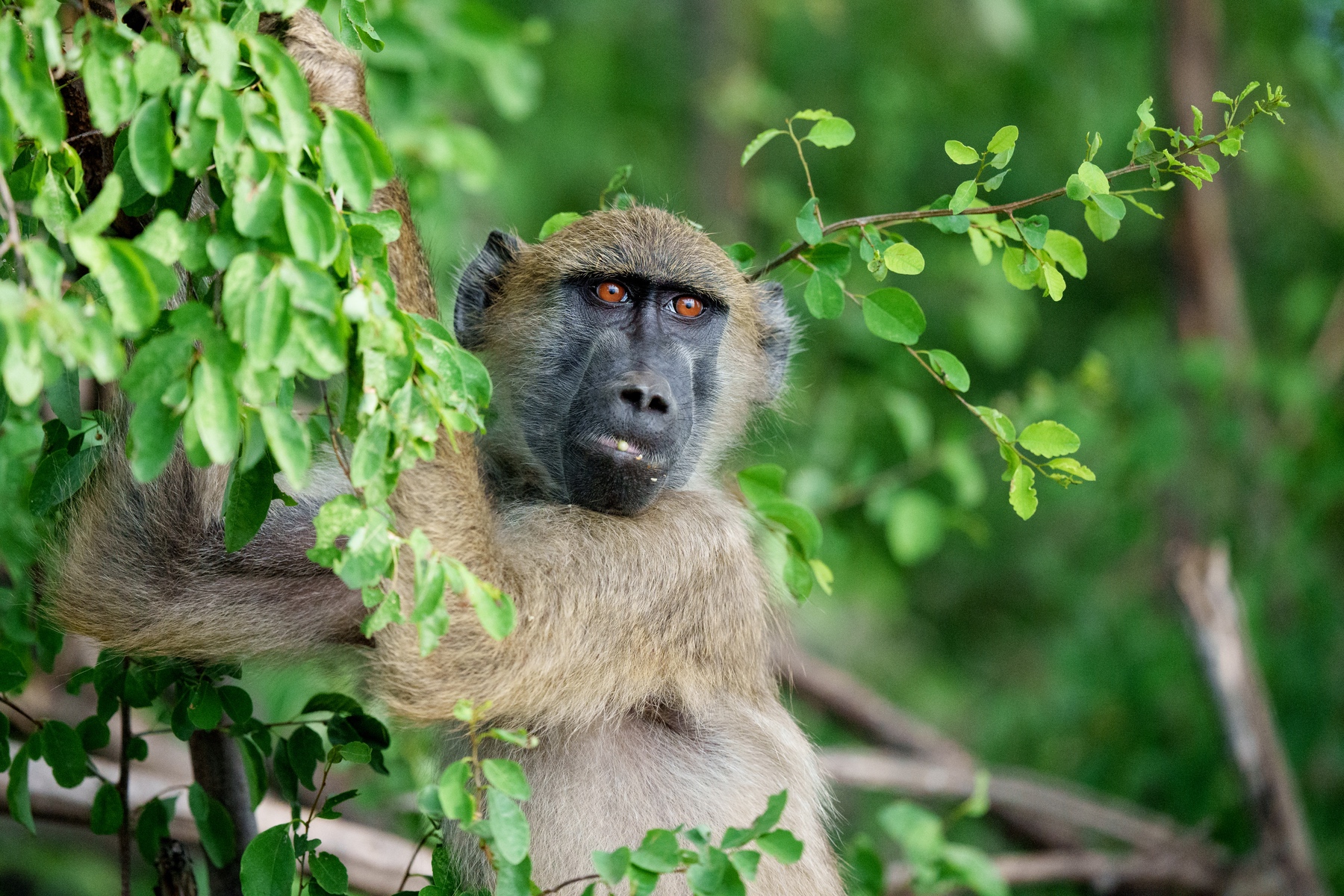
Various bee-eaters, lilac-breasted rollers and a few baboons made up the rest of the morning
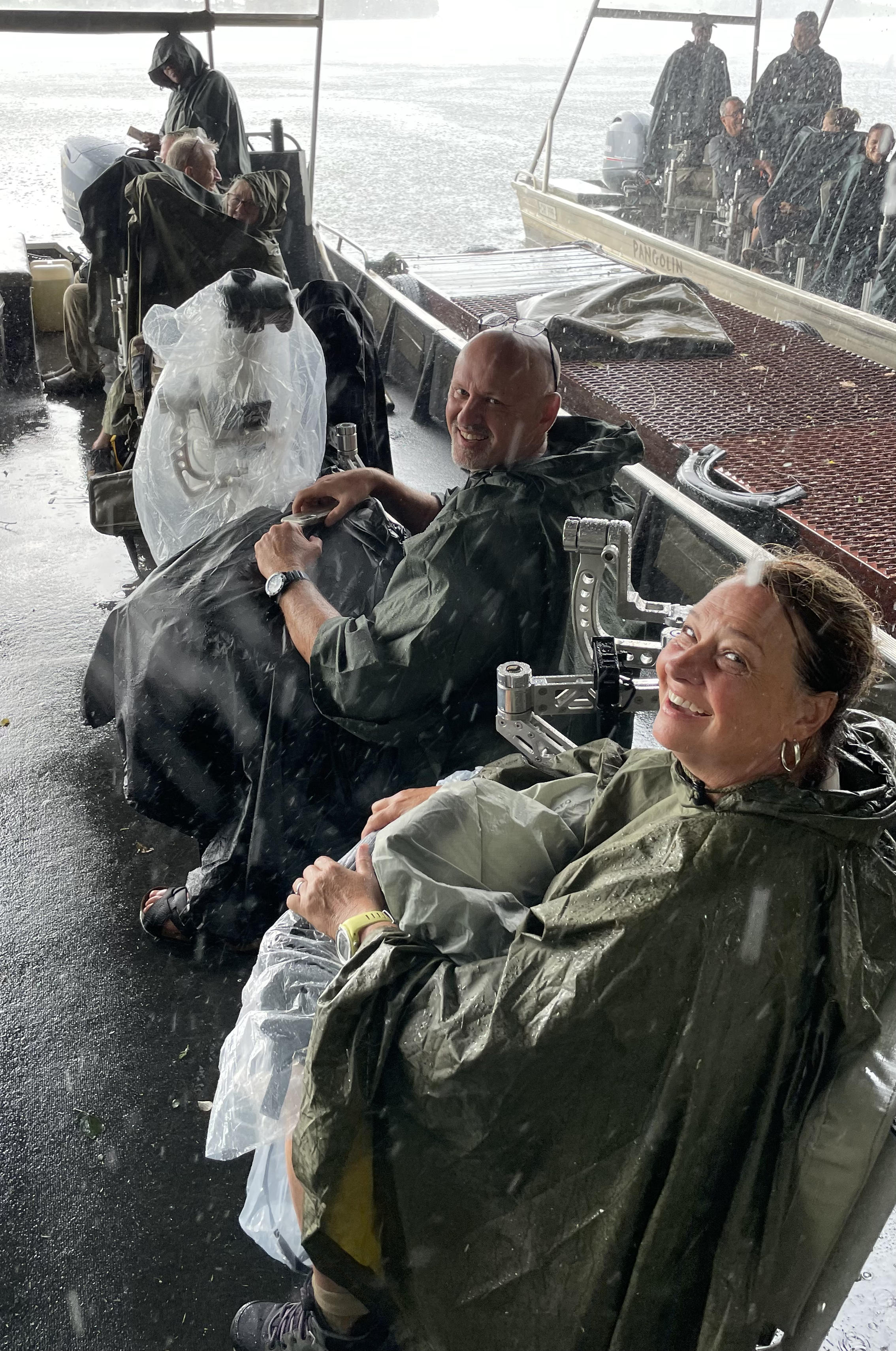
In the afternoon, we were back to the river. Once again a rainstorm came through, delaying our departure. This time, though, we were also caught by a second rainstorm which caught us on the river, just as we were about to start. We quickly had to cover all our camera gear and ourselves with rainproof covers and ponchos (thanks Sabine for the photo).
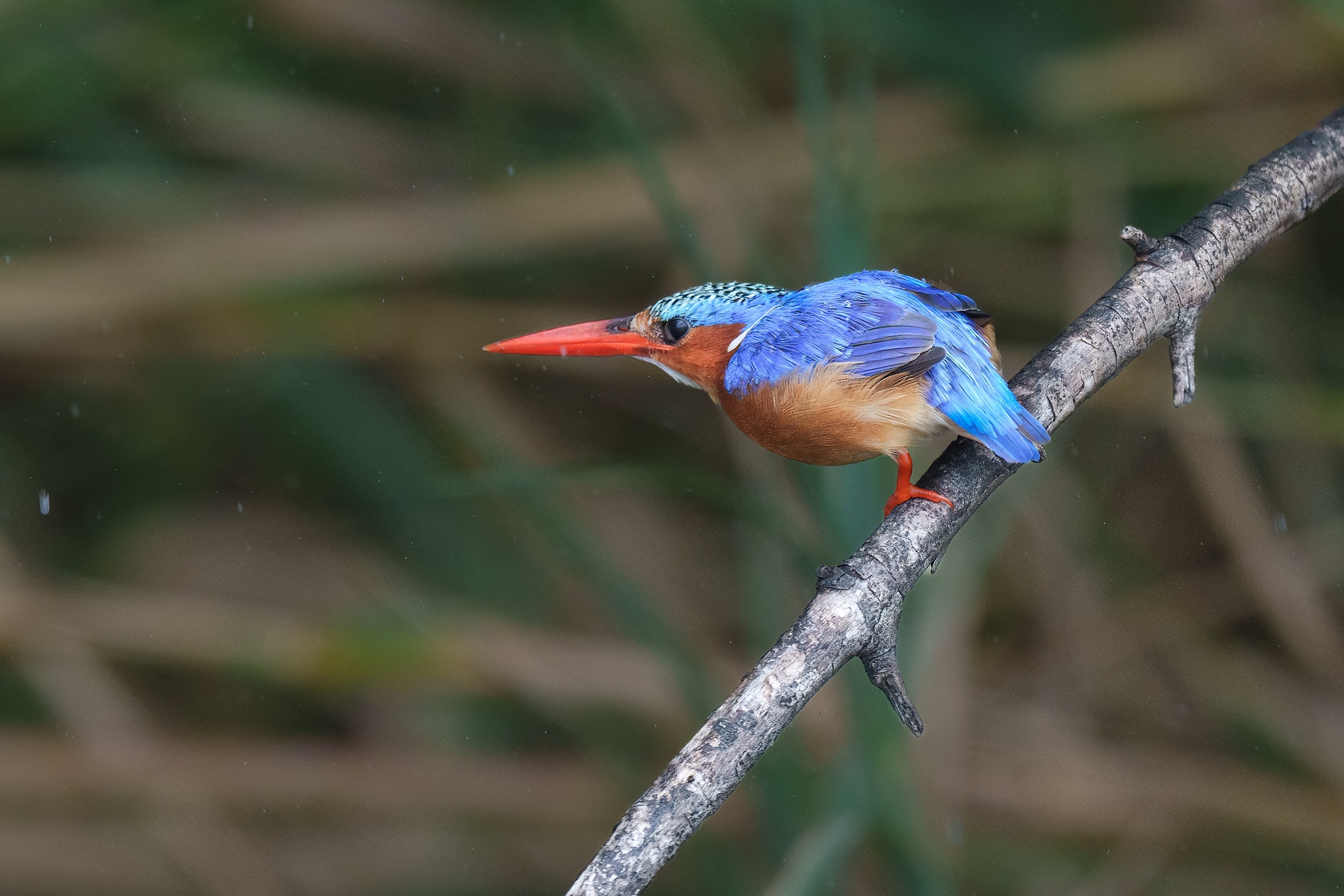
A malachite kingfisher was also taking shelter from the rain under a tree.
Once the rainstorm passed, we proceeded with the afternoon’s photography activities on the river, again seeing an abundance of bird life, including bee-eaters, African darter, egrets and fish eagles
Baboons, as always, contributed to the afternoon’s entertainment
Crocodiles, dragonflies and hippo’s were not to be ignored
The afternoon ended with a spectacular sunset
Back at the hotel, Robson did not let us down and we had an excellent supper, before getting back to work, downloading, culling, selecting and editing our photos of the day.
Day 3 was an early start, queuing at the camp gate at 5:30 to be on the road at sunrise, exploring the area north of Satara, towards Olifants camp.
This turned out to be the day on which we found Wild dogs, after a long search, despite having been informed of their exact location. We eventually found them late morning, resting in deep shade among the trees, very hard to spot. As a result this was not an ideal photographic opportunity, but managed to take a few pics, just to document that we had seen them.
Much of the morning and later also the late afternoon was spent trying to photograph birds in flight, with limited success.
First, a pair of Fish Eagles at the viewing site at Olifants rest camp
Several attempts at Lilac Breasted Rollers (Troupant)
White-browed Coucal (Vleiloerie)
Southern Ground Hornbill
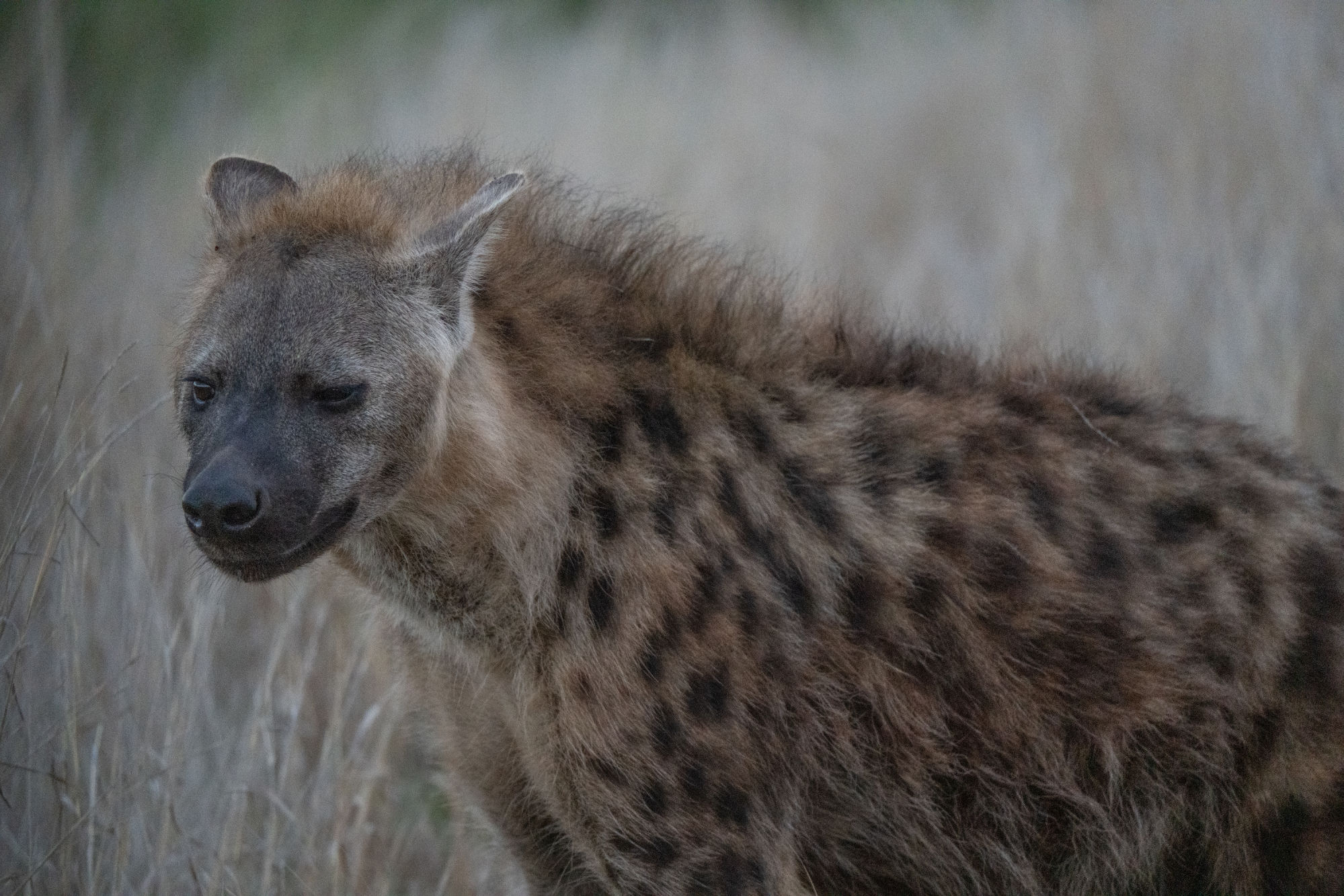
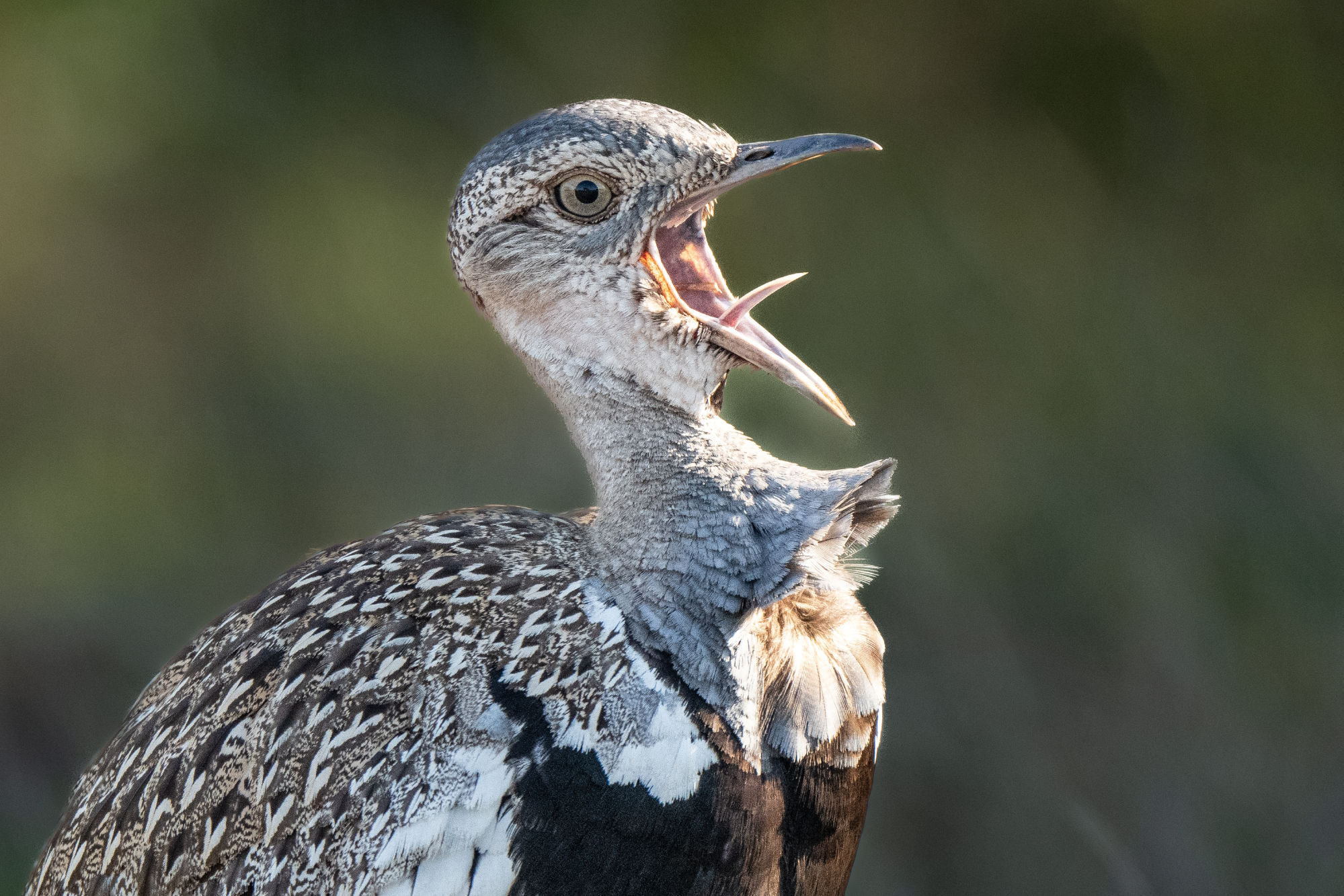
During the course of the day, we also saw quit a few elephants, a hyena, Kori Bustard, Red crested korhaan, Waterbuck, kudu
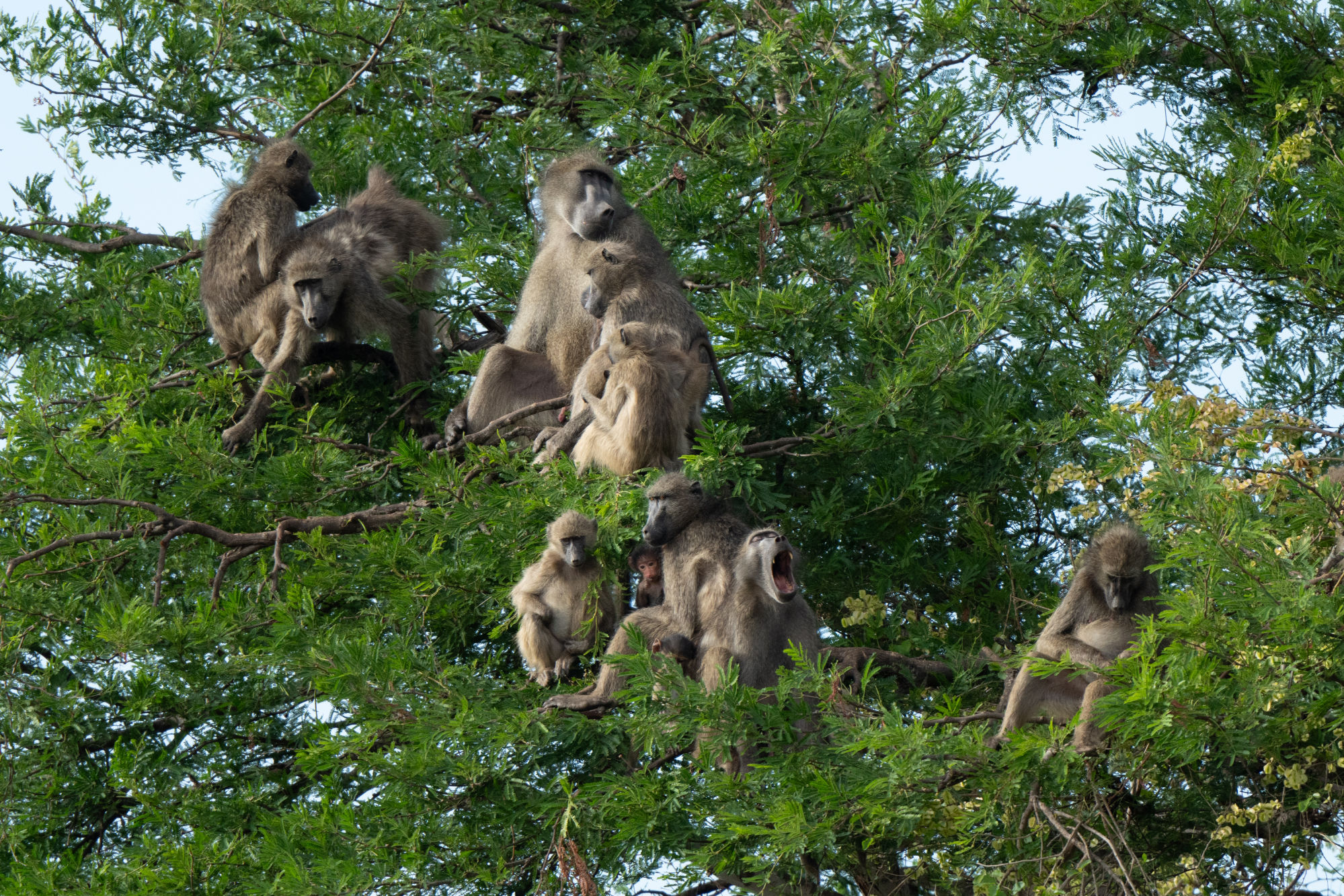
and a bit frustratingly, given my dislike of baboons, probably my best photo of the day, a troupe of baboons in a tree at Olifants bridge.
We also managed to get a family portrait of some lions in the grass,
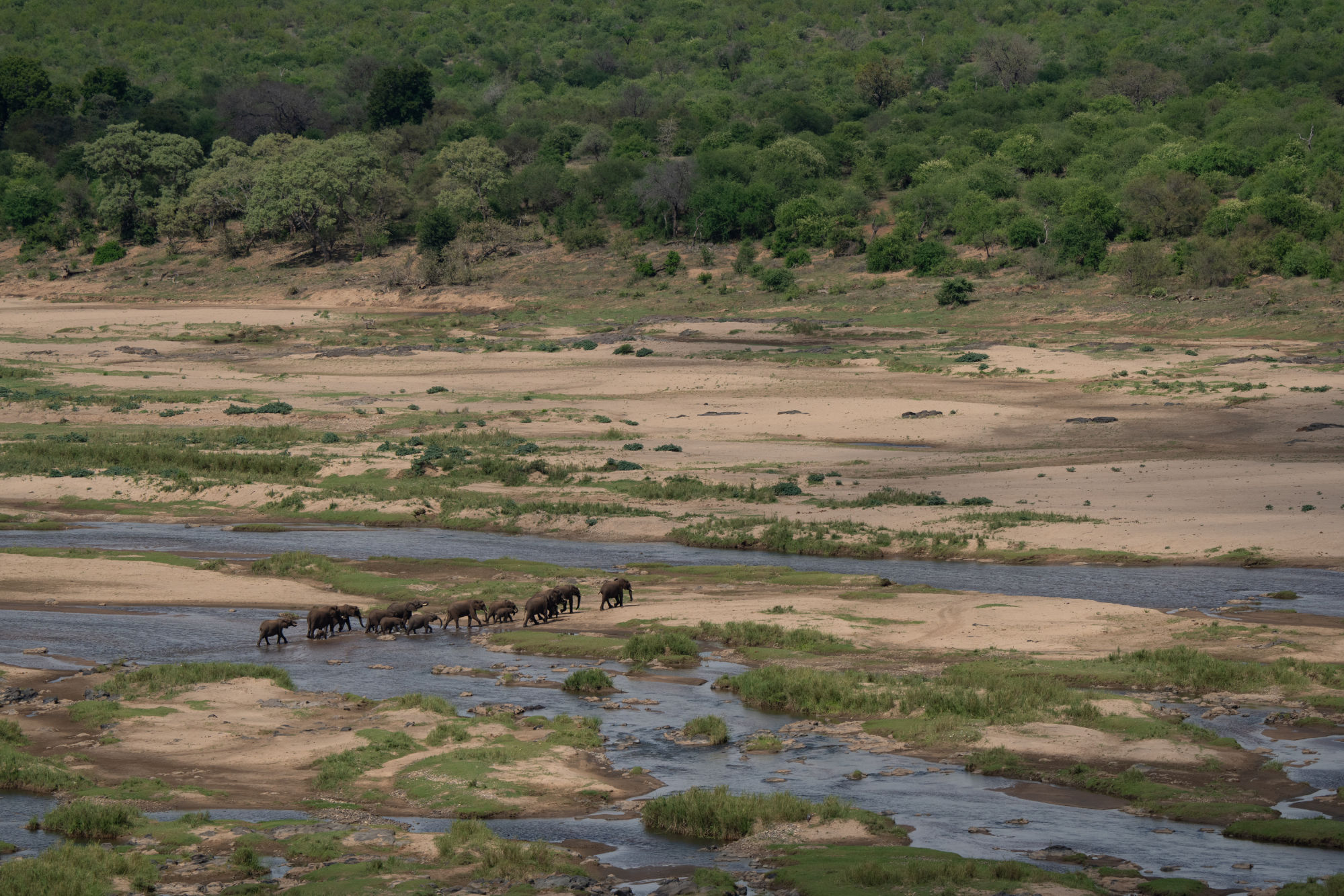
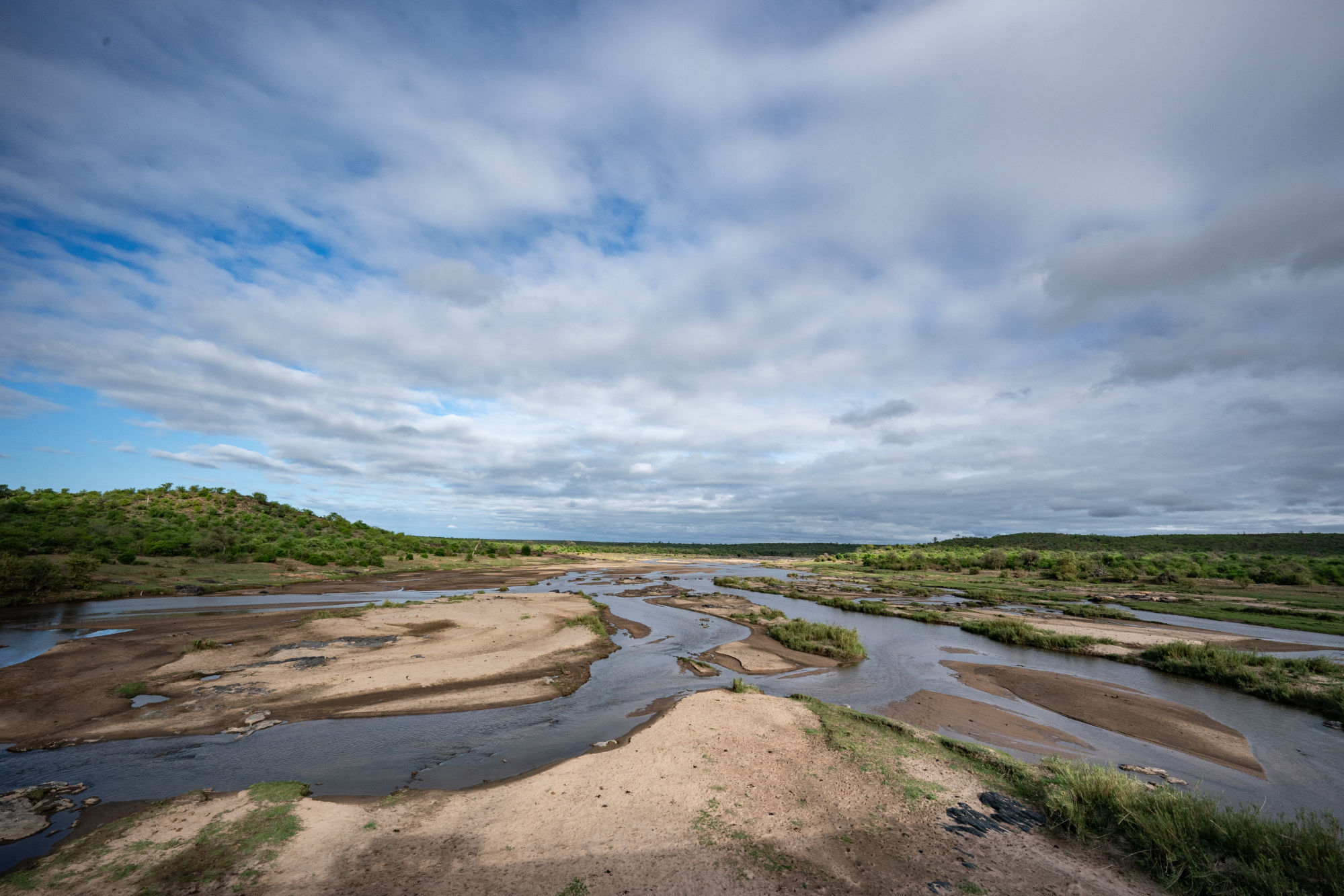
saw some elephants crossing the Olifants river
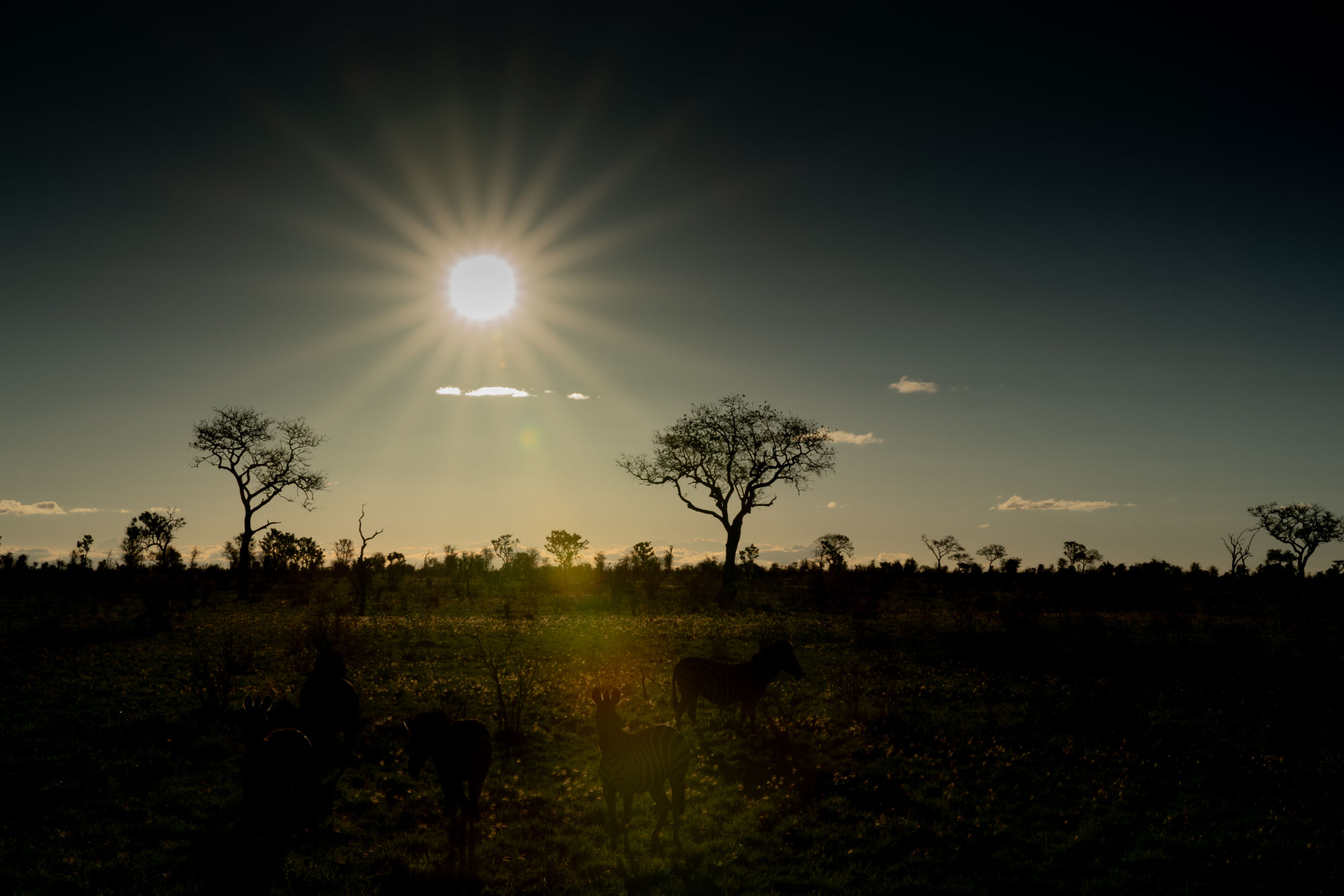
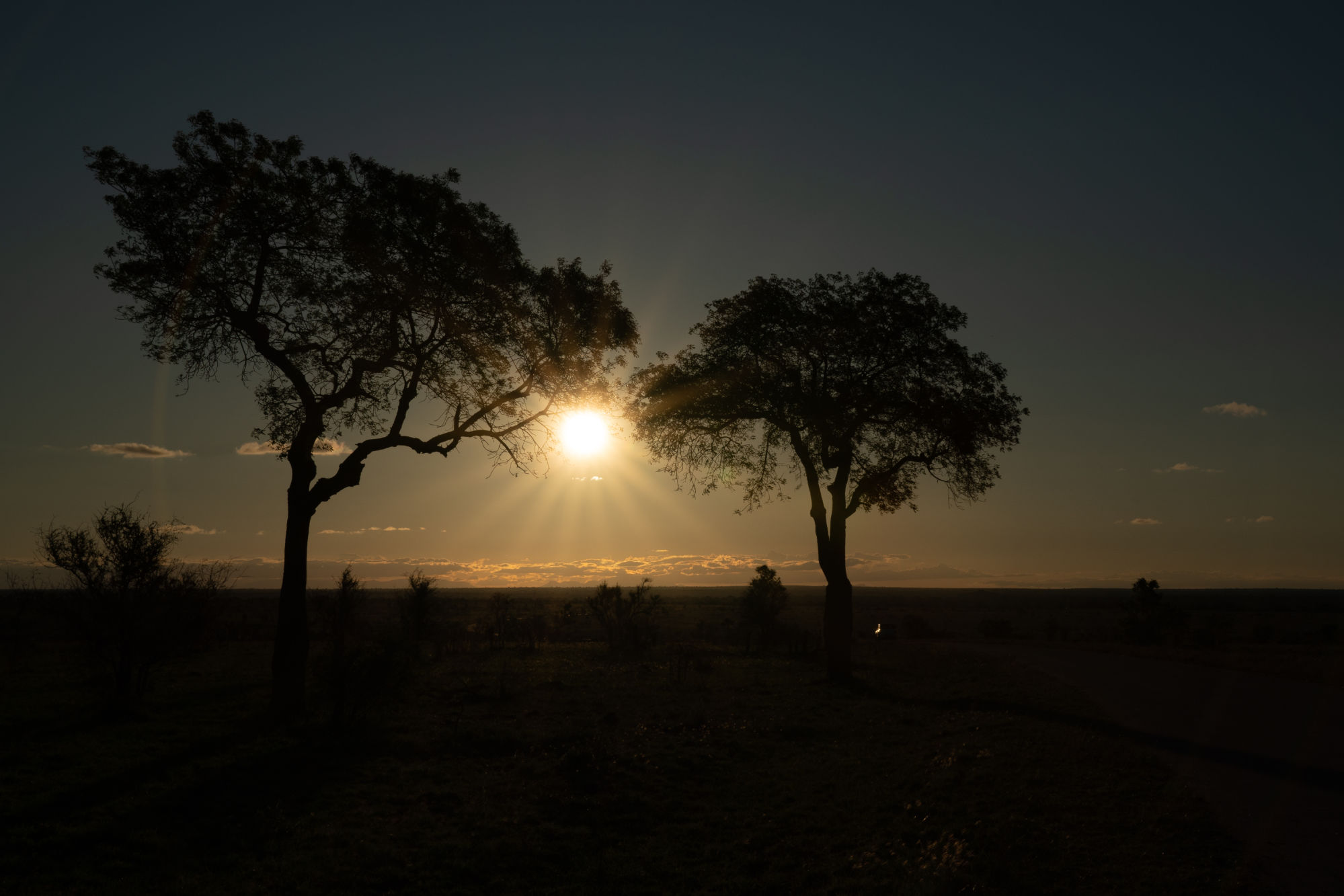
and played around with some landscape and sunset/sunburst photos.
We ended the day with some venison sausage and chicken kebabs on the braai.
We were very excited for our first visit to Kruger National Park since our honeymoon 34 years ago. Little did we know, when planning the trip, that we would start out quite as exhausted after staying up late to watch the Springboks beat France in a very tense Rugby World Cup semifinal and then having to rise very early to be at the airport on time.
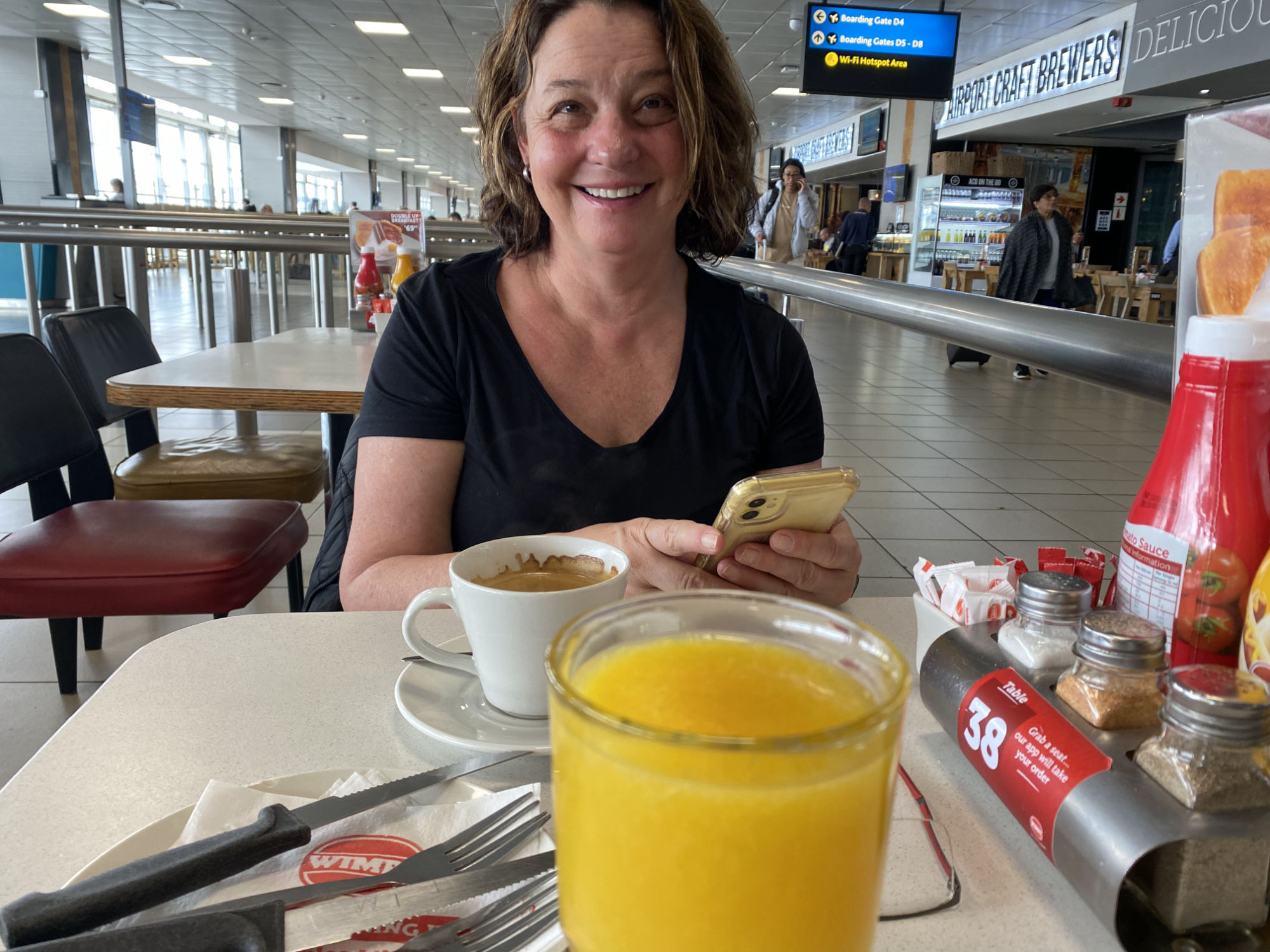
Our flight from Gqeberha to OR Tambo International airport was uneventful. At OR Tambo we had a few hours layover and decided to grab a Wimpy burger for brunch.
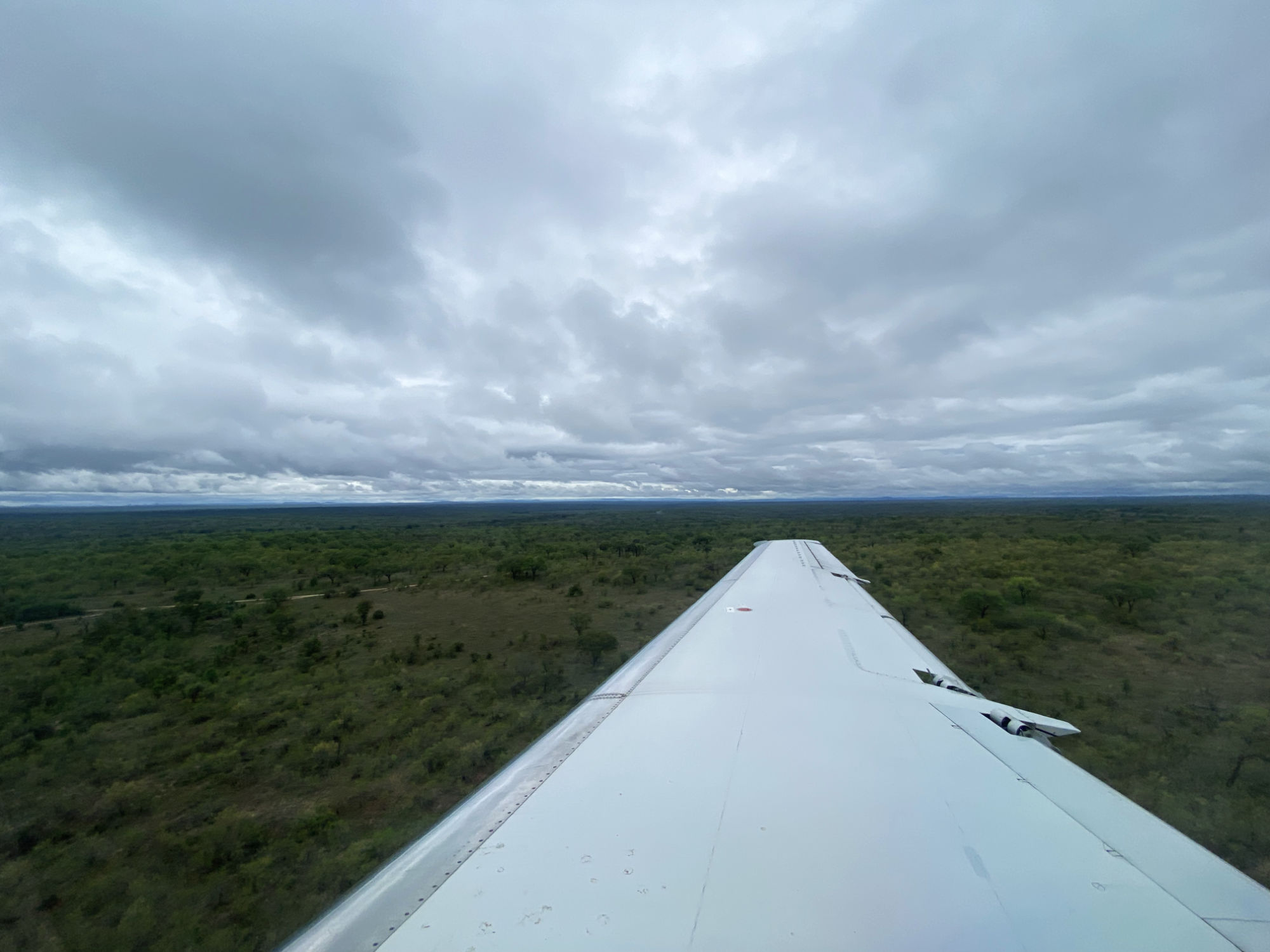
From OR Tambo, we got an Airlink flight to Skukuza.
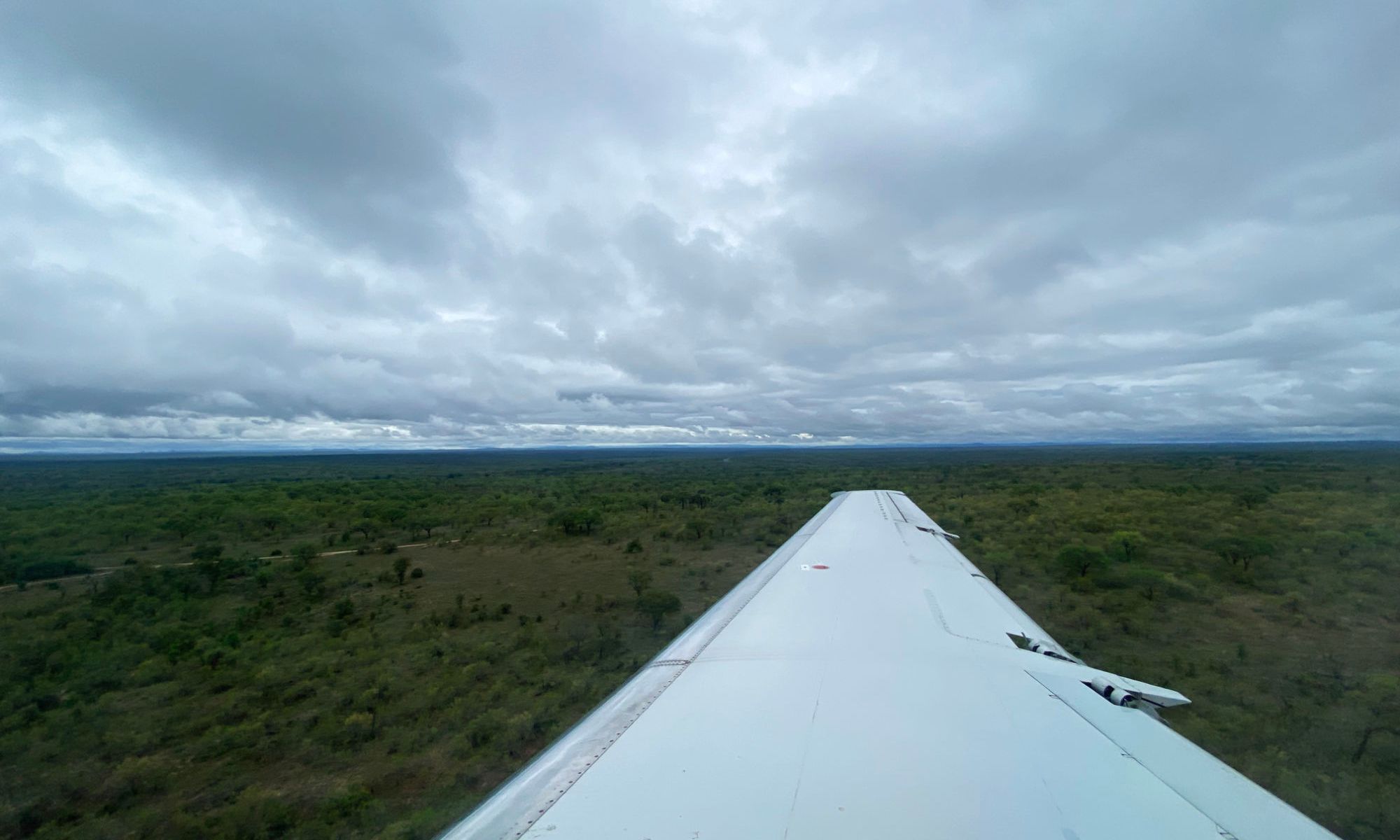
We arrived in overcast conditions
After being welcomed by Hennie and Bernhard from B1 Photo Safaris and checking in to our accommodation at Sanparks Skukuza Rest Camp, we went for our first drive in the Park. It soon started raining and as a result, there wasn’t much opportunity for photography. We saw a fresh leopard kill in a tree near the camp, but no leopard in sight.
Our next sighting was of a very lazy honeymoon couple resting next to the road,
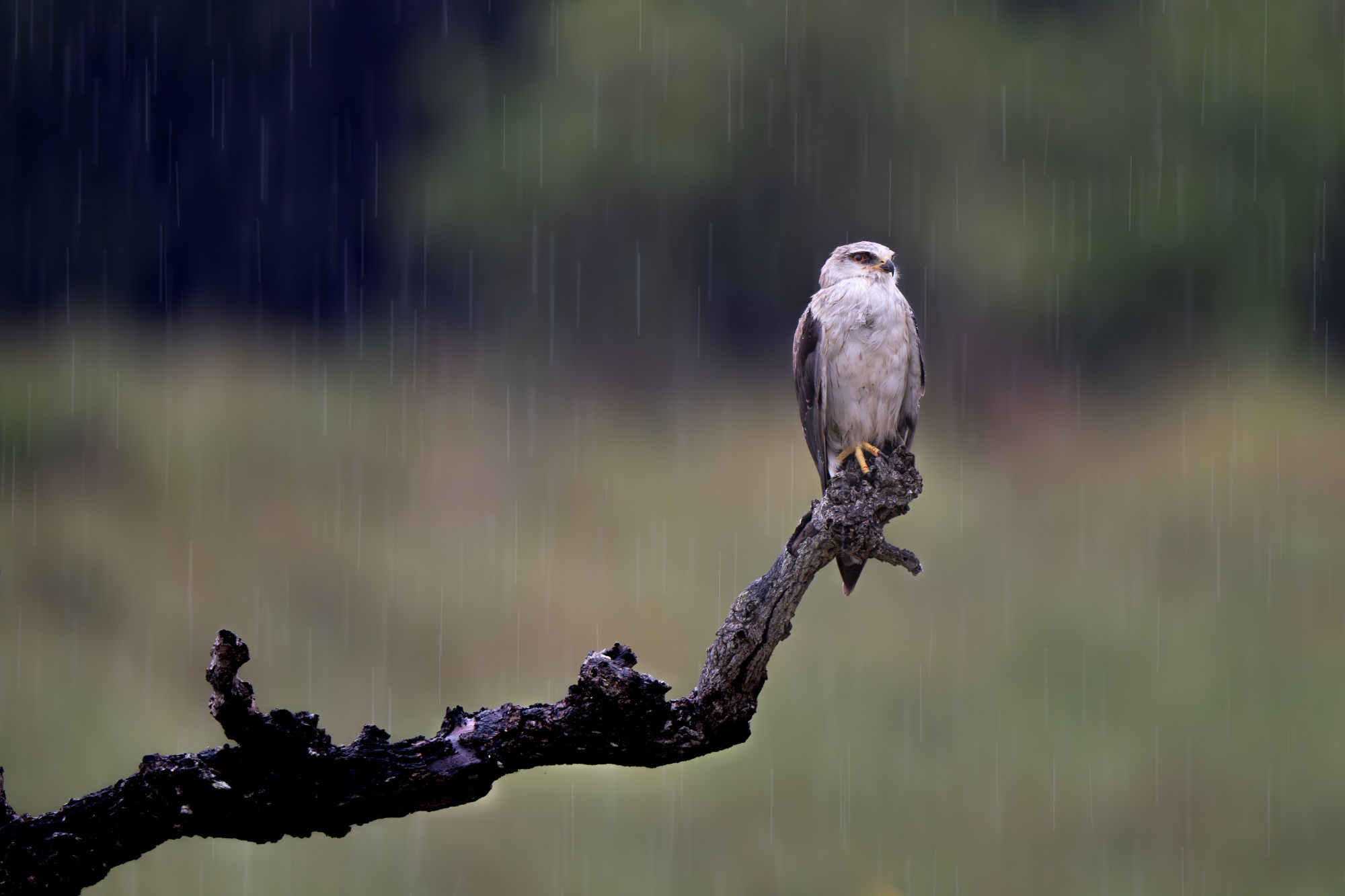
followed by a very wet Black-winged kite.
On our way back to the camp we stopped off at the leopard kill again, but still no leopard in sight. However, a few hyenas were seen walking down the road nearby.
Back to camp for an early supper and catching up some lost sleep.







































































 Etienne's Camera