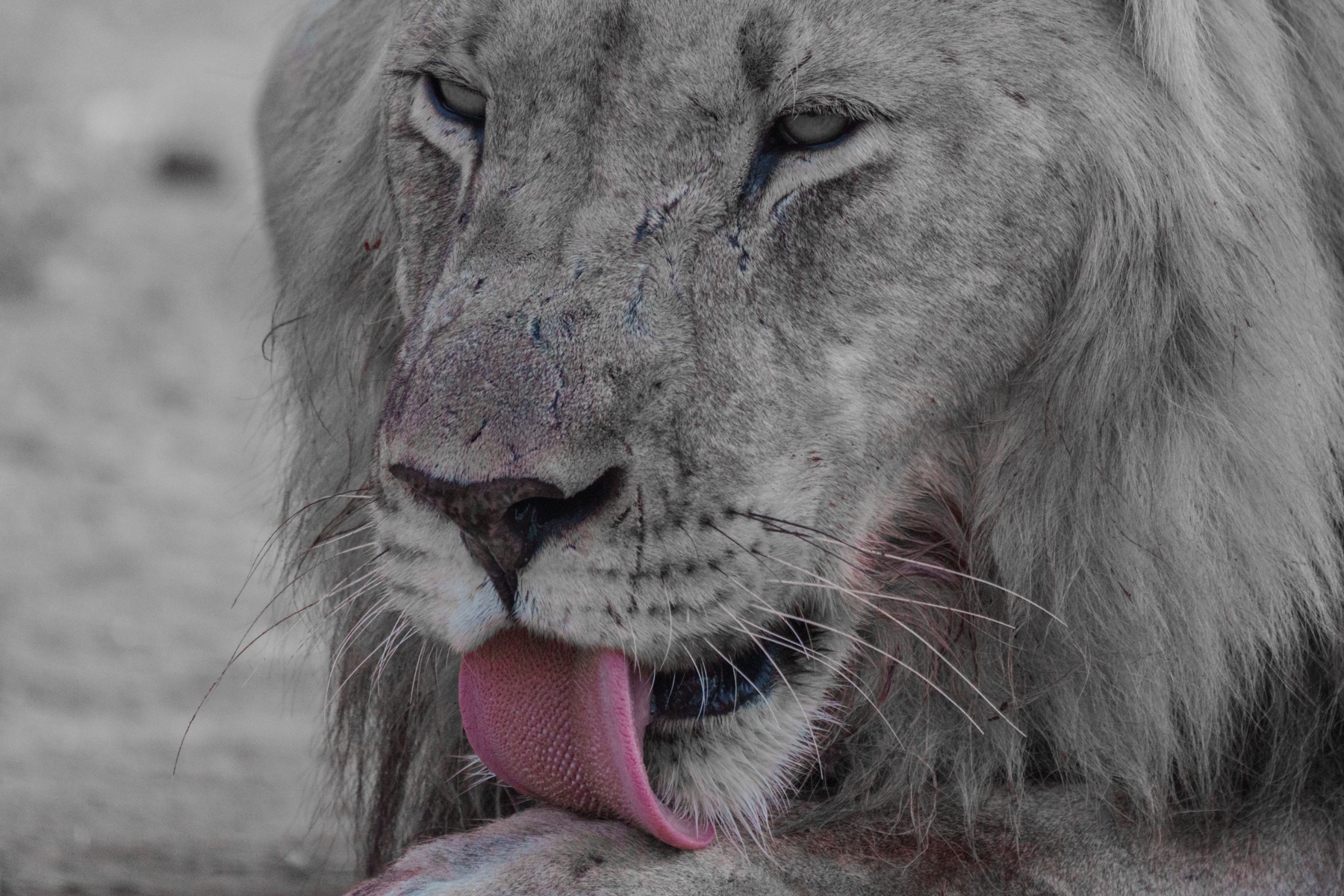
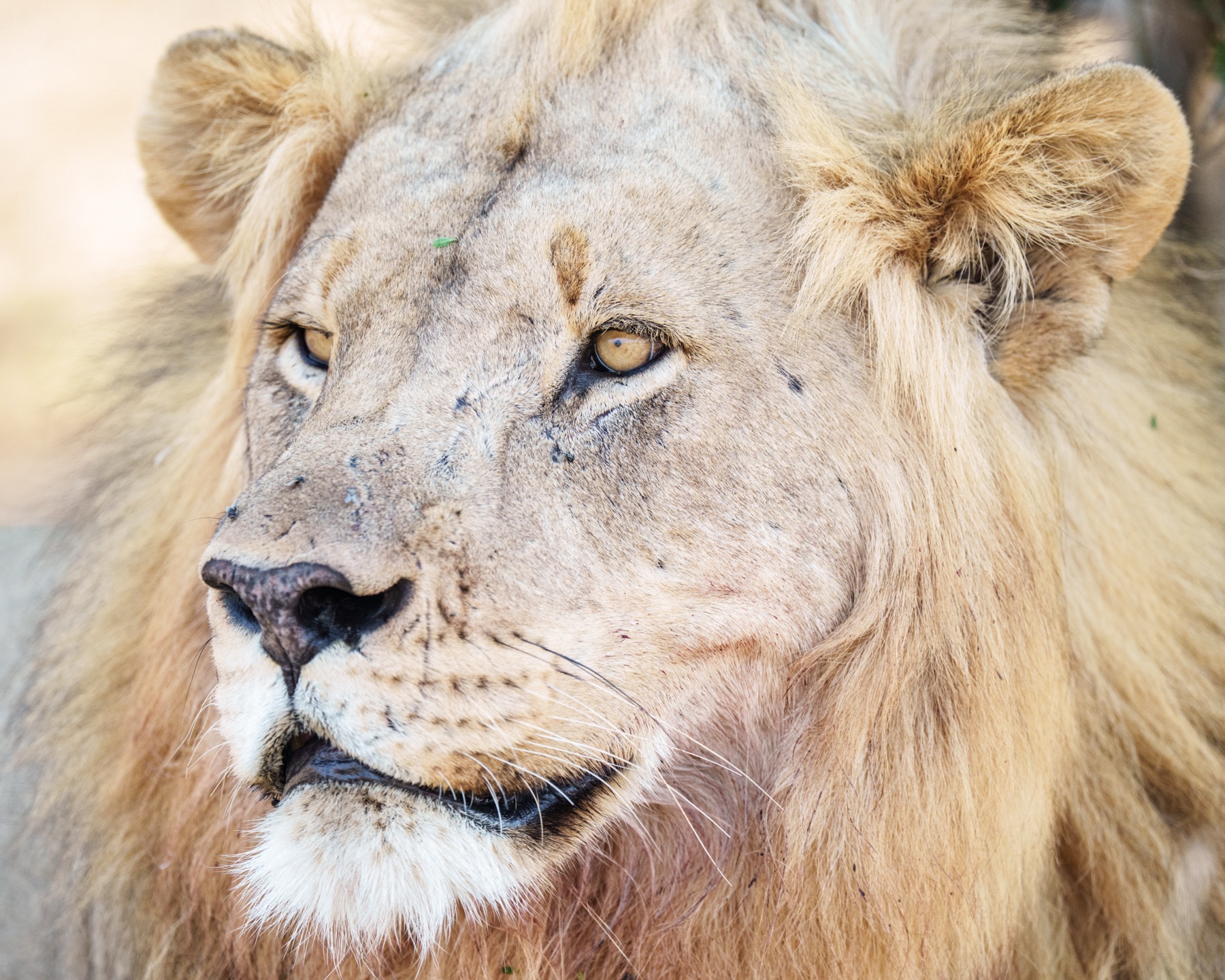
After our 5:30 am wake-up call and a quick cup of coffee, we were off at 6 am for our morning game drive. Soon Sam, our guide, received an update about a sighting of lions feasting on a zebra kill and we proceeded in that direction. Upon arriving, we saw a group of two adult males and several females and youngsters feasting on what remained of the zebra.
Some had already finished eating and one male moved away to go and drink at a nearby water hole, then returned to start grooming himself.
He seemed a bit irritated by our close attention, but soon decided to ignore us.
Leaving the lions to finish their breakfast, we returned to the lodge to enjoy our breakfast, after which we did some photo downloading and editing.
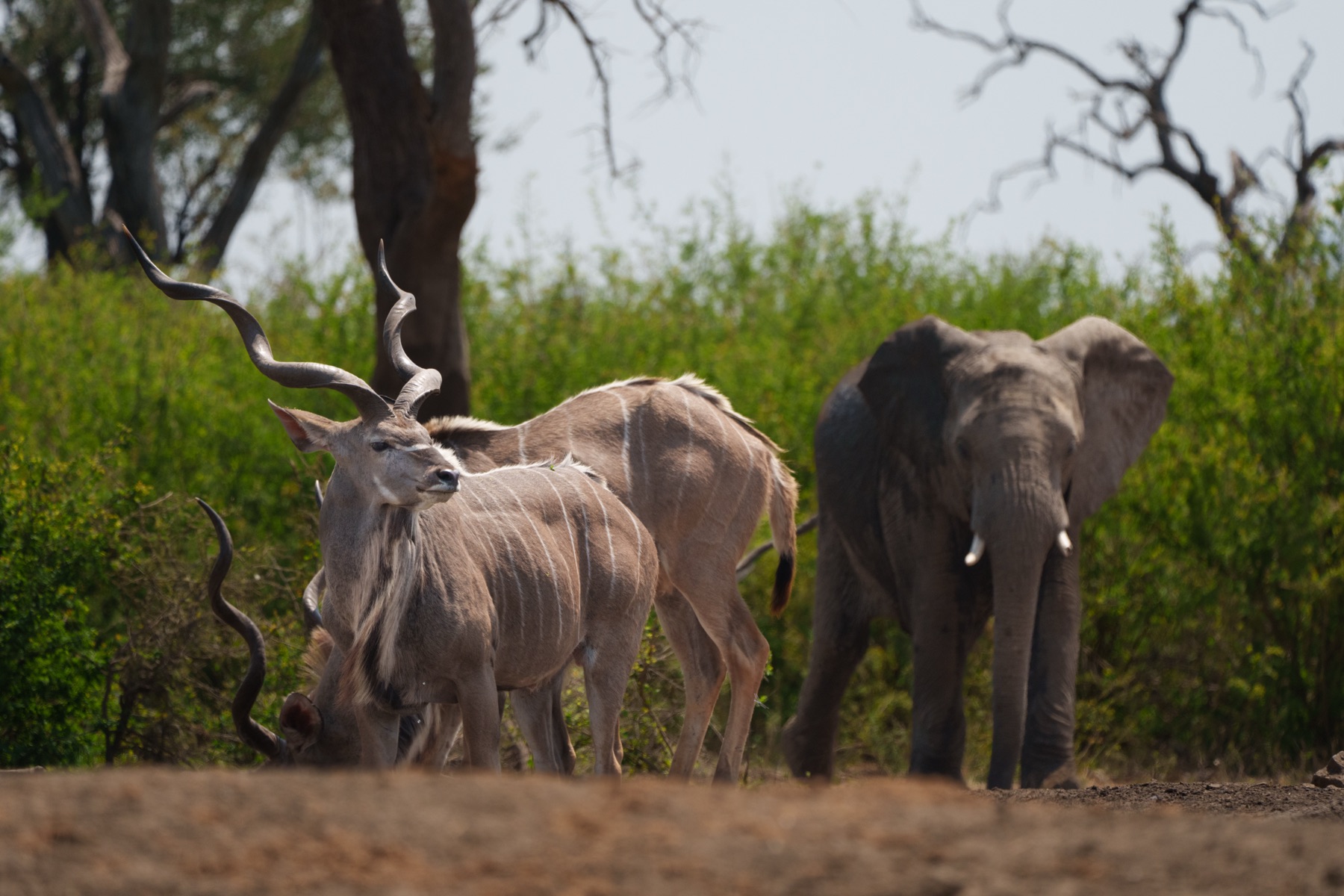
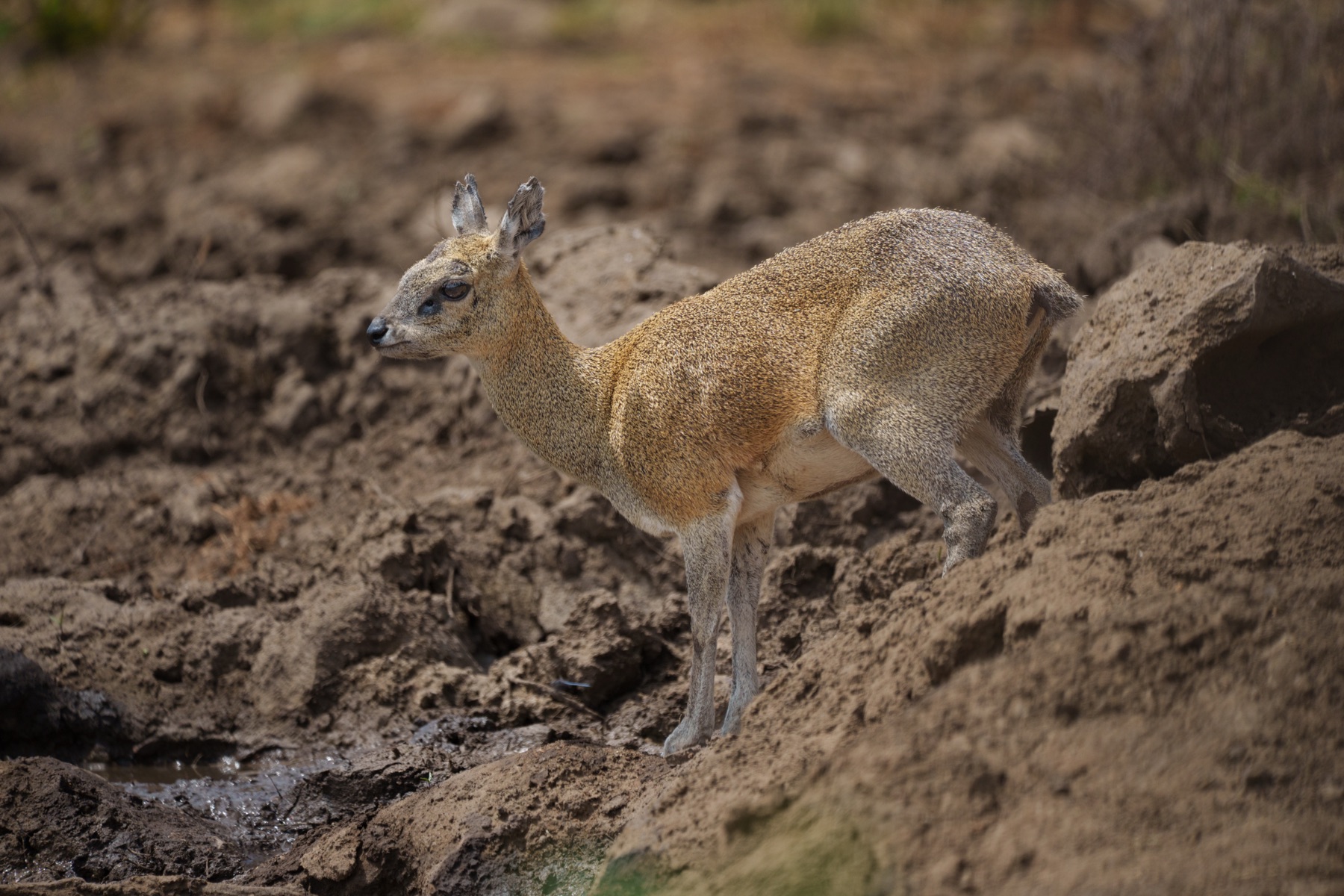
During the afternoon we spent some time in the hide, seeing elephants, kudu and a klipspringer visit the water hole.
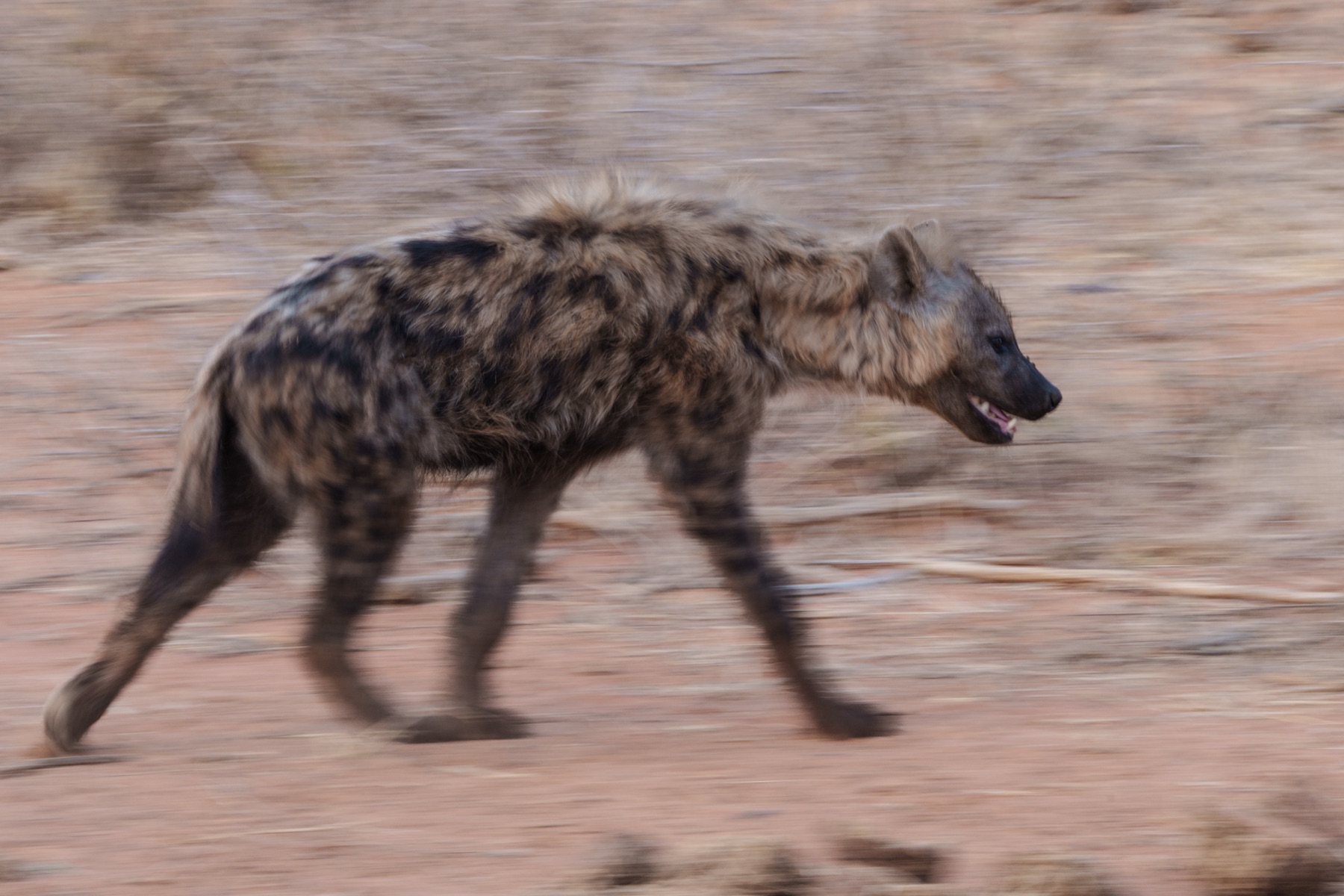
After high tea, we set of on a game drive to look for the Painted Wolves, whose tracks had been spotted in the eastern part of the reserve that morning. This was a pretty long drive, during which we saw a few Black-backed jackal, a spotted hyena and many elephants, but, unfortunately no Wild Dogs.
During our afternoon drinks stop, we were mesmerised by a beautiful sunset.
Despite spending a long afternoon, not finding the Wild Dogs, it had been a very pleasant game drive. Back at the lodge, we had another excellent dinner, after which we tried to catch up on some sleep.
This story has a few twists and turns even before we arrive in Madikwe Game Reserve. Shortly after our 2024 Okavango trip (links to all posts for that trip in my Archives), we started researching our next destination. Many South Africans are unaware of Madikwe, in Northwest Province, close to the Botswana border, despite this being the fifth largest game reserve in South Africa. One of the big attractions of this reserve, as far as I am concerned, is that it boasts a healthy African Wild Dog population. The reserve is run as a partnership between government, private lodge owners and local population. Since some of the lodges offer SADC specials, we decided to make use of on of these offers. Bookings were handled by Biggestleaf Travel, who had also organised our Okavango trip.
Soon we had decided on a suitable lodge, one of our major requirements being that it had to have a photography hide. Jaci’s Tree Lodge seemed like a great option, with good SADC specials and a lovely hide. However, no sooner had we paid our deposit, than we received an email informing us that the lodge had suffered severe flood damage and all bookings were being canceled, leaving us with three options: cancel and get a refund, postpone until an unknown date when they would be ready to receive guests again or book another, more expensive lodge where the SADC specials were not nearly as good as Jaci’s. Since we had made up our minds that we wanted to visit Madikwe and had already arranged leave for our intended dates, we opted for the third choice.
On the morning of our departure from Gqeberha, the weather forecast was for heavy winds. Our Airlink flight was luckily able to take off before the wind picked up too much. Arriving in Johannesburg, I saw that the flight meant to arrive in Gqeberha 20 minutes after our scheduled departure, could not land due to the severe wind.
A 3 hour wait at OR Tambo, followed by a short hop in the ubiquitous Cessna Caravan, saw us arriving at Impodimo lodge just in time for High Tea.
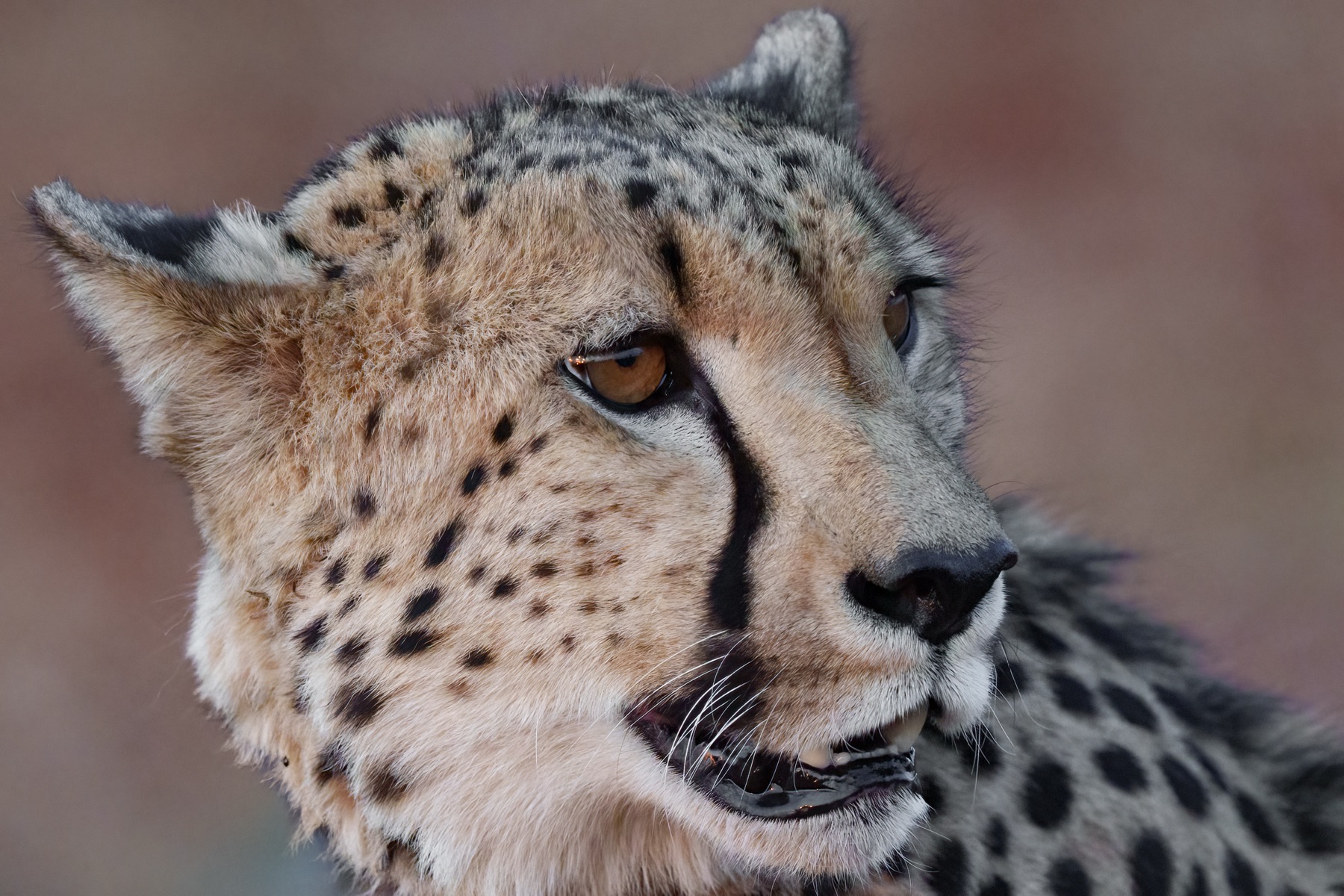
After tea, we set out on our first game drive. Our guide, Sam, informed us that the cheetahs had been spotted at the opposite end of the reserve and that we could choose between a hard drive to get there in time, or a leisurely game drive which would not allow us enough time to get to see them. Since we were keen to see them and one other couple on the vehicle, who were on their last day at Madikwe, were equally keen, the choice was made to go for the cheetahs. Having found them, I was slightly disappointed to notice that both were collared. This was understandably necessary from a conservation perspective, since the reserve had recently lost two females, only had four males left and were trying to study their behaviour before reintroduction of more females. From a photography perspective, this meant that I had to stick to tightly framed and cropped head shots if I did not want the unsightly collars in my photos.
We stuck around with them as long as possible. Having seen them launch an unsuccessful hunting attempt, we decided that it was time to return to the lodge, arriving back well after dark and just in time for an excellent dinner.
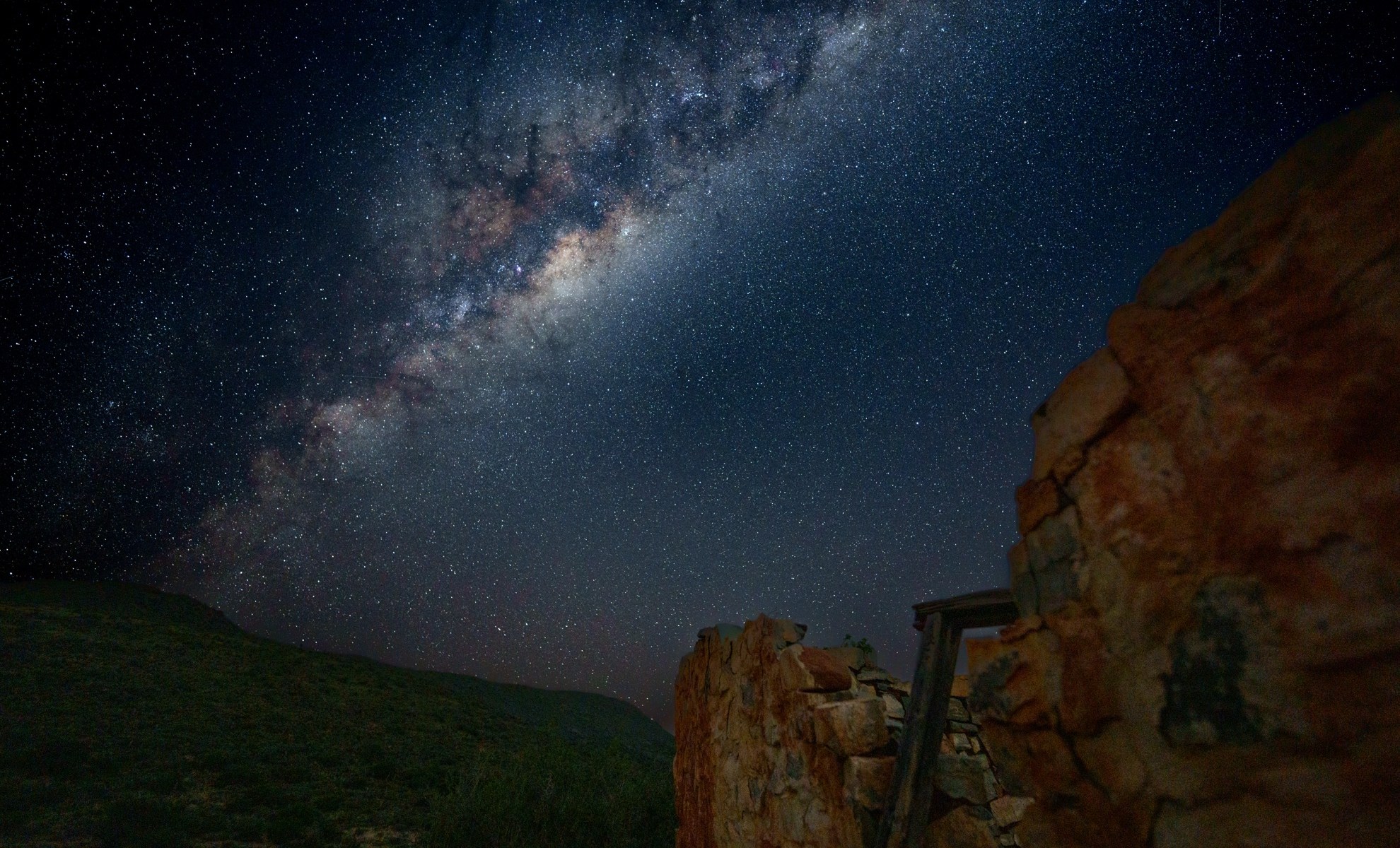
After our previous stay at Ironstone Cottage outside Graaff Reinet, during which overcast and rainy conditions ruined any chance of astrophotography, I had decided to return and now the time had come.
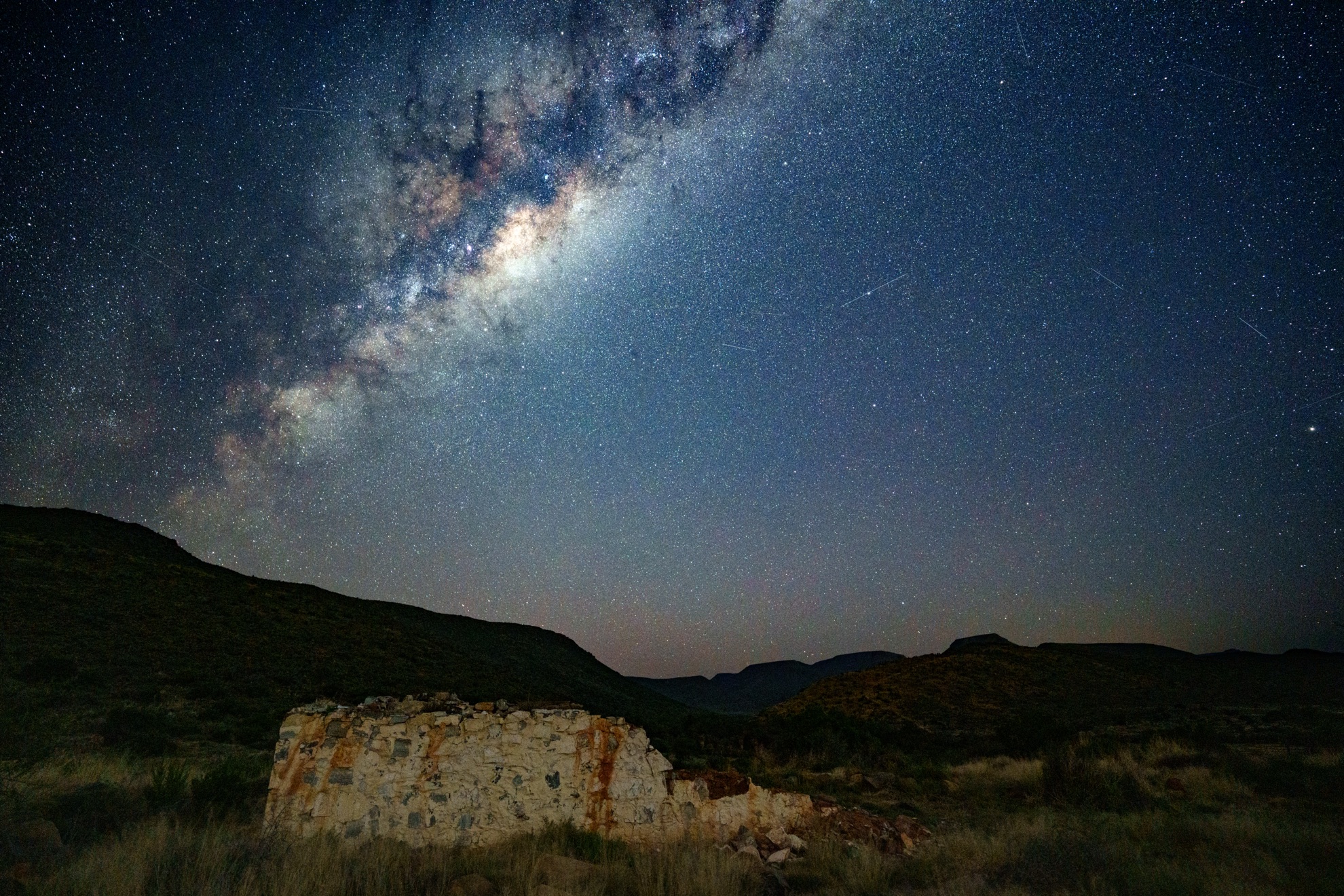
Naturally, we arrived in Graff Reinet to overcast conditions, but at least with the weather forecast promising better conditions for the next day and, most importantly, evening. In the meantime, I took out my camera and started looking around for subjects to photograph and also scouting possible photos for the next night. A nearby ruin of a stone cottage held much promise.
A prickly pear plant also looked interesting.
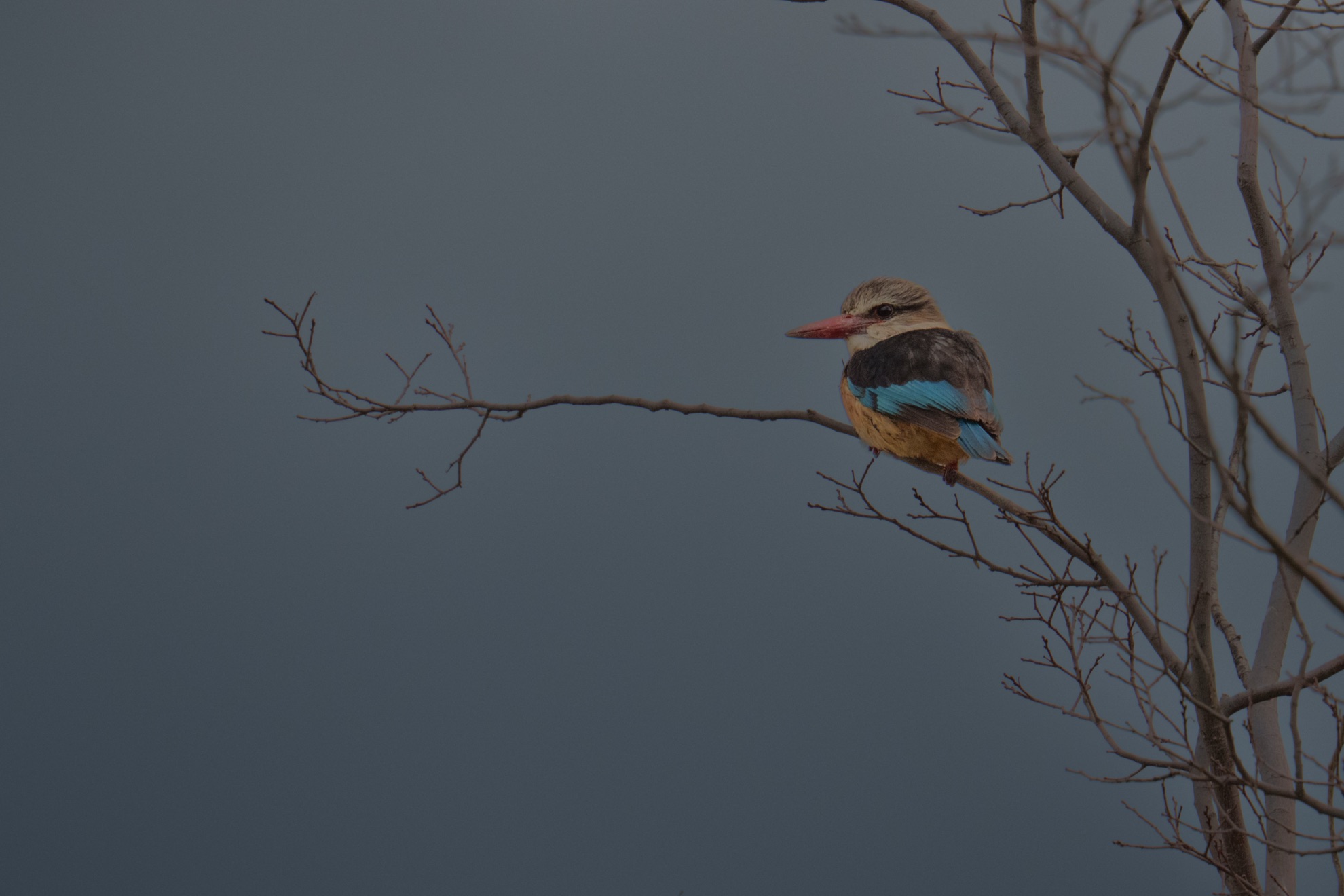
We had a surprise visit from a Brown Hooded Kingfisher.
The next morning, we took a drive out to Nieu-Bethesda to visit the famous Owl House. Arriving in Nieu-Bethesda just before 9am, it initially seemed like a ghost town, with not a person in sight. We stopped to photograph the church.
By this time, we realised that we were simply a bit early and businesses started opening up. The visit to the Owl House was interesting, but an unexpected pleasant surprise was the visit to Kitching Fossil Exploration Centre, which included a guided walk, with a very well informed guide, to view some fossils still embedded in the river bed.
Before leaving Nieu-Bethesda, we purchased a cement owl from the daughter of Koos Malgas, the man who had worked closely with Helen Martins at the Owl House, manufactured by his grandson.
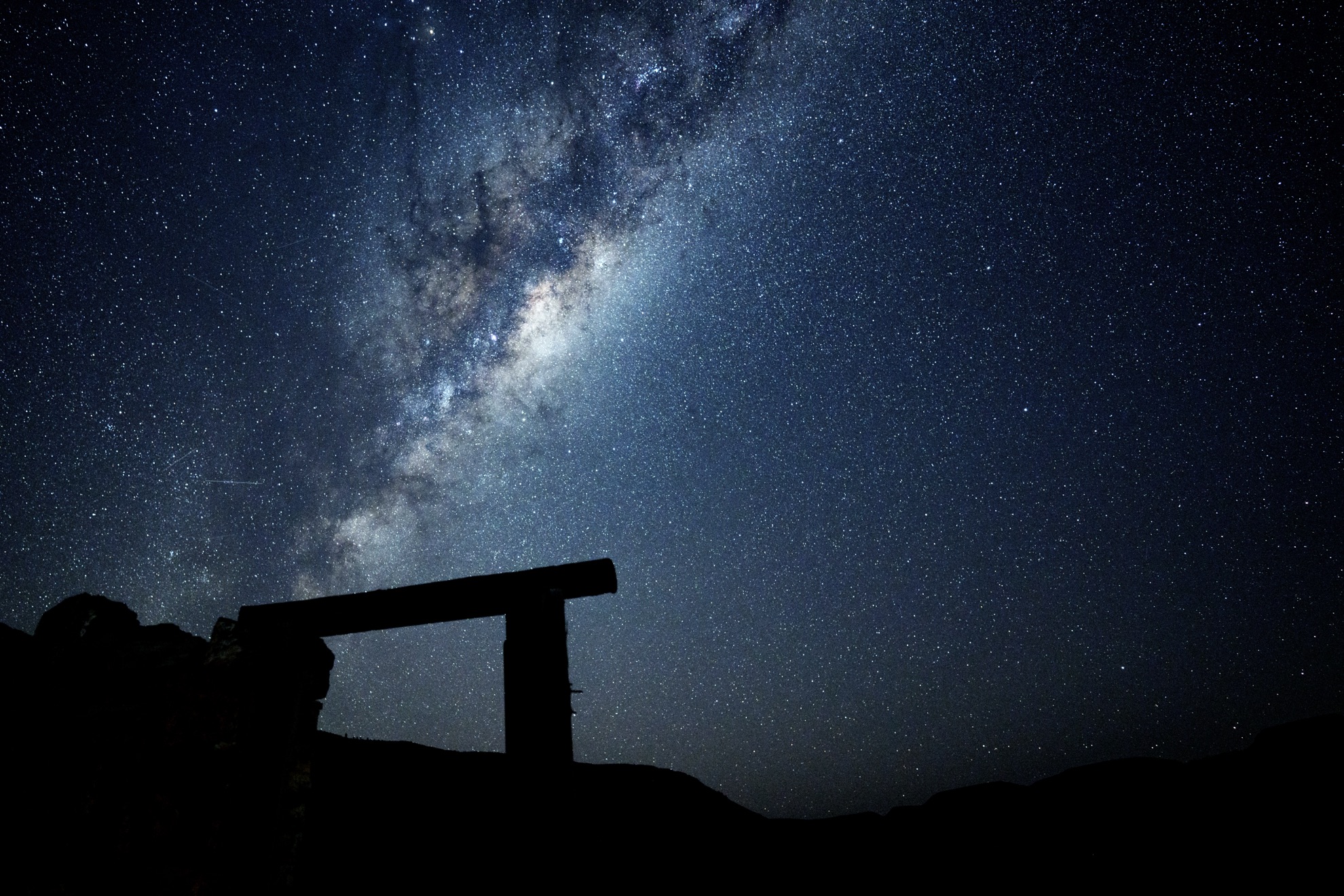
Back at Ironstone Cottage, we saw that the skies had started clearing and the evening turned out perfect for astrophotography
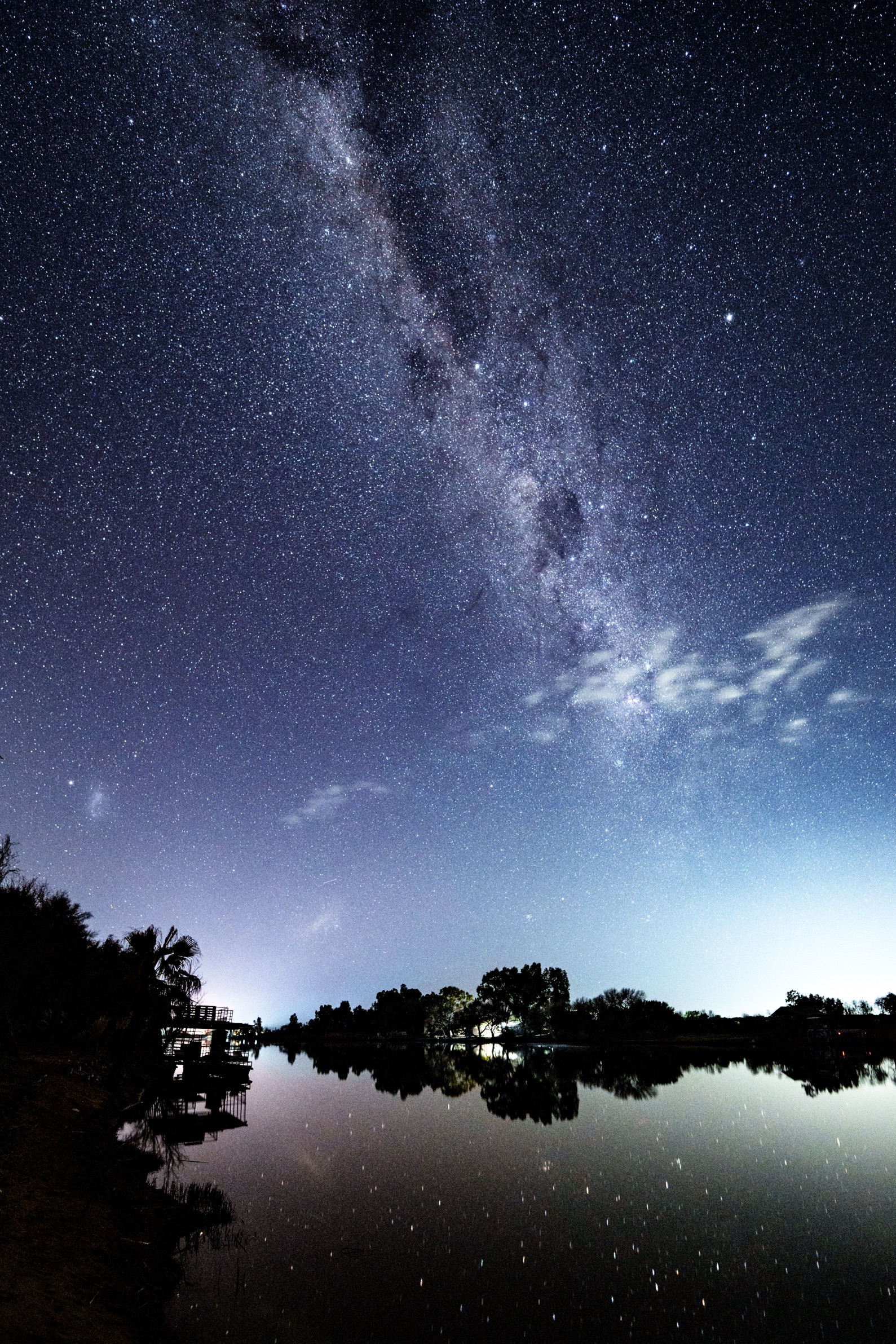
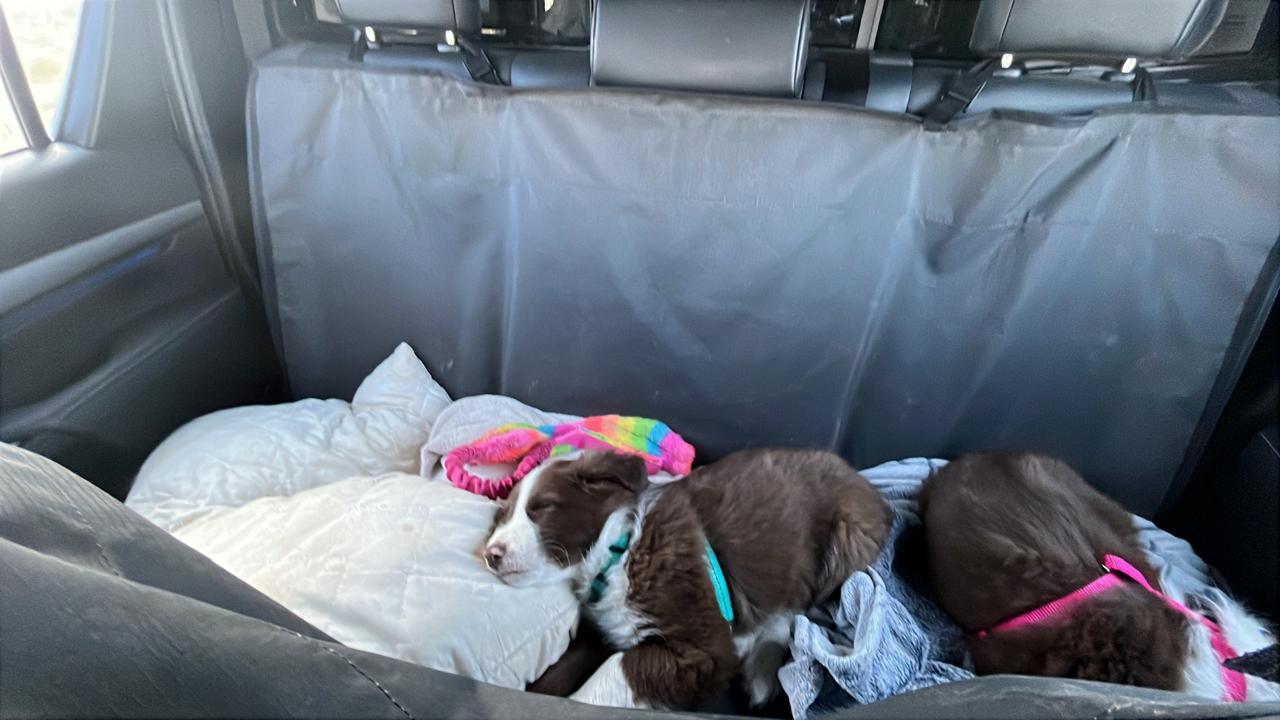
The next day saw us traveling north, to Douglas, for a brief family visit and to collect two puppies for friends. That evening, staying with family on their farm on the Vaal river, provided further opportunity to photograph the stars, despite the presence of a few clouds.
An early morning start, saw us collecting the puppies in town for the long drive home.
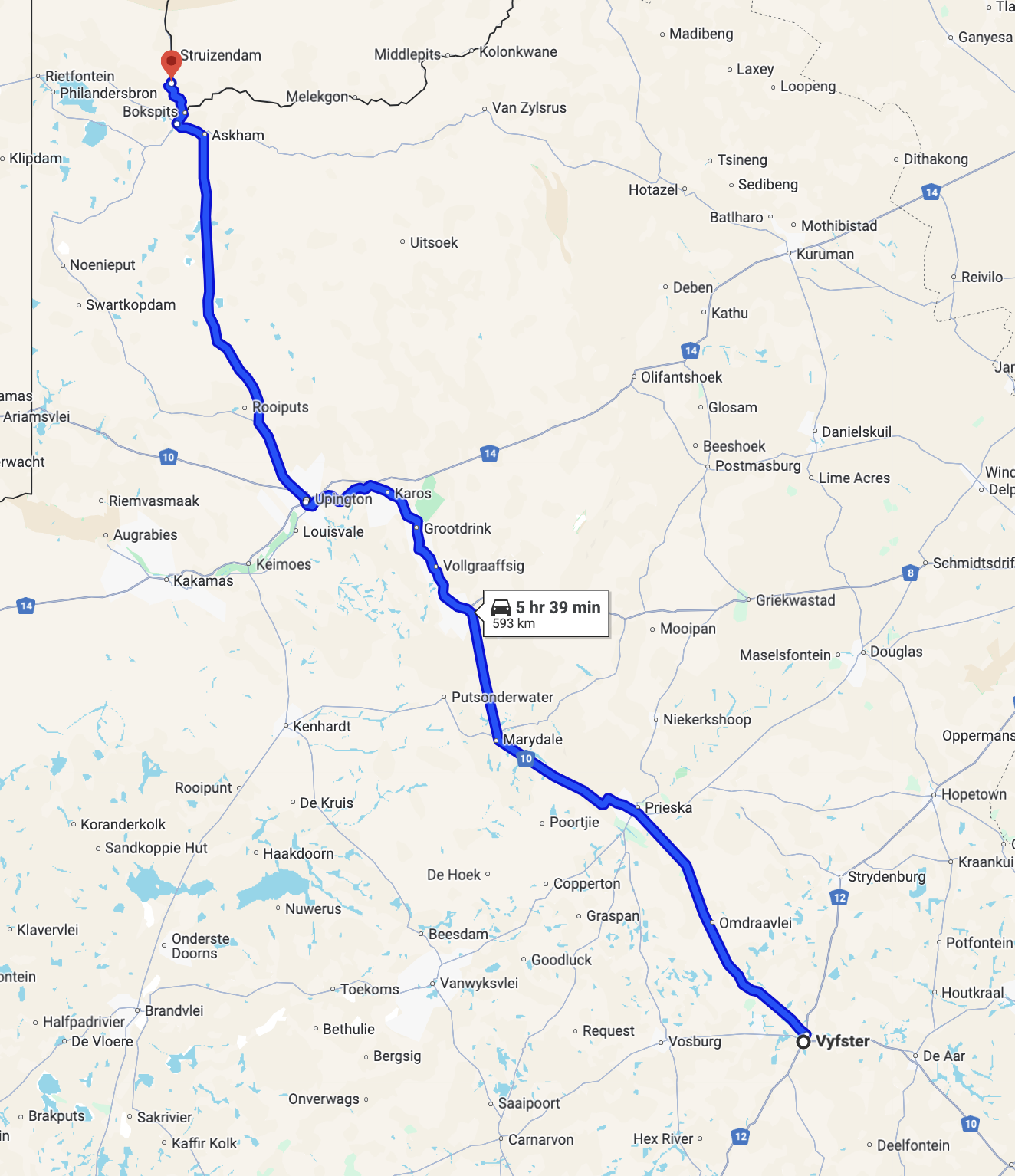
Stayed at Vyfster The Old Jail, had excellent supper at Transkaroo Country Lodge Country Cafe who also do excellent take away coffee if you are just passing through.
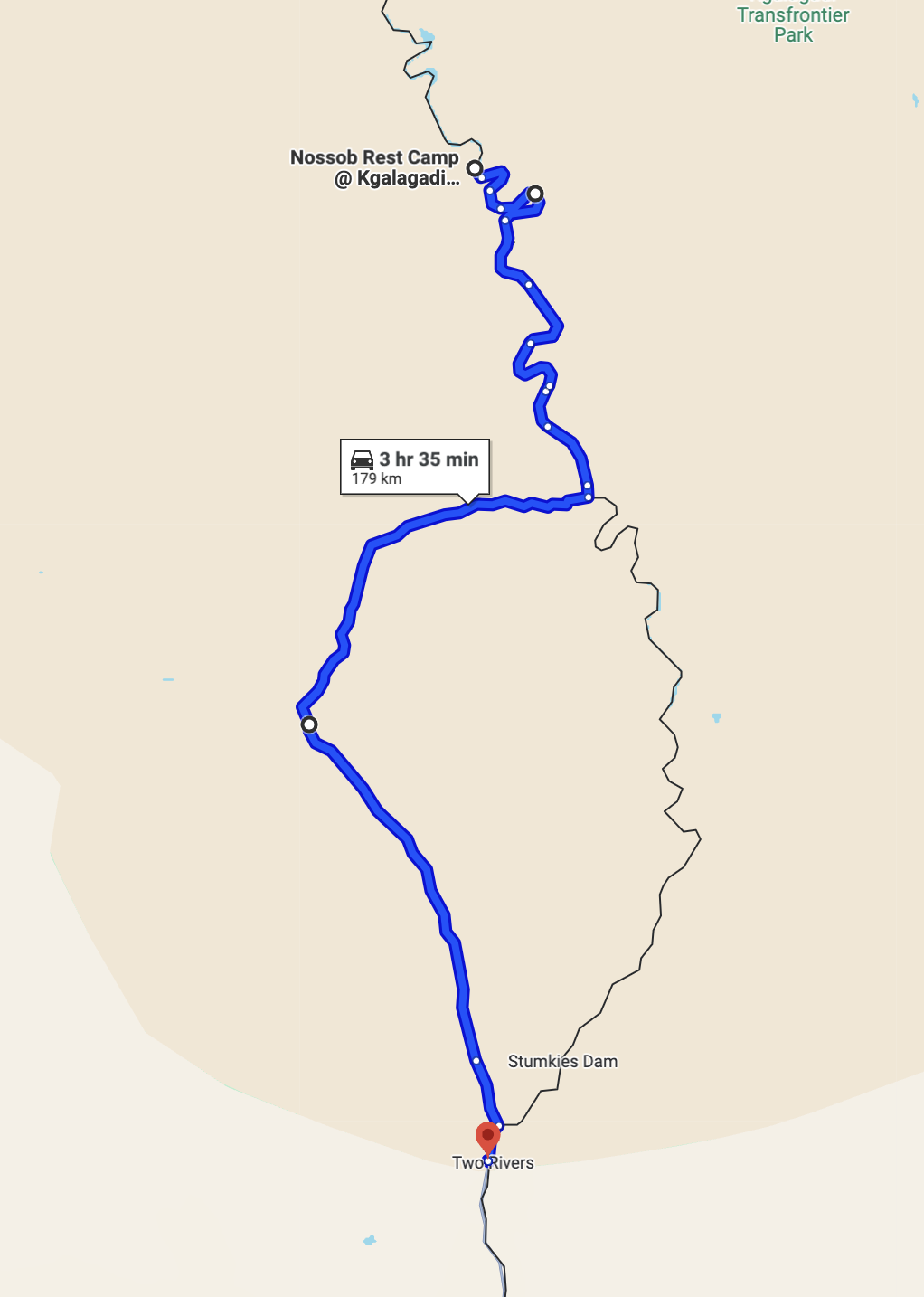
Nossob to Twee Rivieren : On this day we took a detours to 13th and 14 boreholes, not recognised by Google Maps and therefore not visible on the map. You will have to use a paper map of Kgalagadi Transfrontier Park to see those.
On the way there, we stopped at Upington Slaghuis, definitely the place to buy your meat if you are traveling in the vicinity and also a good source of local information from the friendly staff.
Another worthwhile stop, requiring a slight detour, was Kanoniki Padstal, where we had excellent coffee and pancakes, an informative and interesting chat with the owner and did some shopping.
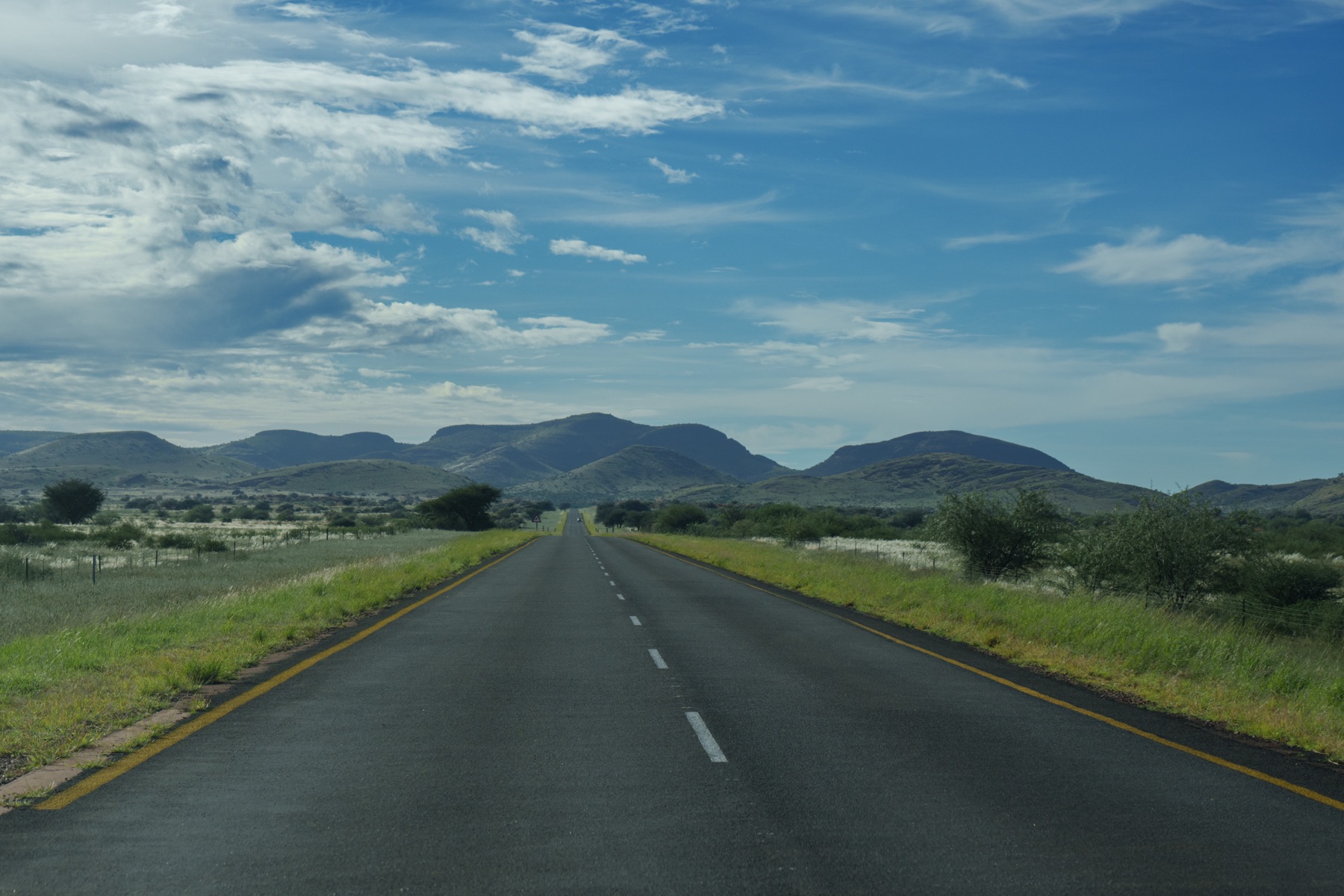
Van Zylsrus to Witsand Kalahari reserve : because of heavy rain on the day we were traveling here, as well as damage to the roads by heavy rains some days earlier, we wanted to avoid the gravel roads and took quite a detour in order to stay on tar roads. In different circumstances, we would have chosen a very different route between Van Zyslrus and Olifantshoek.
Camping at Witsand Kalahari was quite tricky to arrange since they didn’t respond to email and we eventually got hold of them on Whatsapp, using the number in the link. Then, getting an invoice out of them was equally tricky. But eventually well worth the effort.
Mokala to Graaff Reinet : We drove the length of Mokala National Park, exiting at Lilydale. For some reason, Google Maps will simply not show this, so my map starts at Lilydale. Approaching Ironstone Cottage near Graaff Reinet, Google maps can once again not be trusted. Here we had clear instructions from the owners on which route to take.
Ironstone Cottage is a beautiful cottage in a stunning setting, an excellent weekend getaway from Gqeberha.
For breakfast the next morning, we had roosterkoek and coffee from Chargo Farm Stall in Graaff Reinet. Their roosterkoek are well worth it, but be sure to be very hungry when tackling one.
In summary: 12 days, roughly 4000 km, some criss-crossing of our route, necessitaded by available dates in National Parks, an awesome experience.
After heavy overnight rain, we woke up to a persistent light drizzle, but with lots of standing water still around. The roads in Mokala were muddy and, despite 4WD we were slipping and sliding in some places.
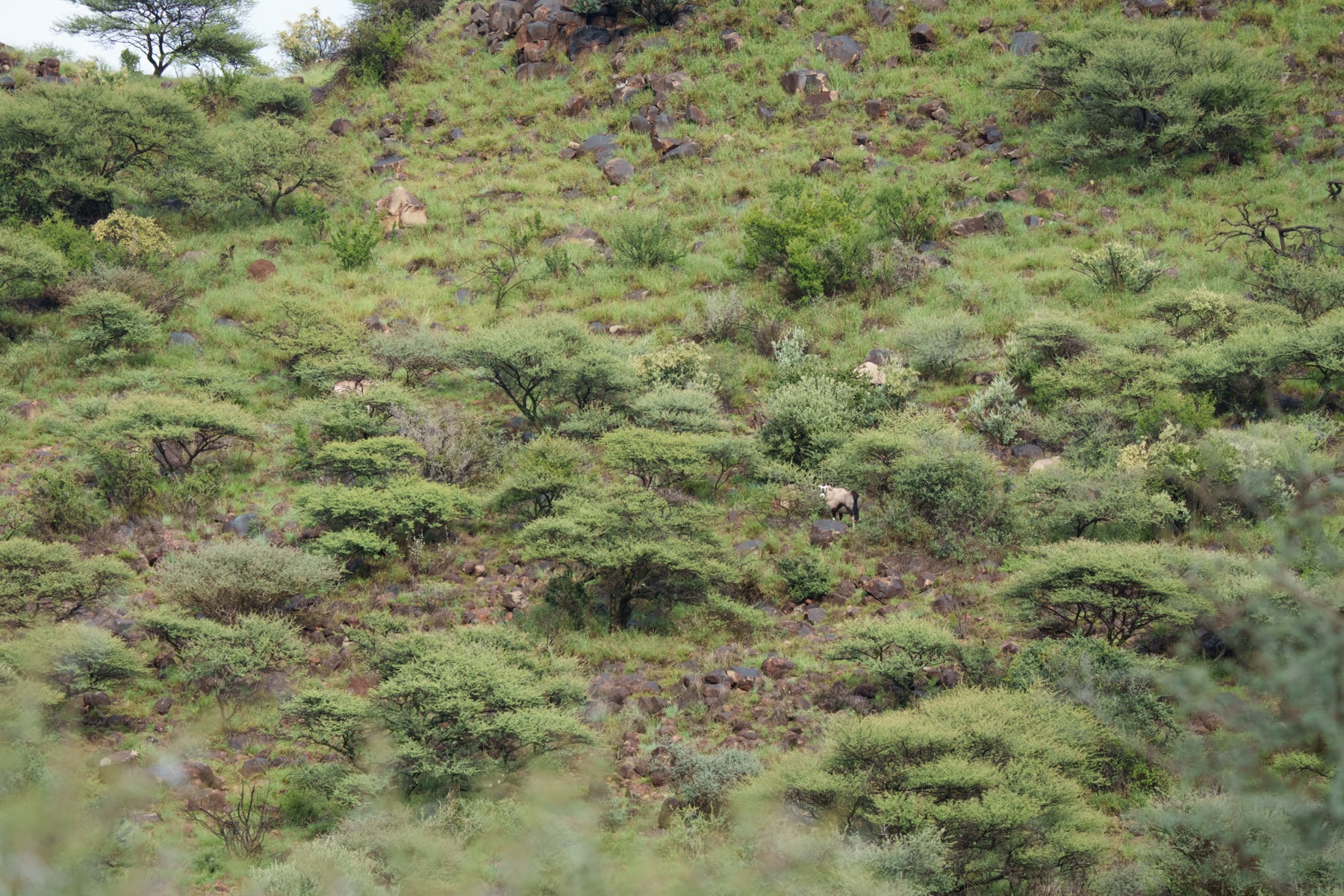
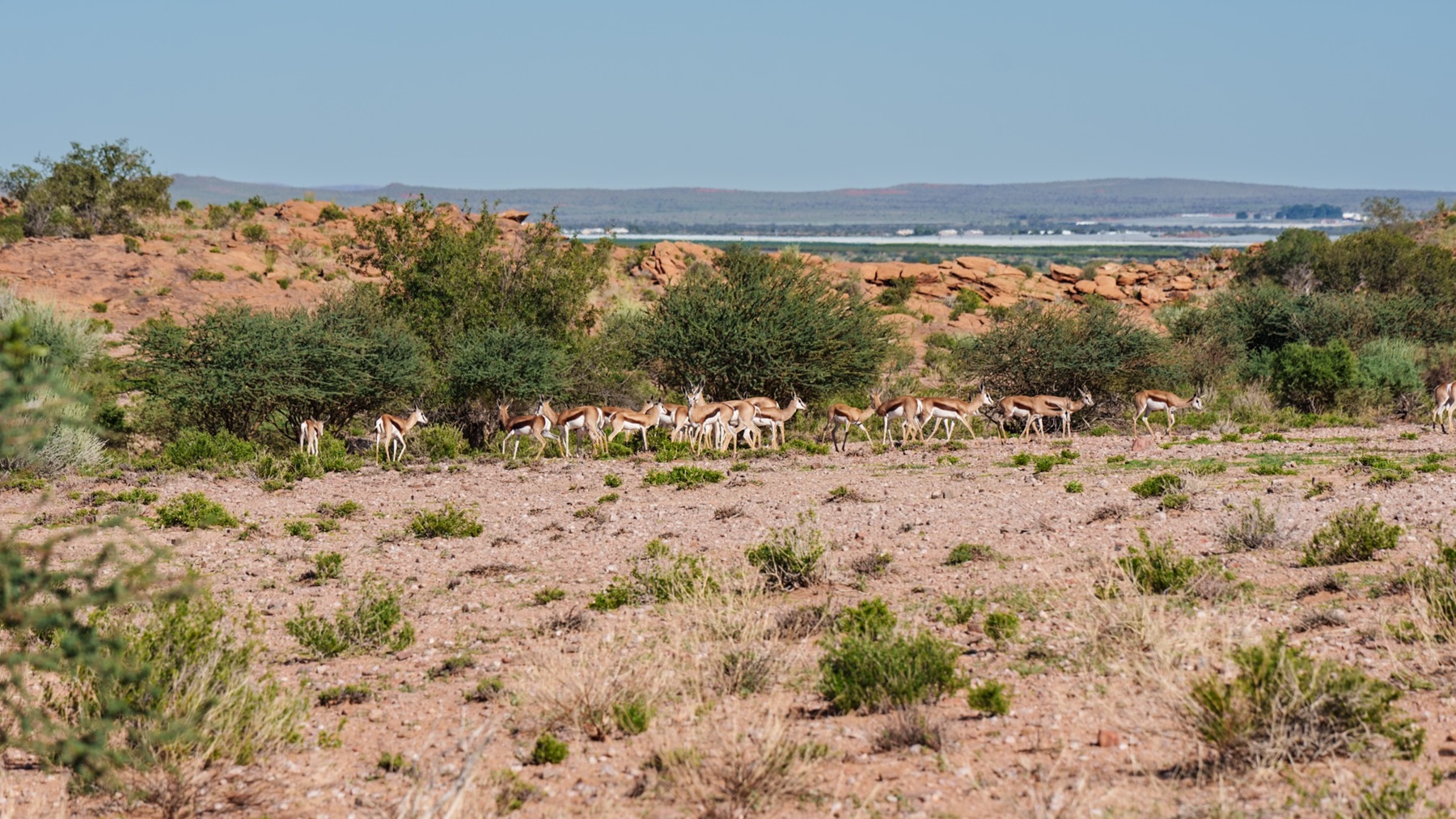
Most of the animals were far off in the hills,
although a few did come down to play in the mud.
In Britstown we got coffee, then heading to Graaff Reinet. At one stage it looked like the clouds might clear and I had some hope for astrophotography opportunities in Graaff Reinet, but this was not to be and by the time we reached Graaff Reinet, heavy clouds and light rain greeted us. At Ironstone cottage, I realised that the place was perfect for astrophotography, so immediately booked another stay there in July, hoping for better weather.
Thus ended our 12 day road trip, with a return home the next morning, fueled by Coffee and excellent Roosterkoek from the new Chargo Farm Stall in Graaff Reinet.
We woke up to the sound of light rain falling on our tents and quickly broke up camp, fearing a deluge like we had the previous day. However, the rain remained light. Soon we were on our way, once more marveling in the scenery.
We stopped at Proviand in Griekwastad for an excellent breakfast and coffee. Passing through Douglas, we decided to make a detour to view the confluence of the Orange and Vaal rivers. Sadly, not much is made to promote this as a tourist spot and the viewpoint and picnic site were in poor condition, badly letting down the natural beauty of the spot.
A Goliath Heron was doing its streches on a tree stump at the edge of the river.
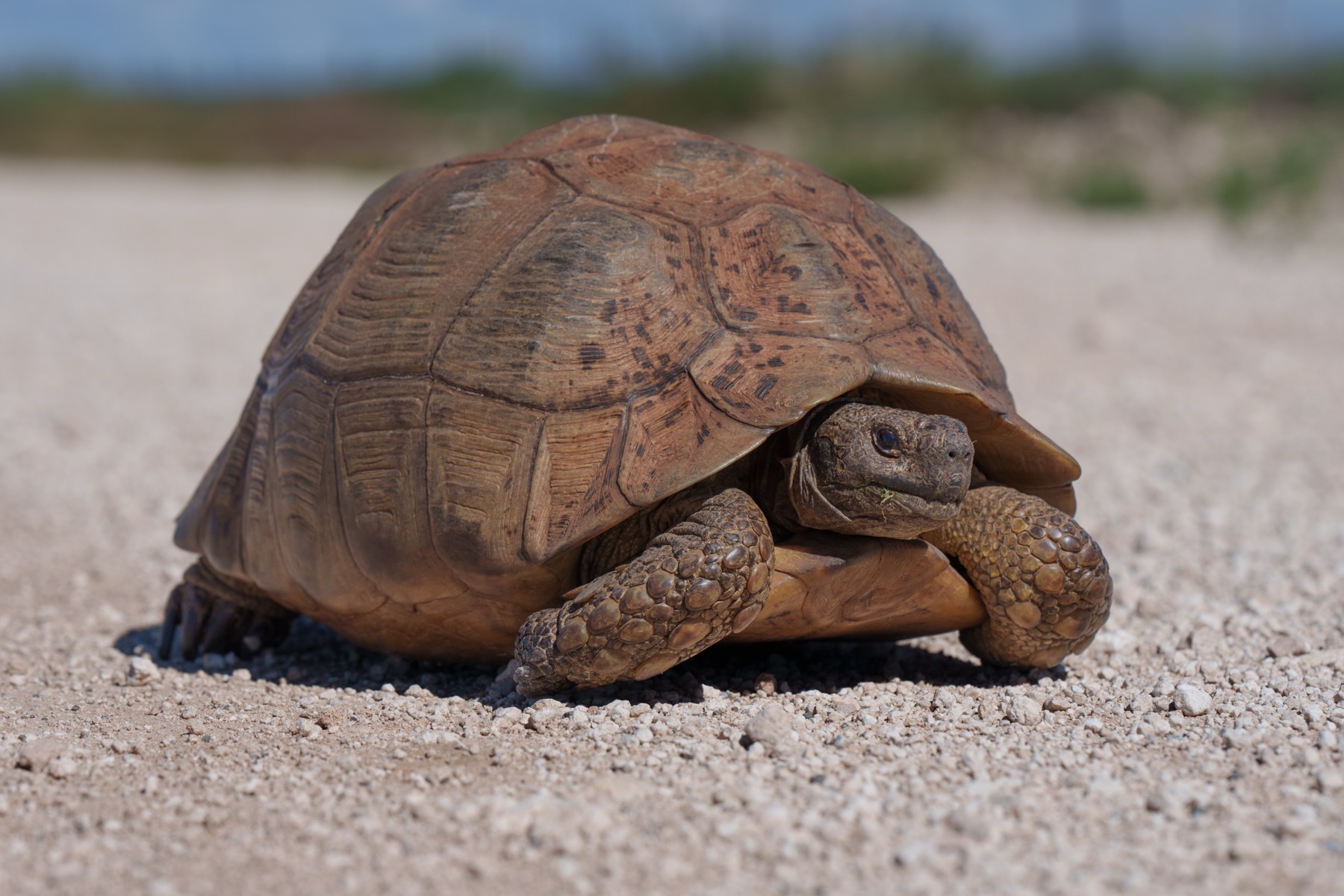
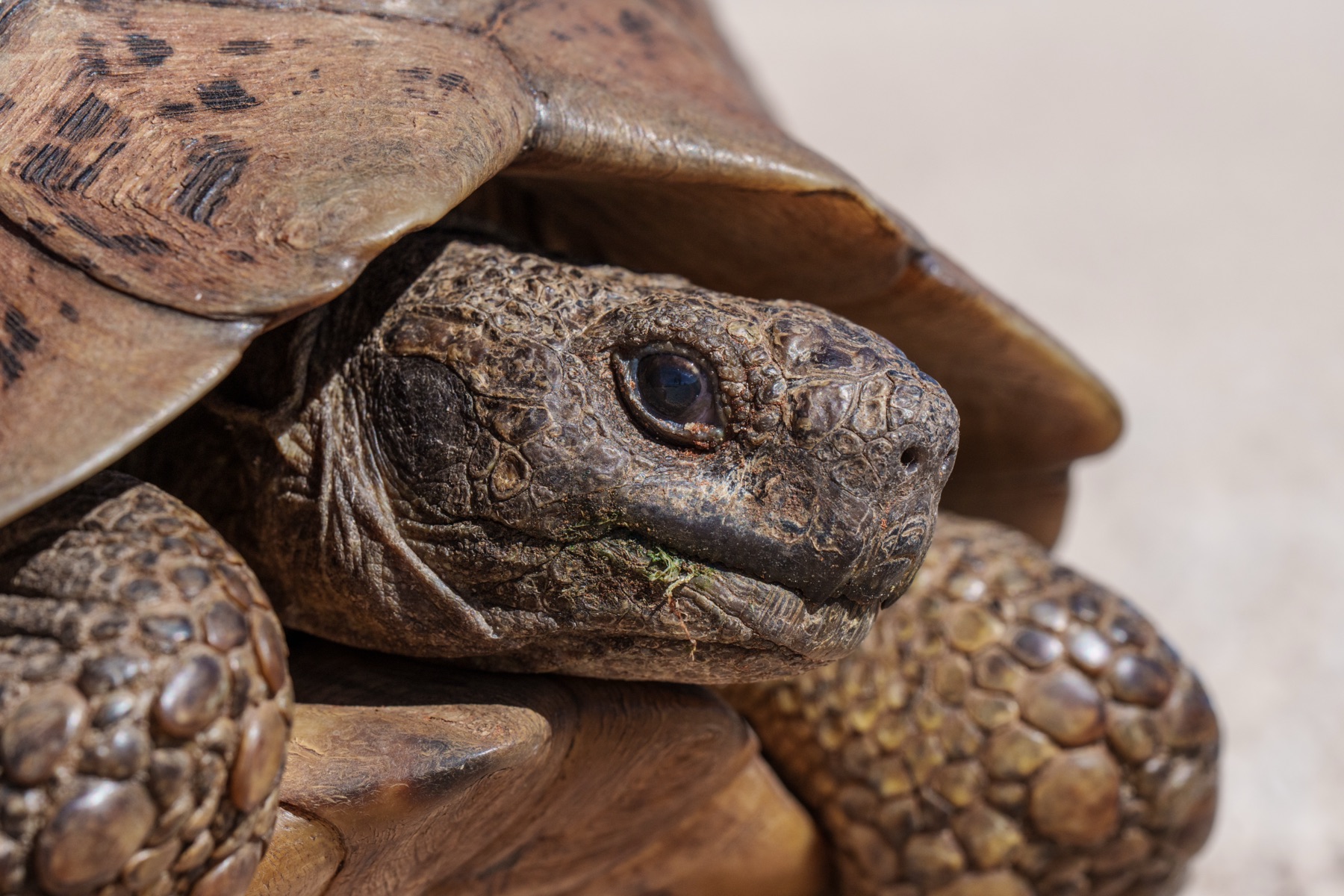
Approaching Mokala, we met up with two tortoises walking along the road, one of these refusing to be photographed, but the other quite happy to pose
At Mokala, we stayed at Haak en Steek, which consists of a two bedroom cottage and a few camp sites next to a water hole. We were greeted by a herd of Buffalo, coming to drink at the water hole.
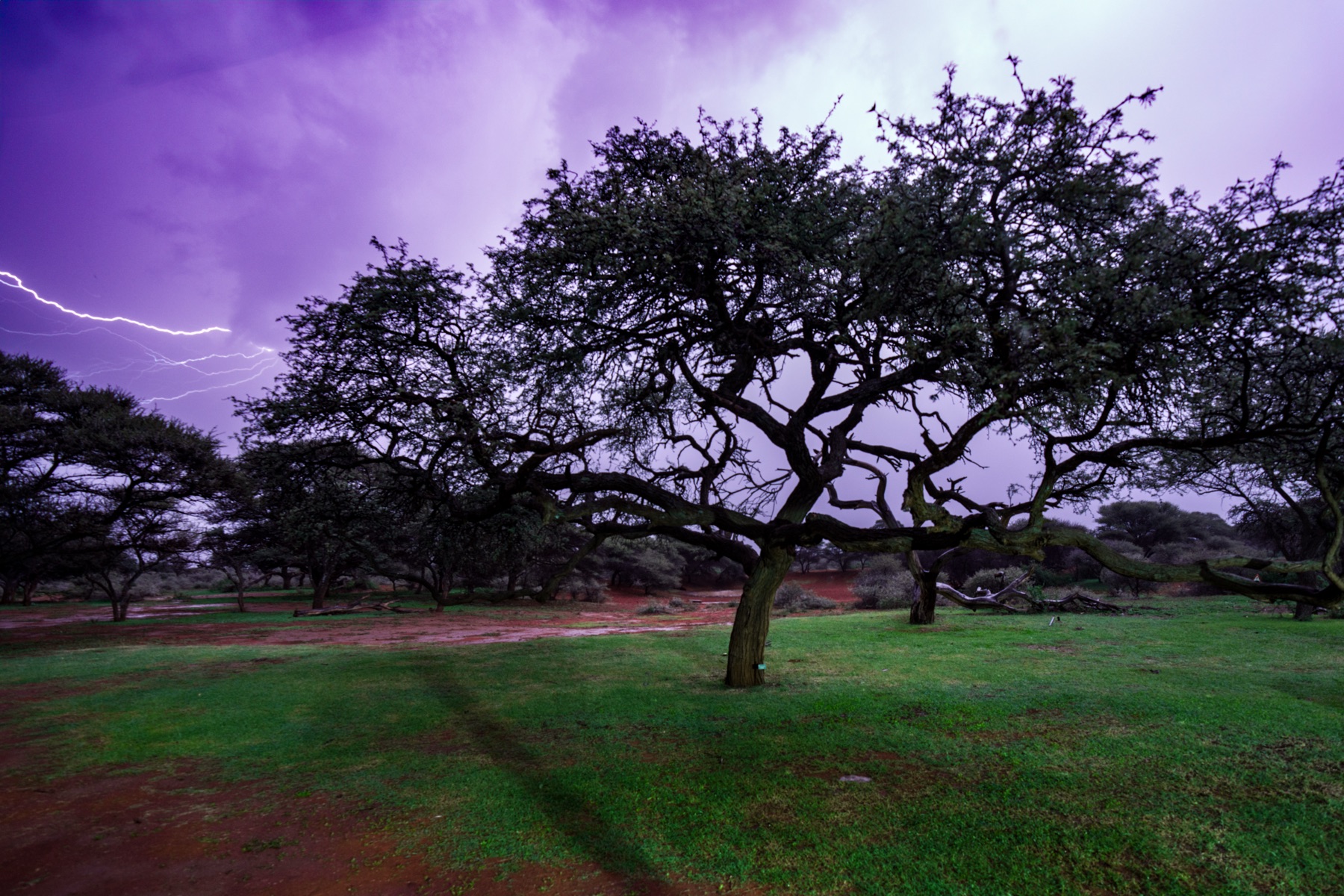
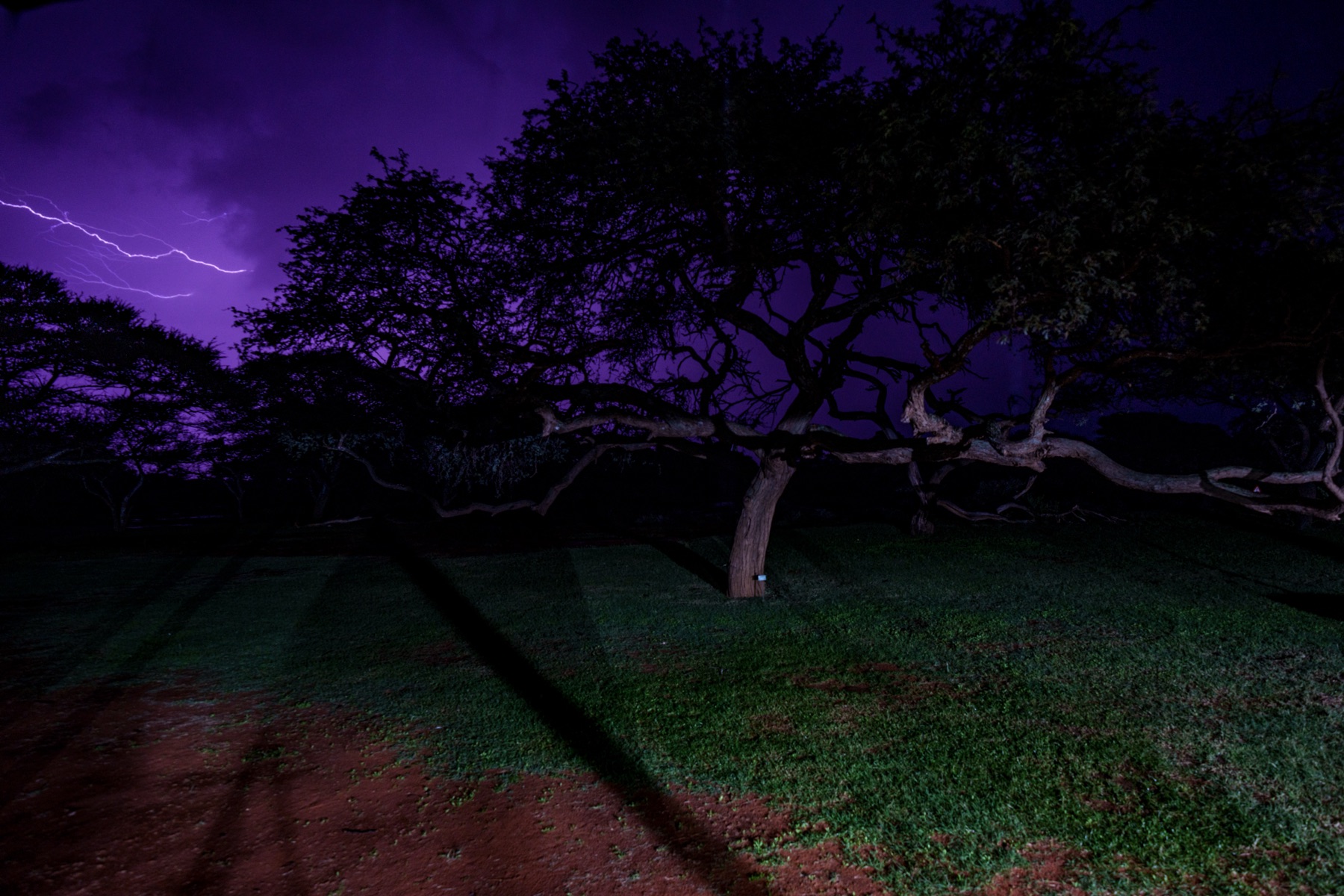
Soon the dark clouds started gathering and my plans for astrophotography got canceled. Instead, I tried some lightning photography. When the rain started coming down, we were very happy to have the option of sleeping in the cottage instead of our tents.
We woke up to a thunderstorm and pouring rain. Once again, it was decision time, since we had originally planned to take the gravel road between Van Zylsrus and Olifantshoek, but in the pouring rain and with recent rains having caused some damage to that road, this could be a risky choice.
Eventually we decided to take the tar road over Hotazel, Kuruman and Kathu to Olifantshoek, which is quite a detour.
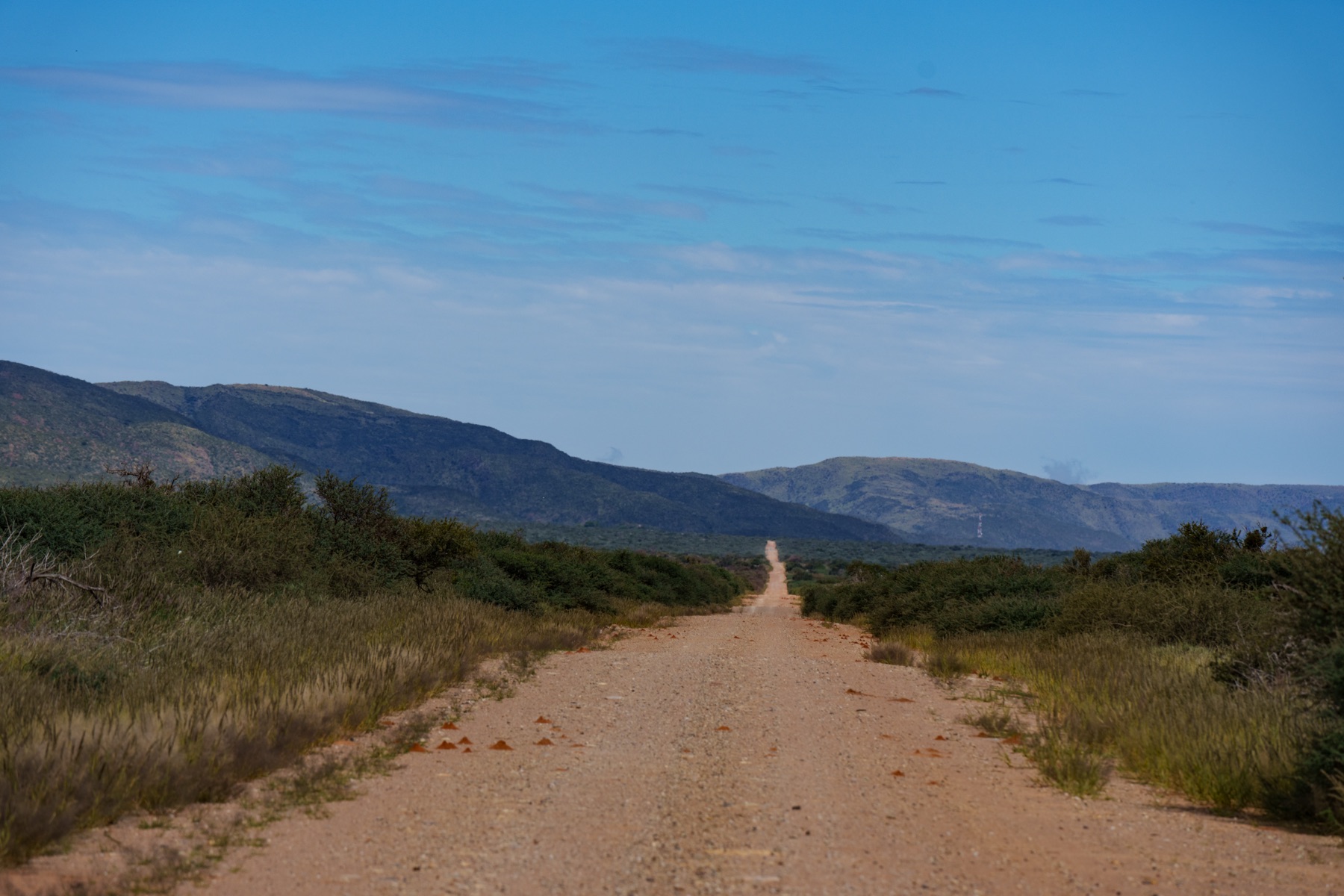
By the time we reached Olifantshoek, the rain had stopped and we were on the gravel road to Witsand for the last 75 km
Witsand is an interesting geological phenomenon, with white sand dunes in the otherwise red Kalahari sands. In the right conditions, these dunes make a roaring sound when you walk on them, but unfortunately, due to the recent rains, we did not get to experience this. Nonetheless, it was an interesting place to visit and a bit of a challenge climbing the dunes.
On the road to the dunes, we encountered a tortoise, having a drink from a pool of water left in the road after the recent rain
Climbing the dunes is thirsty work and we returned to our campsite under lovely shade between the trees, for a refreshing cold beer and a braai.
Having learned our lesson about not putting too much trust in Garmin and Google Maps, we got instructions from the owner at Van Zylsrus Hotel before setting out. A brief stop in Upington for breakfast and we were on our way, carefully watching the distance and signposts in order to follow instructions.
We couldn’t stop being surprised by the green and colourful Kalahari.
Van Zylsrus Hotel is a true oasis in the desert, albeit an unusually green desert during the time of our visit. The hotel is a hub of social activity for the locals as well as a favourite stopover for hunters and sleepover for people visiting Klein Jan Restaurant at Tswalu Game Reserve. A few days before our arrival in Van Zylsrus, Klein Jan Restaurant suffered major water damage due to a flash flood and had to close down temporarily.
We arrived to find the hotel bar overflowing with locals, some of whom had traveled up to 100 km from their farms and neighboring towns to visit with friends. Through the course of the afternoon, they started heading home and the hotel quietened down.
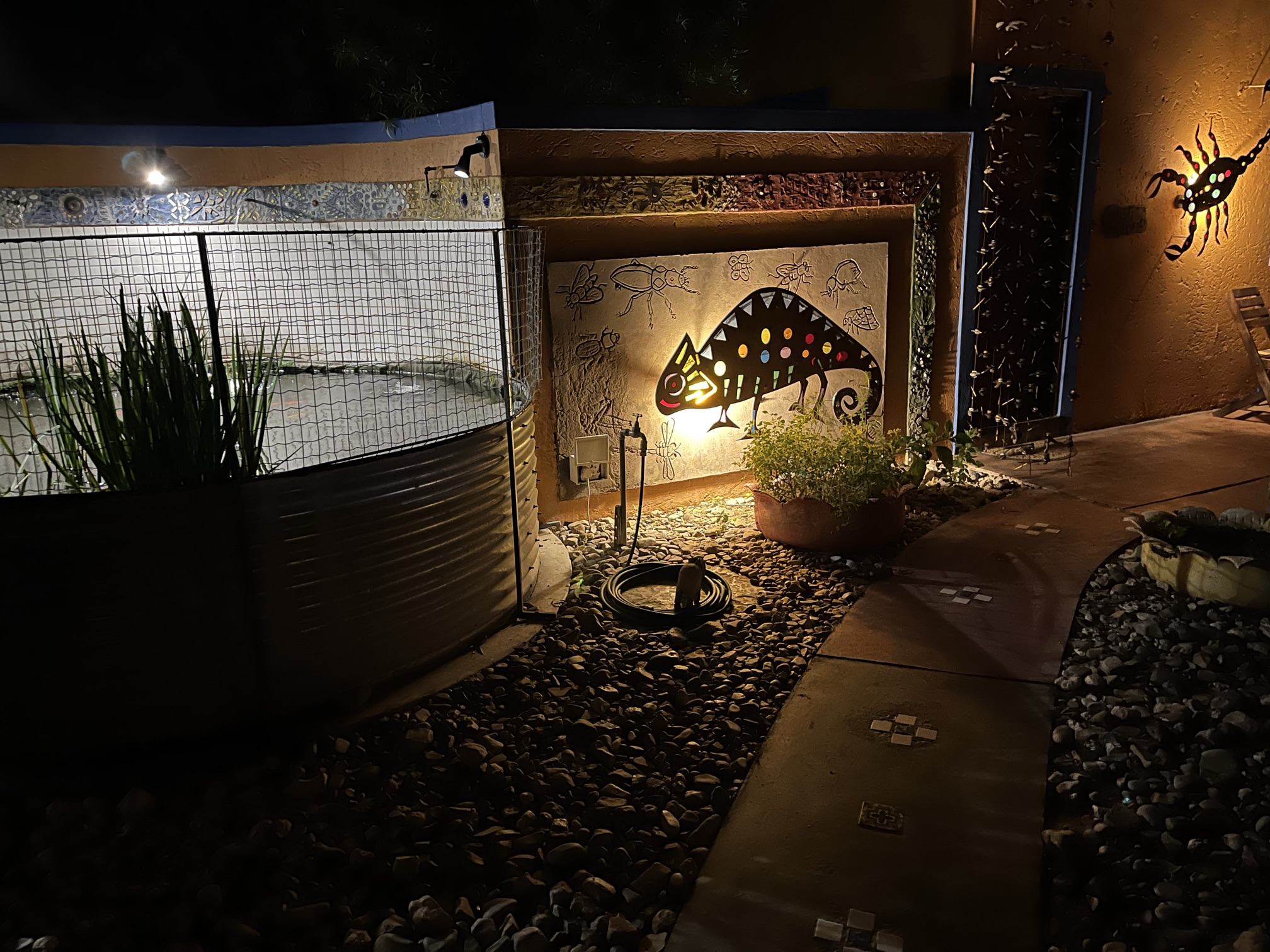
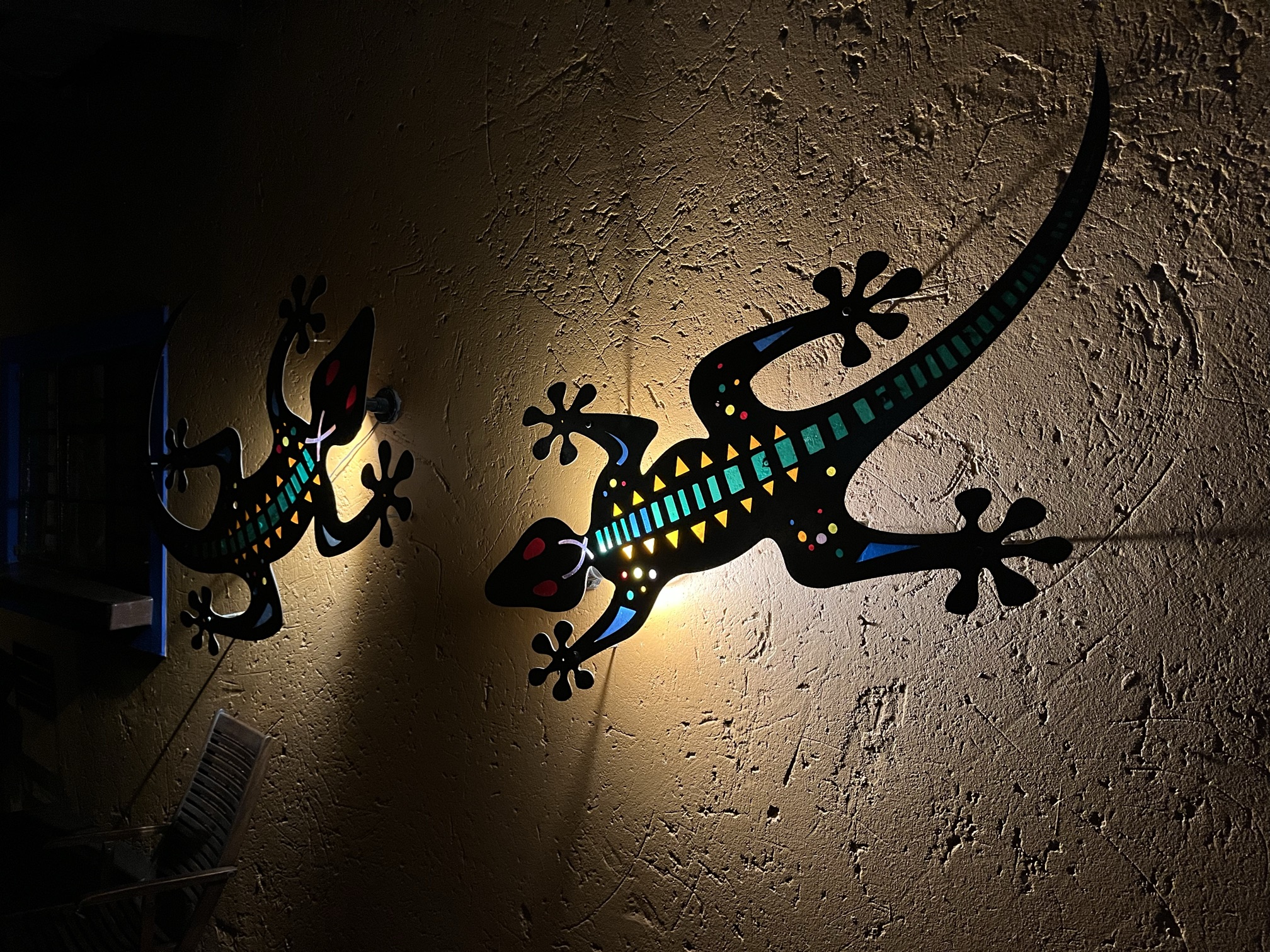
A walk through the hotel is an interesting experience in local art
Even the toilet seat lid in our bathroom was a piece of art.
After a relaxing cold beer in the bar, we had a great supper and went to bed early. Much as I enjoy camping, the occasional night in a hotel bed is a nice break from sleeping in a rooftop tent.
This was Good Friday and we spent a peaceful day at Khamkirri, going for an early morning 5km nature walk, broken halfway by a stop for Bible reading and contemplation.
On the right, in the distance, one can see the spray rising up from the Augrabies Falls
Getting back, we had a late brunch or rather early lunch, after which we lazed around and I finally managed to start catching up with my photo editing and blog writing.
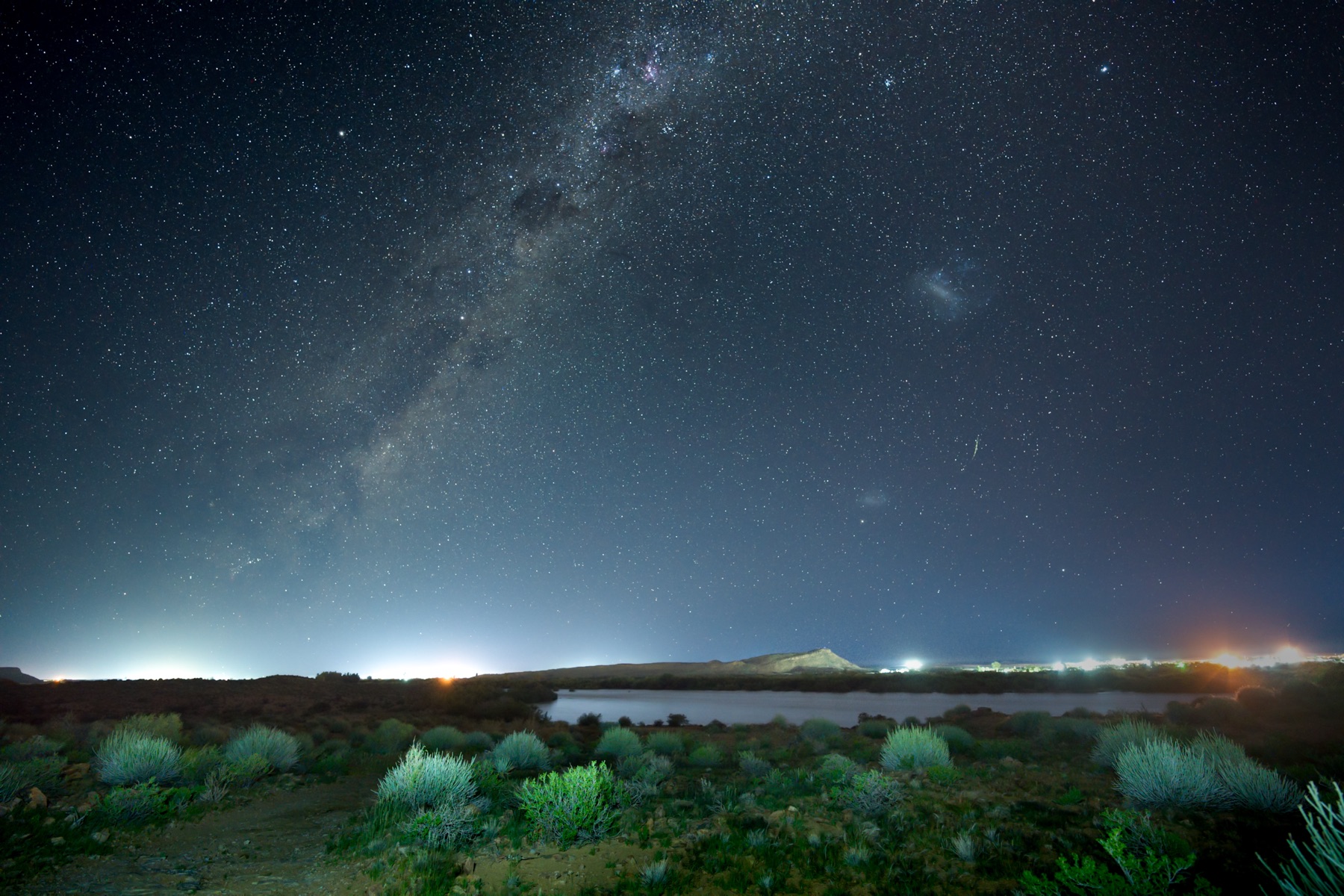
That evening was my first (and, as it later turned out last) real opportunity on the trip to do some astro photography and I managed to get a few pleasing shots by walking a few hundred meters away from the campsite.
We left Twee Rivieren early, planning to visit Augrabies Falls before moving on to our campsite at Khamkirri. Our first stop was Upington Slaghuis, where we topped up our meat supplies and had a chat with the locals, gathering good information for the rest of our trip.
Leaving Upington, we saw a road sign for Kanoniki Padstal and decided that it looked like an interesting stop for coffee. Turning off the road, we had our first view of a very full and fast flowing Orange River, crossing onto Kanon Island to the farm stall. We had excellent coffee and pancake and an entertaining chat with the owner.
Next was a fuel stop in Kakamas, with a visit to Tops in order to top up our beer supplies. On our way to Augrabies Falls, we made a stop at Marchant butchery, where we had previouly bought excellent curry beef sosaties.
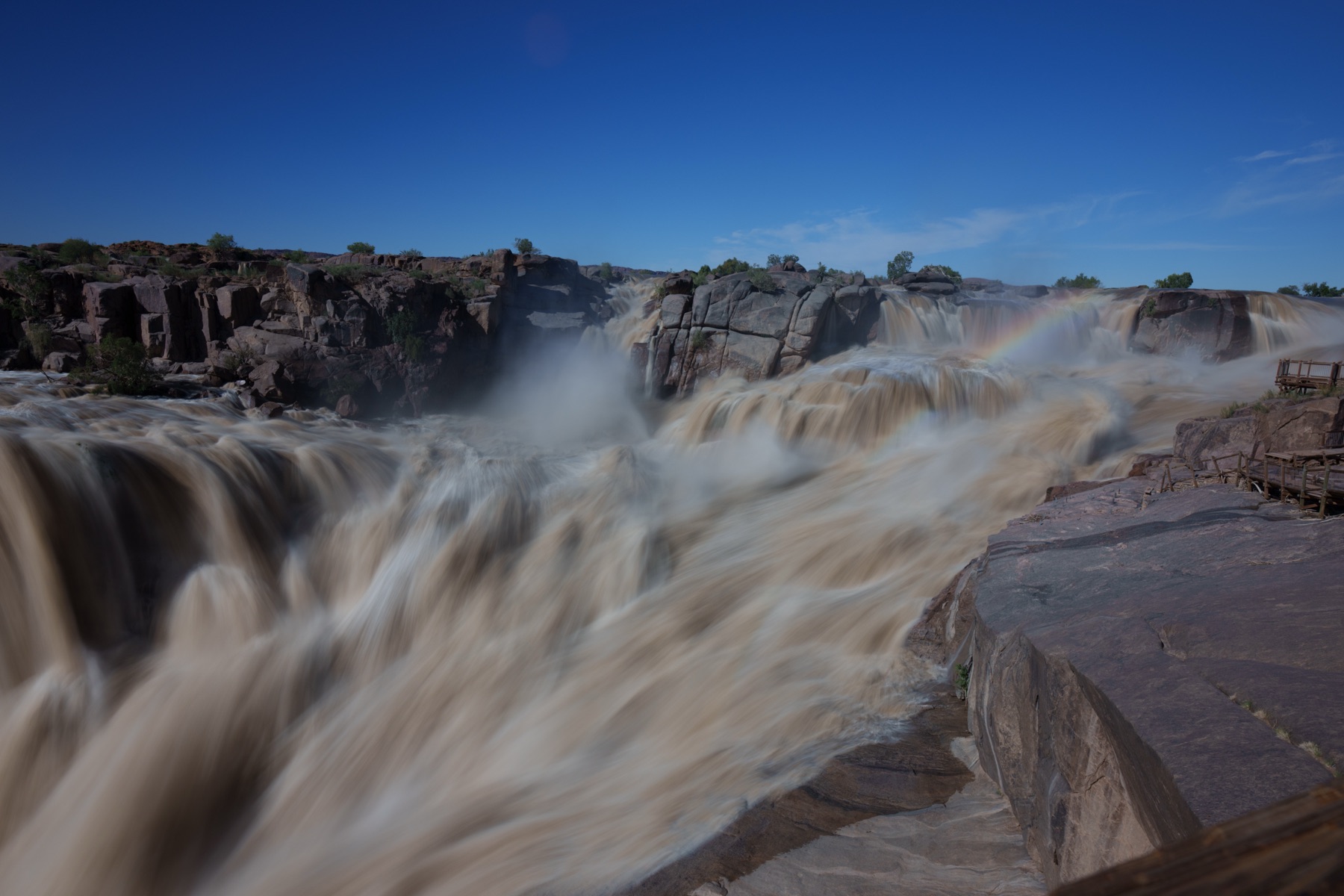
At last, we were on our way to Augrabies Falls, getting there 2 hours later than planned, but still well in time to view the Falls in all their glory. I had long wished to visit the Augrabies Falls at a time of high flow, our previous visits having been at times when water levels were much lower. This time we were told the flow was just under 3000 cumec, compared to our previous visits at around 600-800 cumec.
Further below the falls, one could experience rain coming up from below, with pretty rainbows around.
Properly soaked from the falls’ spray and exhilirated, we turned for Khamkirri and learned not to trust Garmin or Google maps for navigation in these regions, since they seemed to conspire to lead us to a dead end.
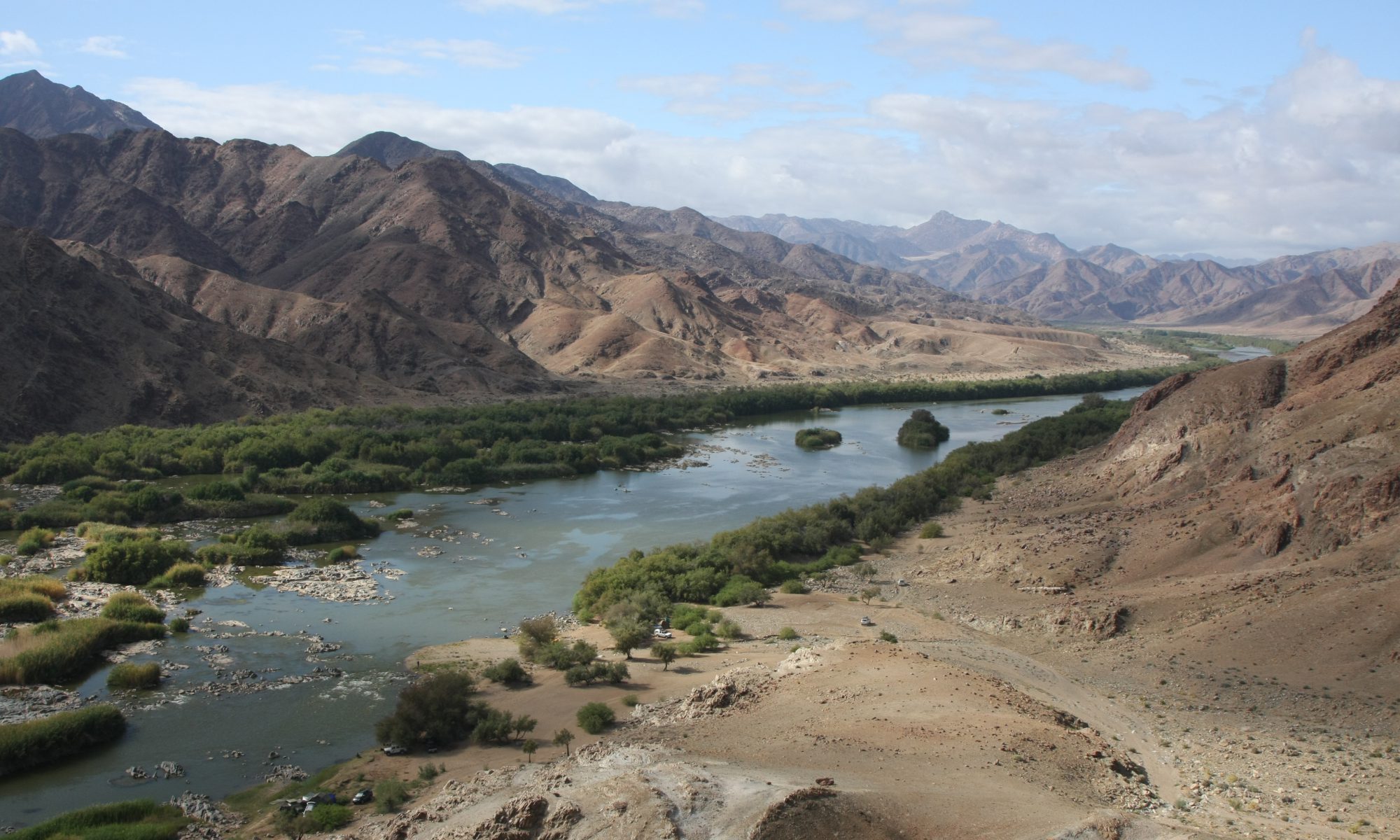
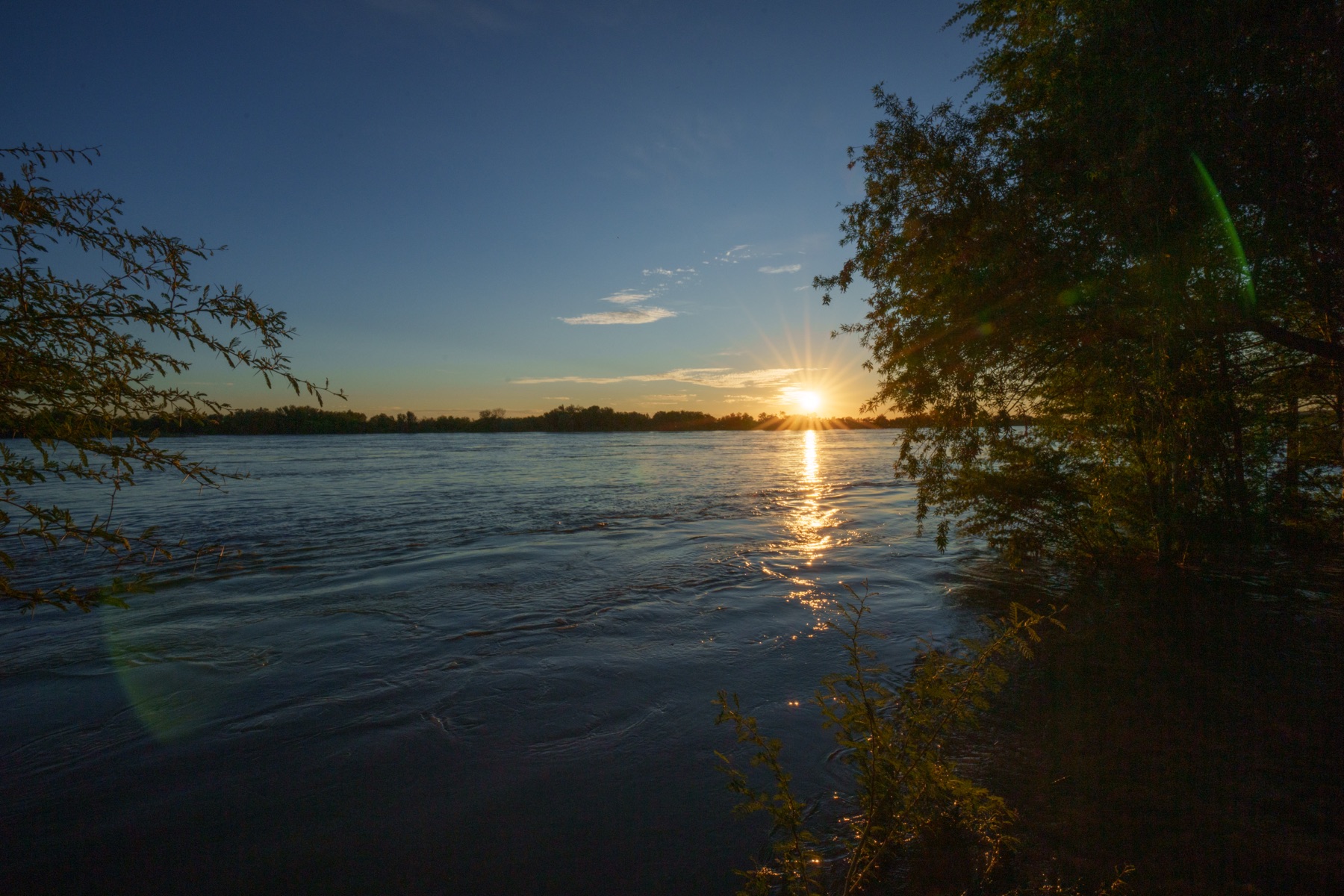
After phoning Khamkirri reception for instructions, we eventually managed to get there just in time to see a magnificent sunset over the Orange river.






































 Etienne's Camera