Pemba Island Diving: Day 5, getting better with the cameras

As our confidence in underwater photography and videography grew, we increasingly looked forward to each day’s dives. The morning routine—early coffee, breakfast, and gearing up—had become second nature.

This day, the dive center was noticeably busier than before, dispatching two boats full of divers. For our first dive, Mudy guided us once again. On the second, Michael suggested we dive with him so he could provide more hands-on help with my camera settings.

Both dives were outstanding, filled with incredible sights and encounters. We spotted some impressive large fish in deeper water, though I didn’t attempt to photograph them—I’d opted for the macro lens that day, having found it delivered far better results than the wide-angle.

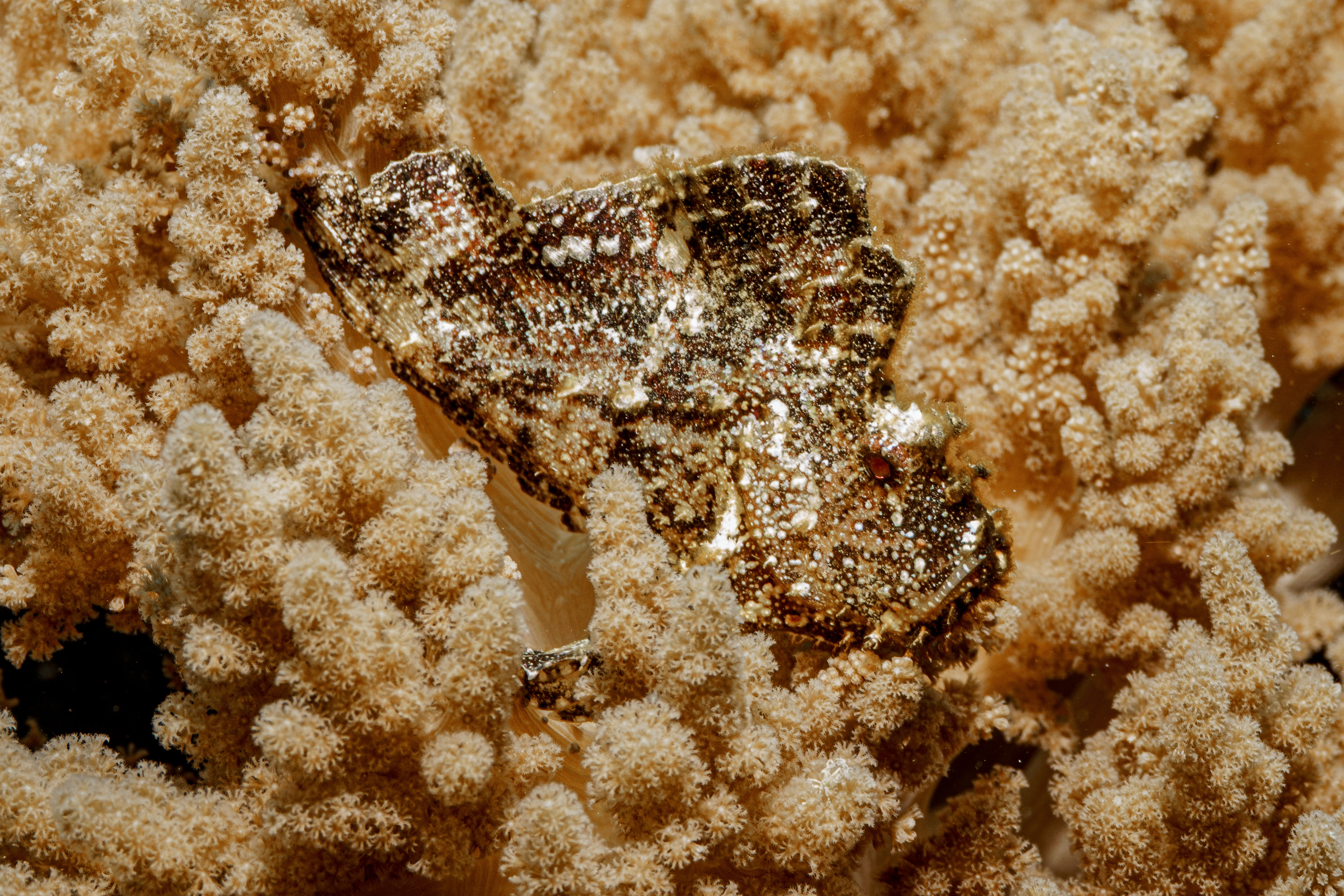
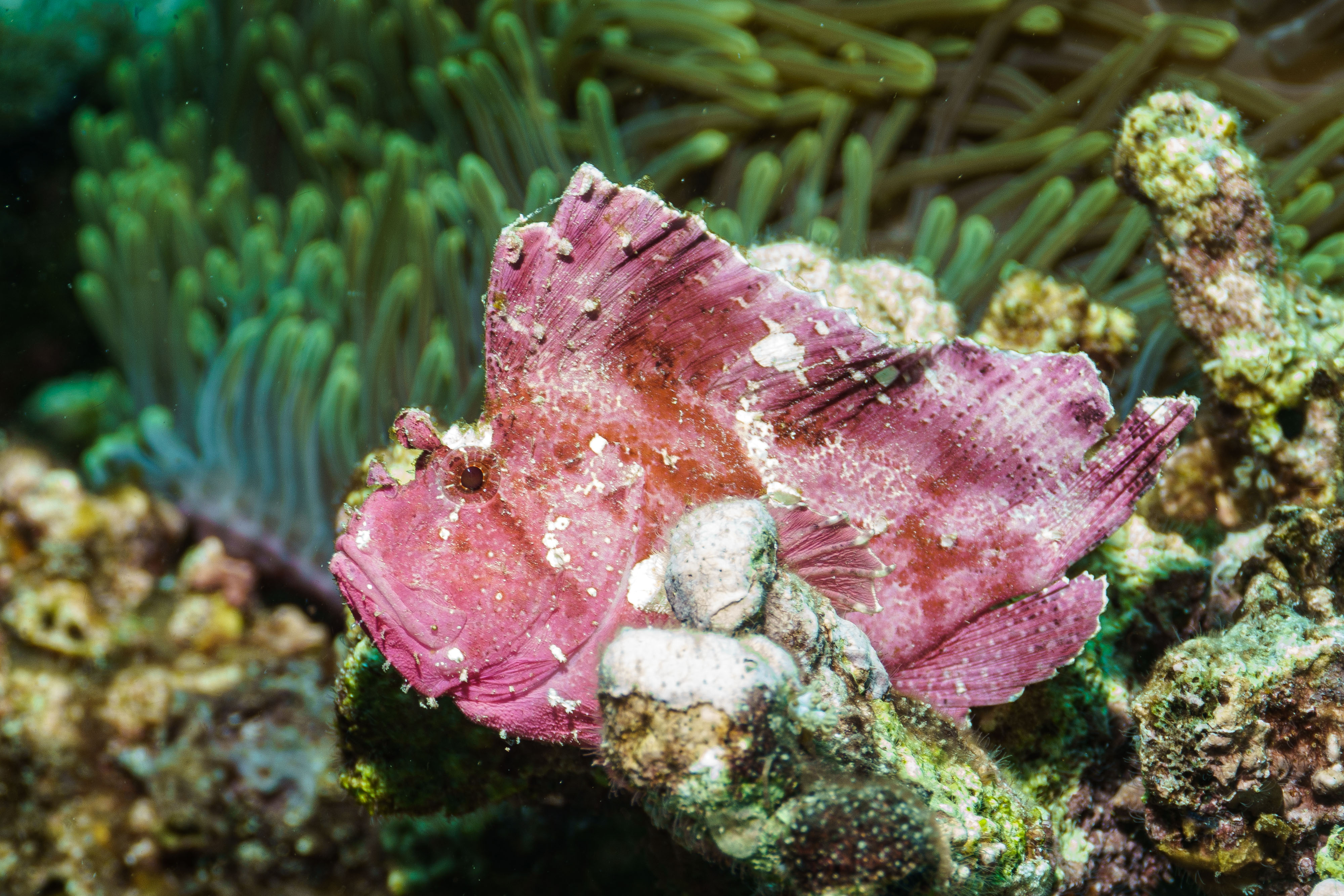
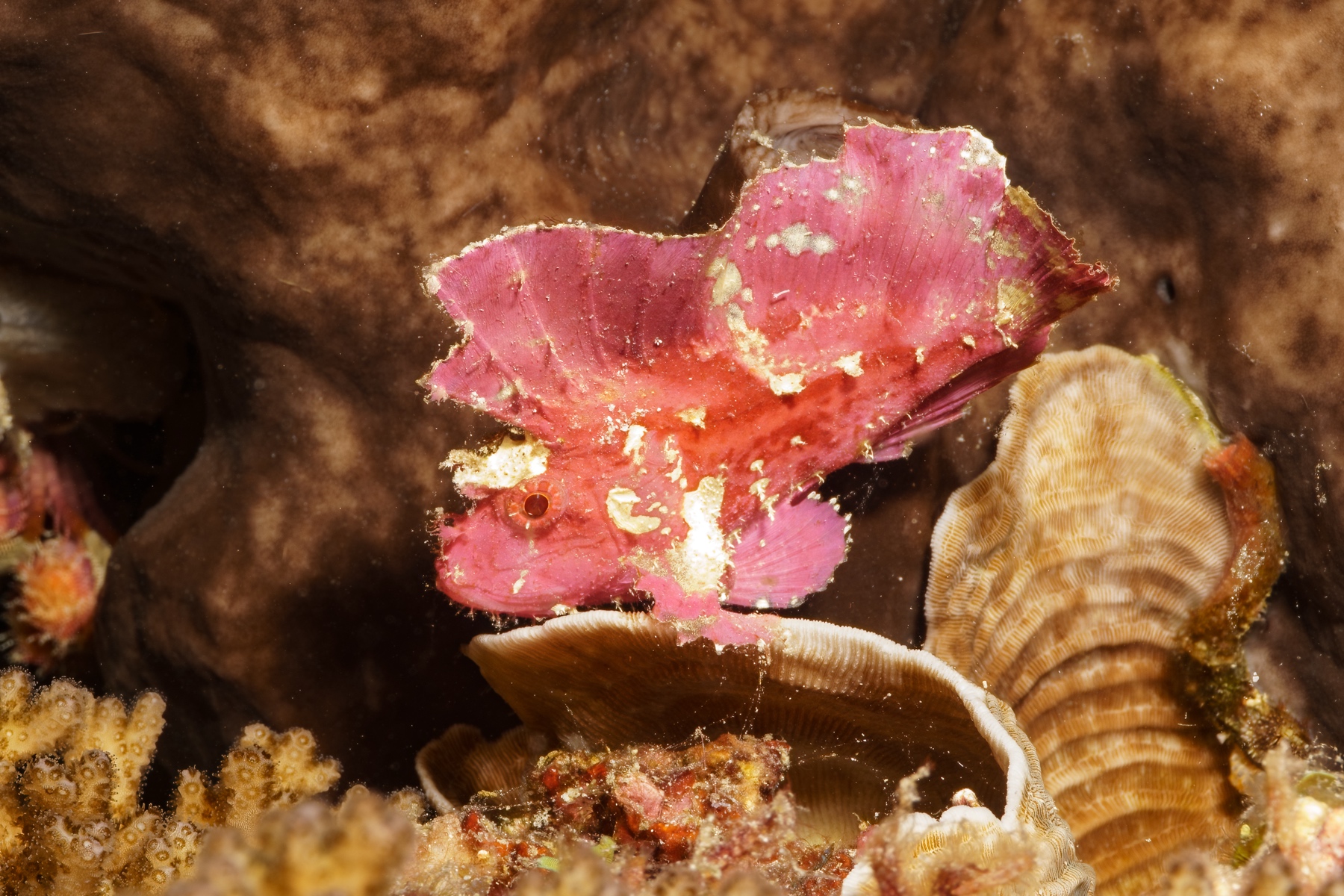
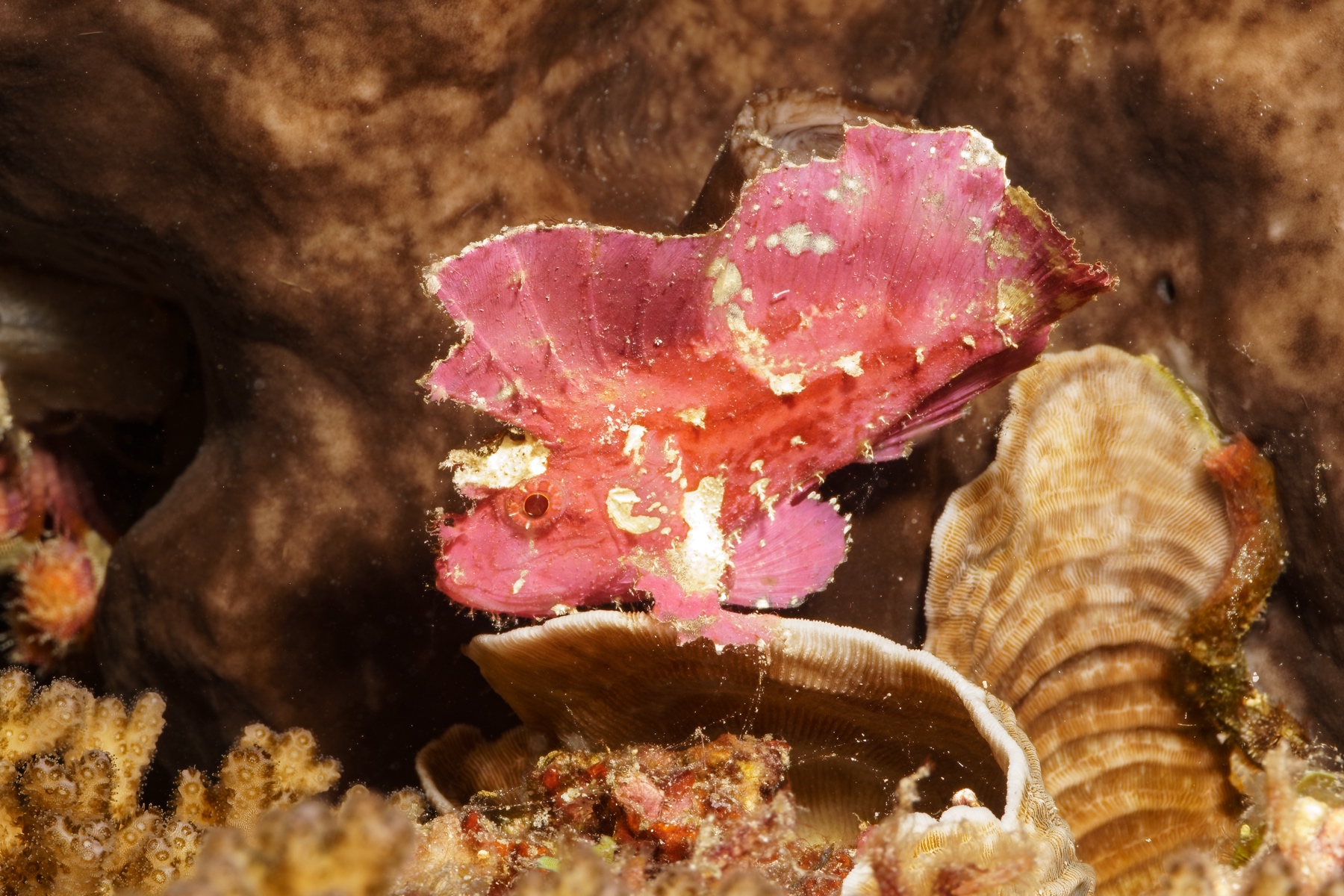
Almost immediately after descending, we came across a stunning leaf fish.
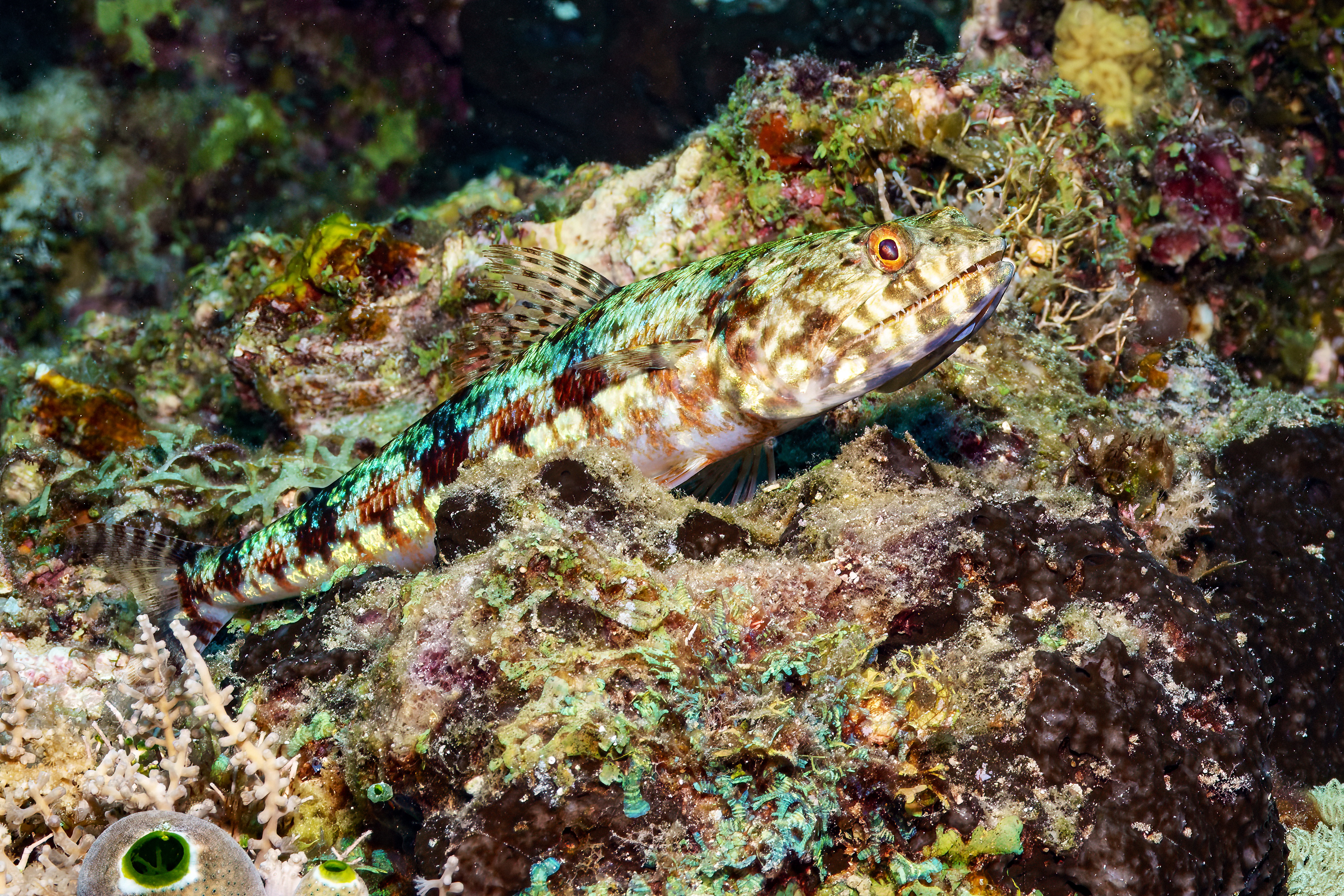
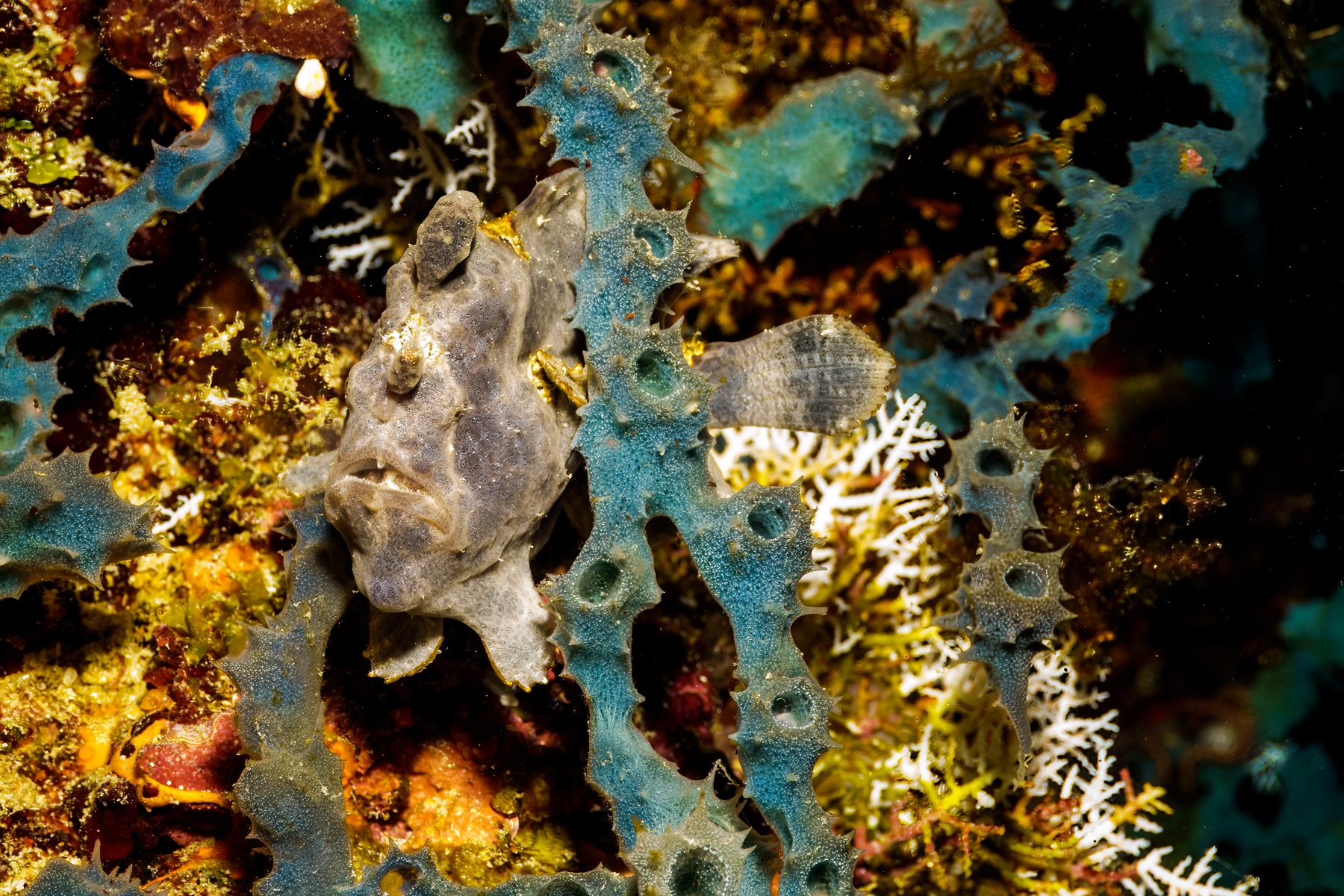
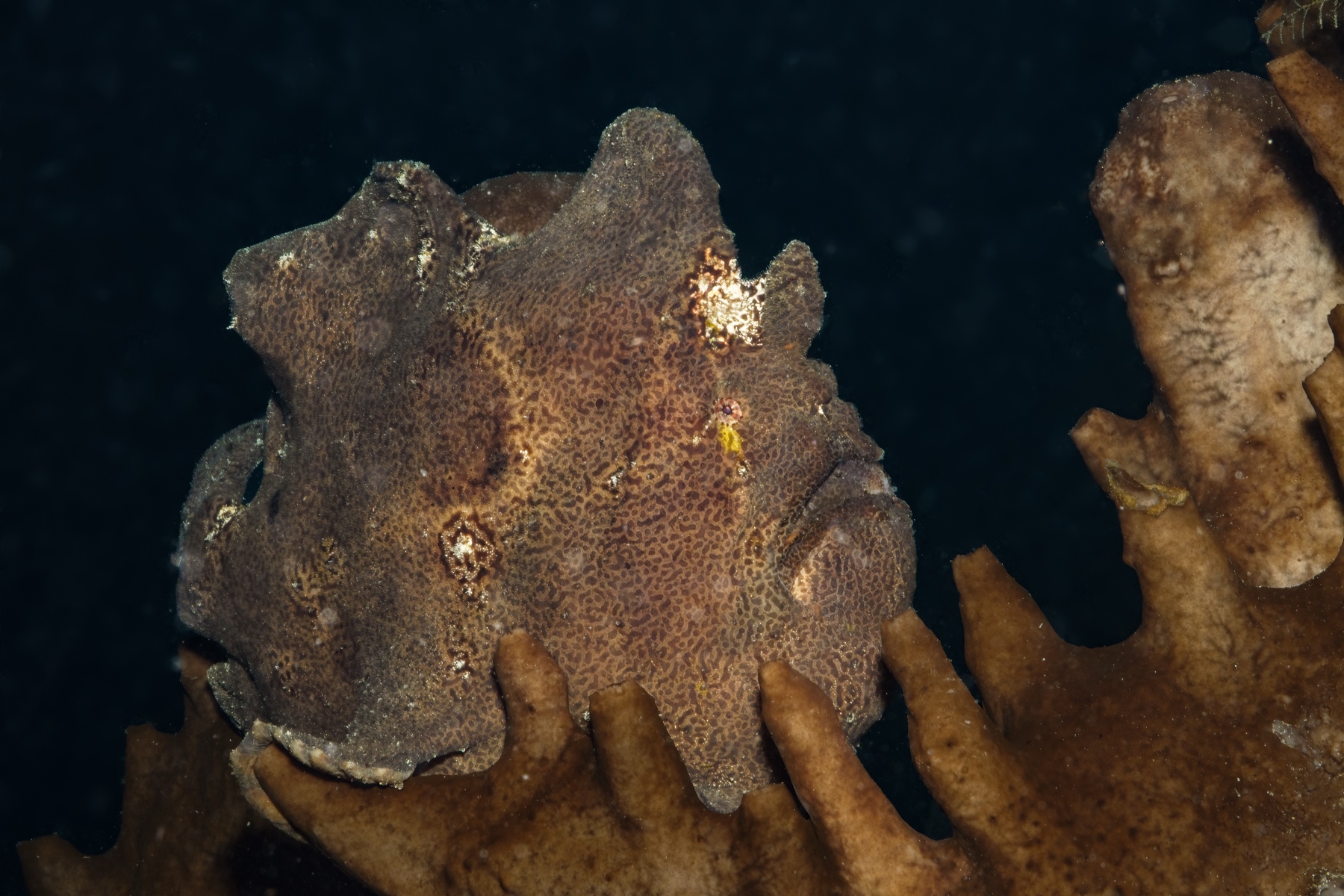
This was soon followed by a frogfish, so well camouflaged that I would definitely not have seen it if Mudy had not pointed it out.
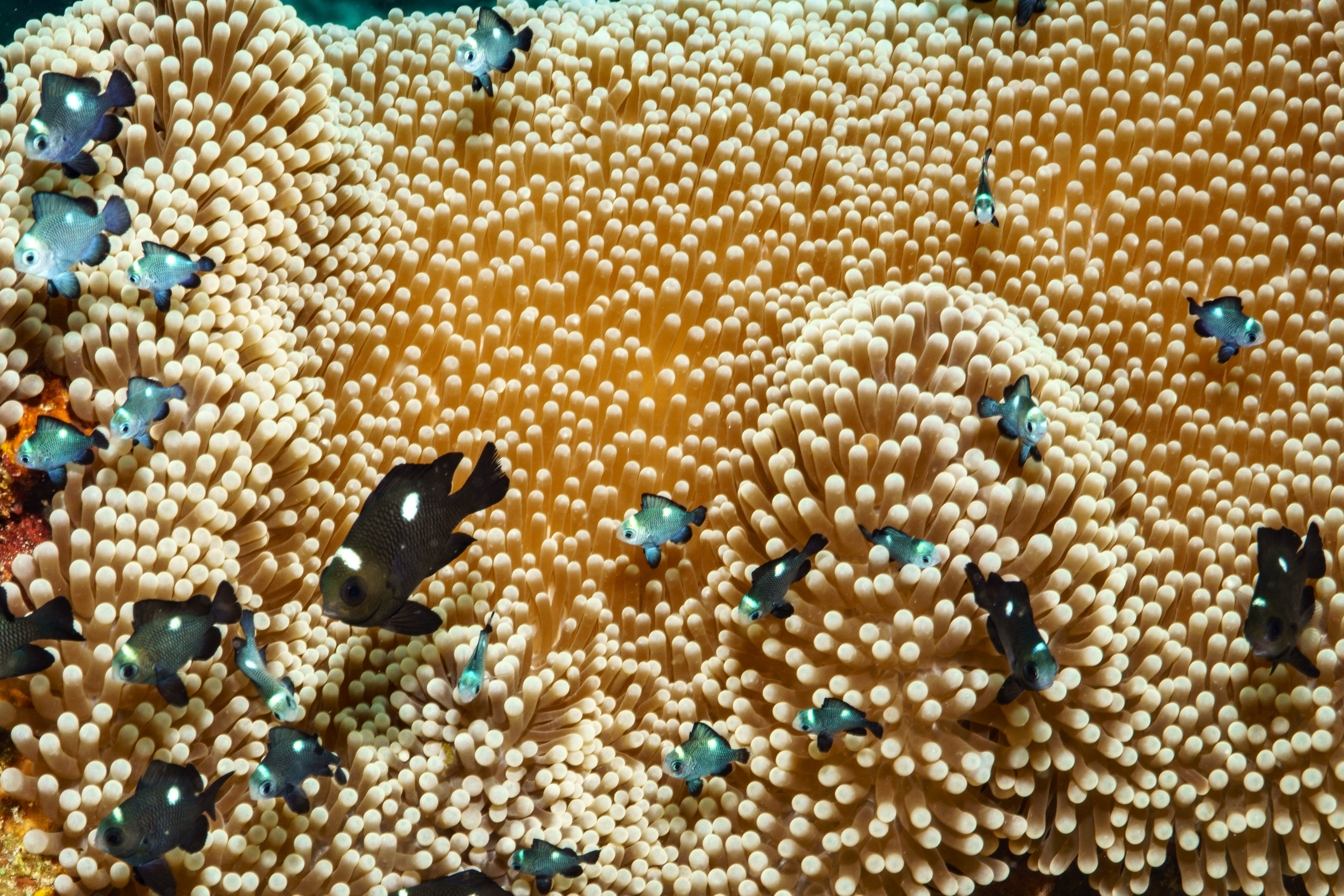
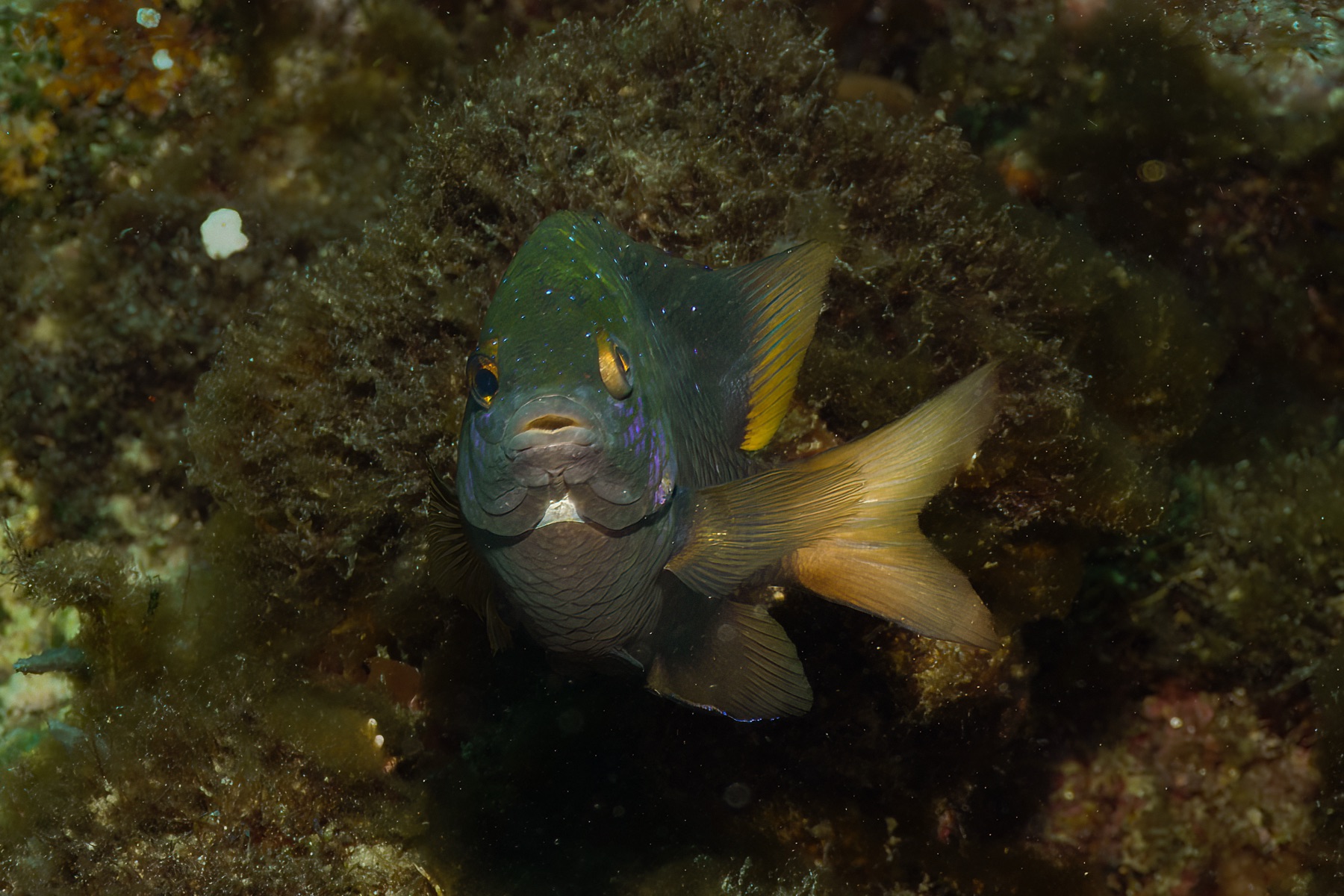
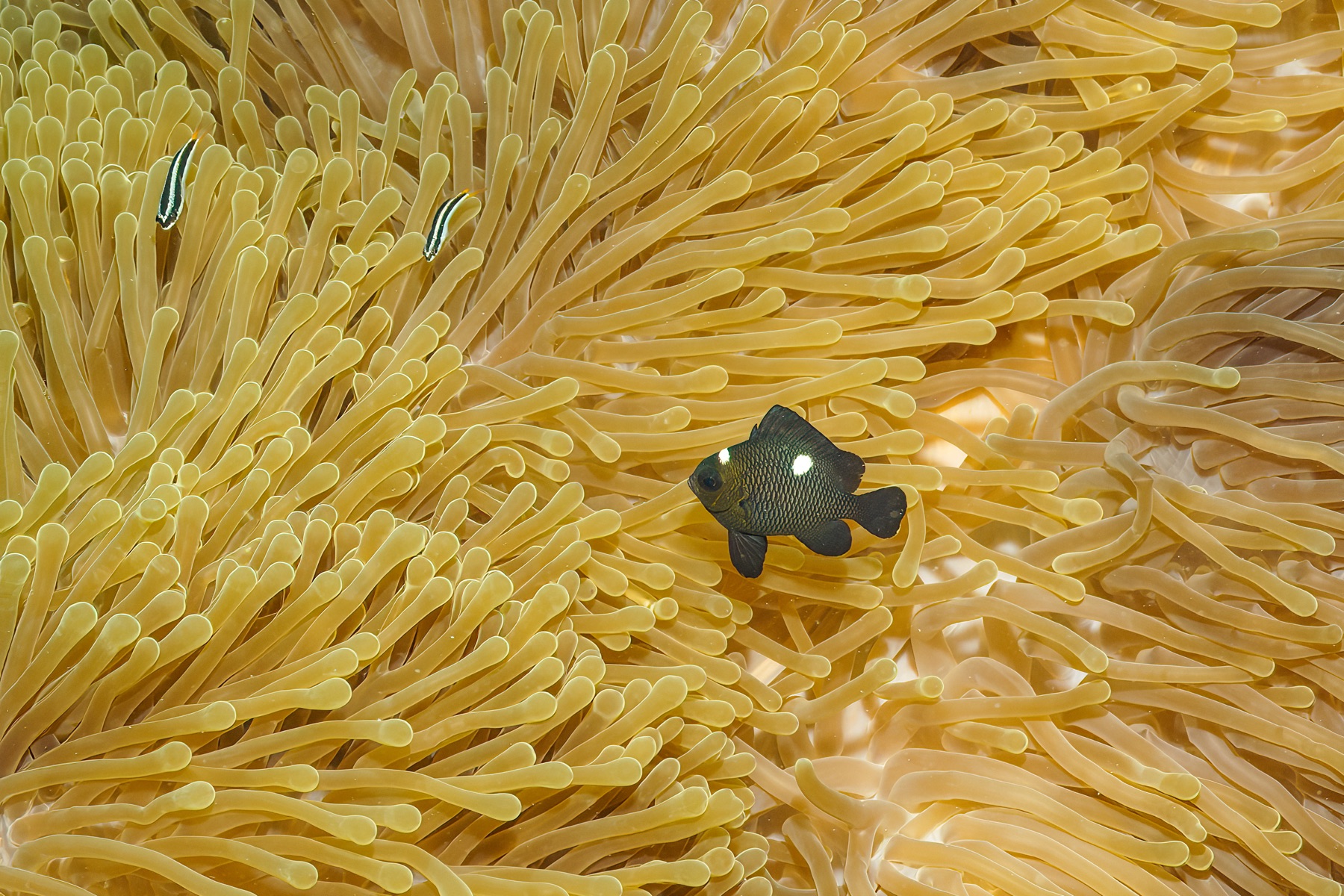
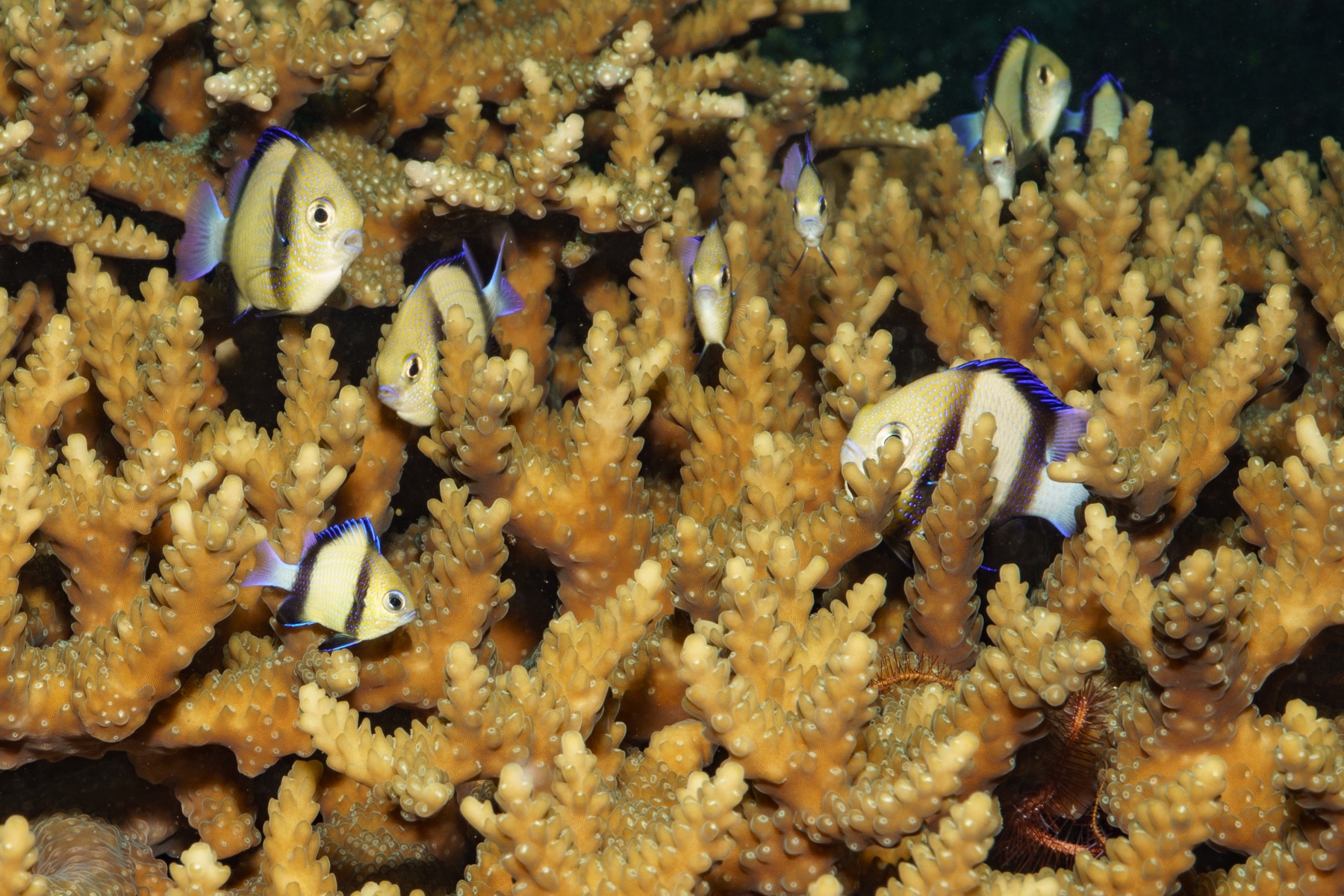
We were entertained by damselfish swimming around in the coral.
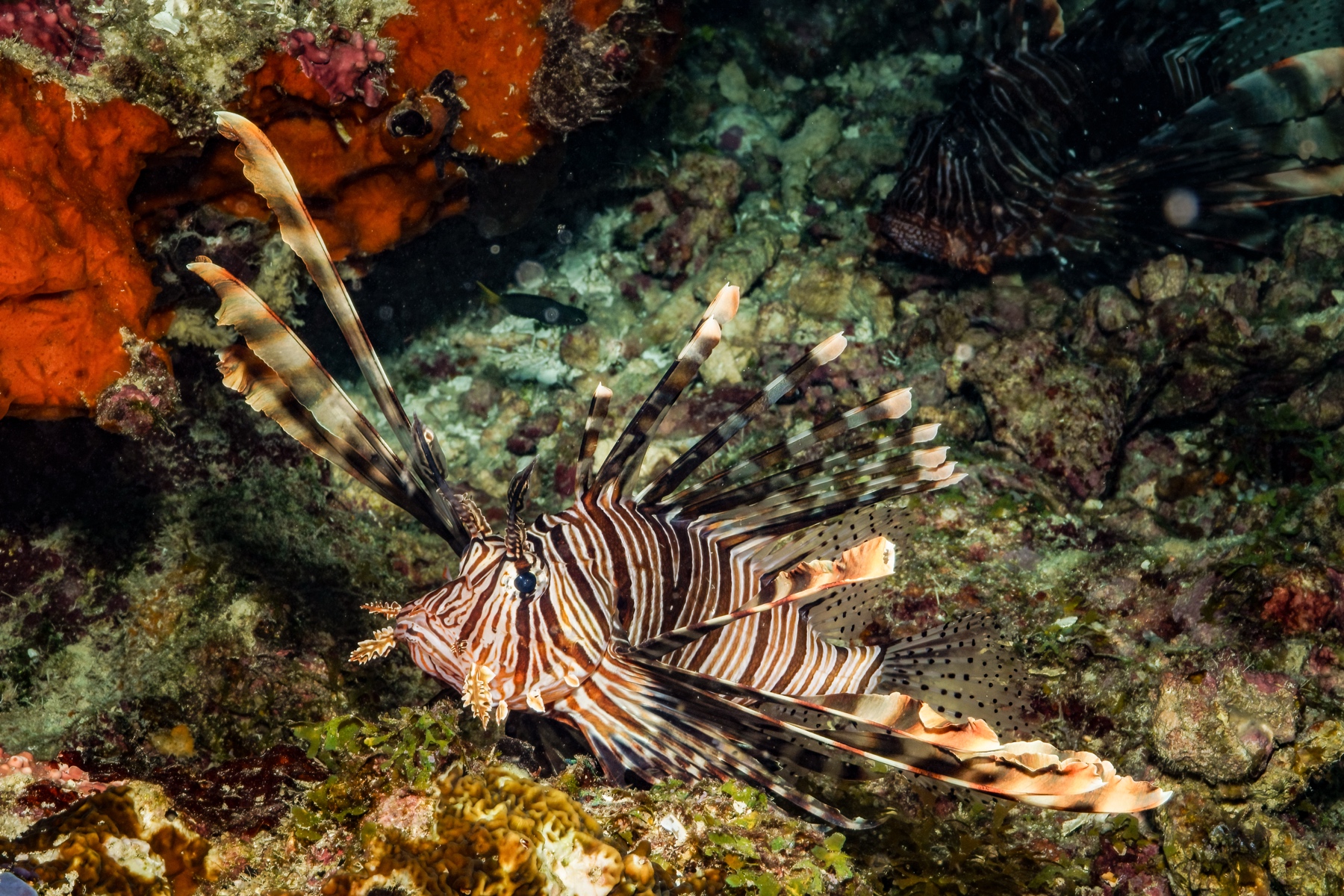
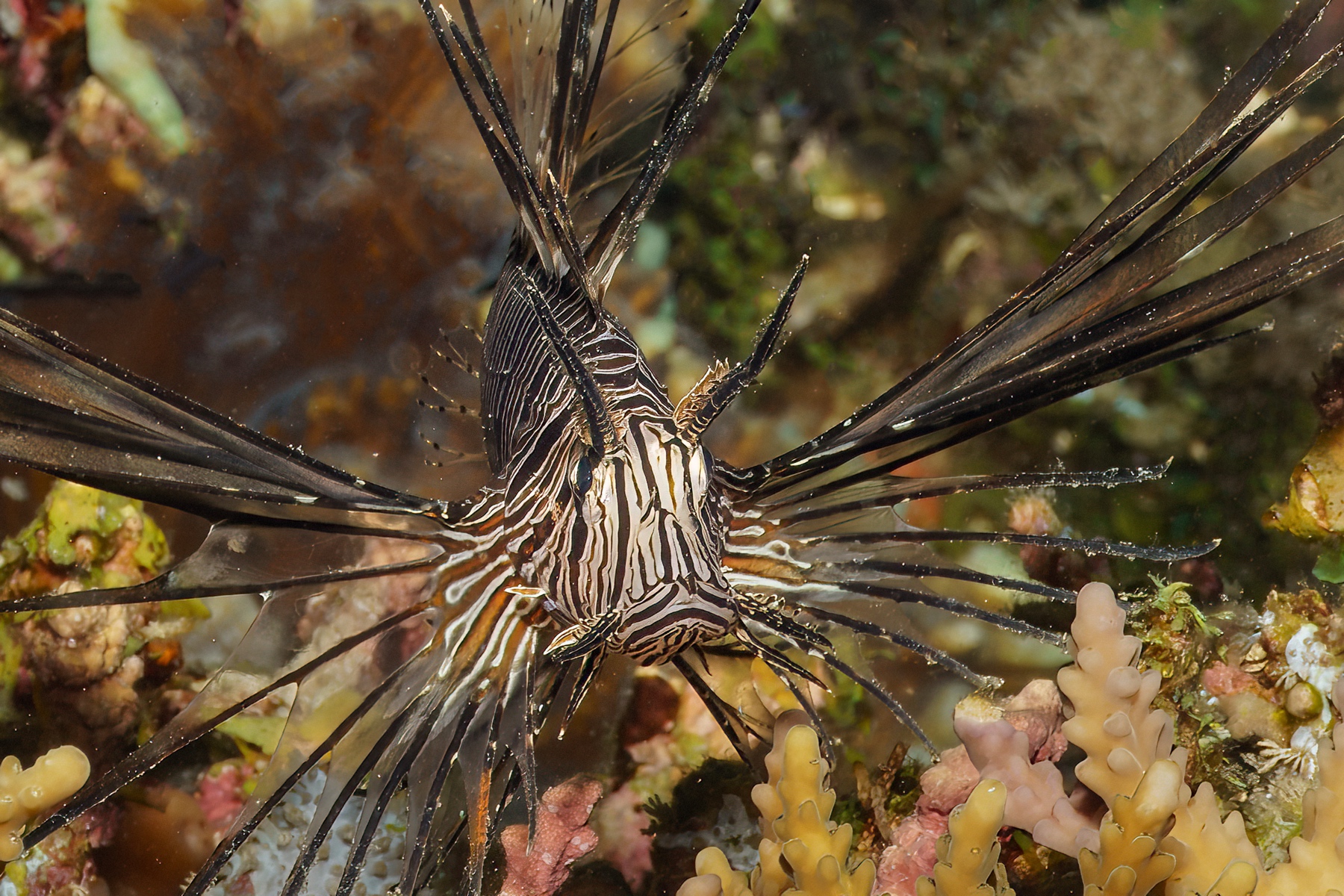
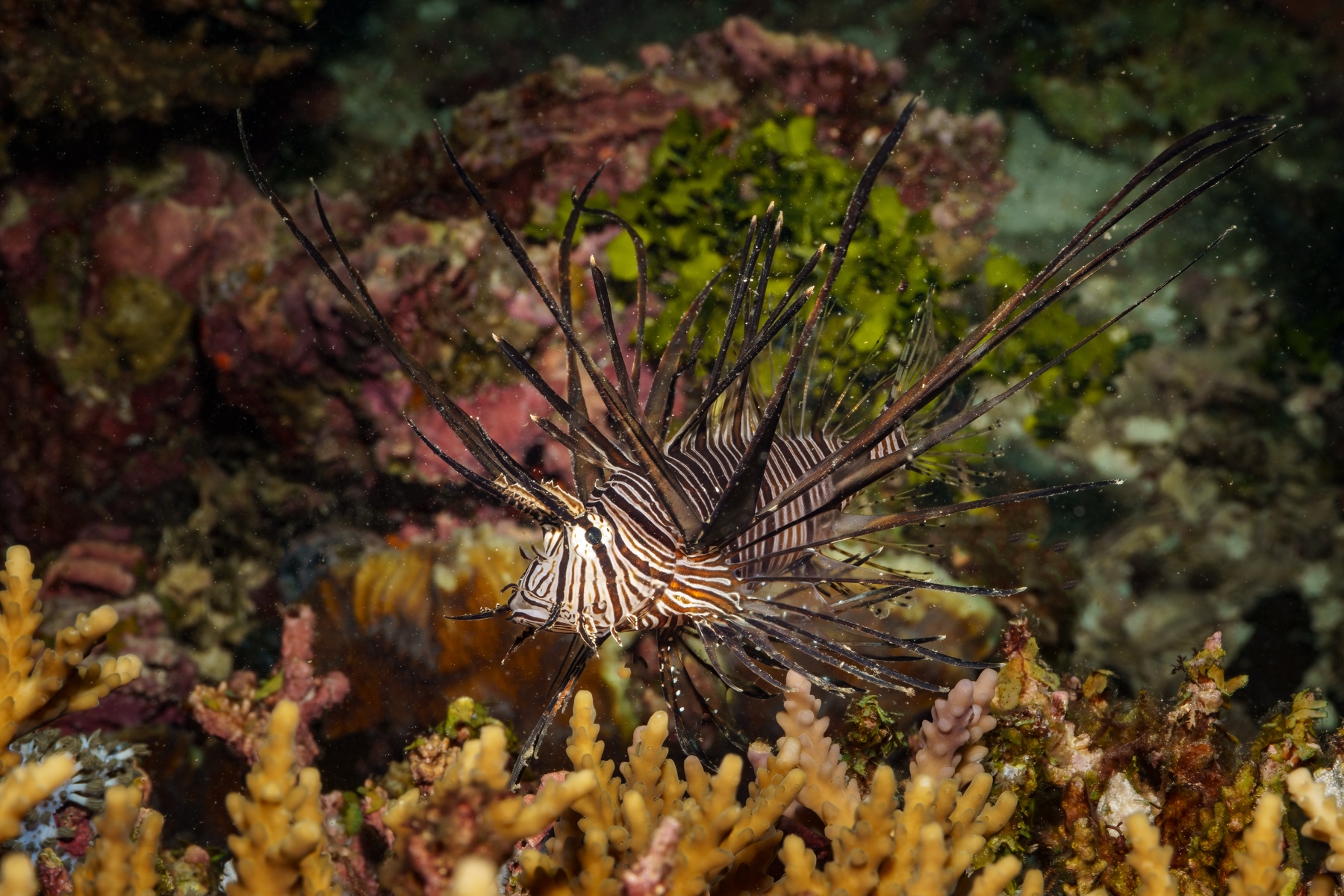
We saw several lionfish on both dives,
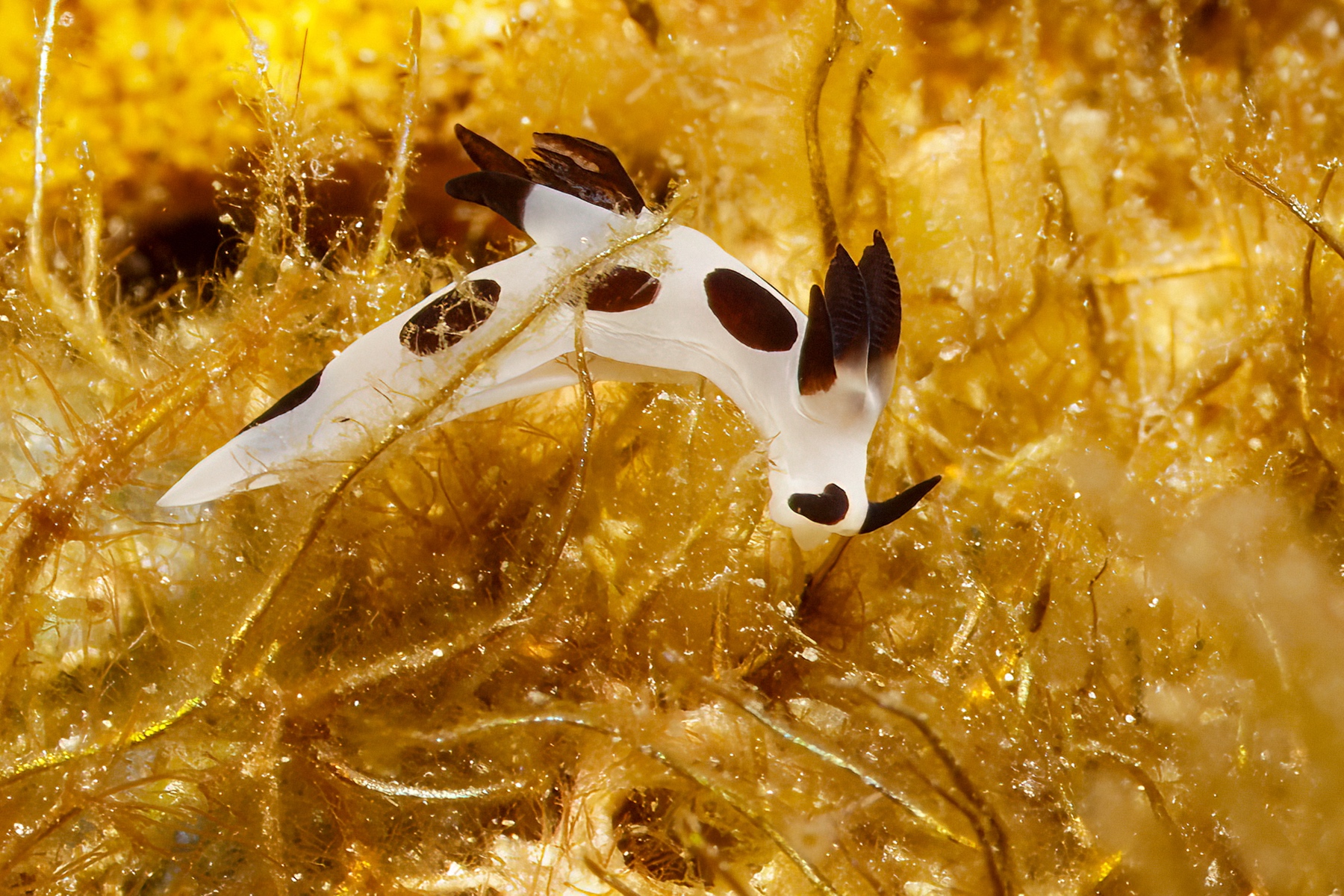
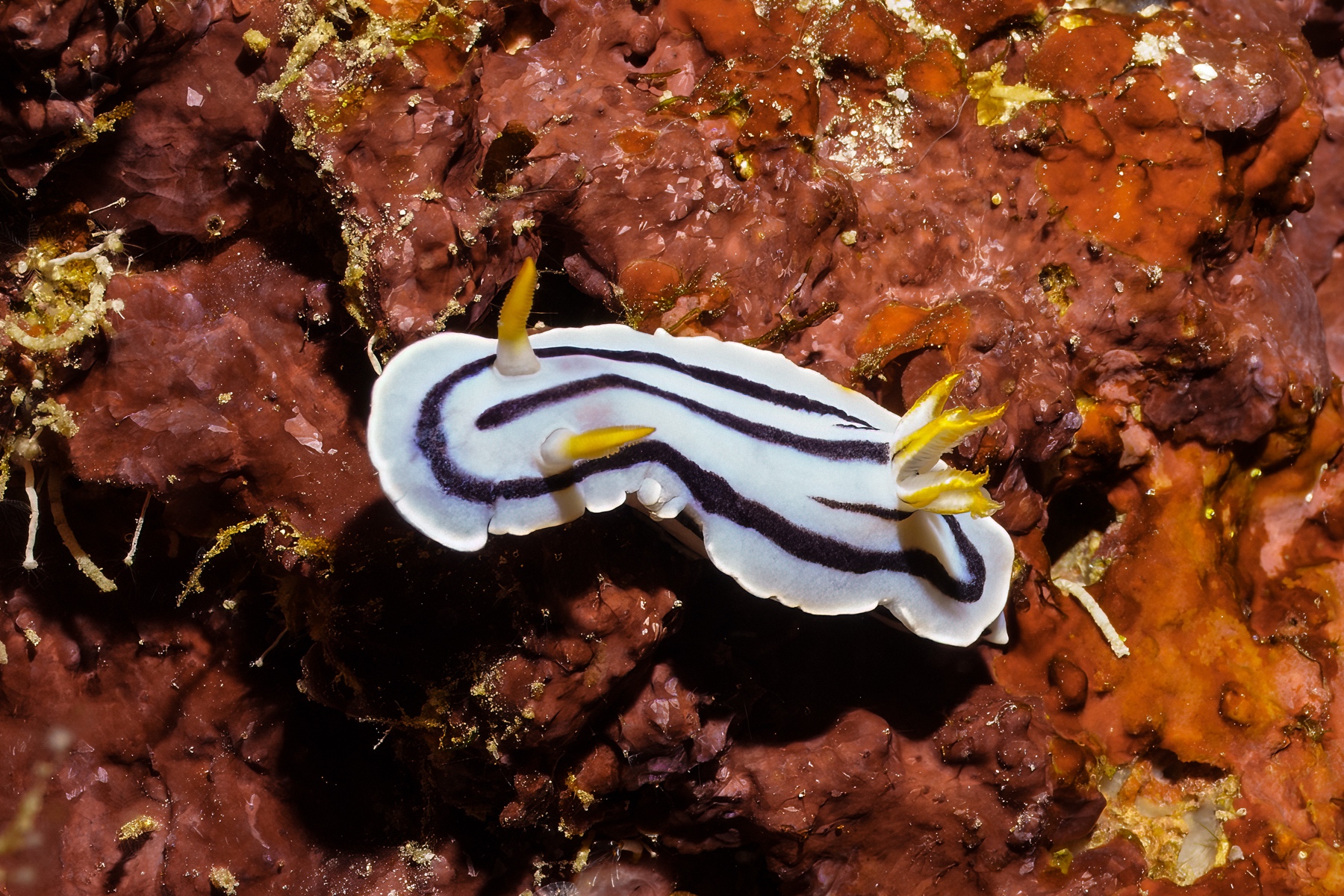
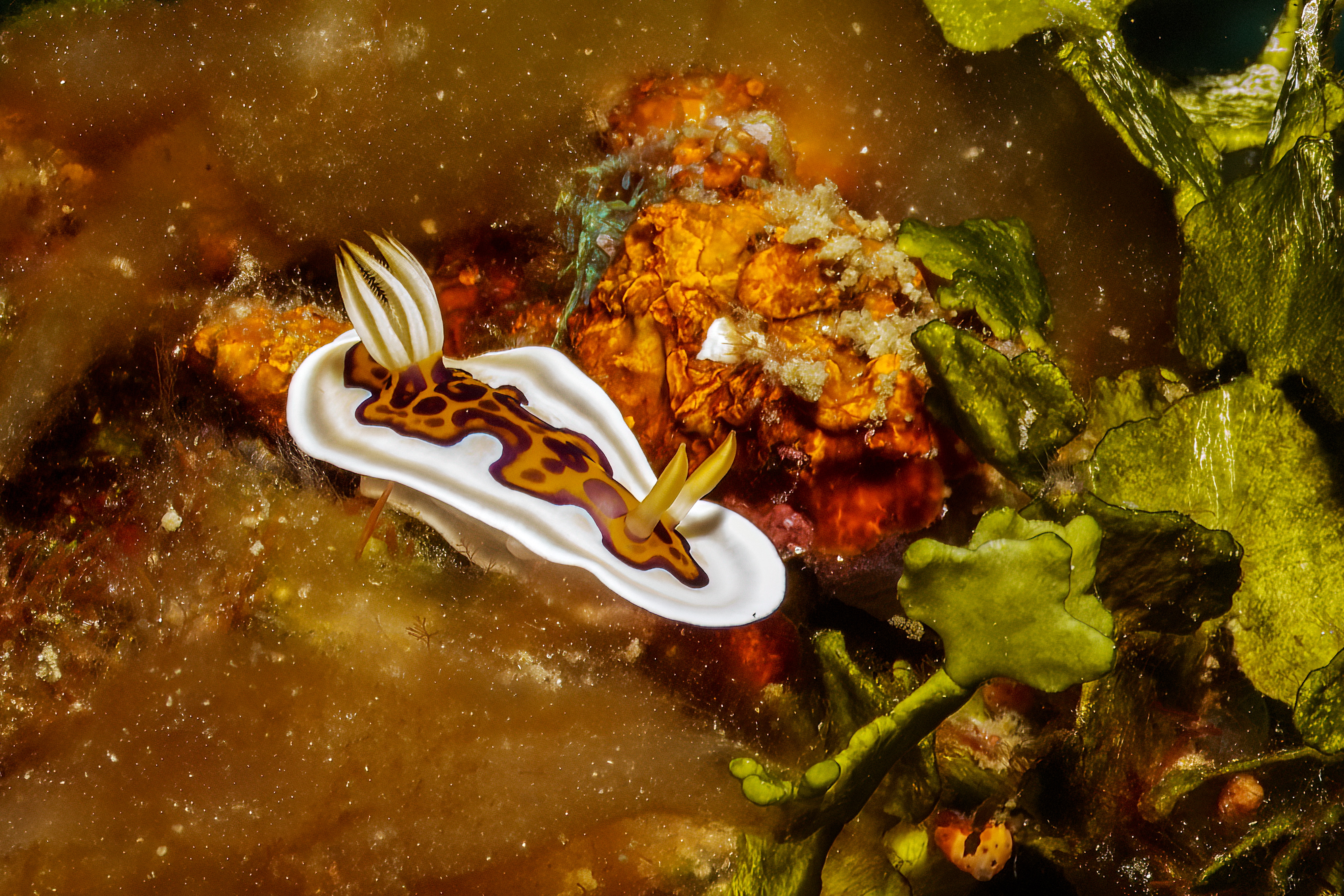
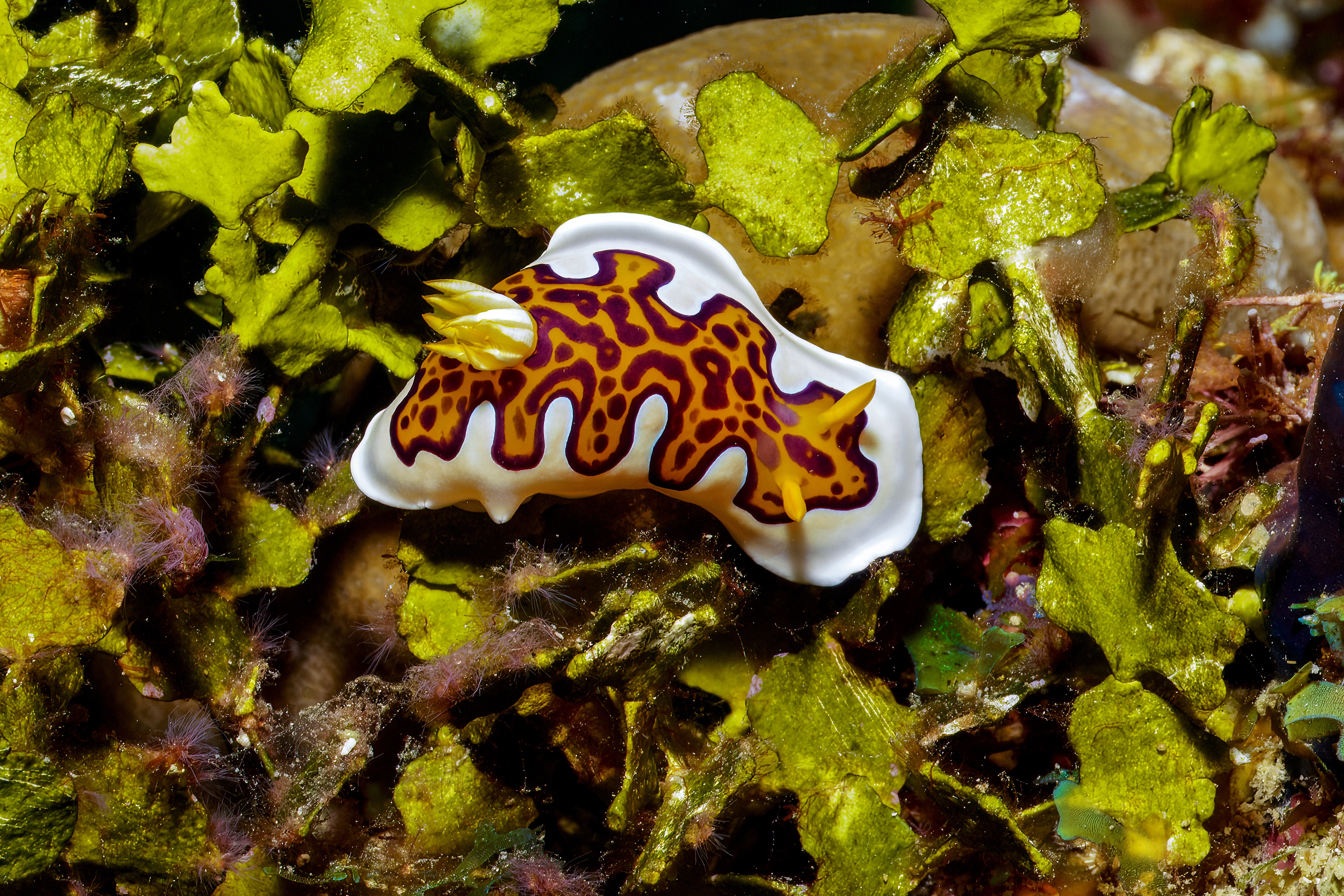
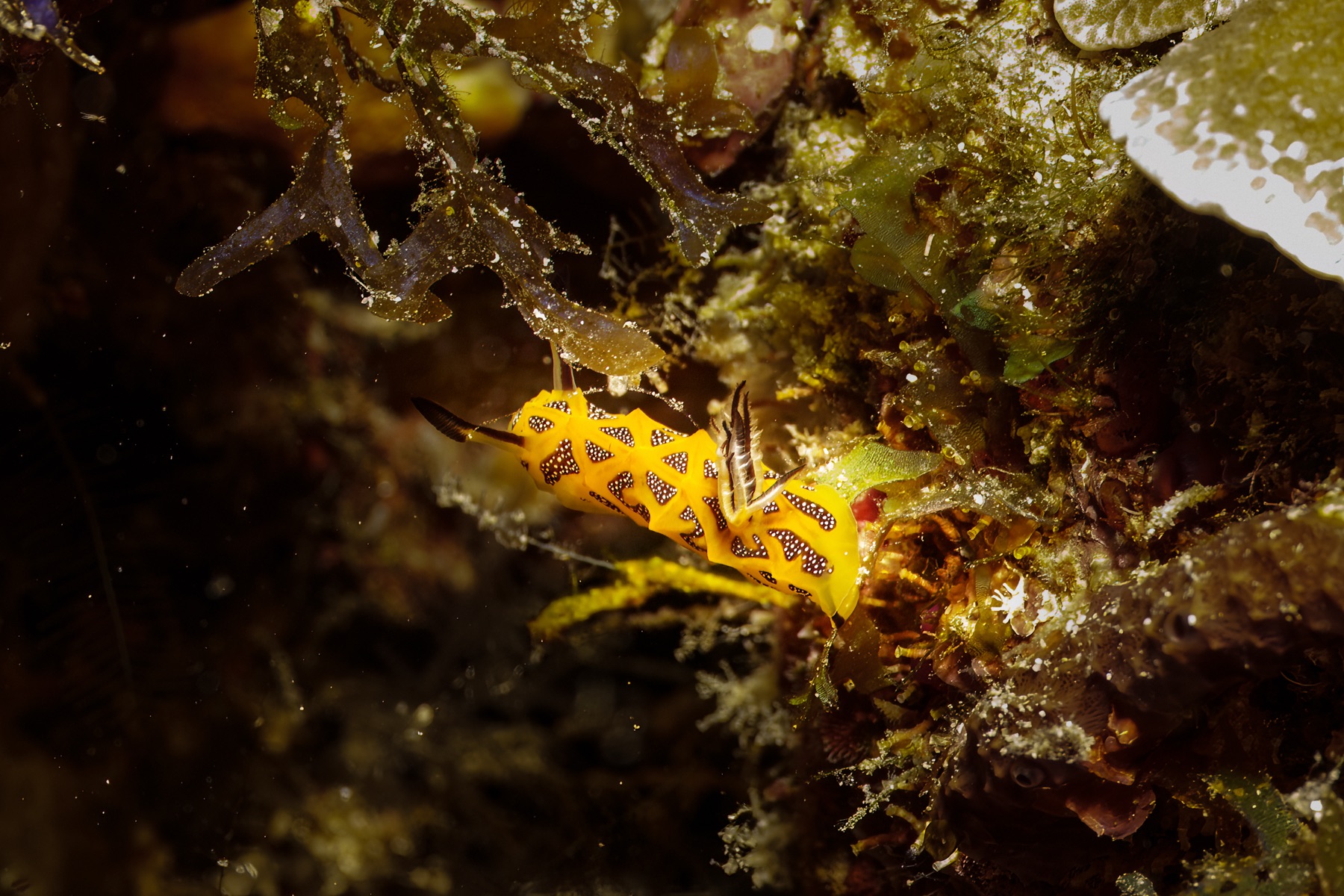
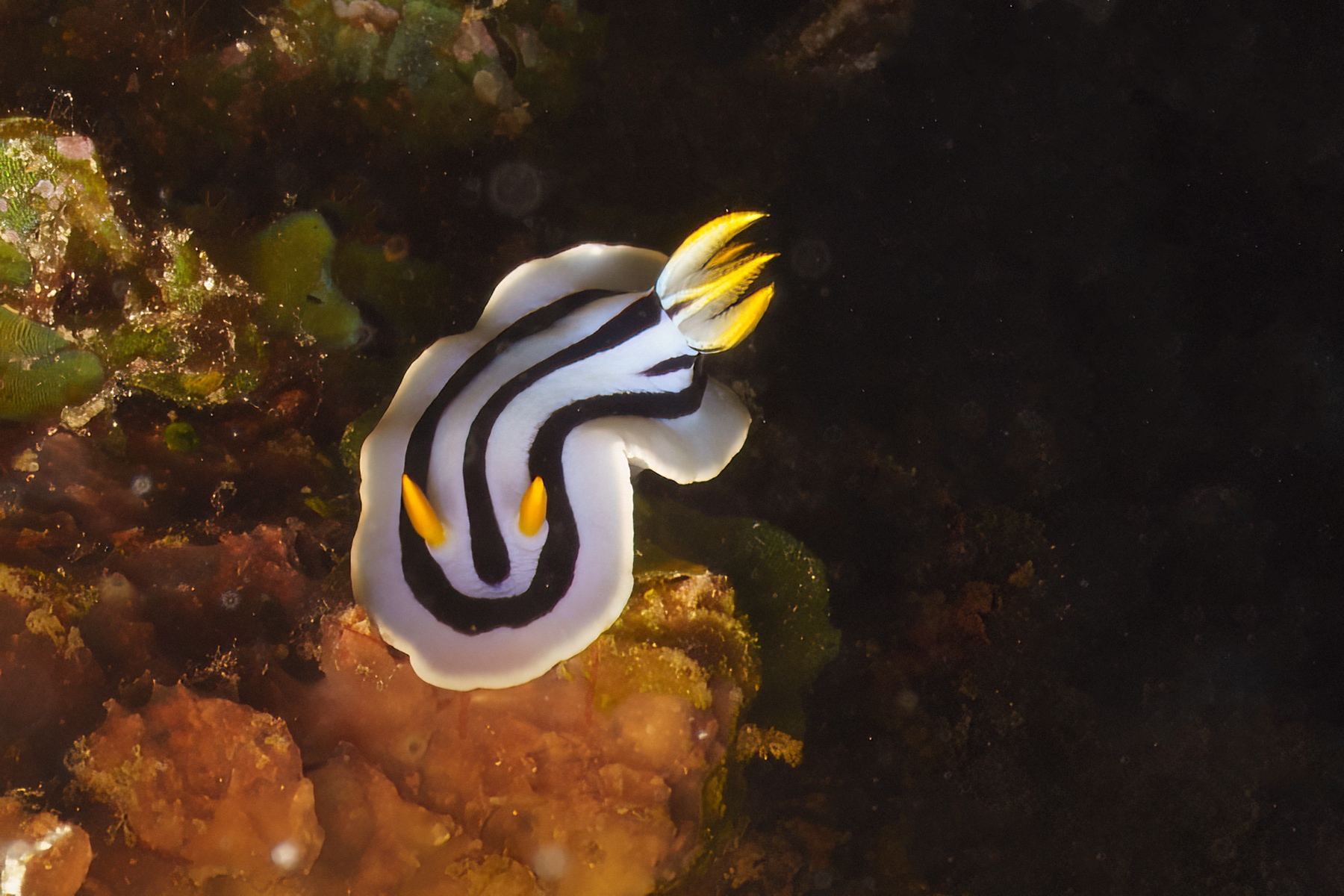
as well as a few nudibranchs.
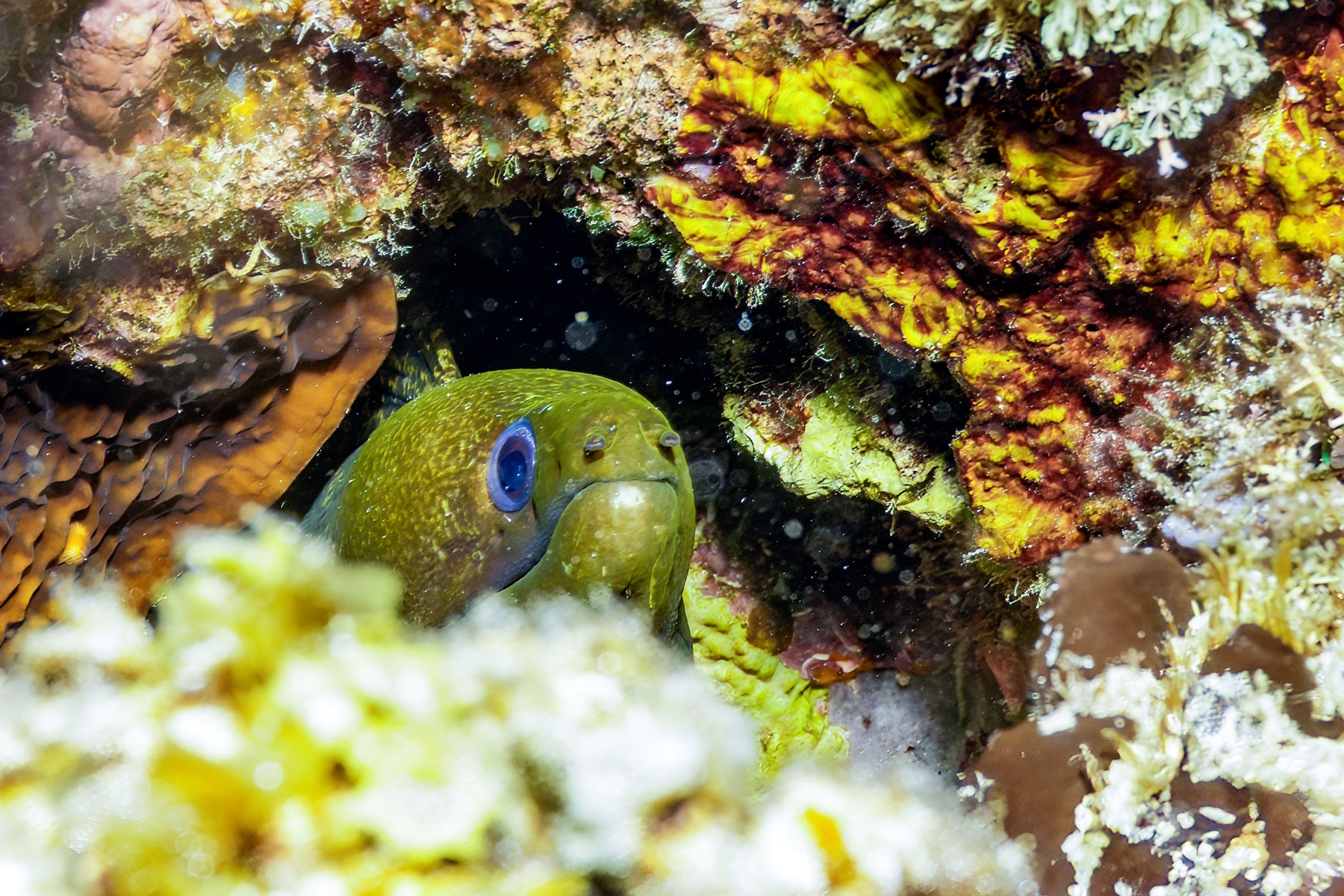
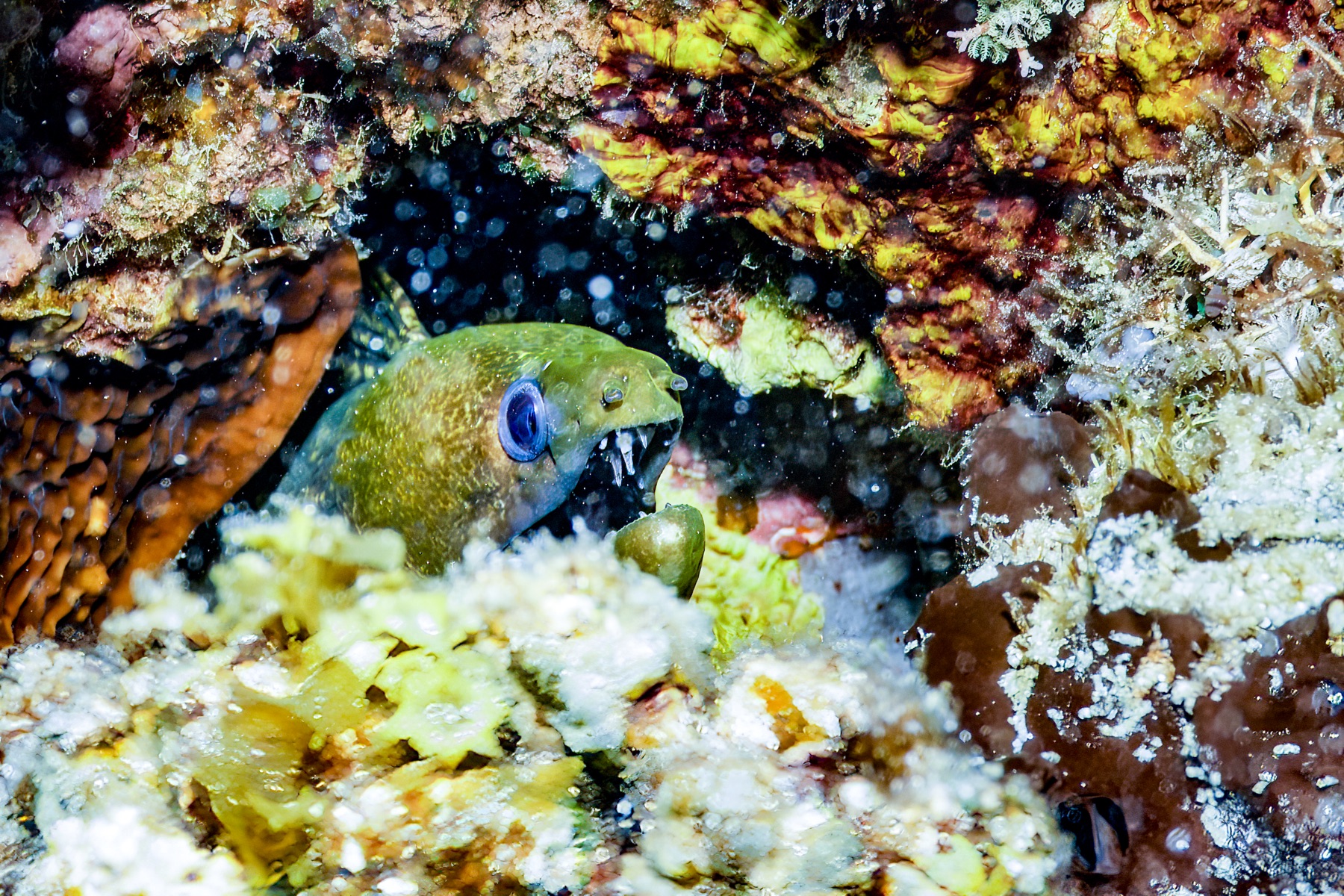
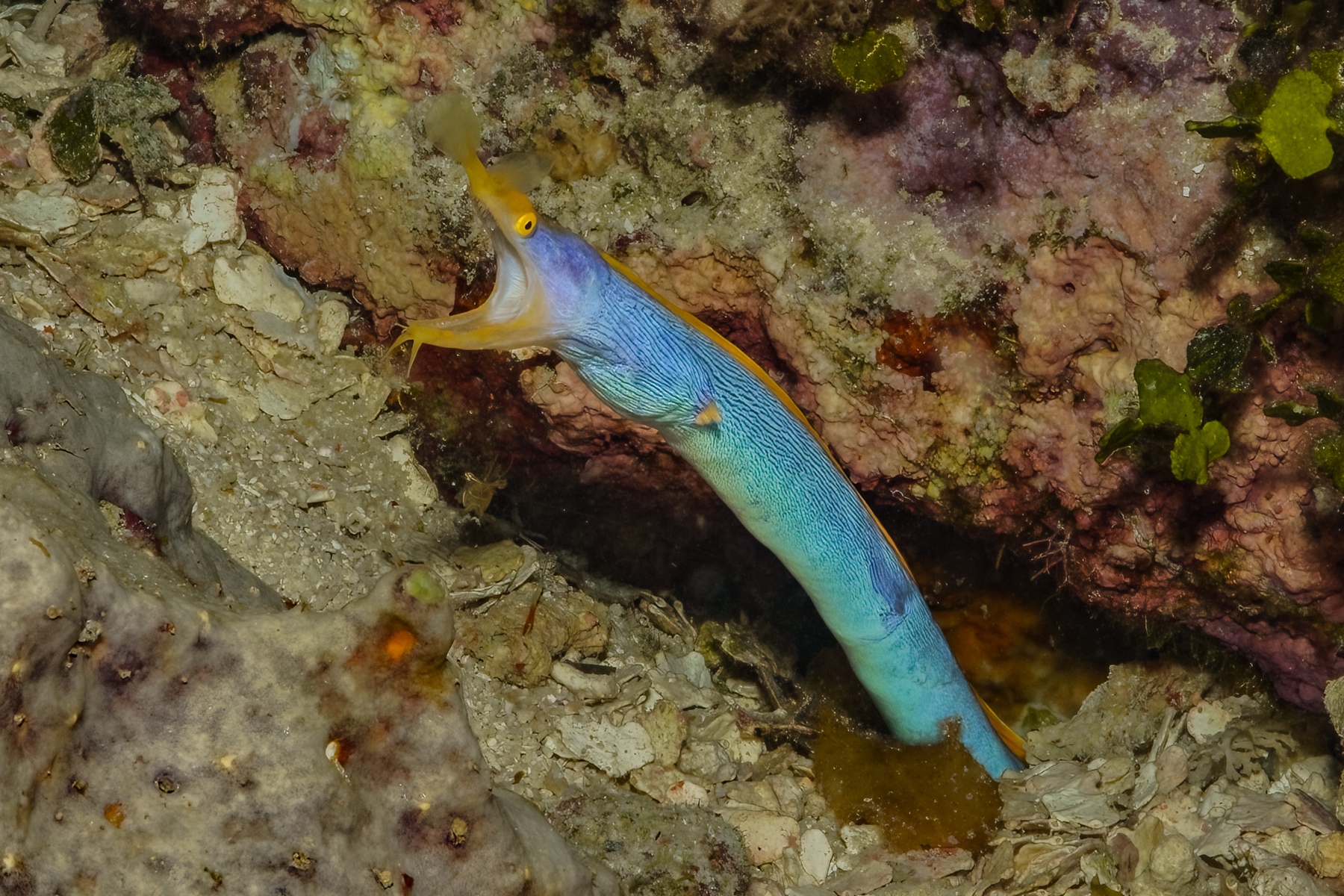
A mature male ribbon eel, recognisable by its bright blue colour, poked its head out at us as we were passing its burrow.
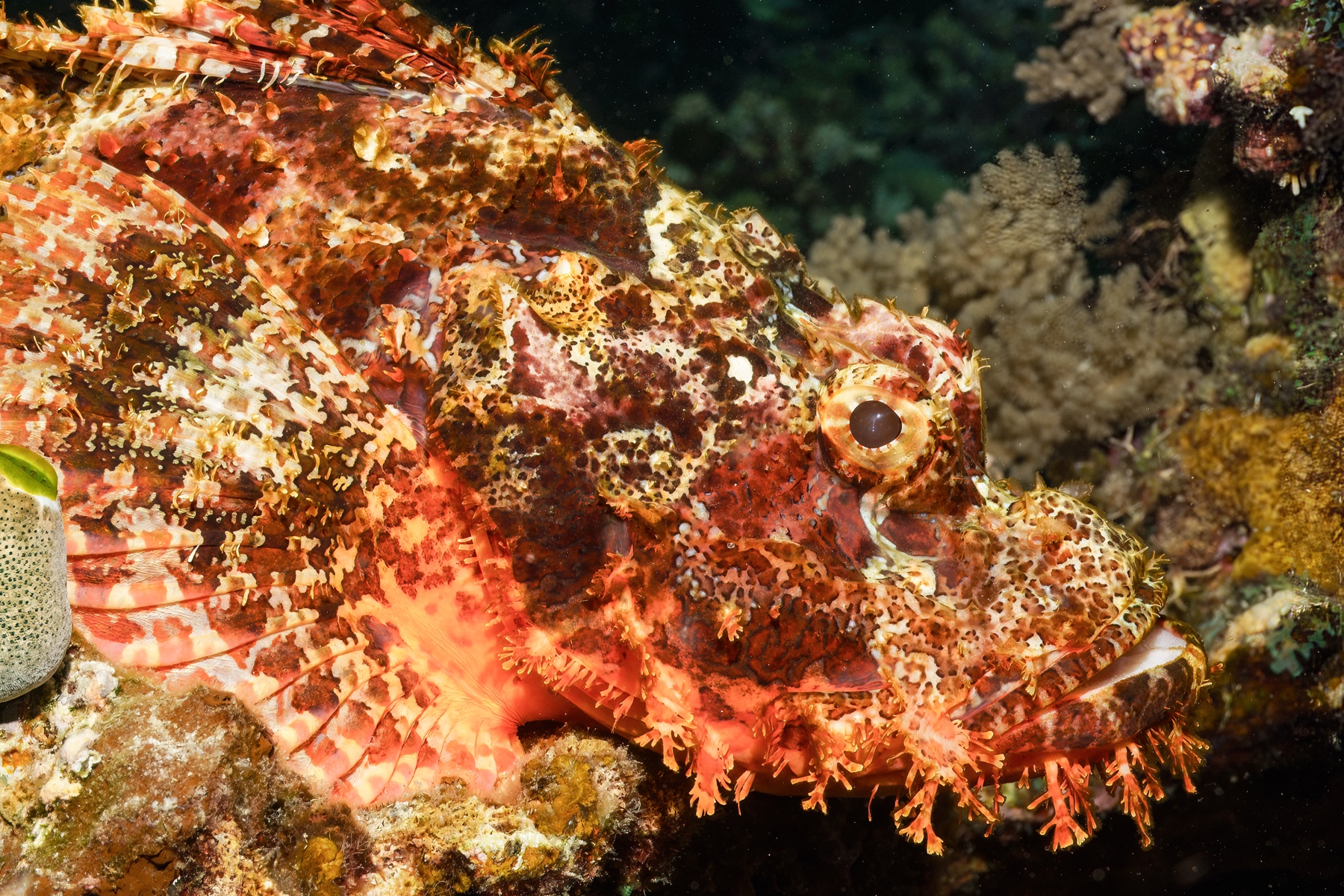
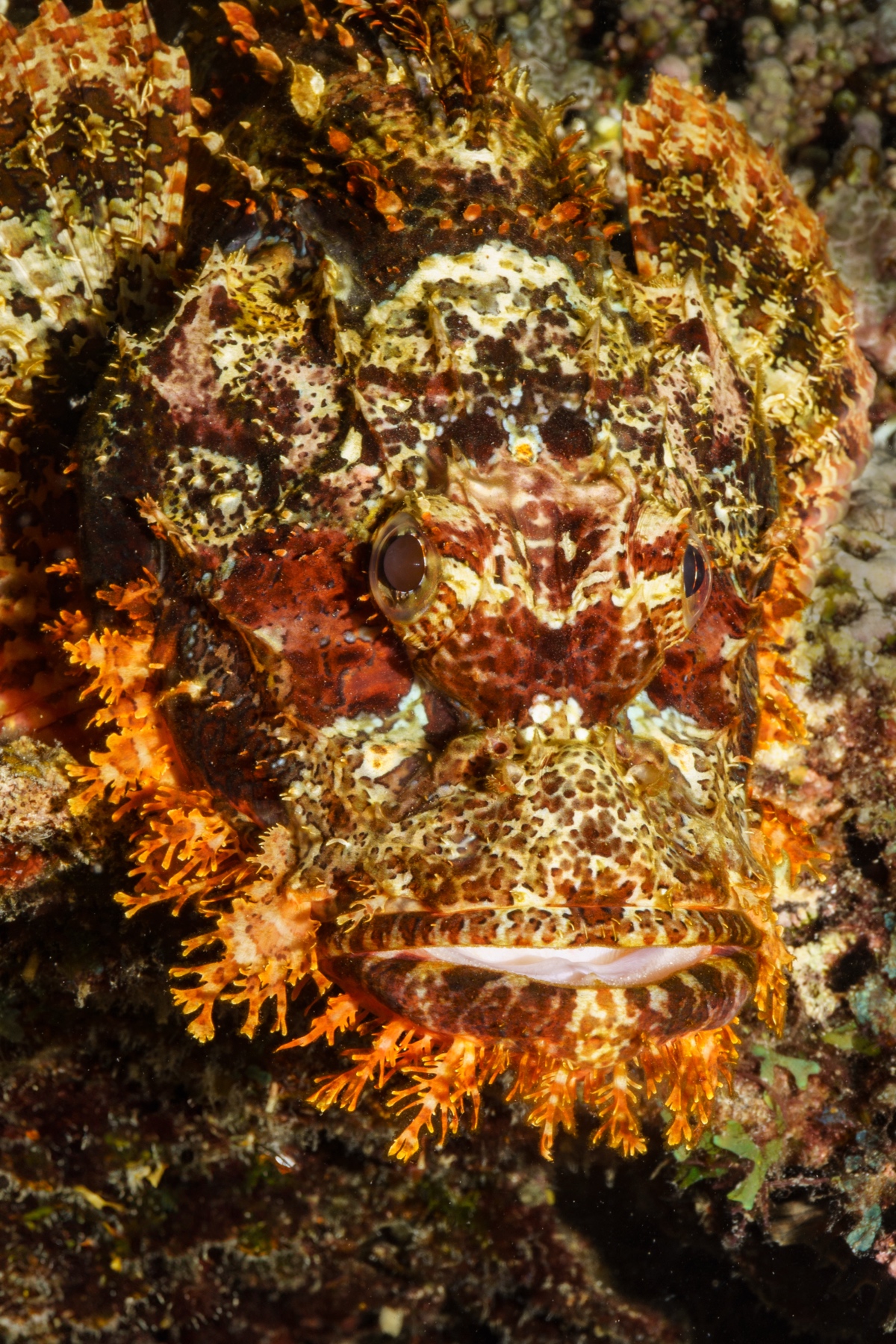
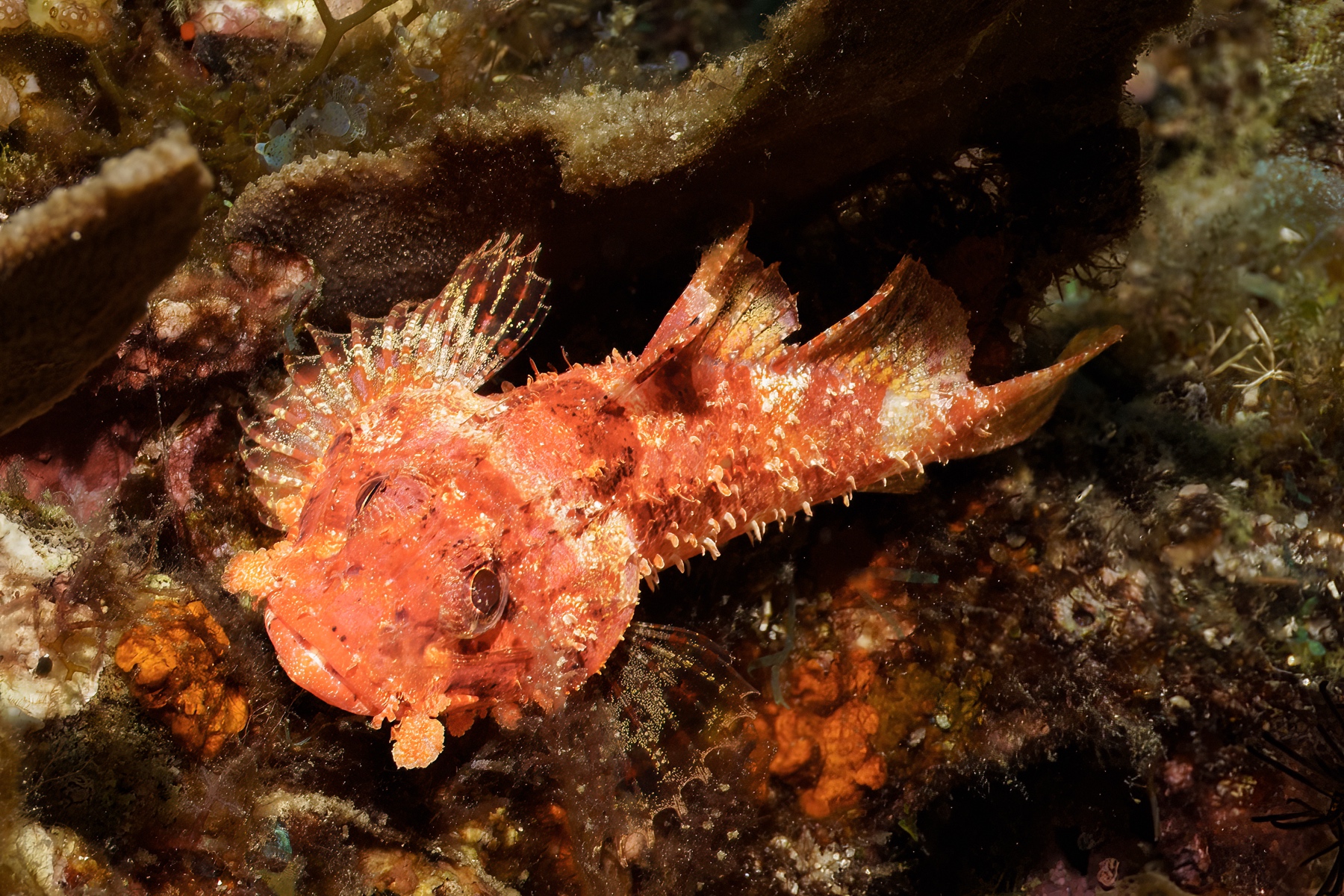
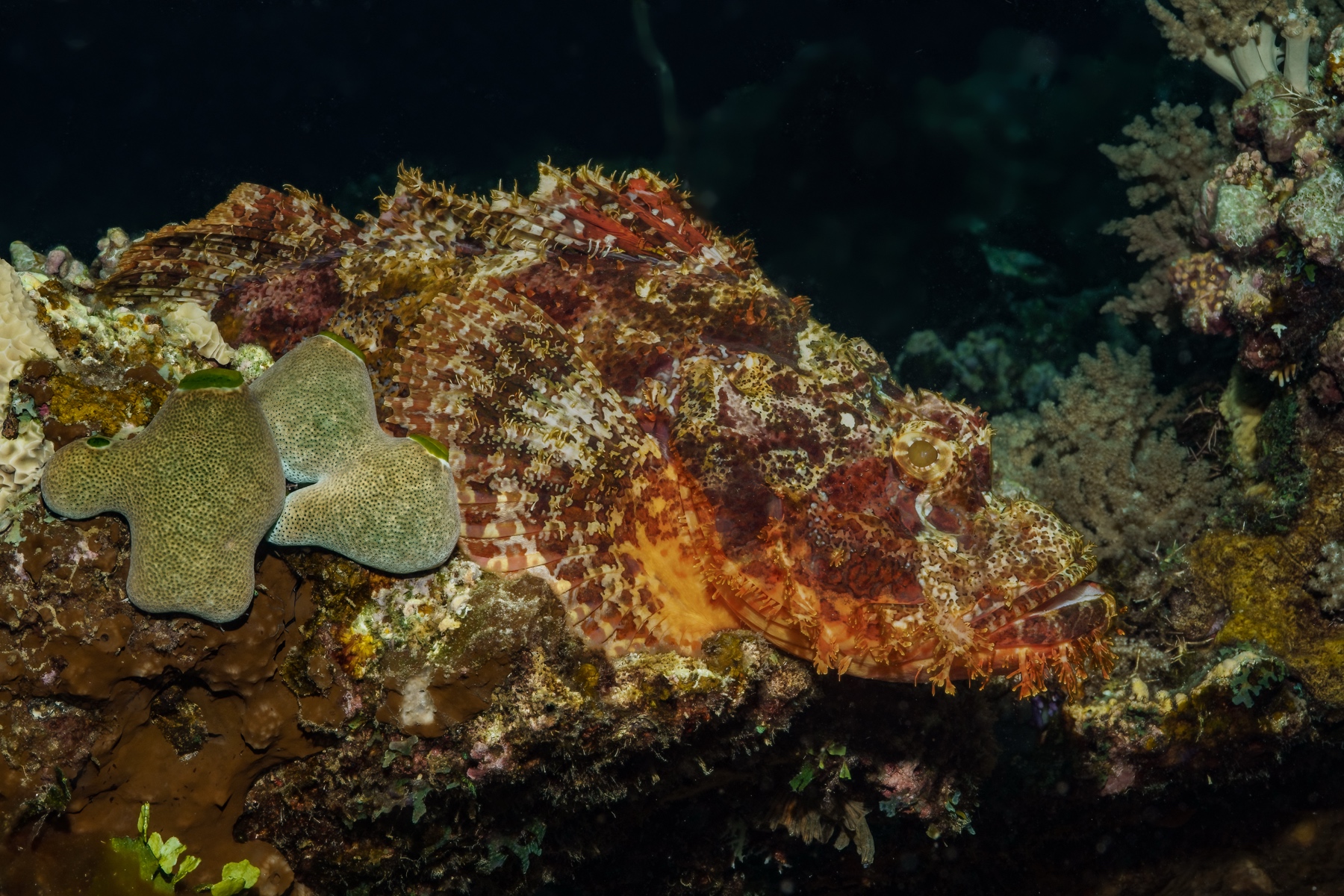
A red scorpionfish was closely followed by a Tasseled scorpionfish, which I struggeld to see initially, even after it was pointed out to me.
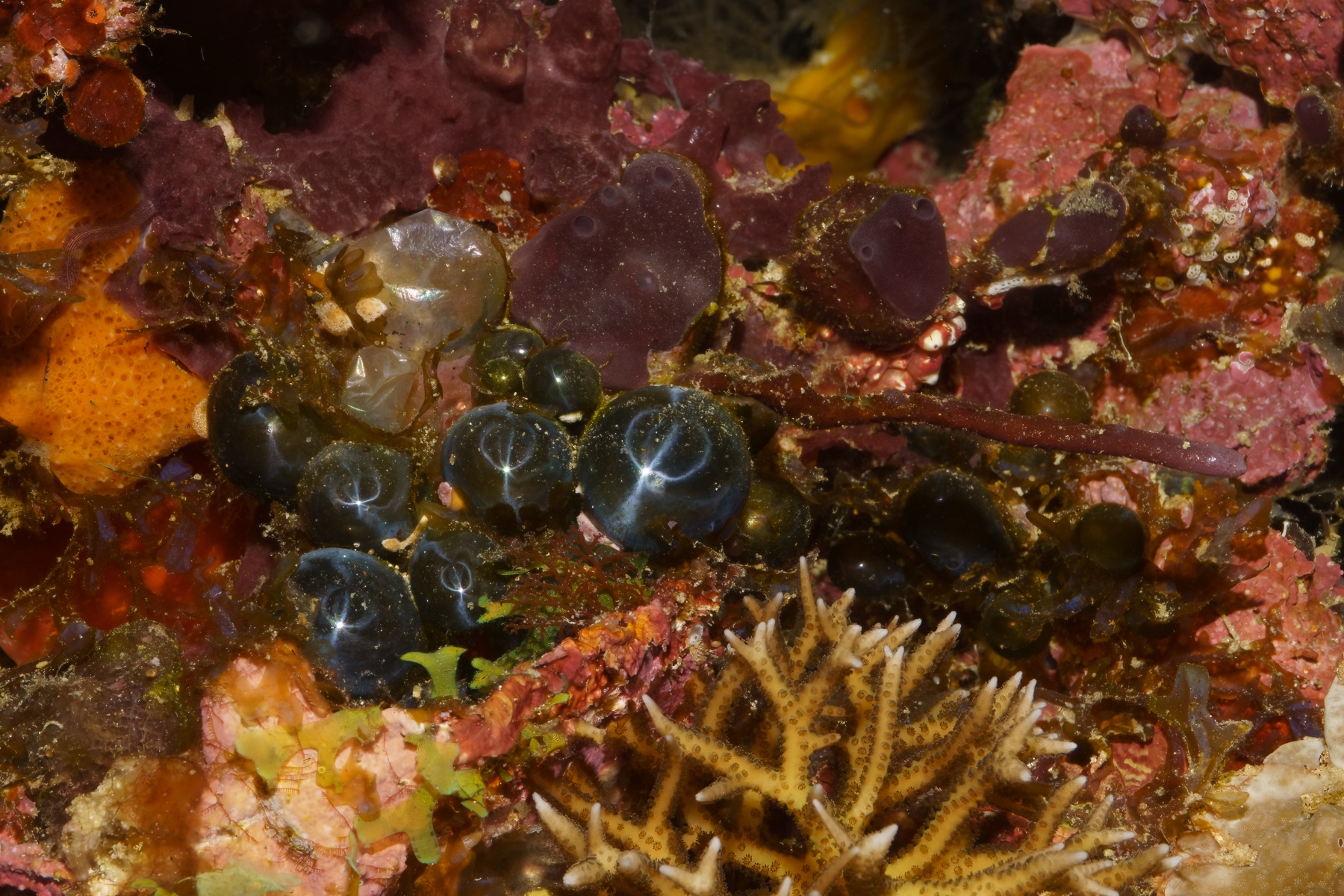
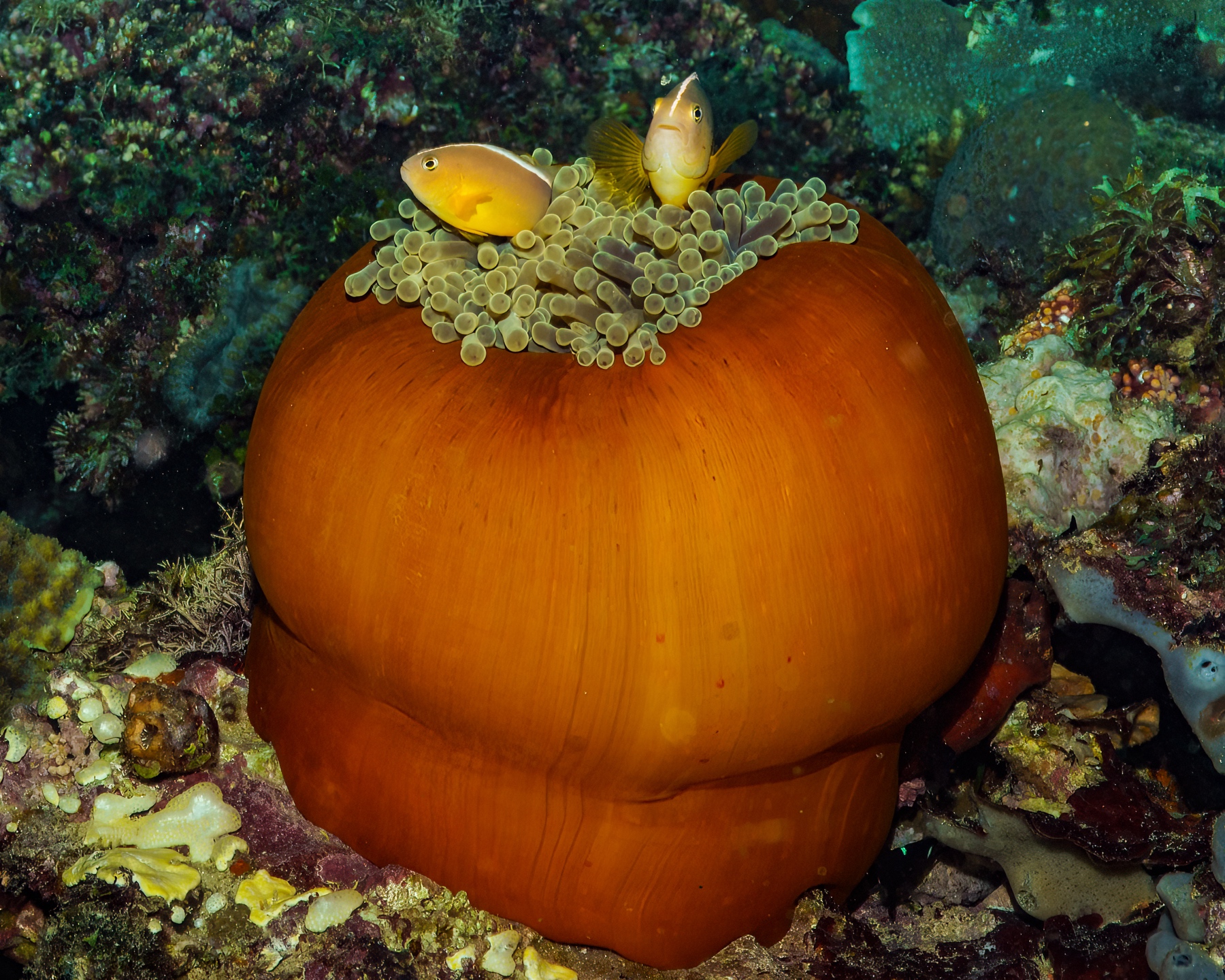
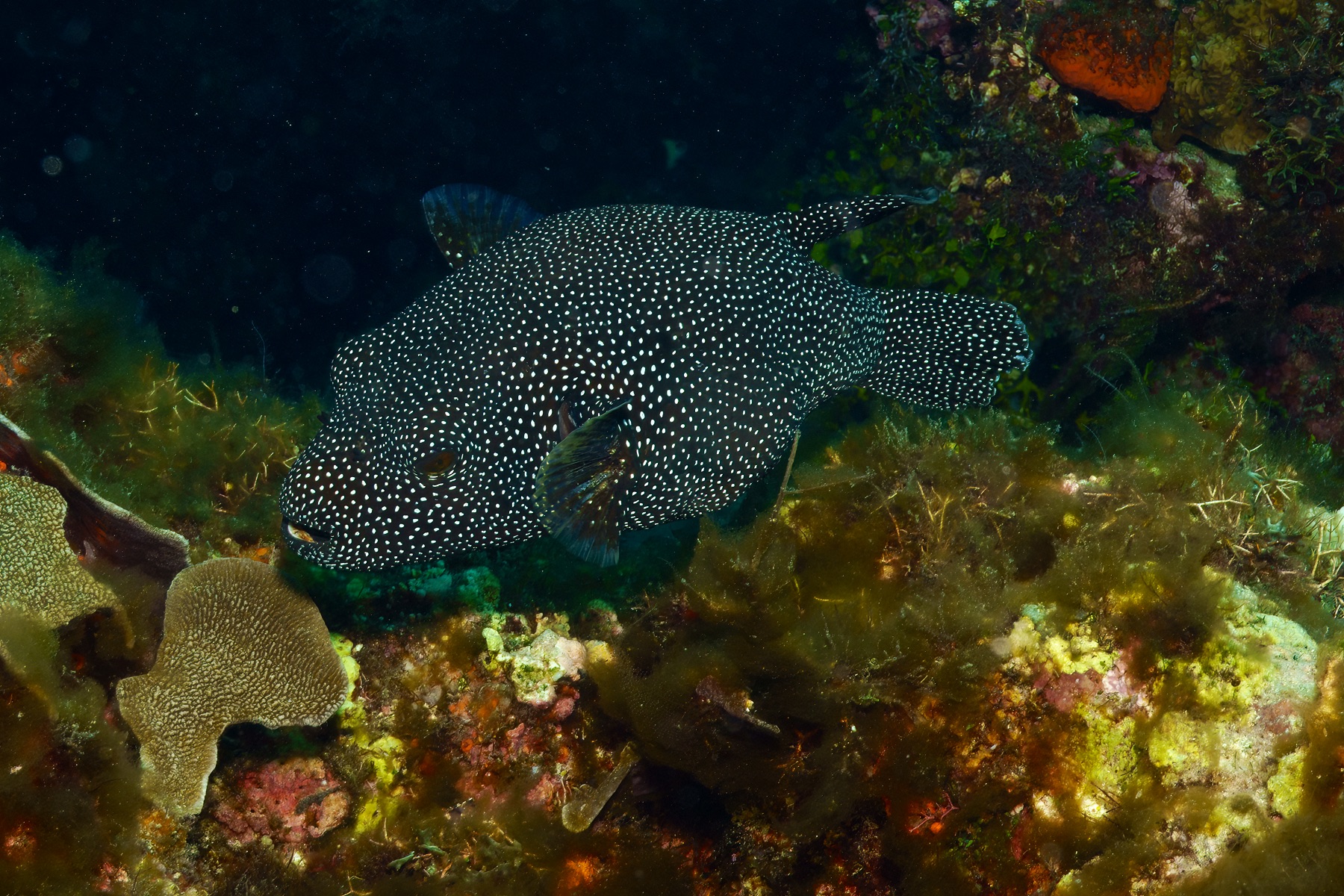
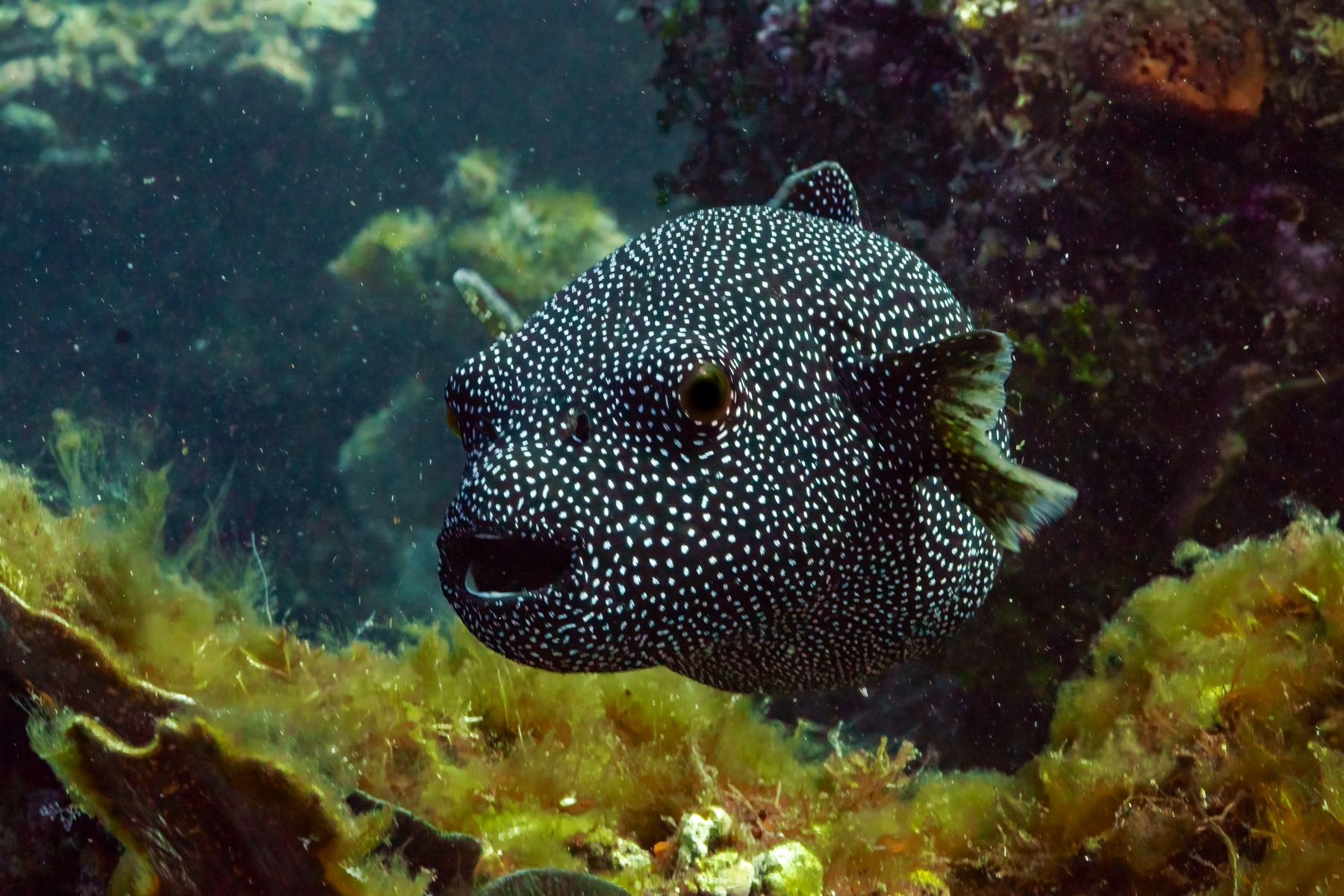
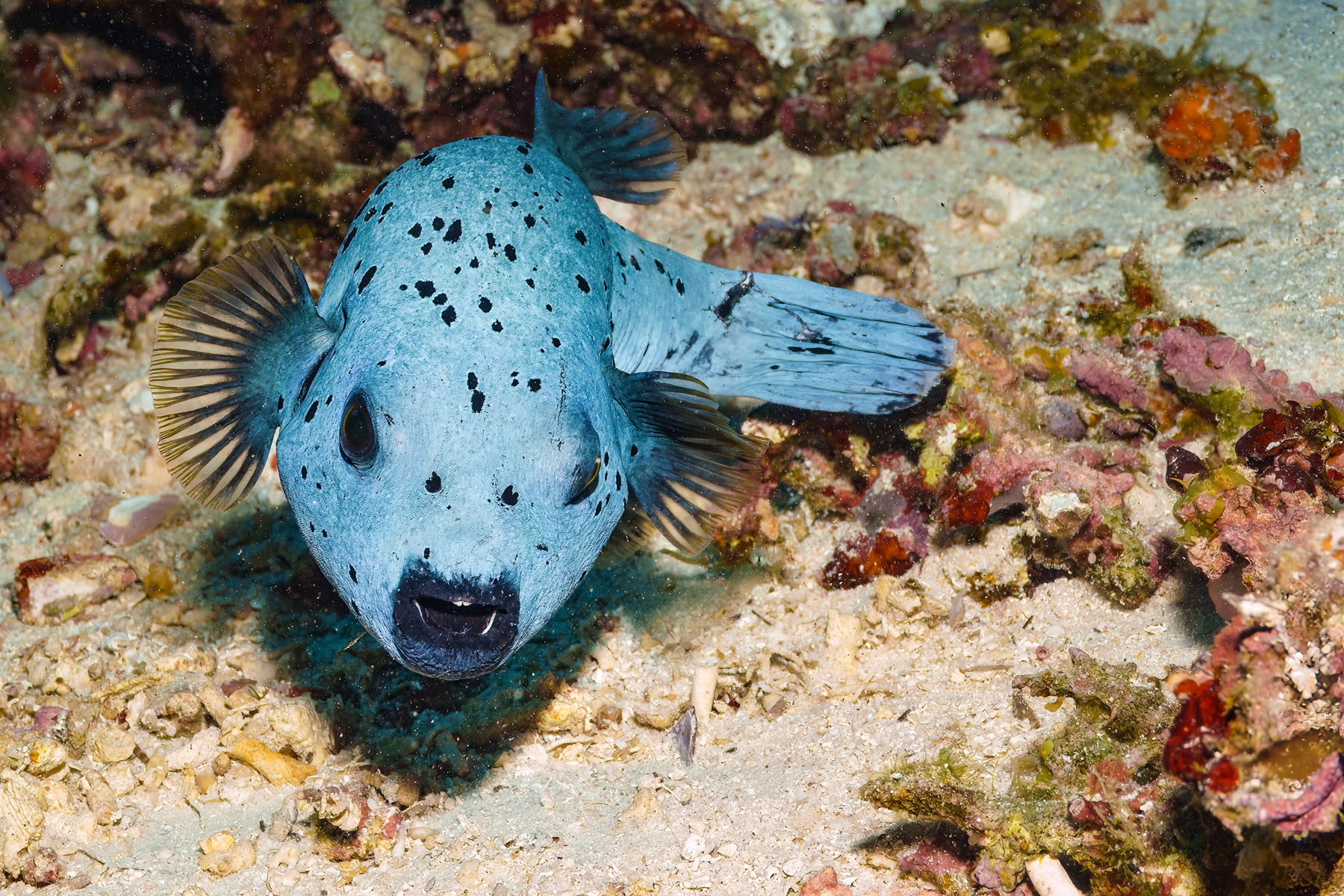
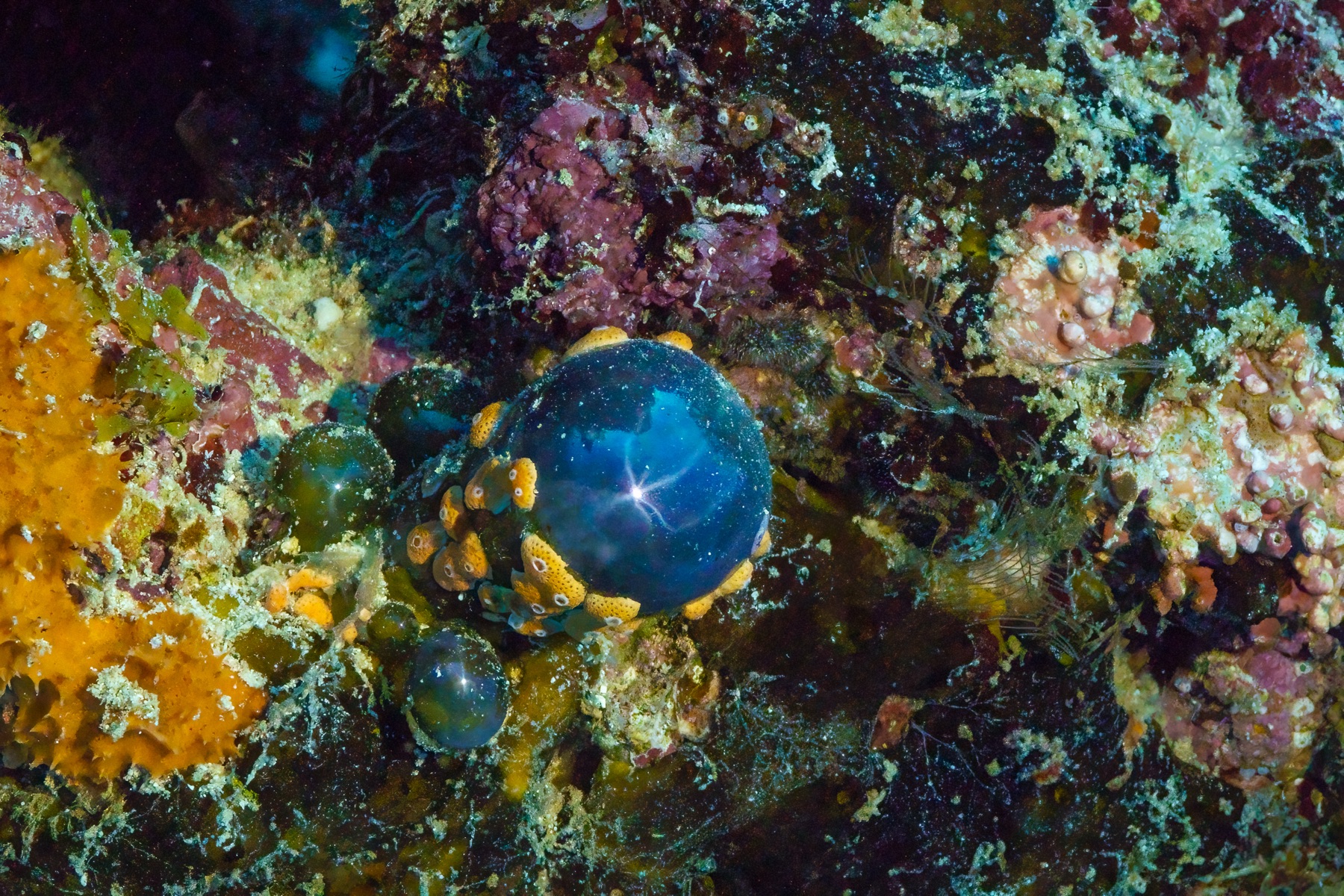
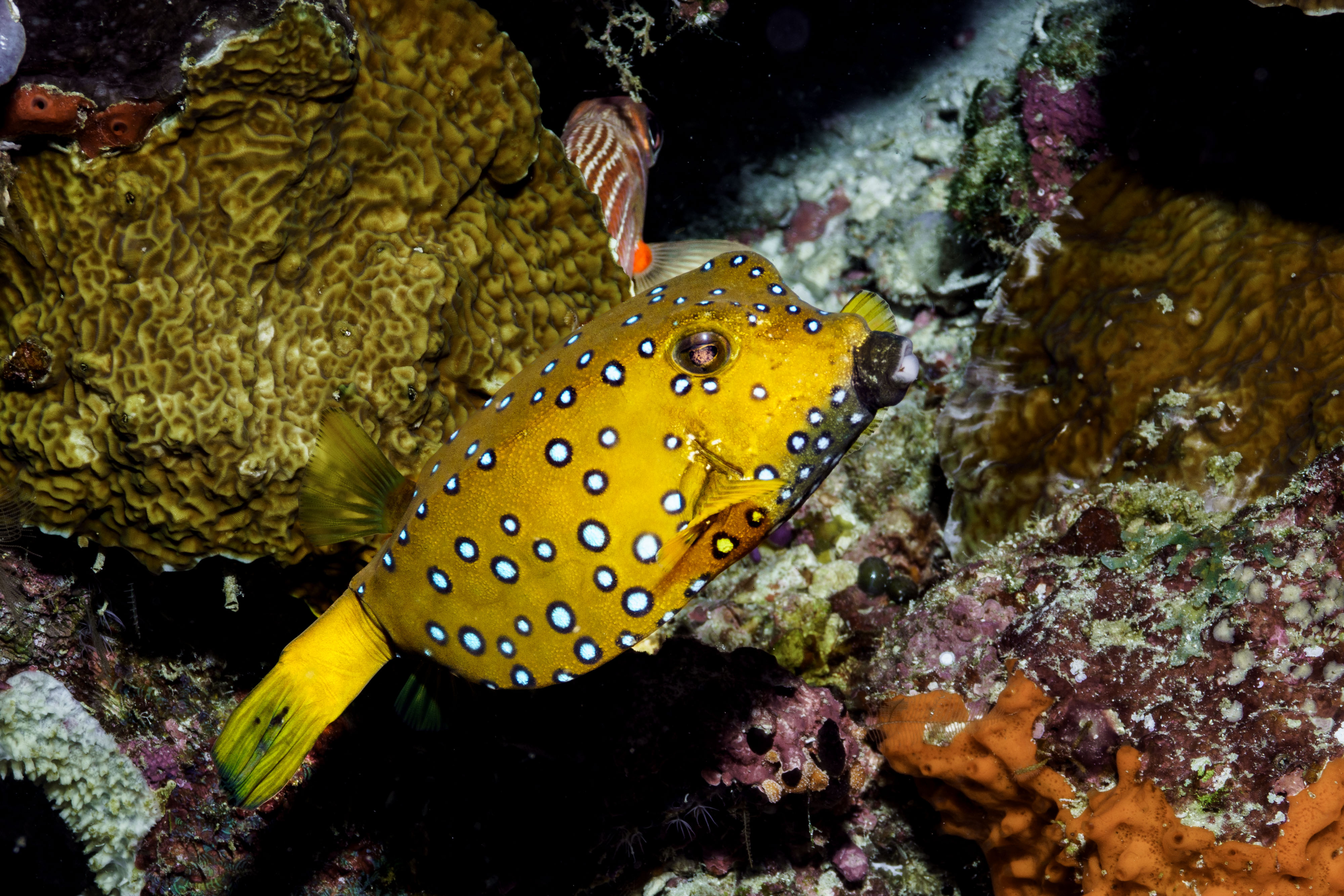
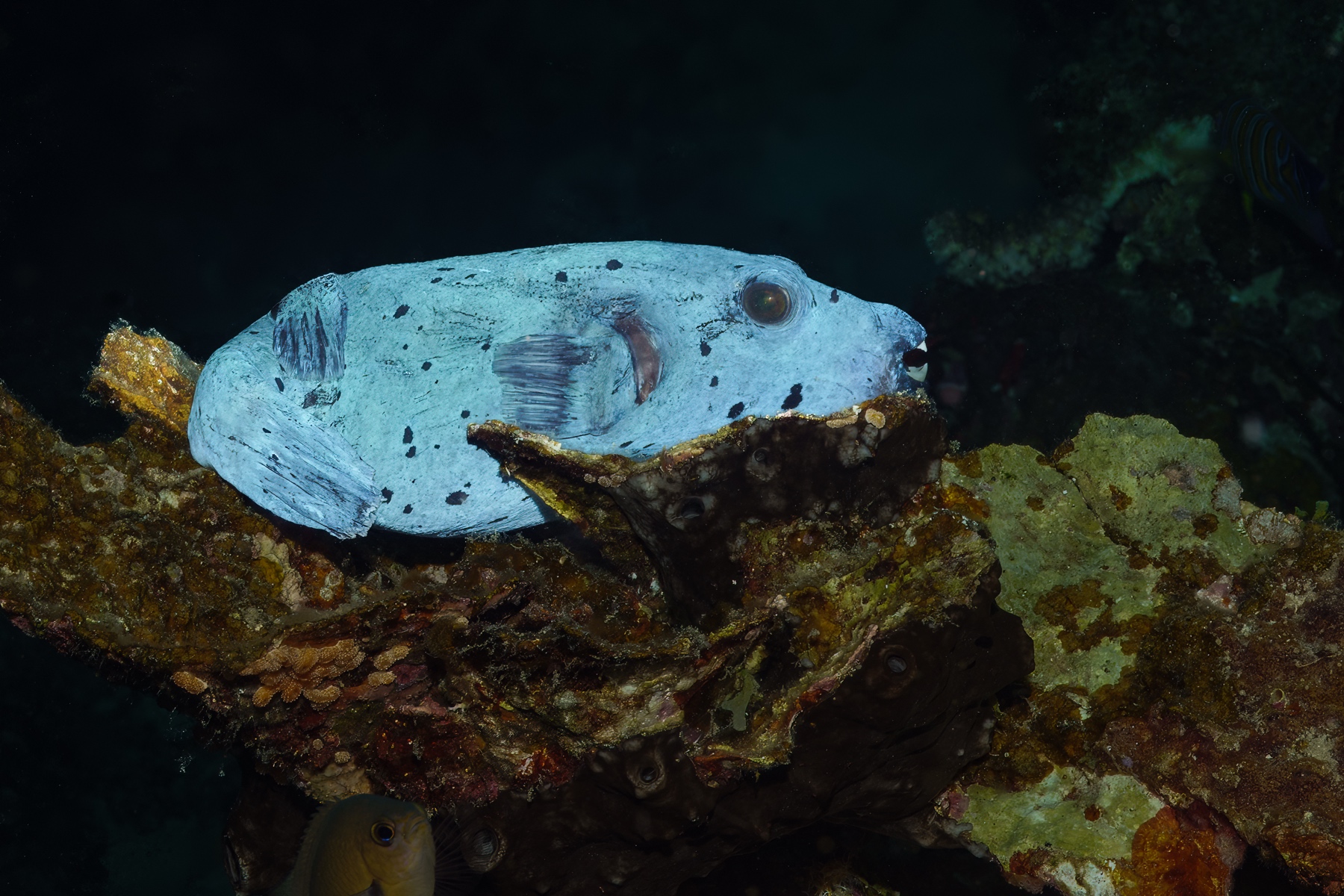
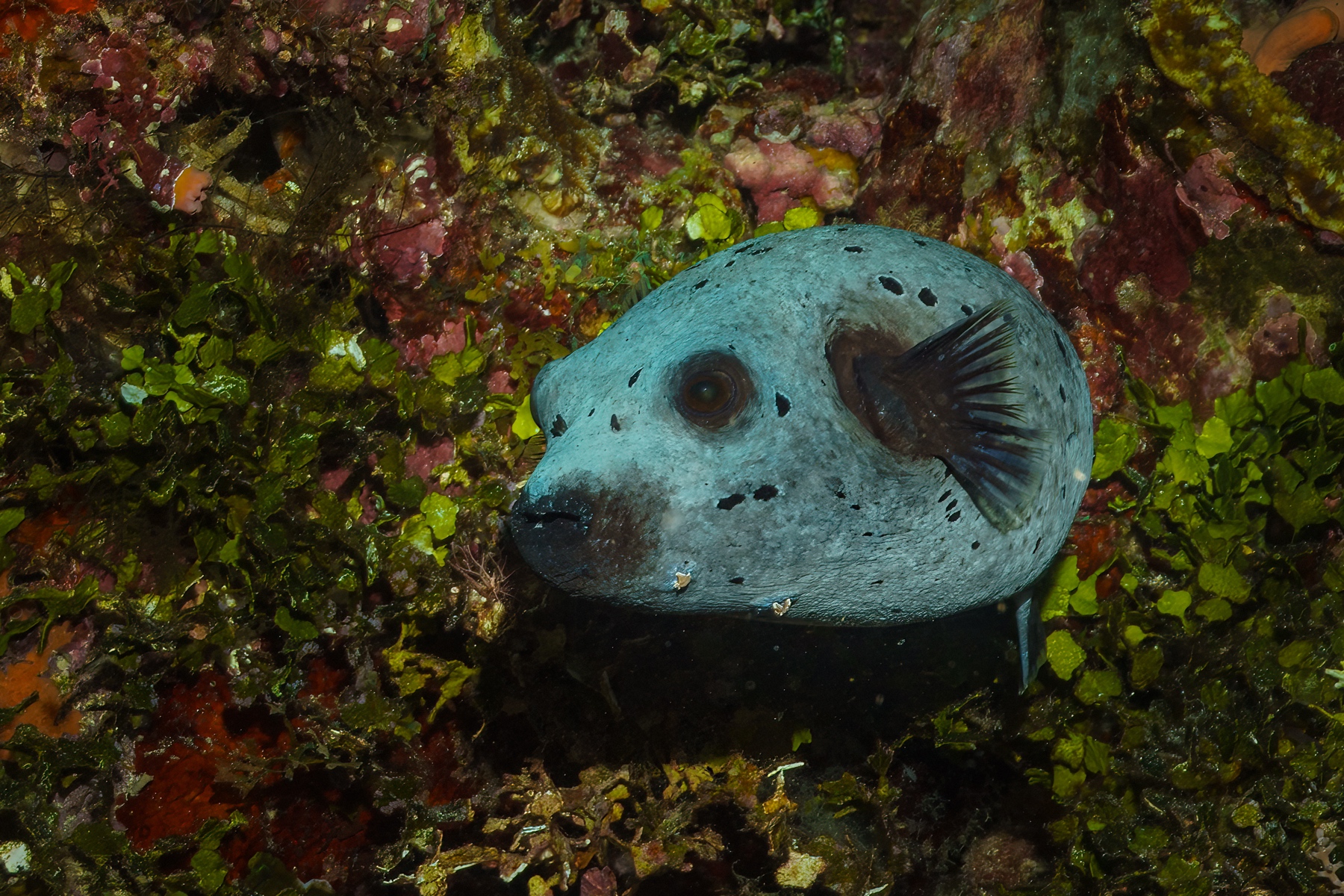
Toward the end of the second dive we saw multiple Black spotted pufferfish, more Sailor’s eyeballs and finally some anemonefish nestled within their host sea anemone.
During our second dive, an especially feisty little damselfish decided to harass Liana and her GoPro, repeatedly charging in with surprising bravado. It was a perfect reminder of those tiny dogs that bark fiercely at the world, utterly convinced they’re far bigger than they actually are.

That afternoon was devoted to sorting through a wealth of photos and videos from the dives, editing them in the welcome comfort of our air-conditioned room at Afro Divers Lodge.

The internet connection proved frustratingly inconsistent—strong and reliable one moment, vanishing entirely the next—which forced me to delay posting my blog update until the following morning.

Dinner, however, more than made up for any earlier frustrations: a special Saturday barbecue featuring perfectly grilled marlin, tender octopus, and succulent chicken, accompanied by an array of delicious side dishes. It ranks among the finest meals we’ve enjoyed at any of the diving and wildlife lodges we’ve visited in recent years.
Pemba Island Diving: Day 4, Diving and More

This will be a short post after a very long day. As usual, we started with coffee and a simple breakfast—fresh fruit for Liana, pancakes for me. Then it was straight to the water for diving.

We were excited to put Michael’s advice from the day before into practice. The dives themselves were beautiful, even if the photographic opportunities proved a bit elusive. On the first dive we spotted a large turtle, but it stayed just out of ideal camera range. Later, a magnificent ray rested motionless on the sand—another breathtaking moment, though not quite the perfect shot.

Sometimes the camera has to take a backseat so you can simply be present and soak in the wonder of it all.

Still, I did capture a few decent photos, and I can already feel Michael’s tips making a real difference. Progress, one dive at a time.

Once again, try to watch Liana’s video in 4K or at least HD and remember that you can enlarge any of the photos by clicking on them.

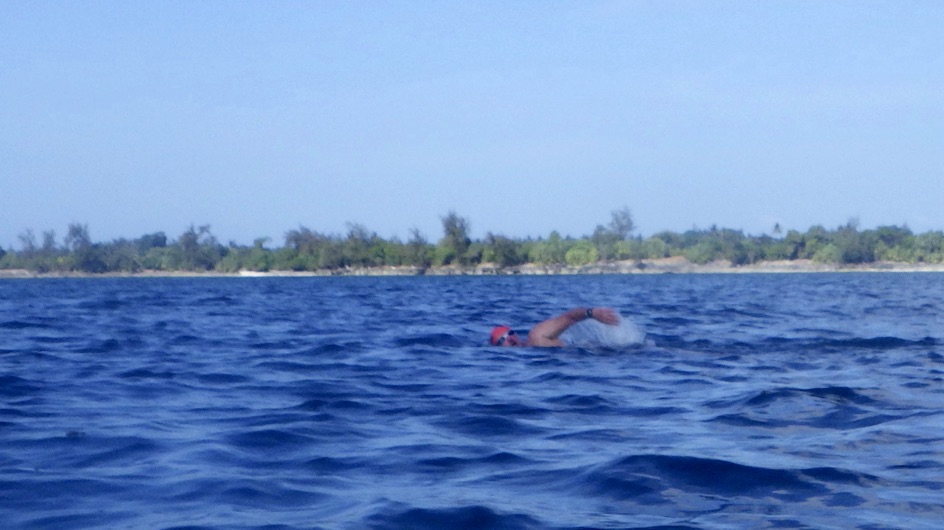
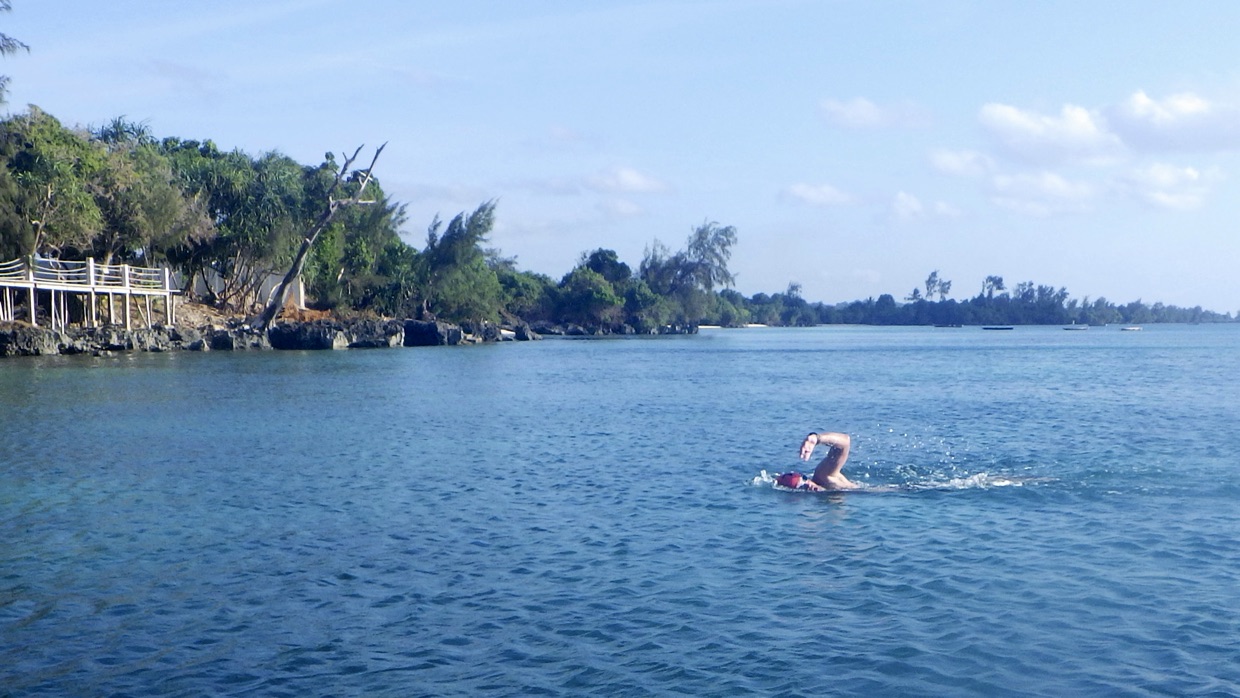
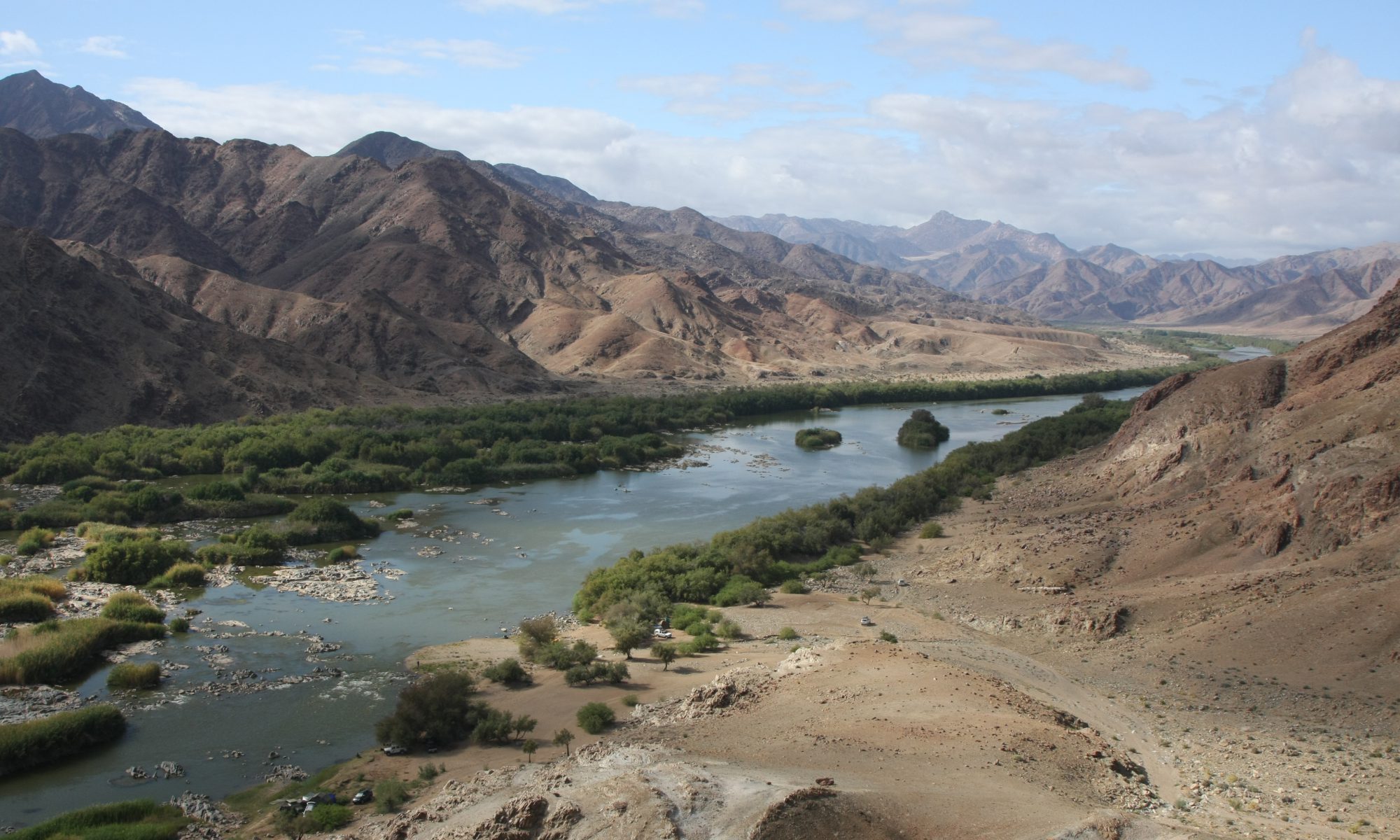
I’d been contemplating a long open-water swim along the Pemba coast ever since we booked this trip—and today was the day.

The original plan was to swim from Afro Divers to The Aiyana, roughly 4.5 km along Pemba’s stunning northern coast. But I misjudged the tide and currents. Instead of an easy glide, I spent the entire swim battling a relentless head current. I eventually called it quits about 500 m short, finishing at Pemba Paradise—exhausted but satisfied.

The combination of fighting the current and the almost absurdly warm 31°C sea temperature turned what should have been a relaxing cruise into a proper test of endurance. My arms felt like lead by the end, yet there was something rewarding about pushing through in such a beautiful setting.

The combination of exhaustion from the day’s activities and suddenly slow internet connection called for an early night for me, although Liana remained up till late to finish her video.

Pemba Island Diving: Day 3, slowly finding our way with the cameras

By this point, we had settled comfortably into our daily rhythm: early-morning coffee, followed by a light breakfast of pancakes, before preparing for the day’s diving.

Our first dive site of the morning was Deep Freeze, located on the south side of the channel separating Njao Island from Fundo Island. You don’t need to descend very deep to encounter an impressive variety of marine life.

After the challenges of the previous day, we were gradually improving our handling of the cameras. I had added 2 kg of weight to offset the buoyancy of my camera rig and was now diving with 5 kg total—despite forgoing a wetsuit. The water temperature remained steady and wonderfully comfortable at 28°C. Camera settings and focus continued to test us; many shots ended up out of focus, overexposed, or underexposed. Still, there was some progress compared to the day before, and I managed to capture several usable images. Liana, meanwhile, was gradually mastering her GoPro for video. At this rate, we might just have everything dialed in—right about the time we head home.

Our first encounter of the morning was an eel, carefully peeking out as we went past.

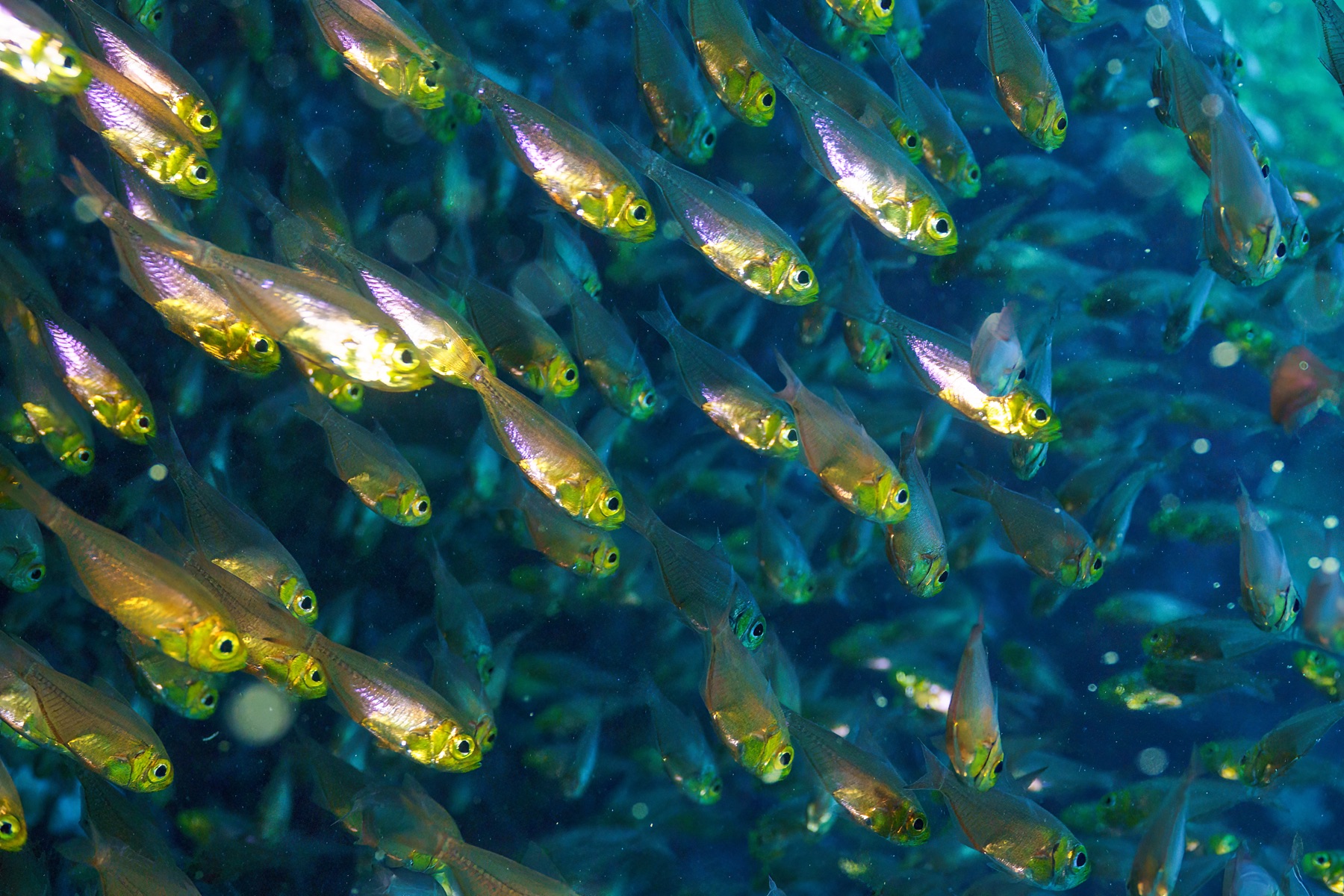
We met a school of pygmy sweepers in a swim-through.

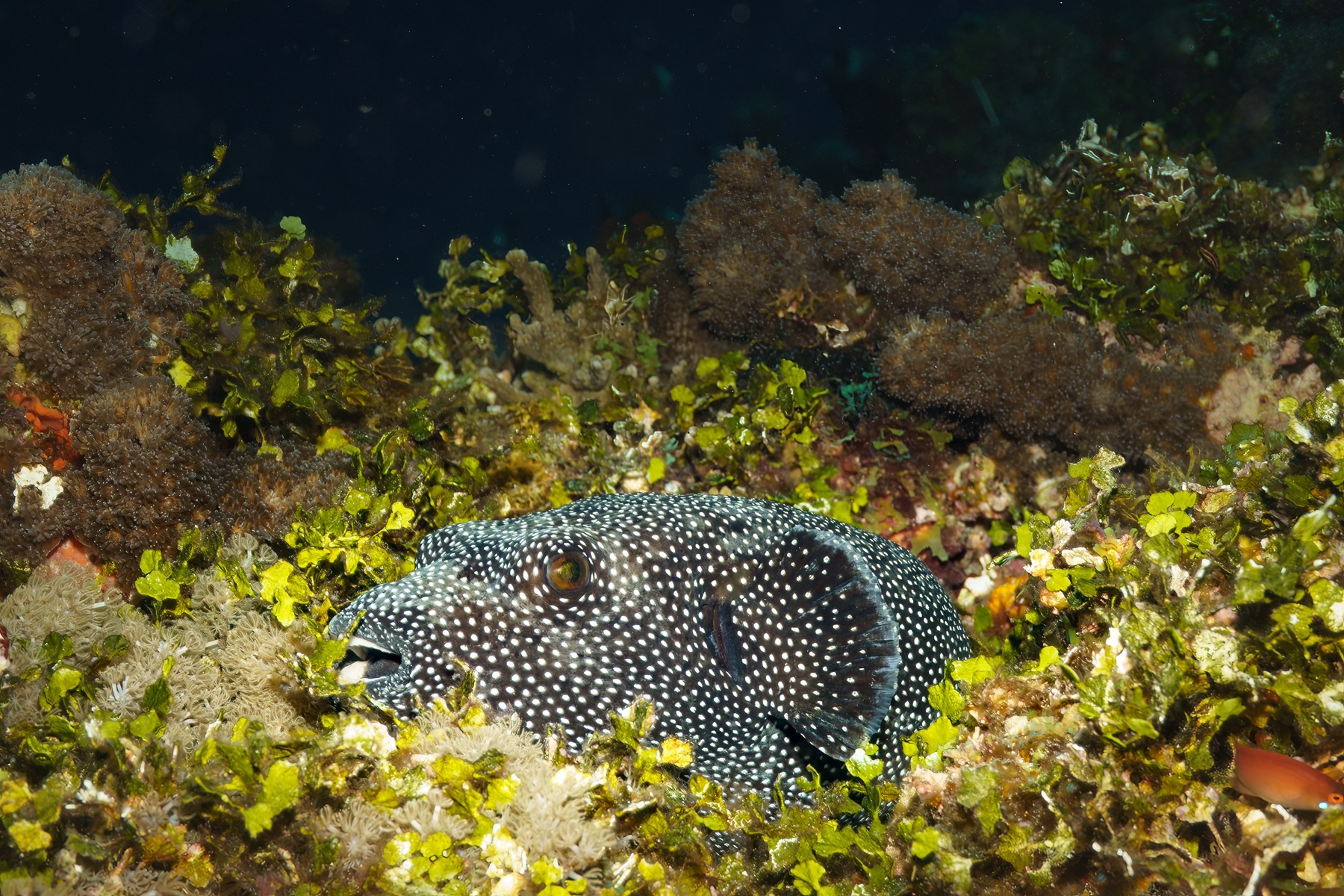
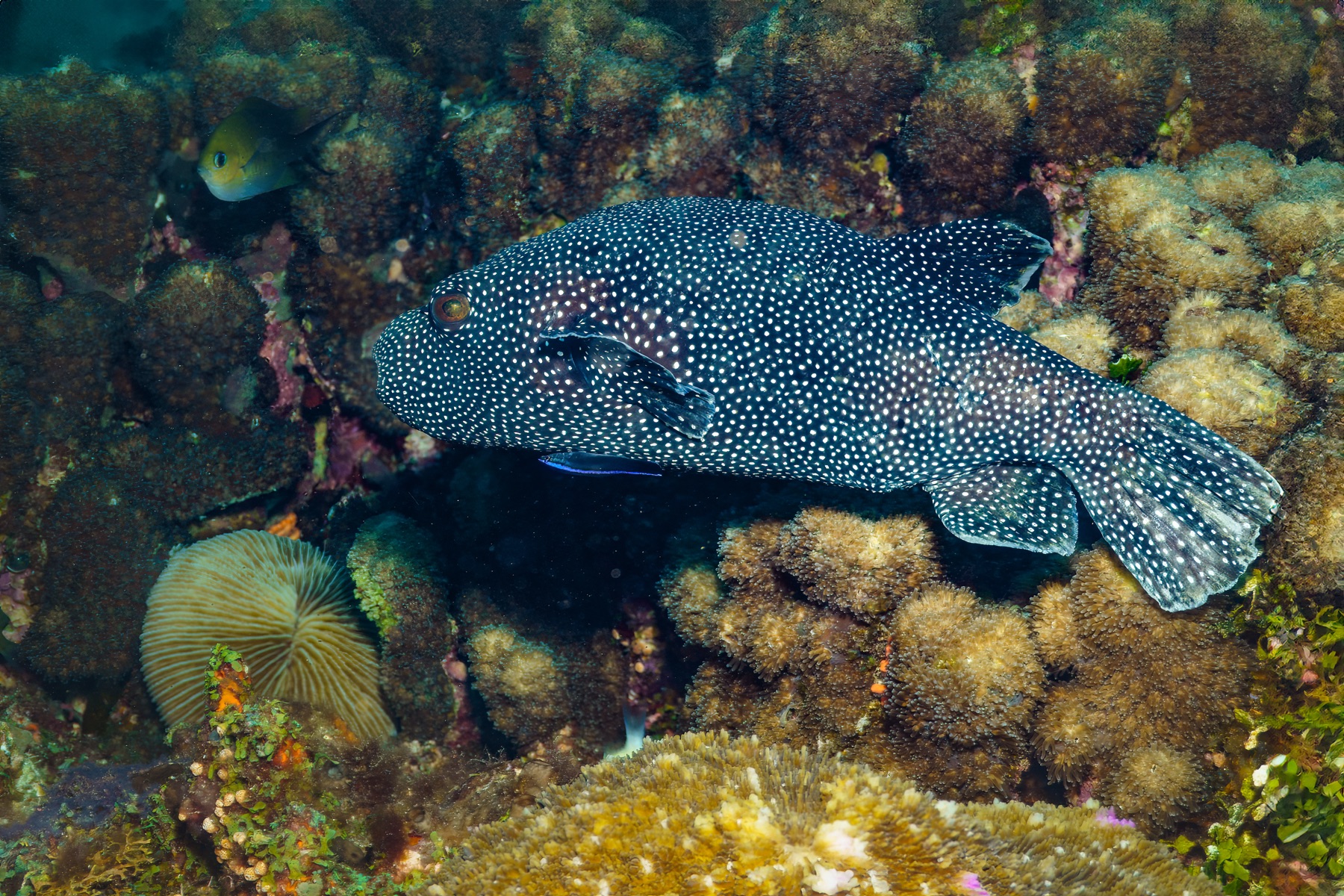
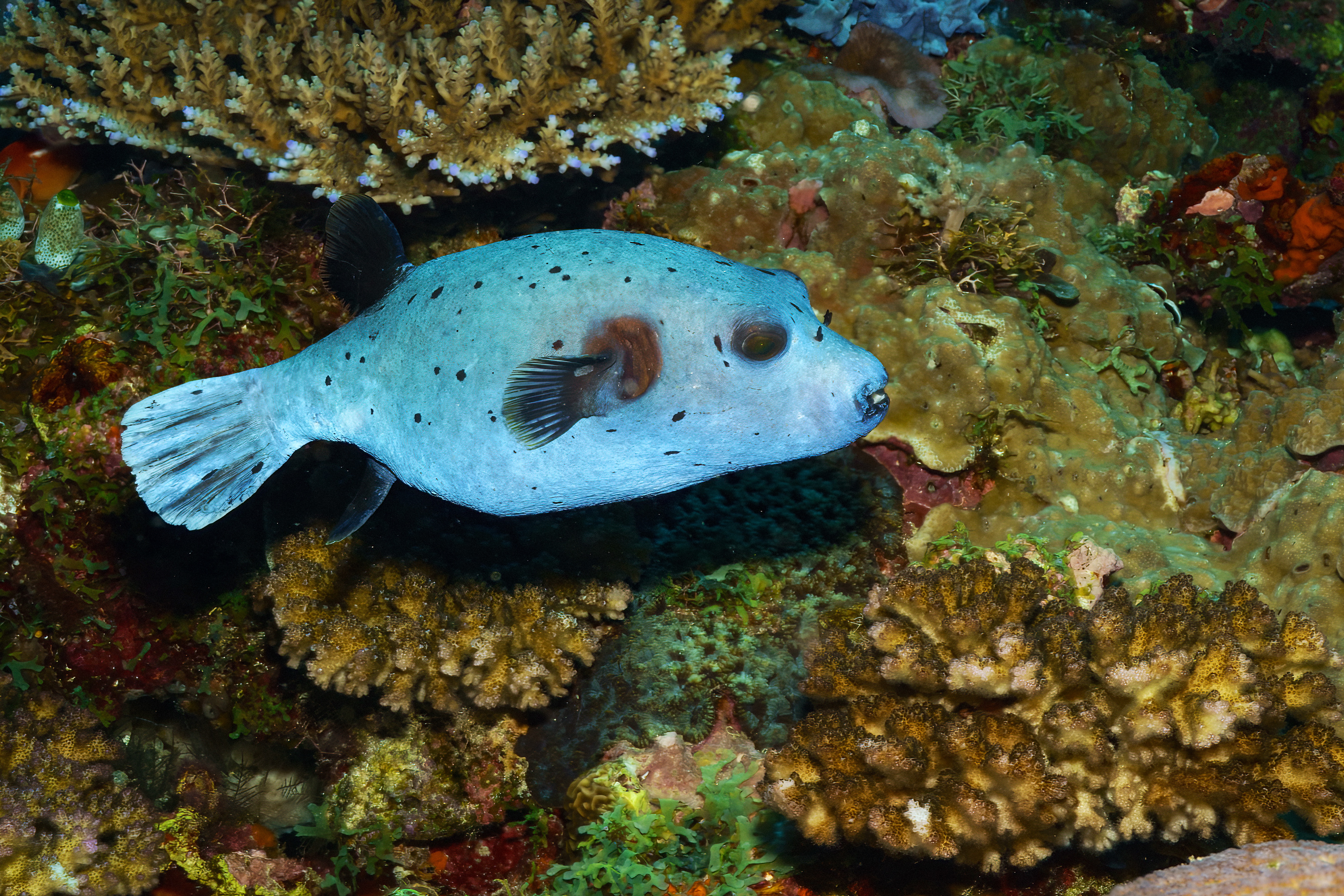
Next up a Guineafowl pufferfish and a Black spotted pufferfish

For some reason, I remain fascinated by the Sailor’s eyeballs (bubble algae) which are some of the largest single celled organisms in the world.

I would not have seen the well camouflaged frogfish, had our dive guide not pointed it out to me.

A bright yellow nudibranch was unfortunately facing away from us, but still makes for a colourful picture

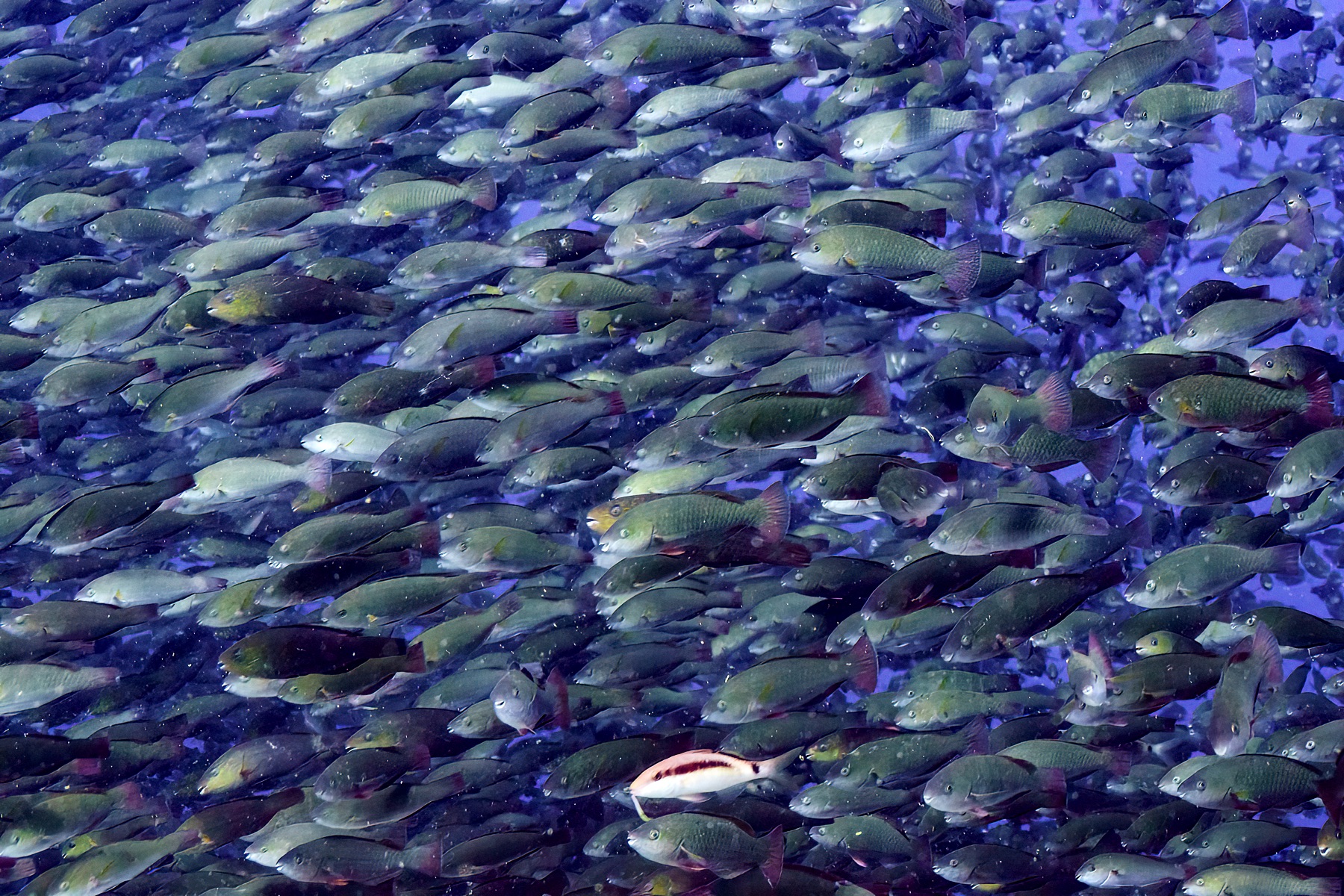
As we were heading towards the surface at the end of the dive, we encountered a large school of parrotfish. Watch the end of Liana’s video to see their mesmerising movements.

Watch the video in 4K if you can and also remember that you can click on any of the photos to see a full size version of it.

After our customary surface interval—spent relaxing on one of the island’s many small, pristine beaches—our second dive of the day took us to Mandela Wall.

This striking site, situated just outside the gap between Fundo Island and Njao Island, offered another captivating wall dive rich with healthy corals, vibrant marine life, and the characteristic clear waters of the region.

The remainder of the day passed in leisurely fashion. We lounged around the lodge, sorting through photos and videos from the morning’s dives while simply unwinding and enjoying the relaxed pace.

As we sipped our sundowners, Michael shared some excellent tips on underwater photography—advice we are eager to put into practice tomorrow.

Dinner was outstanding, featuring beautifully fresh fish as the main course. Afterward, we retired to our room early, resting up and recharging for another full day of diving ahead.

Pemba Island Diving: Day 1, Getting There

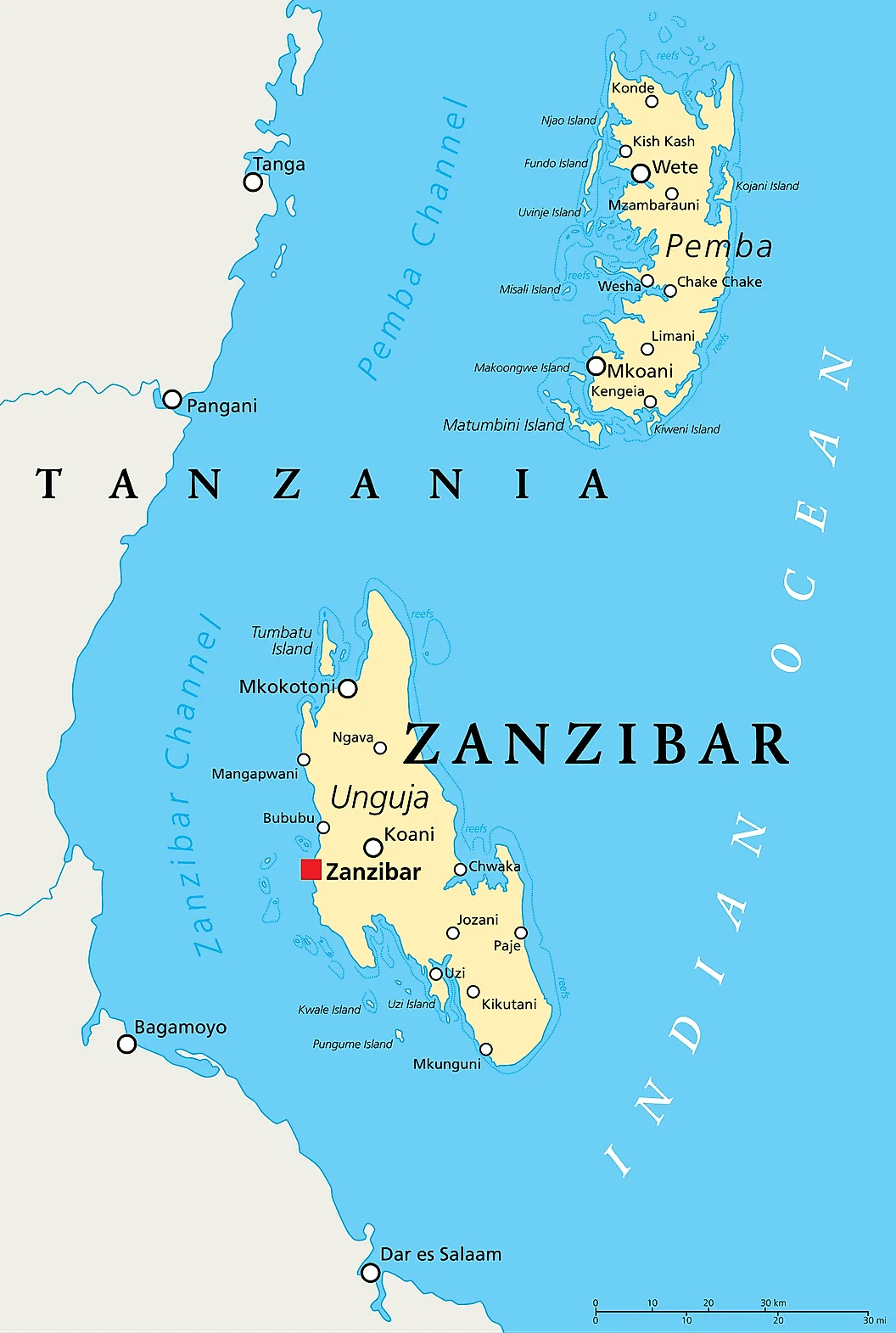
When South Africans hear “Pemba”, they immediately think Mozambique, prompting a little geography lesson. Pemba Island, Tanzania, is part of the Zanzibar archipelago and is situated to the north of Unguja Island, which is the one most people think of when talking about Zanzibar.

Out trip had been in the planning for a long time, ever since we heard that Michael and Carlotta of Afro Divers were building their own lodge. Our initial November 2025 plan had to be postponed due to some logistical problems at the new lodge, but finally we were on our way.

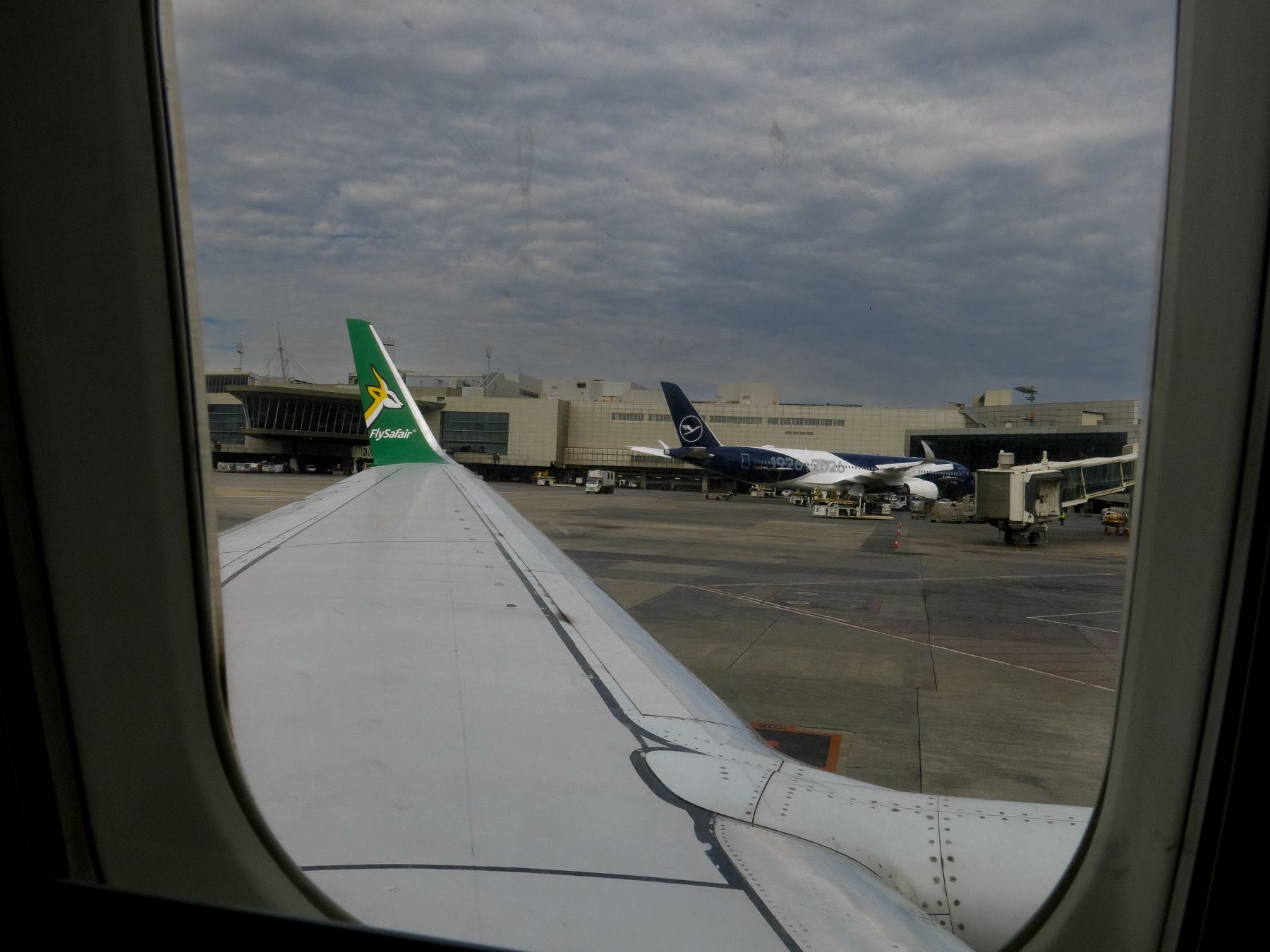
After a night sleepover at the airport City Lodge in Johannesburg, we boarded our early morning Safair flight to Zanzibar.

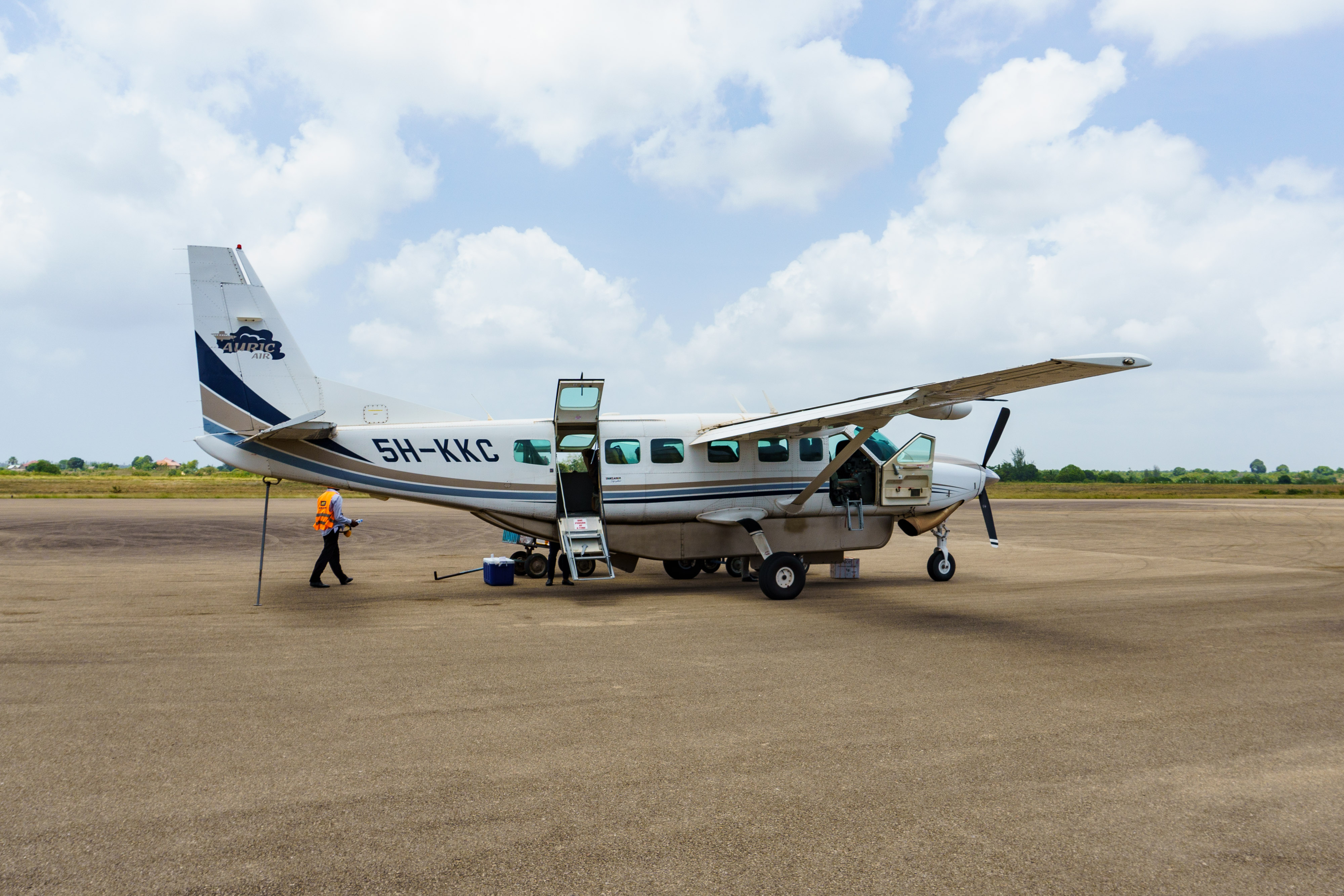
Once through the chaos of Customs & Immigration upon arrival in Zanzibar, we had to find our way to the Domestic terminal for our Auric Air flight to Pemba Island. Fortunately we found a very helpful porter to guide us and help with our luggage, since this would have been quite a mission otherwise.

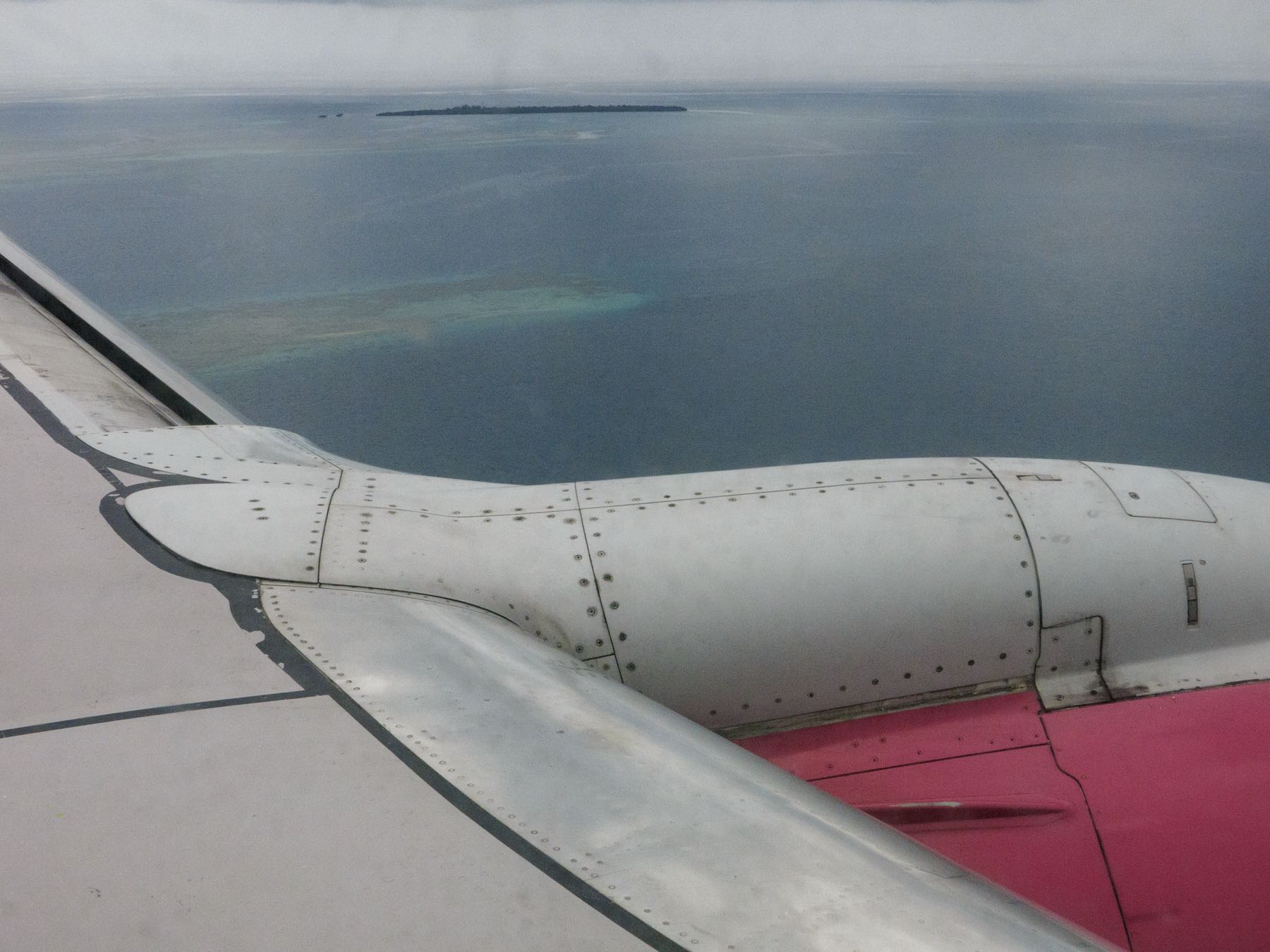
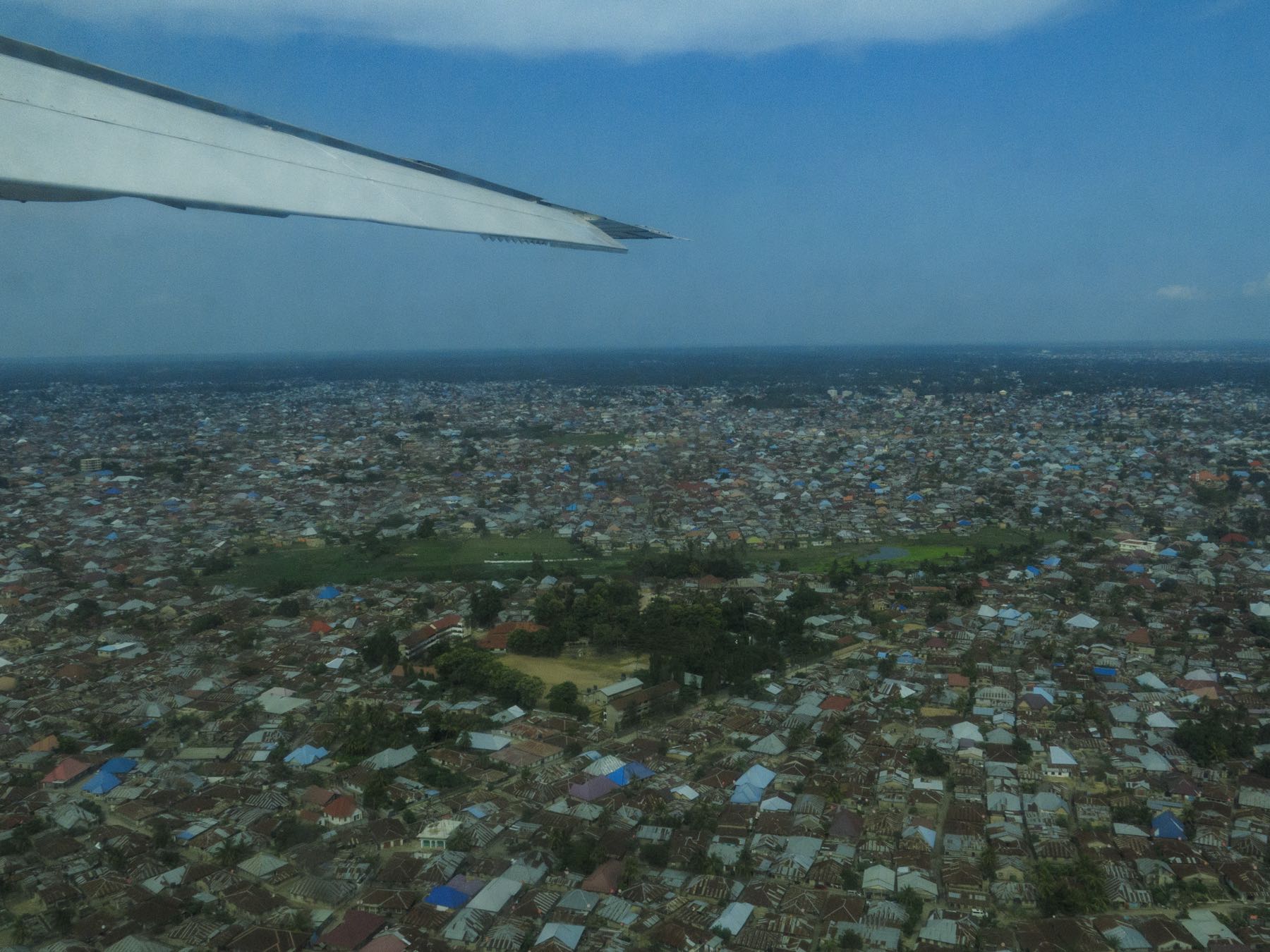
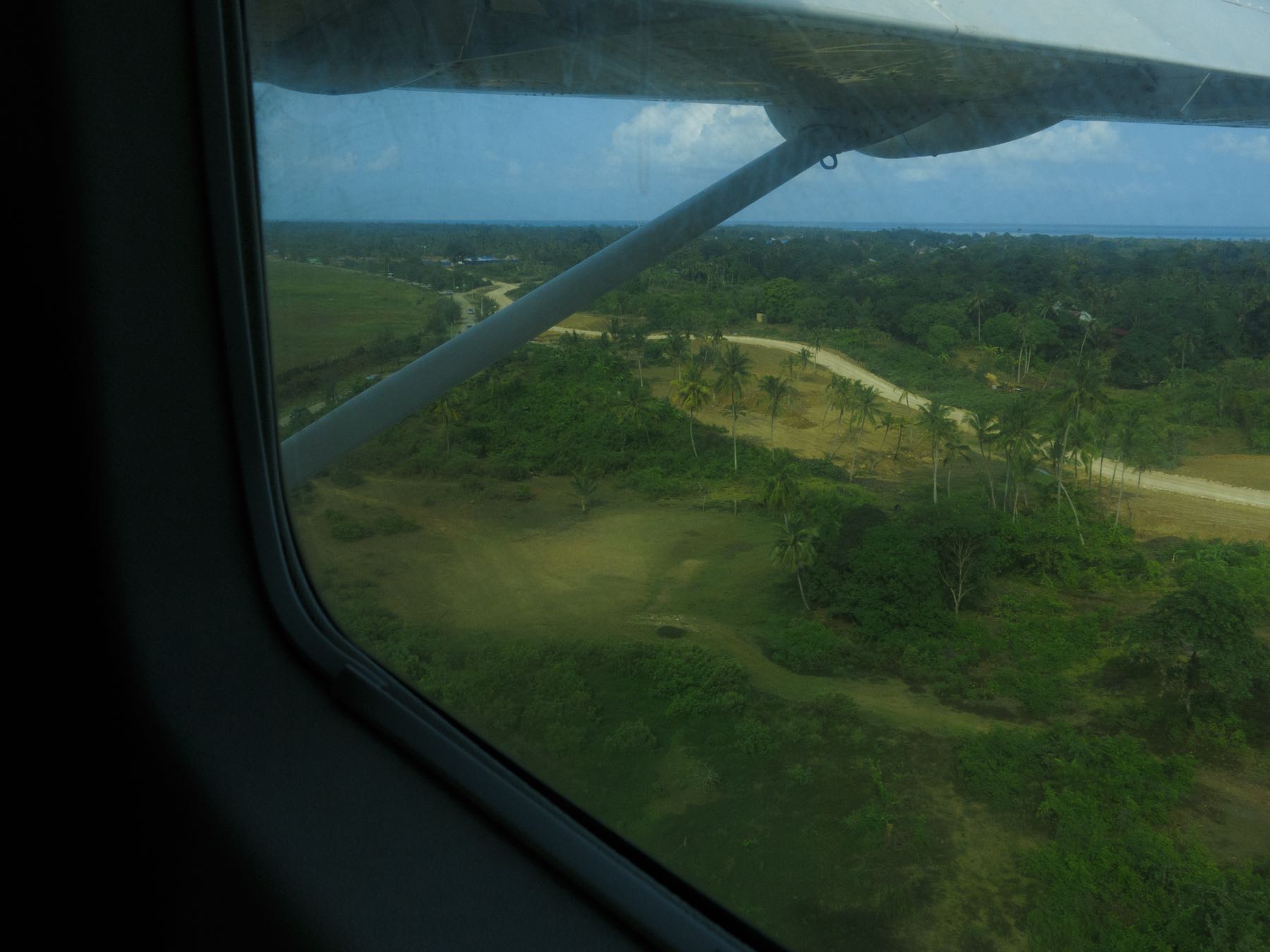
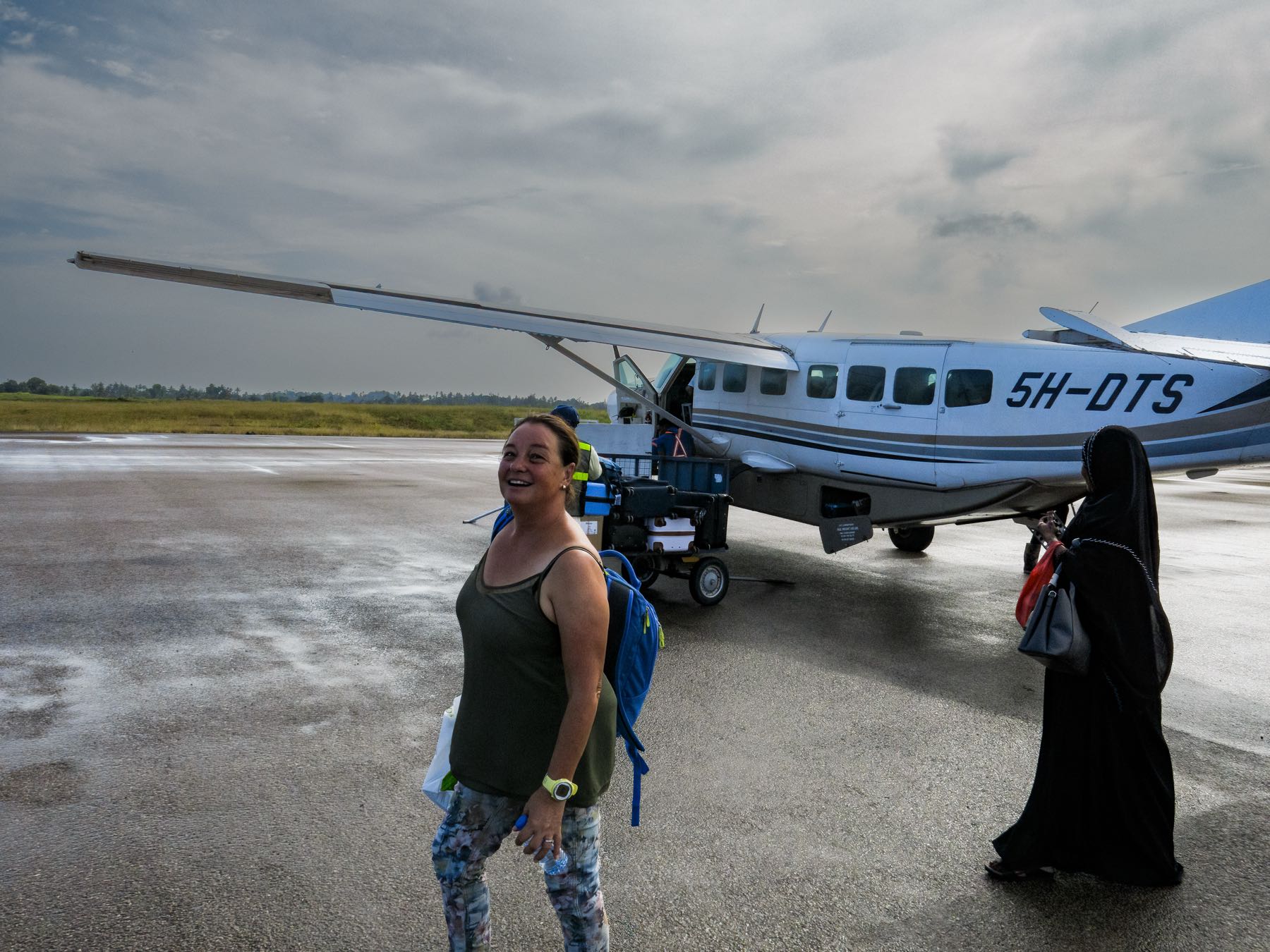
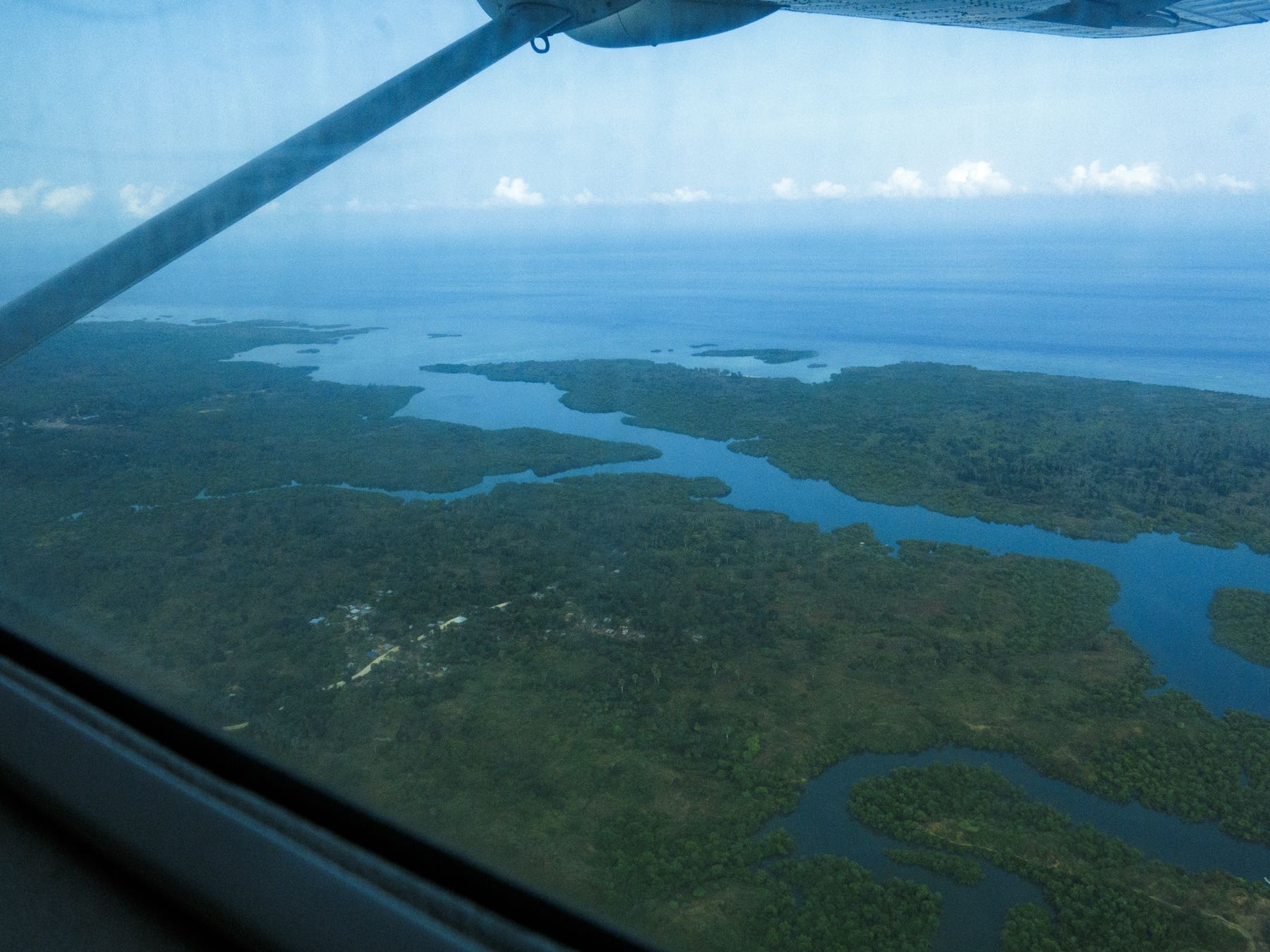
The flight to Pemba, in a Cessna Caravan, carrying a pilot and 13 passengers, took about 35 minutes.

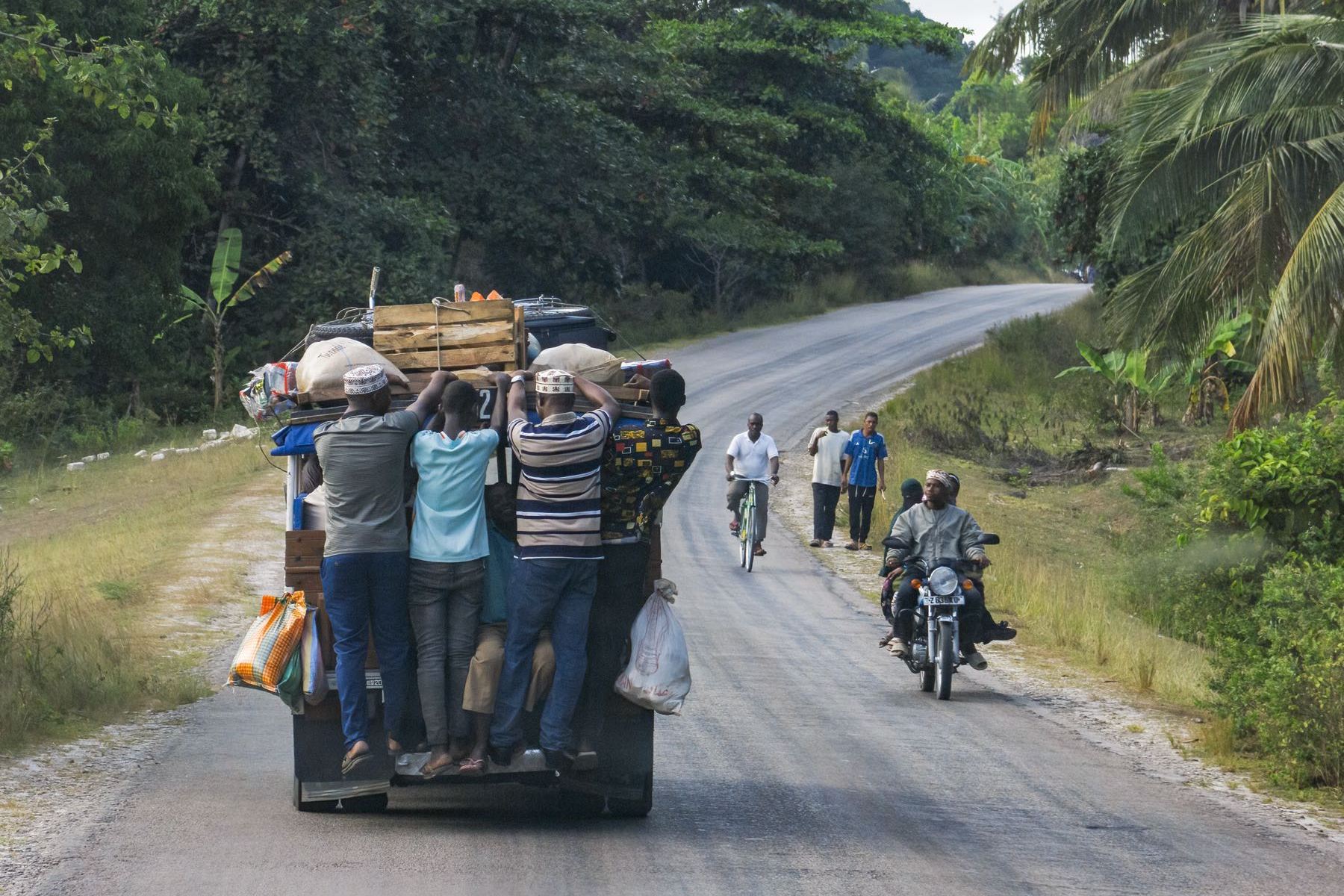
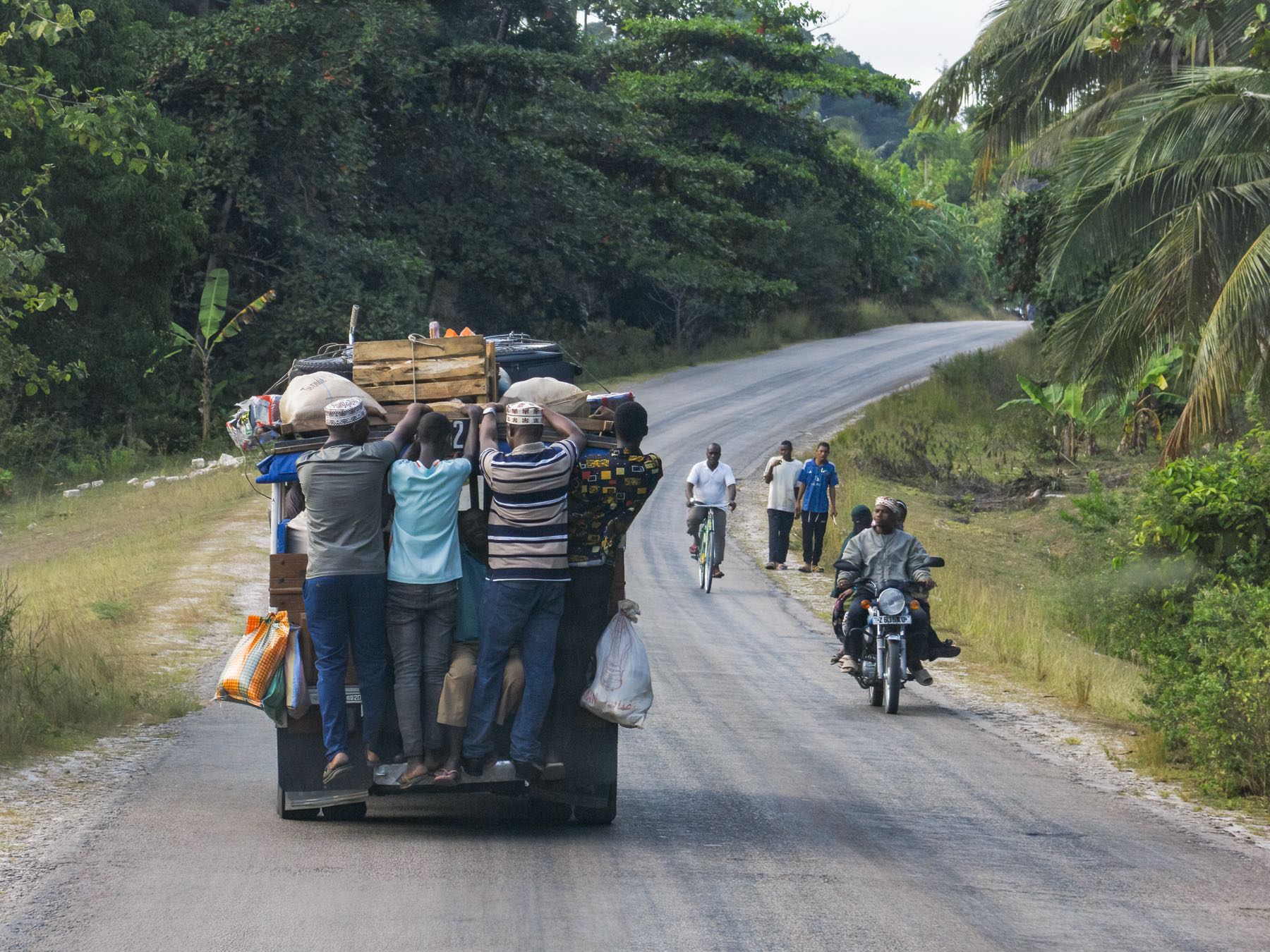
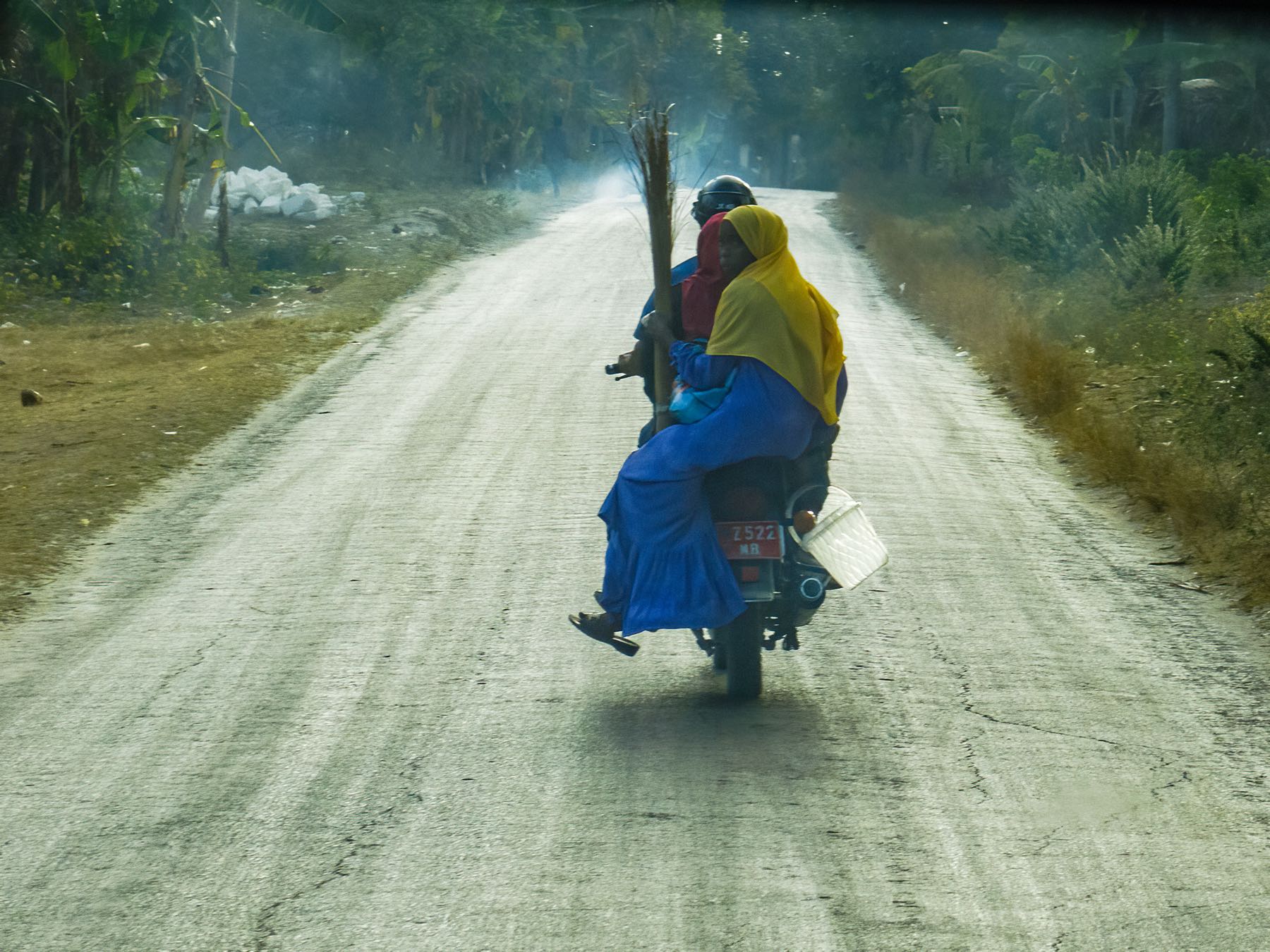
This was followed by an hour’s drive, going progressively more off the beaten track.

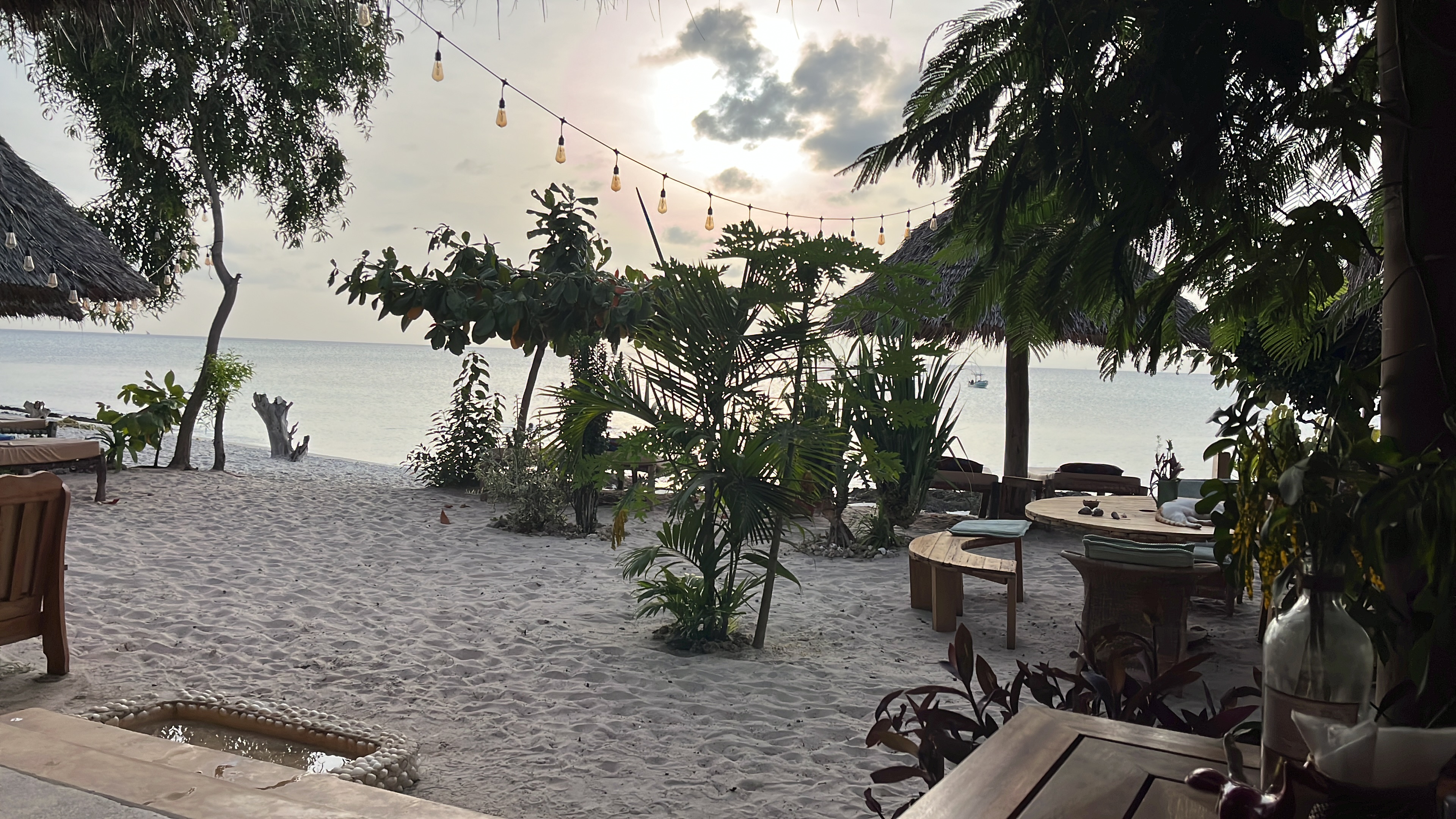
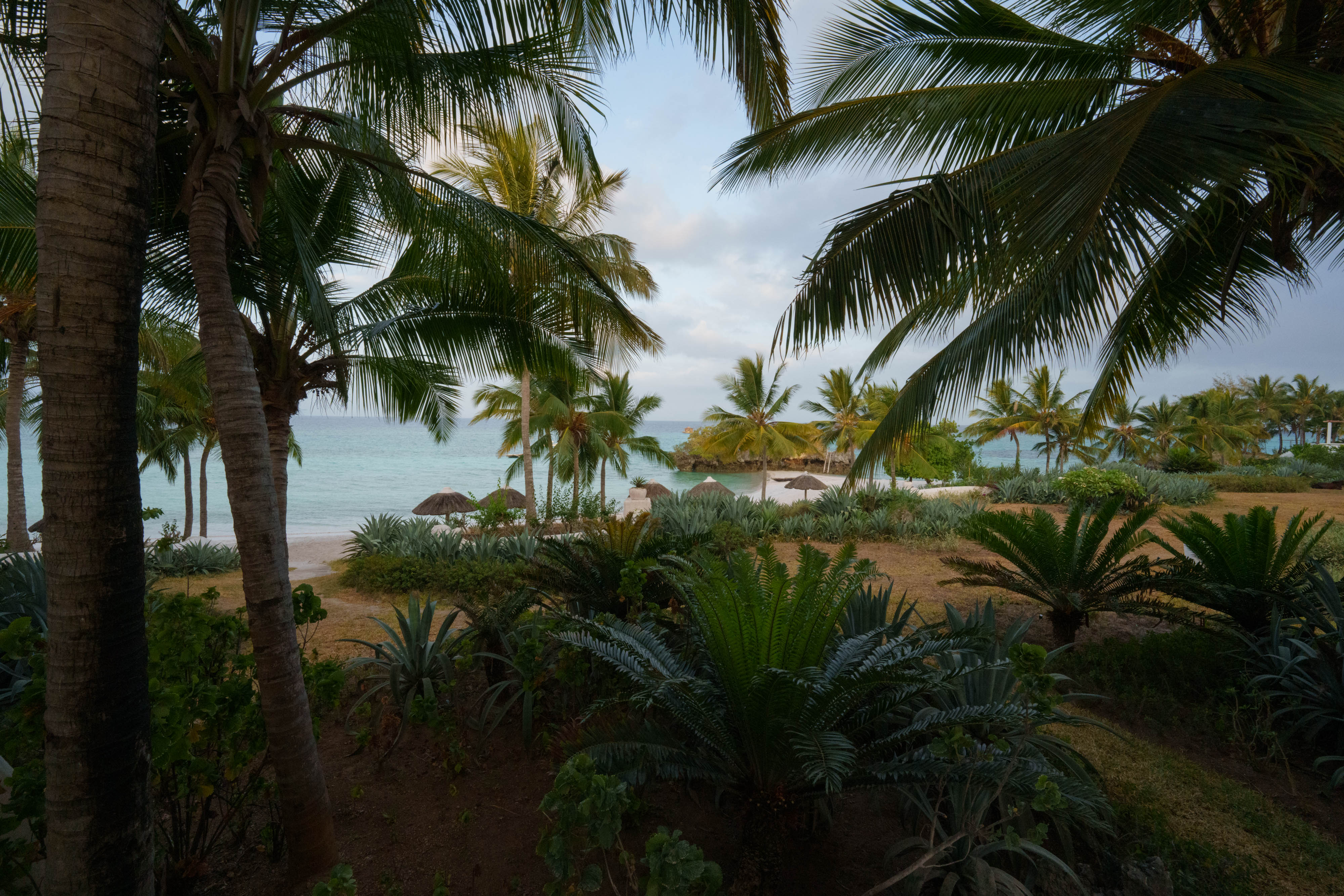
Eventually, 12 hours after we started queuing for check-in at OR Tambo International Airport, we arrived at Afro Divers lodge, to a very friendly reception in Paradise.

After catching up with Michael and Carlotta over a couple of beers, we sat down to an excellent dinner of Fish Ceviche, followed by a Beef Burger. We decided to skip dessert and opted for an early night in preparation for our first day of scuba diving in three years.
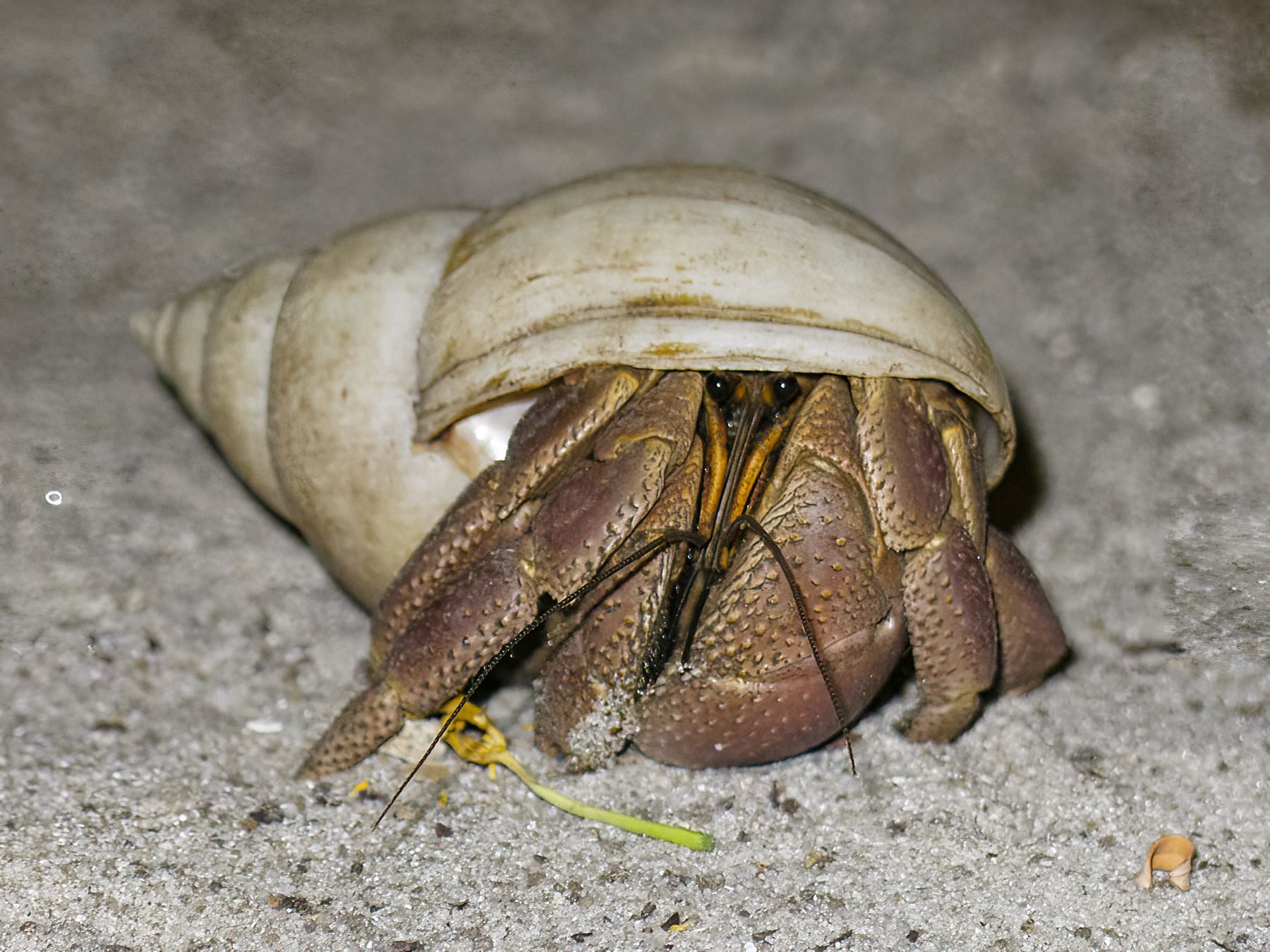
During dinner, we had an interesting visitor to our table.

Tanzania 2023: Part 1: Pemba Island Diving

At last the long anticipated family tropical island holiday arrived. Despite relatively short distances and flight times involved, travel to Zanzibar and Pemba Island from South Africa has become a bit of a challenge. We left home Friday 10 February at around 10:30 and finally arrived at The Aiyana on Pemba Island around 14:00 on Saturday, having had a long layover in Johannesburg, arriving in Dar es Salaam at around 02:00 with about 3 hours sleep in Dar es Salaam Serena Hotel. From Dar es Salaam to Pemba we flew in a Cessna Grand Caravan, a plane which we would eventually spend a lot of time in over the course of the Tanzania trip.

Sunday morning saw us ready to go diving with Afro Divers. After a light breakfast of fruit, croissants and coffee, we were picked up from The Aiyana at 08:00 and transported to the dive centre, where we were welcomed by Michael and his crew and kitted out. A short boat trip got us to our first dive site and for some of the family members who don’t scuba, to a lovely site for snorkelling. The diving off Pemba Island is truly magnificent: warm water, unspoilt coral reefs, easy entry with gradual descents along the walls. This is about as relaxing as diving can get.
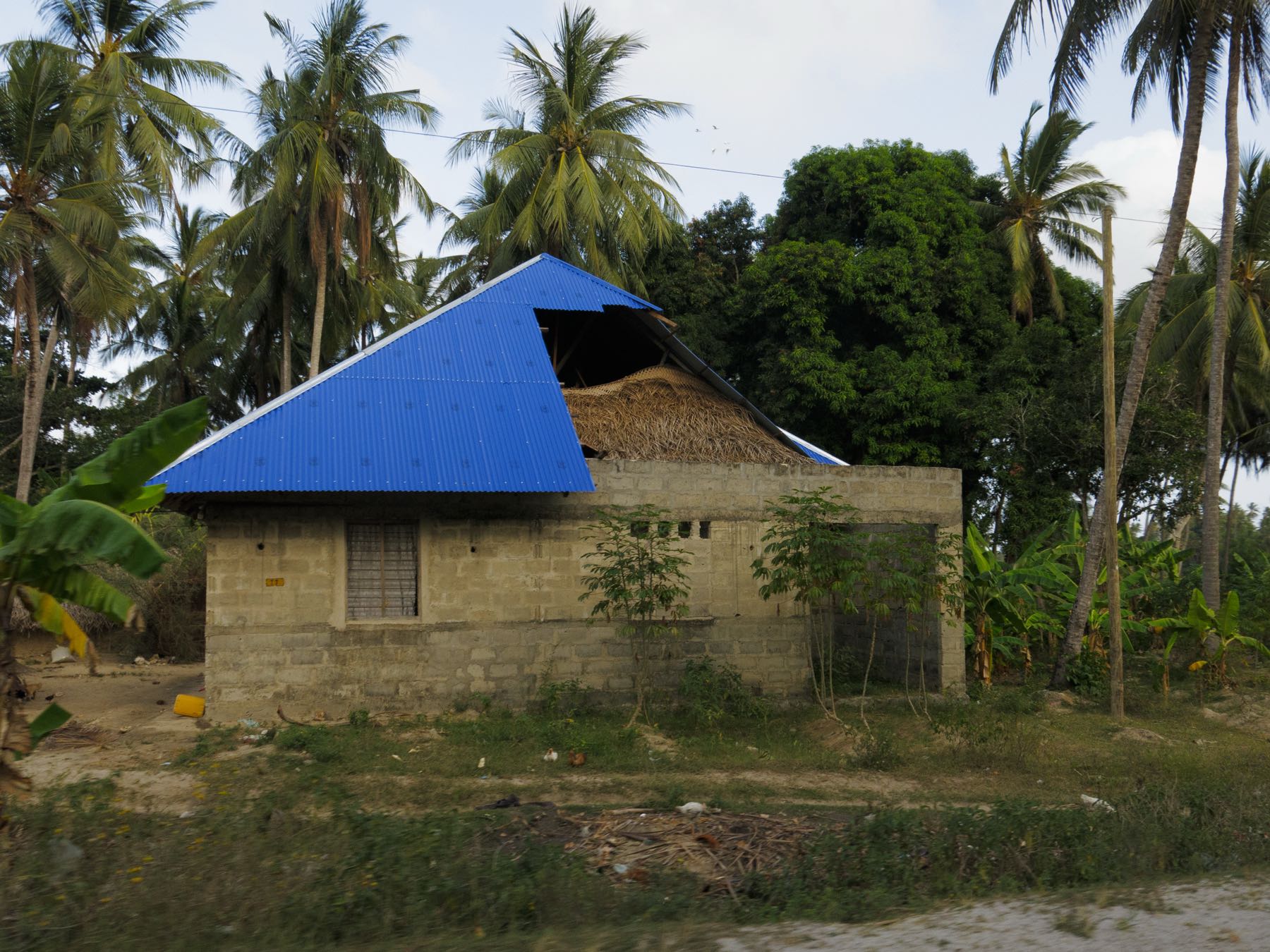
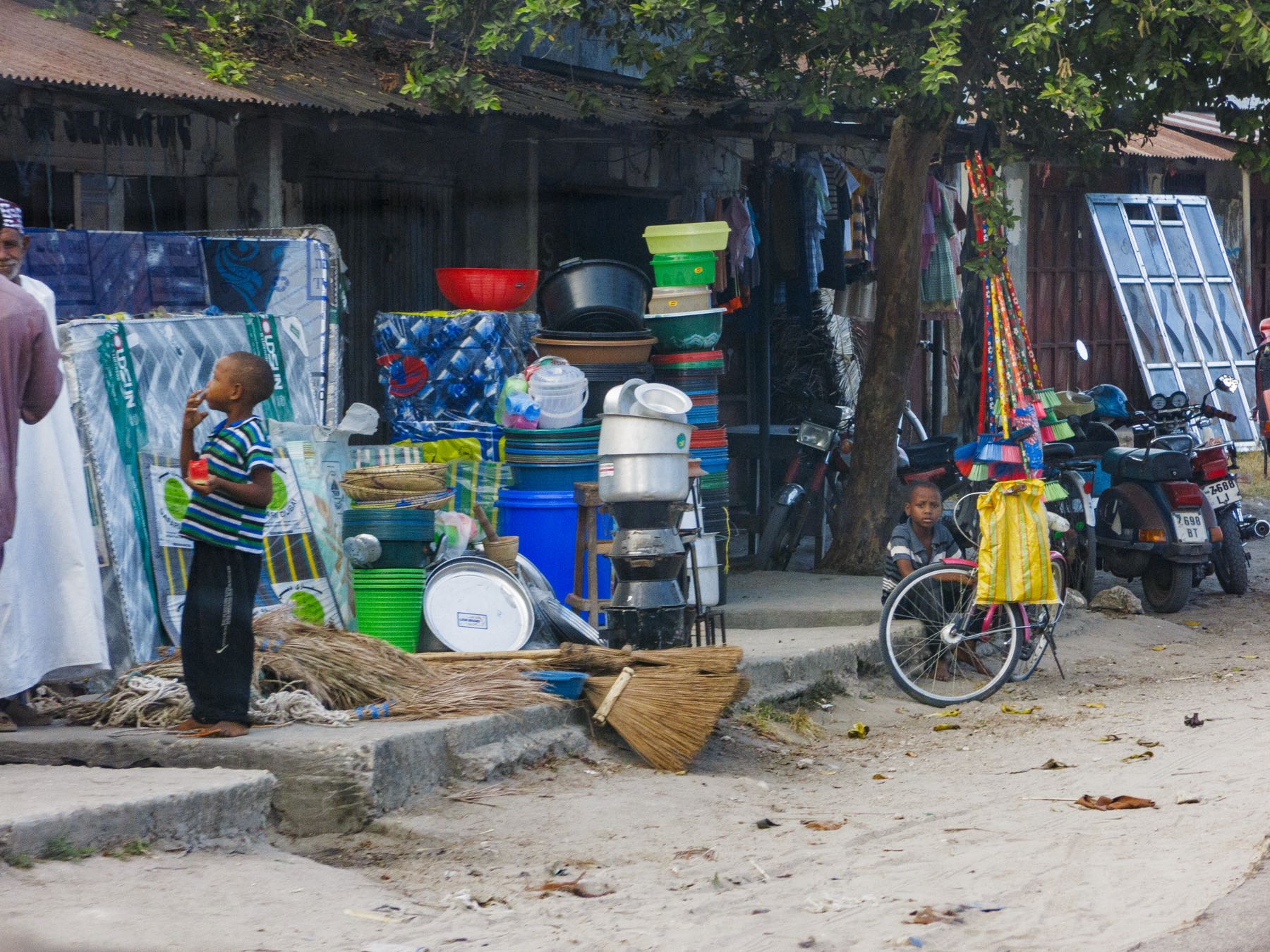
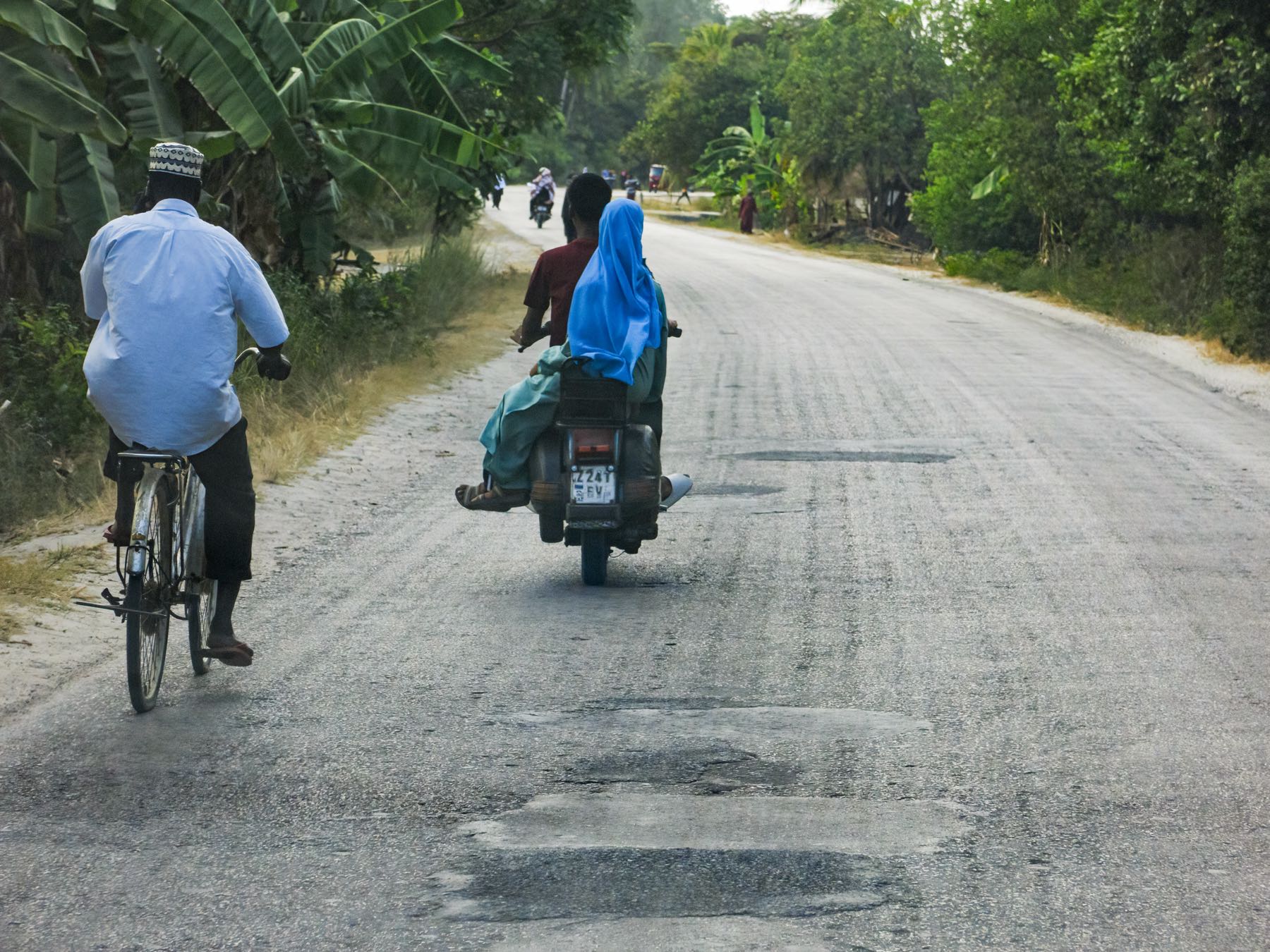
More diving was to follow for the next few days.

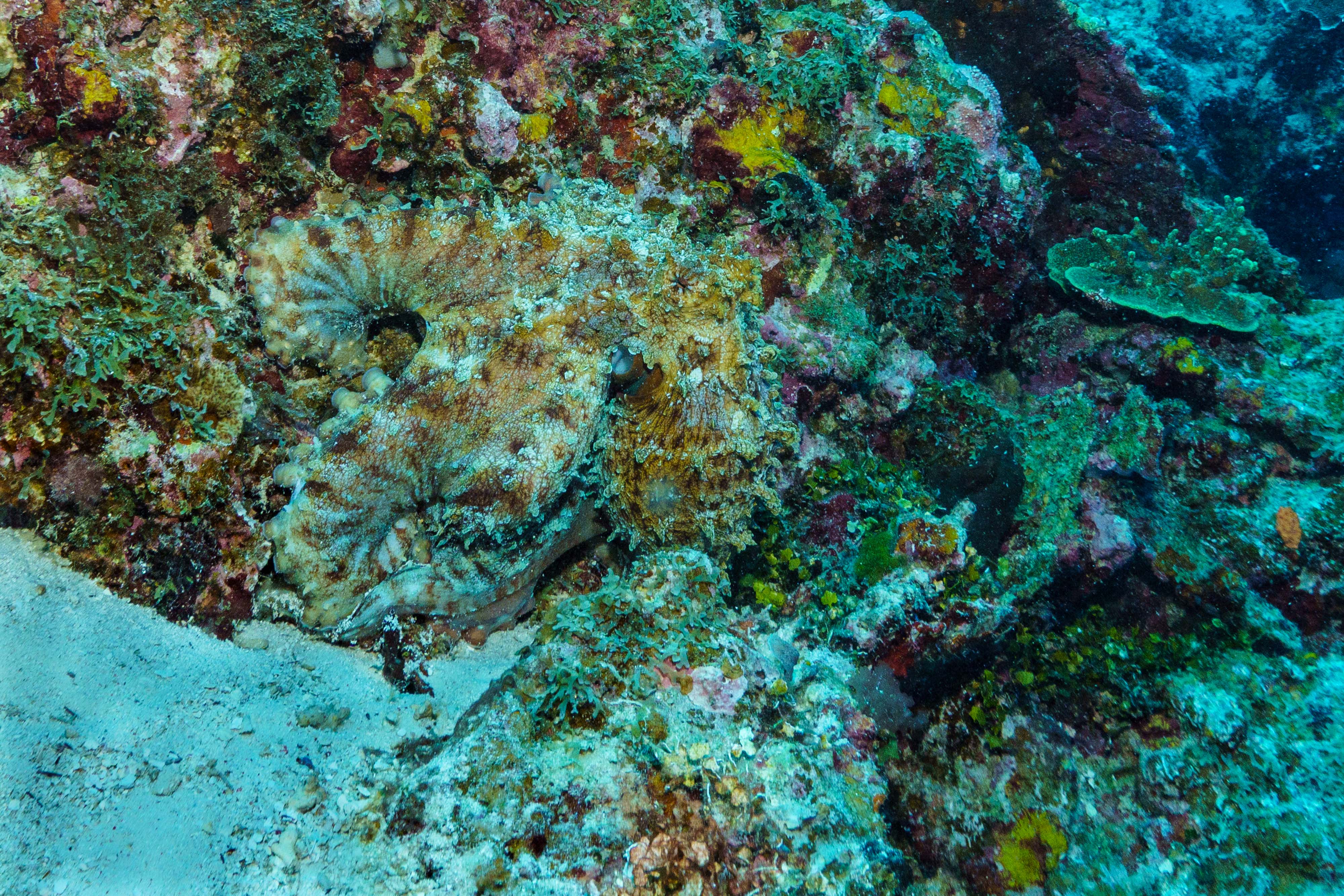
The octopuses and their ability to camouflage themselves by rapidly changing their appearance according to the surroundings never cease to amaze me.

Equally well camouflaged amongst the corals are the leaf scorpionfish.

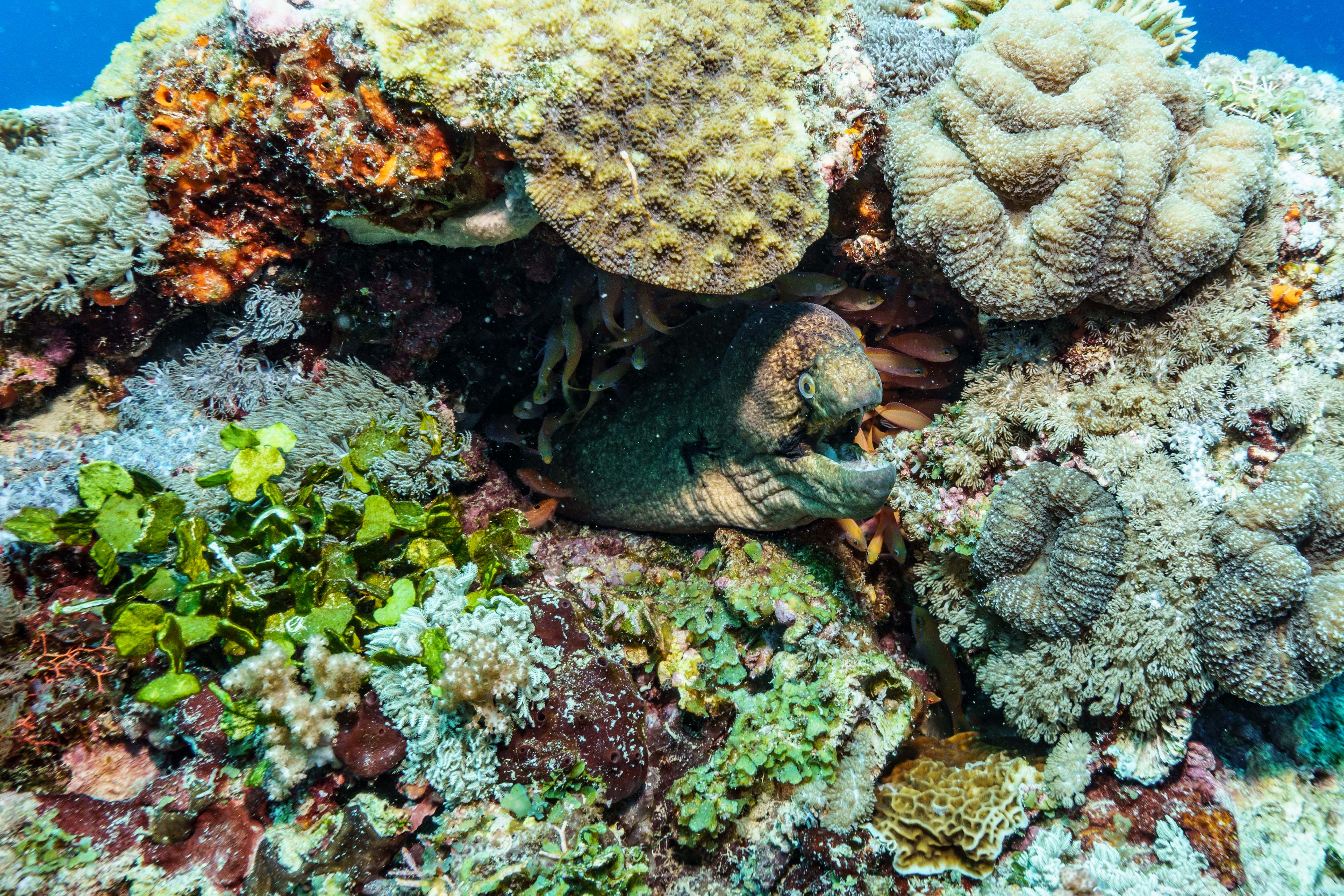
Some beautiful moray eels also poked their heads out.

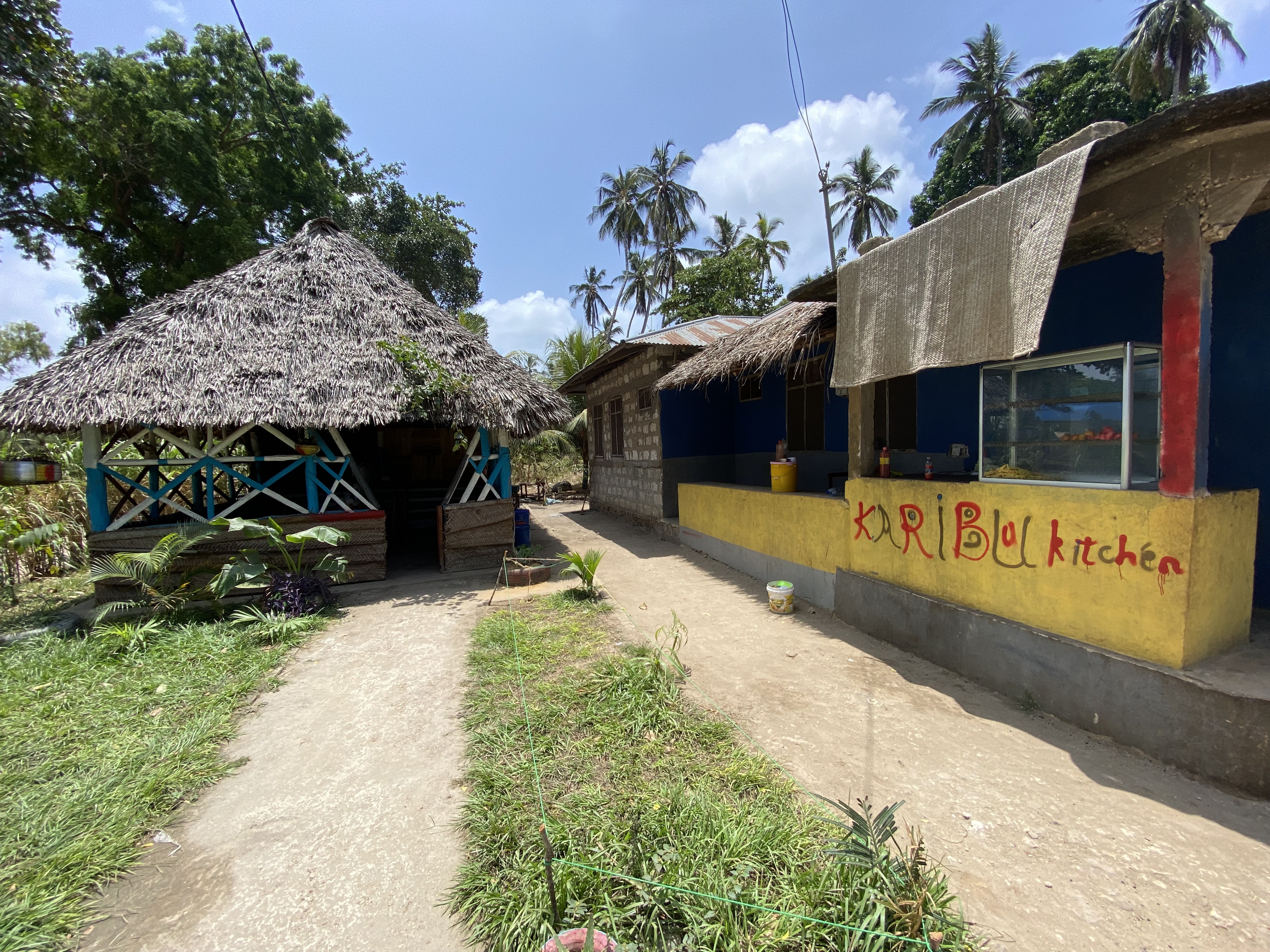
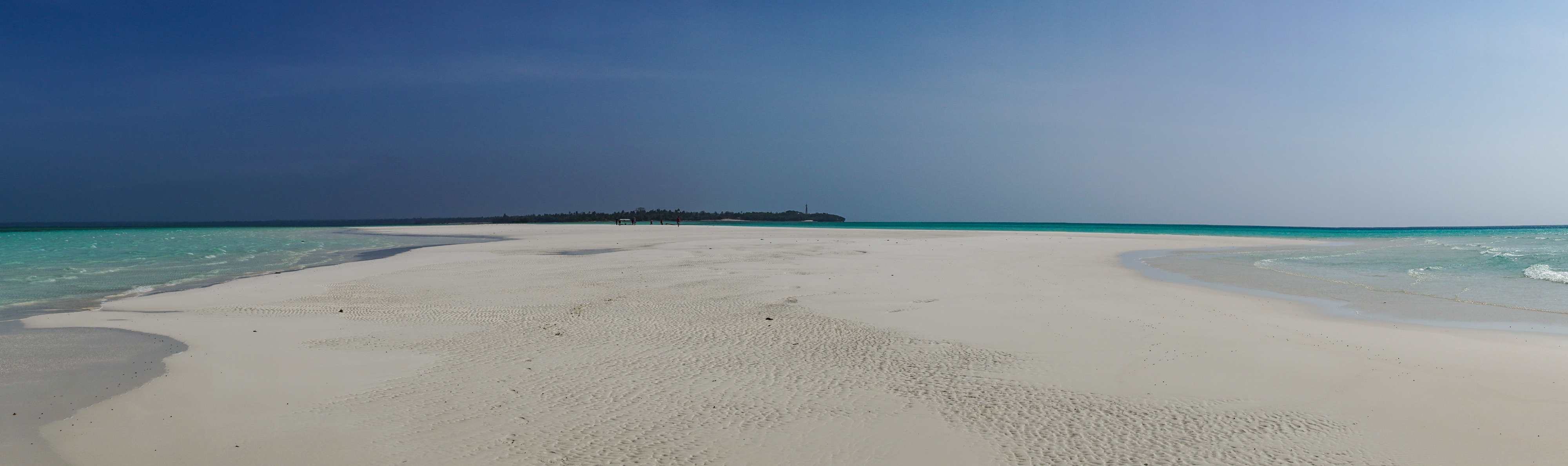
We took a day off from diving to explore some other attractions on Pemba Island. A visit to the mangroves was followed by lunch in a small local restaurant in Makangale town and an afternoon boat ride to the sandbank north of the island. These were all organised by Sija of Pemba Tours

Finally some more diving to end off the first part of our trip.

Part 2 : Mahale Mountains National Park : Chimpanzee trekking here

Part 3 : Ngorongoro Crater here