Pemba Island Diving: Day 6, last day of diving and disaster averted

I’m still not entirely sure how it happened, but somehow saltwater found its way into the battery compartment of my strobe. I only discovered it the previous afternoon while preparing my camera gear for the next day’s shoot. Thankfully, Mudy stepped in to help me carefully clean it out. After that, I left it to dry overnight and checked it again first thing in the morning. The moment I inserted the batteries and the strobe powered up normally, I let out an enormous sigh of relief.

After this the morning initially proceeded in the usual way, until we got on the dive boat and one of the engines refused to start. Since it was our final day of diving, Michael had planned to take us to a more distant and rewarding site. With the large boat fully loaded with divers, however, running on a single engine made the longer trip impractical. After a quick discussion, we transferred to the smaller boat for the extended journey, while the rest of the group remained on the larger vessel and headed to a nearer site.

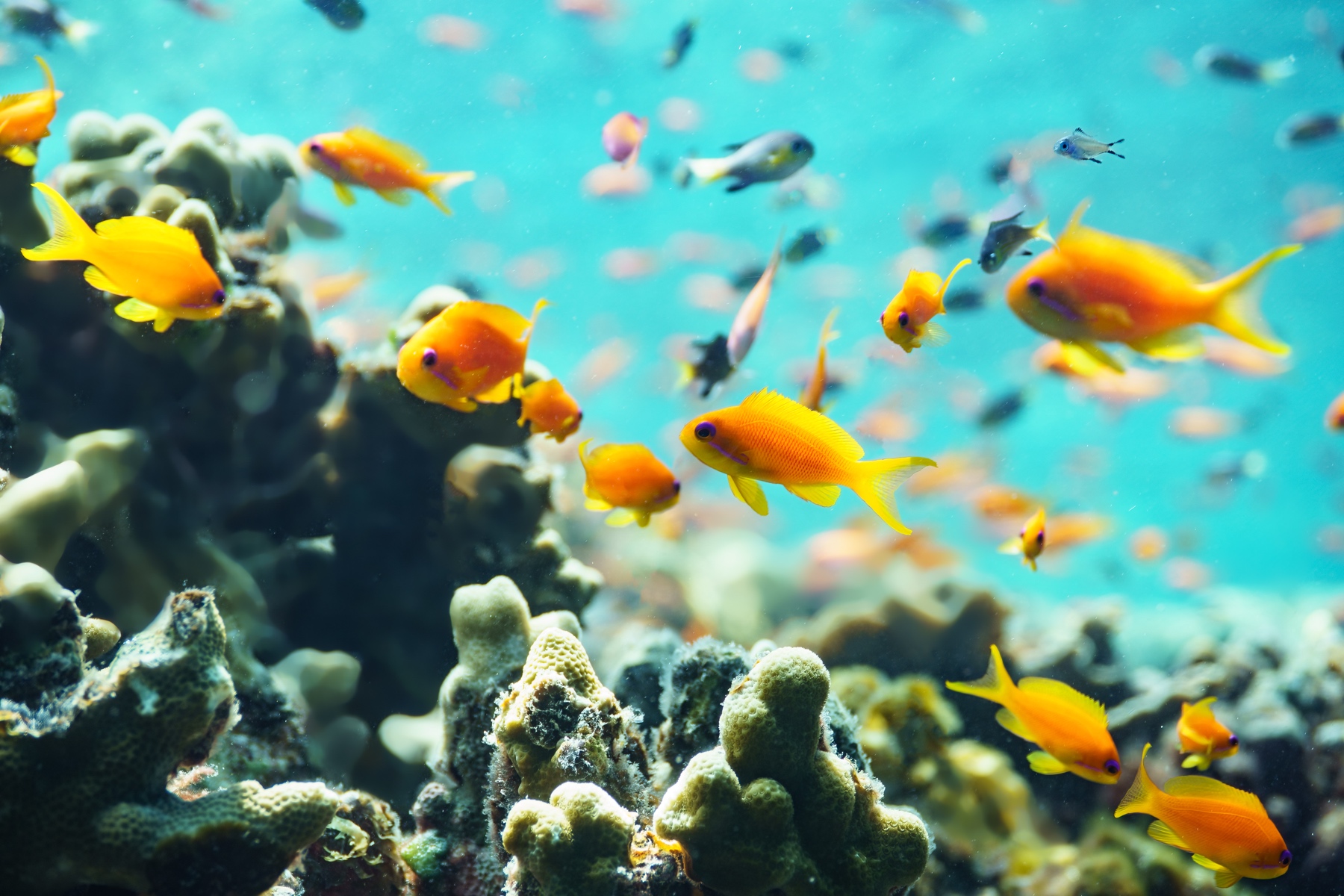
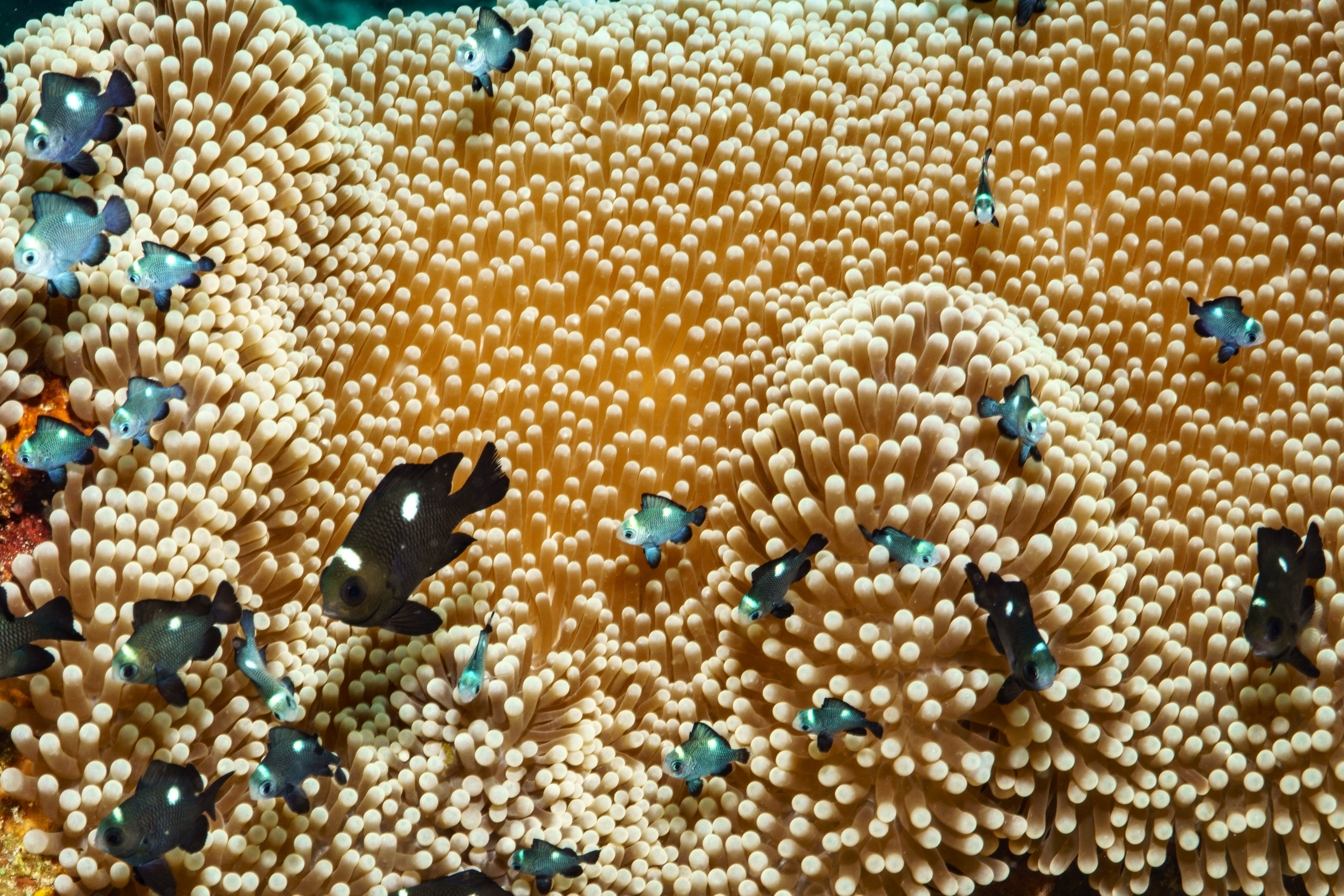
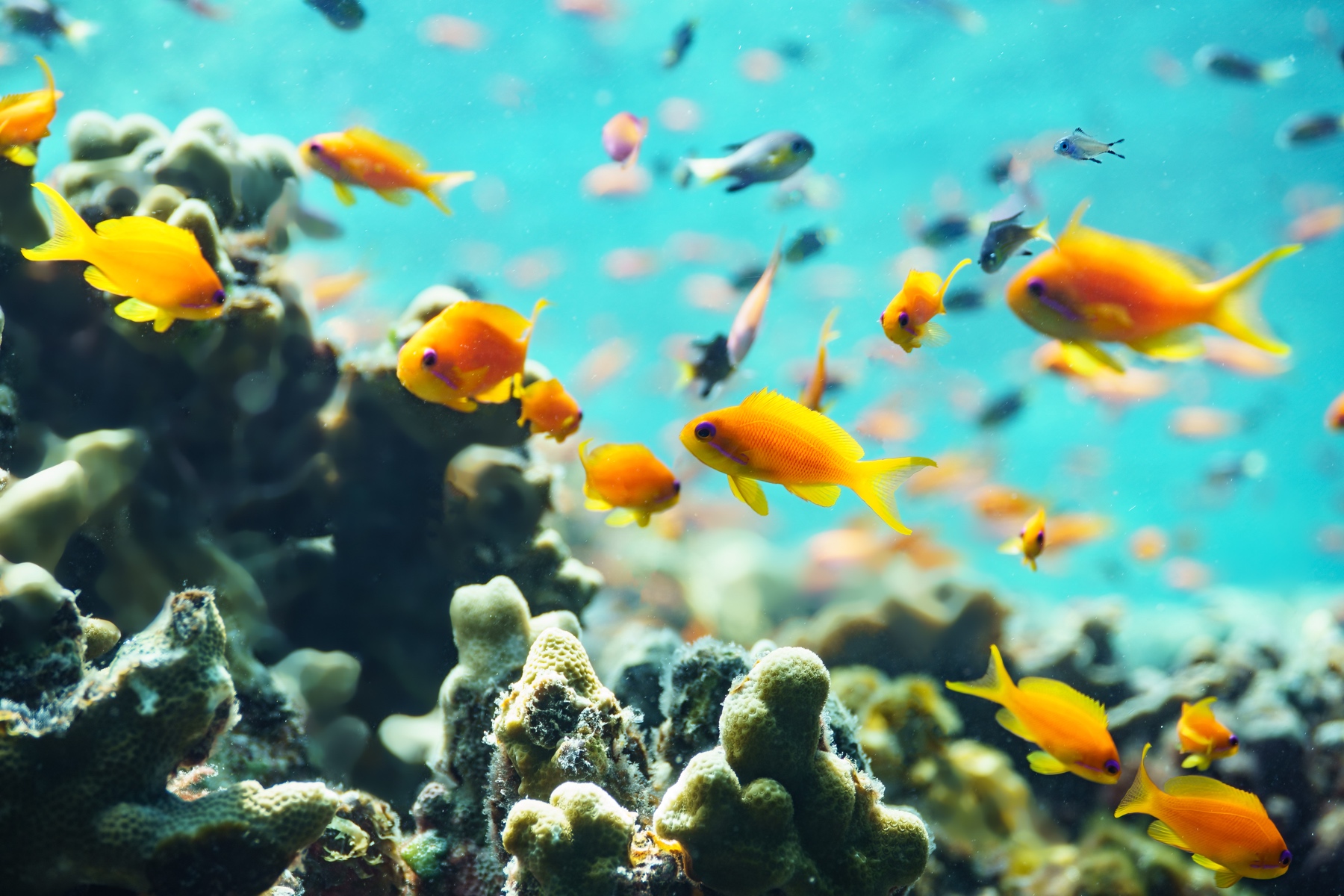
The longer journey proved more than worthwhile. We were rewarded with some breathtaking corals —vivid, intricate, and almost impossible to capture fully in still photographs, especially with a macro setup. Liana’s video (watch in 4K if possible) comes closer to conveying the sheer spectacle, yet even it falls short of the experience in person. With stronger video lighting, perhaps one could come nearer to revealing the true magnificence of that underwater world in full colour. **

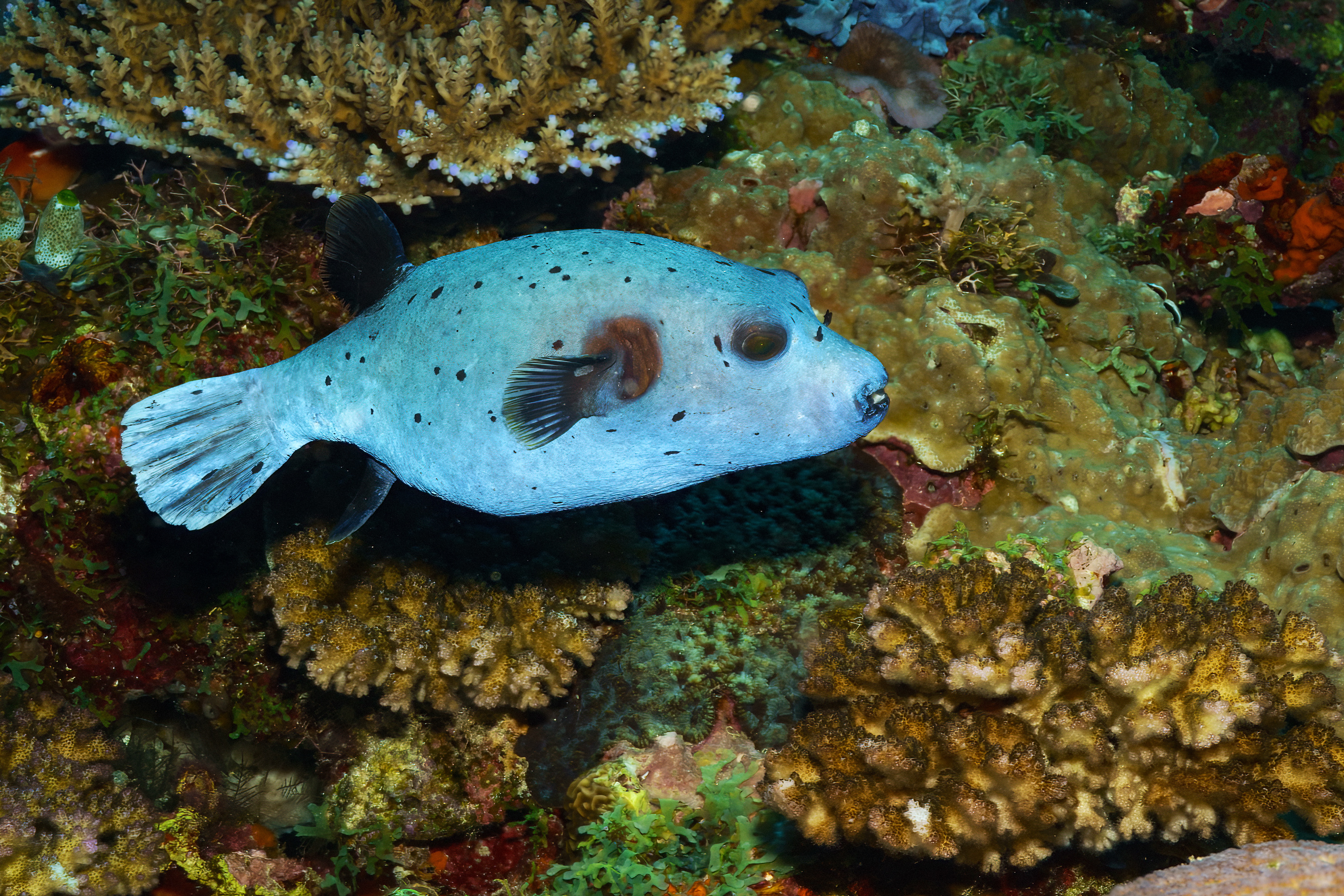
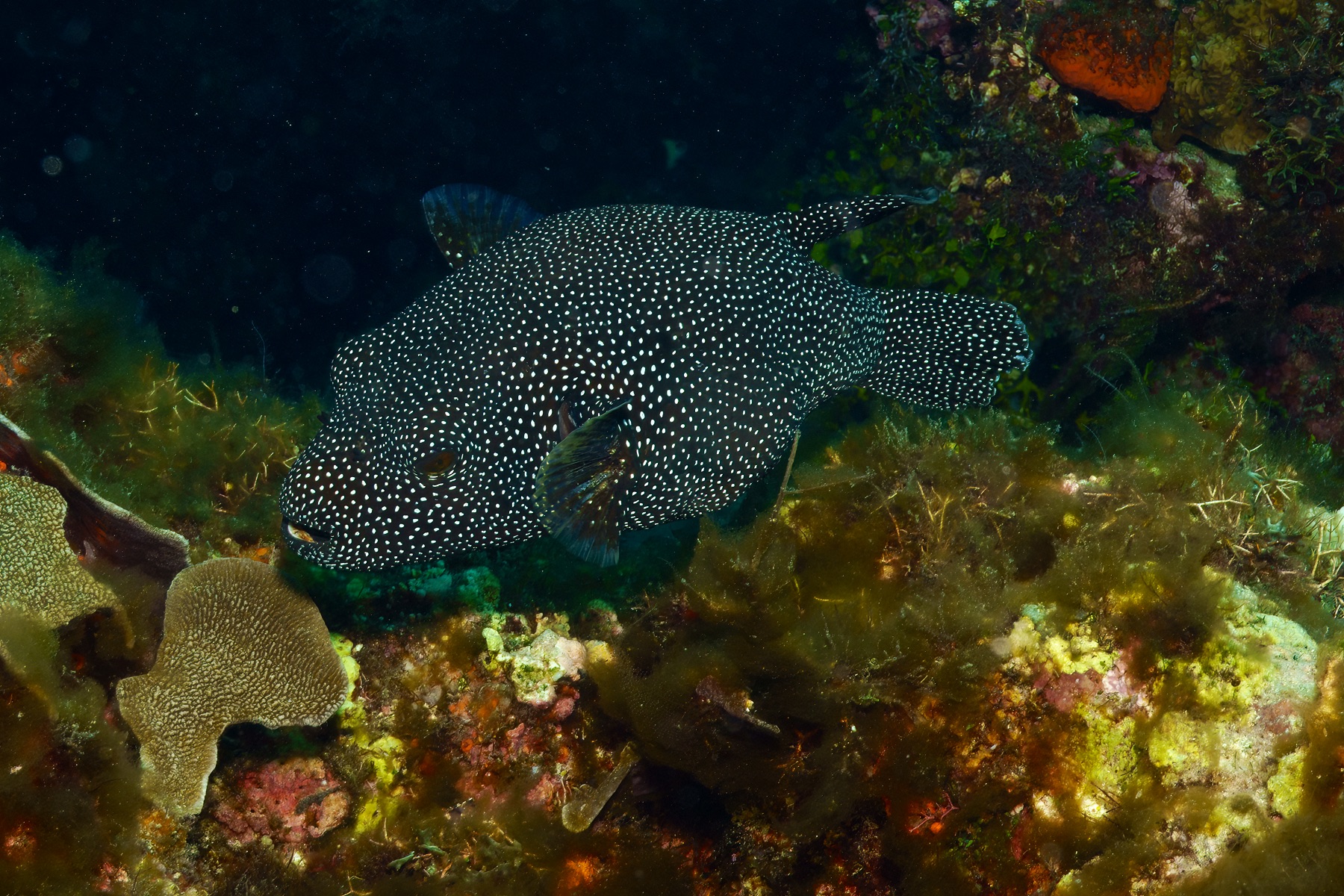
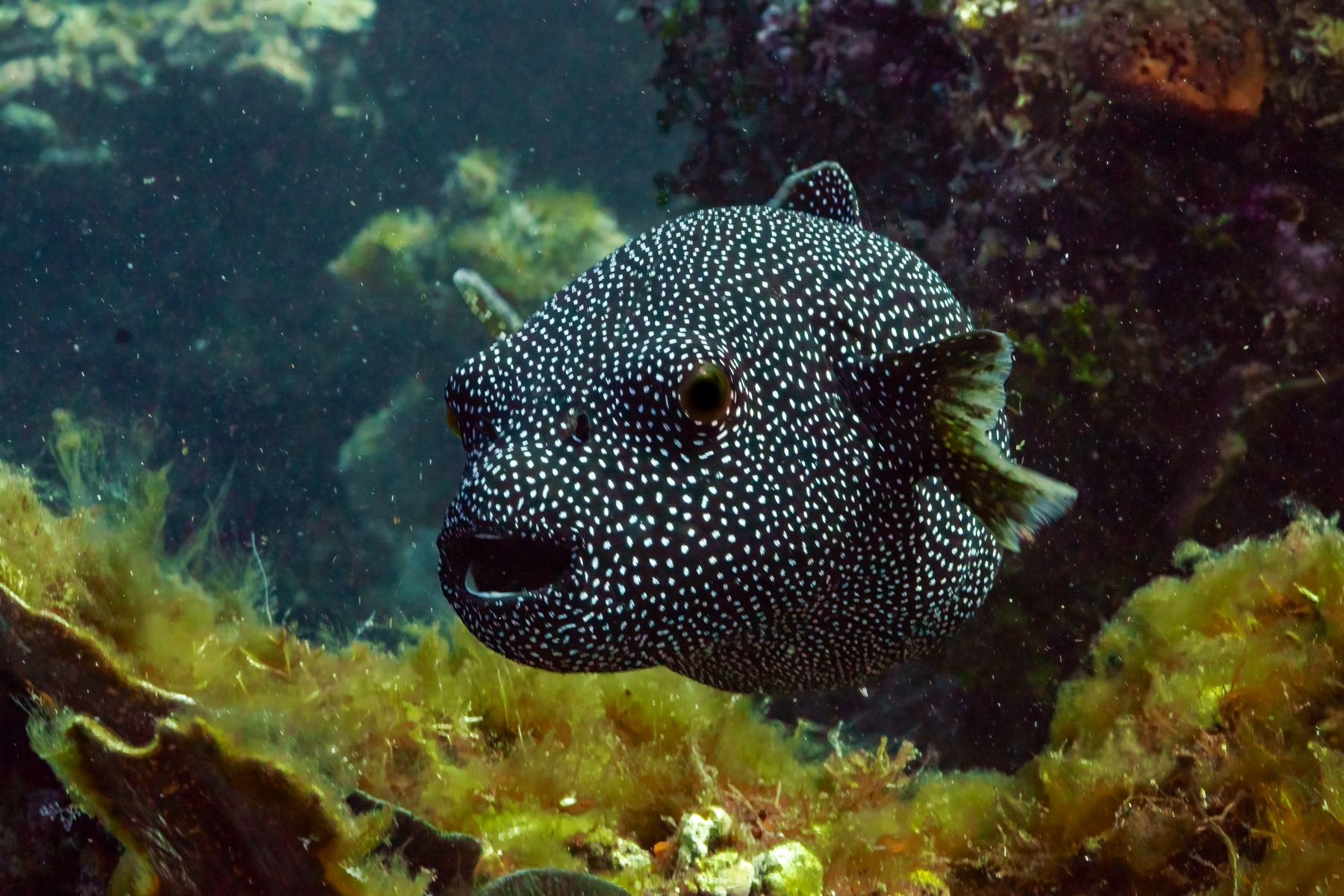
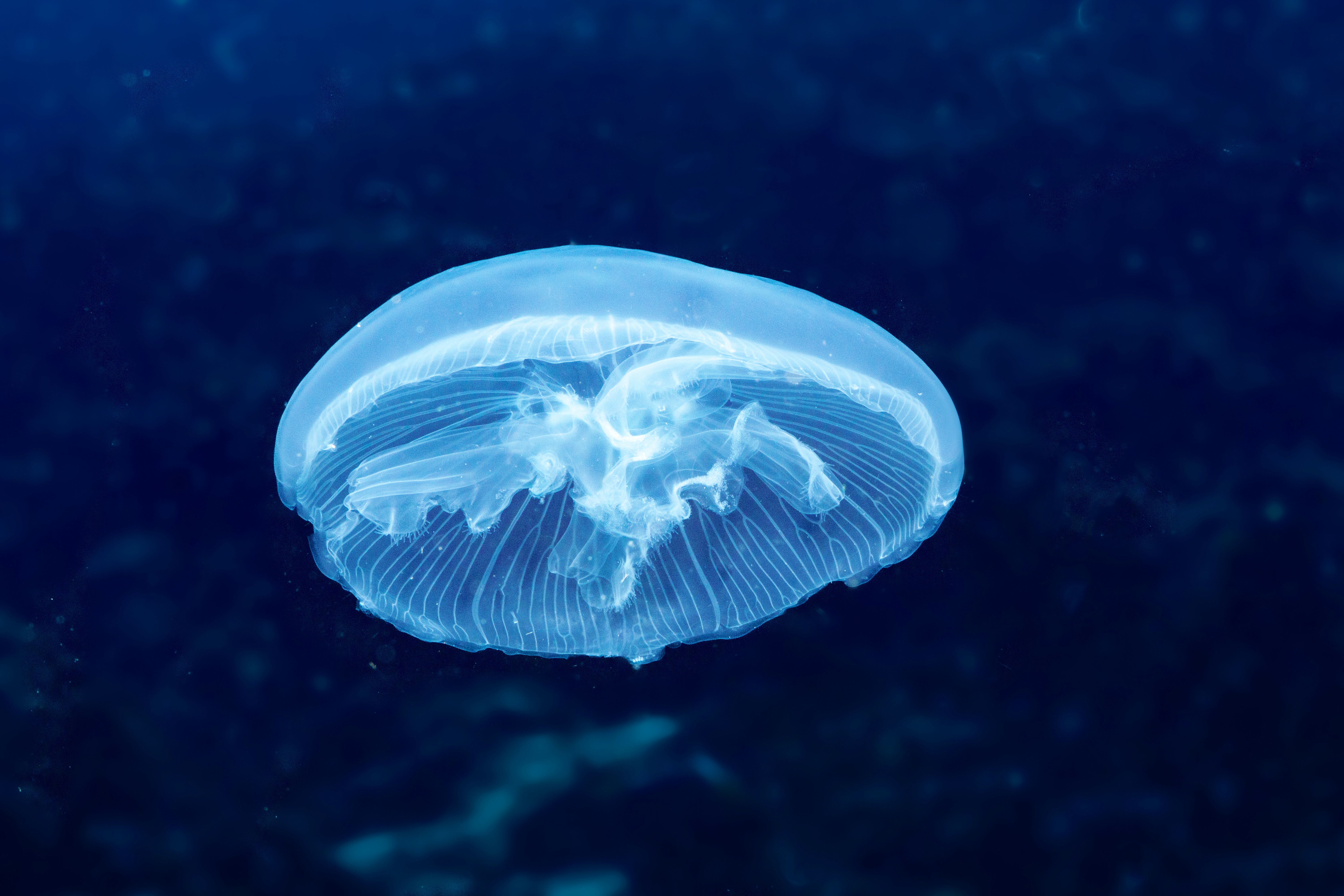
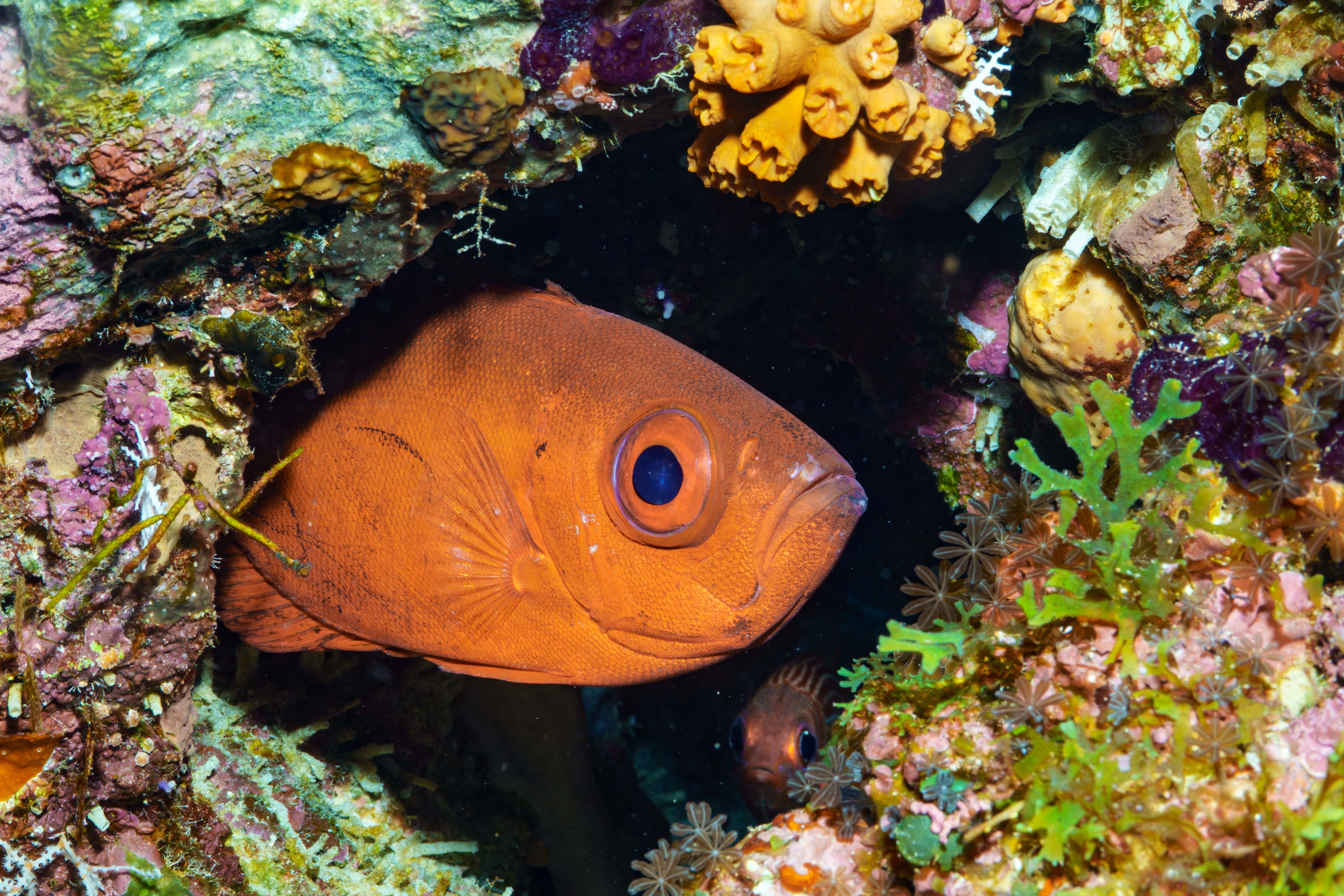
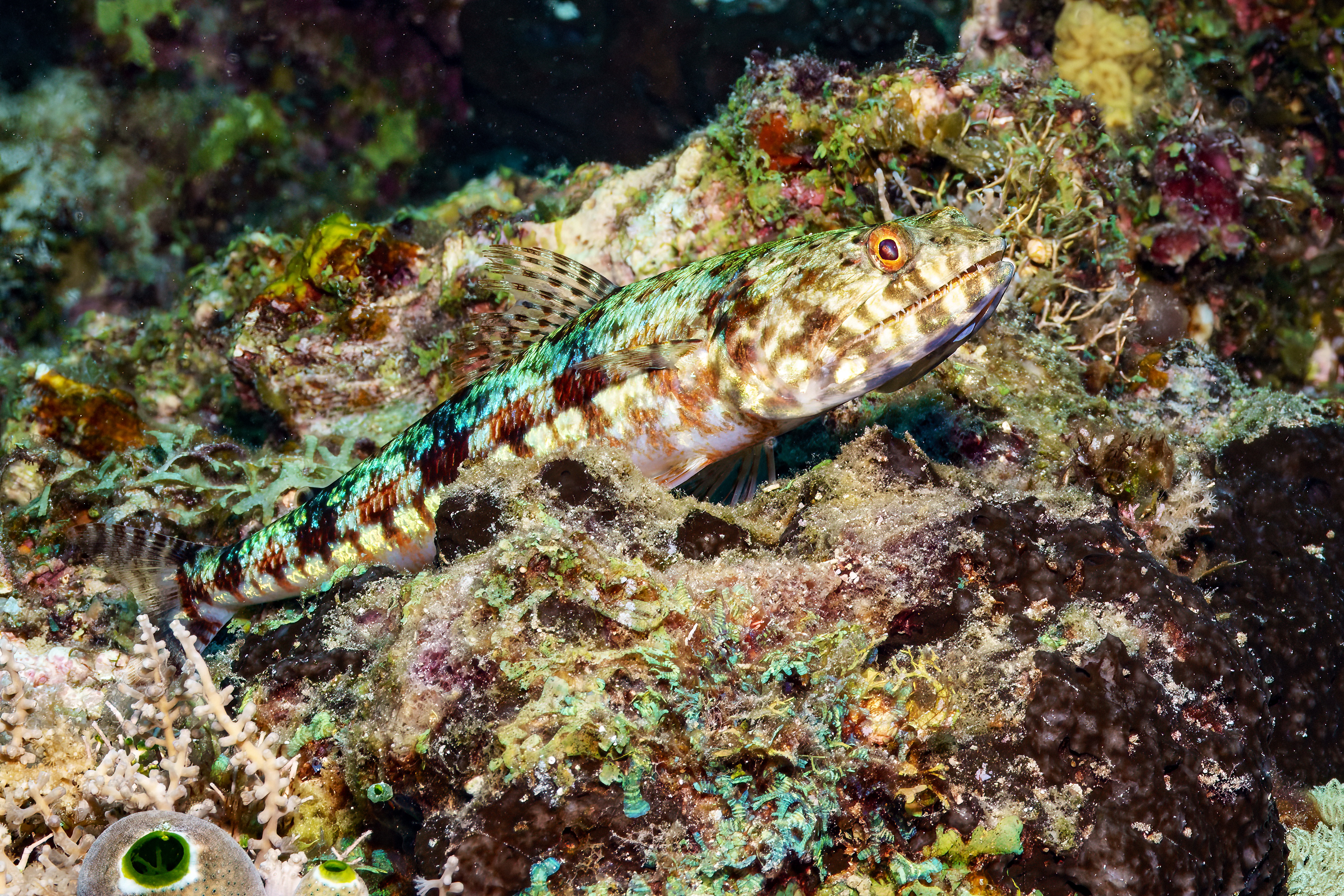
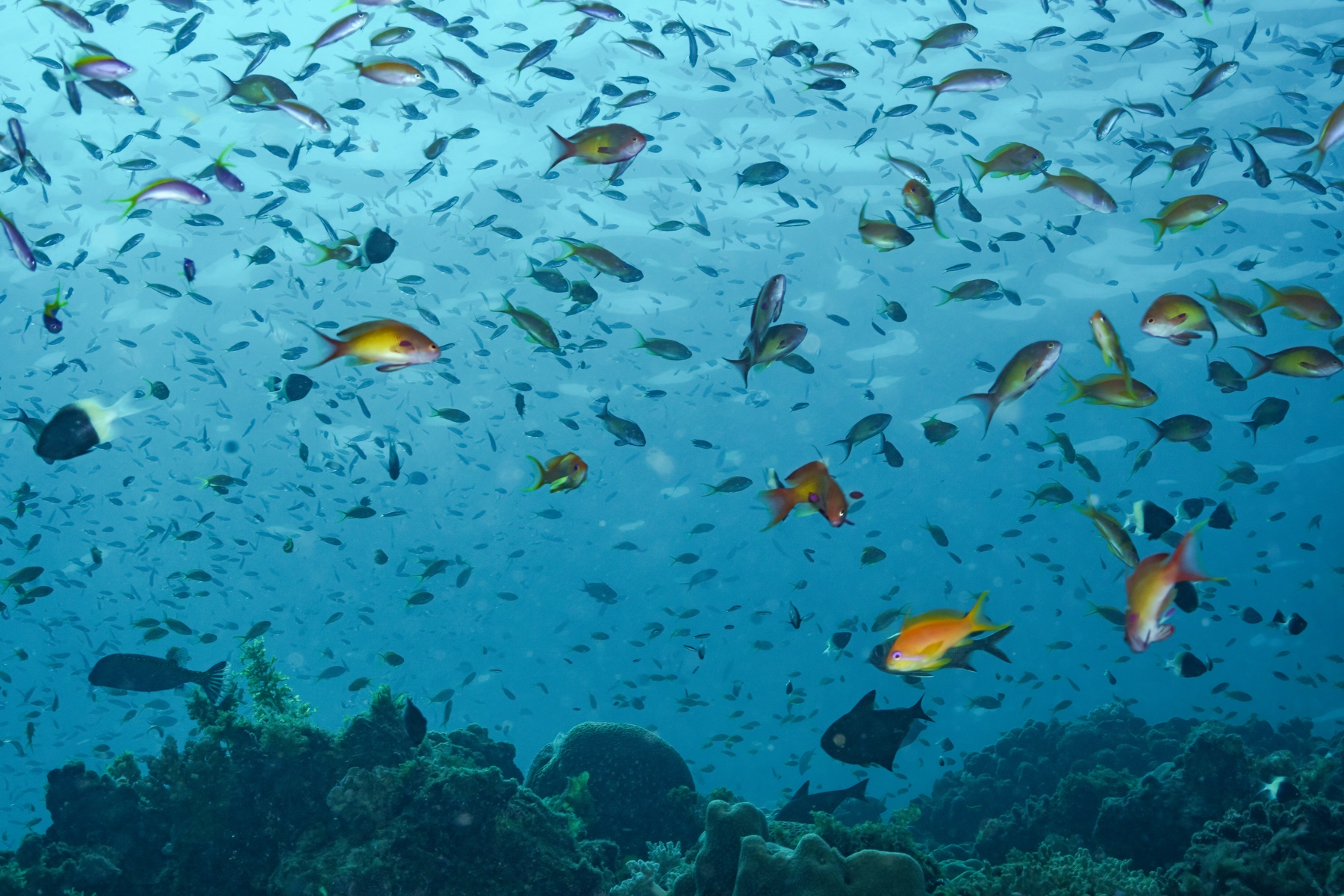
The experience was further enhanced by an abundance of fish life.
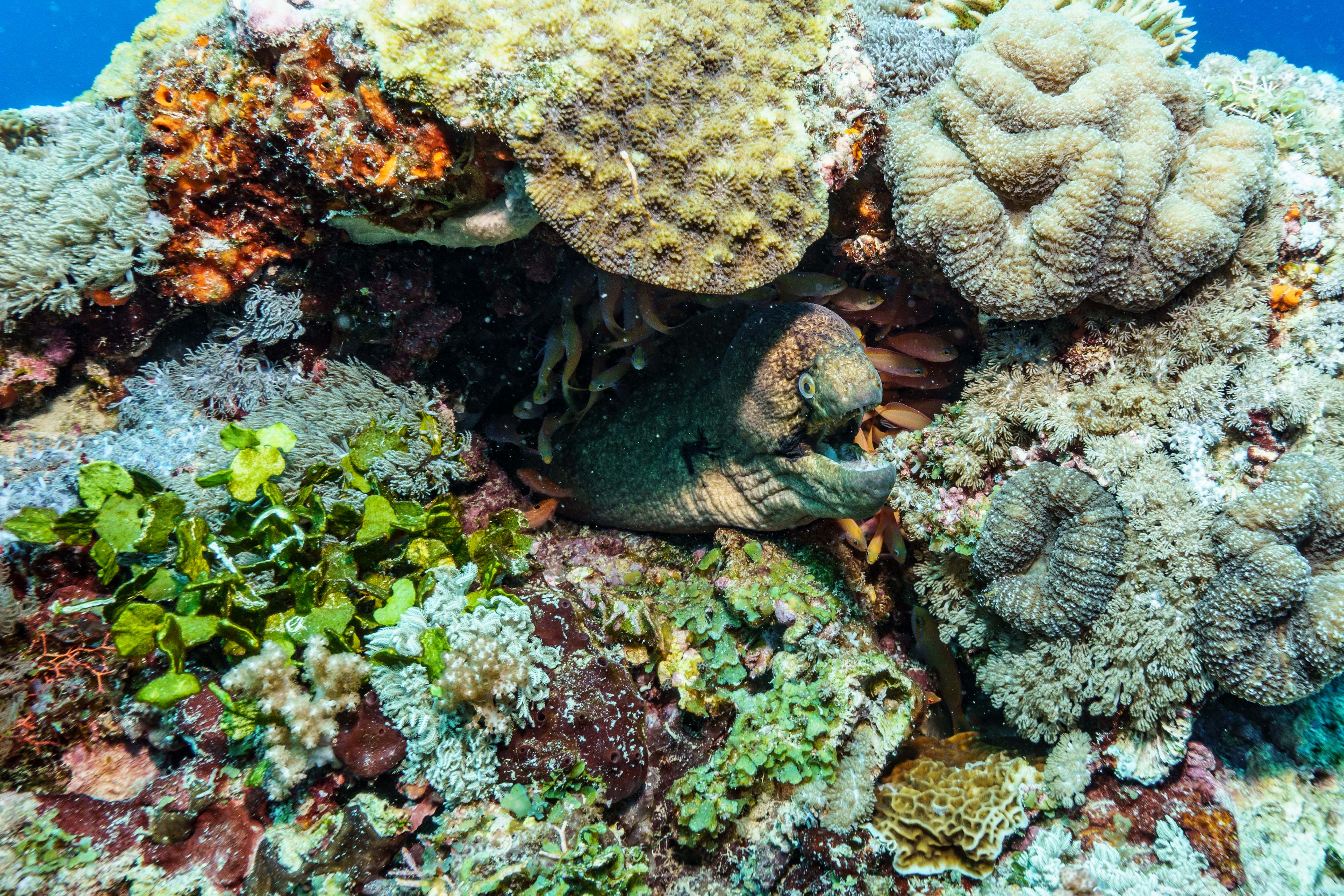
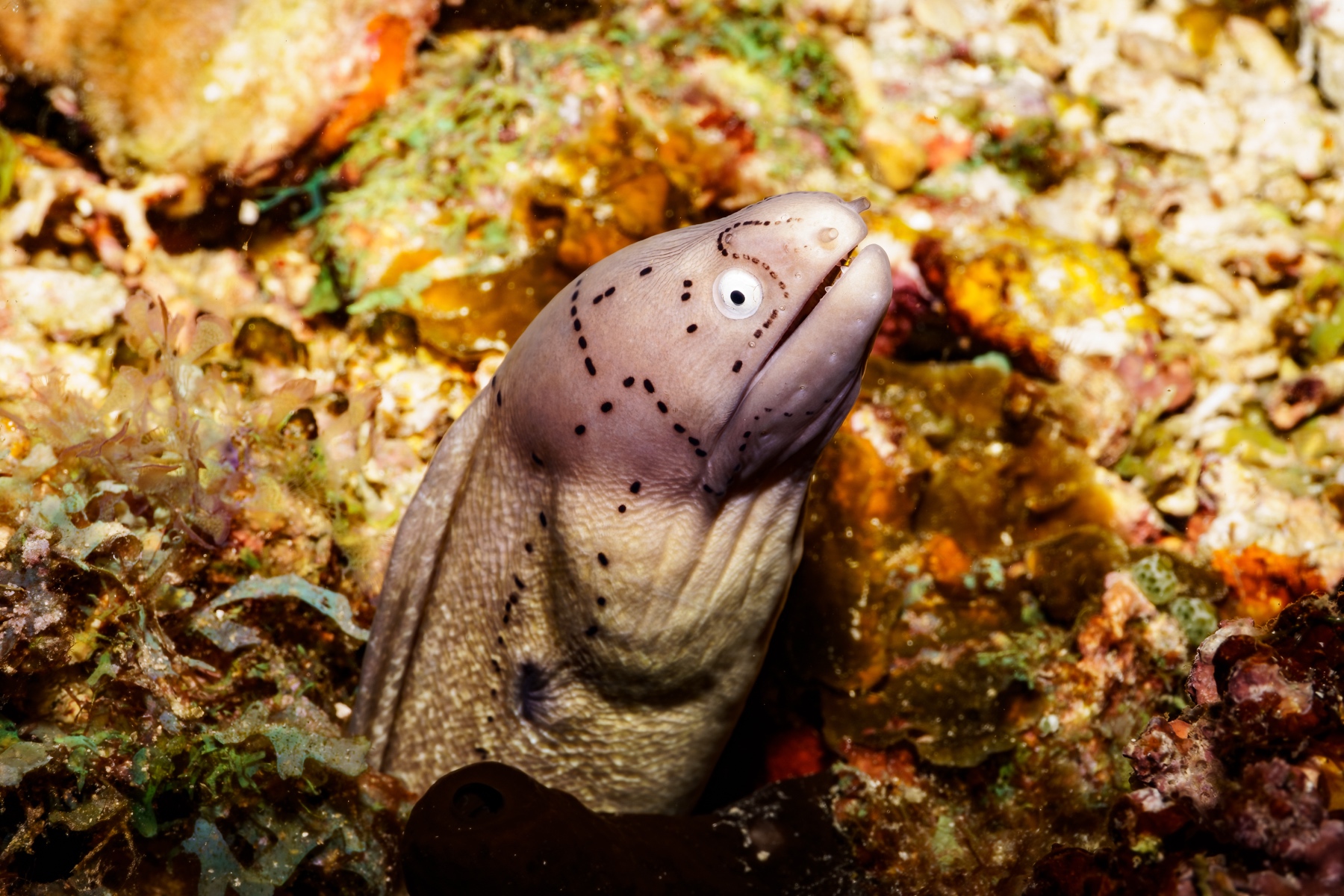
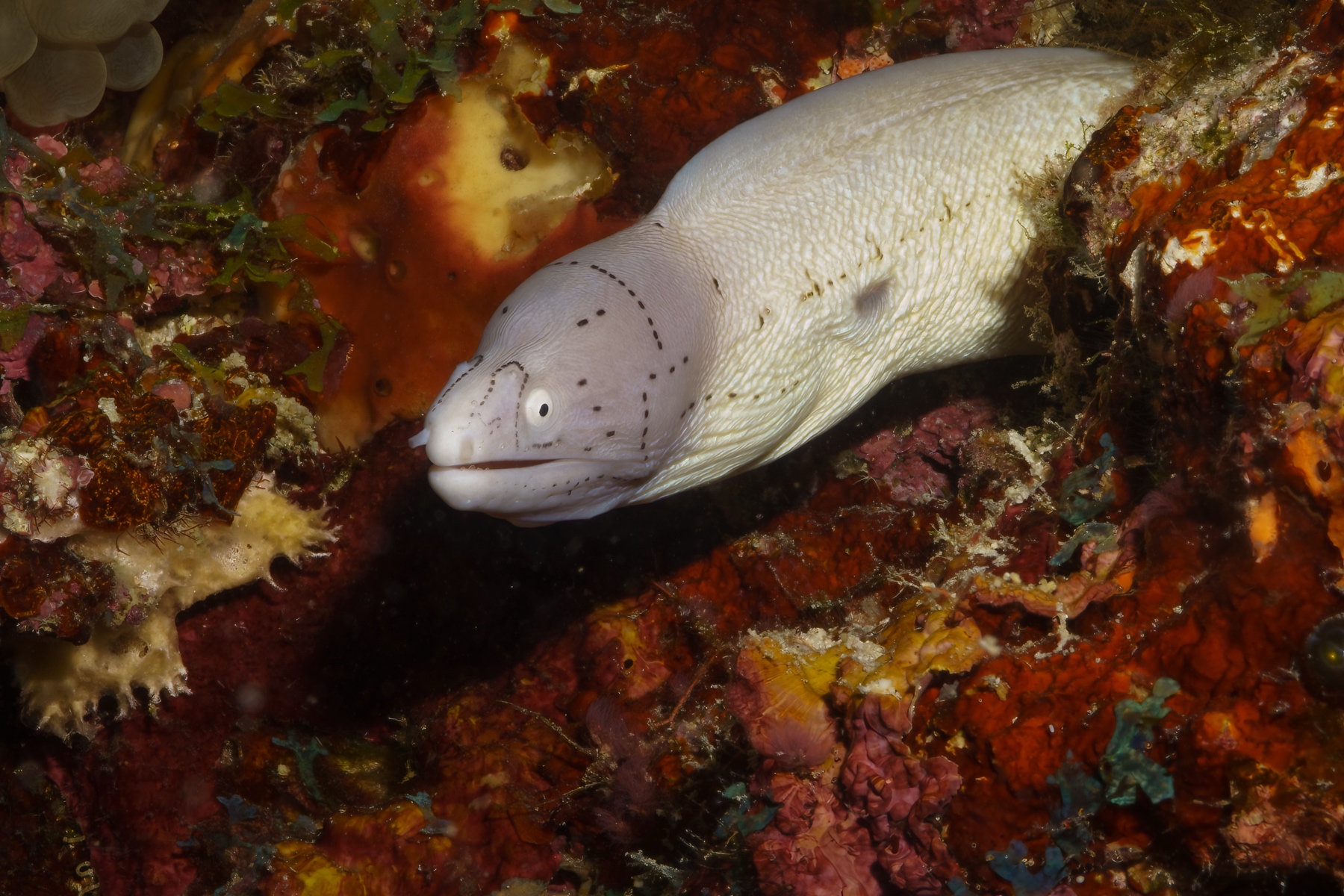
We saw several geometric moray eels, apparently very common, although I can’t remember having seen one before.
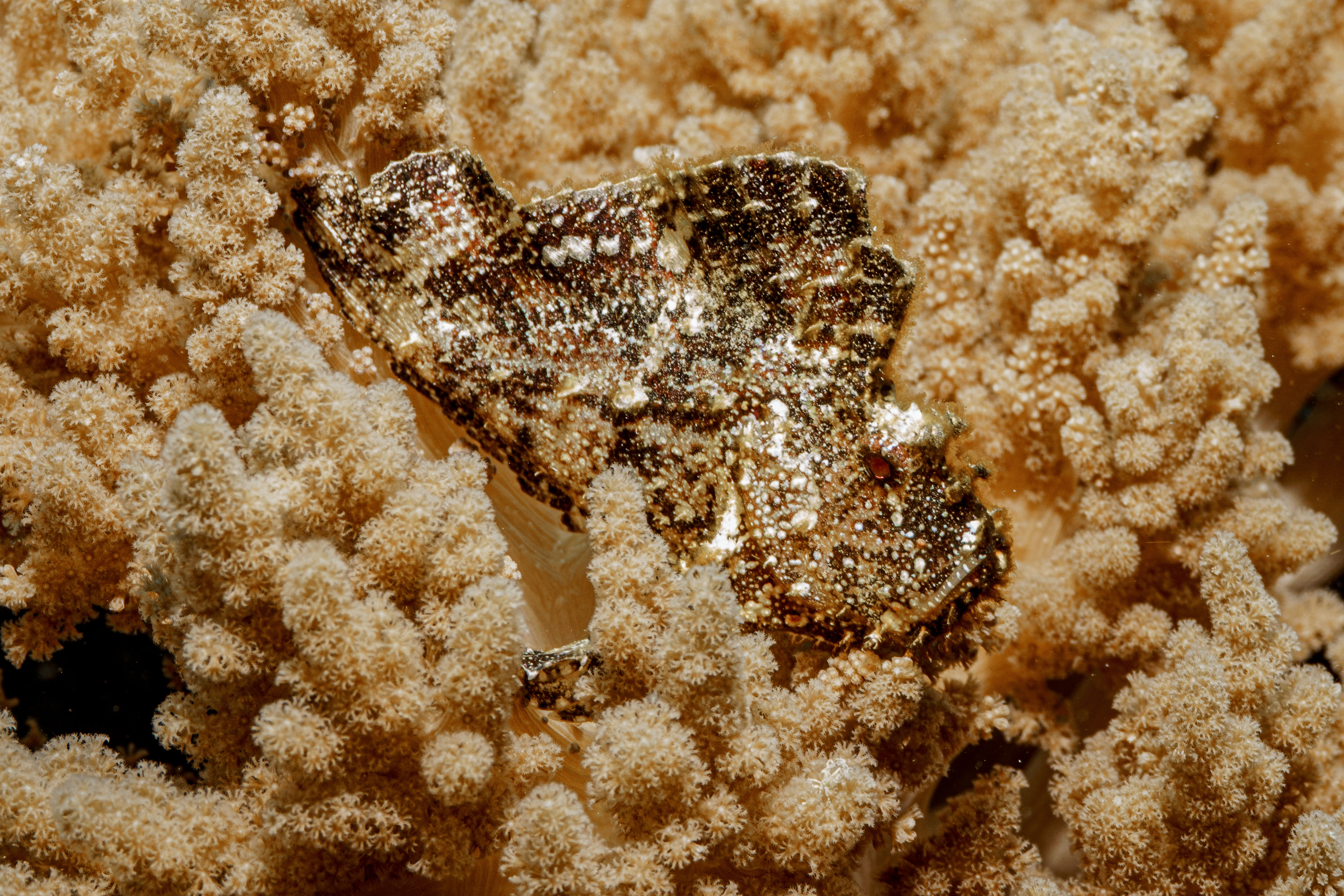
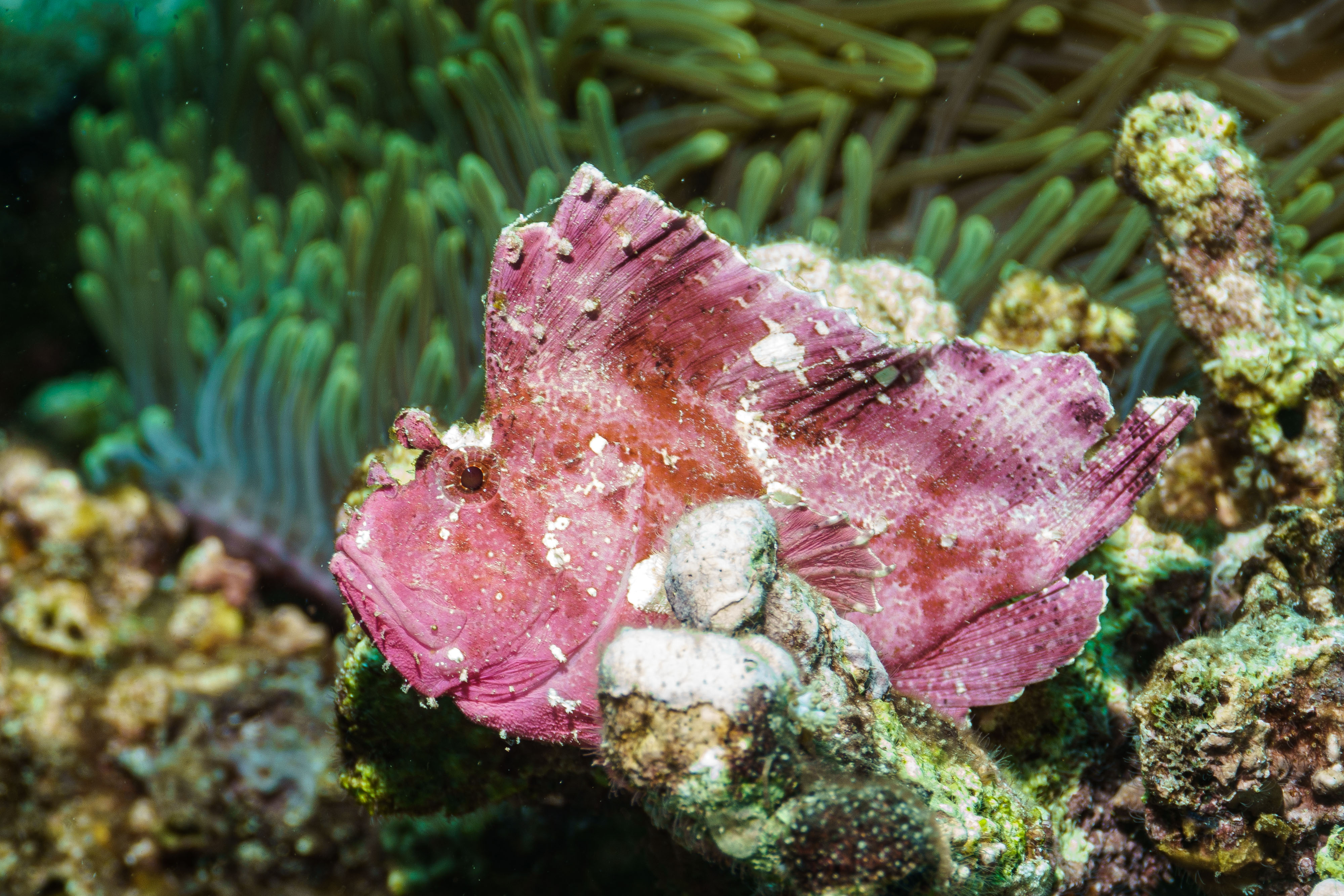
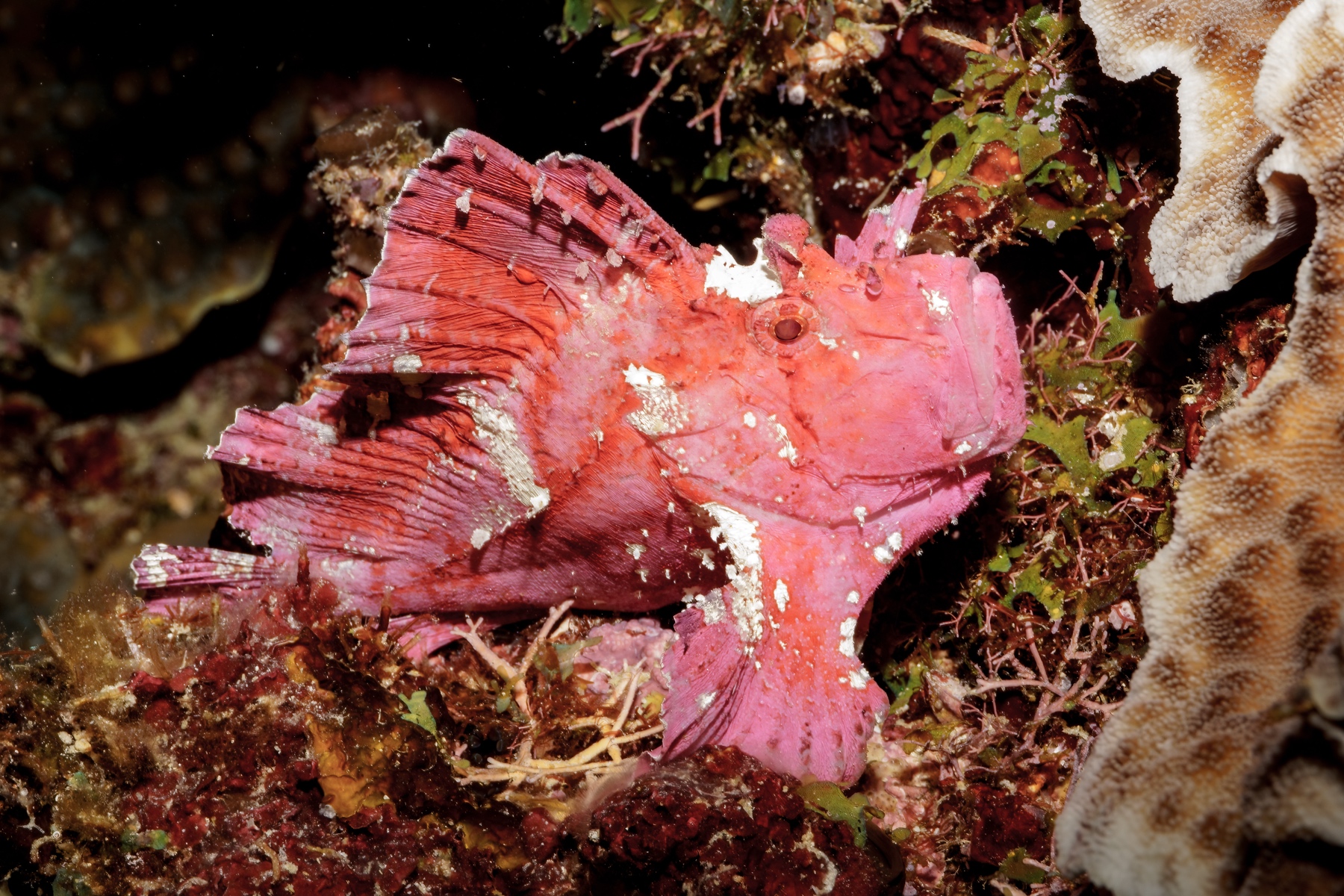
Another bright pink Leaf scorpionfish was lying in ambush, waiting for prey to appear.
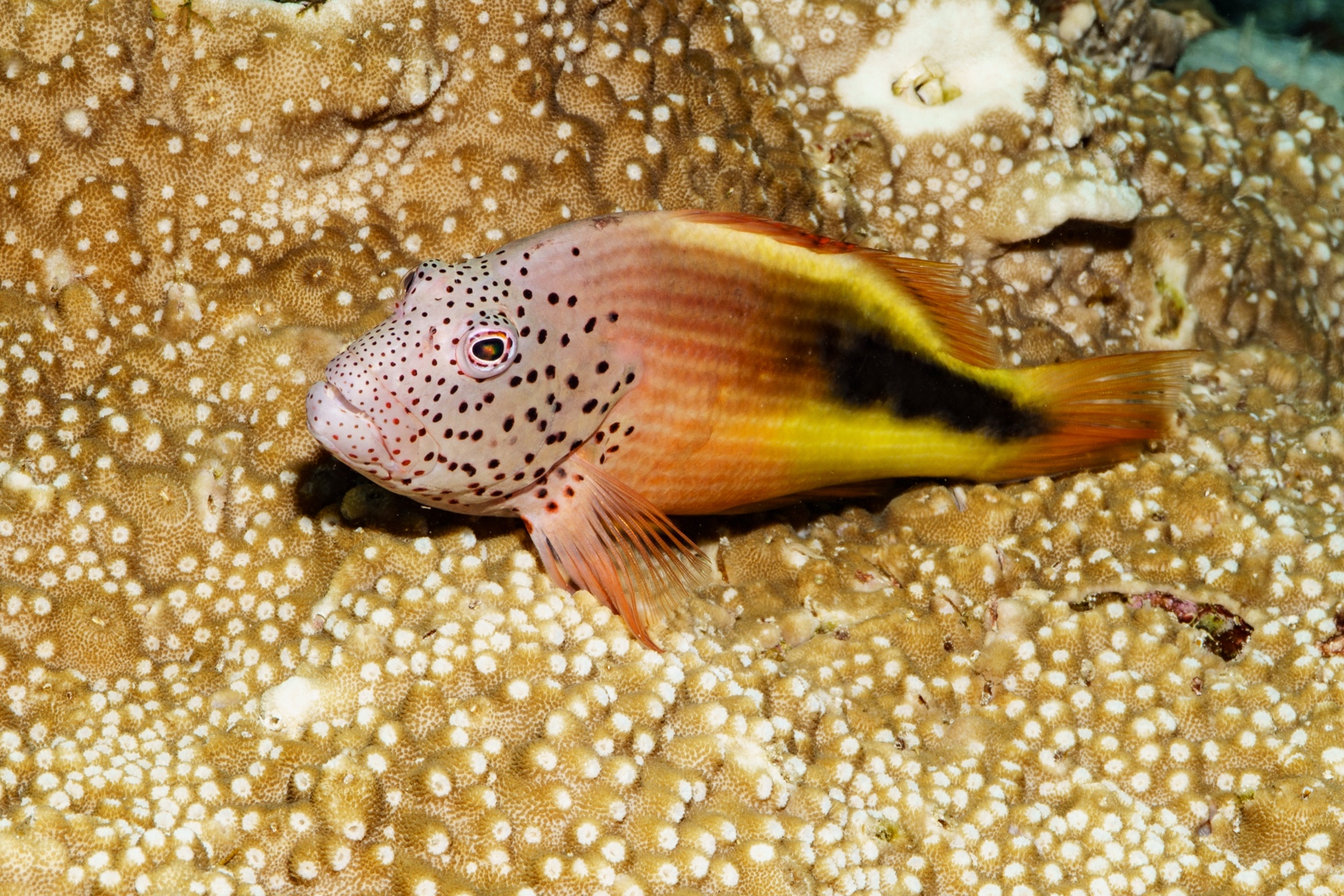
A Freckled Hawkfish and an Arc Eye Hawkfish were also perching on the corals, waiting to pounce on passing prey.
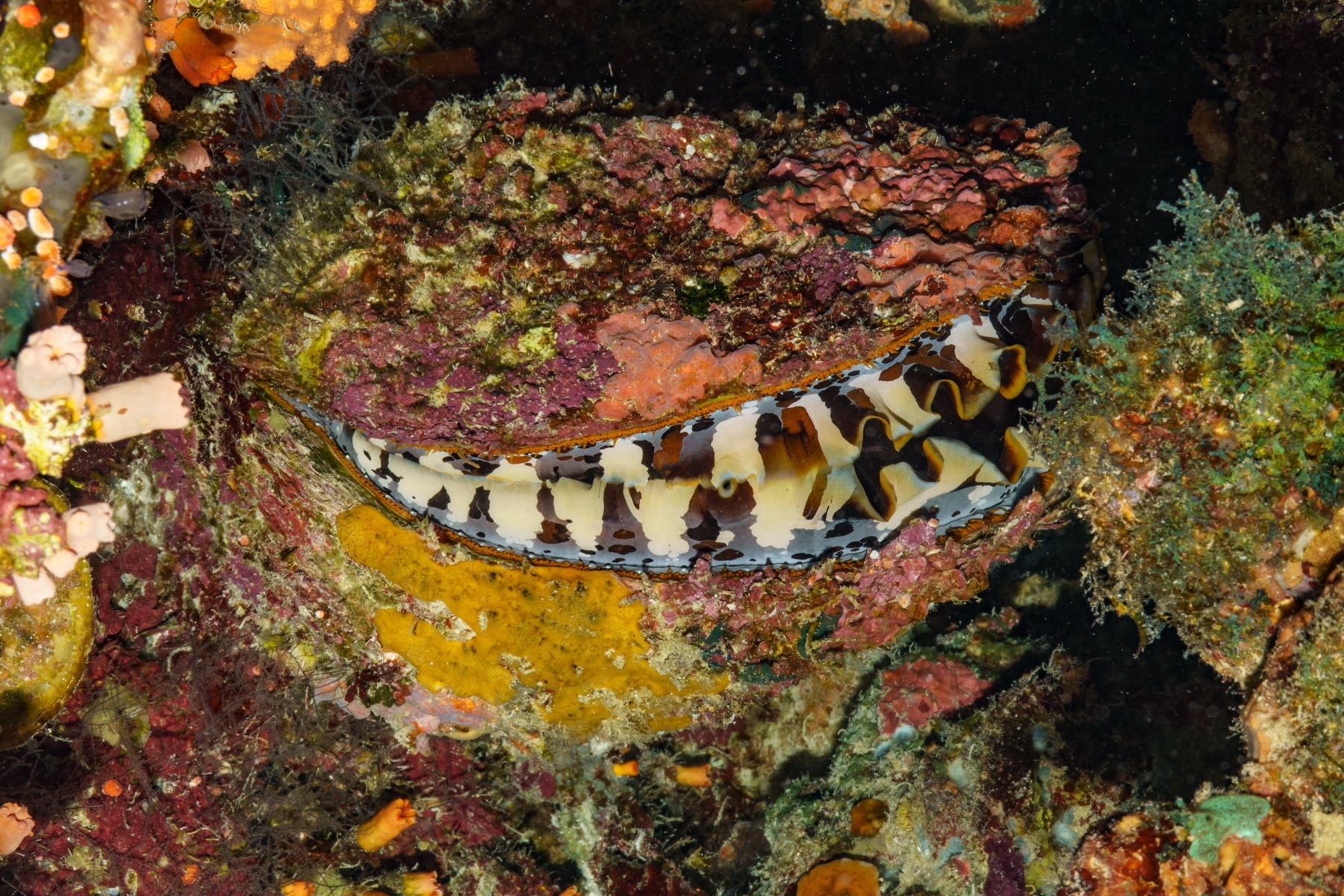
At a distance the Variable Thorny Oyster looked like some gap-toothed monster.
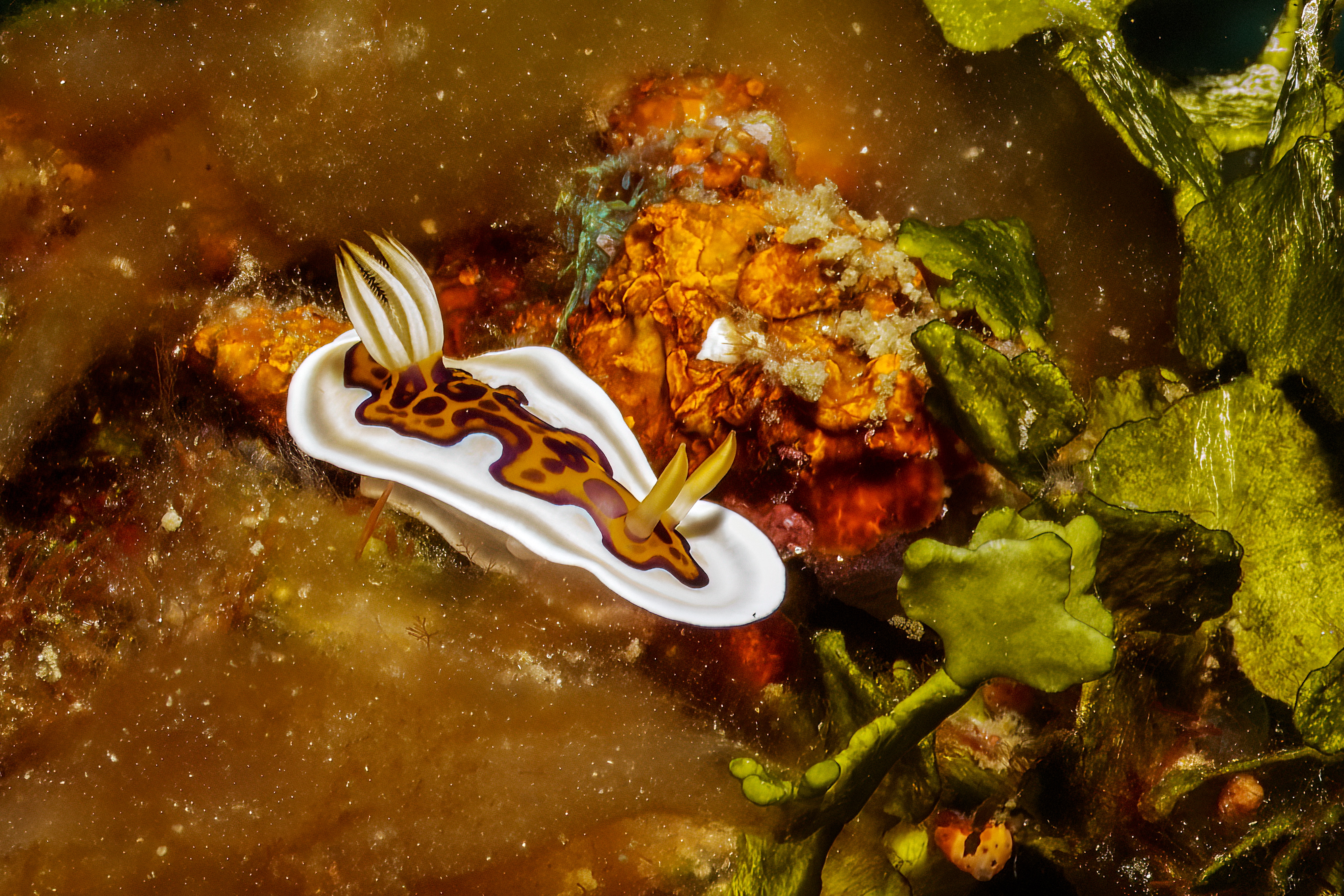
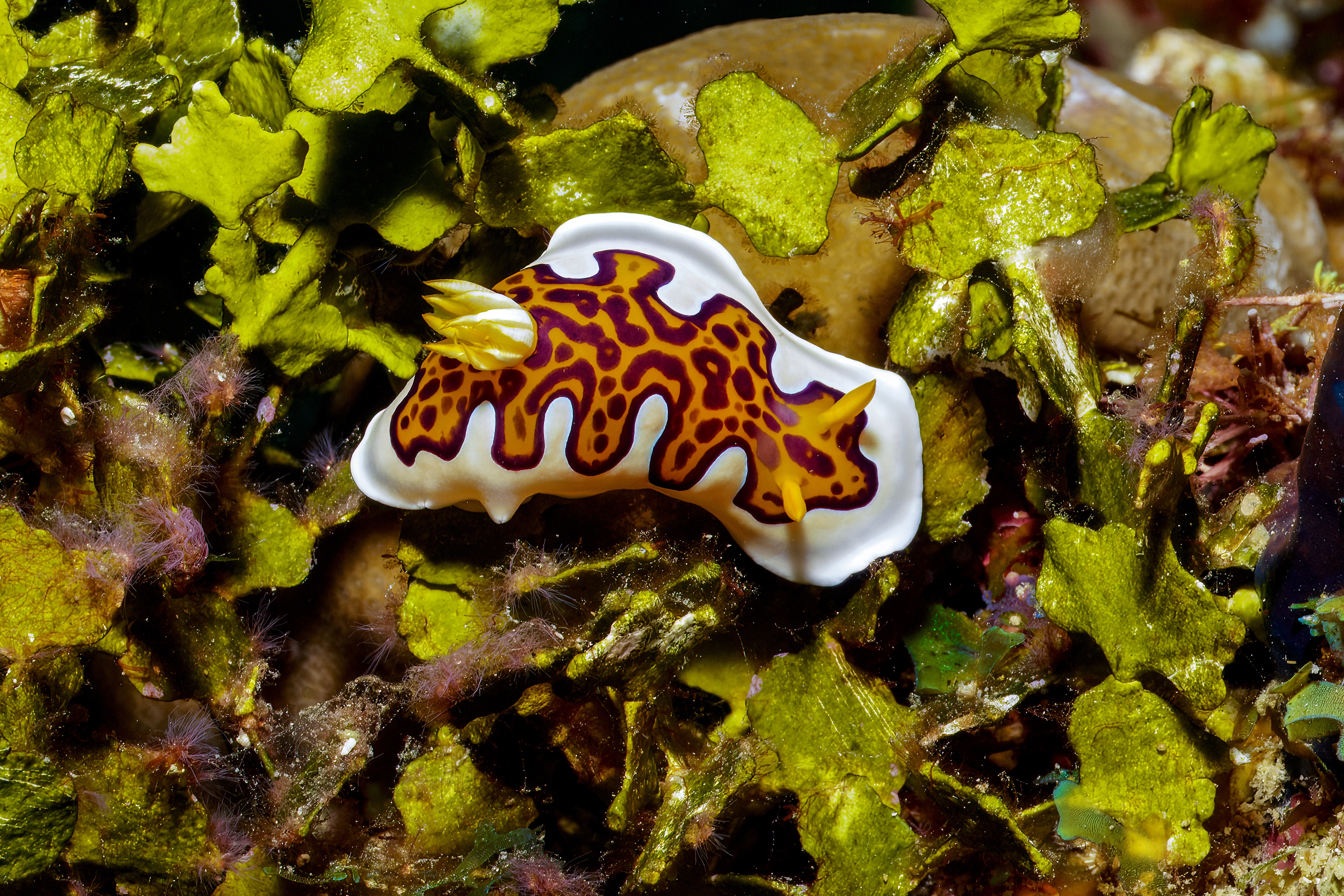
Nudibranchs and flatworms, despite their vibrant colours, can be difficult to spot due to their small size.
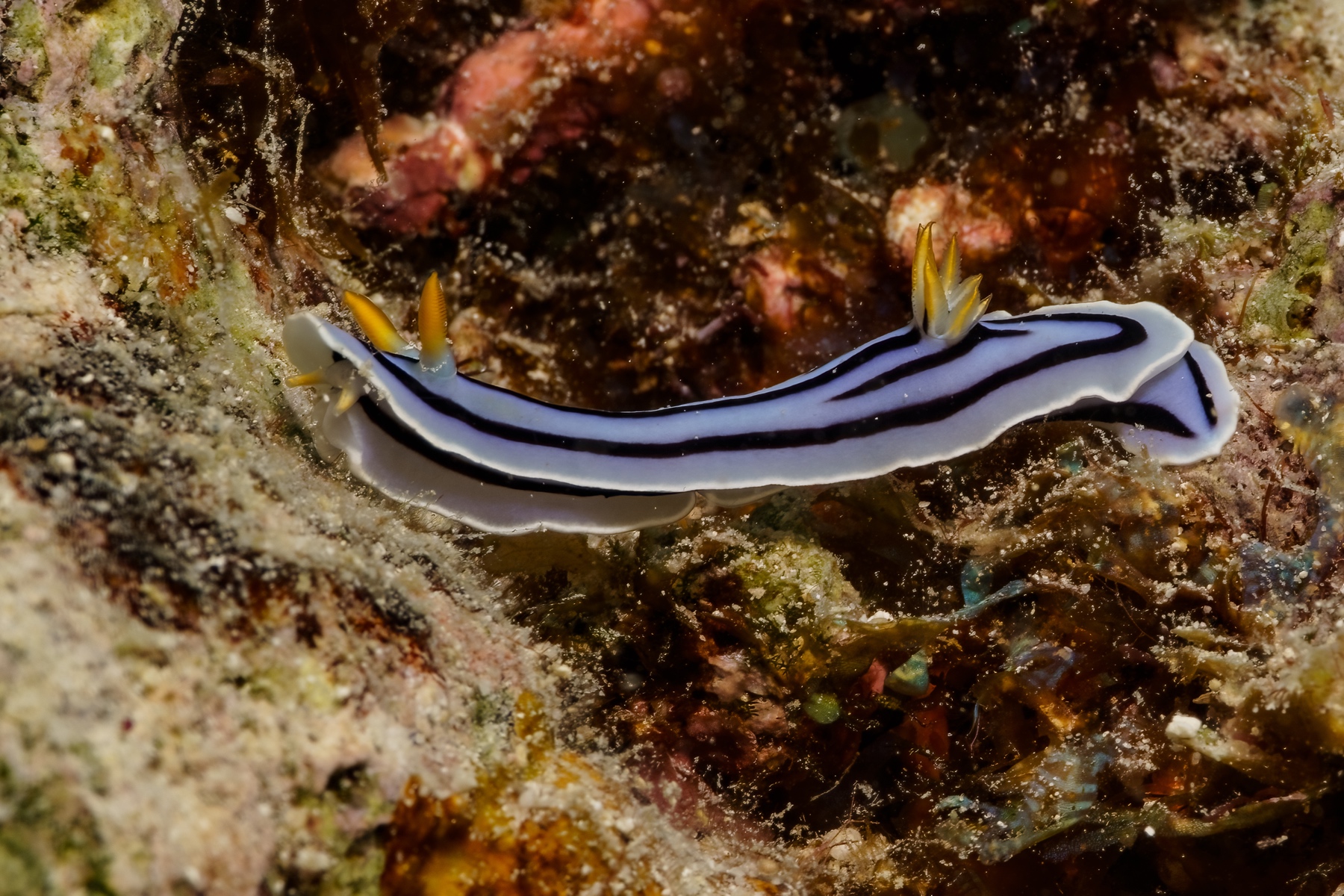
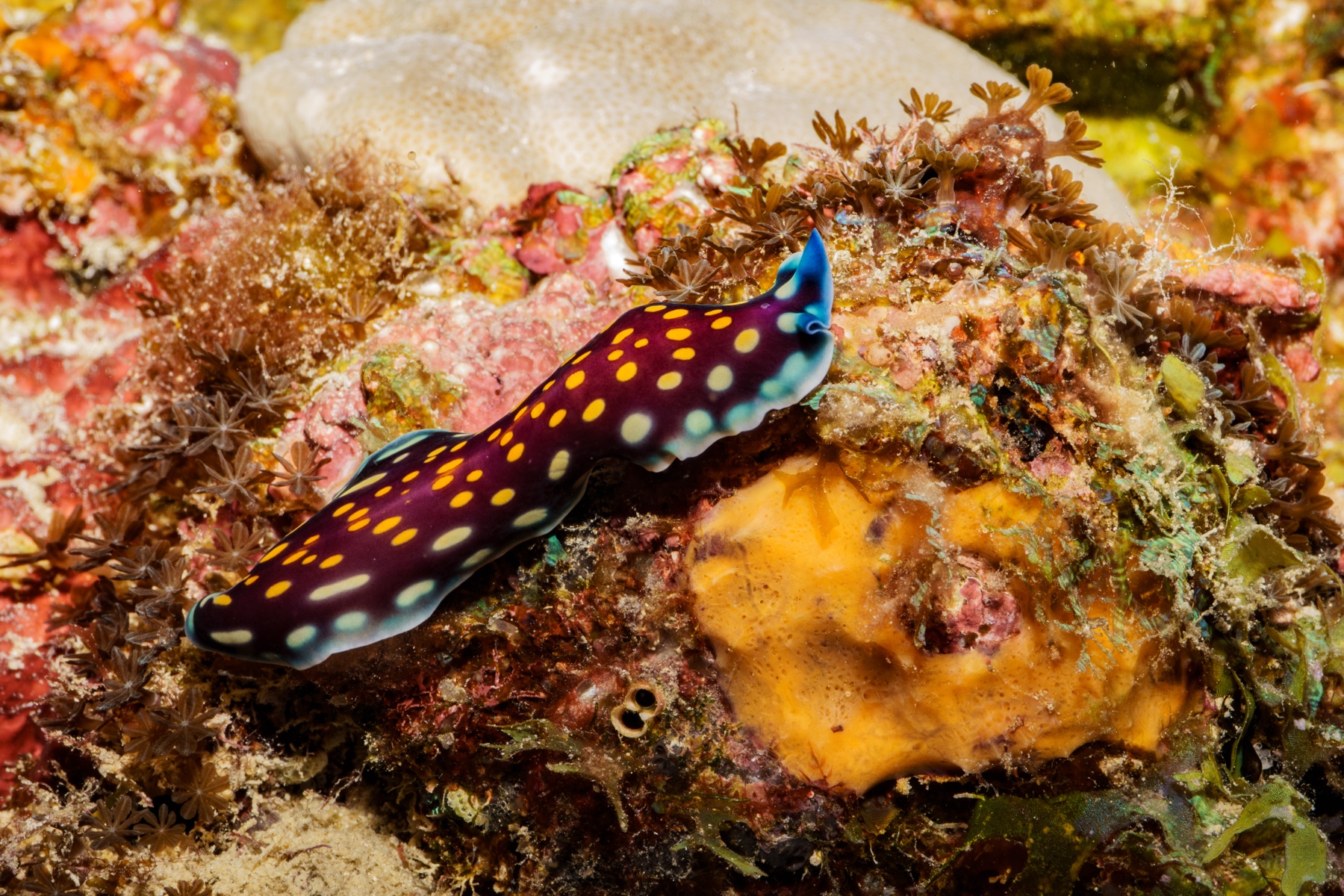
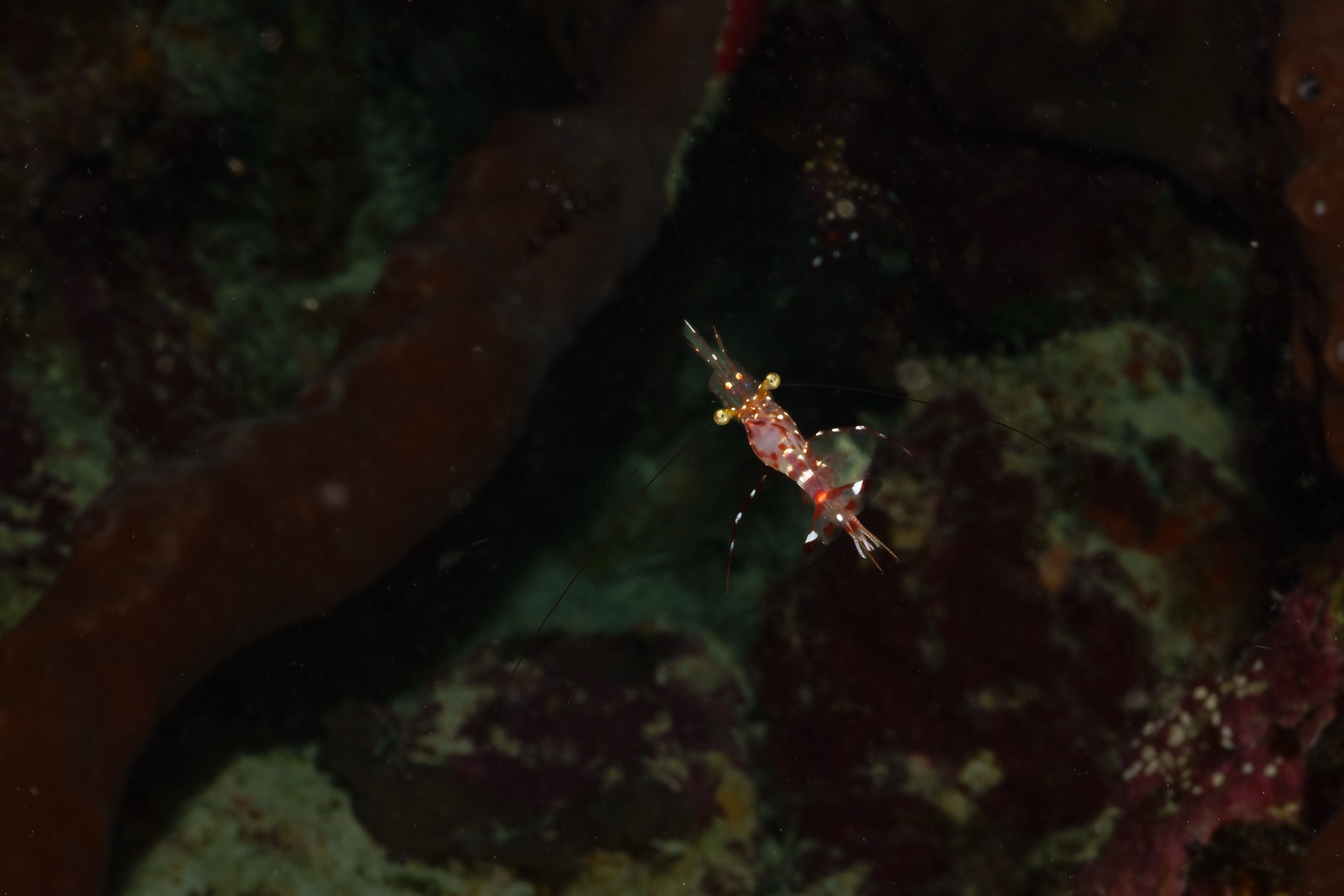
The shrimp seemed almost as curious about us as we were about them and I had do keep backing away to get one in focus.
After another afternoon of photo and video processing in the comfort of our air conditioned room, we sat down to another superb dinner to end our time at Afro Divers .

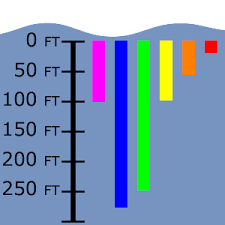
**Just a little footnote for the non-divers: colours disappear quickly as you dive deeper, red being first to go, until eventually only blue remains. The only way to see the true colours of the corals at depth, is to use a strong torch, video light, or for photos a strobe.
Pemba Island Diving: Day 4, Diving and More

This will be a short post after a very long day. As usual, we started with coffee and a simple breakfast—fresh fruit for Liana, pancakes for me. Then it was straight to the water for diving.
We were excited to put Michael’s advice from the day before into practice. The dives themselves were beautiful, even if the photographic opportunities proved a bit elusive. On the first dive we spotted a large turtle, but it stayed just out of ideal camera range. Later, a magnificent ray rested motionless on the sand—another breathtaking moment, though not quite the perfect shot.

Sometimes the camera has to take a backseat so you can simply be present and soak in the wonder of it all.

Still, I did capture a few decent photos, and I can already feel Michael’s tips making a real difference. Progress, one dive at a time.

Once again, try to watch Liana’s video in 4K or at least HD and remember that you can enlarge any of the photos by clicking on them.

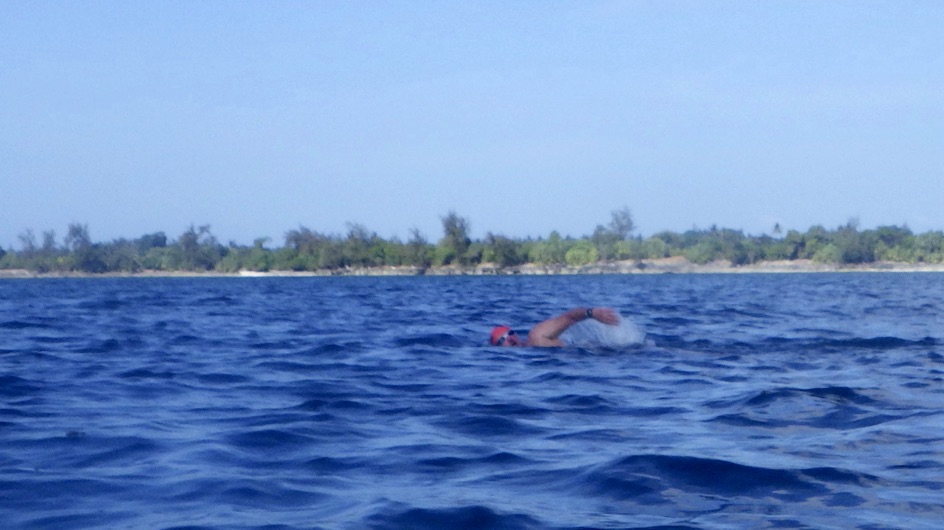
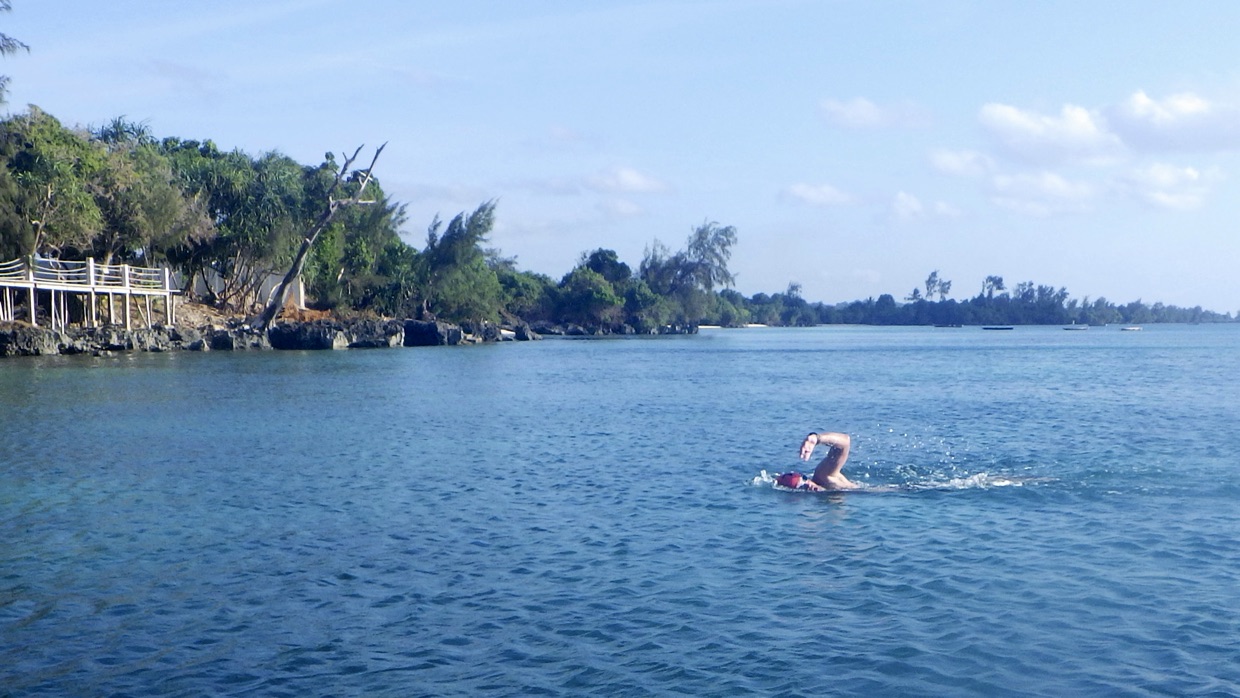
I’d been contemplating a long open-water swim along the Pemba coast ever since we booked this trip—and today was the day.

The original plan was to swim from Afro Divers to The Aiyana, roughly 4.5 km along Pemba’s stunning northern coast. But I misjudged the tide and currents. Instead of an easy glide, I spent the entire swim battling a relentless head current. I eventually called it quits about 500 m short, finishing at Pemba Paradise—exhausted but satisfied.

The combination of fighting the current and the almost absurdly warm 31°C sea temperature turned what should have been a relaxing cruise into a proper test of endurance. My arms felt like lead by the end, yet there was something rewarding about pushing through in such a beautiful setting.

The combination of exhaustion from the day’s activities and suddenly slow internet connection called for an early night for me, although Liana remained up till late to finish her video.

Tanzania 2023: Part 1: Pemba Island Diving

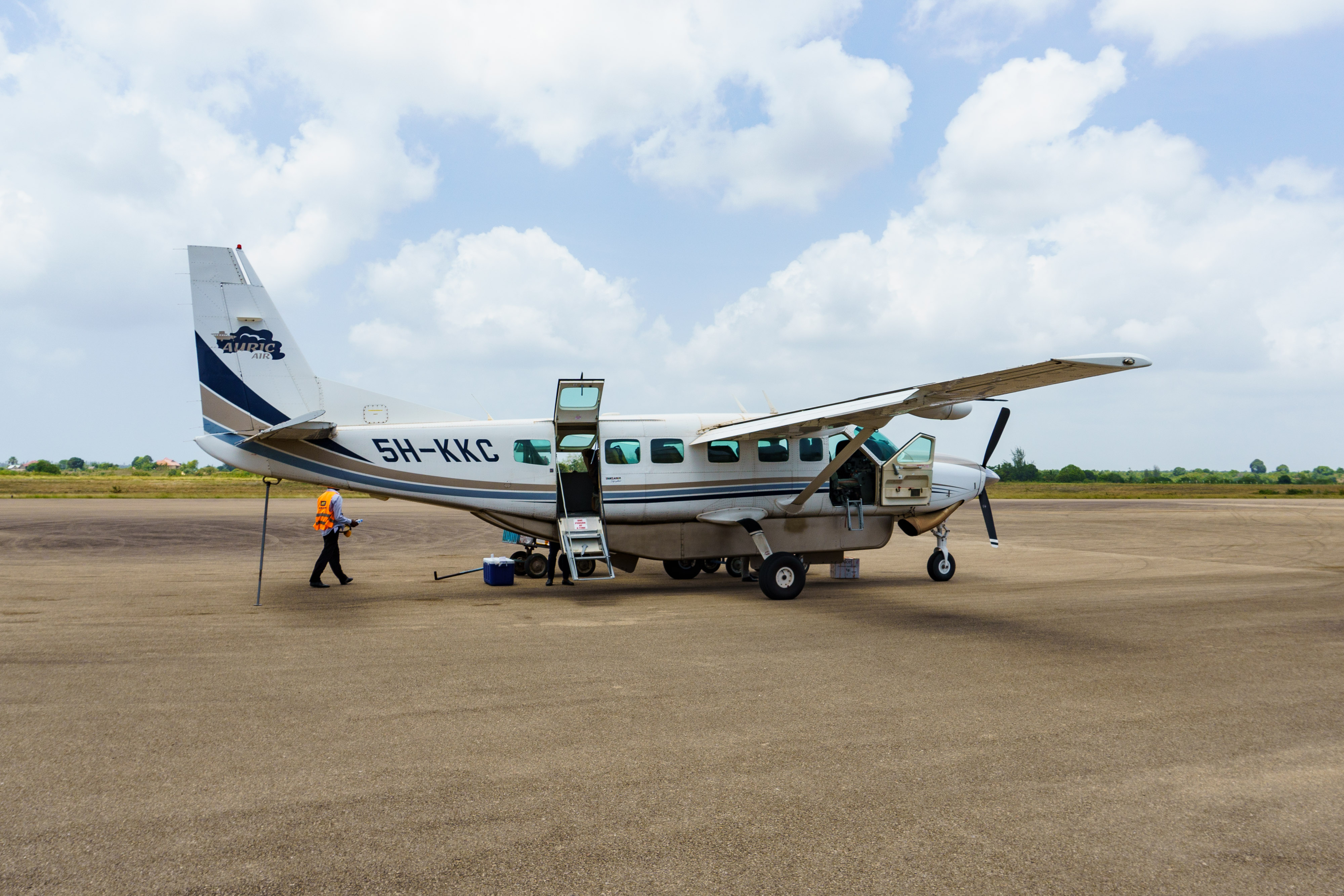
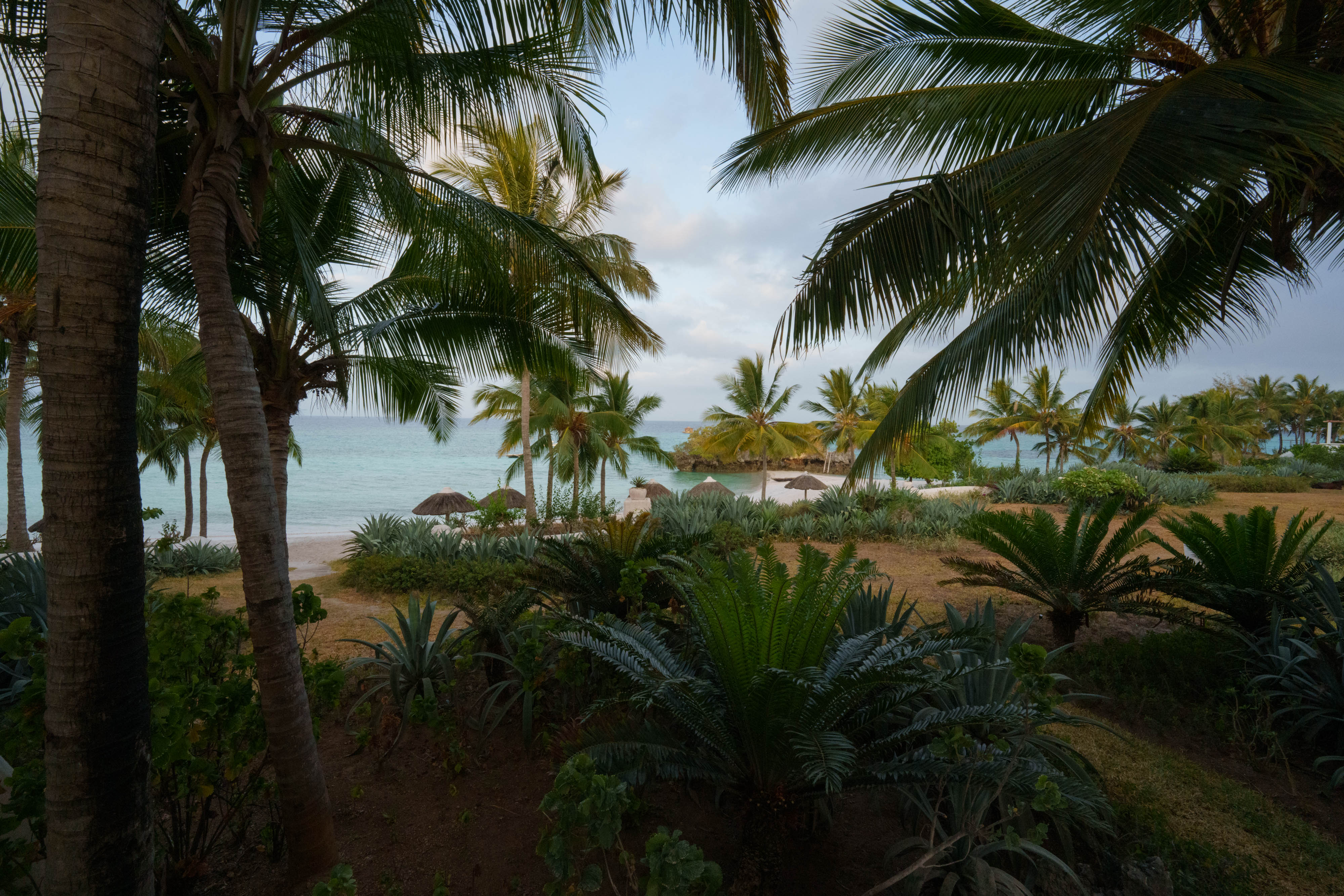
At last the long anticipated family tropical island holiday arrived. Despite relatively short distances and flight times involved, travel to Zanzibar and Pemba Island from South Africa has become a bit of a challenge. We left home Friday 10 February at around 10:30 and finally arrived at The Aiyana on Pemba Island around 14:00 on Saturday, having had a long layover in Johannesburg, arriving in Dar es Salaam at around 02:00 with about 3 hours sleep in Dar es Salaam Serena Hotel. From Dar es Salaam to Pemba we flew in a Cessna Grand Caravan, a plane which we would eventually spend a lot of time in over the course of the Tanzania trip.

Sunday morning saw us ready to go diving with Afro Divers. After a light breakfast of fruit, croissants and coffee, we were picked up from The Aiyana at 08:00 and transported to the dive centre, where we were welcomed by Michael and his crew and kitted out. A short boat trip got us to our first dive site and for some of the family members who don’t scuba, to a lovely site for snorkelling. The diving off Pemba Island is truly magnificent: warm water, unspoilt coral reefs, easy entry with gradual descents along the walls. This is about as relaxing as diving can get.

More diving was to follow for the next few days.

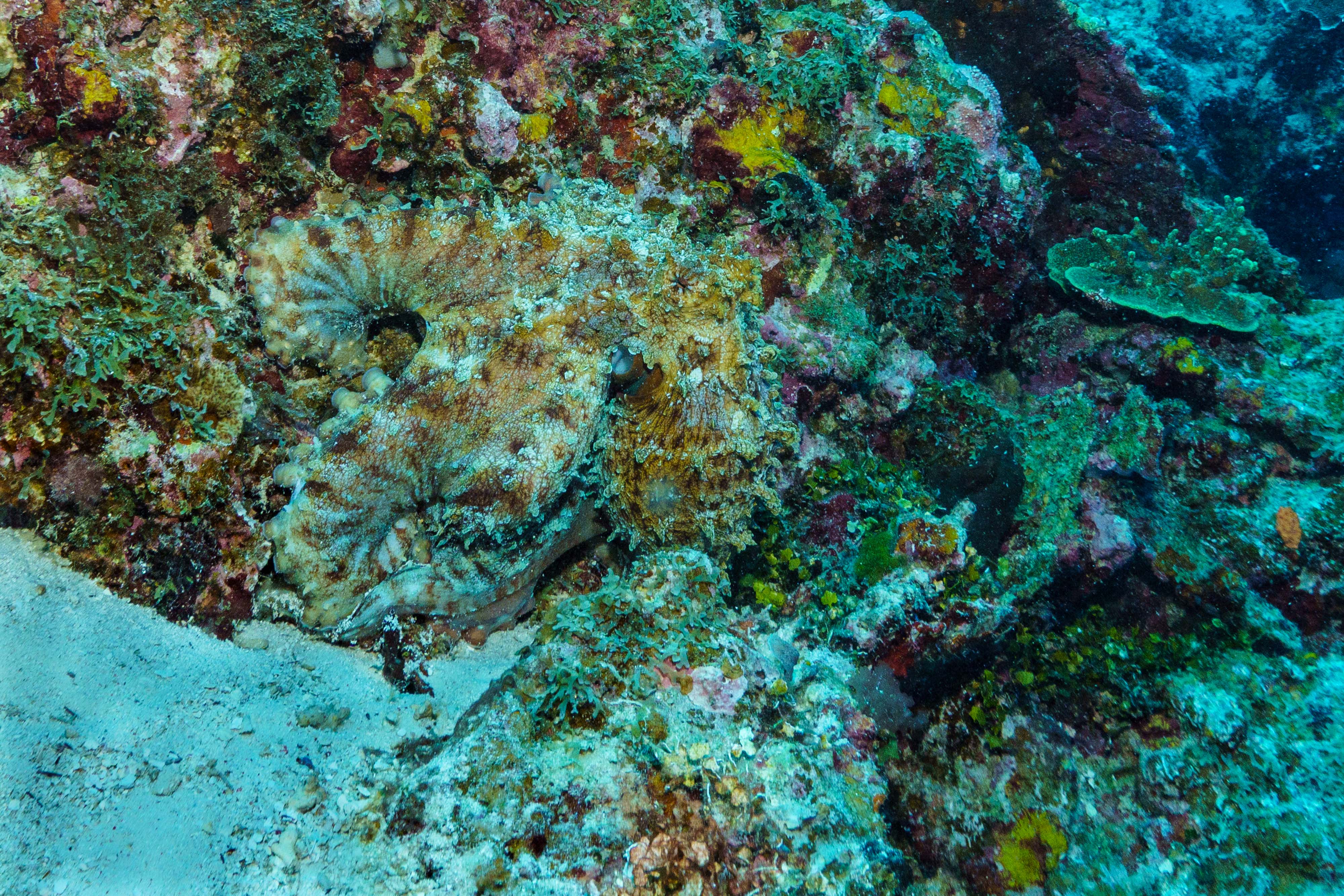
The octopuses and their ability to camouflage themselves by rapidly changing their appearance according to the surroundings never cease to amaze me.

Equally well camouflaged amongst the corals are the leaf scorpionfish.

Some beautiful moray eels also poked their heads out.

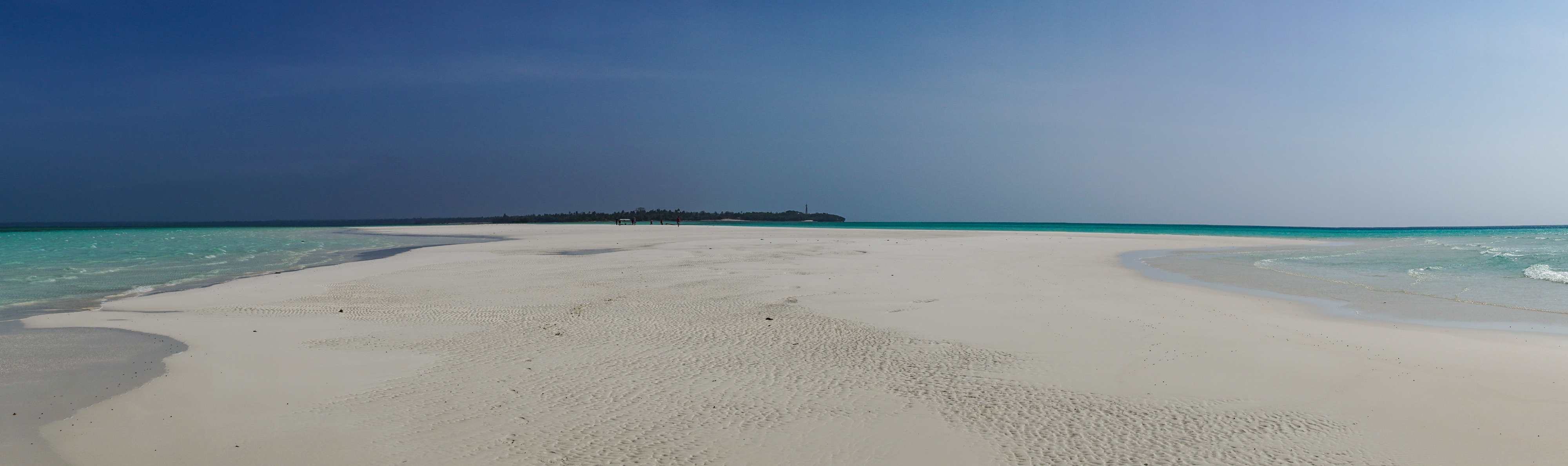
We took a day off from diving to explore some other attractions on Pemba Island. A visit to the mangroves was followed by lunch in a small local restaurant in Makangale town and an afternoon boat ride to the sandbank north of the island. These were all organised by Sija of Pemba Tours

Finally some more diving to end off the first part of our trip.

Part 2 : Mahale Mountains National Park : Chimpanzee trekking here

Part 3 : Ngorongoro Crater here